Tucked between Washington, D.C. and Baltimore, there is a sprawling stretch of forests, wetlands, and lakes that most people drive right past without knowing it exists. At more than 12,800 acres, this federally protected refuge has been quietly doing two jobs at once since 1936: giving wildlife a safe place to live and giving scientists a place to study it.
It is one of the few spots in the entire country where conservation and research happen side by side on such a massive scale. From easy walking trails around a lily-covered lake to museum-quality exhibits inside a free visitor center, this Maryland landmark offers something genuinely surprising for anyone willing to make the short detour off the highway.
12,800 Acres of Protected Land Sandwiched Between Two Cities
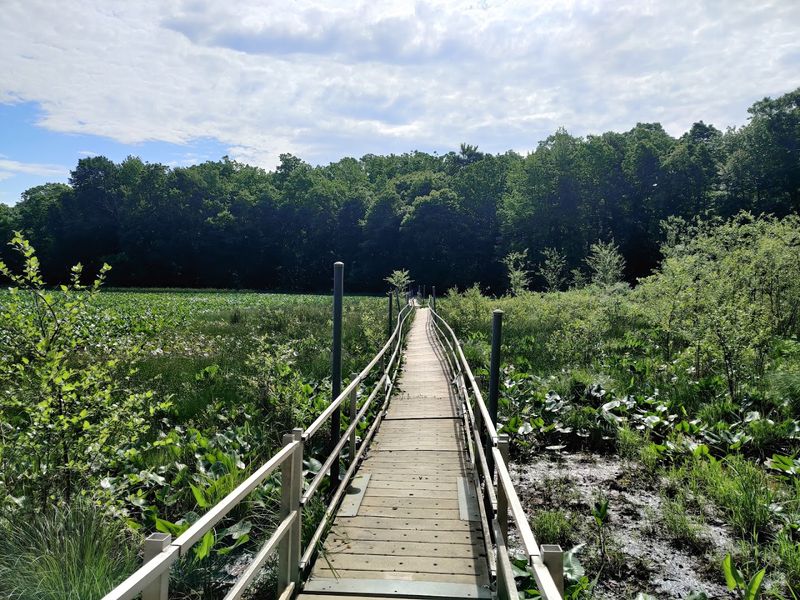
Most urban green spaces top out at a few hundred acres. Patuxent Research Refuge covers more than 12,800 of them, making it a genuinely massive block of protected habitat sitting between Washington, D.C. and Baltimore.
That sheer scale is what earns it the informal title of a “green lung” for the region. The forested land absorbs carbon, filters water flowing into the Patuxent River watershed, and provides migration corridors for birds traveling the Atlantic Flyway.
None of that would be possible on a smaller footprint.
The refuge is divided into three management units: the North Tract, the South Tract, and the Central Tract where the visitor center is located. The North Tract, historically used as a military training ground, is the largest unit and includes additional trails and two artificial lakes.
Access to the North Tract has been limited in recent years due to staffing reductions, so confirming current hours before heading there is worthwhile.
Cash Lake: The Star of the Trail System
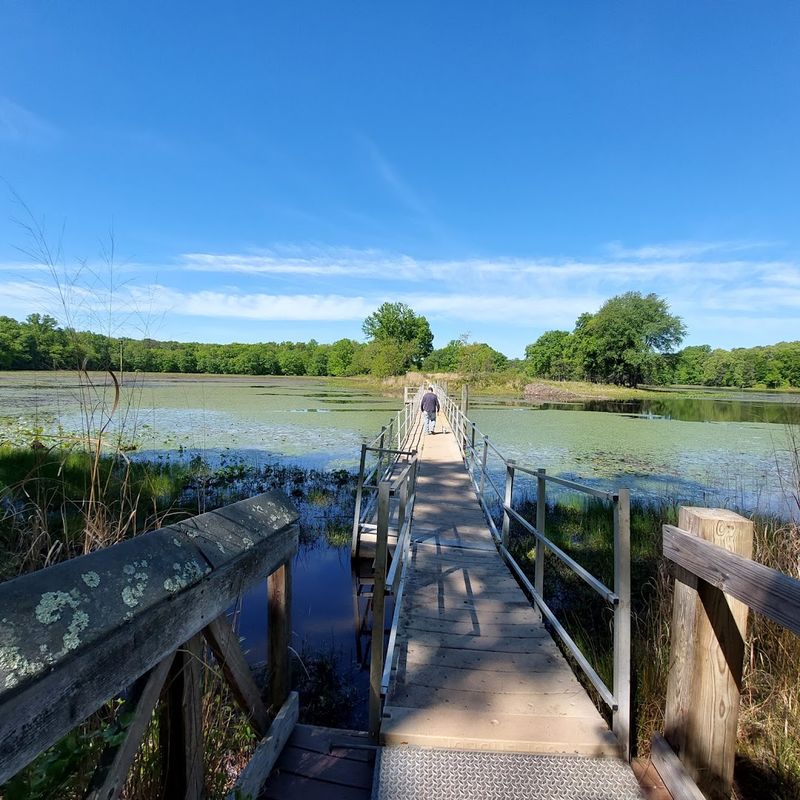
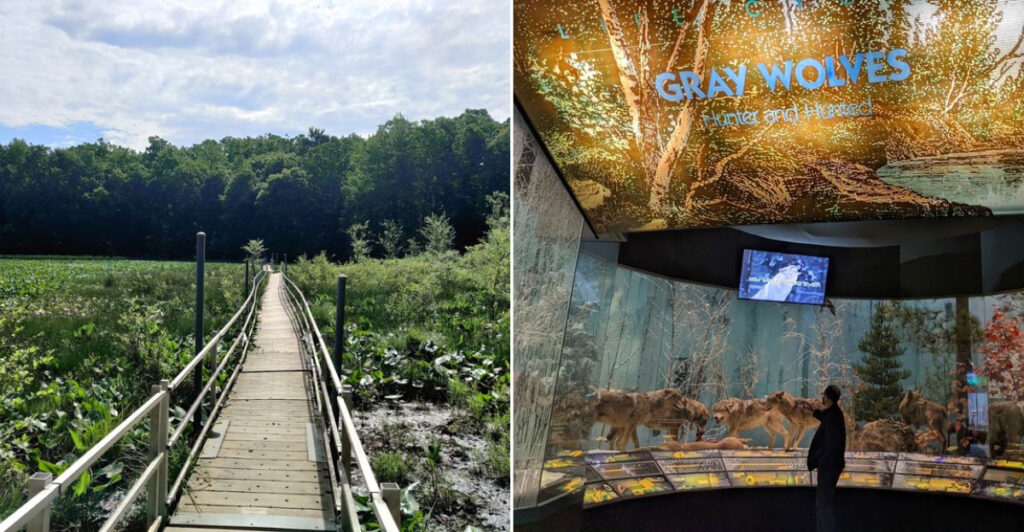
Cash Lake is the centerpiece of the most popular trail at Patuxent Research Refuge, and it earns that status. The 2.5-mile Cash Lake Loop circles the water at a pace that works for most fitness levels, including families with young children and dog walkers looking for a longer outing.
The lake itself draws attention throughout the warmer months when water lilies spread across the surface in wide, flat clusters. Ospreys work the water from above while wood ducks, bluebirds, and various waterfowl move through the shoreline vegetation.
The bridge spanning the lake is a consistent highlight of the walk, offering clear views in both directions without needing any zoom lens.
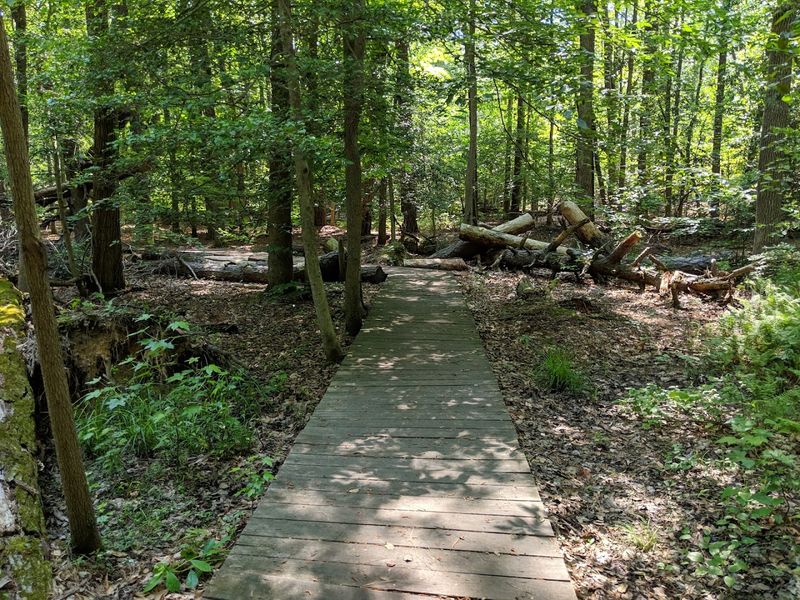
The trail is mostly flat but includes some uneven ground, exposed roots, and sections with fallen trees that require a step-over or a short detour. It takes roughly an hour to complete at a moderate pace.
Dogs are welcome on all trails, though hikers should plan ahead since trash cans are sparse until near the trail’s end.
Lake Redington and the Two-Lake Landscape
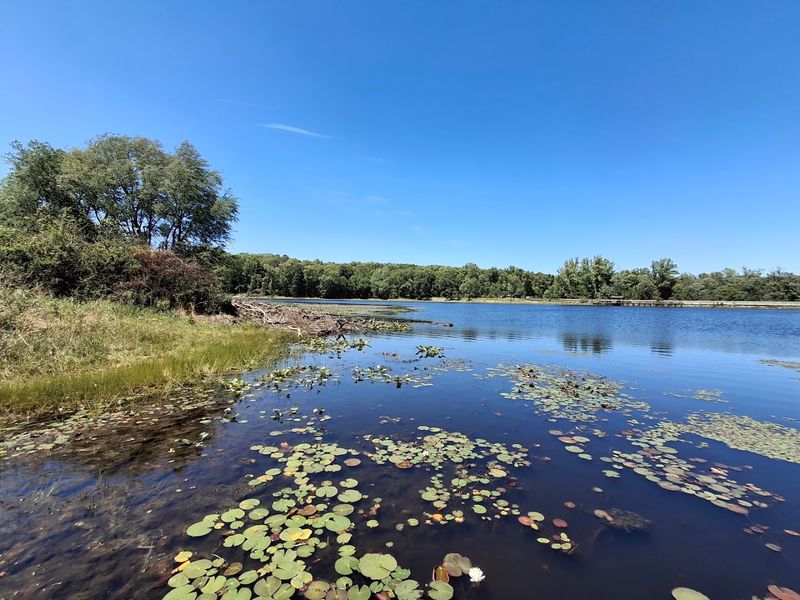
Alongside Cash Lake, Lake Redington is the second of two artificial lakes within the refuge, and together they create a distinctive dual-water landscape that sets Patuxent apart from most Maryland parks.
Lake Redington sits in the North Tract area and has a different character from Cash Lake. While Cash Lake is accessible from the main visitor center trail system, Lake Redington is positioned deeper into the refuge.
Notably, fishing is not permitted on Lake Redington, which has been a point of frustration for some who arrive expecting full recreational access to both lakes.
Cash Lake does have a fishing pier for those who want to try their luck with a rod. The contrast between the two lakes reflects the dual nature of the refuge itself: parts are managed for public recreation while others remain more strictly protected for research and wildlife purposes.
A small Goose Pond also sits nearby, adding another water feature to the landscape worth seeking out on a longer visit.
The National Wildlife Visitor Center Is Bigger Than It Looks
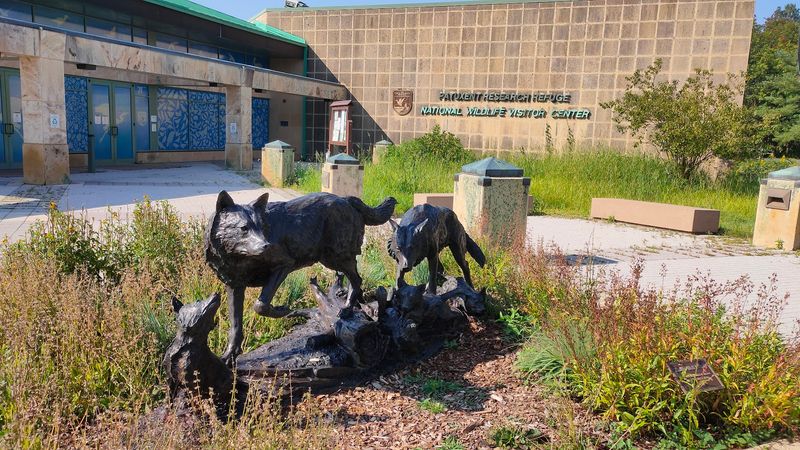
From the outside, the visitor center building at Patuxent Research Refuge does not immediately signal what is waiting inside. The interior holds what amounts to museum-quality exhibitions covering endangered species, ecosystems, and the science of wildlife conservation.
The first thing many visitors notice upon entering is a full-size mounted polar bear standing upright near the entrance. Further along the exhibit path, there is a stuffed beaver that has been touched so many times its fur has worn thin in spots, which tells its own story about how many hands have passed through.
Scopes positioned inside point directly at the pond outside, giving close-up views of waterfowl without requiring anyone to step outdoors.
The center also houses a bookstore and offers junior ranger patches that children can earn through activities. Staff and volunteers are consistently described as knowledgeable and welcoming.
Entry is completely free, which makes the quality of the exhibits all the more unexpected for a first-time visitor.
Why This Place Matters for Endangered Species Research
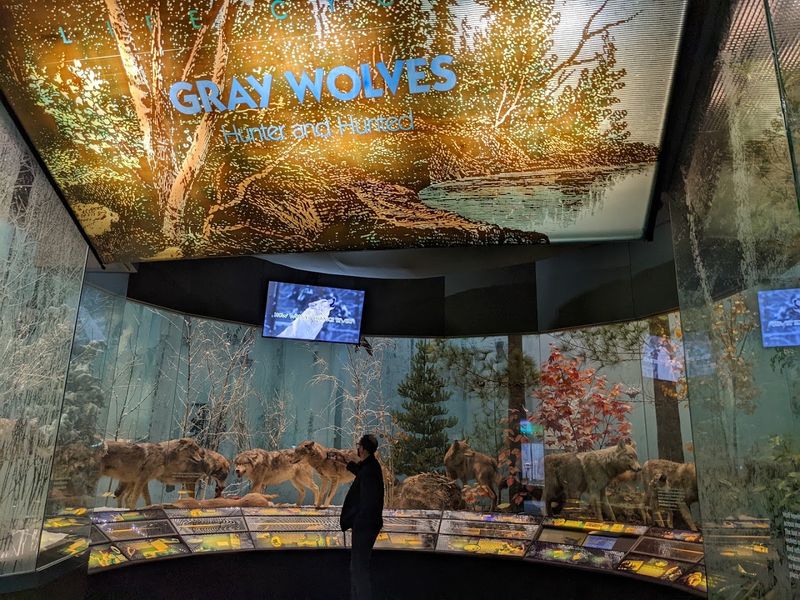
Patuxent Research Refuge is not simply a park with a science-themed exhibit. It has been an active research facility for nearly nine decades, and the work done here has had real consequences for wildlife populations across North America.
The refuge played a direct role in the recovery of the whooping crane, one of North America’s most critically endangered birds. Captive breeding programs and behavioral research conducted at Patuxent contributed to efforts that helped bring the species back from the edge of extinction.
Similar work has supported bald eagle recovery and research into the effects of pesticides on bird populations, building on the foundational science that informed Rachel Carson’s landmark environmental writing.
Today, biologists at the refuge continue studying migratory birds, amphibians, and other species affected by habitat loss and climate change. The research mission is woven into everything at the site, from the exhibits inside the visitor center to the managed habitats maintained across the acreage outside its doors.
Trails for Every Level: From Strollers to Serious Hikers
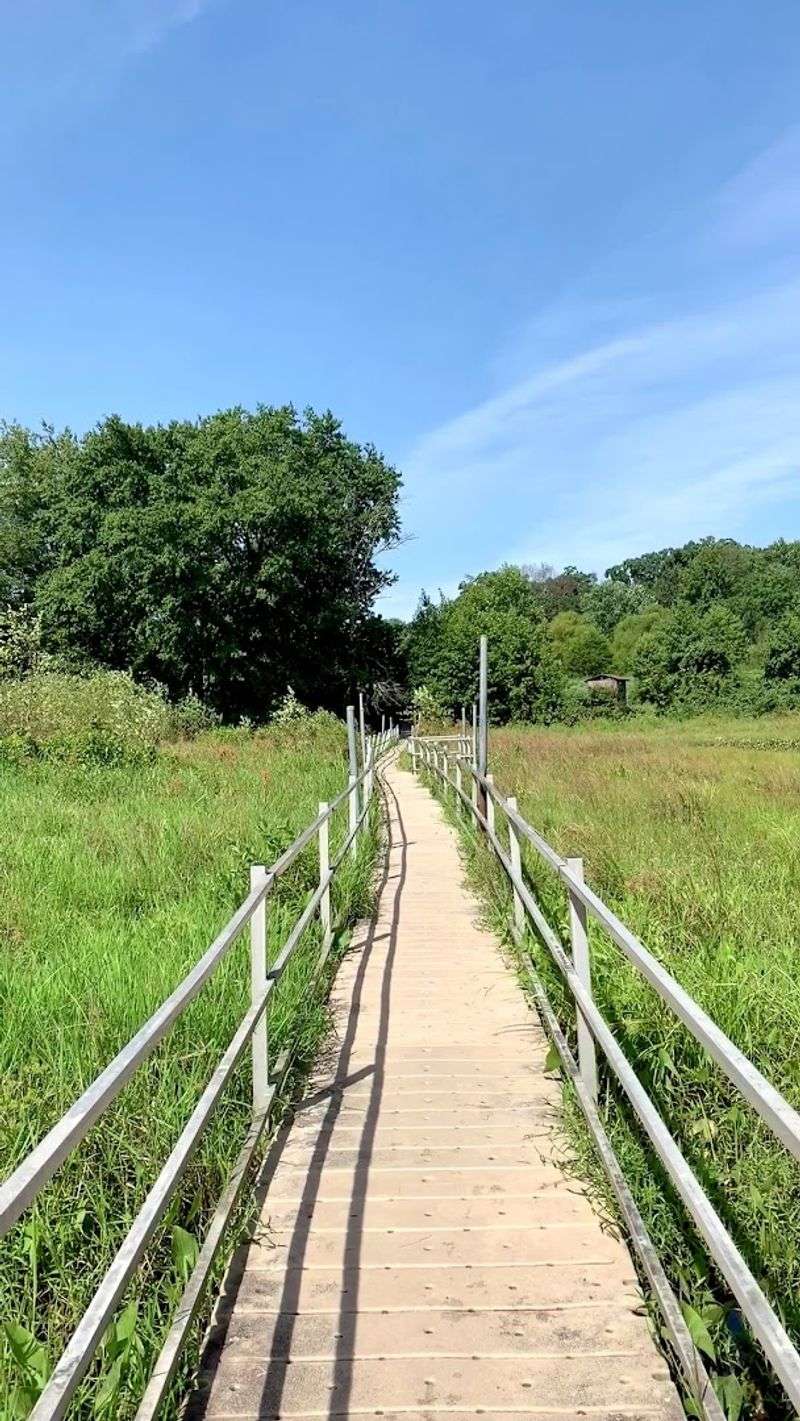
The trail system at Patuxent Research Refuge is genuinely accessible, and that is not just marketing language. At least one trail is stroller-friendly, making it a workable outing for families with infants or toddlers who still want to get outside without fighting rough terrain.
The Cash Lake Loop at 2.5 miles is the most popular route and is suitable for beginners, older adults, and children. Families have completed it with four-year-olds without issue.
The surface is relatively flat with some natural variation, including exposed roots and occasional fallen trees that add a bit of interest without making the walk difficult.
For those wanting more distance or a different setting, the North Tract offers additional trails across a larger footprint, though access there has been limited due to staffing reductions in recent years. All trails allow dogs on leash.
The overall trail network is not technically demanding, but the natural setting and wildlife activity along the way make even a short walk genuinely rewarding.
Kids and Families: What to Expect on a Visit
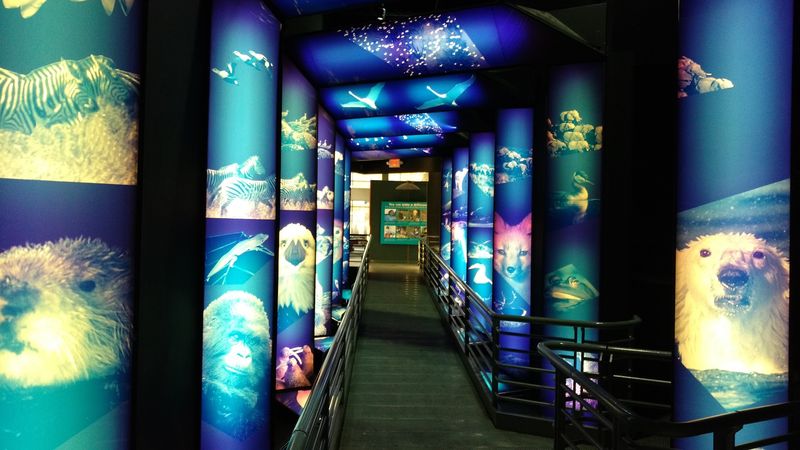
Patuxent Research Refuge has built a reputation as one of the more underrated family destinations in the Maryland-D.C. corridor, and the visitor center is a big part of why. Inside, there are exhibits designed specifically with younger audiences in mind, including hands-on displays and a dedicated area with arts and crafts activities for children roughly five and under.
The junior ranger program gives kids a structured way to engage with the refuge’s conservation mission, earning patches through activities that connect what they see inside to what is happening outside on the trails. Volunteers at the center are particularly noted for being enthusiastic and prepared with child-friendly programming.
Outside the main building, there is a picnic area suitable for a packed lunch before or after a trail walk. A pollinator garden near the entrance adds another point of interest for curious young naturalists.
The whole experience tends to run two to three hours for families who take their time with both the exhibits and a lake loop.
The North Tract: A Former Military Ground Turned Wildlife Habitat
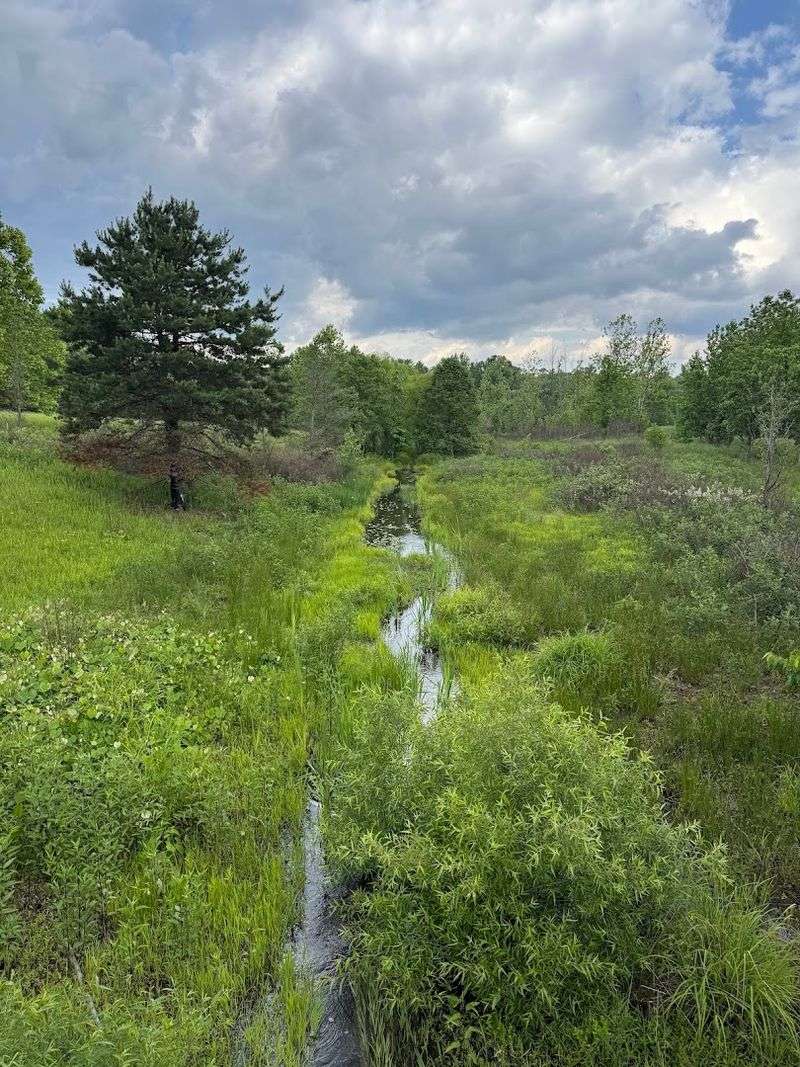
Before it became part of the refuge, the North Tract of Patuxent served as a military training area, and that history left a mark on the landscape that is still visible today. The terrain is more open in places, with a mix of forest, grassland, and the two artificial lakes that were constructed during the military-use era.
The North Tract is the largest of the refuge’s three management units and historically offered the widest variety of recreational opportunities, including hiking, fishing, and wildlife observation across a more expansive trail network. Some visitors have noted that the sound of gunfire from an adjacent shooting range can occasionally be heard from certain parts of the property, a holdover from the area’s past use.
Access to the North Tract has been significantly curtailed in recent years due to staffing reductions tied to federal budget decisions. As of recent reports, it has been open only on Sundays.
Confirming current access conditions through the official refuge website before planning a visit to this section is strongly recommended.
Beavers, Wild Turkeys, and the Wildlife You Might Actually See
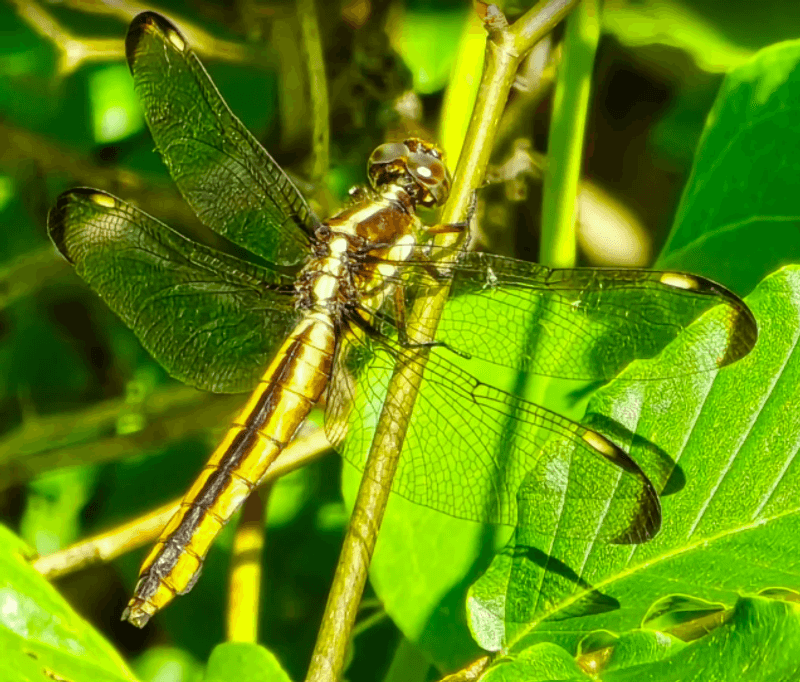
The wildlife at Patuxent Research Refuge is not limited to birds. Beavers are active throughout the refuge, and their work is easy to spot along the water’s edge where trees show the distinctive angled cuts of beaver gnawing.
The intentional burning of brush in some areas has made their paths from water to land far more visible than they once were.
Wild turkeys have been spotted near the entrance road, and brown water snakes are occasionally seen along the lake margins during warmer months. Dragonflies are abundant near the water in summer.
White-tailed deer move through the forested sections, and various amphibians inhabit the wetland edges throughout the refuge.
The diversity of wildlife reflects the variety of habitats packed into the refuge’s acreage: open water, forested uplands, wetland edges, and managed grasslands each support different species. No specific season guarantees any particular sighting, but summer and early fall consistently produce the most wildlife activity along the main trail routes.
Practical Tips for Getting the Most Out of Your Visit
A few practical details can make the difference between a smooth visit and a frustrating one at Patuxent Research Refuge. The visitor center has clean restrooms, which is worth knowing before heading out on the trails.
There is no food available on-site, so bringing snacks or a packed lunch is a good idea, especially for families spending several hours there.
Parking is plentiful at the main visitor center lot. There is also limited parking near the Cash Lake fishing pier area, including accessible spaces, though the restroom facilities there have minimal signage and can be easy to miss.
Trash cans along the trail are scarce until near the end of the loop, so carrying a small bag for any waste is helpful, particularly for dog owners.
The best time to visit for wildlife and wildflower activity is late spring through early fall. Weekday visits tend to be quieter than weekend ones.
Wearing sturdy shoes is advisable given the uneven trail surfaces and occasional fallen trees across the path.
Why This Refuge Deserves More Attention Than It Gets
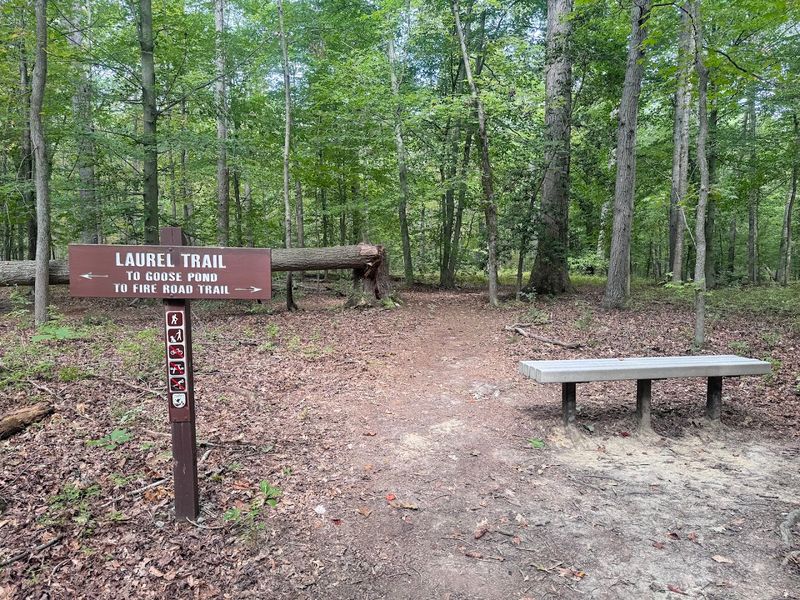
Patuxent Research Refuge sits within easy driving distance of millions of people, yet it remains genuinely uncrowded on most days. That gap between what the place offers and how many people know about it is one of its most striking qualities.
Free admission, multiple trail options, a fully staffed visitor center with museum-level exhibits, active wildlife research, two lakes, and a location that is technically inside the Baltimore-Washington metro corridor all add up to a destination that punches well above its weight. The fact that it functions simultaneously as a public recreation area and a federal research station makes it unlike almost any other green space in the region.
Recent staffing cuts have reduced access to parts of the refuge, and the exterior of some facilities has shown signs of deferred maintenance. But the core experience, including the trails, the lake, the visitor center, and the wildlife, remains intact and worth the trip for anyone who has not yet made it out to Laurel to see what 12,800 protected acres actually looks like up close.
A Presidential Origin Story Dating Back to 1936
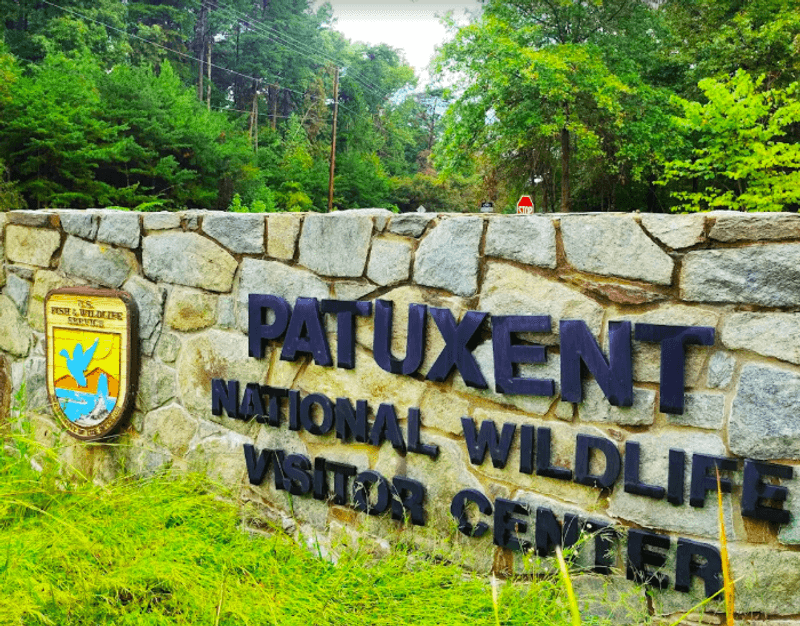
Not many nature trails can claim a president as their founder, but Patuxent Research Refuge can. Franklin D.
Roosevelt established the refuge in 1936, making it the only national wildlife refuge in the country created specifically for wildlife research.
The original idea was bold for its time: set aside a large tract of federal land not just for preservation, but as an active laboratory where biologists could study wildlife populations, behavior, and habitat needs. Over the decades, research conducted here has contributed to recovery plans for species including the whooping crane and the bald eagle.
That legacy is not just a historical footnote. It is still the living mission of the place.
Biologists continue working here today, and the refuge remains a functioning research station even as it welcomes the public for recreation. Few green spaces in the mid-Atlantic carry that kind of scientific weight alongside their hiking trails.
Where Exactly This Refuge Sits and How to Find It
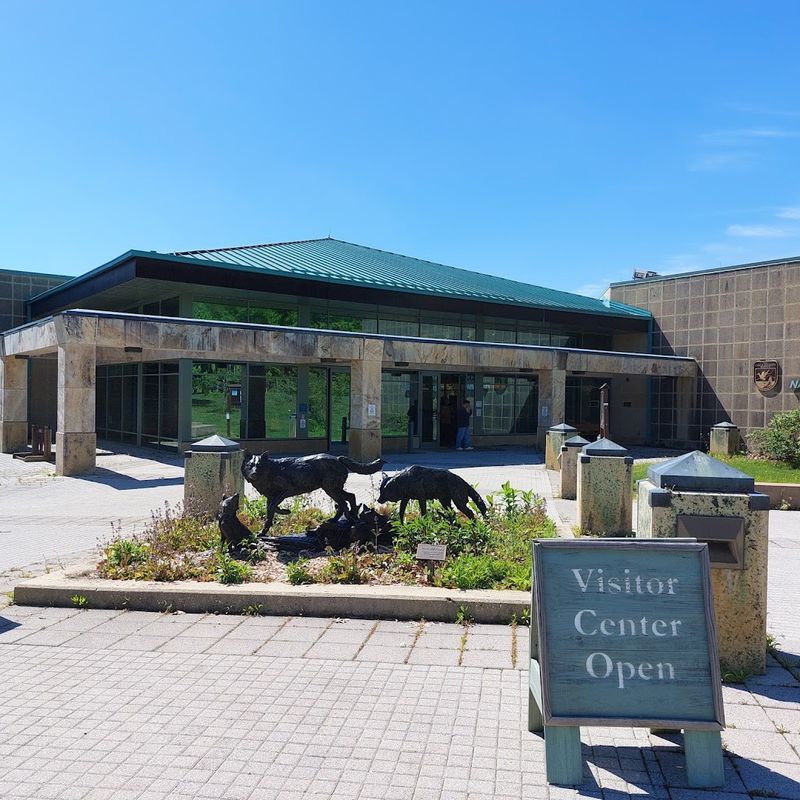
The National Wildlife Visitor Center at Patuxent Research Refuge is located at 10901 Scarlet Tanager Loop, Laurel, MD 20708, positioned squarely between two of the East Coast’s busiest metro areas.
The refuge sits in Prince George’s County, Maryland, and is accessible from multiple major routes including the Patuxent River Road corridor. The drive from the highway entrance to the visitor center is about one mile through a canopied road that signals an immediate shift from suburban sprawl to protected wildland.
The visitor center is open Wednesday through Friday, 10 AM to 4 PM, and on Saturdays from 10 AM to 4 PM. It is closed Sunday through Tuesday.
Admission is free, parking is ample, and the facility is managed by the U.S. Fish and Wildlife Service.
Checking the official website at fws.gov/refuge/Patuxent before visiting is a smart move, especially given recent staffing changes affecting certain areas of the refuge.
Share this story