Along Delaware Bay, one remarkable wildlife refuge protects more than 10,000 acres of tidal marshes, forests, ponds, and quiet beaches. Huge flocks of migrating birds gather here throughout the year, making it one of the region’s most rewarding destinations for wildlife watching.
The landscape also tells an impressive story of recovery after a devastating hurricane led to a massive coastal restoration effort. Today, this peaceful corner of Sussex County offers rich biodiversity and wild scenery just a short detour from Delaware’s busy beach towns.
Where Exactly This Refuge Sits on the Delaware Coast
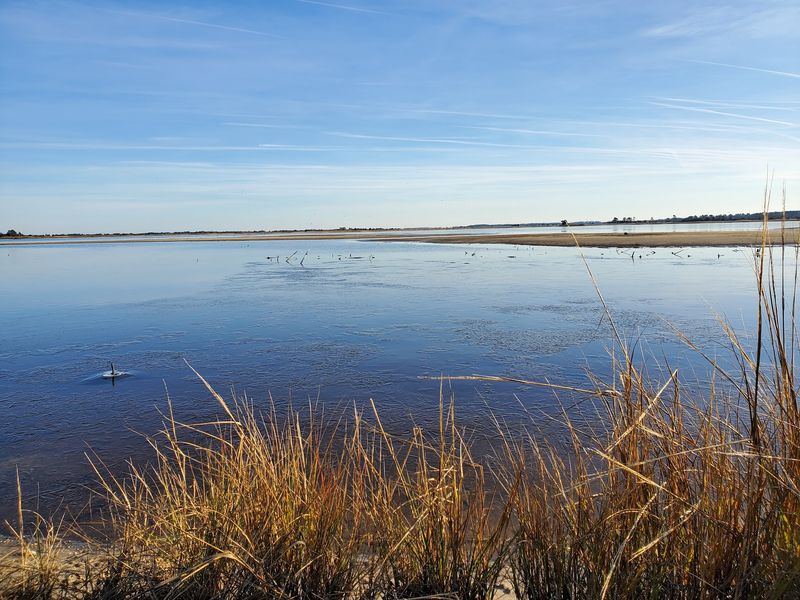
The official address for Prime Hook National Wildlife Refuge is 11978 Turkle Pond Road, Milton, DE 19968, and the Visitor Center has recently relocated to 12322 Turkle Pond Road, also in Milton. The refuge spreads across more than 10,000 acres along the western shore of Delaware Bay in Sussex County, stretching from Slaughter Beach in the north all the way south to the Broadkill River.
Getting there is straightforward, though first-time visitors occasionally miss the final turn, so watch carefully for the refuge signs off Route 1. The surrounding landscape shifts noticeably as you approach, with the flat coastal plain opening up into wide vistas of marsh grass and open water that signal you have arrived somewhere genuinely special.
There is no entrance fee, and the refuge is open daily from a half-hour before sunrise to a half-hour after sunset. That combination of accessibility and natural beauty makes it one of the most underrated free outdoor destinations in the entire Mid-Atlantic region.
The Dutch Roots Behind the Name “Prime Hook”
The name “Prime Hook” carries a quietly poetic origin that most visitors never know about. Early Dutch settlers who explored this coastline in the 1600s called the area “Priume Hoek,” which translates directly to “Plum Point,” a reference to the hardy beach plum shrubs that grew abundantly across the coastal dunes here.
English settlers gradually anglicized the Dutch phrase over the generations, and “Prime Hook” stuck as the name for this distinctive bend of land jutting toward Delaware Bay. The beach plum, resilient and salt-tolerant, was apparently common enough to make a lasting impression on those earliest European arrivals, which says something about just how lush this coastline once was.
The refuge itself was officially established in 1963 under the Migratory Bird Conservation Act, with the primary mission of creating an inviolate sanctuary for migratory birds along the Atlantic Flyway. From Dutch plum point to federal wildlife refuge, the history of this place is richer than its quiet marshes might initially suggest.
A Mosaic of Habitats That Keeps Scientists Busy
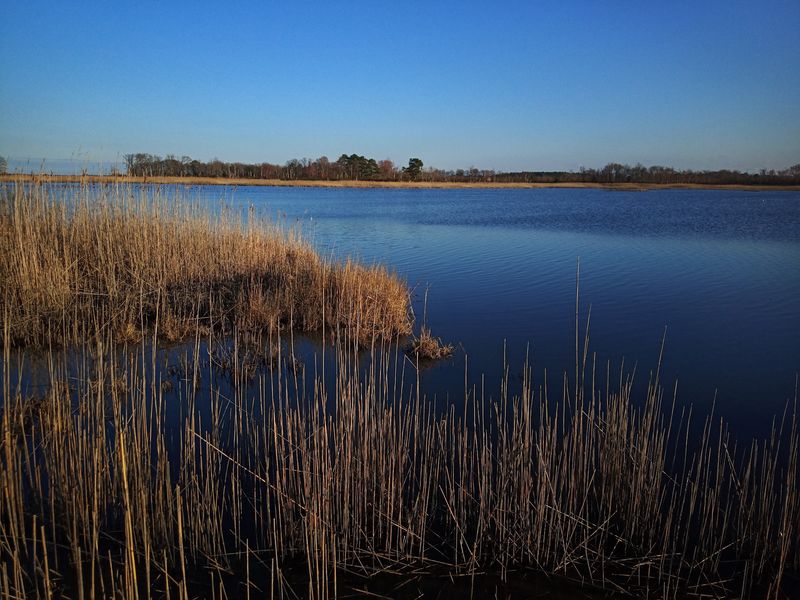
Roughly 80 percent of Prime Hook National Wildlife Refuge is composed of wetlands, but calling it simply “a marsh” would be a significant understatement. The refuge contains freshwater impoundments, tidal salt marshes, forested wetlands, upland fields, pine and hardwood forests, grassy meadows, coastal dunes, and bay beaches, all packed into one contiguous protected landscape.
This variety of habitat types is exactly why the biodiversity here is so striking. A single morning walk can take you from a fragrant pine grove to a cattail marsh buzzing with red-winged blackbirds, then out to an open water view where herons stand motionless at the edge of a tidal channel.
Each transition feels abrupt and exciting in the best possible way.
The careful management of water levels across more than 4,200 acres of marshland, using a system of low dikes and water control structures, actively shapes which plant and animal communities thrive in each zone. That intentional stewardship is a big part of why this refuge punches well above its weight in terms of ecological value.
How Hurricane Sandy Nearly Erased This Place
Hurricane Sandy hit in October 2012, and Prime Hook National Wildlife Refuge took a serious blow. The storm breached dunes and marshes, allowed massive saltwater intrusion into freshwater impoundments, and converted large areas of vegetated marsh into open water.
Years of careful habitat management were essentially undone in a matter of hours.
Before Sandy, the refuge had already been dealing with the long-term consequences of tide gates installed in the 1980s, which had converted natural salt marsh into freshwater impoundments to attract waterfowl. That earlier alteration had weakened the marsh’s natural resilience, making the storm damage even more severe than it might otherwise have been.
The combination of pre-existing vulnerability and storm impact created an ecological crisis that demanded a bold response. Refuge managers, scientists, and conservation partners had to rethink not just how to repair the damage, but how to rebuild the entire system in a way that could withstand future storms and rising sea levels.
What came next was remarkable, and the full story of that recovery is worth knowing before you ever set foot on a trail here.
The $38 Million Restoration That Rewrote the Landscape
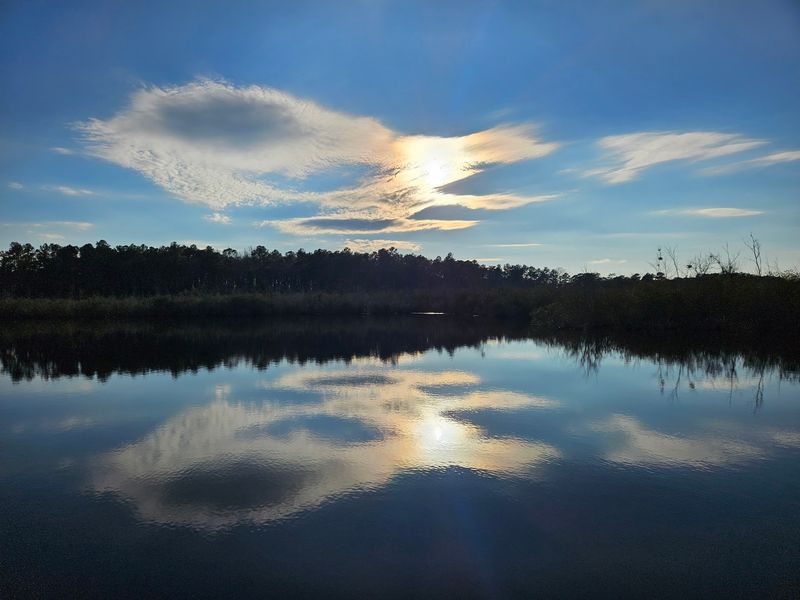
Completed in 2016, the restoration project at Prime Hook National Wildlife Refuge stands as one of the largest ecosystem restoration efforts east of the Mississippi River. The price tag reached $38 million, and the scope of work was genuinely staggering.
Over one million cubic yards of sand were extracted from Delaware Bay and strategically placed along 7,000 to 8,900 feet of shoreline to reconstruct dunes and beaches.
Beyond the dune work, the project involved carving miles of new tidal channels, often following historical drainage patterns that predated the 1980s tide gates, to reestablish natural tidal flow across 4,000 acres of marshland. The goal was not just to repair what Sandy had broken but to build a fundamentally more resilient system capable of absorbing future storm surges.
The project earned a prestigious 2019 Climate Adaptation Leadership Award, recognizing its innovative approach to coastal resilience. Partners including Ducks Unlimited, The Nature Conservancy, the U.S.
Army Corps of Engineers, and the Delaware Department of Natural Resources all contributed to making it happen. The restored landscape you walk through today is genuinely the result of an extraordinary collaborative effort.
Why Birders Put This Refuge on Their Must-Visit List
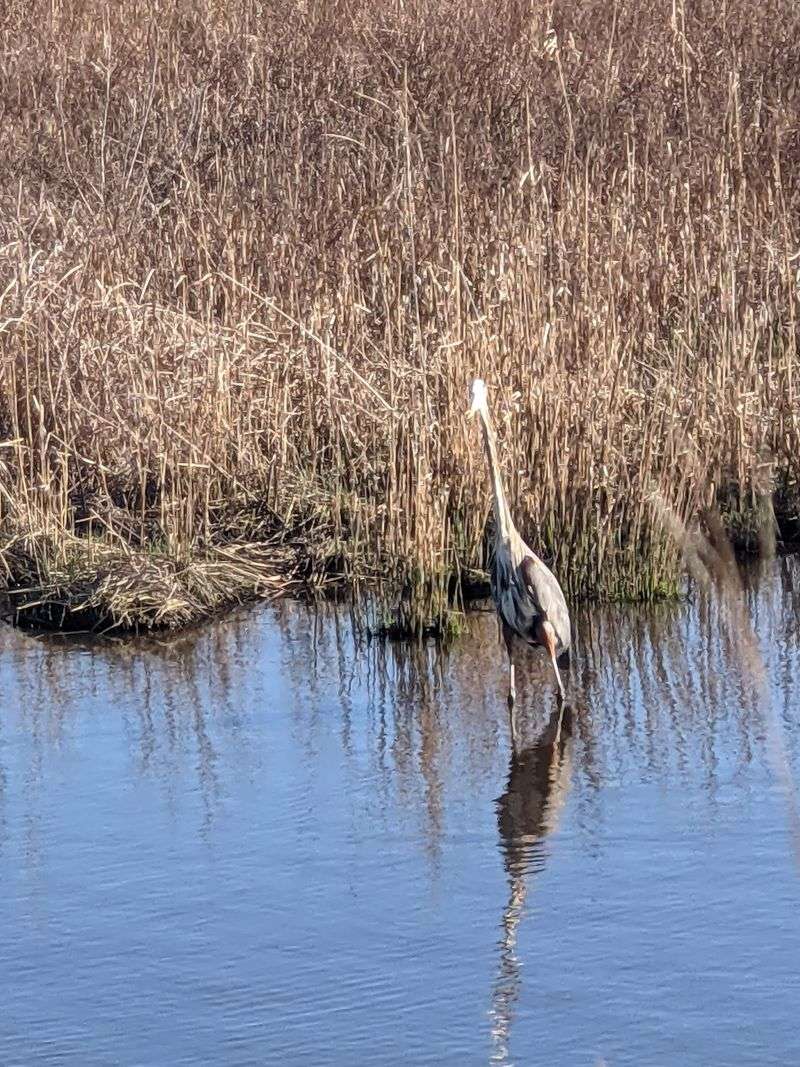
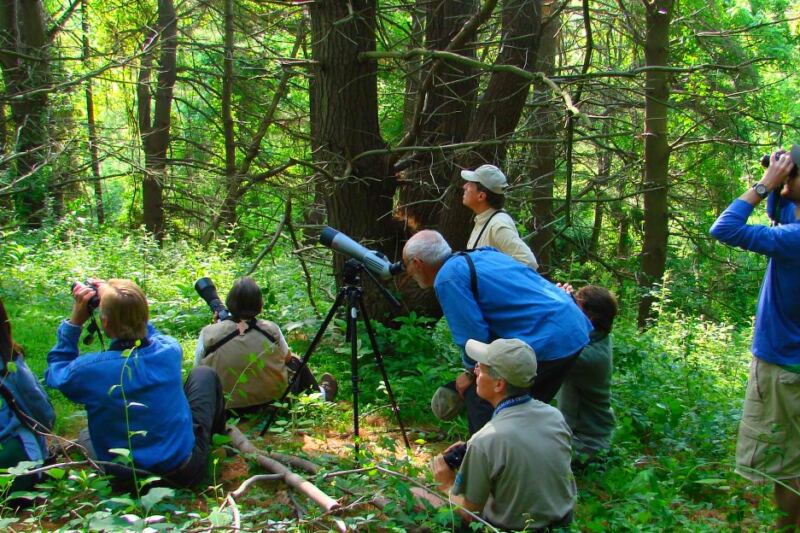
More than 245 species of birds have been recorded at Prime Hook National Wildlife Refuge, and the refuge’s position on the Atlantic Flyway makes it a critical stopover point for migratory species traveling up and down the East Coast. Spring migration from March through May and fall migration from September through November are the peak seasons, but honestly, there is something worth seeing here in every month of the year.
October and November bring the most dramatic spectacles, with tens of thousands of snow geese descending onto the impoundments in waves that are genuinely loud and visually overwhelming. Ducks of many species join them, along with various shorebirds, raptors, and songbirds passing through on their southward journeys.
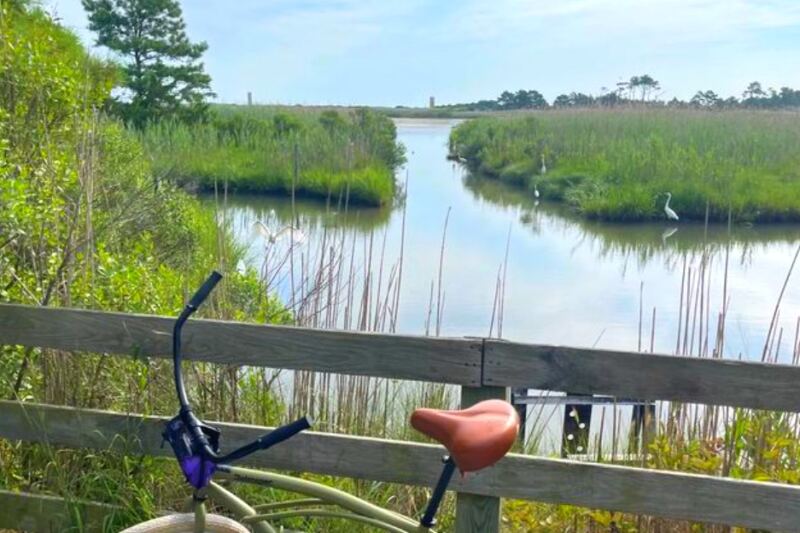
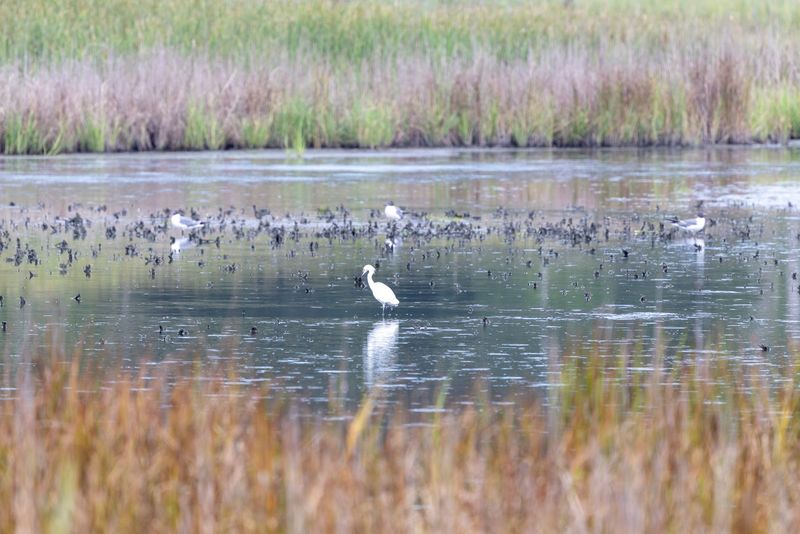
Summer brings its own rewards, with Great Blue Herons, Great Egrets, Snowy Egrets, Little Blue Herons, Green Herons, and Glossy Ibises actively feeding throughout the marsh. Federally listed species including piping plovers and rufa red knots also use the refuge, adding a conservation dimension to what is already an exceptional birding experience.
The observation platforms along the Dike Trail offer sweeping views that serious birders will not want to miss.
Wildlife Beyond Birds: Squirrels, Crabs, and Surprises
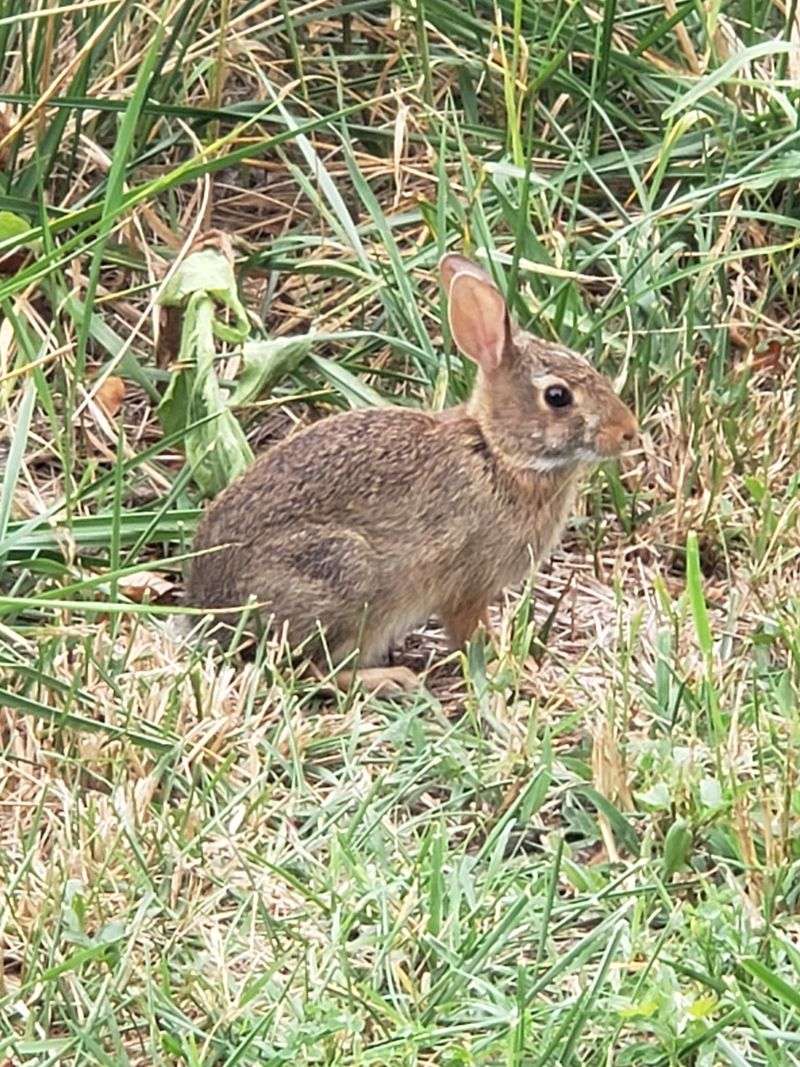
The Delmarva fox squirrel is one of the refuge’s conservation success stories that deserves more attention than it usually gets. Larger than the common Eastern Gray Squirrel, this species was once listed as endangered before a reintroduction program at Prime Hook in 1986 helped stabilize the population.
By 2015, the Delmarva fox squirrel had recovered well enough to be removed from the endangered species list entirely.
Fowler Beach, on the eastern edge of the refuge, serves as an official sanctuary for horseshoe crabs, which are Delaware’s state marine animal and a signature species of the Delaware Bay Estuary. Their annual spawning events are ecologically critical because migratory shorebirds, particularly rufa red knots, depend heavily on horseshoe crab eggs as a fuel source during their long journeys.
Spring also brings reptiles and amphibians out in force. Red-bellied and painted turtles bask on logs, spring peepers and bull frogs fill the air with sound, and garter and black rat snakes move through the vegetation.
The refuge’s ponds and creeks support 51 species of fish, making the underwater world here just as busy as everything above the surface.
Trails That Let You Pick Your Own Adventure
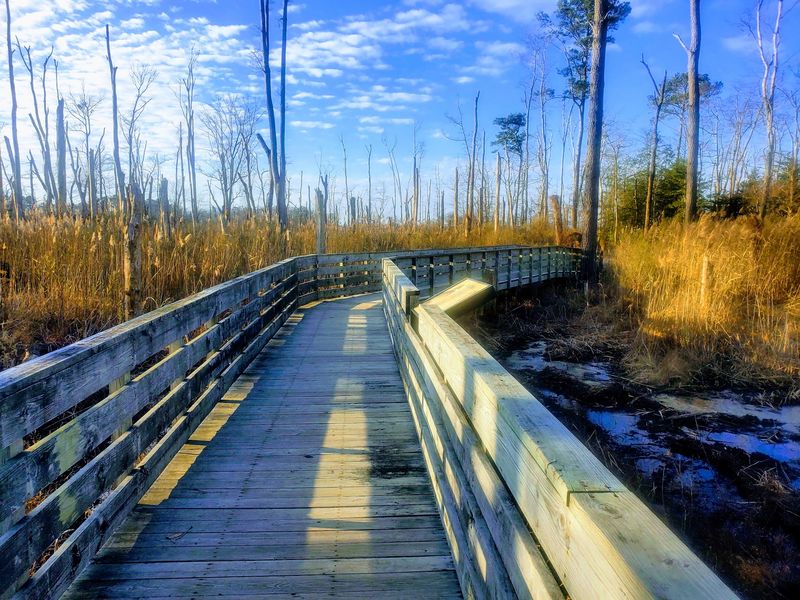
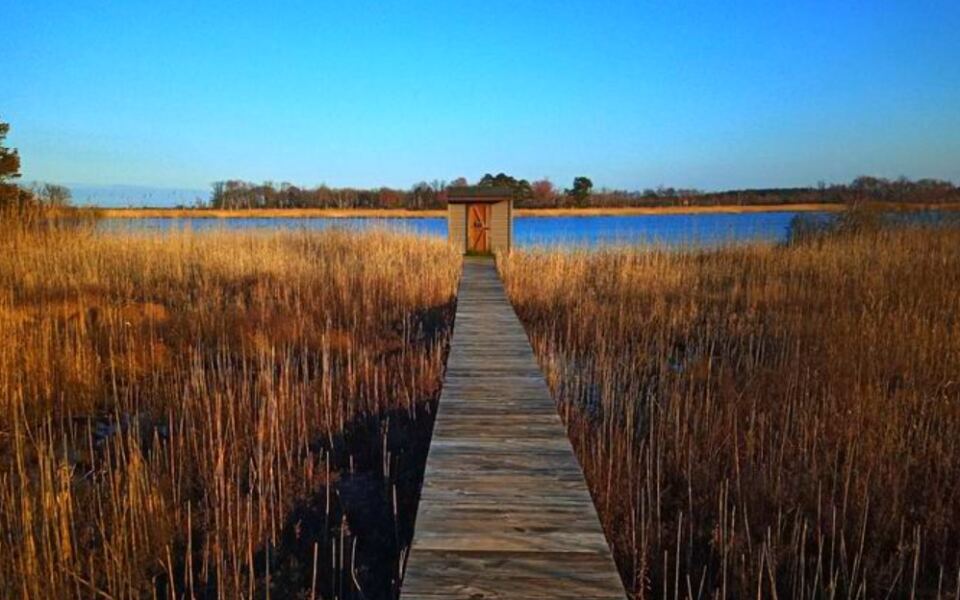
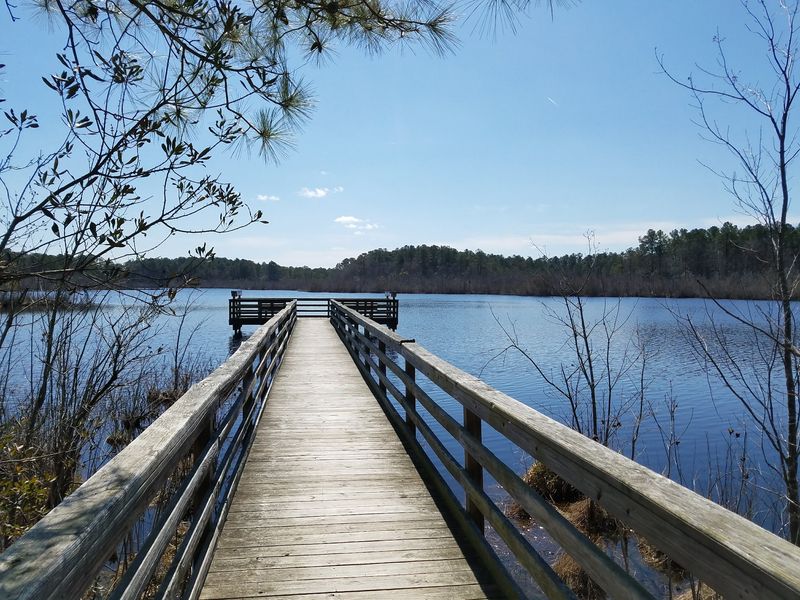
Six to seven and a half miles of walking and hiking trails wind through the refuge, each one offering a genuinely different experience depending on the habitat you want to explore. The Boardwalk Trail is perhaps the most visually dramatic, crossing 600 feet of freshwater marsh on a wooden walkway that puts you directly above the water and vegetation in a way that feels immersive rather than just scenic.
The Dike Trail is 0.5 miles long, paved, and wheelchair accessible, leading to an observation platform with wide open marsh views that are particularly rewarding during waterfowl season. An active osprey nest along this trail has become a reliable attraction, with the nesting pair visible from the platform during spring and summer months.
The Photography Blind Trail, at 0.3 miles, leads to a fully enclosed blind that gives you a front-row seat to wildlife activity without disturbing the animals. The Blue Goose Trail covers 1.4 miles through upland fields, forest, and freshwater marsh with multiple observation areas along the route.
Connecting several trails together into a longer loop is easy and adds up to a satisfying half-day of exploration.
The Visitor Center: Your Best First Stop on Any Visit
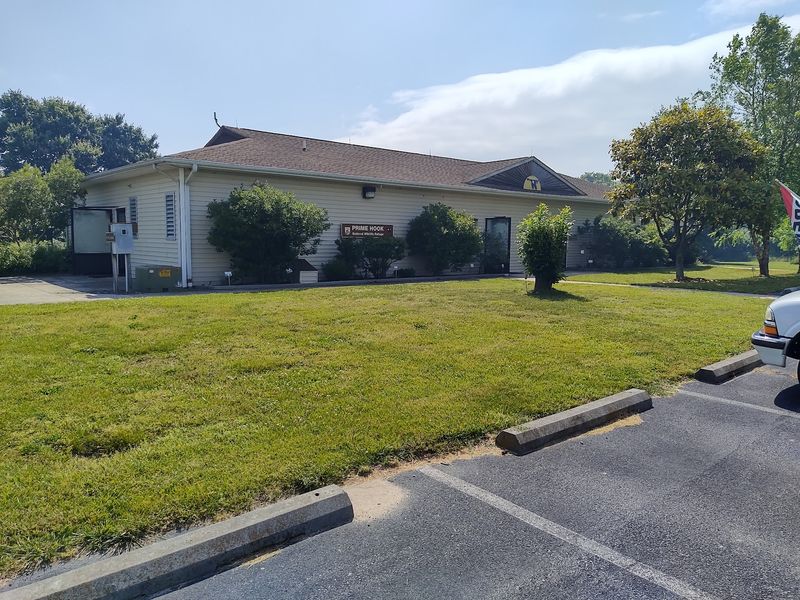
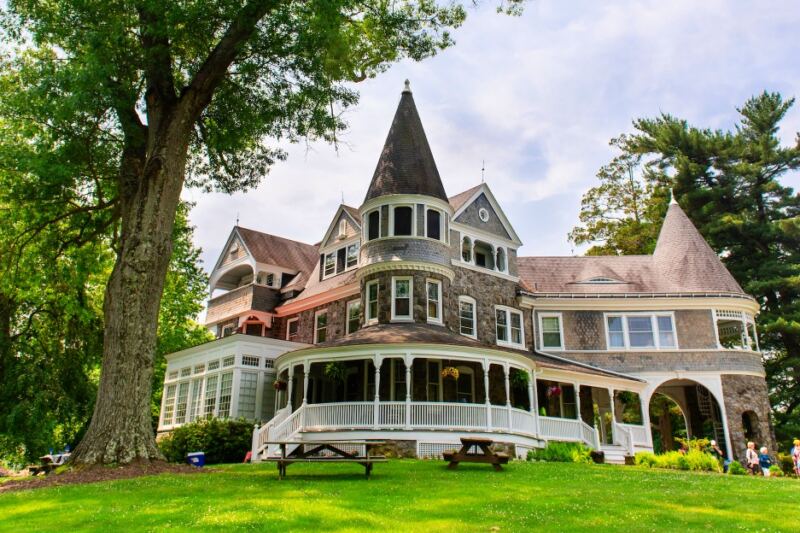
The Visitor Center, now at 12322 Turkle Pond Road in Milton, is genuinely worth a stop before you head out on any trail. The center is open daily from 9 AM to 4 PM, though hours can vary depending on volunteer availability, and it is wheelchair accessible.
Inside, you will find educational displays about the refuge’s ecosystems, nature films, and a gift shop that stocks field guides, nature books, and the Blue Goose passport book, a collector’s item for National Wildlife Refuge enthusiasts.
The volunteers who staff the center are a resource that is easy to underestimate. They know exactly which trails have the best current bird activity, which areas to avoid if ticks are bad, and where rare species have been spotted recently.
On a rainy day, a conversation with a knowledgeable volunteer can completely transform an unpromising visit into a memorable one.
Restrooms are located inside the Visitor Center, which is useful to know since there are no public facilities elsewhere on the refuge. Free parking is available, and picnic tables near the back of the parking area make it a pleasant spot for a lunch break between trail segments.
Timing Your Visit: Seasons, Bugs, and Sweet Spots
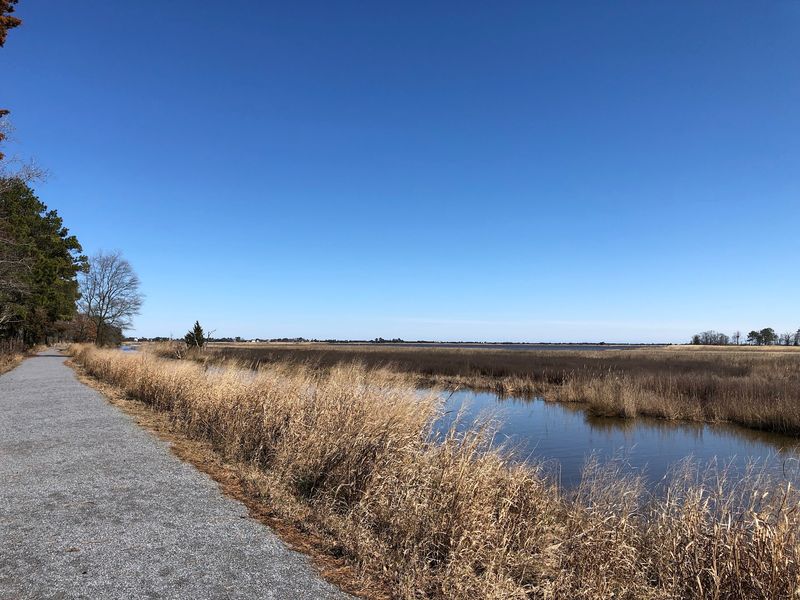
Fall is widely considered the best season to visit Prime Hook National Wildlife Refuge, and October in particular hits a sweet spot where migrating birds are plentiful, temperatures are comfortable for hiking, and the mosquito and biting fly populations have thinned out considerably. The combination of cooler air, colorful marsh vegetation, and active wildlife makes October visits consistently rewarding.
Summer visits are absolutely possible and can yield excellent wildlife sightings, but the bug situation from June through September is real and should not be underestimated. Mosquitoes, ticks, and biting flies thrive in marsh environments, so packing insect repellent and wearing long pants with socks pulled over the cuffs is genuinely practical advice rather than optional caution.
Spring brings migrating shorebirds and warblers, with May being a particularly active month for species diversity. Fowler Beach closes from March 1 to October 1 to protect nesting shorebirds, so plan your beach access accordingly.
The refuge also experiences limited deer hunting closures in certain areas during fall, so checking the refuge website before a visit is always a smart move. Sunrise and sunset consistently offer the most active wildlife observation windows regardless of season.
What Makes This Refuge Worth Coming Back To Again and Again
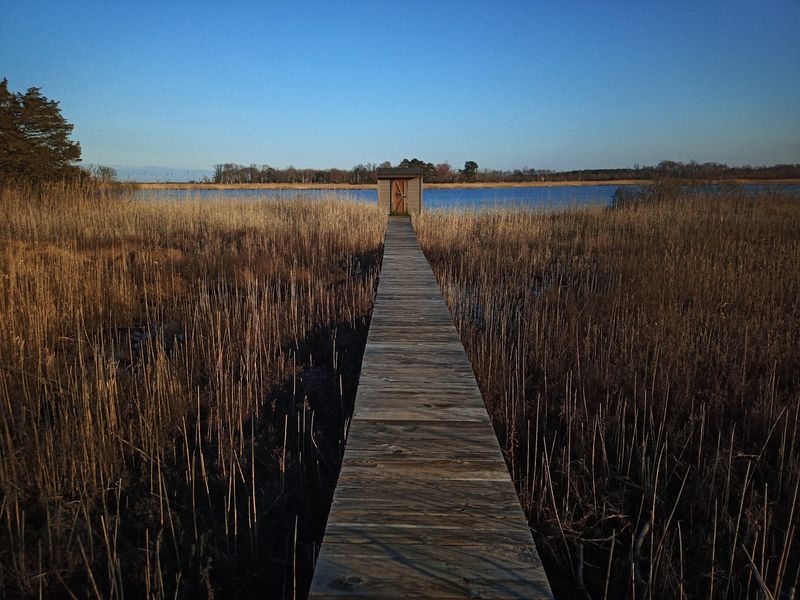
There is a particular quality of stillness at Prime Hook National Wildlife Refuge that is hard to find anywhere else on the East Coast. The wide open marshes absorb sound in a way that makes the refuge feel genuinely quiet even when wildlife activity is high.
Visitors who come expecting drama often find something better: a slow, steady accumulation of small moments that add up to something deeply satisfying.
The trails are well maintained, the parking is free, and the absence of an entrance fee removes every barrier to a return visit. Regulars connect trails into different combinations on each trip, discovering that the landscape reads differently depending on the season, the time of day, and the water levels managed by refuge staff.
The refuge’s ongoing monitoring programs track marsh quality, water quality, vegetation establishment, and wildlife colonization, meaning the ecosystem here is actively improving over time rather than holding steady. That trajectory gives every visit a forward-looking quality, a sense that the best version of this place is still unfolding.
For anyone who values wild, honest, uncrowded nature, Prime Hook earns its reputation as one of Delaware’s most compelling outdoor destinations.
Share this story