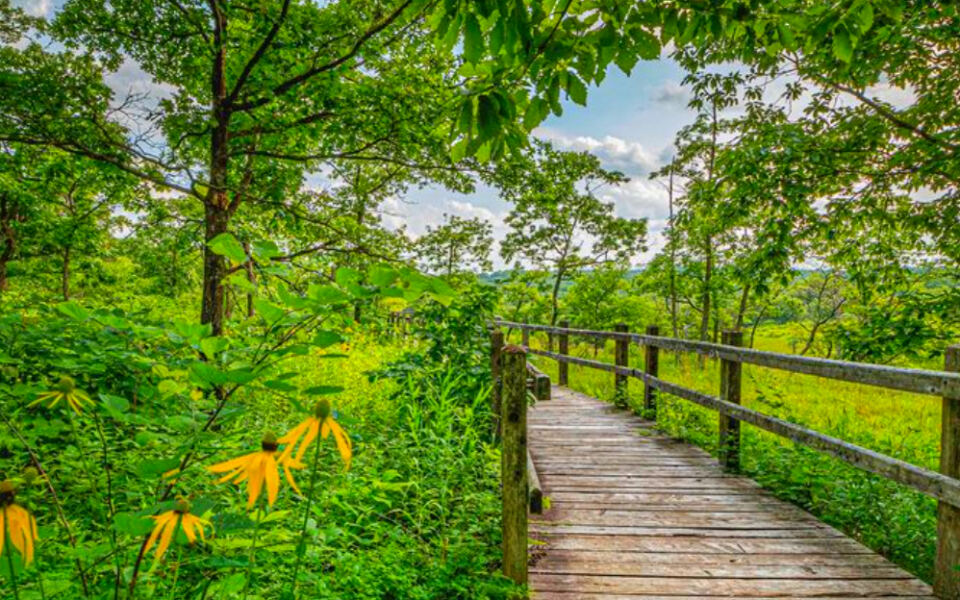
There is a place about 32 miles southwest of St. Louis where the land opens up into something that feels genuinely wild, and most people driving past on Interstate 44 have no idea it is there. Spread across roughly 2,400 acres, this nature reserve packs in tallgrass prairies, wetlands, woodlands, glades, and bottomland forests, all stitched together by more than 18 miles of trails.
What started as a rescue mission for orchids fleeing city smoke in 1925 has grown into one of Missouri’s most celebrated natural spaces. Keep reading to find out what makes this reserve tick, which trails are worth your time, and why the story behind this place is far more interesting than you might expect.
Where the Reserve Actually Is and How to Get There
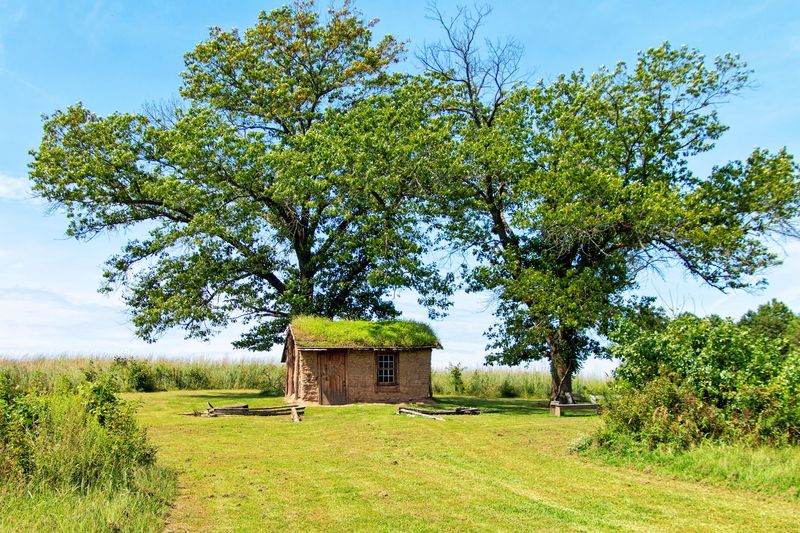
Shaw Nature Reserve sits at 307 Pinetum Loop Rd, Gray Summit, Missouri 63039, right next to historic Route 66 and Interstate 44, making it surprisingly easy to reach from St. Louis in under an hour.
The reserve is operated as an extension of the Missouri Botanical Garden, and that connection gives it a level of scientific credibility and maintenance that you can feel the moment you pull through the entrance gate.
The Visitor Center greets you right at the start, stocked with trail maps and staff who will happily help you figure out the best route based on how far you want to walk and what you hope to see.
Parking is free throughout the reserve, with racks available at major trailheads for cyclists. General admission runs $5 for visitors aged 13 and up, while children 12 and under get in free, and Missouri Botanical Garden members pay nothing at all.
A History Built on Smoke, Orchids, and Reinvention
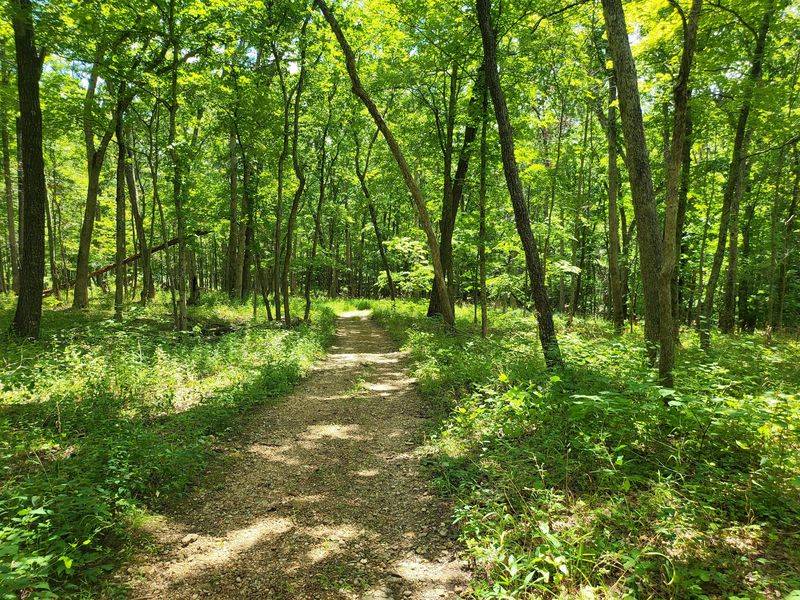
Back in 1925, St. Louis had a serious smoke problem, and the Missouri Botanical Garden had a serious orchid problem because of it. The solution was to move the most sensitive plant collections out to a rural property in Gray Summit, which became known as the Shaw Arboretum.
Over the following decades, as air quality in St. Louis gradually improved, the property’s purpose shifted away from sheltering plants and toward something bigger: preserving and showcasing Missouri’s native ecosystems.
That evolution earned the reserve a major honor in 1972, when the U.S. Secretary of the Interior designated it a National Environmental Education Landmark, recognizing its value not just as a green space but as a living classroom.
What began as a practical rescue operation for delicate plants quietly transformed into one of the Midwest’s most important conservation sites, and that backstory gives every trail walk a quiet sense of purpose that is hard to shake.
The Ozark Corridor Setting That Makes This Place Ecologically Unique
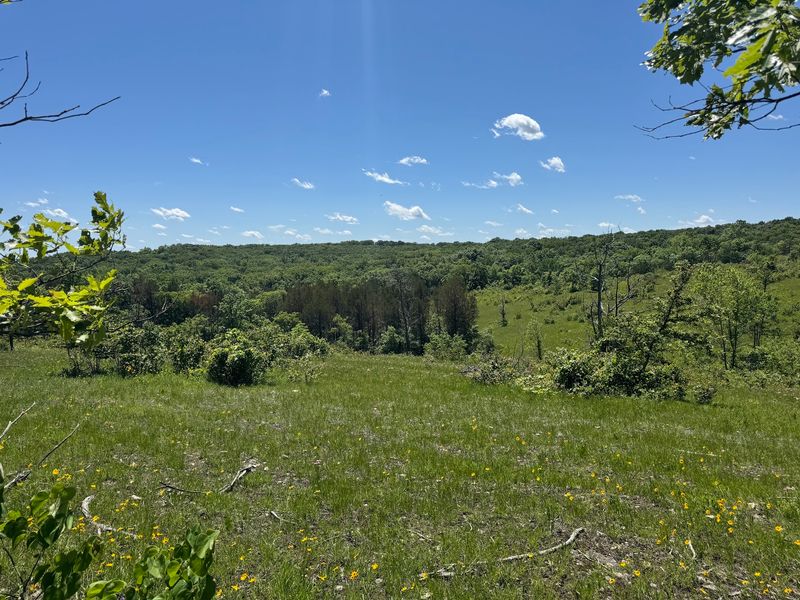
Most people think of Missouri as flat farmland, but Shaw Nature Reserve occupies a stretch of landscape called the Ozark Corridor, a transitional zone where the rolling prairies of northern Missouri begin to give way to the ridges and hollows of the Ozark Mountains to the south.
That in-between geography is the reason the reserve supports such a remarkable variety of plant and animal species. You are essentially standing at a biological crossroads, where northern and southern species overlap in ways you rarely see in a single location.
Tallgrass prairies, wetlands, glades, savannas, woodlands, and bottomland forests all coexist within the reserve’s 2,400-plus acres, each habitat hosting its own cast of wildflowers, birds, insects, and mammals.
This ecological richness is not accidental. The reserve’s placement in the Ozark Border region means that nature itself did much of the heavy lifting, and the team at Shaw has worked hard to protect and restore what was already there.
18 Miles of Trails That Cover Every Mood and Fitness Level
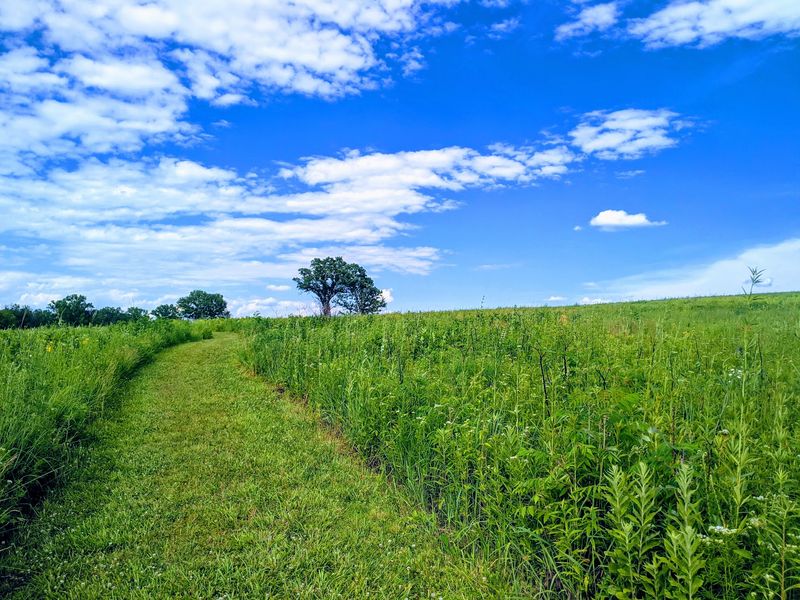
With over 18 miles of trails spread across varied terrain, the reserve does a solid job of offering something for everyone, from a casual 20-minute stroll to a half-day adventure that will genuinely tire you out.
The Bluff Overlook and Crescent Knoll Overlook trails are popular choices for those who want a payoff view at the end of a walk, while the river-bottom trails bring you down to peaceful stretches of the Meramec River where the atmosphere shifts completely.
Trail signs are generally clear, though the reserve is large enough that a few junctions can catch you off guard, so picking up a map at the Visitor Center before heading out is a genuinely smart move.
Cyclists are welcome too, with approximately 7 miles of gravel service roads open to bikes and racks available near major trailheads. The variety of terrain here means that no two hikes feel quite the same, even if you cover the same general area twice.
The Whitmire Wildflower Garden Is a Show-Stopper in Every Season
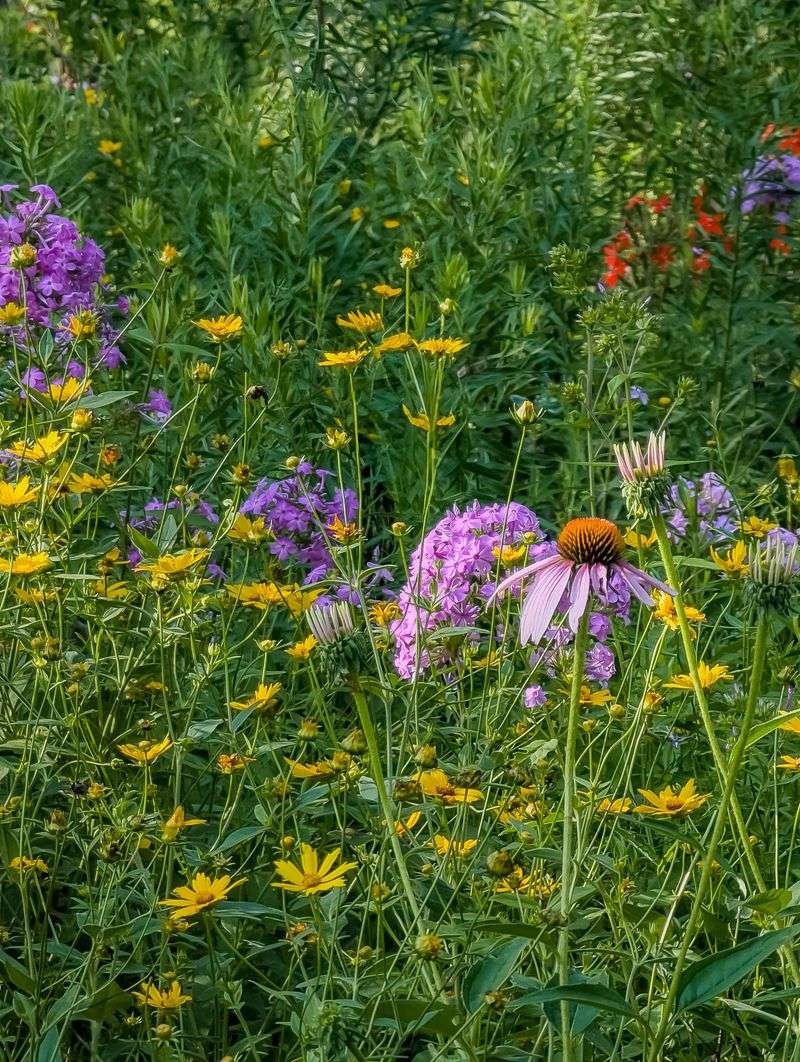
The Whitmire Wildflower Garden is one of the reserve’s most talked-about features, and it earns the attention. Spanning a generous stretch of land, it displays a remarkable collection of Missouri native plants arranged in a way that feels both educational and genuinely beautiful.
Spring is when things get theatrical, with bluebells and daffodils putting on a show that draws visitors from across the St. Louis region. Summer keeps the momentum going with coneflowers, black-eyed Susans, and a rotating cast of prairie blooms that attract clouds of butterflies and bees.
The garden is also designed to inspire. Many of the plants on display are species that home gardeners can actually grow in their own yards, making it as practical as it is pretty.
A visit here with a picnic blanket and a sketchbook is a perfectly reasonable way to spend a couple of hours, and the garden’s peaceful atmosphere makes it easy to forget that a highway runs just a short distance away.
Spring Wildflower Season Is Basically a Natural Fireworks Show
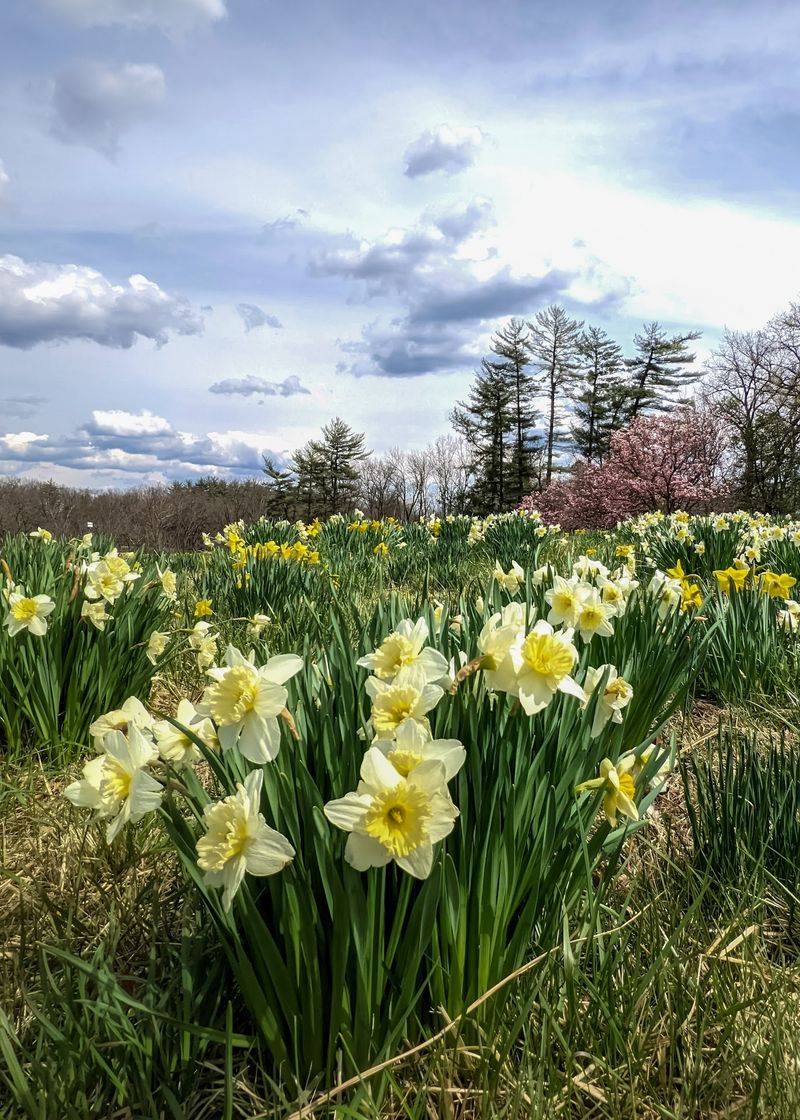
Spring at the reserve is something that people genuinely plan their calendars around. Thousands of daffodils erupt around Pinetum Lake each year in a display that is hard to describe without sounding like you are exaggerating, but you are not.
Deeper into the woodlands, native wildflowers take over the forest floor in waves, with Virginia bluebells, trout lilies, and hepatica appearing before the tree canopy fills in and blocks the light. The timing shifts slightly each year depending on temperatures, so checking the reserve’s website before you visit helps you catch peak bloom.
Bird activity ramps up dramatically during spring migration as well, with warblers, thrushes, and other songbirds passing through and using the reserve’s diverse habitats as a rest stop.
The combination of wildflower color, birdsong, and cool morning air during a spring visit creates an experience that is genuinely hard to replicate anywhere else in the St. Louis region, and it costs about the same as a fast food lunch.
Canada Geese Are Easy to Spot Near the Water
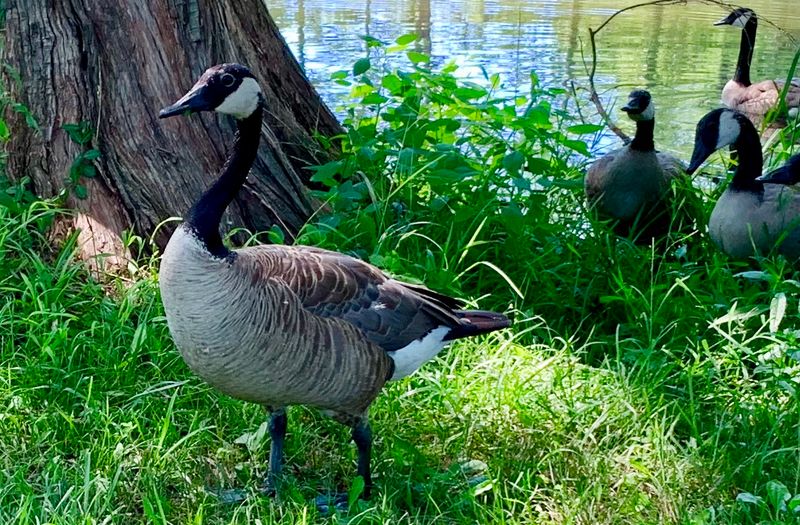
Canada geese are among the more recognizable birds visitors may encounter around the wetter parts of Shaw Nature Reserve. The reserve’s ponds, wetlands, and grassy areas provide the combination of open water and feeding habitat these large waterfowl favor.
Their black heads and necks, distinctive white cheek patches, and brown-gray bodies make them relatively easy to identify, even for visitors who are not experienced bird watchers. They may appear alone, in small groups, or in much larger gatherings depending on the season.
Watching from a respectful distance can reveal plenty of activity. Geese frequently move between the water and nearby vegetation, stopping to graze, rest along the shoreline, or keep watch while others feed.
They are just one example of how the reserve’s mix of aquatic and terrestrial habitats creates opportunities for casual wildlife viewing without requiring a dedicated birding expedition.
The Nature Explore Classroom Gives Kids a Genuinely Wild Playground
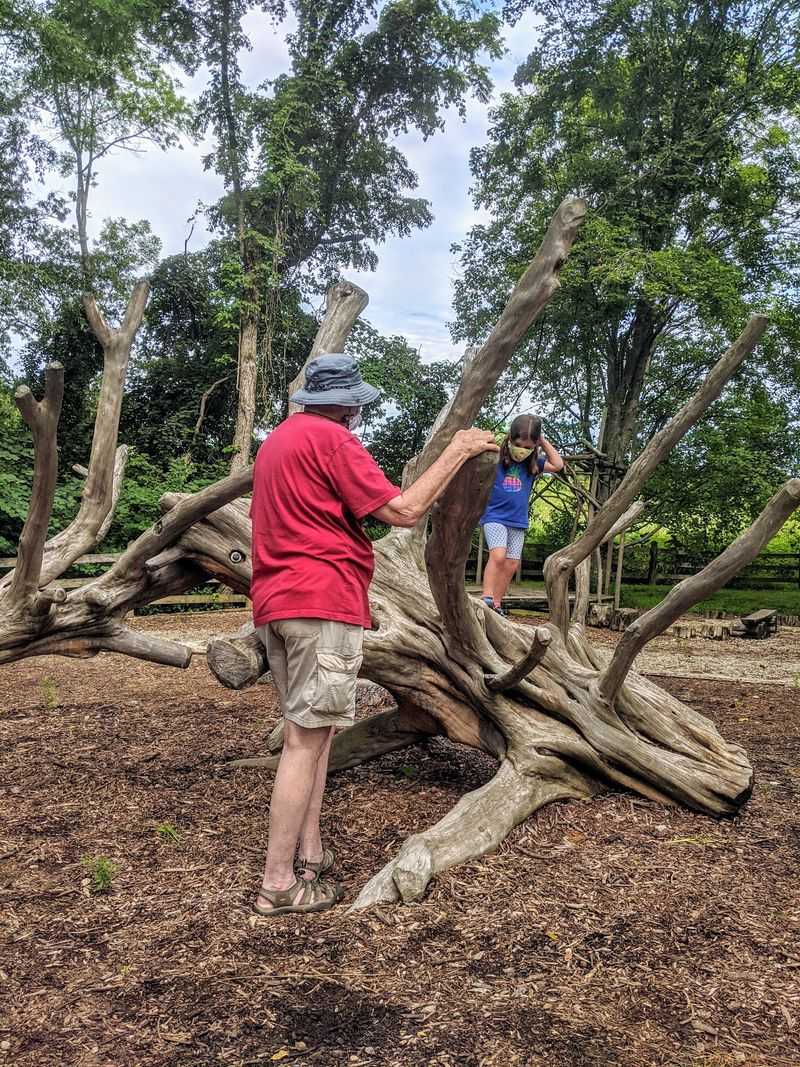
The Nature Explore Classroom at the reserve is not a typical playground. Instead of plastic slides and rubber mulch, kids get logs for climbing, bamboo for building, and even animal bones for hands-on study, all set within a natural woodland environment that encourages genuine curiosity.
The adjacent Sense of Wonder Woodland extends the experience further, giving younger visitors a space that feels more like a discovery zone than a designated play area. The design philosophy here is rooted in the idea that children learn best when they are physically engaged with natural materials.
Parents who have spent time dragging reluctant kids through adult-oriented nature spaces will appreciate how thoughtfully this area is set up. The reserve clearly understands that getting children excited about nature early requires giving them something to actually do, not just look at.
The StoryWalk project adds a literacy twist, placing pages of a different picture book along a trail each month so that reading and walking happen at the same time, which is a genuinely clever combination.
Educational Programs That Go Well Beyond a Standard Nature Walk
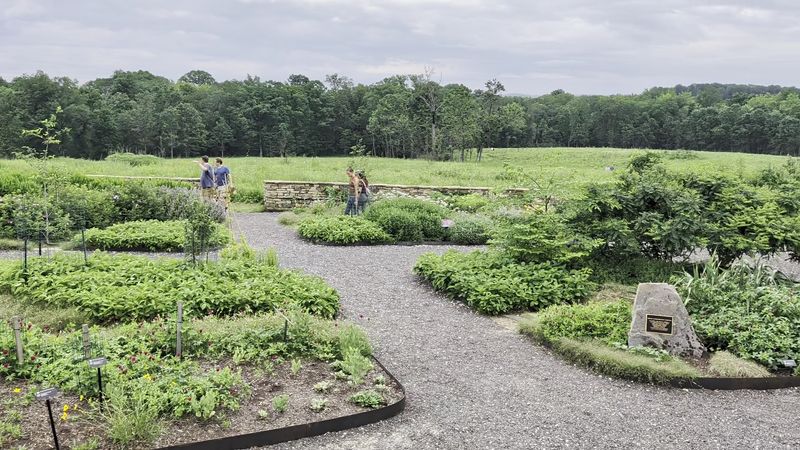
The reserve runs a year-round Native Plant School that covers everything from basic plant identification to practical native landscaping for home gardens. Classes are offered for adults, families, and school groups, and the curriculum is grounded in real ecological science rather than vague feel-good messaging.
The Dana Brown Overnight Center makes longer immersive programs possible, with log cabins and an assembly building constructed largely from salvaged materials. The center even features a submerged flow wetland treatment system, which manages to be both functional and fascinating as a teaching tool about water filtration.
School groups that visit the reserve get access to programs focused on ecological principles and outdoor skills, giving students the kind of hands-on learning that a classroom simply cannot replicate. The reserve’s 1972 designation as a National Environmental Education Landmark reflects how seriously this educational mission has always been taken.
For adults curious about native gardening, the programs here offer genuinely practical knowledge that translates directly into better plant choices and more sustainable home landscapes.
The Meramec River Trail Delivers a Completely Different Kind of Quiet
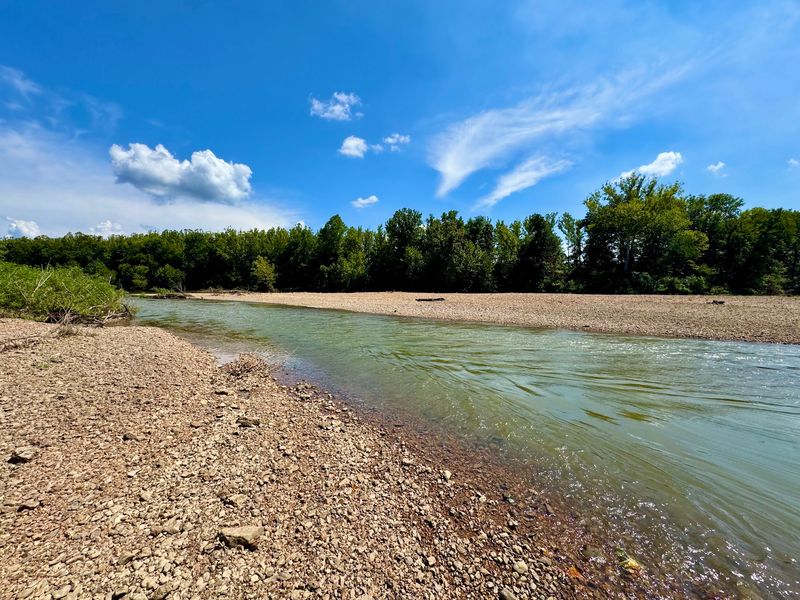
Not every trail at the reserve is about wildflowers and open vistas. The path that winds down to the Meramec River moves through bottomland forest, where the trees grow taller, the air feels cooler, and the whole atmosphere shifts into something quieter and more contemplative.
The river itself arrives as a reward at the end of the walk, offering a peaceful stretch of moving water where herons fish, turtles sun themselves on logs, and the background noise of the modern world fades almost completely.
Trail conditions near the river can change after heavy rain, and some sections have been temporarily closed due to flooding in the past, so checking current trail status on the reserve’s website before a visit is always worth the extra minute.
The contrast between the open prairie sections and the enclosed, shaded river-bottom environment is one of the things that makes a full day at the reserve feel so varied. The Meramec River trail, in particular, has a way of making the hike back feel almost reluctant.
Practical Tips to Make the Most of Your Visit
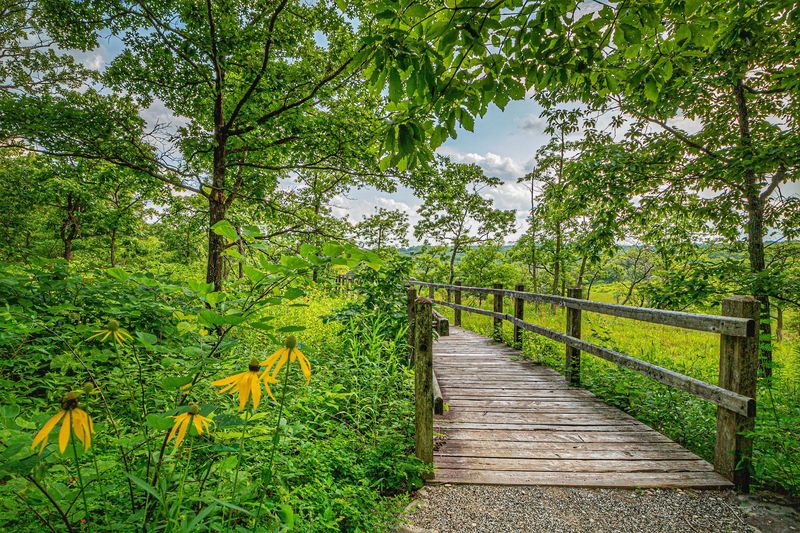
The reserve is open daily from 8 a.m. to 5 p.m., with extended hours until 8 p.m. from April 1 through August 31. Hours are reduced on Mondays in January and February, and the reserve closes on select major holidays, so confirming hours before a long drive is a sensible habit.
Admission is $5 for visitors aged 13 and up, with children 12 and under admitted free. Missouri Botanical Garden members pay no entry fee, which makes a membership worth considering if you plan to visit more than a couple of times per year.
Picnic areas are available near the Visitor Center, Bascom House, and Trail House, though grilling is not permitted anywhere on the property. Comfortable walking shoes are a must, and bringing water is strongly recommended, especially during summer months when the prairie sections offer little shade.
The reserve can be reached by phone at 314-577-9555, and the Missouri Botanical Garden website carries current event listings, trail updates, and program schedules that are worth bookmarking before your first visit.
Share this story