I almost drove right past it, figuring it was just another handsome building baking in the Florida sun. What I found inside was a Monet, a Picasso, and swirling glass so colorful it made me stop in my tracks.
It’s the kind of place that leaves you hungry for more, even after hours of wandering. If you think world-class art means flying north, this quiet treasure might change your mind.
A Cultural Anchor on South Dixie Highway
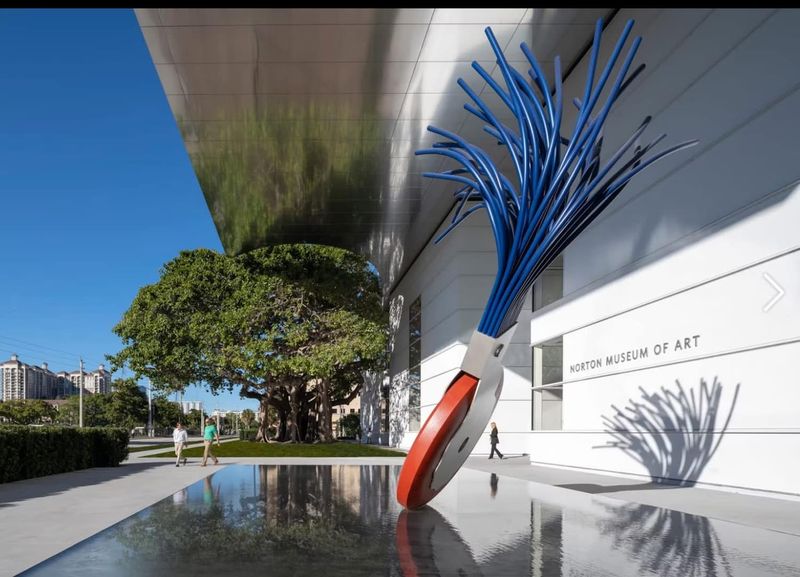
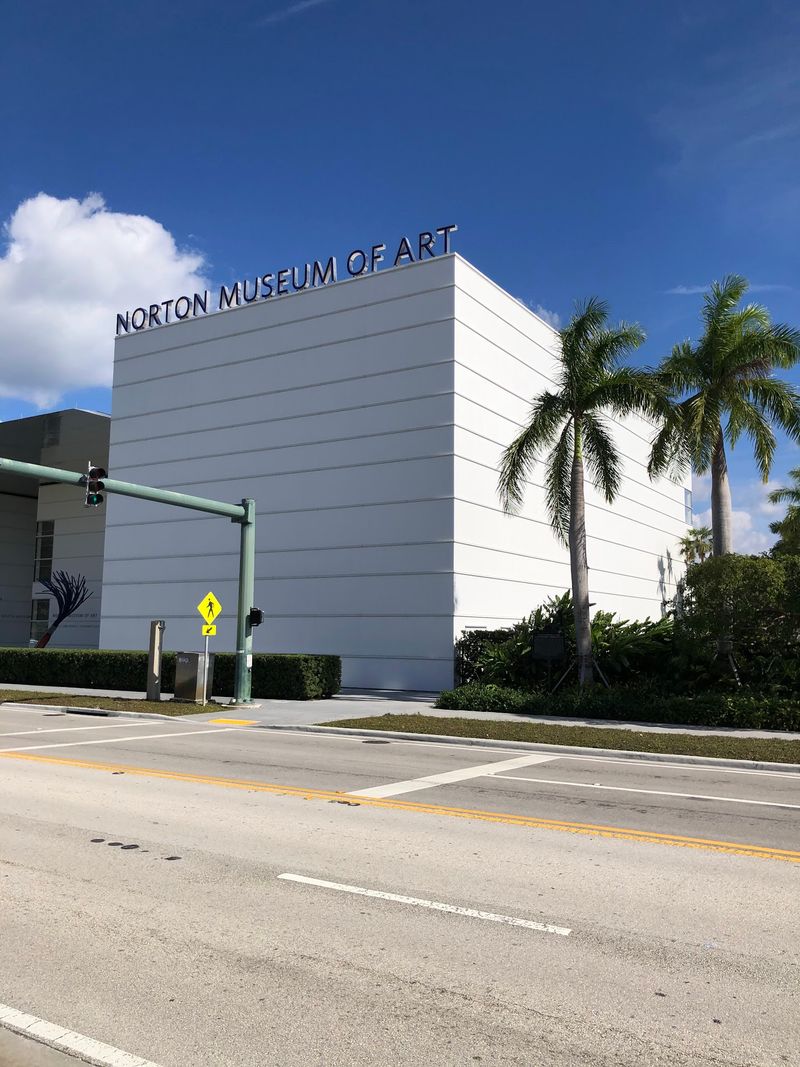
Tucked along a busy stretch of South Dixie Highway in West Palm Beach, the Norton Museum of Art doesn’t shout for attention from the street. Drive past too quickly and you might mistake it for just another handsome building in Palm Beach County.
Step inside, though, and the scale of what’s here starts to sink in fast.
At its heart, the Norton is an art museum built around American, French, and Chinese artwork. Contemporary exhibits rotate through large gallery spaces, and the museum also runs art classes and workshops for people who want to make something themselves.
It’s a mix that keeps the place from feeling like a dusty vault.
Visitors often describe the collection as small but diverse, and that’s part of the charm. You won’t need a map and a week to see it all.
Most people spend somewhere between two and three hours wandering, which makes it an easy afternoon plan rather than an exhausting expedition.
For South Florida residents, the location is handy too. It sits a short hop off I-95, close enough to downtown West Palm Beach that you can pair it with a stroll or a snack nearby.
Some guests who came in with modest expectations left calling it one of the best museums in the region, a big compliment in a state packed with attractions.
The Founder Who Bought Picasso Early
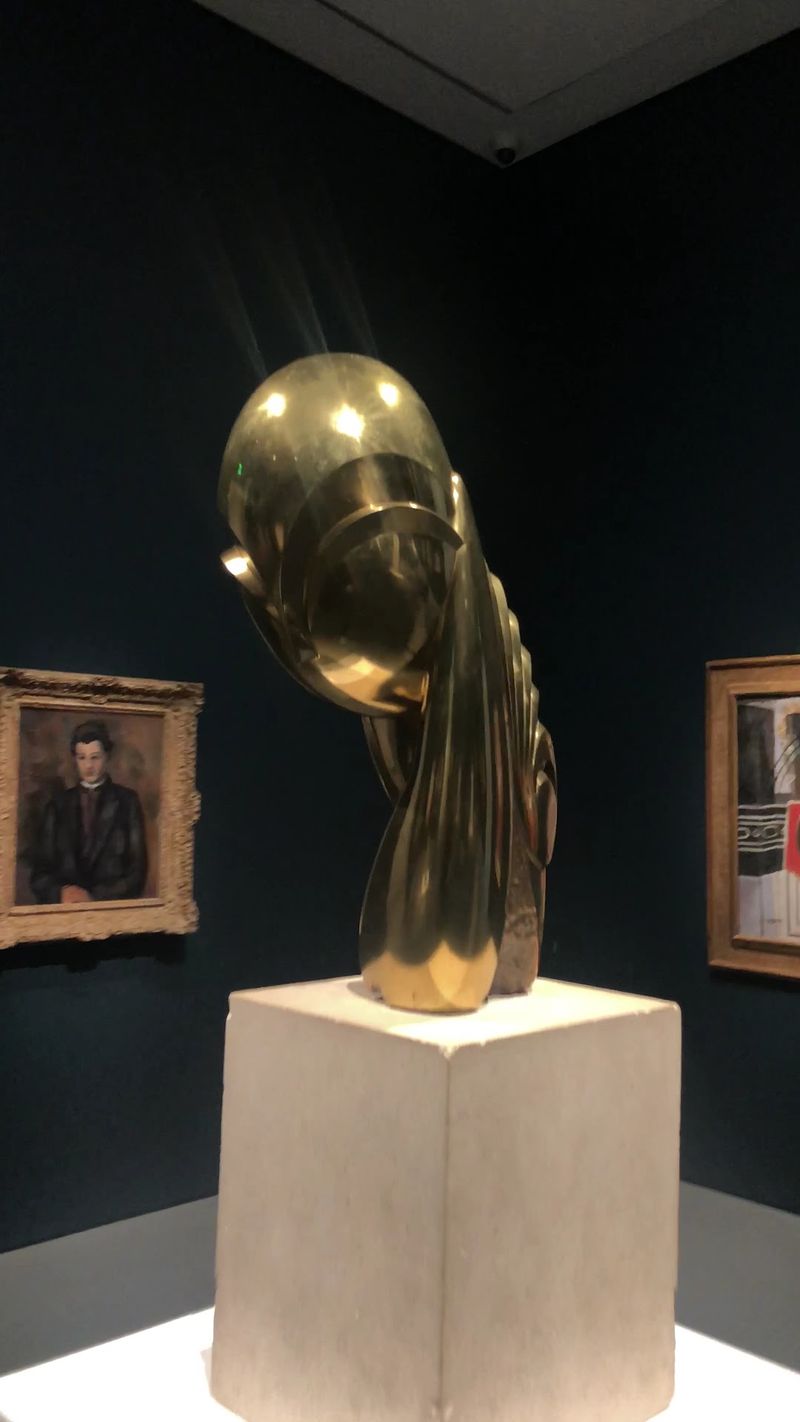
Here’s a detail most first-time visitors never hear: founder Ralph Norton picked up many of the museum’s works, including its Picasso, shortly after they were created. In other words, he wasn’t chasing famous names.
He was betting on artists while the paint was practically still fresh.
That collecting instinct helps explain why the Norton punches above its weight. A museum of its size doesn’t usually hold pieces by so many headline artists.
Yet here they are, hanging in West Palm Beach instead of a big-city institution up north.
The museum has also built a reputation for hosting major traveling shows. The Leiden Collection, featuring a celebrated Rembrandt exhibition, drew big crowds before it closed in March.
Guests still talk about seeing the fine detail and emotional depth of those works up close.
Past exhibits have also spotlighted names like Frida Kahlo, another topic visitors bring up often. The lesson?
Exhibitions come and go, so checking what’s currently on view before you visit pays off.
What stays constant is the spirit of the place. Staff say they pride themselves on welcoming everyone, whether you’re a lifelong collector or someone who just wandered in on a rainy day.
That open-door attitude fits nicely with a founder who trusted his own eye over the opinions of the art world.
An Old Shade Tree and a Grand Front Lawn
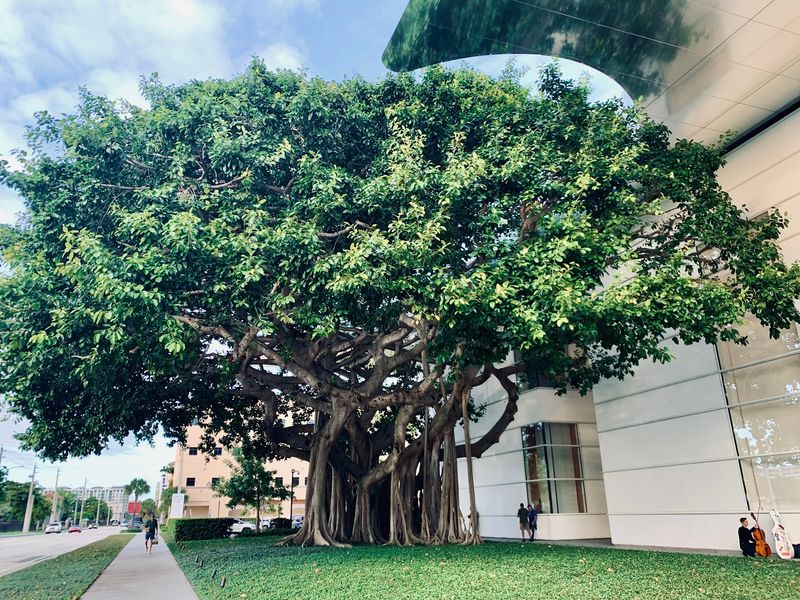
Before you even reach the front doors, a big old tree steals the scene. Visitors call it a landmark, and on a hot Florida afternoon, its generous shade feels like a small gift.
Even the museum team admits they love that tree.
Outdoor art figures dot the grounds as well, so the experience starts well before you hand over a ticket. One guest described the setup as a living gallery, where sculpture and landscape blend together.
It sets a relaxed tone that carries inside.
Once you step through, the building opens up. People frequently mention how spacious and clean the interior feels, with galleries that are beautifully laid out rather than cramped.
There’s room to step back from a large canvas and actually take it in.
Seating is another thing guests appreciate. Plenty of spots let you sit, rest your feet, and simply watch the art, or the people looking at the art.
For older visitors or anyone pacing themselves, that makes a real difference.
The overall mood is peaceful and inspiring, according to many who’ve come through. It’s a place where you can slow down, which is exactly what a museum should invite you to do.
Grab a moment under that tree on your way out, too, since it makes a lovely bookend to the visit.
Monet, Degas, and a Roll Call of European Masters
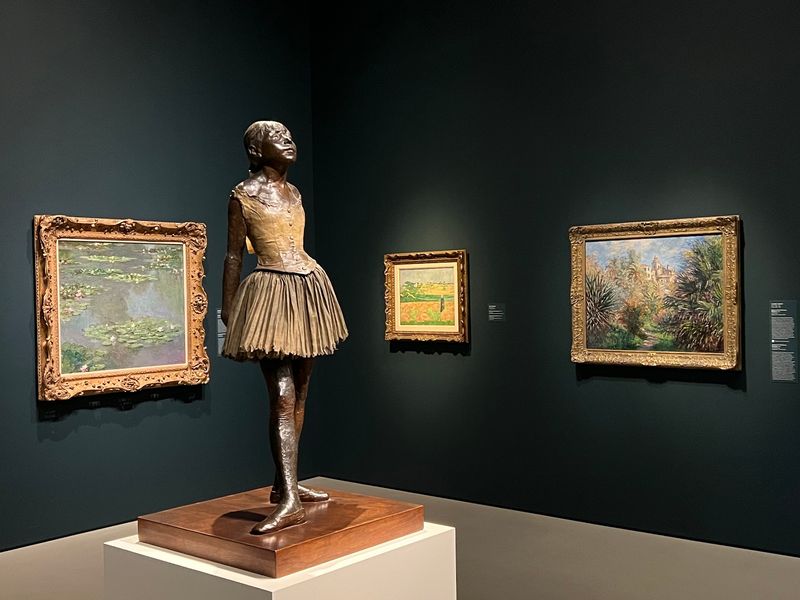
Picture turning a corner and finding a Monet you’ve only ever seen on a calendar. That exact moment happens a lot at the Norton.
One couple admitted they didn’t even realize certain pieces they knew from books were here until they were standing in front of them.
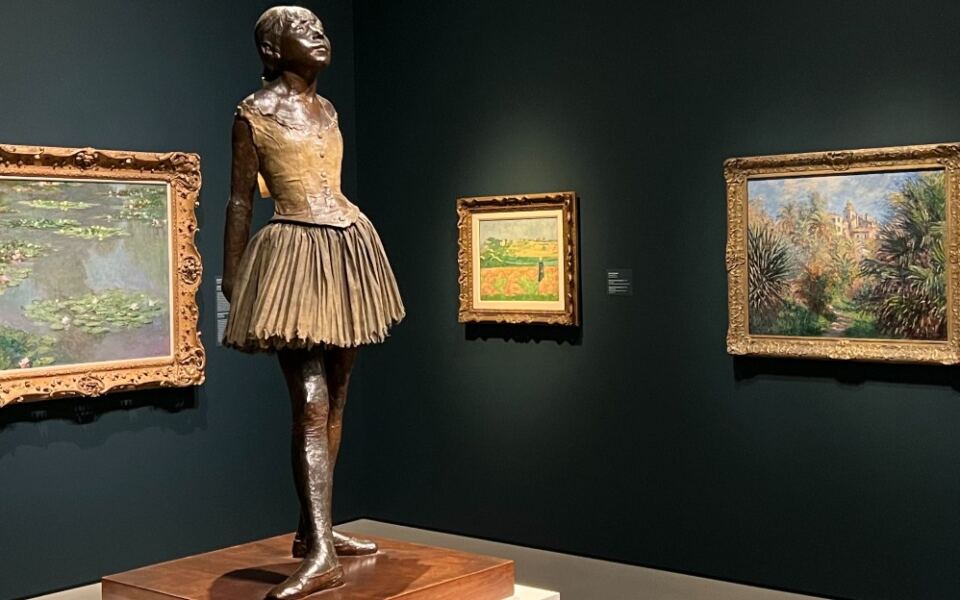
The European lineup reads like an art history syllabus. Guests mention Monet, Cézanne, Matisse, Miró, Van Gogh, and Rodin, along with multiple works by Picasso.
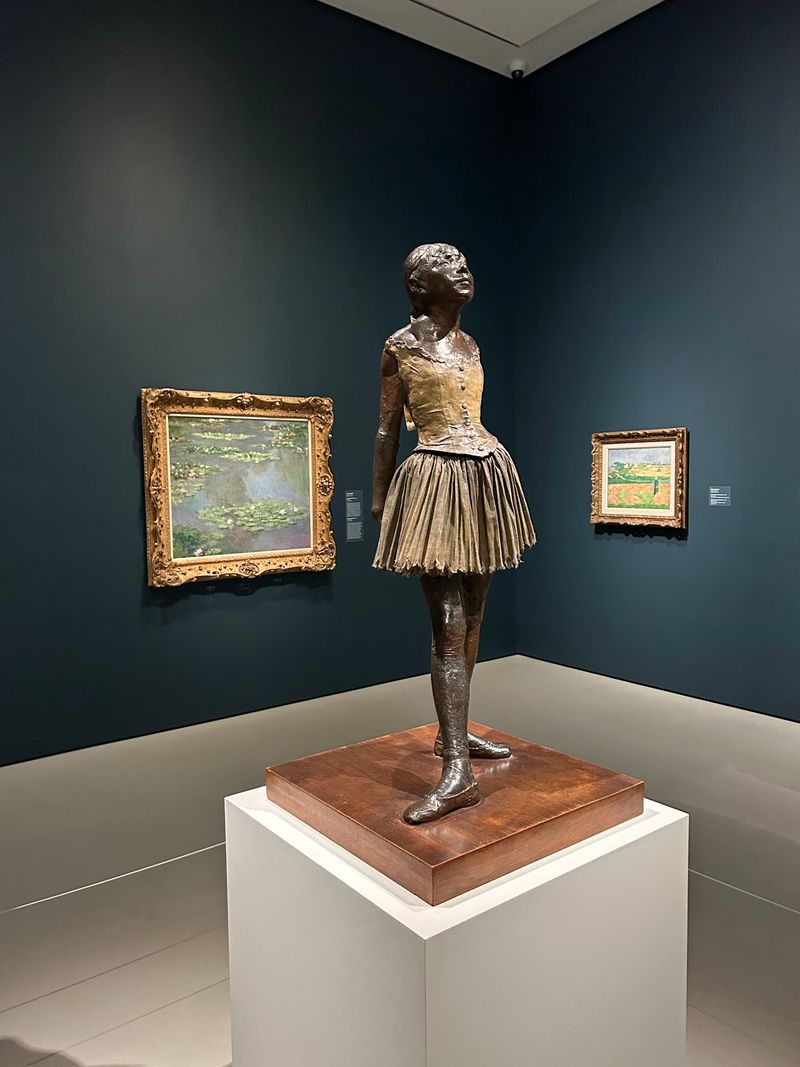
There’s also a Degas ballet sculpture that catches plenty of eyes.
French art sits at the core of the museum’s focus, so these works aren’t an afterthought. They anchor the galleries and give first-timers a familiar starting point.
If you only know a handful of artist names, odds are good you’ll spot a few of them.
Classic European paintings share space with more modern pieces, and that range is part of the appeal. You can move from Impressionist brushwork to Cubist angles within a few steps.
One visitor cheerfully summed it up as a place where you seek and find all your favorites.
Don’t rush this part. Standing close enough to see the texture of a Monet is a completely different experience from scrolling past a photo online.
Give yourself time to notice the small details, because that’s where the magic lives.
Chihuly’s Glass, Glowing Overhead
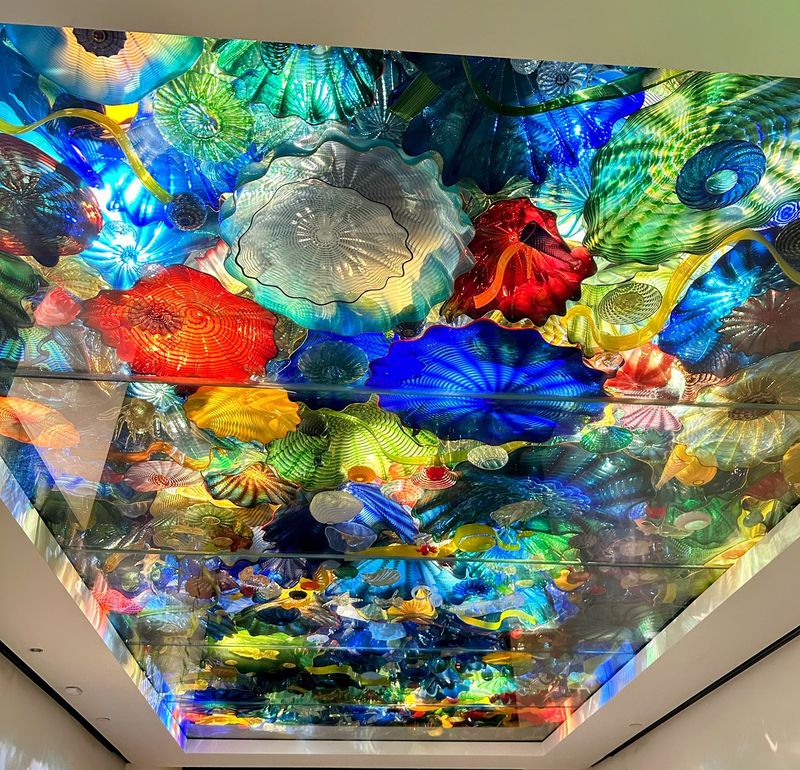
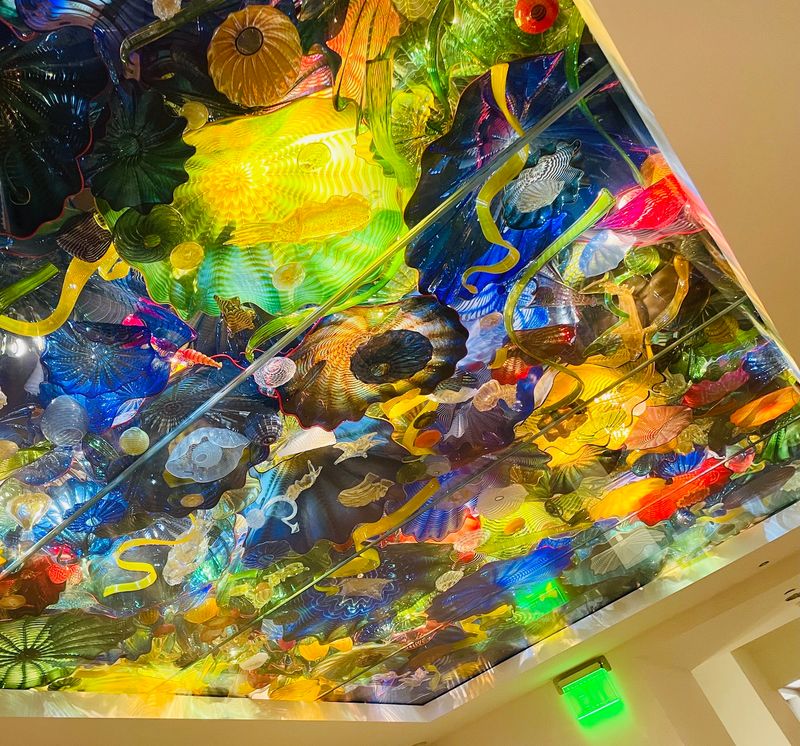
Color is the first thing that grabs you. Dale Chihuly’s glass art ranks among the most talked-about highlights at the Norton, with visitors bringing it up again and again.
It’s the kind of work that makes people stop mid-sentence and look up.
Chihuly is famous for blown glass in vivid, swirling shapes, and seeing it in person feels a bit like stepping into a candy-colored dream. Light passes through the glass and throws soft tints around the room.
The effect shifts depending on where you stand, so it rewards a slow lap.
What makes the pairing so fun is the contrast. On one side you have Impressionist painting, and on the other, glowing contemporary glass that practically hums with energy.
Monet and Chihuly in the same visit is a combination few museums can pull off.
Photographers, take note. Many guests leave with pictures of the glass, and it’s easy to understand why.
Just be courteous of others trying to enjoy the view, especially on busier days.
Bright colors and wild forms can also be an easy entry point for younger visitors who might not sit still in a portrait gallery. If you’re bringing someone who claims art is boring, start here.
There’s a decent chance their opinion changes before you reach the next room.
American Icons From O’Keeffe to Pollock
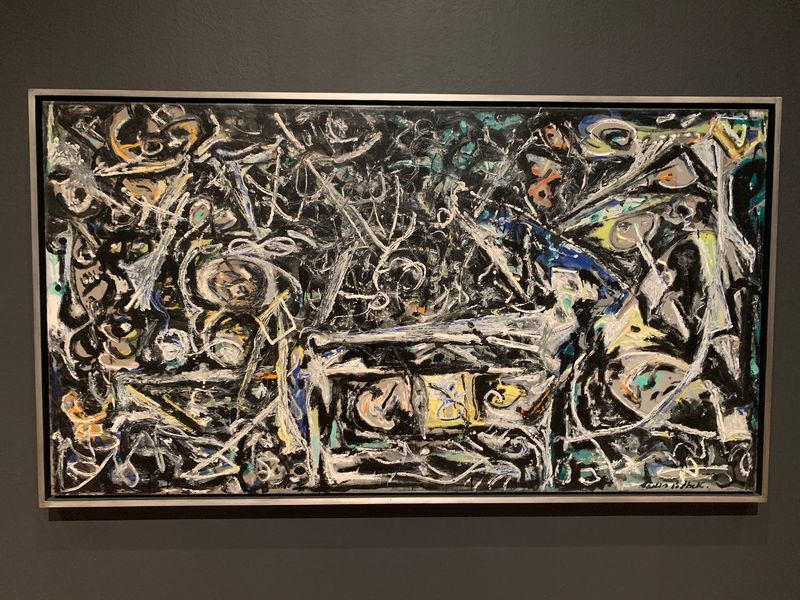
Georgia O’Keeffe fans, you’re in luck. Her work is one of the most frequently mentioned treats at the Norton, and it sits comfortably within the museum’s strong American collection.
For many visitors, spotting an O’Keeffe in person is a bucket-list moment.
American art forms one of the three pillars of the museum, alongside French and Chinese works. That means the galleries give serious space to homegrown talent.
You’ll find names that shaped how the world sees American creativity.
Jackson Pollock is here, a happy surprise for guests who didn’t expect his famously energetic canvases this far south. Alexander Calder shows up as well, and so does Hanson, whose work visitors list among their favorites.
The variety keeps things lively as you move from room to room.
Photography earns its own attention too. One guest named a photography exhibit as a personal highlight, right up there with the Picasso works.
It’s a reminder that the Norton isn’t only about paint on canvas.
Moving through this part of the museum feels a bit like flipping through the story of American art in fast-forward. Some pieces are quiet and thoughtful, while others seem to leap off the wall.
Either way, it makes a strong case that you don’t need to fly to New York for work of this caliber.
Treasures From Chinese and Asian Traditions
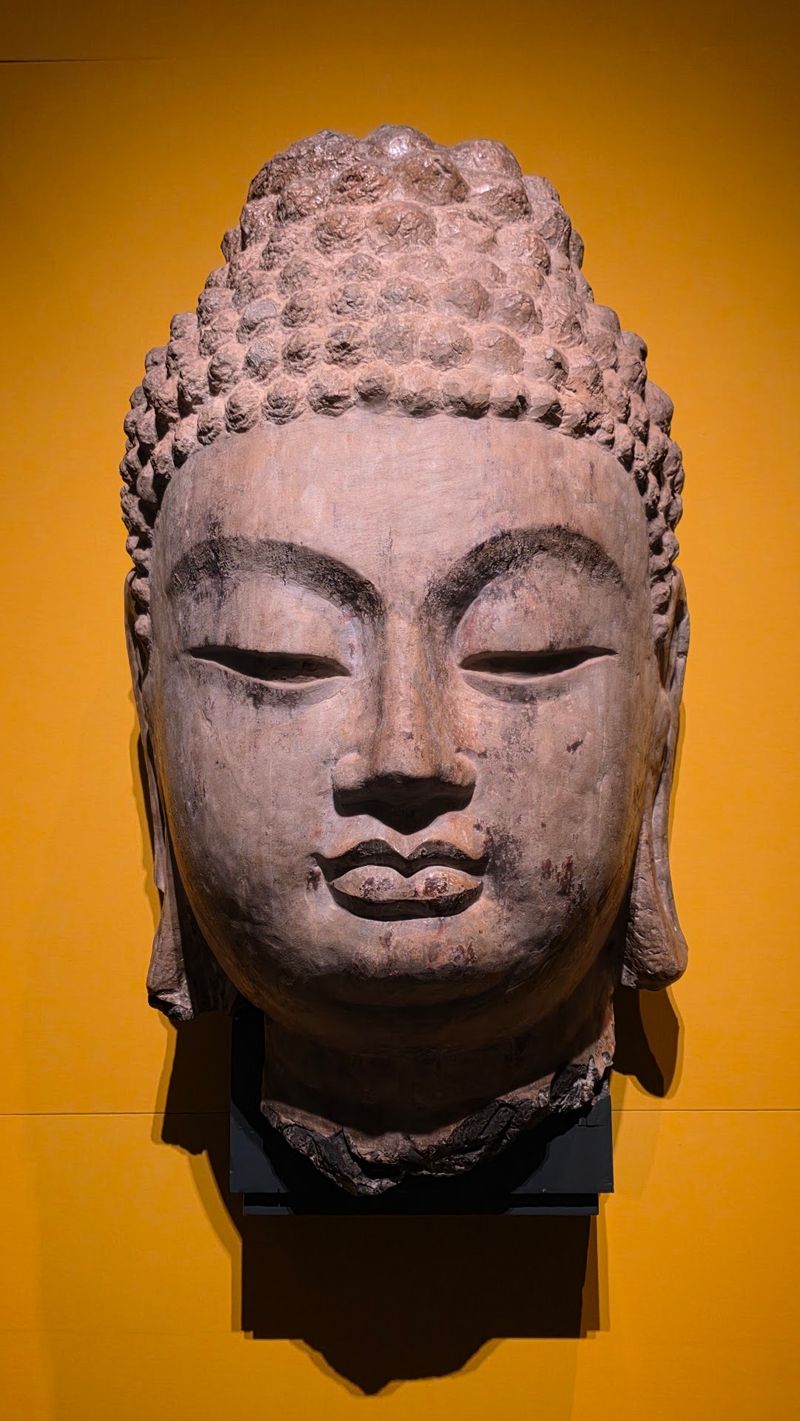
Plenty of museums stick mostly to Western art, which makes the Norton’s Asian collection a welcome surprise. Chinese art is one of the museum’s core focus areas, and visitors often describe it as something they hadn’t encountered before.
One guest called the collection large and genuinely fascinating.
Wandering these galleries offers a change of pace from oil paintings and marble. The objects carry different textures, symbols, and stories, drawn from traditions that stretch back a very long way.
It’s an eye-opener for anyone whose art education leaned heavily toward Europe.
Japanese block prints also appear among the works people mention. Their bold lines and careful compositions have influenced artists around the world, including some of the European painters hanging elsewhere in the building.
Spotting those connections is half the fun.
Culture here extends well beyond the display cases. Each year, the Norton hosts a Lunar New Year Community Day, and families who return year after year describe it as well organized and joyful.
More on that celebration a bit later.
Take your time in these rooms. Read the labels, look closely at the craftsmanship, and let yourself be curious.
Many visitors who planned to breeze through ended up lingering, surprised by how much they enjoyed art they knew little about going in.
Fresh Voices in the Contemporary Galleries
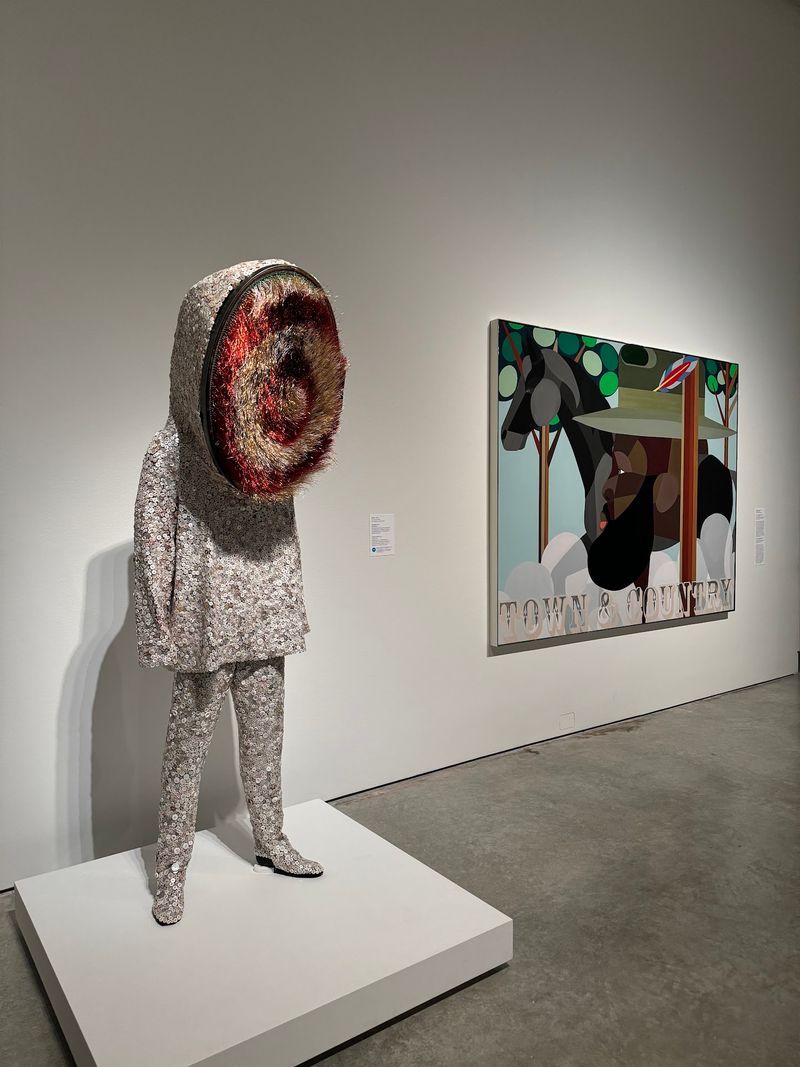
Not everything at the Norton is decades or centuries old. Large gallery spaces host rotating temporary exhibits, and the contemporary art program gets plenty of love from visitors.
If you’ve already seen the permanent collection, these shows give you a great reason to return.
The RAW exhibitions deserve special mention. Museum staff describe them as especially interesting and beautiful, and one visitor made the trip from Fort Lauderdale specifically to see a show by painter Danielle McKinney.
She left already planning a second visit before the exhibit closed.
Some pieces stick with people long after they leave. One guest singled out an artwork made from military name tags as very impressive, a striking example of how contemporary artists turn everyday objects into something powerful.
Others praise the museum’s mix of cubism and newer generation art.
That balance between old and new is part of what makes a visit feel complete. Many guests say they discovered a lot of new artists they’d never heard of.
For regular museum-goers, that sense of discovery is priceless.
A quick tip: exhibitions have set run dates, and galleries occasionally close for changes. One visitor noted a floor was temporarily closed during their trip, yet they still spent nearly three hours exploring.
Checking the website before you go helps you plan around what’s open.
A Sculpture Garden Worth the Detour
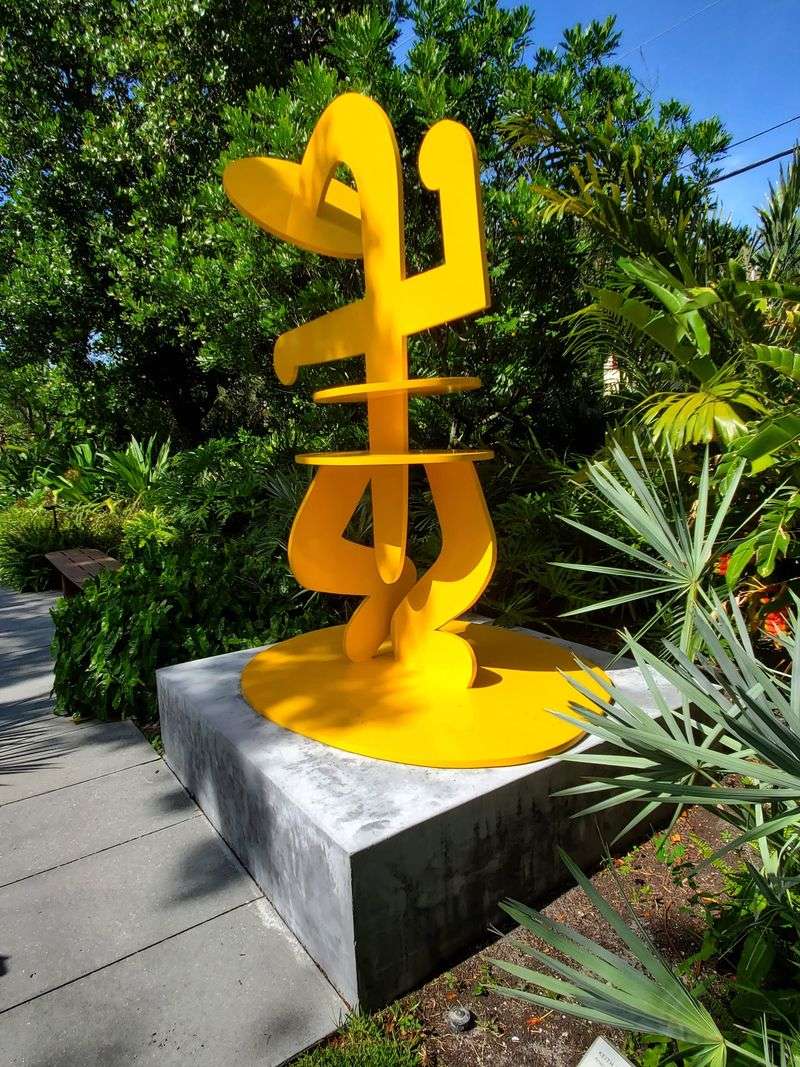
Ask regulars what not to miss, and one answer comes up constantly: head outside. The sculpture garden is among the most mentioned features at the Norton, and guests describe it as beautiful and very peaceful.
It’s a breath of fresh air, literally, after a stretch of indoor galleries.
Sculptures sit among greenery, so the experience feels relaxed rather than formal. You can stroll at your own pace, pause on a path, and take in the pieces from different angles.
The light shifts as the day goes on, giving the artwork a slightly different mood each hour.
One visitor even named the garden art as a favorite part of the entire trip. Another called the outdoor space an essential stop, the kind you’d regret skipping.
For many, it’s the perfect way to reset before heading back in for round two.
Florida weather plays nicely here most of the year. A mild morning or a breezy late afternoon makes the garden especially pleasant.
On hotter days, go early and bring water.
Families with restless little ones may appreciate the open space, too. Kids can stretch their legs a bit while adults enjoy the art.
Just remember that sculptures are for looking, not climbing, and everyone will have a lovely time.
Friday Nights Belong to Art After Dark
Once the sun goes down on Fridays, the Norton takes on a whole new personality. The museum stays open until 10 PM, and Art After Dark turns the galleries into a lively evening hangout.
Admission for these nights is just $10, which makes it one of the friendliest cultural deals around.
Programming changes, but past evenings have featured live musicians and opera performances drifting through the halls. One guest described the atmosphere as vibrant yet elegant, drawing a wonderful mix of people who love culture.
Every performance felt intimate, as if it had been arranged just for that crowd.
Beyond the music, Art After Dark can include lectures, tours, and classes. That means you can learn something new, hear a performance, and see world-class art in a single evening.
It’s a smart way to explore the museum if daytime visits don’t fit your schedule.
Visitors who’ve attended recommend it as a wonderful way to get to know the Norton. The collection seems to glow differently under evening energy, and the buzz of the crowd adds something special.
It feels more like a night out than a field trip.
Date night idea? Absolutely.
Friends’ night out? Also a win, so arrive early enough to wander before the programs pick up.
Community Days, Classes, and Room for Every Family
Few moments beat watching a lion dance wind its way past a museum entrance. At the Norton’s annual Lunar New Year Community Day, families enjoy painting for kids, storytelling, music, food, and the much-loved lion and dragon dances.
The museum has also hosted fireworks the night before, adding extra sparkle to the celebration.
One family said they’ve attended five or six years in a row. They love seeing kids learn about Asian culture while the whole community comes together.
It’s the kind of tradition people build their calendars around.
Sensory-Friendly Sunday is another standout. Parents who attended describe plenty of activities for kids and staff members who were kind and welcoming.
For families who need a calmer, more accommodating setting, meeting others in a similar situation made the day feel extra special.
Young artists get the spotlight too. Student artwork is displayed on the second floor, and visitors suggest making time to see it.
There’s something heartwarming about local kids’ creations sharing a building with the masters.
Adults aren’t left out. The Norton offers art classes, workshops, and a lecture series, and one longtime fan became a member partly for the after-hours events and classes.
Across all of it, the staff earns steady praise for being friendly, knowledgeable, and genuinely passionate about the art.
Hours, Tickets, Parking, and the $1 Ride
Planning ahead makes a Norton visit smooth. Hours run 10 AM to 5 PM on Monday, Wednesday, Thursday, and Saturday, with Sunday hours from 11 AM to 5 PM.
Friday stretches to 10 PM, and the museum is closed on Tuesdays.
Tickets can be bought online in advance, and visitors call the process easy and straightforward. Art After Dark on Fridays costs $10, and discounts are available for college students.
During the summer, Palm Beach County residents have enjoyed free admission on Saturdays through Labor Day weekend, so ask about current offers.
Parking takes a little know-how. There’s no lot on-site, so drivers park across the street and self-pay, with one guest reporting a rate of about $3 per hour.
Keep your receipt handy and follow posted rules carefully to avoid any hassles.
Skipping the car entirely is a clever option. One visitor rode the Brightline from Fort Lauderdale to West Palm Beach, then hopped on a Circuit ride to the museum for roughly $1.
No parking worries at all.
The museum is handicap accessible, with elevators to the second floor. On-site, you’ll find a gift shop, The Restaurant at the Norton, and a coffee space.
Questions? Call 561-832-5196 or check norton.org before heading out.
A Parting Case for the Norton
Sometimes the best plans start as a maybe. One couple admitted they were split on going and only visited because it wasn’t a beach day.
They walked out amazed by how much world-class art they found, and genuinely glad they went.
That reaction sums up the Norton pretty well. It’s approachable enough for people who don’t consider themselves art experts, yet deep enough to impress seasoned museum-goers.
Monet, Picasso, O’Keeffe, dazzling Chihuly glass, Chinese treasures, and a peaceful sculpture garden all fit into a single afternoon.
No place is perfect, of course. Blockbuster exhibitions can pack the galleries, and the off-site parking requires a bit of attention.
A little planning, like arriving early or taking transit, smooths out most of those bumps.
For Florida residents, the value is hard to ignore. Between $10 Friday nights, student discounts, and seasonal free Saturdays for Palm Beach County locals, a visit doesn’t have to strain the budget.
Community days and family programs add even more reasons to come back.
So next time a rainy afternoon or a cool front cancels your beach plans, point the car, or the Brightline, toward South Dixie Highway. You may find, like so many before you, that one of the state’s finest art experiences was hiding in plain sight all along.
Share this story