Montana has a reputation for big skies and bigger mountains, but the state also sits on a remarkable network of natural hot springs that most travelers never fully explore. From century-old resort hotels tucked into river canyons to bare-bones community pools where a five-dollar cash payment gets you in, the variety here is genuinely surprising.
Some pools sit minutes from Yellowstone National Park, while others are hidden in small western Montana towns that barely show up on a standard road map. A few of these spots have been drawing visitors since the 1800s, and the reasons people keep coming back are pretty easy to understand.
Whether you want a full resort weekend with dining and spa services or a quiet soak with nothing but mountains on the horizon, Montana delivers. Read on for a look at twelve operating hot springs that make a strong case for slowing down and staying a little longer than planned.
1. Chico Hot Springs Resort & Day Spa, Pray, Montana
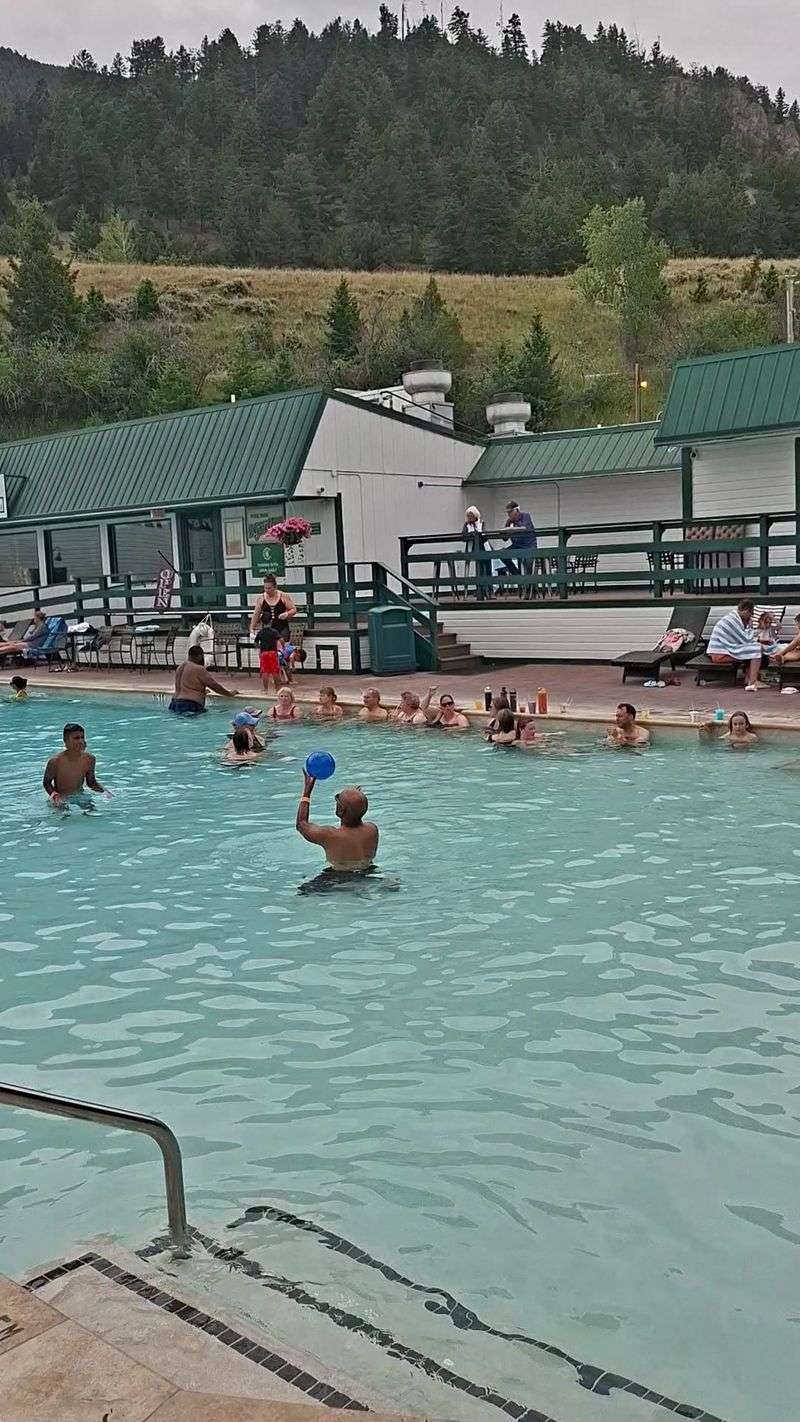
More than a century of visitors cannot be wrong about Paradise Valley, and Chico Hot Springs has been the main reason many of them showed up in the first place.
Two open-air geothermal pools form the social center of the property, naturally heated and open every day of the year regardless of season.
The mountain setting gives the resort a classic Montana character that newer facilities often struggle to replicate.
Overnight guests can choose from a range of lodging options, and on-site dining means there is no need to drive anywhere after a long soak.
A full-service day spa offers massages and treatments for guests who want to extend the relaxation beyond the pool deck.
Day-use soaking is also available, which makes Chico a practical stop even for travelers just passing through Paradise Valley on their way somewhere else. The pools run chemical-free and stay consistently warm throughout the winter months.
2. Yellowstone Hot Springs, Gardiner, Montana
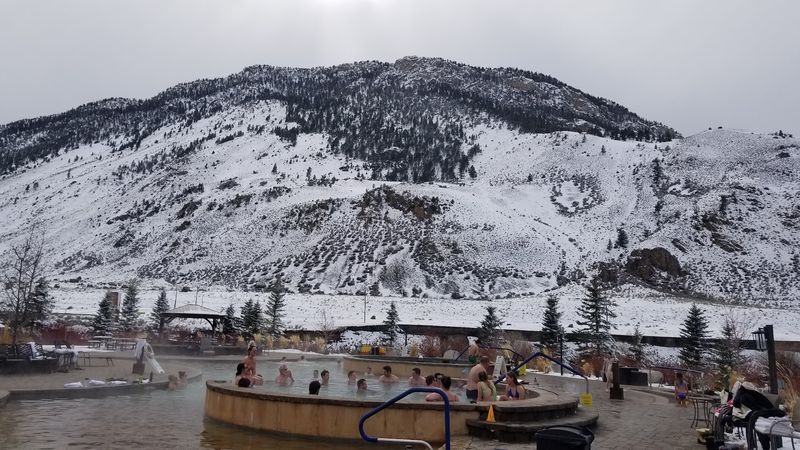
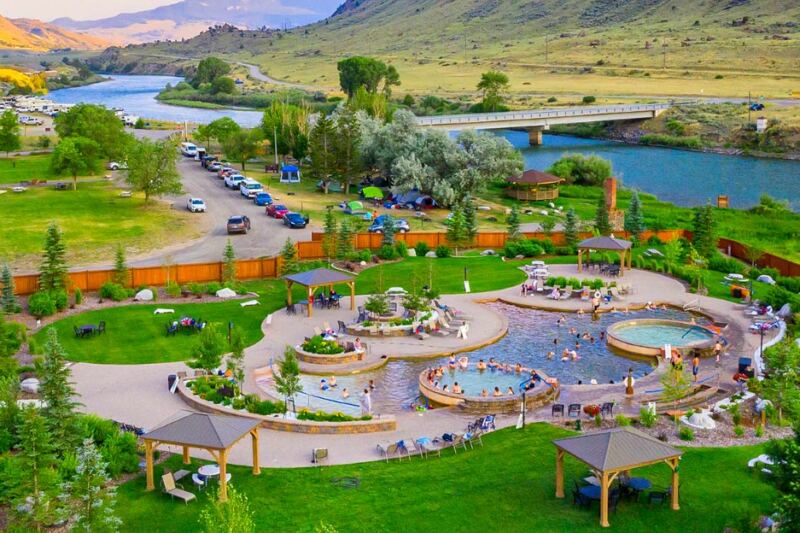
Right at the northern entrance to Yellowstone National Park, this hot springs complex has one of the most dramatic settings of any facility in the state.
Visitors choose between a hot pool maintained at 103 to 105 degrees Fahrenheit, a larger main pool running slightly cooler, and a cold plunge kept at a brisk 60 to 65 degrees.
A pair of Kneipp pools, added in 2025, rounds out the lineup and gives hydrotherapy fans something new to try.
All water flows continuously from natural mineral sources, meaning no chemical additives are used in the pools at any point.
On-site cabins and an RV park with full hookups and a WiFi pavilion make overnight stays straightforward, and campers receive a discounted pool entry rate.
The surrounding Paradise Valley scenery, framed by two mountain ranges and the Yellowstone River, adds a visual backdrop that is hard to beat after a long day of exploring the park.
3. Fairmont Hot Springs Resort, Anaconda, Montana
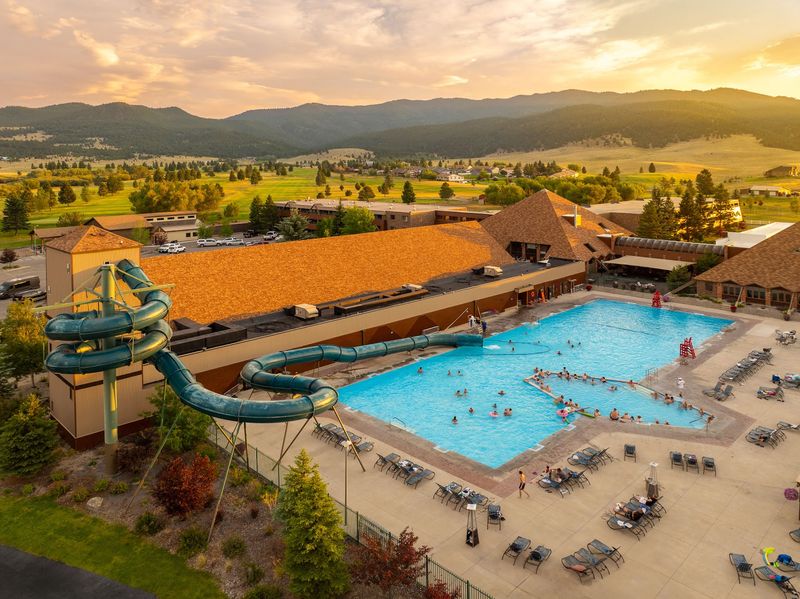
Travelers who find small soaking pools a little underwhelming will have no such complaint at Fairmont, where the scale of the operation is genuinely impressive.
The resort sits between Butte and Anaconda and runs two Olympic-sized swimming pools alongside two dedicated mineral soaking pools, with both indoor and outdoor options available year-round.
A 350-foot enclosed waterslide operates in all seasons, which puts Fairmont in a different category from most Montana hot springs destinations.
An 18-hole par-72 golf course, tennis courts, and a full massage studio round out the amenity list for guests who want more than just water time.
Dining options include multiple restaurants and snack bars spread across the property, so there is no shortage of places to refuel.
Pool access is currently reserved for overnight guests, condominium association members, and registered members, though RV park and chalet guests can purchase access. The resort was formerly known as Gregson Hot Springs before a major redevelopment in 1971 transformed it into its current form.
4. Bozeman Hot Springs, Bozeman, Montana
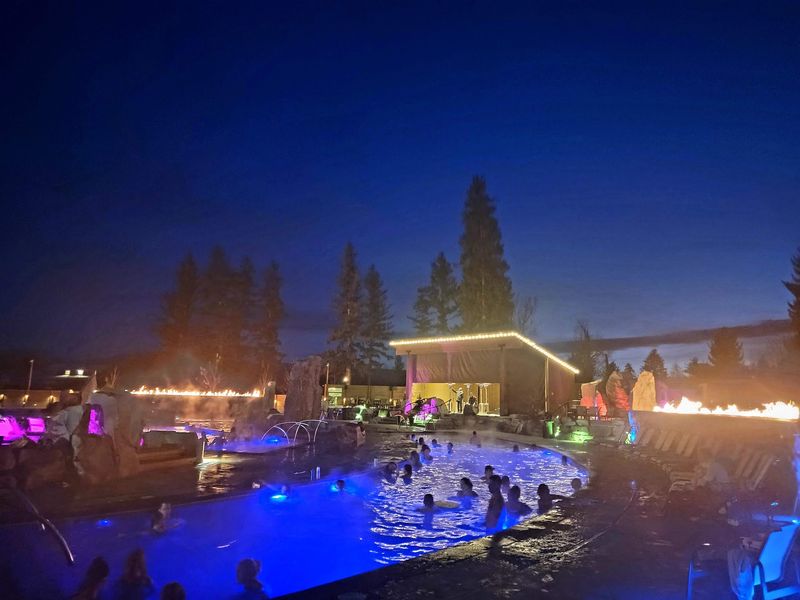
Twelve pools at a single facility might sound like overkill until you realize each one sits at a different temperature, ranging from a bracing 59 degrees all the way up to 106 degrees Fahrenheit.
Located 8 miles west of Bozeman along US 191, this long-running operation combines those pools with dry and wet saunas and a full fitness center, making it far more than a simple soaking spot.
The indoor pools run on a flow-through system with no chemical treatment, and each one is drained and cleaned every night before reopening.
Outdoor pools host public events on Thursday and Sunday evenings, including live music, along with various holiday-themed gatherings throughout the year.
The facility has been operating for over a century, evolving from a small late-1800s pool into a destination that now draws both local residents and tourists passing through on their way to Yellowstone.
Its location just minutes from Gallatin International Airport makes it a convenient first or last stop on any Montana itinerary.
5. Lolo Hot Springs Pools Resort, Lolo, Montana
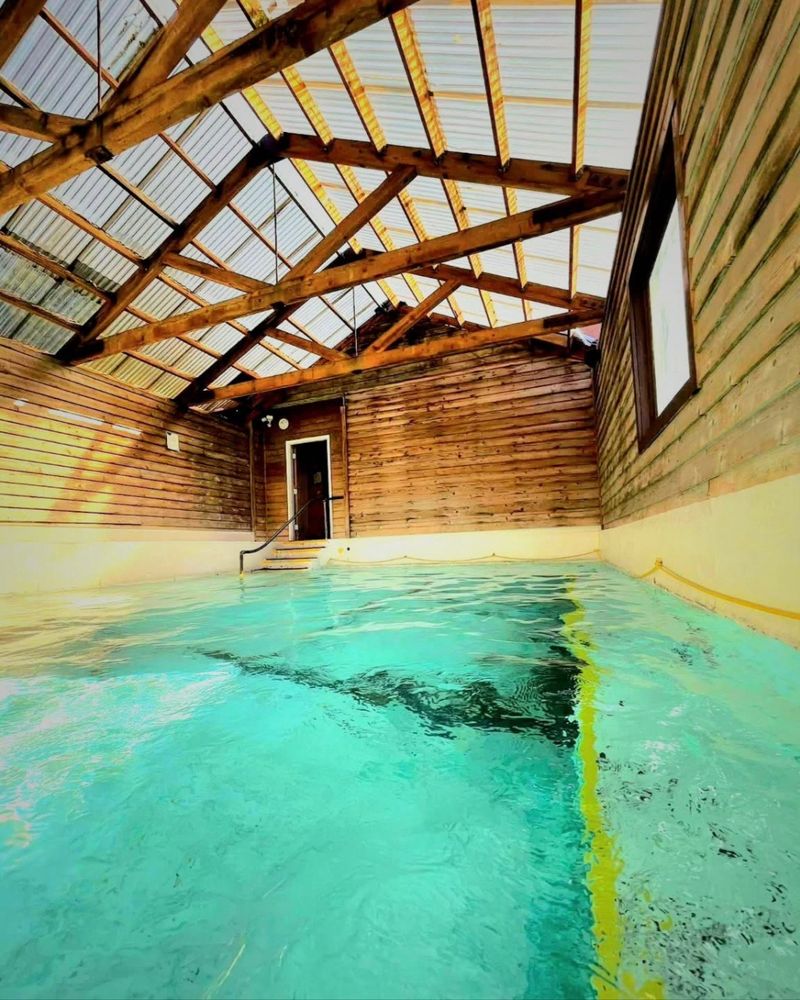
History runs deep at Lolo Hot Springs, and not just in the geological sense.
Lewis and Clark documented visits to these springs in both 1805 and 1806, which means the site had already been a recognized gathering and bathing place for Indigenous peoples long before European explorers arrived on the scene.
The resort today offers an indoor hot pool that typically stays above 100 degrees Fahrenheit and a larger outdoor pool whose temperature shifts with the seasons.
Cabins, RV sites with water and electric hookups, and tent camping give travelers multiple ways to stay overnight, though no sewer hookups are available at sites and a dump station handles that need instead.
Winter visitors can access 500 miles of groomed snowmobile trails, with rentals available on the property.
Warmer months bring hiking, fishing, and disc golf to the mix, and an on-site restaurant keeps guests fed between activities.
The forested setting along U.S. Route 12 makes the drive out feel like a worthwhile part of the experience.
6. Quinn’s Hot Springs Resort, Paradise, Montana
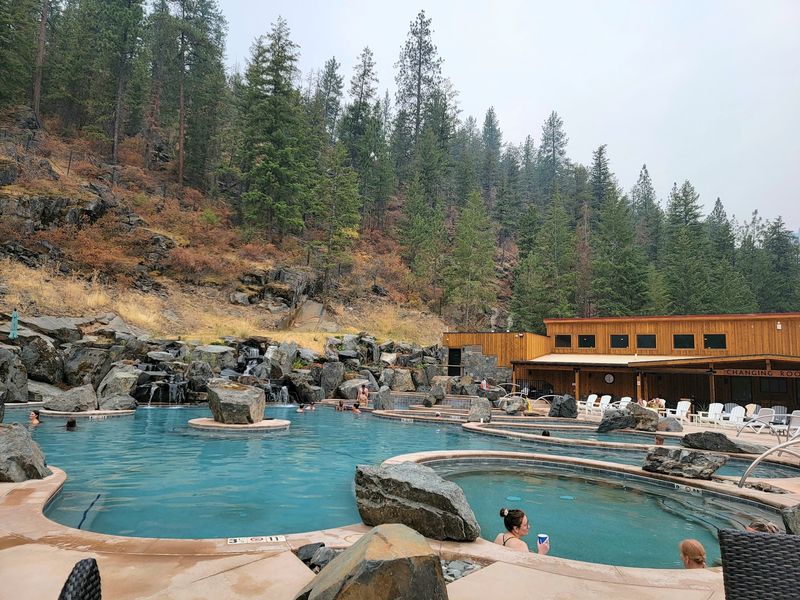
Carved into a canyon along the Clark Fork River about 70 miles northwest of Missoula, Quinn’s manages to feel genuinely remote while still offering a surprisingly complete resort experience.
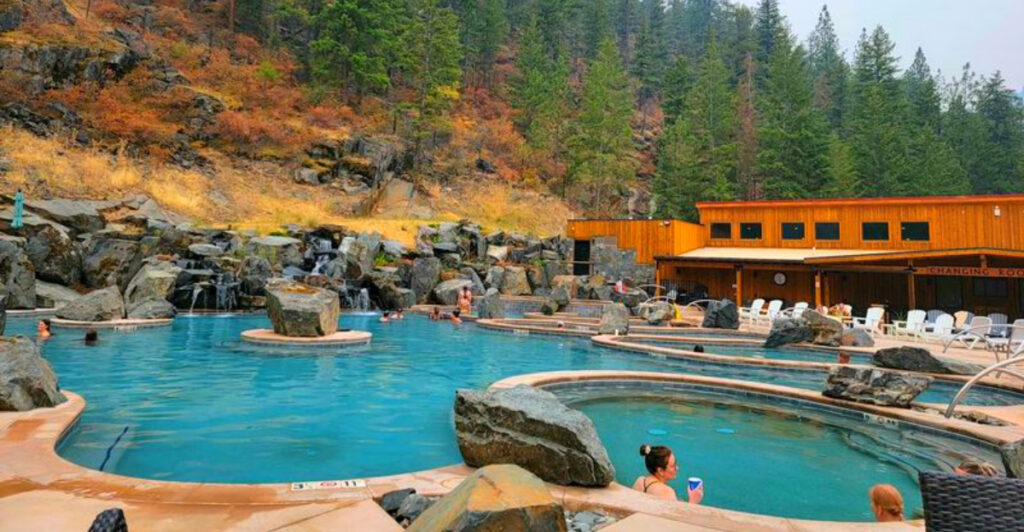
Seven pools cover a wide temperature range, with five natural flow-through soaking pools going from 90 to 106 degrees Fahrenheit and two salt-treated pools sitting in the upper 90s to 100 degrees.
A cold plunge at 55 degrees is available for anyone who enjoys the contrast.
No chemicals enter the natural soaking pools, and the geothermal source water arrives at 127 degrees before being cooled to a usable temperature.
The resort’s history stretches back to the 1880s, when Irish immigrant Martin Quinn noticed Native Americans using the springs and built the first bathhouses on the site.
Cabins and lodge rooms along the river and canyon walls make it easy to stay multiple nights. The on-site restaurant earned a Wine Spectator Award of Excellence in 2023, which is not something most hot springs can claim.
7. Elkhorn Hot Springs, Polaris, Montana
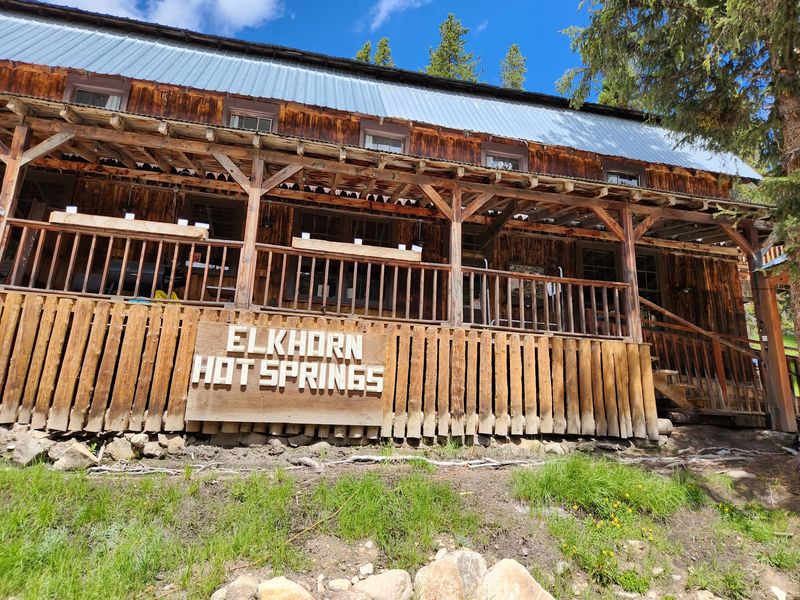
At 7,400 feet in the Pioneer Mountains, Elkhorn Hot Springs has been running continuously since 1918, which gives it a kind of quiet credibility that newer resorts cannot manufacture.
The family-owned property features two outdoor mineral pools, with the upper soaking pool ranging from 95 to 104 degrees Fahrenheit and the lower swimming pool sitting at a cooler 88 to 95 degrees.
An indoor Grecian-style wet sauna, kept at 104 to 106 degrees, adds a third option for those who want something different.
All pools use a flow-through system with no chemical treatment, fed by six geothermal springs that produce water at up to 120 degrees at the source.
Cabin guests receive a complimentary hot buffet breakfast daily, a detail that separates Elkhorn from most comparable rustic properties in the state.
The surrounding Beaverhead-Deerlodge National Forest provides access to cross-country ski trails, snowmobile routes, and downhill skiing at nearby Maverick Mountain during winter months.
8. The Symes Hot Springs Hotel & Mineral Baths, Hot Springs, Montana
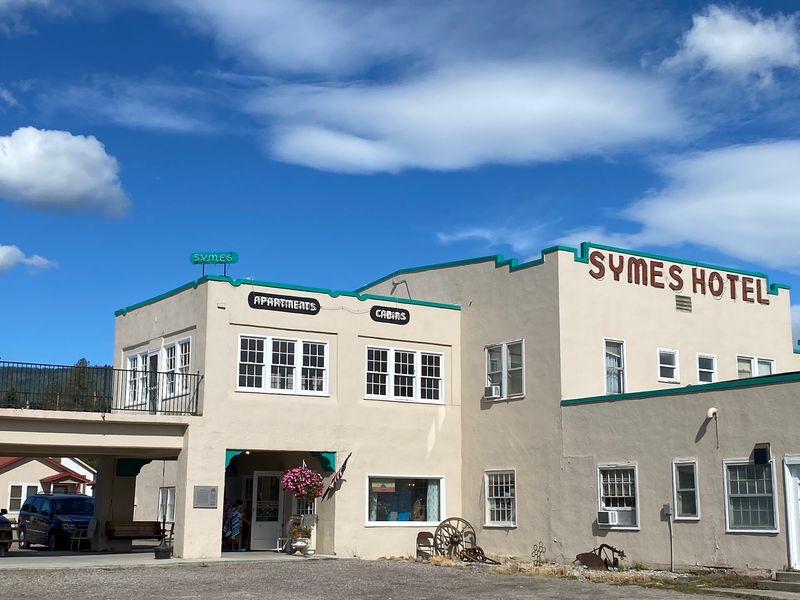
Built in 1928 by Fred Symes, this hotel has the rare distinction of being listed on the National Register of Historic Places, which means the Spanish mission-style architecture you see today is the real thing, not a renovation attempt at vintage charm.
Three outdoor flow-through soaking pools hold temperatures between 99 and 107 degrees Fahrenheit, connected in sections by a small waterfall.
A 20-by-40-foot swimming pool with natural mineral water sits at around 95 degrees for guests who prefer a longer, cooler soak.
The bath wing preserves four original clawfoot tubs in private stalls, and a two-person jetted tub with a steam room can be rented by the hour for a more intimate experience.
Day-use pool access is open to non-guests, while hotel guests receive it as part of their stay.
A restaurant, espresso bar, art gallery, and weekend live music give the property a lively small-town personality that goes well beyond the water.
9. Wild Horse Hot Springs, Hot Springs, Montana
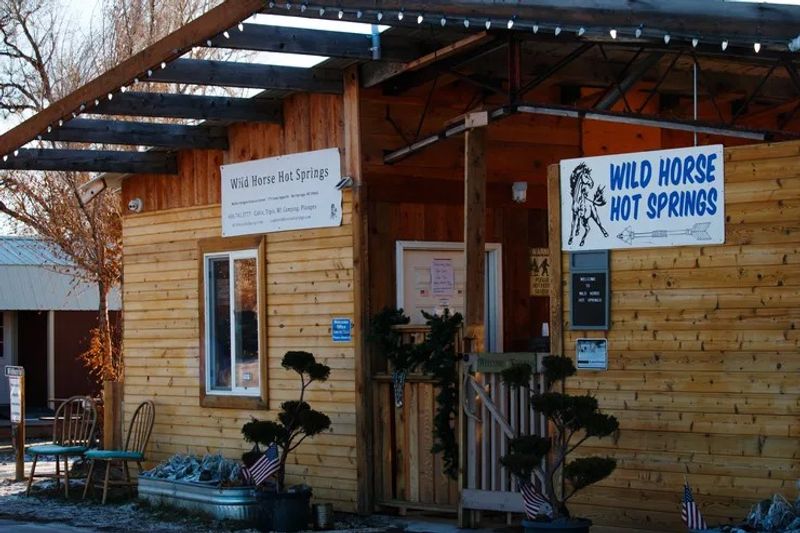
First discovered in 1912 by homesteader Molly Bartlett, this site operated as Camp Aqua Bath House, a polio treatment facility, before eventually becoming the public resort it is today.
Eight private hot spring tubs allow visitors to manually adjust water temperature to their preference, which is a level of control most communal hot springs simply do not offer.
Two larger outdoor communal plunge pools round out the soaking options for guests who prefer a shared setting.
The source water comes from the Mother Dragon artesian geyser, emerging at 120 to 128 degrees Fahrenheit before cooling to around 104 degrees in the pools.
The mineral content here is notably high, with one of the world’s highest recorded natural lithium levels alongside more than 30 other naturally occurring minerals.
Lodging includes cabins, tipis, and tent and RV camping for overnight guests, who enjoy unlimited soaking throughout their stay.
Day-use visitors are typically allocated two-hour intervals, and the Mission Mountains to the west provide a scenic western Montana backdrop throughout.
10. Alameda’s Hot Springs, Hot Springs, Montana
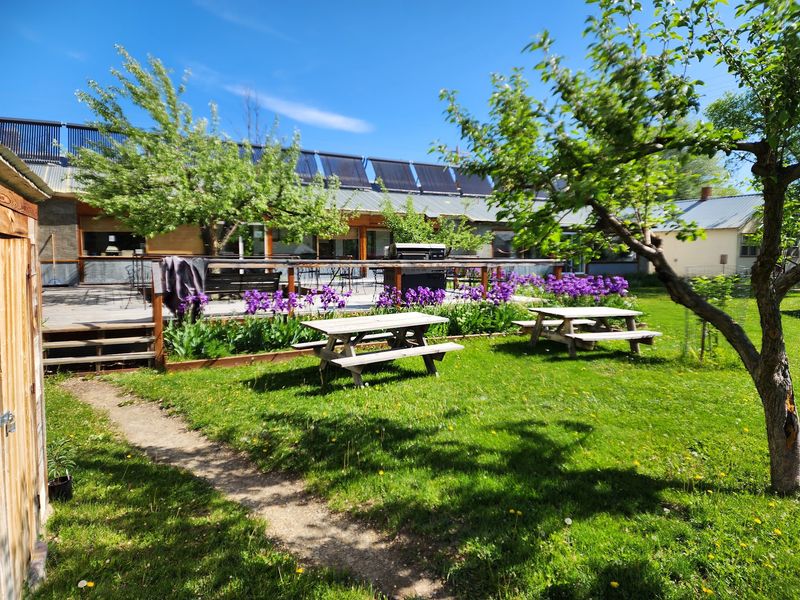
Originally built as a motel in 1937, Alameda’s has held onto its mid-century character while quietly becoming one of the most privacy-focused hot springs accommodations in the state.
Each of the fourteen units, which include eleven rooms and three cabins, comes with its own private hot mineral bath fitted with individual hot and cold mineral taps so guests can dial in the exact temperature they want.
The source water comes from two on-site geothermal springs producing water at 110 to 120 degrees Fahrenheit, loaded with bicarbonates, sulfates, calcium, magnesium, lithium, silica, and potassium, among other minerals.
Four fully fenced private outdoor soaking tubs on a wooden deck are available seasonally from April through October for an additional hourly fee.
A complimentary sauna is included for all guests, and many units have small private kitchens for added convenience during longer stays.
Alameda’s does not operate as a day-use facility, which keeps the atmosphere consistently calm and ensures the private mineral baths stay genuinely private.
11. Big Medicine Hot Springs, Hot Springs, Montana
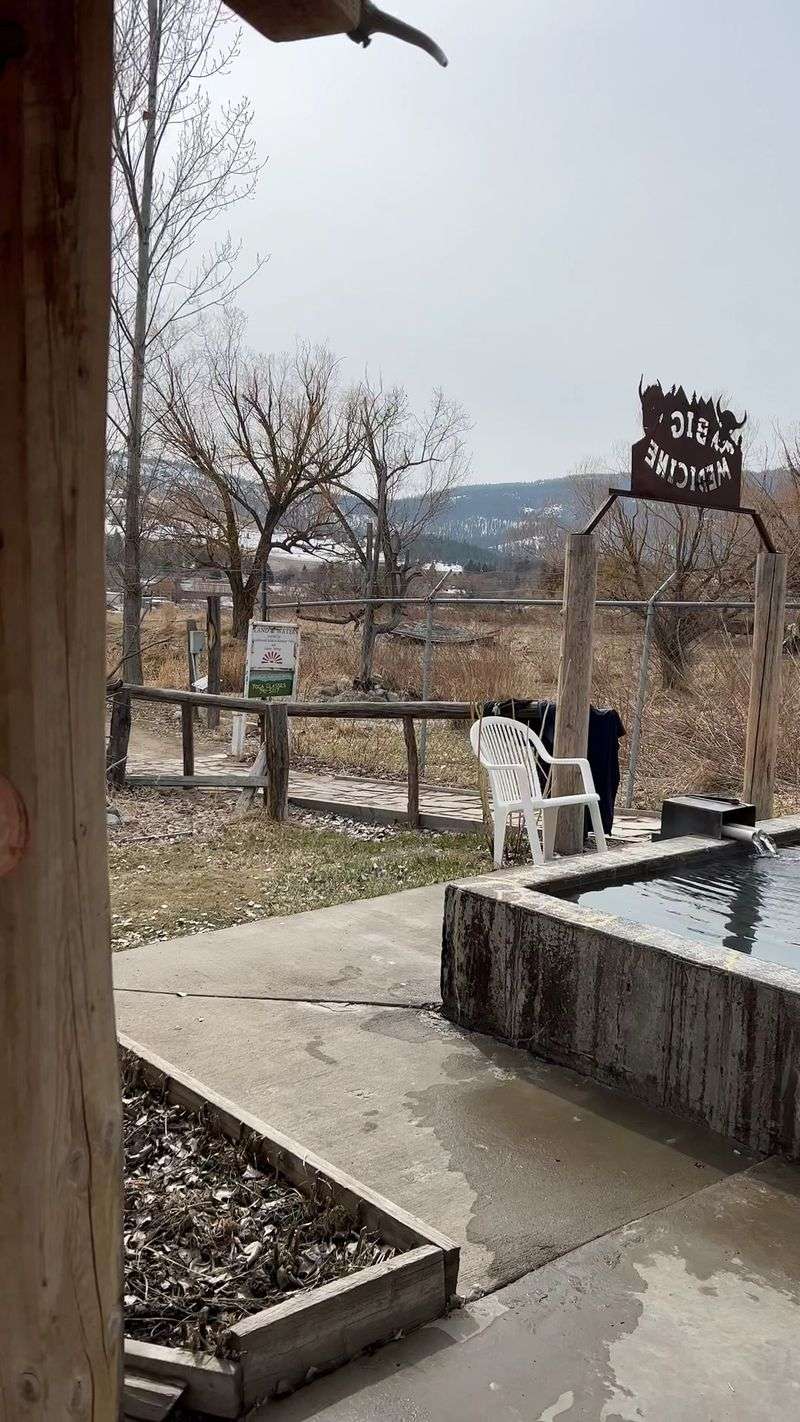
Also known locally as Camas Hot Springs or Lloyd’s, this spot operates about as simply as a hot springs can while still delivering the real thing.
A single partially covered cement pool, roughly 6 by 15 feet and 3 feet deep, holds water that arrives from the natural spring at 124 degrees Fahrenheit and settles between 105 and 107 degrees near the inlet.
A smaller secondary tub, roughly hot-tub sized, provides an additional option when the main pool gets busy.
No chemicals are added at any point, as the water flows directly from the spring through the pools on a continuous basis.
Facilities are minimal by design: a changing booth, a toilet, and a picnic table cover the basics, so visitors should bring their own towels and anything else they need.
The site holds deep cultural significance for the Confederated Salish and Kootenai Tribes, who historically regarded these waters as healing.
Access runs from 9:00 AM to sundown on an honor-system basis, with a five-dollar cash fee and a CSKT tribal recreation permit required for non-tribal visitors.
12. Sophia Springs, Hot Springs, Montana
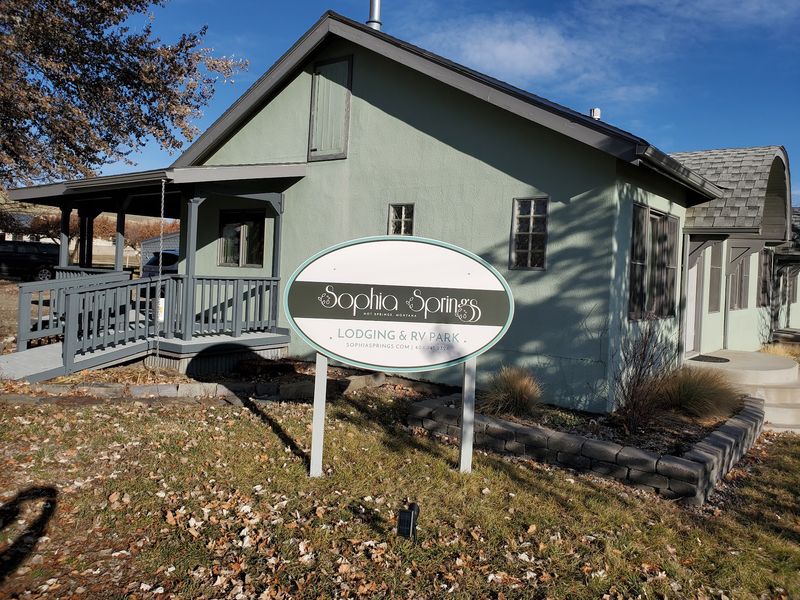
Three blocks from Main Street in Hot Springs, Sophia Springs solves a common road-tripper problem by putting the overnight stay and the hot-springs experience in the same place.
Guests have around-the-clock access to a shared outdoor mineral plunge called The Plunge, enclosed within a privacy fence and fed by continuously flowing natural hot mineral water at 103 to 107 degrees Fahrenheit.
Guests staying in the two-bedroom guest house get an additional private plunge on the deck, which is a considerable perk for groups or families who prefer not to share.
Accommodations include one-bedroom suites and the guest house, each designed by local artists with a mix of modern convenience and retro touches, full kitchens, living rooms with sofa sleepers, and large bathrooms.
An RV park with full 30- and 50-amp hookups, plus shower facilities and restrooms, serves road trippers who prefer to sleep in their own rig.
Sophia Springs does not offer day use, which keeps the soaking experience genuinely exclusive to guests and avoids the crowding that affects busier facilities in the region.
Share this story