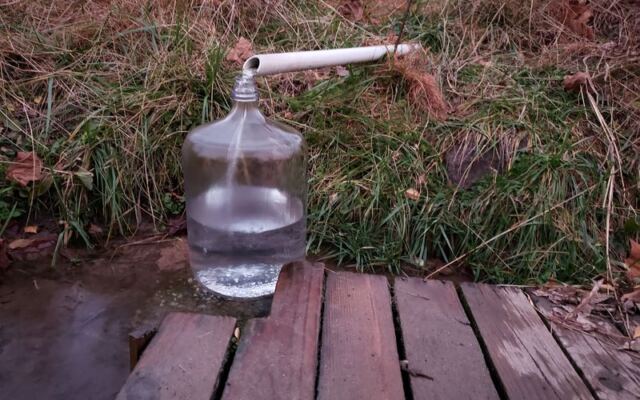
I almost drove right past it, a thin stream of water pouring from a pipe beside a quiet country road in Oklahoma. No sign, no gift shop, no parking lot, just cold water spilling out for anyone curious enough to stop.
A few minutes later I was standing there with an empty jug, wondering how many people speed by this spot every day without a second look. It turns out this little roadside spring has a loyal following, a few local legends, and a lively debate all its own.
A Pipe of Cold Water South of Broken Arrow
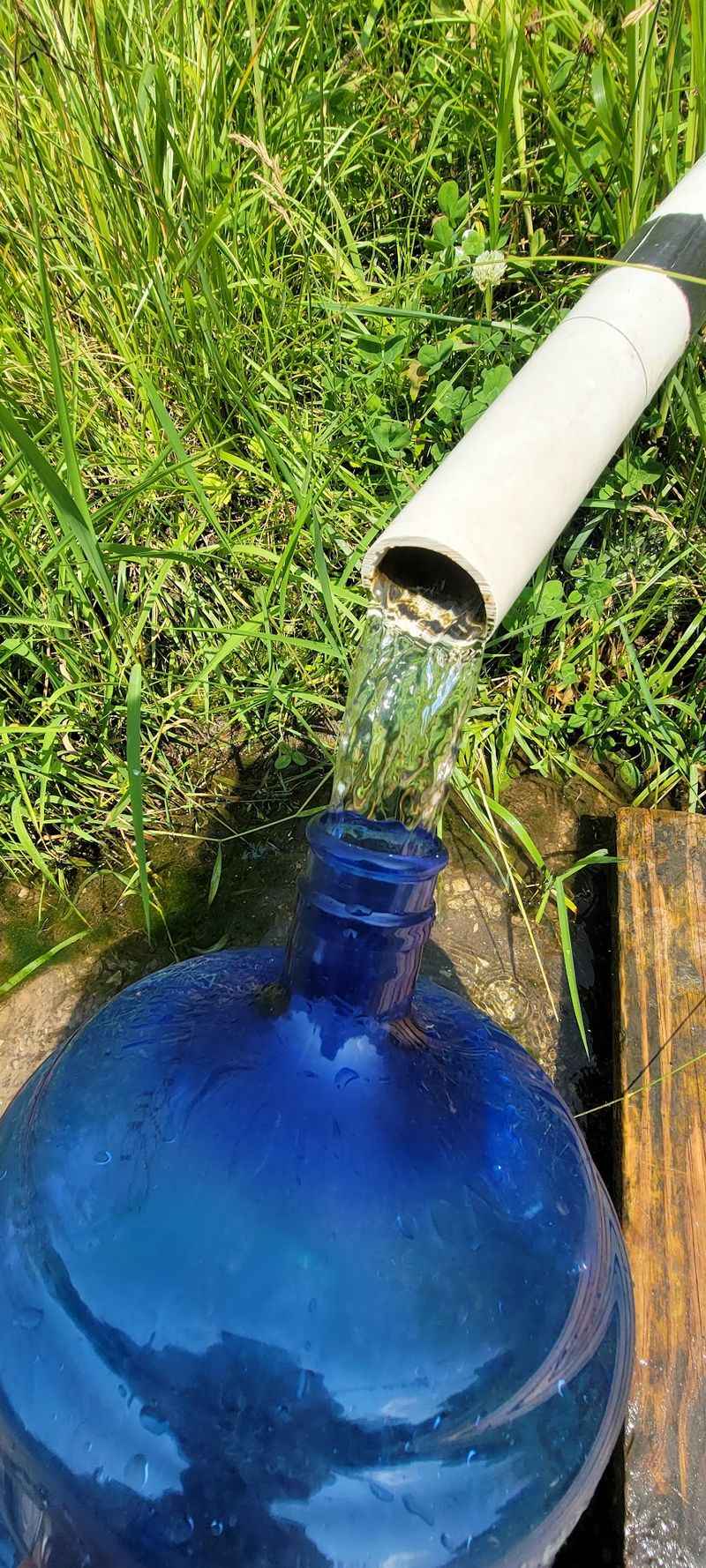
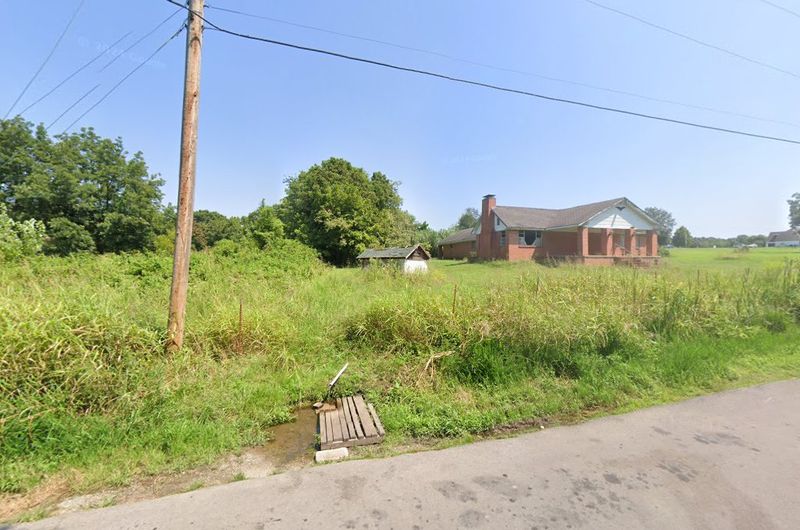
Blink and you will miss it. Tucked along 185th East Avenue on the southern edge of Broken Arrow, Oklahoma, a simple pipe pokes out near the road and pours a steady stream of water into the open air.
Officially, the spot shows up on maps as Natural spring, listed as a tourist attraction at 12536 S 185th E Ave. In person, it feels far humbler than that label suggests. There is no building, no ticket booth, and no fancy marker announcing its presence.
Visitors describe it as a roadside spring that appears to be a natural artesian well piped out to the edge of the road. One longtime user put it simply, saying you would drive right past it if you did not already know what it was.
That sense of secret knowledge is a big part of the charm.
People come here with jugs, bottles, and five gallon containers, filling up and heading back home. Some swear by it for daily drinking.
Others treat it as a curiosity worth one stop on a country drive.
Either way, it remains one of those quirky Oklahoma places that rewards drivers who slow down and look a little closer at the shoulder of the road.
Land Stories and an Original Family Allotment
Every spring has a backstory, and this one comes wrapped in local lore. According to one visitor, a Native American woman at the site explained that the land holding the spring belonged to her family as part of their original allotment.
She also shared, as the visitor recalled, that her family had been forced to move away from the property. That conversation left a lasting impression, mixing a little discomfort with a real lesson about the history of the ground beneath the pipe.
Oklahoma is full of places where land, family, and memory tangle together. Allotment history shaped much of the state, and a quiet roadside spring turns out to be one more thread in that larger story.
The details here come from personal accounts rather than official records, so they are best treated as local history shared by the people connected to it.
What stands out is how much meaning a trickle of water can hold. For some, it is just a free refill.
For others, it is tied to heritage, loss, and roots that run deeper than any well.
Keep that history in mind when you visit. A little respect for the past goes a long way at a place like this.
Ice Cold Water With No Aftertaste
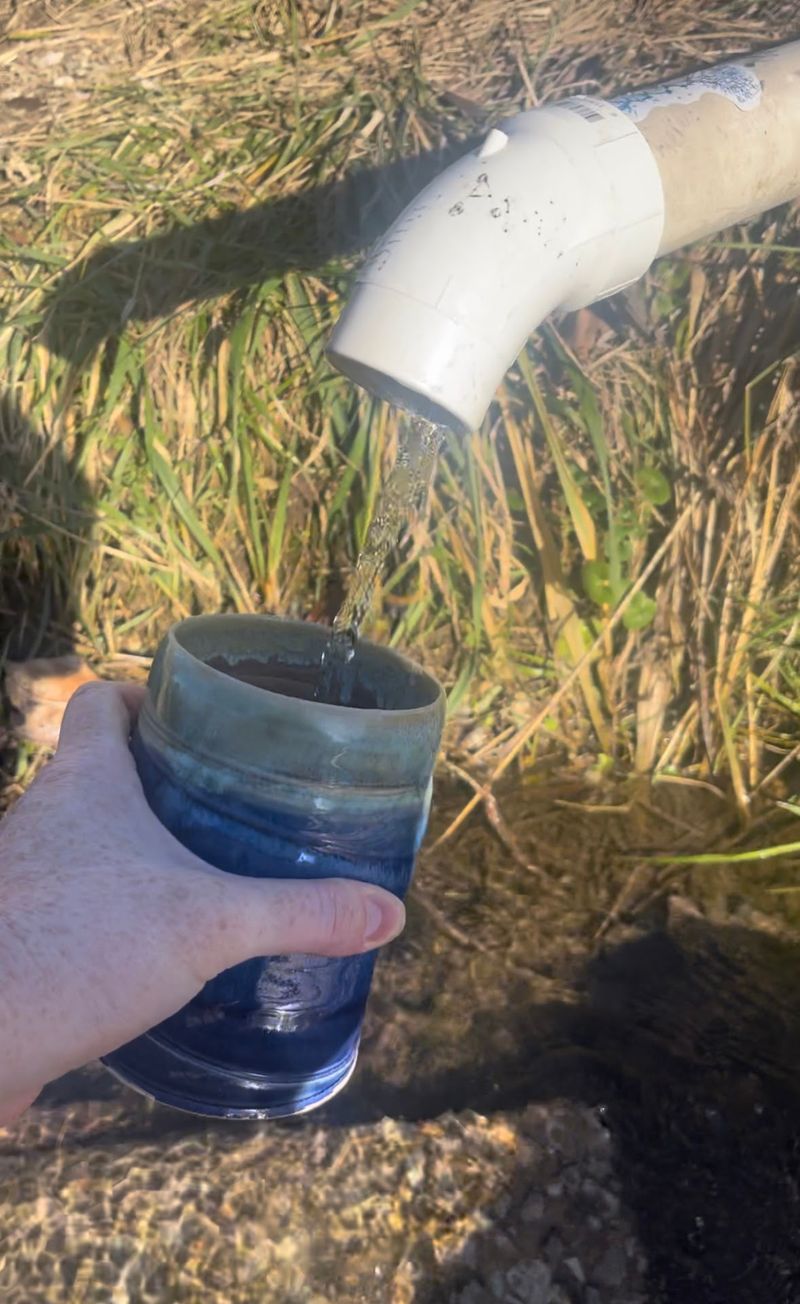
Cold. That is the word fans use more than any other.
Visitors describe the water as ice cold, crisp, clear, and refreshing, even on the kind of hot Oklahoma afternoon that makes asphalt shimmer.
Taste comes up almost as often. One visitor who said they hate water with an aftertaste called it the best water ever.
Another noticed no smell at all and a clean, pleasant flavor. Several regulars mention they come specifically because they dislike the taste of Broken Arrow tap water.
There is something oddly satisfying about drinking water that has never seen a plastic bottle factory. You fill up, take a sip, and suddenly the store-bought stuff in your fridge seems a little flat by comparison.
Of course, taste is personal, and not everyone agrees that this water belongs in a drinking glass. More on that debate shortly.
Still, the overwhelming feedback from people who stop by is that it tastes fresh and cool every single time.
One fan even said they would love to live nearby so they could drink from it every day. That is quite a compliment for a pipe on the side of a country road, and it explains why so many jugs keep showing up.
Spout, Pallet, and Not Much Else
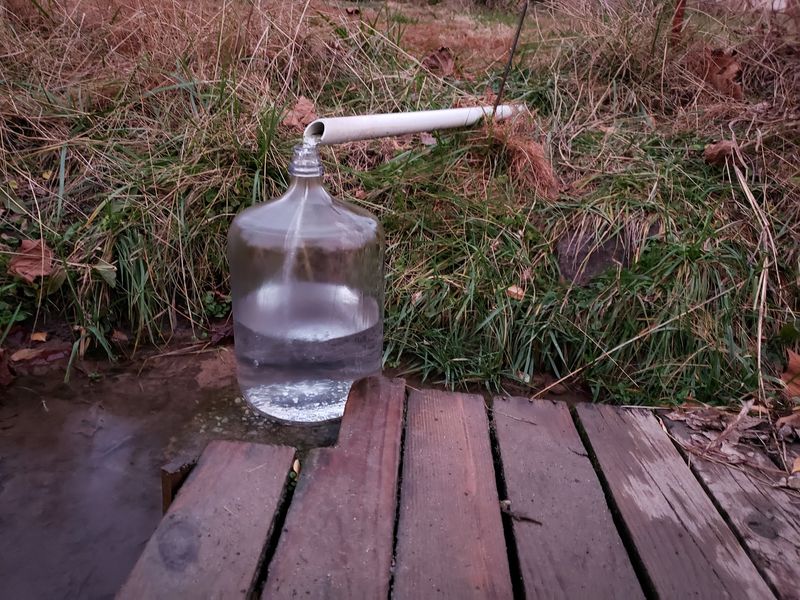
Forget marble fountains and stone grottos. The setup here is wonderfully bare bones, which somehow makes it more fun.
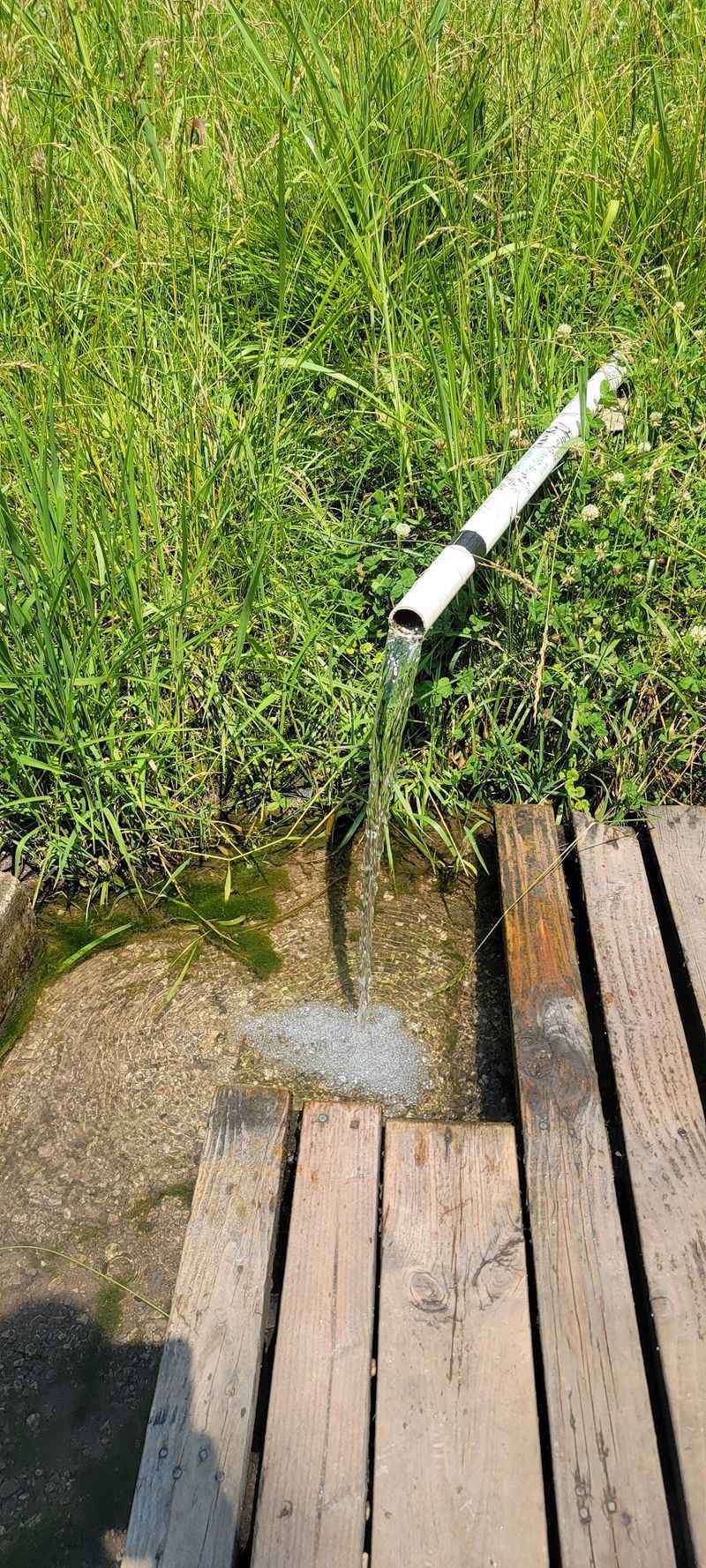
Water flows from a PVC pipe coming up out of the ground near the roadside. Around early 2024, a visitor noted that a spout had been added, making it easier to direct the stream into containers.
They even said thank you to whoever installed it.
Underfoot sits a wooden pallet that serves as a little platform while you fill. It keeps your shoes out of the mud on most days, though it has its own quirks in colder weather.
Beyond that, there is just enough room to pull over on the shoulder.
Filling goes faster than you might expect. One family brought a five gallon jug and reported it did not take long at all.
Someone with a stack of old milk jugs, on the other hand, needed a bit more time.
Bring containers with wide openings if you can, and maybe a funnel for skinny bottles. Caps should be handy too, since you will be loading full jugs back into the car right on the roadside.
Simple tools, simple ritual, and a surprisingly steady flow.
The Great Water Testing Debate
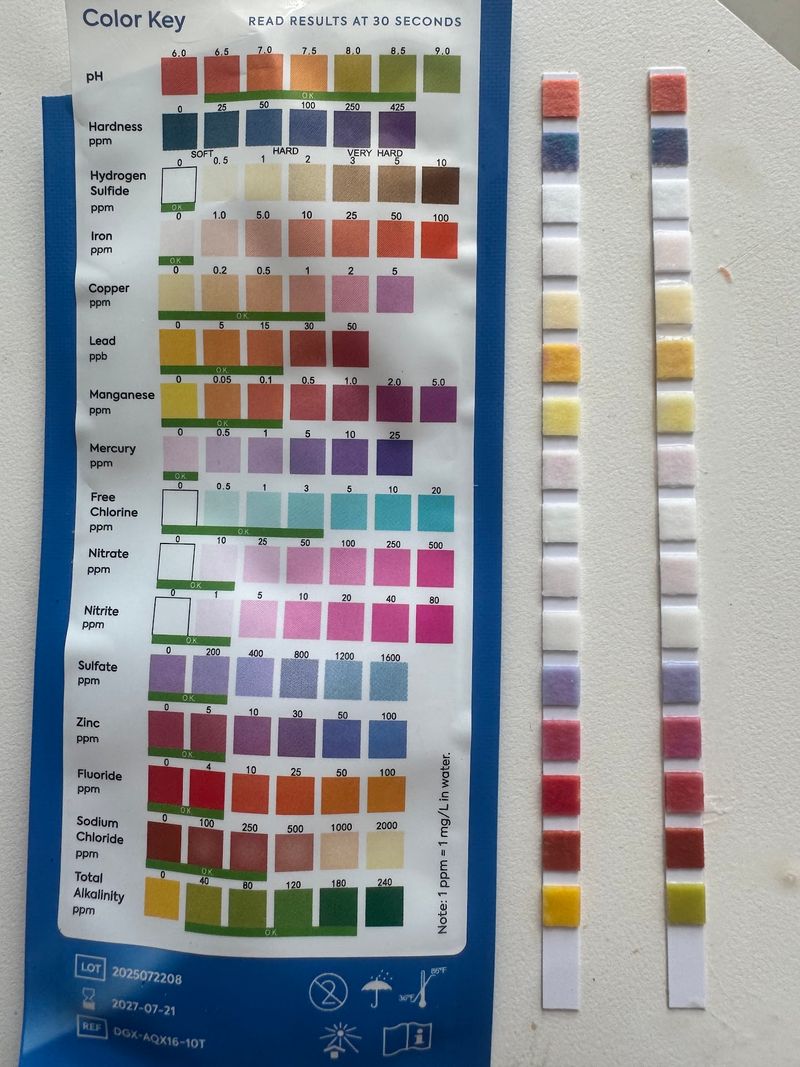
Here is where things get spicy. Not everyone who visits leaves convinced the water is safe to drink, and the disagreement is surprisingly passionate.
On the hopeful side, one visitor ran a home test and found the water alkaline, comparing it favorably to a bottle of store water. Another estimated the pH somewhere between 6 and 8.5.
A longtime regular pointed out that critics rarely share actual test results.
On the cautious side, the concerns are serious. One visitor said they paid for a state lab test and the results did not come back well.
Another reported that the Tulsa Health Department considers the water not drinkable quality, suitable only for plants and other non-drinking uses. A separate visitor claimed the water source may involve runoff from behind a nearby house.
None of these accounts come with published lab reports attached, so the honest answer is that the question remains unsettled. Even supporters admit you drink at your own risk.
If you plan to use this water for drinking, getting your own sample tested by a certified lab is the smart move. Boiling or filtering may also add peace of mind.
For watering plants or simply enjoying the novelty, the stakes are much lower.
Private Ground and Watchful Neighbors
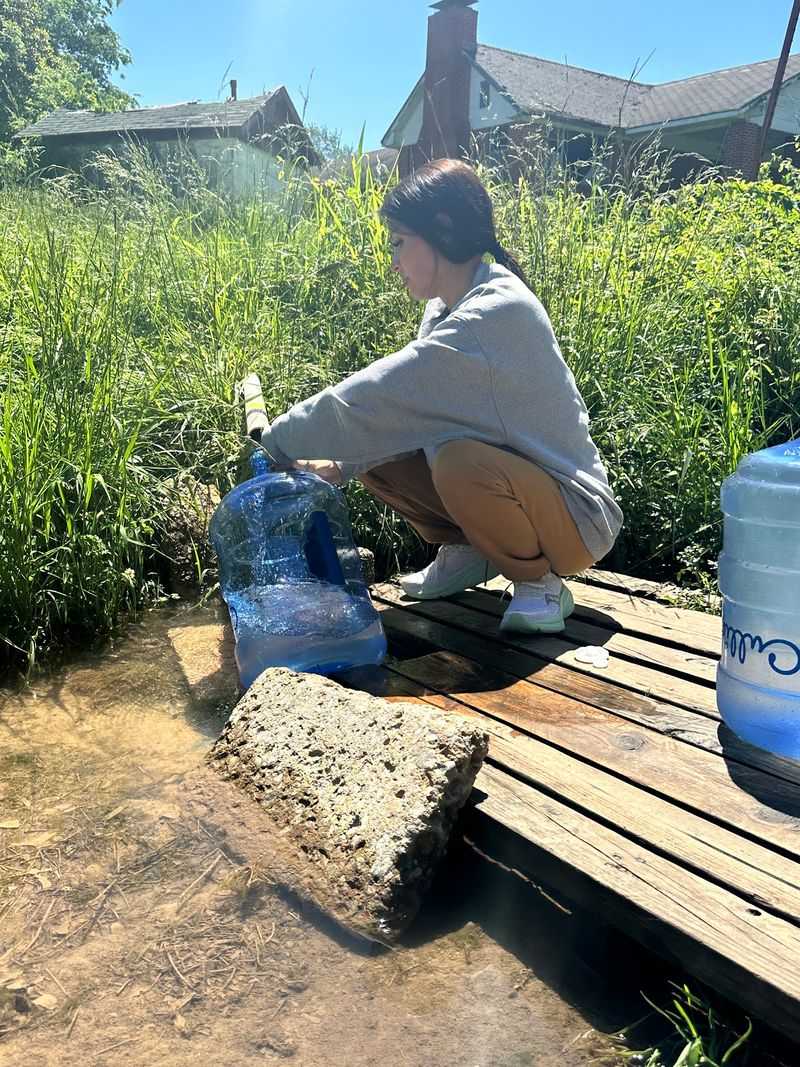
Chickens crossing the road might be the most Oklahoma traffic hazard imaginable, and they are a real part of this stop. Visitors mention birds wandering across the pavement and even a rooster hanging out across the street.
More importantly, the spring sits on privately owned land, and people still live there. Several visitors stress this point, and one recent account claimed the spring is no longer accessible at all.
Conditions may change, so check before making a special trip.
Some neighbors have been described as less than thrilled with the steady parade of jug fillers. That makes sense when you picture strangers pulling over by your home at all hours of the day and night.
A regular summed up the right attitude perfectly. Respect the folks who live around there, watch out for the chickens, and skip blaring music while you fill up.
That visitor added that they would like to keep using the spring, a gentle reminder that good behavior protects access for everyone.
Treat the stop like visiting a friend’s front yard. Stay quick, stay quiet, pick up any trash, and never wander onto the property behind the pipe without permission.
Grandfathers, Regulars, and Curious First-Timers
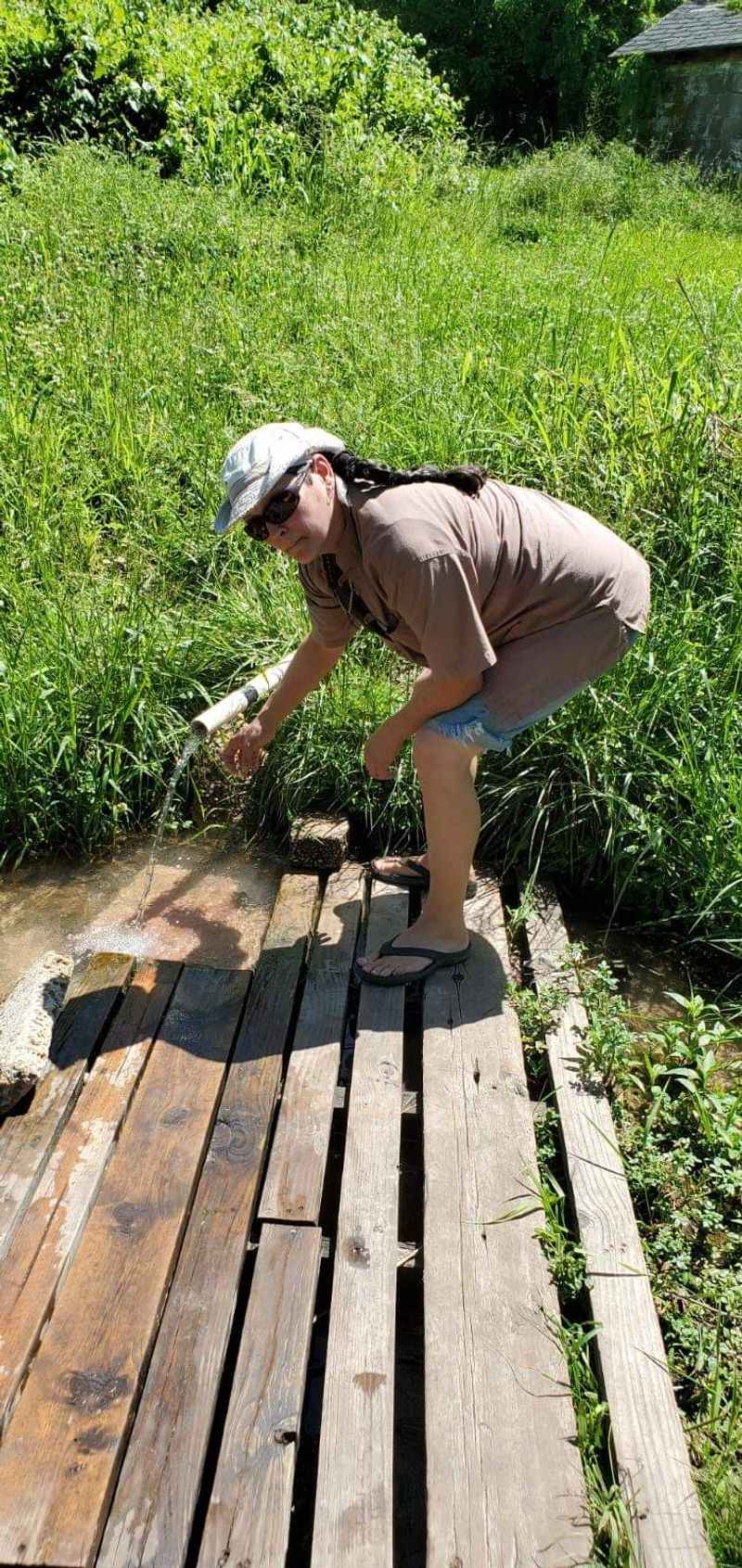
Picture a grandfather pulling over on a country road, handing his grandkid a jug, and saying this is the good stuff. One visitor shared nearly that exact story, explaining that their grandfather introduced them to the spring and they have been drinking from it for years.
That kind of family tradition runs through the place. Another longtime fan said they have come many, many times over the years and almost always spot someone else filling containers.
Who else shows up? Budget-minded folks tired of paying for bottled water.
People who dislike the taste of local tap water. Wellness fans curious about alkaline water.
Road-trippers hunting quirky Oklahoma stops they can brag about later.
Plenty of first-timers arrive after hearing about it online, sometimes with a list of questions about testing and safety. One person admitted they had not even visited yet but were eager to learn whether it had been checked.
Because of its popularity, a short wait is possible. Visitors mention sometimes needing a few minutes while others finish filling their jugs.
Patience and a friendly nod go a long way, and you may even pick up a story or two while you wait your turn.
Winter Ice on the Pallet Platform
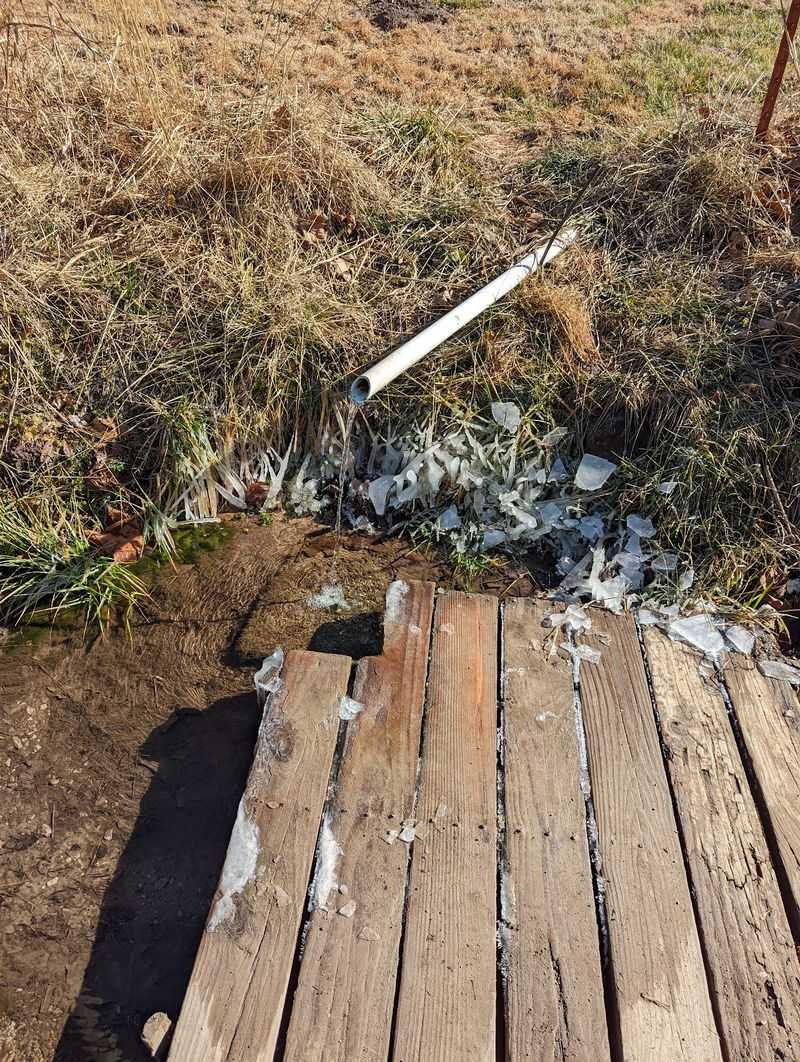
Cold weather adds a twist that newcomers rarely expect. Water keeps flowing, but the splash around it does not always stay liquid.
One visitor warned that the wooden pallet platform gets frozen and slippery when temperatures drop. Stepping onto icy boards while balancing a heavy jug is a recipe for a soggy, embarrassing fall, so a little caution matters.
Wear shoes with good grip during the colder months. Move slowly, set your containers down carefully, and consider bringing smaller jugs that are easier to handle on slick footing.
Gloves help too, because ice cold water on bare hands in January is a real wake-up call.
Warmer months bring their own perks. That famously chilly water feels like a gift on a sweltering summer afternoon, and plenty of visitors seem to love a quick refreshing taste right at the pipe.
Since the spring is listed as open around the clock, you can choose cooler morning or evening hours in summer to beat the heat. Just remember that darkness on a narrow country road calls for extra care, especially with cars, chickens, and slippery ground all in the mix.
Every season offers a slightly different version of the same simple ritual.
Getting There, Parking, and the Turnaround Trick
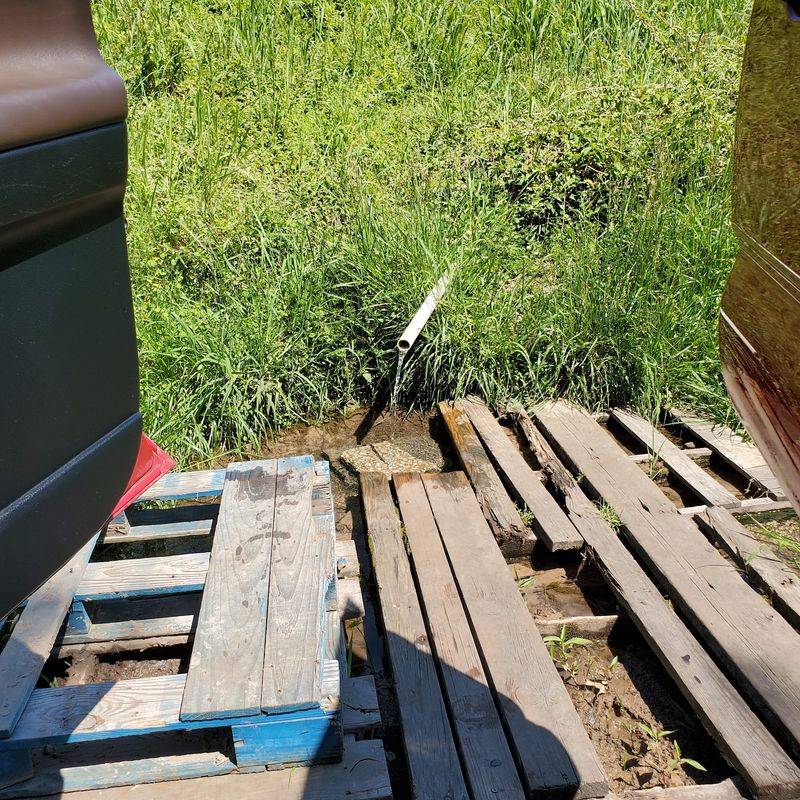
Practical details first. The listed address is 12536 S 185th E Ave in Broken Arrow, Oklahoma, and the spot is shown as open 24 hours every day of the week.
No admission fee is mentioned anywhere, which fits its reputation as free water for anyone who stops.
Finding it can be tricky. One visitor called it a little hard to find, so plug the address into your map app before leaving and watch the roadside closely as you approach.
Parking is tight, with just enough room to pull onto the shoulder. Regulars suggest simply pulling up, switching on your flashers, and filling quickly so you do not block the road for long.
Here is the insider tip worth remembering. A visitor recommended driving past the spring and turning around in the driveway of the house on the left, so your car ends up facing the right direction beside the pipe.
That small move makes loading jugs much easier and safer.
Bring plenty of containers, caps, and maybe a towel for drips. Also confirm access before a long drive, since one recent visitor reported the spring might no longer be reachable.
Worth a Slow Roll Past the Pipe
So, should you stop? For curious Oklahoma explorers who love offbeat roadside finds, the answer leans toward yes, with a healthy dose of common sense.
Few places capture small-town charm quite like a free-flowing pipe of cold water that locals have quietly shared for years. The stories, the chickens, the pallet platform, and the steady line of jug fillers all add up to something wonderfully quirky.
At the same time, the water safety question deserves respect. Visitors disagree sharply, with some praising its clean taste and others citing health department warnings and failed lab results.
Testing your own sample, or using the water for plants, is the cautious path.
Respect matters just as much. The land is privately owned, neighbors live right there, and access may not always be guaranteed.
Quiet, quick, and courteous visits help keep this oddity around.
Maybe the best way to enjoy it is as a story rather than a supply run. Slow down, roll past, maybe fill a small bottle if access allows, and appreciate one more strange and surprising corner of Oklahoma.
Most drivers never notice it at all, and now you know exactly what they are missing.
Share this story