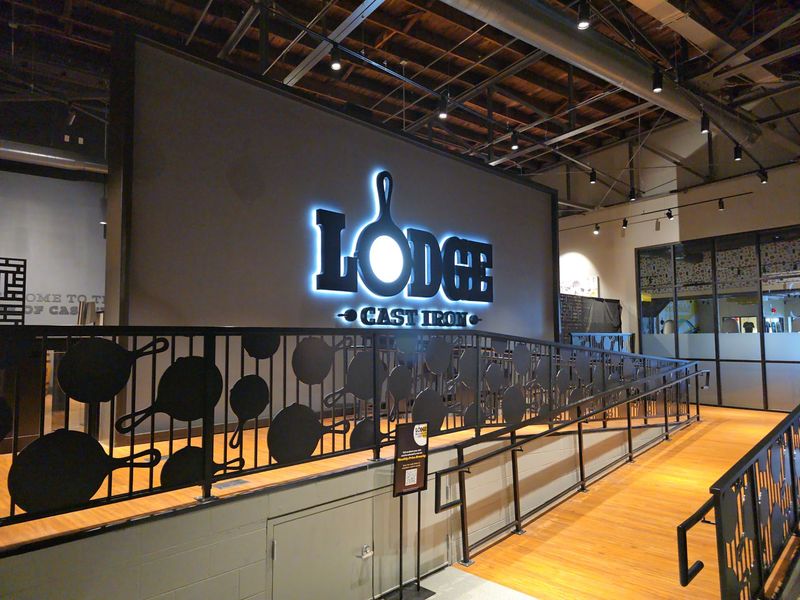
There is a small Tennessee town where the world’s largest cast-iron skillet sits under one roof, and most folks driving through never realize it. South Pittsburg is home to the Lodge Museum of Cast Iron, a spot that turns an everyday kitchen pan into a whole story about family, factories, and American cooking.
For just a few dollars, you can walk through interactive exhibits, learn how a skillet is made, and shop for cookware at prices that make people pack their trunks. It is the kind of place locals quietly recommend and road-trippers stumble onto by accident.
Stick around and I will walk you through why this little museum has earned its 4.8-star reputation and become a genuine point of Tennessee pride.
Where to Find This Skillet-Sized Surprise
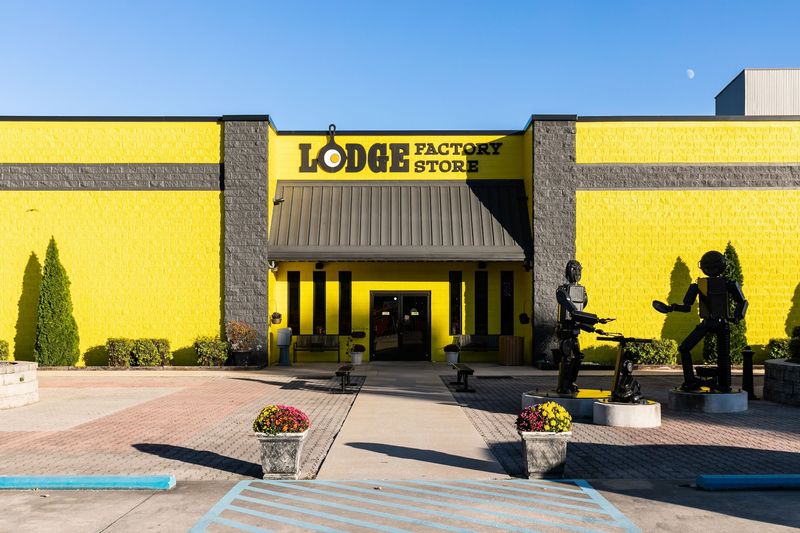
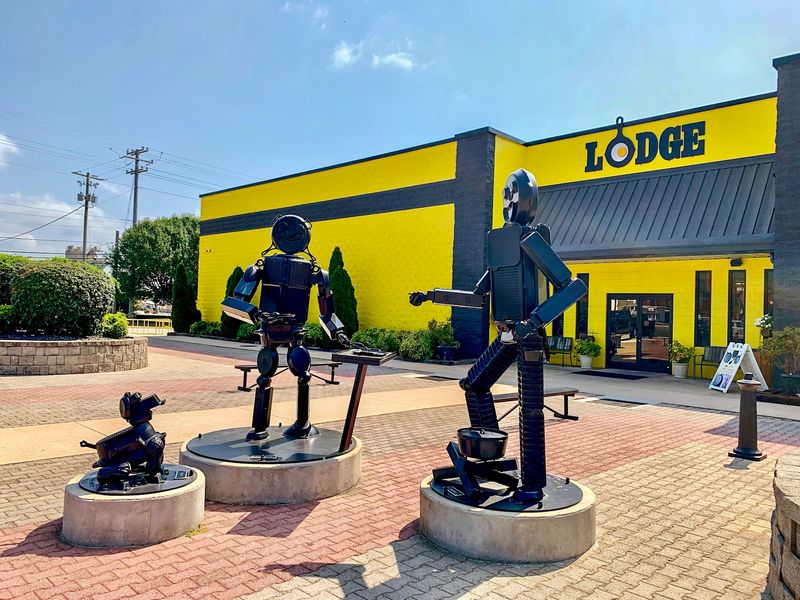
Tucked at 220 3rd St in South Pittsburg, Tennessee, the Lodge Museum of Cast Iron sits right beside the factory where the cookware is actually made. That closeness is a big part of the charm, because you are learning about the process just steps from where it happens.
South Pittsburg is a small town in the southeastern corner of the state, close enough to Route 24 that plenty of people spot the signs and pull off on a whim. The paved parking lot has dedicated spots for campers and RVs, and there are even Level 2 EV chargers for anyone driving electric.
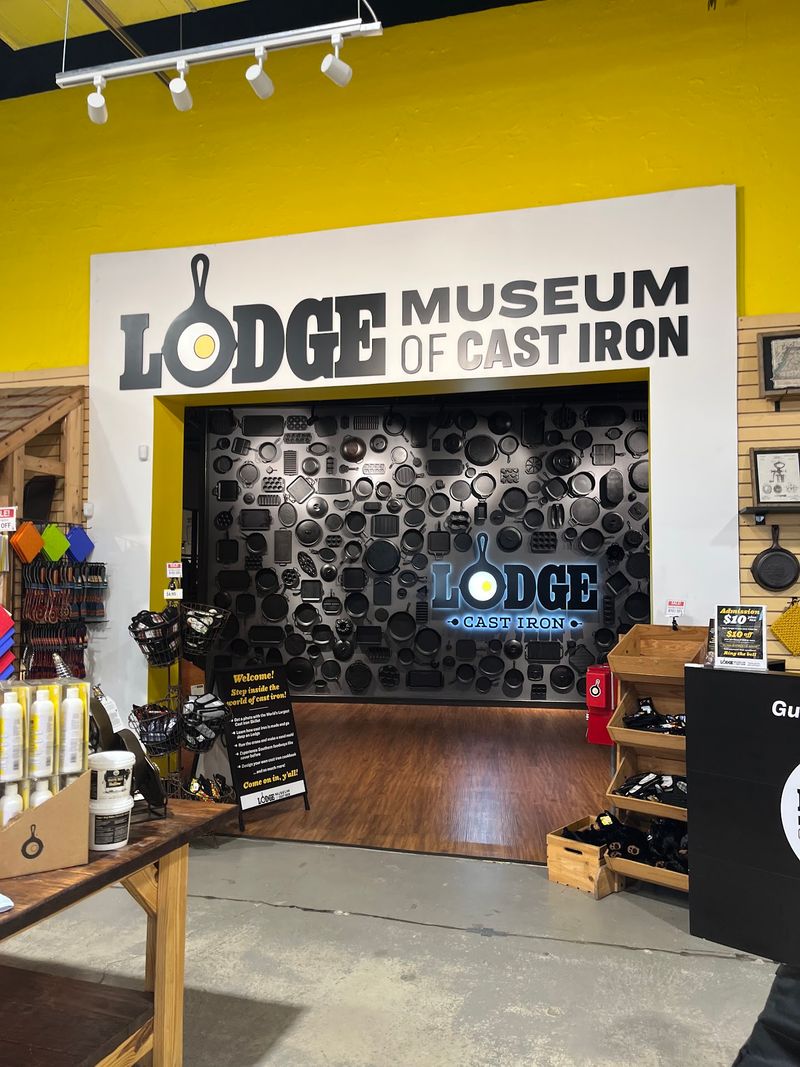
You reach the museum by walking through the store first, which sets the tone before you even buy a ticket. It is an easy stop for a weekend drive, and the kind of address worth saving for later.
The Star Attraction You Came to See
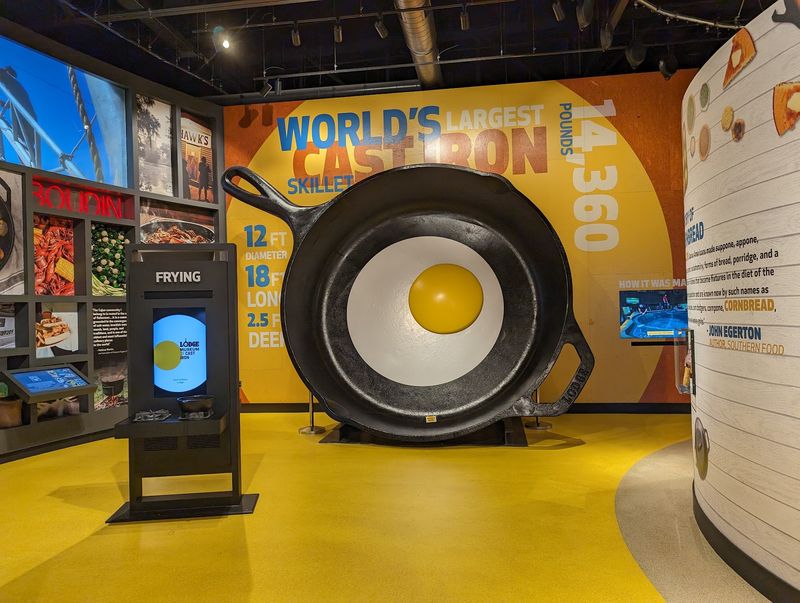
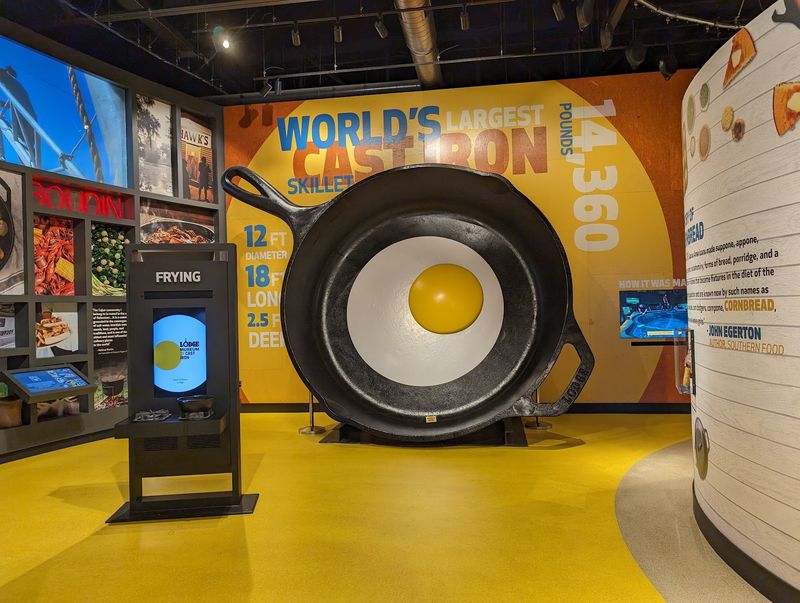
Let me get straight to the headliner: the world’s largest cast-iron skillet lives here, and it is every bit as impressive as it sounds. Crossing that off an adventure list is reason enough for many people to stop.
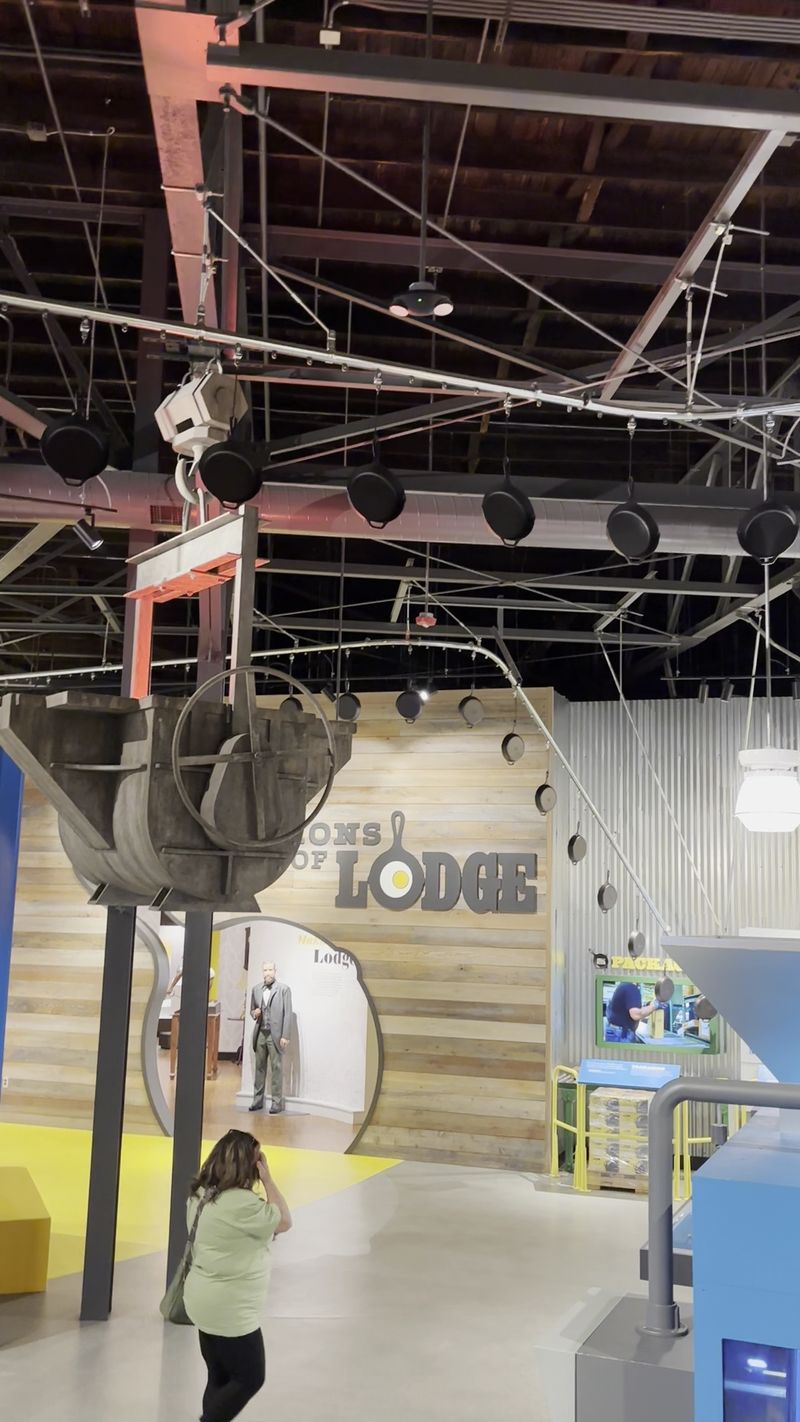
The supersized skillet dwarfs anything you keep at home, and it has become the museum’s unofficial mascot. People line up to photograph it, and it anchors the whole experience the moment you see it.
Fair warning from a few honest folks: the giant pan is more about the wow factor than deep facts, so treat it as a fun photo op rather than a lesson. Even so, it is the kind of oversized oddity that turns a quick detour into a story you tell later.
Four Generations of an American Icon
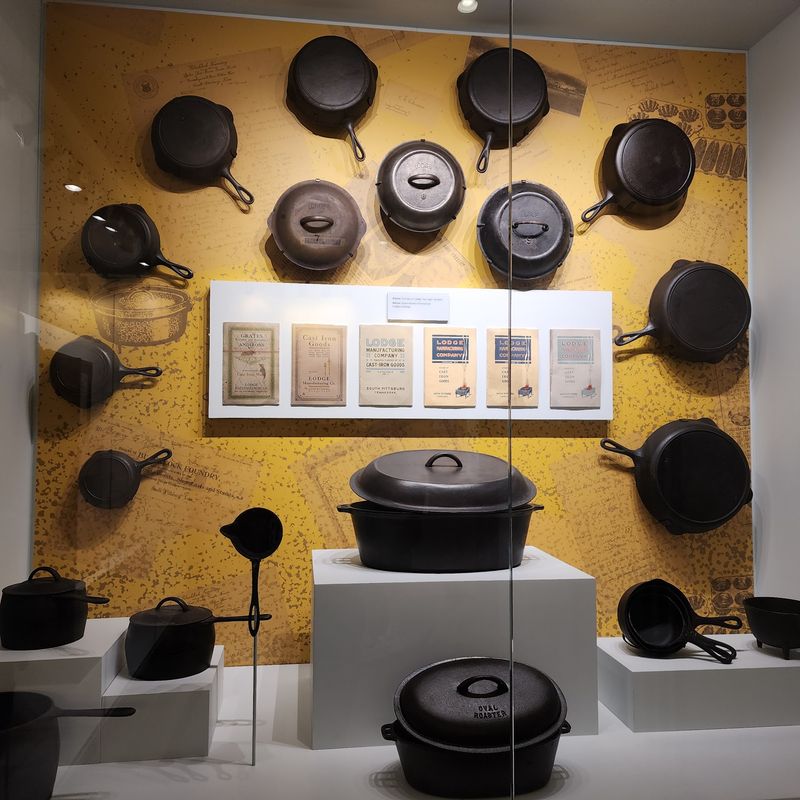
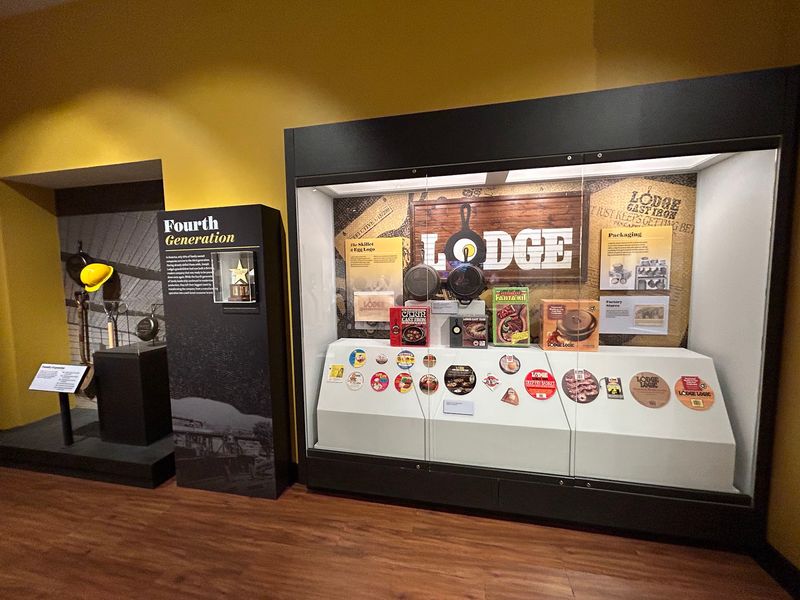
Behind all that iron is a family story that stretches across four generations. Lodge remains family owned, and that thread of continuity runs through nearly every exhibit in the building.
People walk out genuinely moved by how many families in South Pittsburg have built careers here, some across decades. Learning about the man who started the company gives the whole place a human heartbeat rather than just corporate polish.
The exhibits lay out the company history in a way that feels earned, not bragged about. That sense of a homegrown business becoming an American icon is exactly the kind of pride a Tennessee road-tripper loves to discover.
How a Skillet Is Actually Born
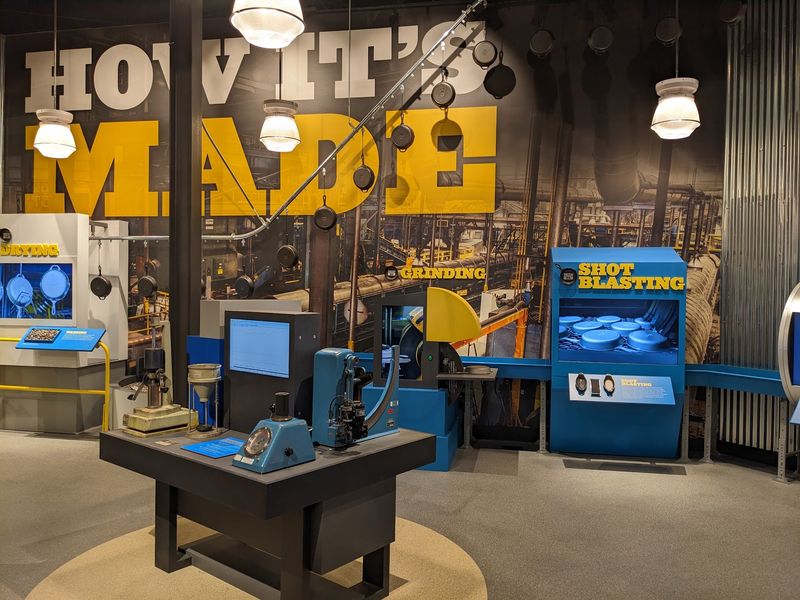
Ever wondered how a lump of iron becomes the pan on your stove? The museum walks you through the entire casting process, from mold to finished skillet, in a way that clicks even if you have never thought about it before.
Displays break down each step of how Lodge products are made today, and the explanation of casting iron into different shapes turns out to be surprisingly fascinating. People who came just for the giant skillet often stay to follow the whole production story.
One thoughtful note: a few guests wished the exhibits dug deeper into the science and older methods of cast iron beyond Lodge’s modern line. If you arrive curious about the company’s process specifically, though, you will leave well informed.
Exhibits You Get to Touch
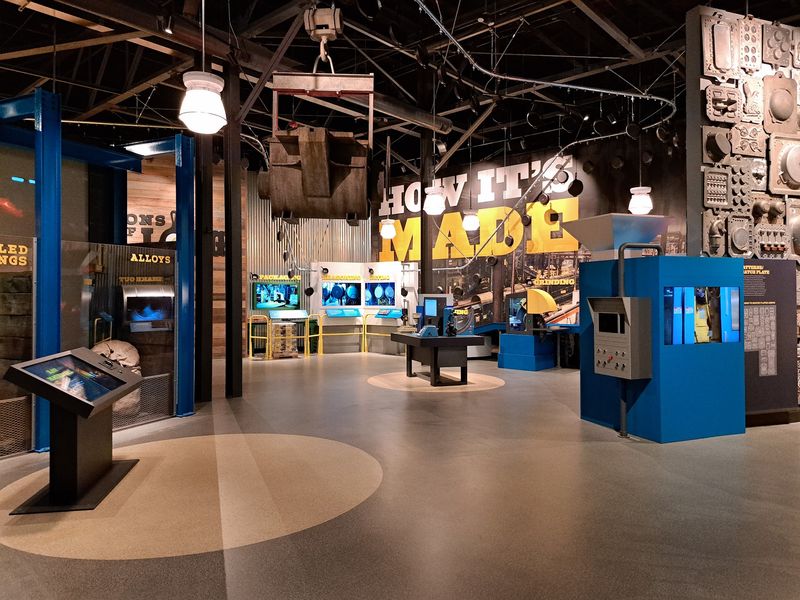
Hands-on is the name of the game here, and the interactive displays are what people mention most often. This is not a museum where you shuffle past glass cases feeling bored.
You can explore an interactive cast iron story board, watch short videos, and dig into cooking techniques and recipes at your own pace. The self-guided layout lets you linger where your curiosity takes you.
Kids get in on the fun too, with activities like making their own mold and building custom cookbooks. That mix of learning and play is why so many folks say they left more entertained than they ever expected.
Build Your Own Cookbook
Here is a small touch that sticks with people: you can create a custom cookbook to take home. It is the sort of unique feature that separates this stop from a standard walk-through museum.
Guests pick recipes that catch their eye and assemble a personalized collection built around cast iron cooking. It doubles as a keepsake and a practical guide for actually using the pans you buy.
Pair it with the recipe videos scattered through the exhibits, and you leave with real ideas for dinner tonight. It is a thoughtful reminder that this cookware is meant to be used, not just admired.
The Store Is a Cast-Iron Lover’s Paradise
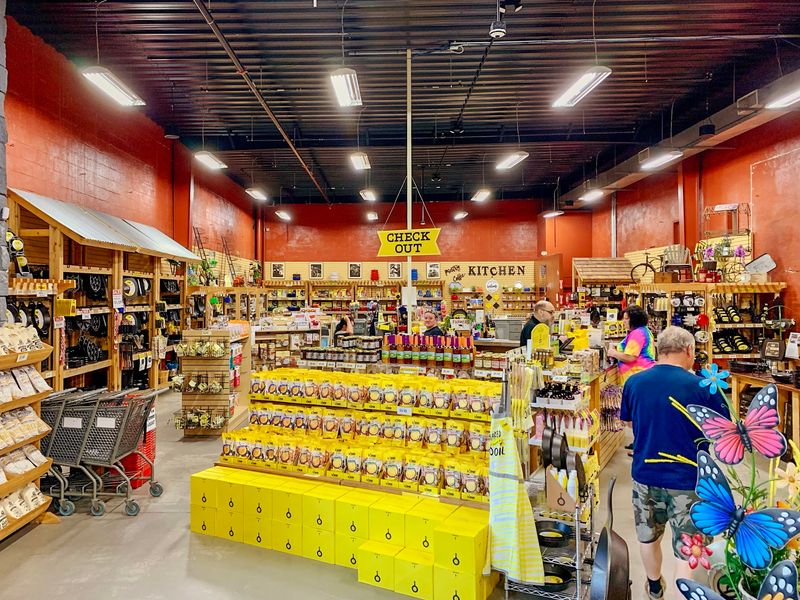
To reach the museum you pass through the store, and honestly that is a treat by itself. Shelves are stacked with brand-new Lodge products, from skillets to dutch ovens to enameled pieces.
People describe it as heaven for anyone who cooks with iron, and it is easy to see why carts fill up fast. Beyond cookware, there are unique gifts and kitchen add-ons that make good souvenirs.
Come with a little spending money, because the temptation is real once you have watched how everything is made. Plenty of folks arrive planning to see the museum and leave hauling out several pans.
Digging Through the Discount Section
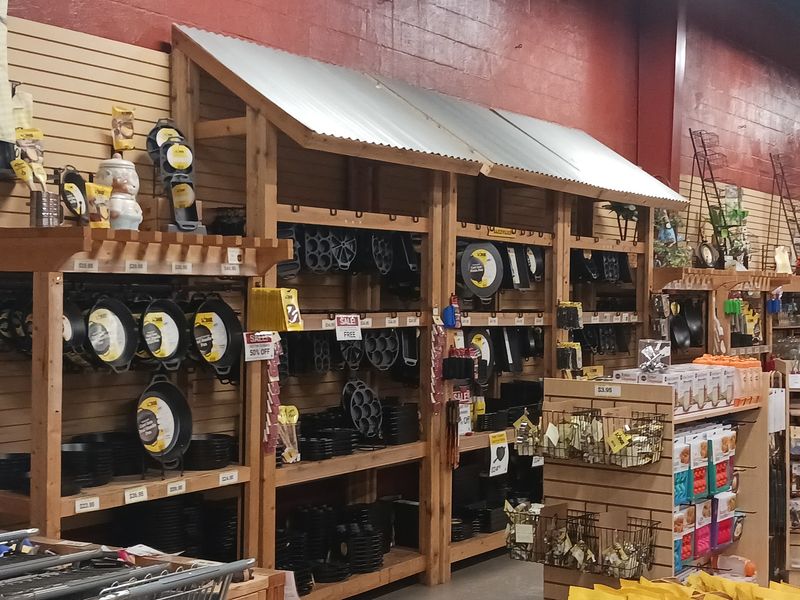
The best-kept secret in the store might be the second-quality section. These are factory seconds and rejects, pans with tiny cosmetic flaws that cook exactly like the full-priced versions.
Markdowns here can be steep, and people regularly walk out thrilled with the prices they scored. It is where a smart shopper stretches a budget without giving up quality.
Whether you want a skillet for the grill or a piece to start a collection, the clearance area rewards a little browsing. Bargain hunters treat it like a treasure dig, and the deals earn their reputation.
Collectible Skillets Worth the Hype
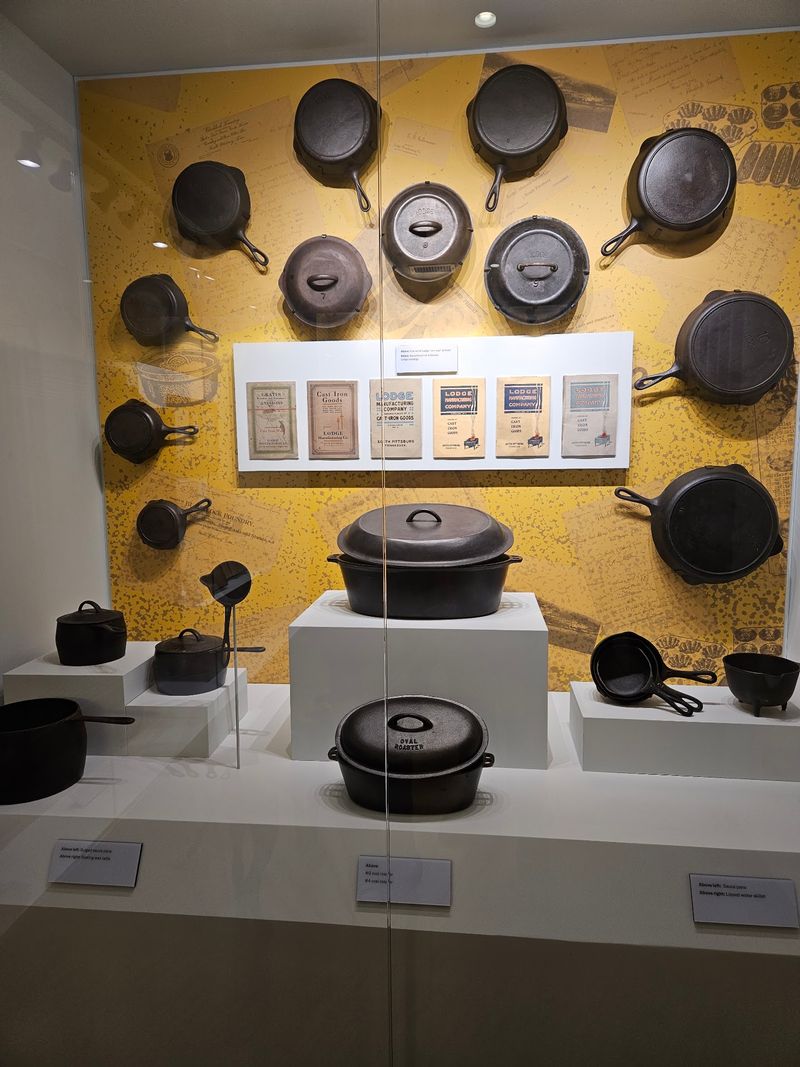
Collectors have a reason to get excited right now. Lodge is releasing a special skillet for each state to mark the 250th celebration of America, with the full set wrapping up in 2028.
Seeing them lined up in the store is a genuine draw, and people who already own plenty of cast iron still find themselves tempted. There is something satisfying about a collection tied to a countdown.
Even if your cabinets are full, browsing these limited pieces is part of the fun. They turn ordinary cookware into something you might display rather than fry in.
The Folks Who Make You Feel Welcome
If one thing gets praised even more than the skillet, it is the staff. Friendly, helpful people show up in conversation again and again, and they clearly enjoy telling the Lodge story.
Team members explain how each department works, answer questions patiently, and go out of their way to make first-timers comfortable. Some will even hold your purchases at the counter while you finish the tour.
That warmth turns a quick errand into a memorable stop, and it is a big reason people plan return trips with family in tow. Good cookware brings you in, but the welcome is what makes it stick.
A Meal Right Next Door
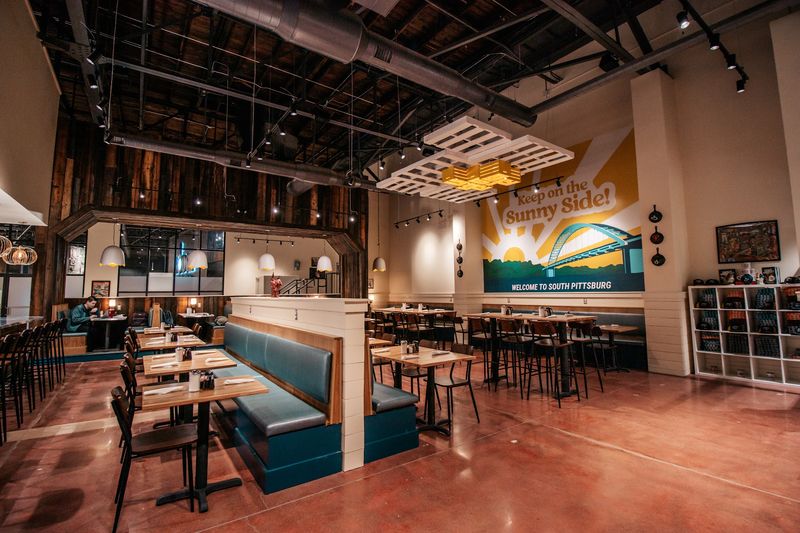
Hungry after all that walking? A Big Bad Breakfast restaurant is on site, serving Southern-style breakfast and lunch with generous portions.
People rave about the food, and the club sandwich earns its share of recommendations. There are even Bloody Marys and mimosas if you are making a leisurely morning of it.
The catch is timing, since a few guests arrived too late to eat and left wishing they had come earlier. Plan your visit around a meal here and you get a full outing instead of just a stop.
Who Will Enjoy This Most
Let me be honest about the fit. Adults and cast iron fans tend to get the most out of this place, soaking up the history and the making-of details.
That said, families do stop by, and kids can enjoy the molds and cookbook activities. A few folks felt the exhibits lean more grown-up than some kid-focused museums, so set expectations accordingly.
Motorcycle riders, RV travelers, and casual road-trippers all find it an easy detour. If you like learning something new and cooking at home, this spot lands squarely in your lane.
Hours, Tickets, and Getting There
Planning is simple. The museum is open every day from 8 AM to 6 PM, so you can fit it into almost any weekend schedule.
Admission runs about $10, and here is the smart part: your ticket price applies as store credit when you spend $50 or more. People love that a fee turns into savings on the cookware they were already eyeing.
The paved lot handles cars, motorcycles, campers, and RVs, and EV drivers can use the Level 2 chargers while they explore. Off Route 24, it makes for a painless and rewarding detour.
Why This Detour Earns Its Reputation
Add it all up and you get a stop that punches way above its small-town size. A 4.8-star standing across hundreds of opinions tells you people leave happy far more often than not.
Between the world’s largest skillet, the family history, the hands-on exhibits, the bargain pans, and the meal next door, there is real value packed into a few dollars. Some folks even rank it among the most enjoyable museums they have ever visited.
For Tennesseans and near-state road-trippers hunting an affordable weekend find, this is the kind of spot worth bragging about. Save the South Pittsburg exit, bring a little cash, and let a giant skillet make your day.
Share this story