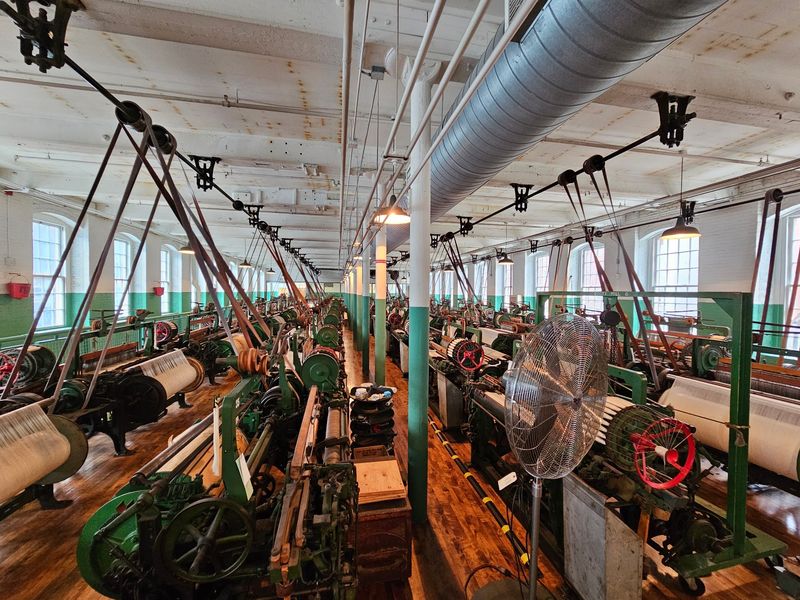
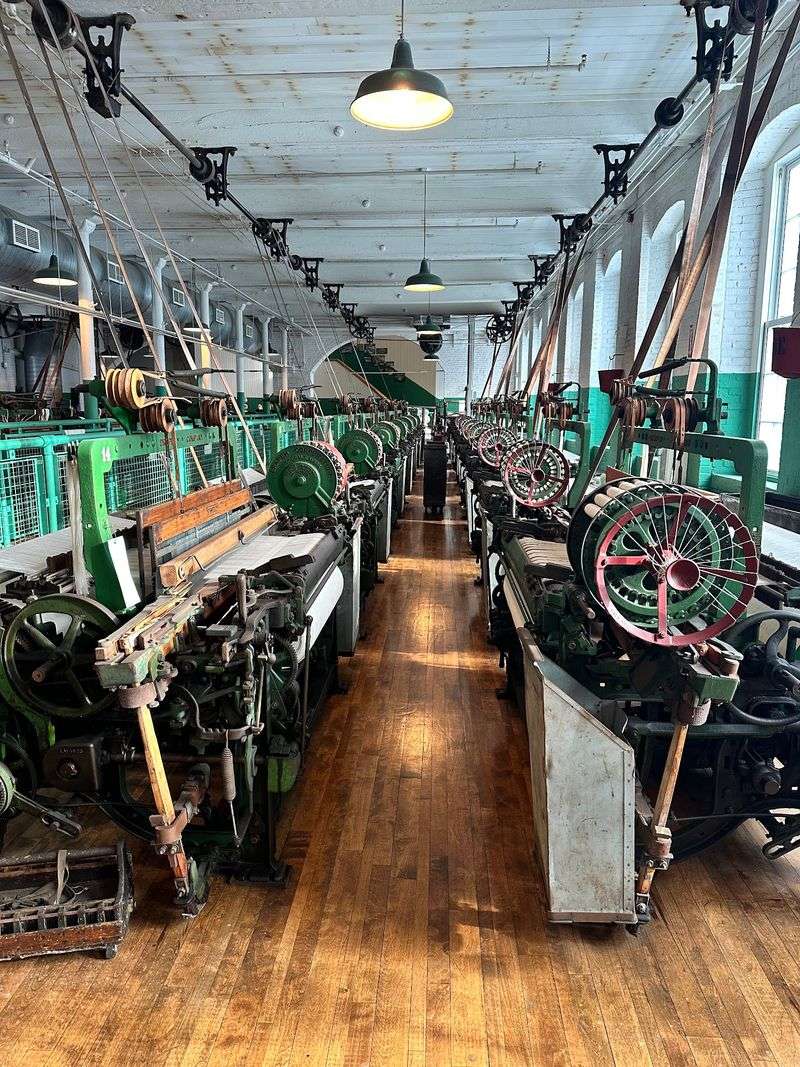
There is a building in Lowell where the floor actually shakes under your feet, and the sound of old machinery fills a room that once helped power an entire nation. Rows of cotton looms still rattle to life here, running right where they did more than a century ago.
Admission costs just a few dollars, which makes it one of the more affordable history outings in the state. Kids sit on the floor upstairs to feel the vibration below, while grown-ups walk away with a whole new understanding of how the country changed.
Most people drive past without knowing what waits inside these brick walls. Stick around and you will learn where it is, what happens on the factory floor, and why it keeps pulling folks back for a second visit.
The Brick Landmark on John Street
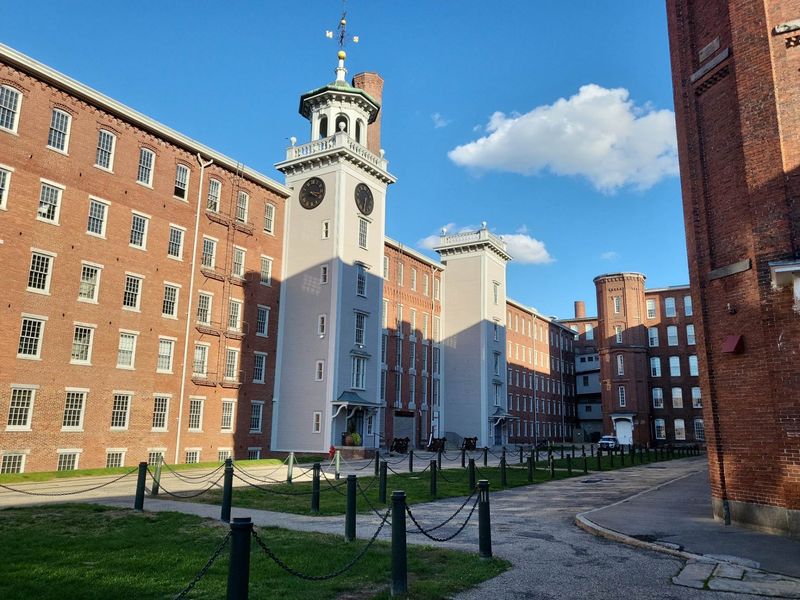
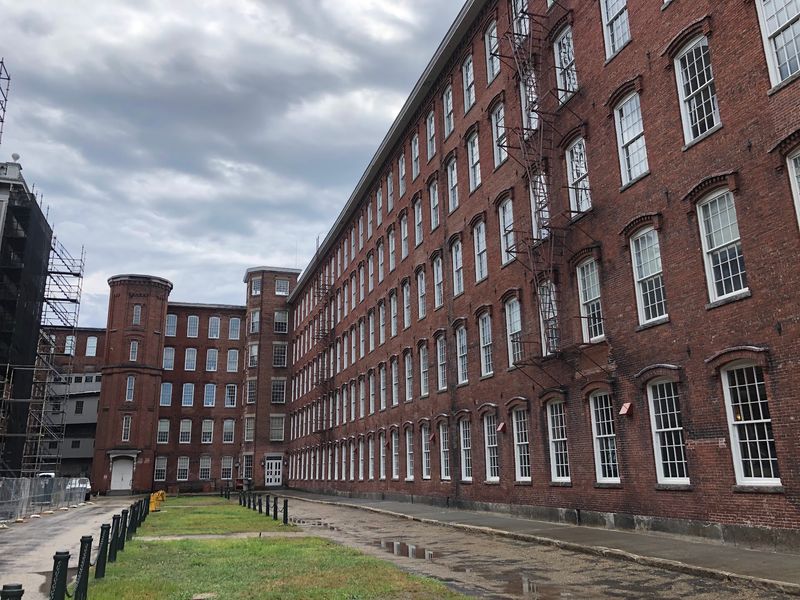
Tucked into the old industrial heart of Lowell, the Boott Cotton Mills Museum sits at 115 John St, Lowell, MA 01852. The address puts you right inside one of the most storied mill complexes in New England.
The museum is part of the Lowell National Historical Park, run by the National Park Service. That connection means the history here is carefully preserved rather than dressed up for show.
The brick buildings that surround the site have been beautifully restored, and many of them now serve as apartments. A short walk down to the river brings you to the Riverwalk, an easy add-on to any visit.
For Massachusetts locals looking for a low-effort day trip, this spot delivers something most people never expect to find so close to home. It rounds out to a rare mix of a working factory floor and a full history lesson under one roof.
Looms That Still Roar to Life
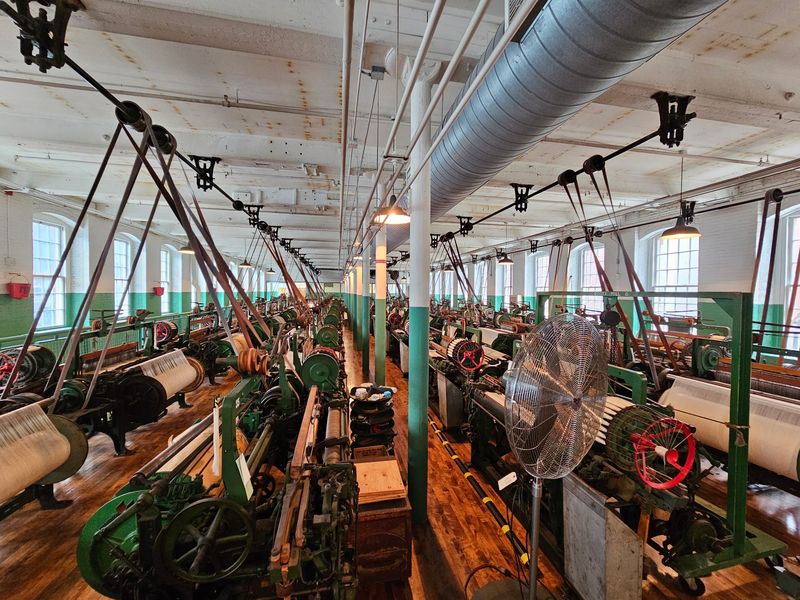
The star of the whole place is the ground floor, where real cotton looms clatter away just as they did generations ago. The mill runs, and it runs loud.
Only a fraction of the looms operate at once, and even that is enough to make the room thunder. People often say they cannot imagine the noise if every machine on every floor had been going full tilt during the mill’s busiest years.
Staff fire up the machines during scheduled demonstrations, and watching the threads move across the frames helps the process click into place. A loom operator sometimes swaps out the spools to show how different colors get woven into the cloth.
This is preservation you can watch in motion, not behind glass. It is the reason many folks make the trip in the first place.
Bring Your Ear Protection
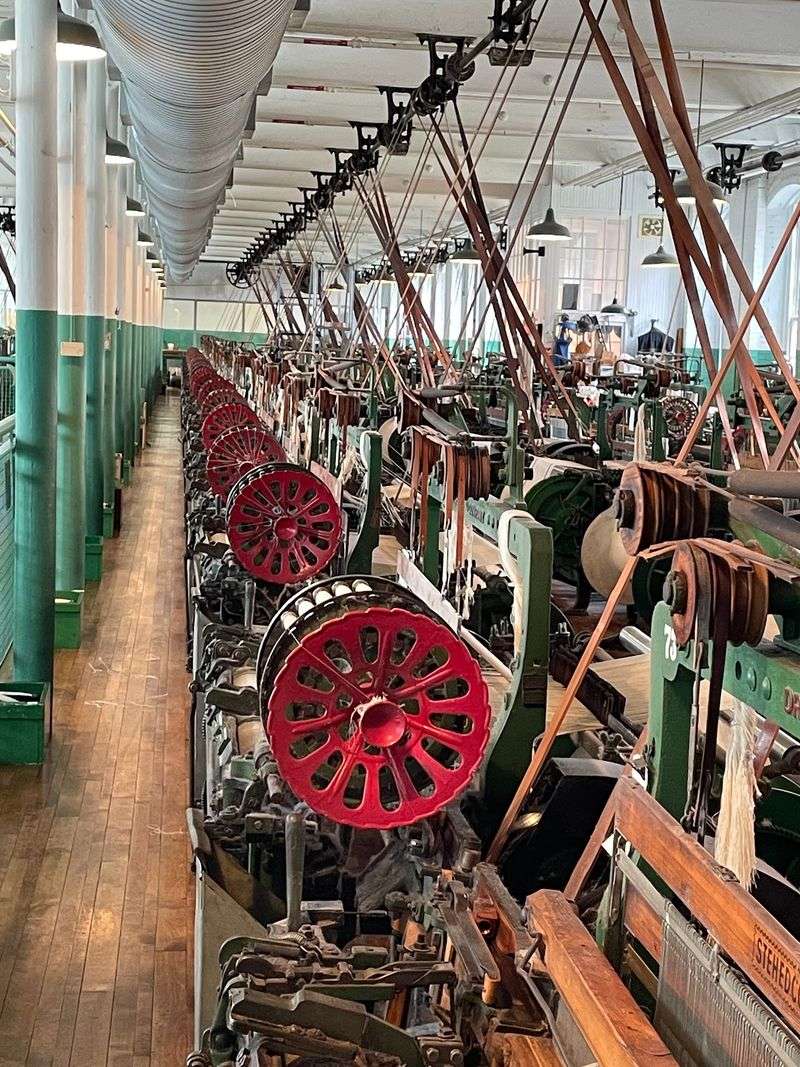
Nobody exaggerates when they warn you about the volume on that factory floor. The looms are shockingly loud, and the museum knows it.
Earplugs are handed out so you can dull the roar and stay in the room long enough to take it all in. It is a small touch that says a lot about how genuine the experience is.
Children have a favorite trick here. They sit on the floor of the upper level and feel the whole building tremble from the machines running below.
The rumble gives you a tiny taste of what a full day of production must have felt like. Grab a pair of the free plugs on your way in and you will linger far longer among the machines.
The Story of the Mill Workers
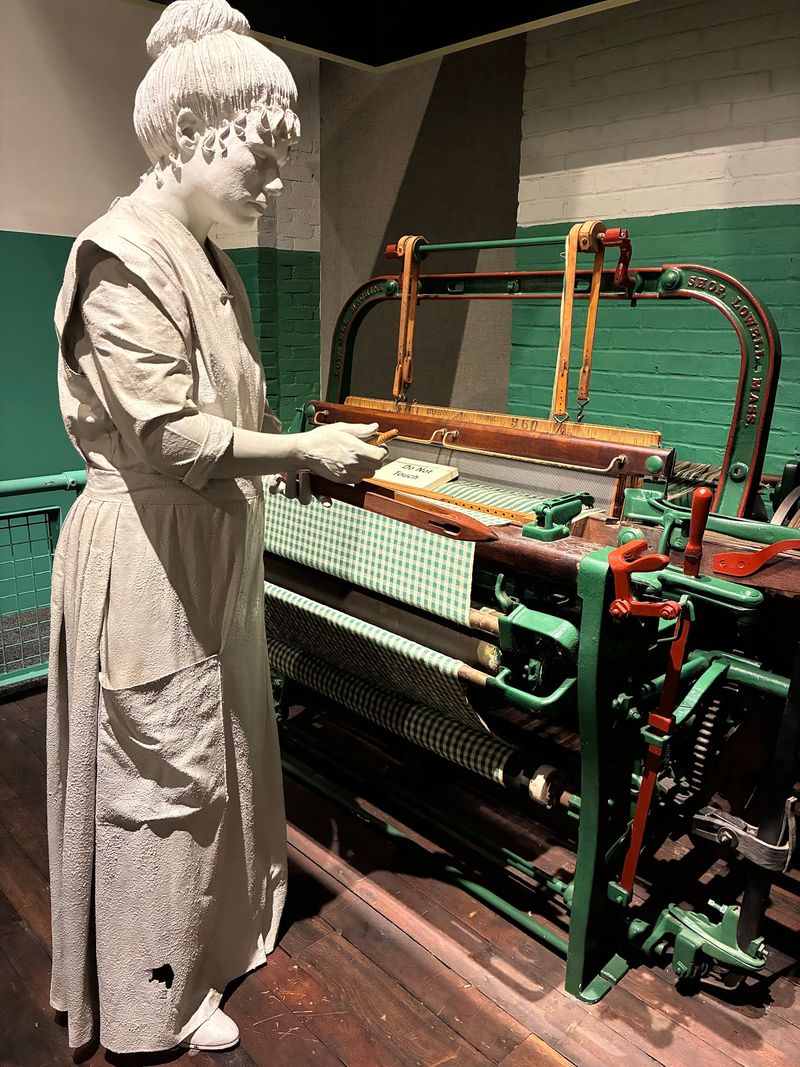
Beyond the machinery, the museum tells the human story of the people who kept the mills running. Much of that focus lands on the women who worked long shifts for a decent wage.
Twelve hour days were the norm, and the exhibits do not shy away from the tough working conditions of the era. The famous Lowell mill workers get their due, and their story anchors much of what you learn upstairs.
Displays share who these workers were, where their families came from, and what daily life looked like for them. There is real depth to the cultural heritage on show.
A film on the upper floor traces the union history, from the early mill workers to those who came later. It adds weight and context to everything humming downstairs.
A Front Row Seat to the Industrial Revolution
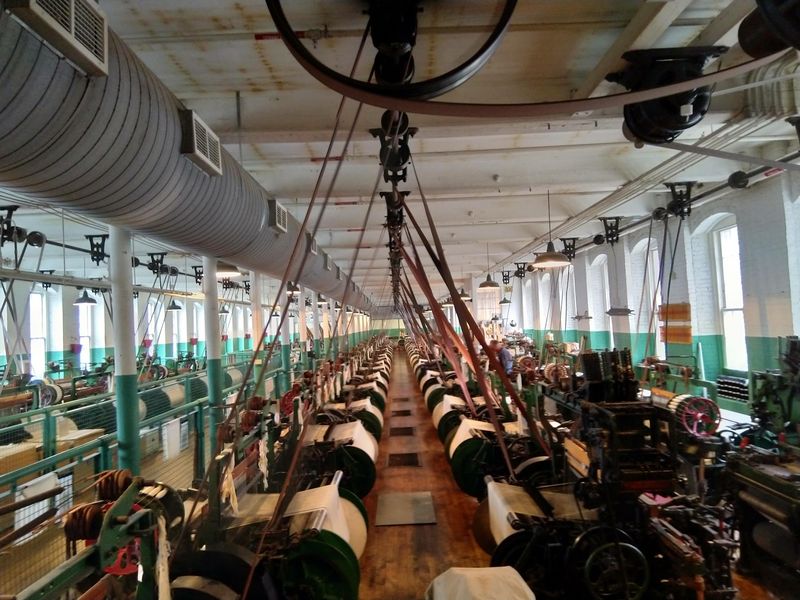
Few places lay out the American Industrial Revolution as clearly as this one does. The full arc is here, from the technology to the geography that made Lowell a powerhouse.
The exhibits walk you through how the nation shifted from farming toward manufacturing, and how textiles led the charge. It is a sweeping story told in a way that stays grounded.
You also learn about the industrialists who built these fortunes, along with a curious thread about industrial espionage that shaped how the technology arrived here. Those small side stories keep things interesting.
By the time you leave, the big picture of how the country and the world changed feels a lot less abstract. This is history you can trace step by step.
Hands-On Fun for Younger Guests
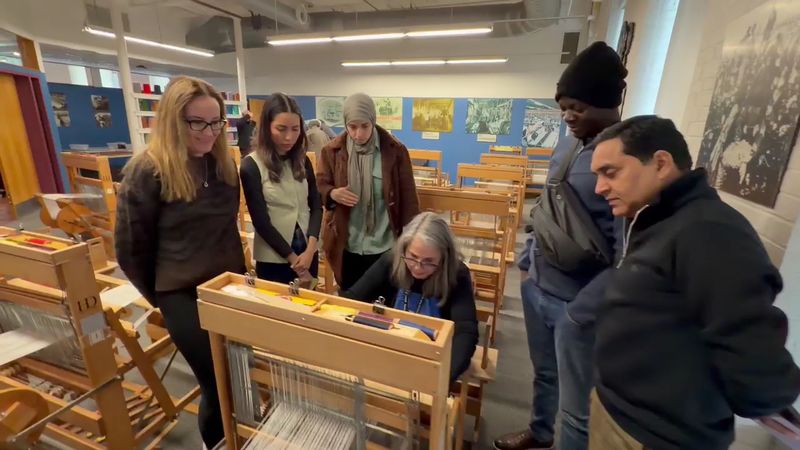
Parents who worry their kids will be bored here tend to be pleasantly surprised. The upstairs galleries are packed with interactive exhibits that keep young ones busy.
There is a nice variety of ways to engage, with hands-on stations, reading panels, things to look at, and short films to watch. Audio stories let you hear about different people who lived and worked in Lowell.
Kids often end up asking when they can come back, which is high praise for any history stop. Feeling the floor shake from the looms below only adds to the excitement.
The mix of activity levels makes it work for all ages, not just one. Families walk out having learned plenty without anyone checking the clock.
Rangers Who Know Their Stuff
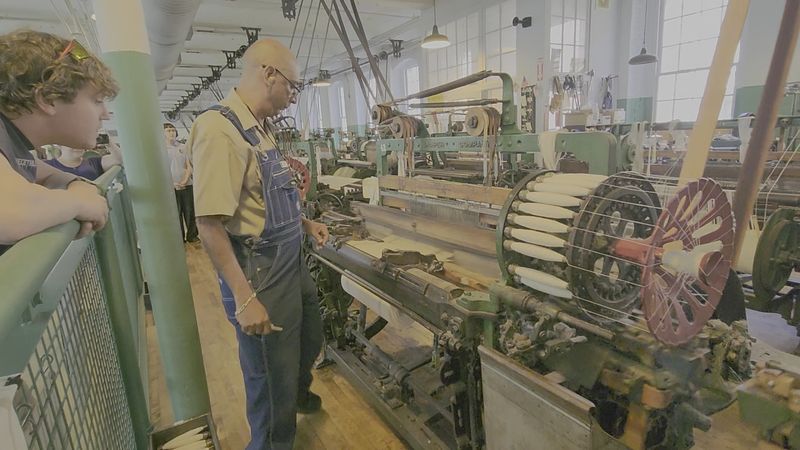
The people working here make a real difference to the visit. As a National Park Service site, the museum is staffed with knowledgeable rangers who clearly enjoy the subject.
Every hour, on the half hour, there is a short talk followed by the running of the machines. The presentation in the weave room comes up again and again as a highlight.
On a quiet day, you might even end up in a one on one conversation with someone who maintains the looms. Those chats can turn a quick stop into an hour of fascinating detail.
Friendly and patient, the staff answer questions and add color to the exhibits. They are a big reason people say they learn something new on every trip.
The Theater and the History on Film
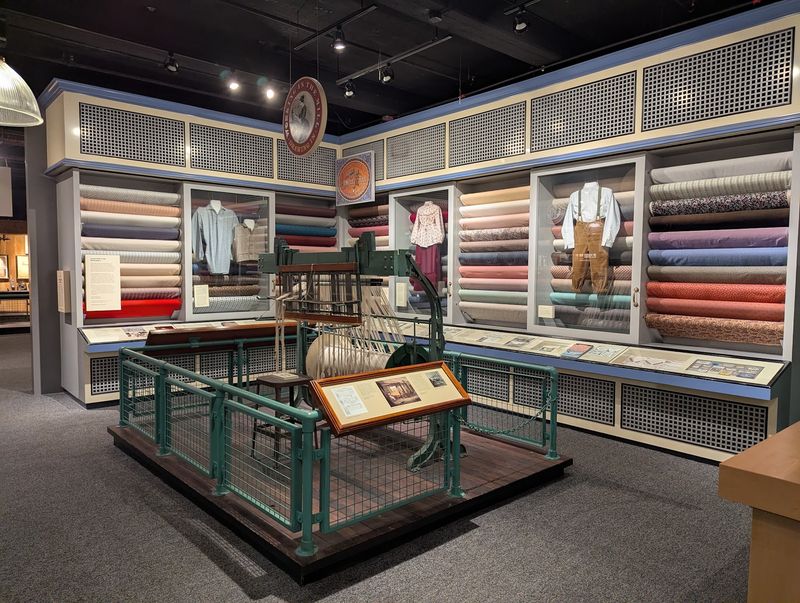
Set aside a little time for the video presentation before you leave. A worthwhile film of about fifteen minutes covers the history of the mill and the people behind it.
Screened in the theater, it dives into the working conditions of mill workers in the twentieth century. It gives the machinery downstairs a fuller backstory.
The film runs regularly, so you rarely have to wait long to catch a showing. It pairs nicely with the exhibits and the live demonstrations.
Watching it early or late can shape how you read everything else in the building. Either way, it is a smart use of a quarter hour.
Six Dollars Well Spent
Here is where the value really shines. General admission runs about six dollars for adults, with seniors paying around four.
If you carry an interagency parks pass, the cost can drop to roughly three dollars. That makes this one of the more affordable history outings around.
The nearby Boarding House site does not charge a fee, so you can stretch your visit without stretching your budget. It all adds up to a big return for a small ticket price.
For anyone chasing a day trip that costs next to nothing, this fits the bill. The price alone keeps folks recommending it.
Planning Your Trip and Getting There
Timing your visit is simple since the museum keeps steady hours. Doors open at 9 AM and close at 4 PM every day of the week.
Parking is easy to sort out, with plenty of on street spots within a block or two. Some spaces are metered and many are not, so a short walk usually saves you a coin or two.
The whole complex is comfortable and accessible, with air conditioning, elevators, restrooms, and water fountains on hand. You can fully appreciate the place in about an hour, though the exhibits reward a slower pace.
Do not skip the gift shop or the walk down to the river when you finish inside. Boott Cotton Mills Museum turns a quiet afternoon into a memorable slice of Massachusetts history, and it keeps drawing people back for another look.
Share this story