The Great Depression was one of the most turbulent chapters in American history, stretching from the stock market crash of 1929 through much of the 1930s and touching nearly every corner of the country. Unemployment soared past 25 percent, families packed up everything they owned, and entire communities had to reinvent themselves just to survive. Reading about it in a textbook is one thing, but actually standing in the places where that history unfolded is something else entirely. From presidential libraries packed with original documents to quiet rural museums that tell stories through everyday objects, each site on this list brings the era to life in a way no classroom ever could.
Whether you are a history enthusiast, a curious traveler, or someone who just wants to understand how America found its footing again, these 13 destinations offer a front-row seat to one of the nation’s most defining periods.
1. Herbert Hoover National Historic Site, West Branch, Iowa
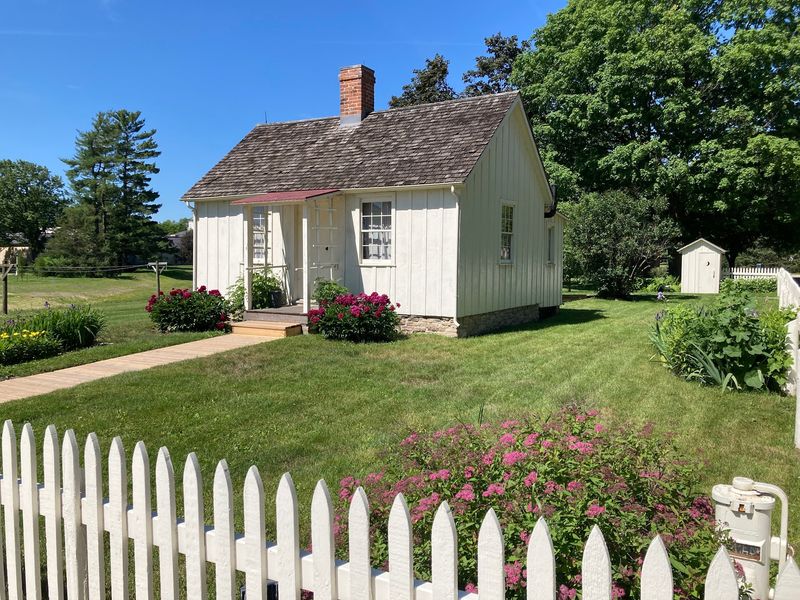
Before FDR, there was Hoover, and understanding the Depression means understanding the man who was president when it began. The Herbert Hoover National Historic Site in West Branch, Iowa, offers a surprisingly personal look at a president whose reputation became permanently tied to economic collapse.
The site includes Hoover’s original birthplace cottage, a tiny two-room structure that puts his modest origins in sharp relief against the scale of the crisis he later faced. Walking these grounds, visitors get a clearer picture of the political and economic pressures that defined his single term.
Exhibits explore the global economic conditions of the late 1920s and the early government responses that preceded the New Deal. The peaceful, tree-lined setting gives visitors room to think carefully about cause and effect in history.
Even with the presidential museum undergoing renovation, the historic site remains open and fully worth the visit for anyone building a complete picture of the Depression era.
2. Franklin D. Roosevelt Four Freedoms Park, New York City, New York
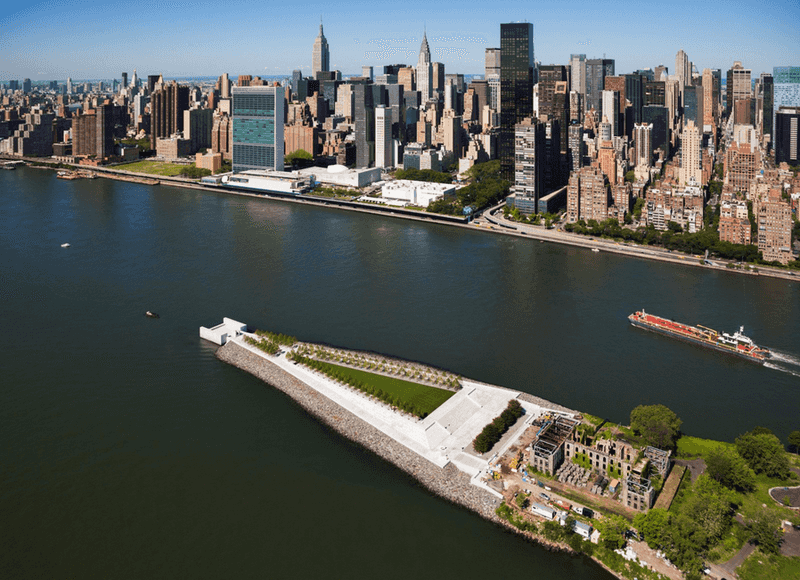
Perched at the southern tip of Roosevelt Island, Four Freedoms Park is one of those places that manages to feel both monumental and serene at exactly the same time. The memorial takes its name from FDR’s 1941 speech outlining four fundamental freedoms, a vision shaped directly by the social struggles of the Depression decade.
Architect Louis Kahn designed the park, though construction did not begin until decades after his passing. The result is a minimalist granite structure that frames the East River and the Manhattan skyline without competing with them.
A large bronze bust of Roosevelt anchors the central space, surrounded by granite walls etched with his words. The design invites visitors to slow down and actually read what is written rather than just photograph and move on.
Paired with a visit to the FDR Library upstate, this park completes a compelling portrait of how one president’s Depression-era leadership left a permanent mark on American political thought.
3. National Archives Museum, Washington, District of Columbia
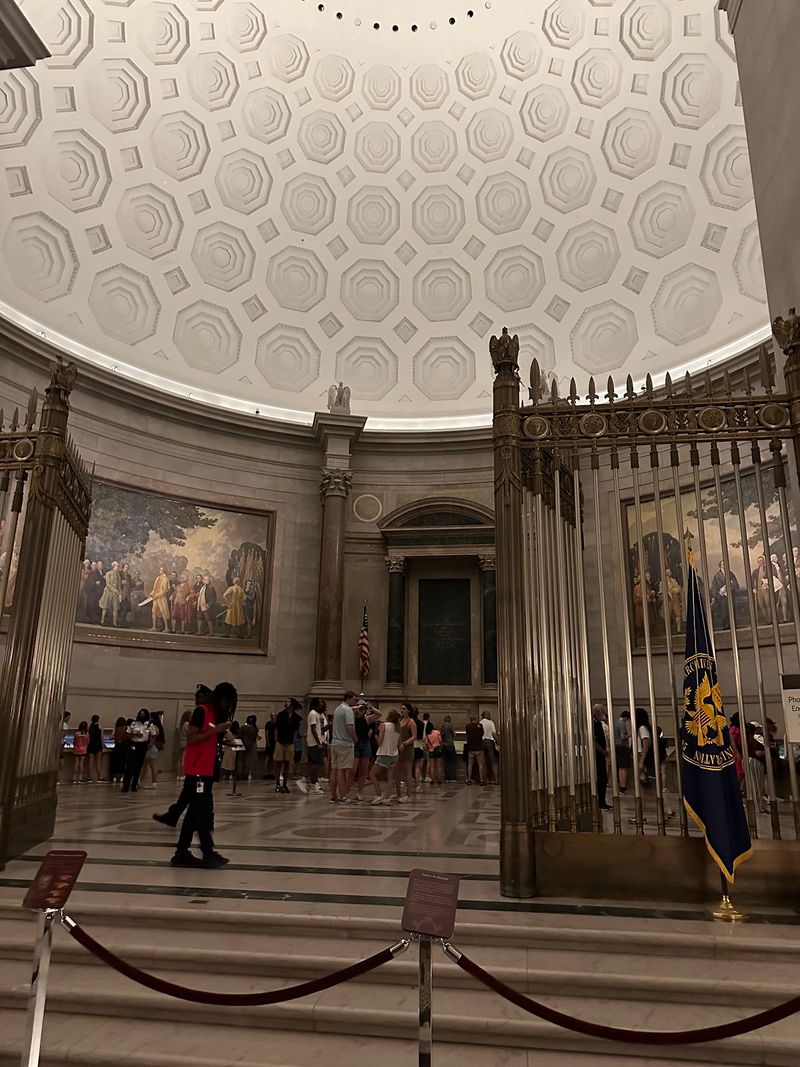
Most people visit the National Archives to see the Declaration of Independence, which is fair, but there is a lot more going on inside this building than founding-era parchment. The rotating exhibits regularly explore the dramatic expansion of federal power during the 1930s, making it one of the most relevant stops for understanding the Depression’s political legacy.
Original records from New Deal agencies, including the Works Progress Administration and the Civilian Conservation Corps, are preserved here. These documents show, in real handwriting and official letterhead, how the government organized one of the largest domestic relief efforts in American history.
The museum’s research rooms allow scholars and curious visitors alike to request access to primary sources. Even a general tour gives a strong sense of how paperwork and policy combined to change millions of lives during the 1930s.
For anyone trying to understand how the Depression transformed the relationship between citizens and their government, the National Archives delivers evidence that no textbook summary can fully replicate.
4. Franklin D. Roosevelt Presidential Library and Museum, Hyde Park, New York
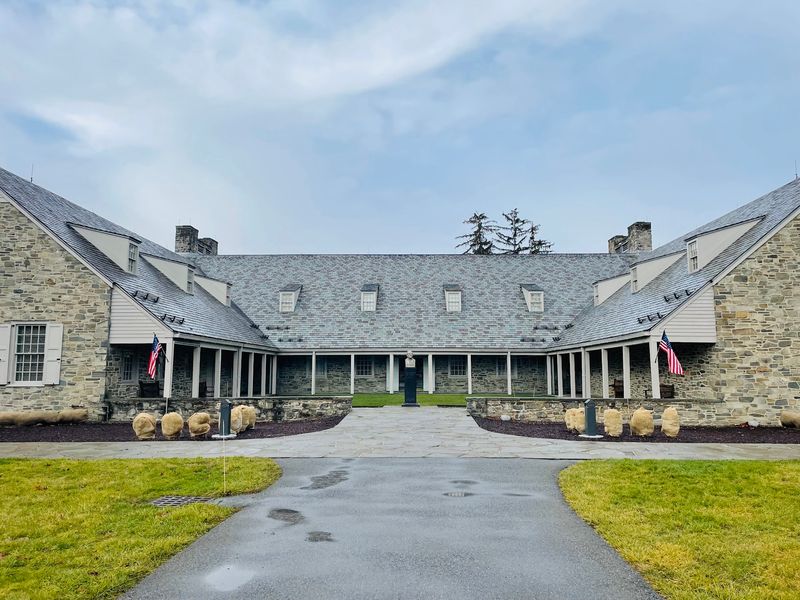
America’s very first presidential library did not arrive quietly. Opened in 1941, the Franklin D. Roosevelt Presidential Library and Museum set the standard for how a nation preserves its most critical history, and it has been raising that bar ever since.
The exhibits here cover the full arc of the Depression years, from the 1929 crash through the sweeping reforms of the New Deal. Original documents, fireside chat recordings, and photographs put visitors right alongside the policy decisions that reshaped the federal government.
Interactive touch screens let visitors explore FDR’s Oval Office and review controversial New Deal debates from multiple perspectives. A dedicated section highlights New Deal art programs that employed thousands of artists during the 1930s.
Researchers can access over 800,000 pages of digitized documents through the library’s online archive. The Hudson River views from the surrounding grounds add a quietly memorable backdrop to a genuinely essential stop.
5. Oklahoma History Center, Oklahoma City, Oklahoma
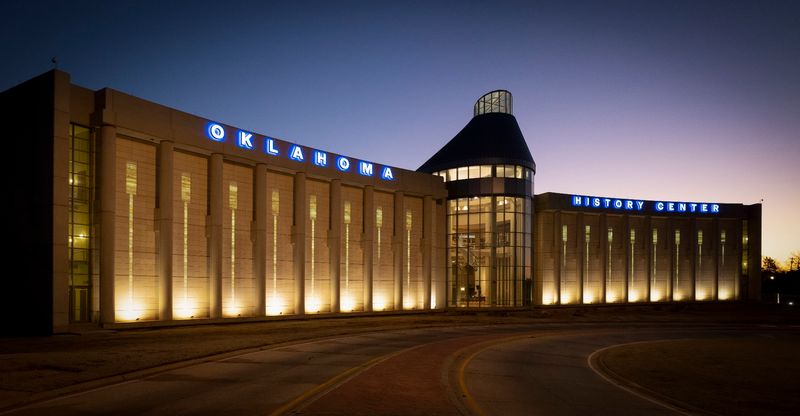
Oklahoma sat at the center of two overlapping catastrophes during the 1930s, the Great Depression and the Dust Bowl, and the Oklahoma History Center tells both stories with impressive depth. The museum opened in 2005 and immediately set a high standard for how state history centers handle difficult chapters.
Exhibits feature original farm equipment, oral history recordings, and photographs that document how drought and economic collapse hit the Great Plains simultaneously. Visitors hear directly from people who lived through the period, which gives the history a human weight that statistics alone cannot provide.
The Dust Bowl section explains how poor farming practices combined with years of drought to create massive dust storms that buried towns and forced hundreds of thousands of families to leave the state. This migration became one of the defining stories of the era.
The museum is well-organized and genuinely accessible for all ages, making it an ideal stop for families who want a thorough grounding in the Depression’s environmental and economic dimensions.
6. Woody Guthrie Center, Tulsa, Oklahoma
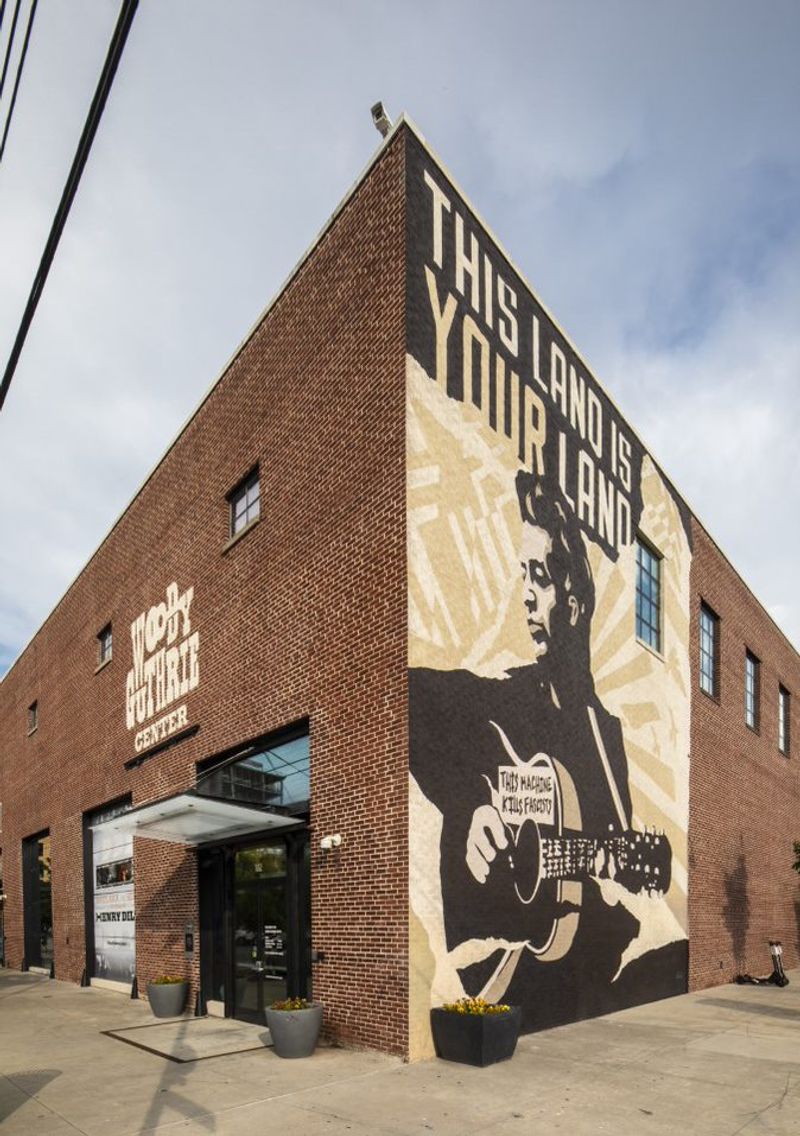
Nobody put the Great Depression into words and music quite like Woody Guthrie, and the center dedicated to his life in Tulsa makes a compelling case for why his work still matters. Guthrie grew up in Oklahoma and watched the Dust Bowl displace his neighbors before eventually joining the migration westward himself.
The museum holds a remarkable collection of his handwritten lyrics, personal correspondence, and original artwork. Visitors can trace how his experiences among migrant workers, breadlines, and labor camps shaped songs that became anthems for an entire generation of struggling Americans.
Interactive stations let visitors engage with his music and read the stories behind specific songs, connecting the lyrics to real historical events. The curation is thoughtful without being heavy-handed.
Beyond the music, the center places Guthrie’s activism in context, explaining his advocacy for workers’ rights and his criticism of the economic systems that contributed to widespread poverty. For a cultural angle on Depression history, this is one of the most rewarding stops on the list.
7. National Steinbeck Center, Salinas, California
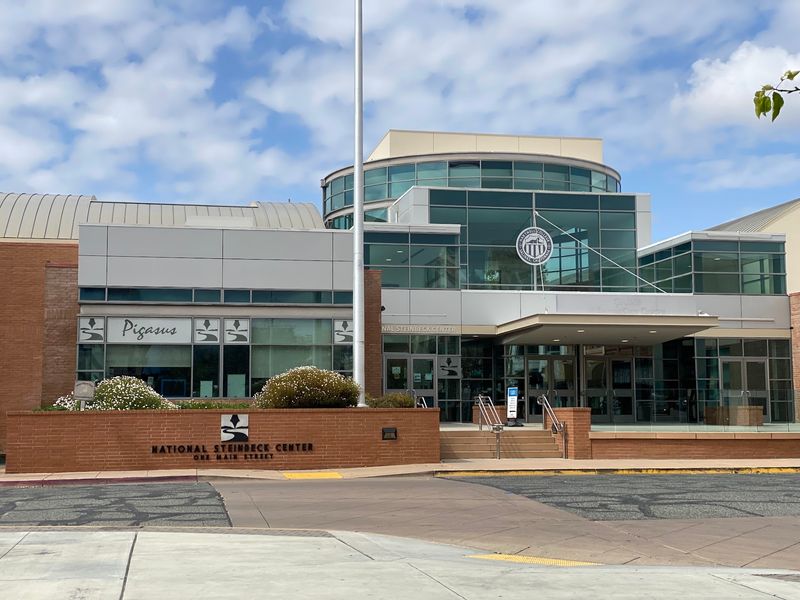
John Steinbeck wrote The Grapes of Wrath in 1939, and the novel’s portrait of a displaced Oklahoma family driving west on Route 66 became the defining literary image of the Great Depression. The National Steinbeck Center in his hometown of Salinas turns that literature into a hands-on historical experience.
Seven themed galleries use multimedia exhibits, film clips, and physical artifacts to explore both Steinbeck’s writing process and the real conditions his fiction documented. Visitors encounter replicas of migrant camps, vintage photographs from the California fields, and recordings that bring the era’s voices into the present.
The center also examines the controversy Steinbeck’s work generated when it was published. Large California farming interests tried to suppress the novel, which makes the story of the book itself almost as interesting as the story inside it.
For readers who grew up with Steinbeck and history fans who want a literary lens on the Depression, this museum offers one of the most emotionally grounded and intellectually honest experiences on this entire list.
8. Fort Smith National Historic Site, Fort Smith, Arkansas
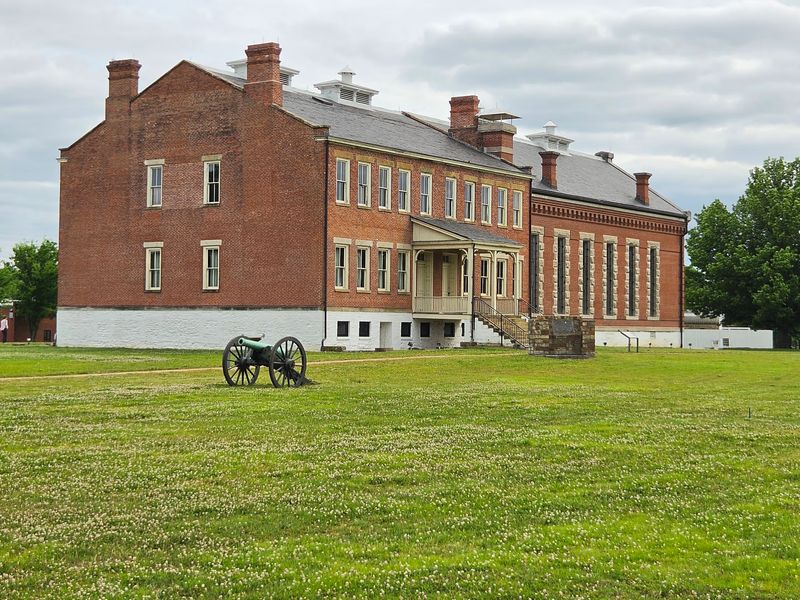
Fort Smith is best known as the home of Judge Isaac Parker’s famous federal court, but the site holds another layer of history that connects directly to the New Deal era. Civilian Conservation Corps camps operated in the surrounding region during the 1930s, and the National Park Service interprets that history as part of the broader site experience.
The CCC was one of Roosevelt’s most successful Depression-era programs, putting young men to work building trails, bridges, parks, and public facilities across the country. Many of those structures are still in use today, which makes the program’s legacy unusually visible and concrete.
Exhibits at Fort Smith explain how the program worked, who participated, and what conditions enrollees lived under. The combination of frontier history and New Deal context gives the site an unusually wide historical range.
Visitors who take time to read the interpretive panels come away with a clearer understanding of how federal employment programs transformed both the landscape and the lives of the young men who enrolled during the Depression’s worst years.
9. Shiloh Museum of Ozark History, Springdale, Arkansas
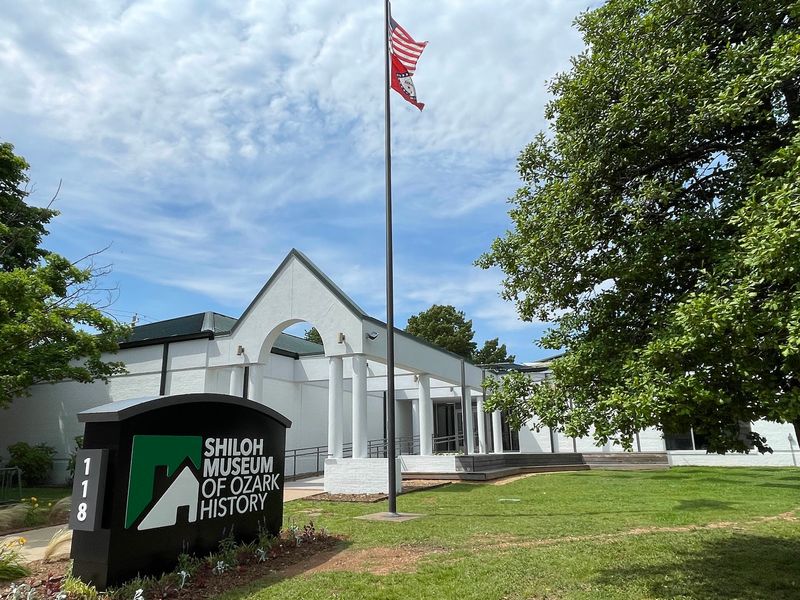
Big national museums are great, but sometimes the most honest history comes from smaller institutions that focus on a single community. The Shiloh Museum of Ozark History in Springdale, Arkansas, does exactly that, presenting the Depression years through the lens of rural Ozark life with a specificity that larger museums rarely achieve.
The collection includes restored historic buildings, household objects, oral history recordings, and photographs that document how Ozark families adapted to unemployment and agricultural hardship during the 1930s. The exhibits avoid grand generalizations and focus instead on the practical details of daily survival.
Visitors learn about subsistence farming, barter economies, and community cooperation as strategies that helped rural families weather the worst of the Depression. These were not passive victims of history but resourceful people who found creative ways to keep going.
The museum’s compact size makes it easy to explore thoroughly in a few hours, and the staff tends to be knowledgeable and genuinely enthusiastic about the region’s history. It is a rewarding stop that rewards careful attention.
10. National Museum of the Pacific War, Fredericksburg, Texas
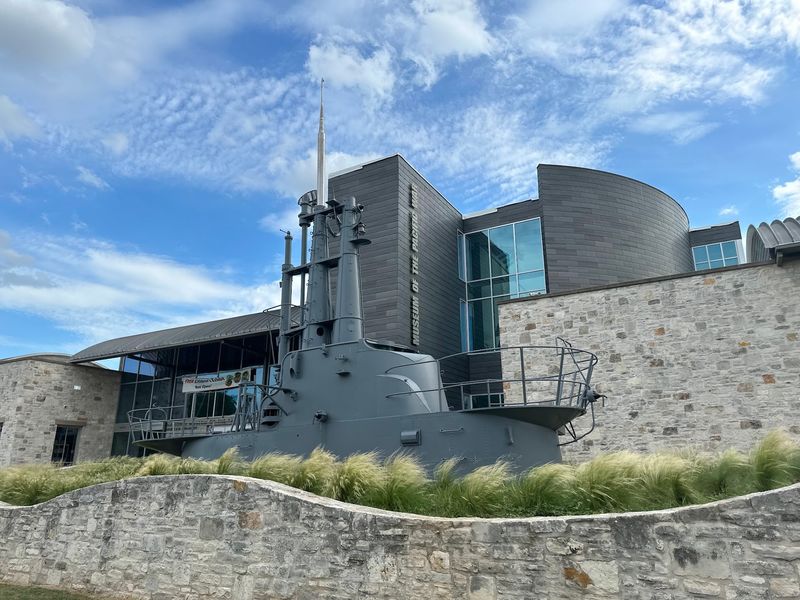
At first glance, a World War II museum might seem like an odd entry on a Great Depression list, but the National Museum of the Pacific War in Fredericksburg makes the connection impossible to miss. The introductory exhibits explain how America’s decade-long economic struggle shaped the industrial and human resources that powered the wartime effort.
The transition from Depression-era unemployment to wartime full employment was one of the most dramatic economic shifts in American history, and this museum traces that pivot with clarity. Visitors understand that the factories, the workers, and even the political will behind wartime mobilization were all products of the New Deal years.
The museum’s main galleries cover the Pacific theater in impressive detail, but the contextual framing of the Depression as the economic backdrop makes those galleries more meaningful. History rarely happens in isolation, and this institution does a fine job showing how one era flows into the next.
The Fredericksburg location, in the Texas Hill Country, also makes it a pleasant destination for a longer road trip through the region.
11. Harry S. Truman Presidential Library and Museum, Independence, Missouri
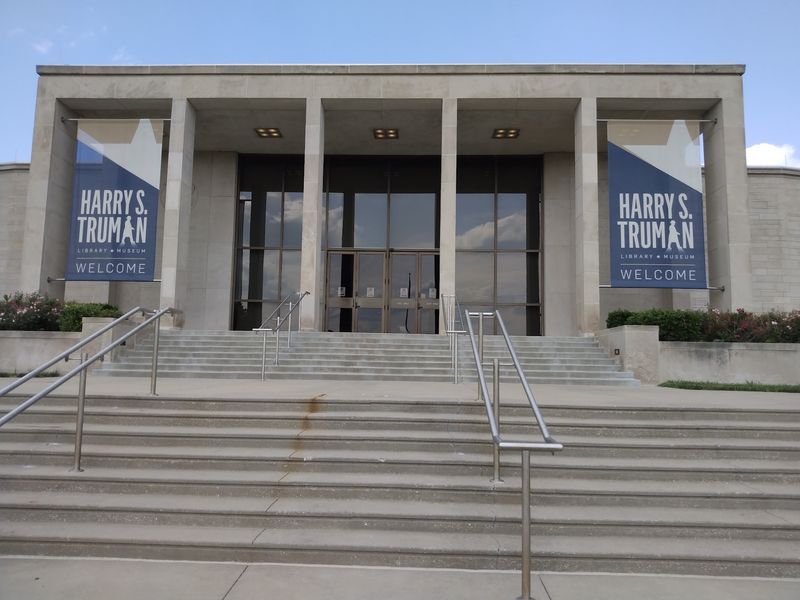
Truman took office in 1945, more than a decade after the Depression’s worst years, but his presidency cannot be understood without it. The Harry S. Truman Presidential Library and Museum in Independence, Missouri, does an excellent job of showing how the Depression’s long shadow stretched well into the postwar period.
Exhibits trace the New Deal programs that Truman inherited, expanded, and sometimes defended against political opposition. Visitors see how the federal government’s enlarged role in housing, labor, and social welfare, all products of the 1930s, became the baseline for postwar domestic policy.
The museum also covers the economic fears that lingered after World War II ended, when many Americans genuinely worried the Depression might return once wartime production stopped. Understanding those anxieties helps explain many of Truman’s domestic policy choices.
The library’s research holdings are substantial, and the permanent exhibits were renovated in recent years to incorporate more interactive elements. It rounds out the Depression story by showing what came after, and why the era’s lessons remained so relevant for decades.
12. Eleanor Roosevelt National Historic Site, Hyde Park, New York
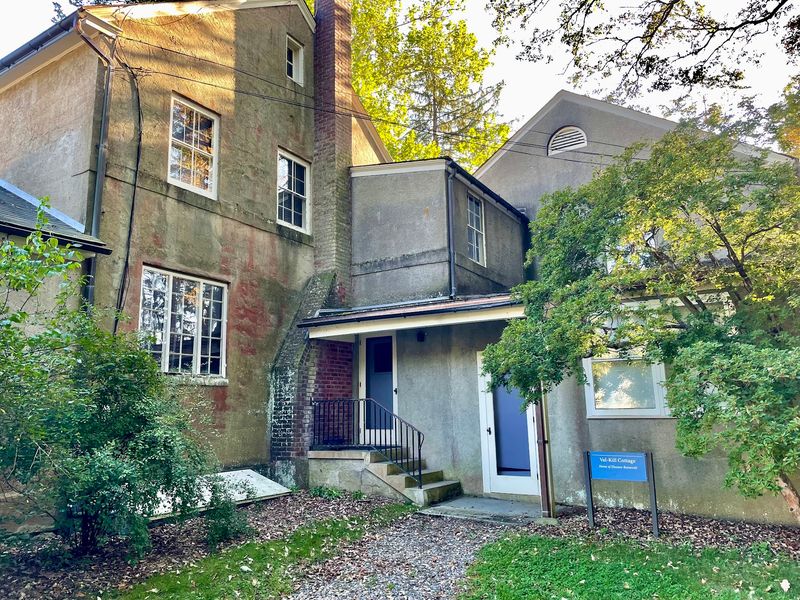
Val-Kill is not a grand estate or a marble monument. It is a modest stone cottage in the Hudson Valley woods where Eleanor Roosevelt retreated, worked, and eventually made her permanent home after FDR’s passing. That modesty is entirely appropriate for a woman who spent much of the Depression era fighting for people the government had largely overlooked.
Guided tours cover Eleanor’s advocacy for unemployed workers, women in the workforce, young people through the National Youth Administration, and African Americans facing discrimination on top of economic hardship. Her work during the New Deal years went far beyond her role as First Lady.
The site also explores how Eleanor used her newspaper column and public speaking to shape public opinion about relief programs and civil rights. She was arguably the most politically active First Lady in American history up to that point.
Visitors consistently describe the tour as surprisingly moving. The personal scale of Val-Kill makes Eleanor’s impact feel immediate rather than distant, which is exactly the kind of connection that makes history worth visiting in person.
13. Scotts Bluff National Monument, Gering, Nebraska
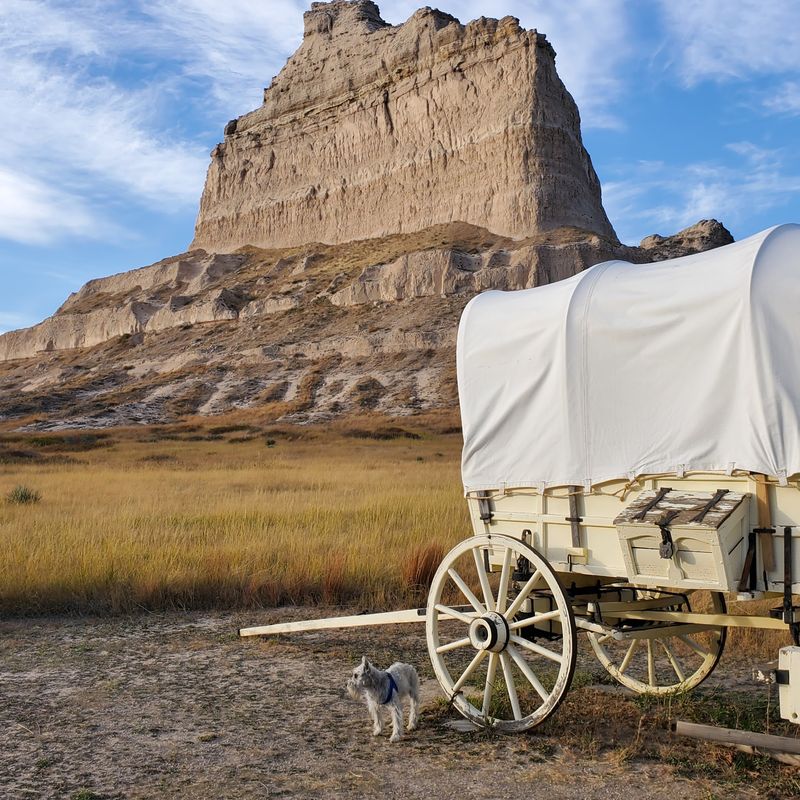
Scotts Bluff has been a landmark for travelers heading west for nearly two centuries, first for Oregon Trail pioneers and later for a very different kind of migrant. During the 1930s, families fleeing the Dust Bowl passed through western Nebraska on their way to California, following routes that took them past these same dramatic rock formations.
The monument’s visitor center interprets both waves of westward movement, giving visitors a layered understanding of the American tendency to head west when conditions at home become unbearable. The parallel between 19th-century pioneers and 1930s Dust Bowl migrants is one of the more thought-provoking historical connections in the National Park System.
Exhibits include photographs, maps, and personal accounts from both eras. The outdoor trails and summit road offer views across the North Platte River valley that help visitors physically grasp the scale of the journey these travelers undertook.
As the most visually dramatic stop on this list, Scotts Bluff combines genuine natural spectacle with historical substance. It is the kind of place where the landscape itself becomes part of the story.
Share this story