There is a place in the Nebraska Sandhills where a Victorian mansion rises from the prairie, a 148-foot barn towers over open fields, and the ghost of the world’s most famous showman seems to linger around every corner. I had no idea what to expect when I pulled off Interstate 80 and followed the signs toward Scout’s Rest Ranch, but what I found there completely changed how I think about the American West.
This is not just a museum behind velvet ropes. The ranch at 2921 Scouts Rest Ranch Rd, North Platte, Nebraska tells the full, complicated, and surprisingly moving story of William F.
Cody, the man the world called Buffalo Bill. From a barn roof you can read from a mile away to a Stetson hat worn at his very last performance, every detail here carries weight.
Keep reading, because some of what I discovered inside that barn genuinely surprised me.
Scout’s Rest Ranch: The Address Behind the Legend
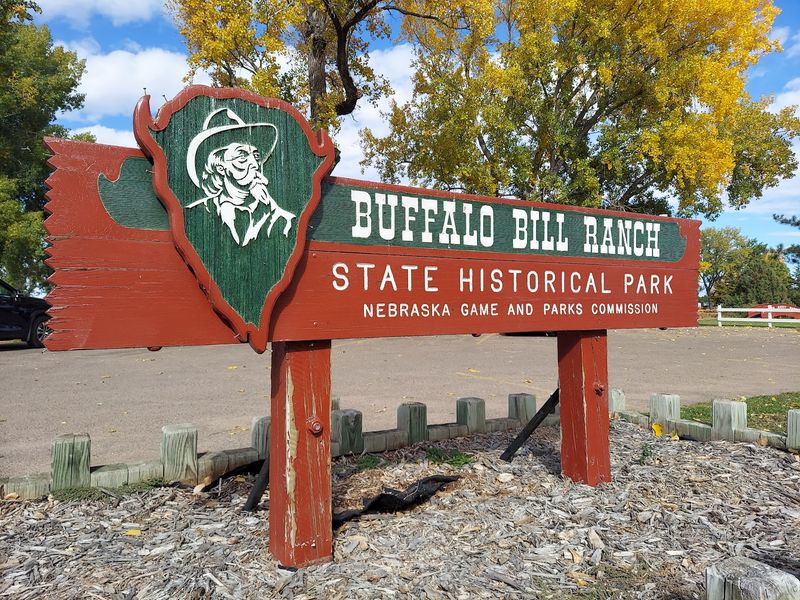
Most people blow past North Platte on Interstate 80 without a second thought, but that is a mistake worth correcting. Buffalo Bill Ranch State Historical Park sits at 2921 Scouts Rest Ranch Rd, on the northwest outskirts of North Platte, Nebraska, just south of the North Platte River, and it is only about five to ten minutes from the highway.
What was once a sprawling 4,000-acre working ranch now covers 25 protected acres managed by the Nebraska Game and Parks Commission. The park was added to the National Register of Historic Places in 1978, and on January 13, 2021, it earned the distinction of being designated a National Historic Landmark.
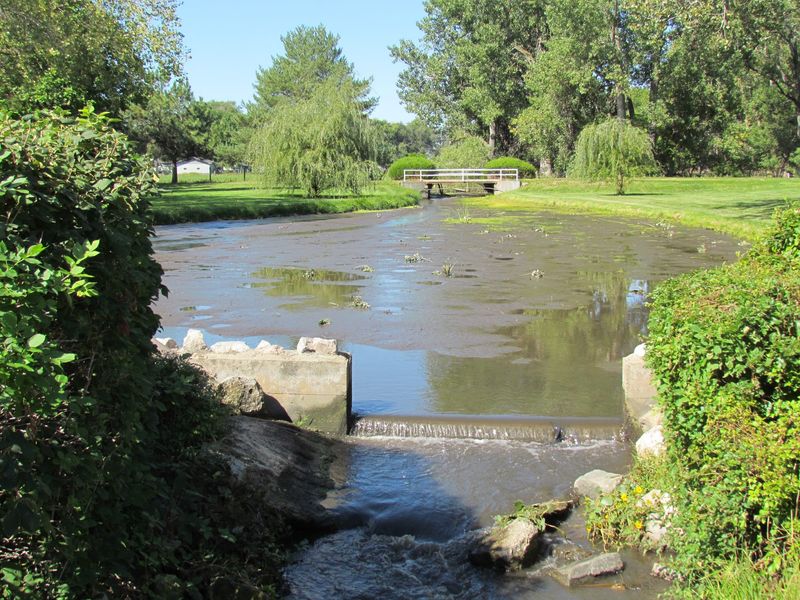
Scout Creek winds through the grounds between the mansion and the barn, adding a quiet, natural touch to the historic landscape. The moment you see the red barn and the Victorian roofline rising from the flat Nebraska terrain, you understand immediately that this is no ordinary roadside stop.
How a Scout Built His Dream Ranch in 1878
William F. Cody purchased 160 acres of Nebraska land in 1878 with a simple dream: he wanted a place to retire someday.
That dream grew fast, and so did the ranch, eventually expanding to nearly 4,000 acres of productive Nebraska farmland.
Scout’s Rest Ranch became Buffalo Bill’s primary home from 1886 all the way through 1913. His sister, Julia Goodman, and her husband, Al Goodman, managed the day-to-day operations while Cody traveled the world with his famous Wild West Show.
The ranch was a serious agricultural operation, supporting cattle and growing crops like alfalfa and corn. During the busiest seasons, up to 60 men worked the land.
Cody even partnered with a neighbor named Isaac Dillon to construct a 12-mile irrigation ditch capable of watering 6,000 acres of crops. He eventually sold the ranch in 1911 for $100,000, and the state acquired it in 1964 to preserve it for the public.
The Mansion That Cost $3,900 and Impressed Everyone
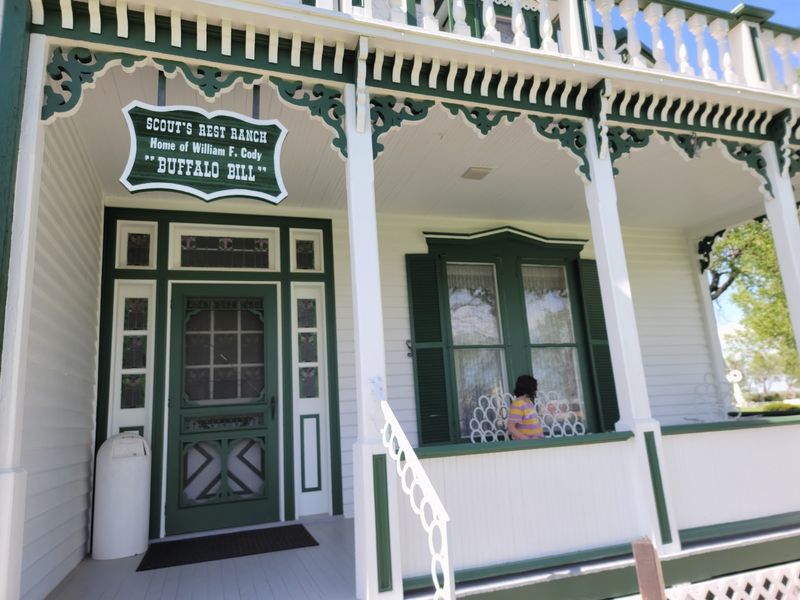
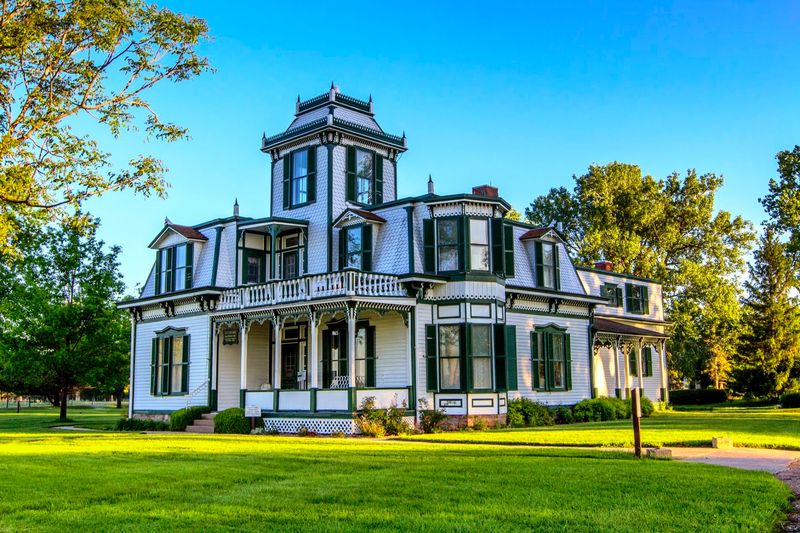
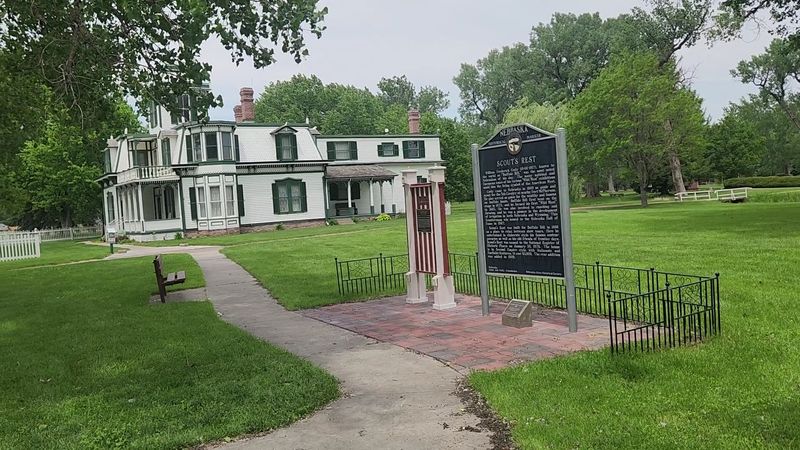
For a building that cost just $3,900 to construct in 1886, the mansion at Scout’s Rest Ranch makes a serious architectural statement. Patrick Walsh of North Platte built the home in the Second Empire style, complete with a distinctive mansard roof, prominent dormers, a three-story tower, and a two-story bay window that catches the afternoon light beautifully.
Italianate and Eastlake design influences show up in the cornice brackets and decorative porch trim. Cody had one very specific request for the builder: he wanted a front porch at least ten feet wide, wide enough to entertain the many friends and celebrities who visited the ranch.
Inside, the rooms have been carefully restored with period-appropriate Victorian furnishings and genuine Buffalo Bill memorabilia. Cody built this home to host people in style, and standing in those rooms today, that intention still comes through clearly.
The architectural details alone make the mansion worth a slow, thorough look before you even reach the barn.
A Barn Big Enough to Announce Itself from a Mile Away
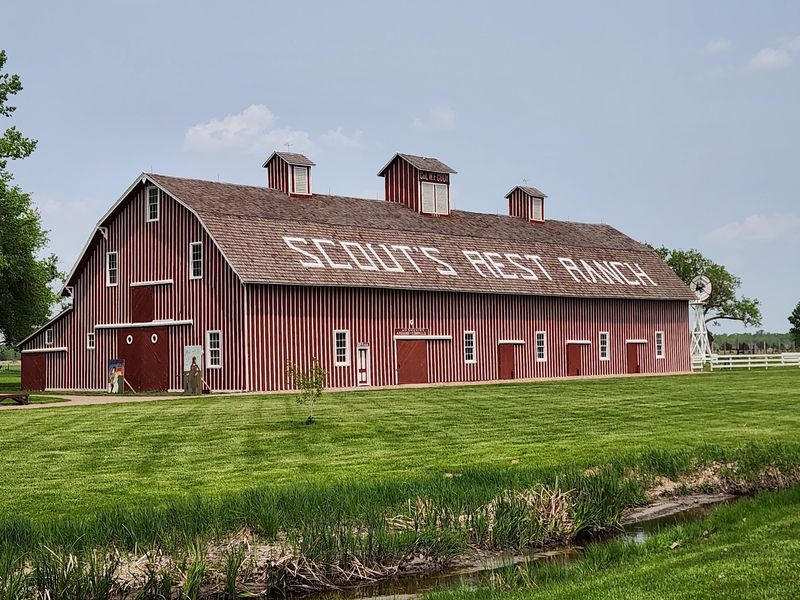
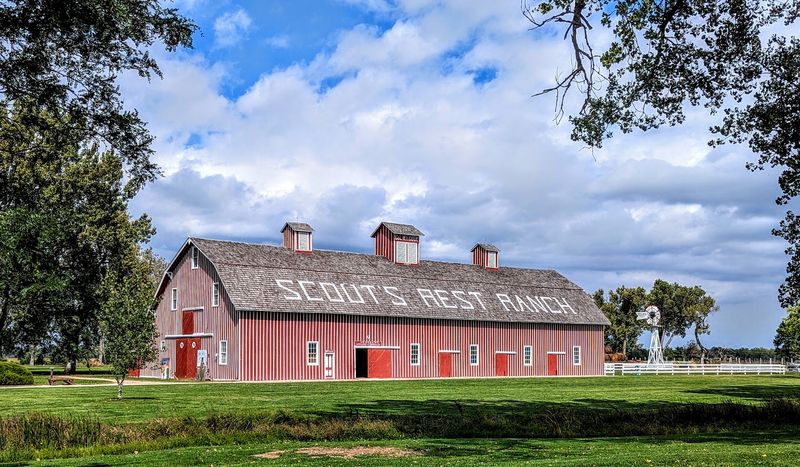
The barn at Scout’s Rest Ranch is not subtle, and it was never meant to be. Built in 1887 to house thoroughbred horses and livestock, the massive red structure stretches 148 feet long, and the words “Scout’s Rest Ranch” are painted across the gambrel roof in letters large enough to read from the Union Pacific Railroad tracks a full mile away.
That was completely intentional. Cody wanted passing train passengers to know exactly whose property they were admiring.
Look closely at the details and you will find carved gun stocks along the exposed rafters under the roof overhang, and at the peak of the gable, Annie Oakley’s trademark symbol: an ace of spades with a bullet hole through it.
Today, the barn holds antique carriages, saddles, ironwork, and an impressive collection of Wild West Show memorabilia. The sheer scale of the space, combined with those quirky personal touches, makes the barn feel less like a storage building and more like a monument to one man’s personality.
Wild West Show Artifacts That Still Hold Their Power
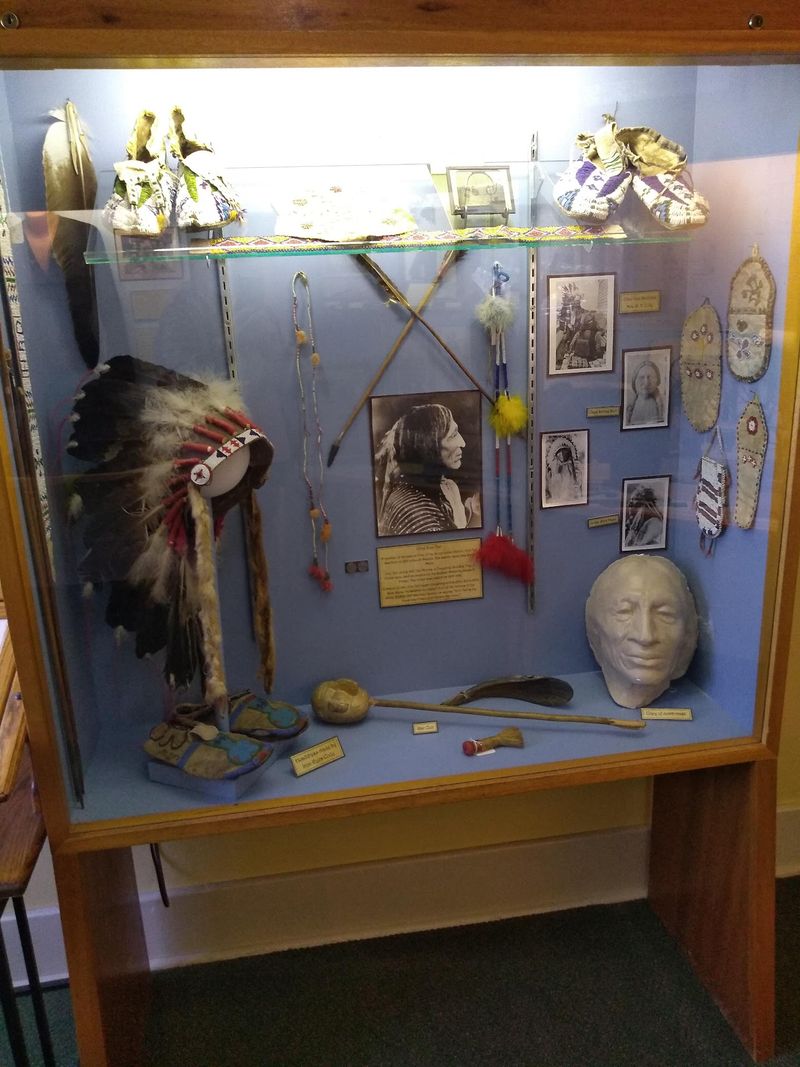
The museum exhibits spread across the mansion and barn contain one of the most personal collections I have seen at any historic site. Rare Wild West Show posters line the barn walls in vivid color, and vintage performance costumes hang in display cases alongside authentic firearms used during the shows.
Some of the most unexpected items are the Russian Cossack uniforms and the bolos carried by Argentinian performers, reminders that Buffalo Bill’s show was genuinely international in scope. Cody’s early recordings play in the exhibits, and hearing his actual voice introducing the show is a genuinely strange and affecting experience.
Highlights include the Stetson hat Cody wore at his final performance, a peace pipe belonging to Sitting Bull, and Cody’s personal campaign desk. The exhibits also address his evolving relationship with Native American performers, including Iron Tail’s headdress, showing how he moved from adversary to advocate over the course of his career.
There is more to process here than a single visit allows.
What the Grounds Tell You That the Buildings Cannot
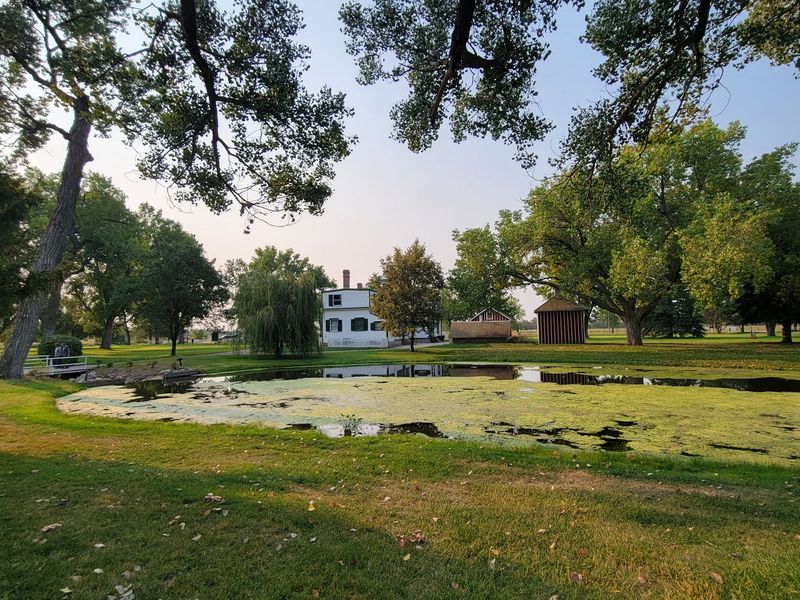
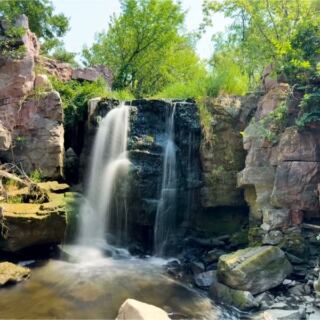
The outdoor grounds at Scout’s Rest Ranch carry their own quiet kind of history. Centennial trees shade the walkways, Scout Creek flows between the mansion and the barn, and a small lake reflects the Nebraska sky on calm mornings.
The landscape itself feels like a deliberate arrangement, shaped by someone who cared about how the property looked from every angle.
Short walking trails loop around the ranch grounds, the lake, and the open prairie, offering easy access for visitors of all ages. Wildlife shows up regularly along the trails, and the views toward the North Platte River valley are genuinely worth pausing for.
Beyond the main structures, the park preserves a cob house used for storing corncobs as kindling and an ice house, both dating from the 1880s. Picnic areas are scattered across the grounds, making it easy to slow down and let the setting sink in properly.
The combination of historic buildings and natural scenery creates an atmosphere that the indoor exhibits simply cannot replicate on their own.
Camping, Fishing, and Sandhill Cranes Next Door
Right next to the historical park, the Buffalo Bill Ranch State Recreation Area adds a whole different dimension to the visit. Campsites ranging from basic to electric-plus are available on a first-come, first-served basis, which means an early arrival is worth the effort if you plan to stay overnight.
Fishing access to the North Platte River is one of the recreation area’s consistent draws, and kayak and canoe rentals are available for those who want to get out on the water. Guided trail rides let visitors experience the landscape from horseback, which feels especially appropriate given the ranch’s history.
The area is also a notable seasonal destination for watching the Sandhill Crane migration, a spectacle that draws wildlife enthusiasts from across the region every year. Combining a morning tour of the historic mansion and barn with an afternoon of fishing or a trail ride makes for a full day that covers both history and outdoor adventure without any overlap between the two.
The crane migration alone is reason enough to time your trip carefully.
The Best Times to Visit and What to Expect Each Season
The historical park is at its best from late spring through early fall, roughly May 1 through October 31, when the mansion is open for tours and the grounds are green and inviting. If you are visiting between June and August, arriving between 9 AM and noon helps you beat the peak summer heat before the Nebraska sun really asserts itself.
General operating hours run Wednesday through Sunday from 9:00 AM to 5:00 PM, with daily operation from Memorial Day through Labor Day. Checking the current seasonal schedule before you go is always a smart move, since hours shift depending on the time of year.
Winter visitors will find the mansion closed, but the grounds stay open year-round for walking and photography. The property looks especially striking under a light snow, with the red barn and Victorian roofline standing out against a pale Nebraska sky.
The seasonal contrast between a summer visit and a winter walk on the grounds is sharper than you might expect, and both have their own appeal.
Events That Bring the Ranch Fully Back to Life
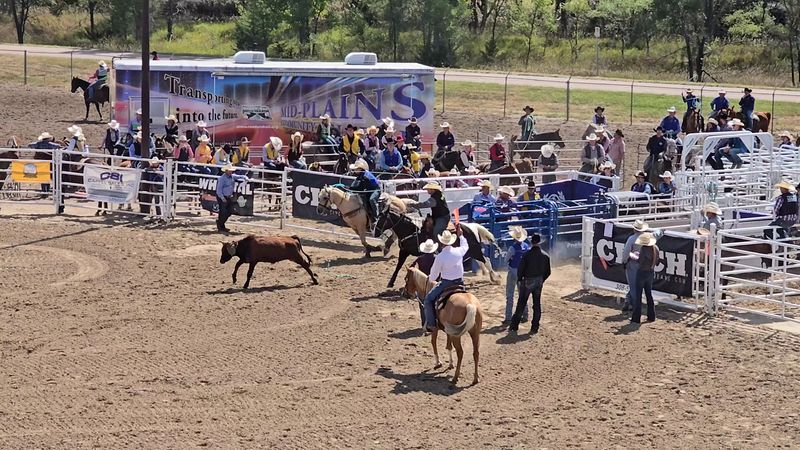
The ranch does not just sit quietly and wait for curious travelers to show up. Throughout the year, the park hosts events that transform the historic grounds into something genuinely lively.
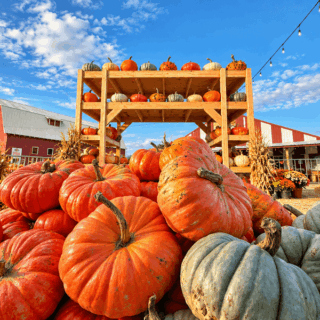
Dusty’s Pumpkin Fest in October draws families looking for a fall outing with a historical twist, and the atmosphere on those autumn afternoons is warm and relaxed.
Christmas at the Cody’s in December is something else entirely. The mansion and barn get decorated by local community groups, carolers perform on the grounds, and visitors can enjoy hot apple cider, roasted chestnuts, and horse-drawn wagon rides under the winter sky.
The contrast between the Victorian interior and the festive outdoor activity makes the whole event feel like a period photograph come to life.
The annual North Platte Pow Wow takes place on the ranch grounds as well, celebrating Native American culture through singing, dancing, drumming, and the honoring of military veterans. That event connects directly to the Native American history woven throughout Buffalo Bill’s story, making it one of the most meaningful things the park hosts all year.
Practical Tips That Will Make Your Visit Much Smoother
A few practical details can make the difference between a smooth visit and a frustrating one. Admission to tour Cody’s mansion runs around $5 for adults and $1 for children ages 3 to 12, and a Nebraska State Park Permit is required for all vehicles entering the park.
Permits can be purchased online in advance or at the park itself.
Plan for two to three and a half hours on-site, which is enough time to tour the mansion, explore the barn, and walk the grounds without feeling rushed. Comfortable shoes are a must, since the grounds involve a fair amount of walking on uneven terrain.
Dogs are welcome on a leash as long as owners clean up after them and check any posted restrictions. Inside the mansion, flash photography and touching any of the furnishings or murals are not permitted.
Open flames, electronic cigarettes, and spark-generating devices are banned inside the barn as a fire safety measure. A gift shop, restrooms, and a visitor center are all available on-site.
Buffalo Bill’s Legacy and Why It Still Resonates Today
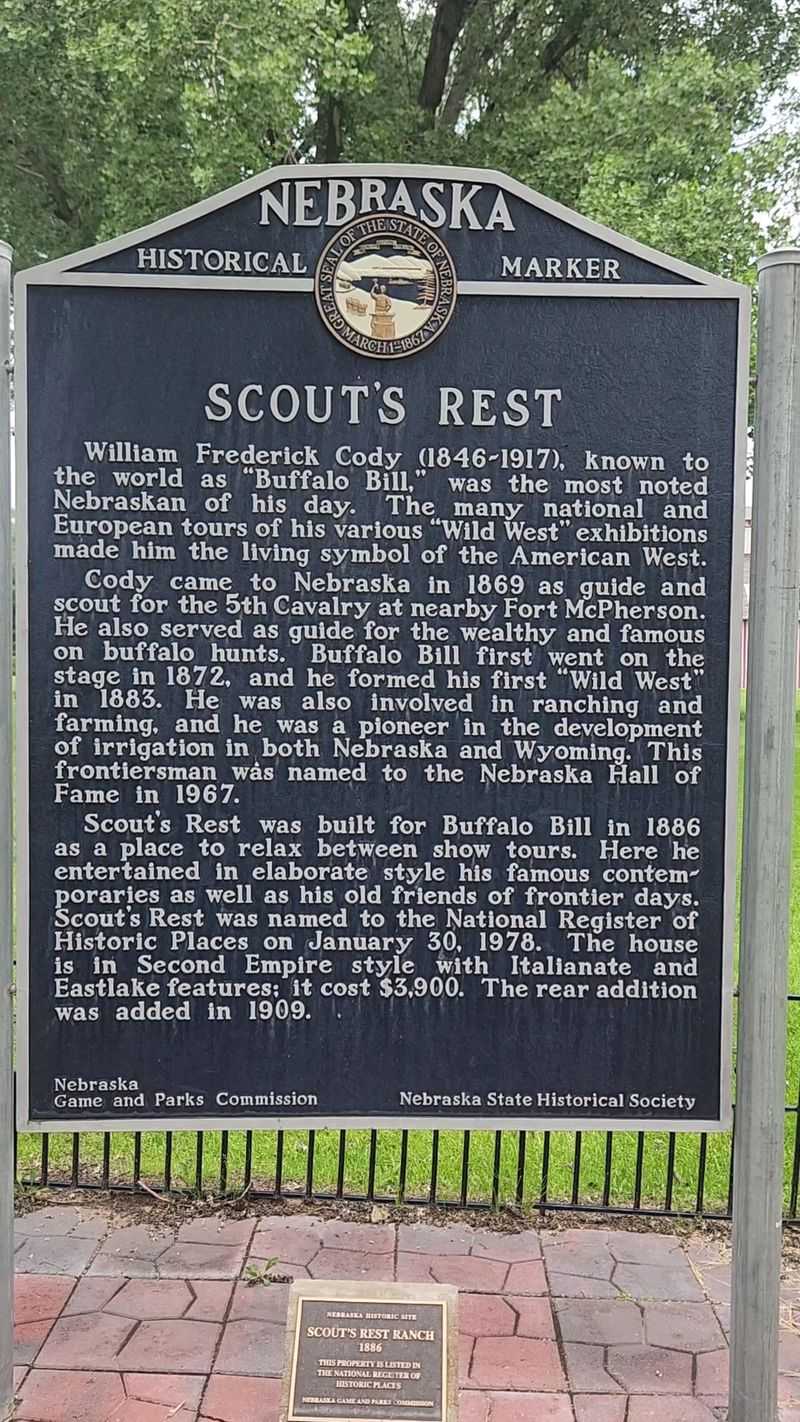
William F. Cody earned the nickname “Buffalo Bill” through his work as a buffalo hunter supplying meat for railroad construction crews, reportedly taking more than 4,000 animals over a short period.
That chapter of his story is complicated, and the exhibits at Scout’s Rest Ranch do not shy away from the complexity.
His Wild West Show, which combined elements of theater, circus, and rodeo, ran for decades and performed across the United States and Europe. The show inspired more than 100 imitator productions and had a lasting influence on how the motion picture industry portrayed the American frontier.
Cody considered North Platte his hometown and spent generously in the community, contributing to local improvements throughout his career.
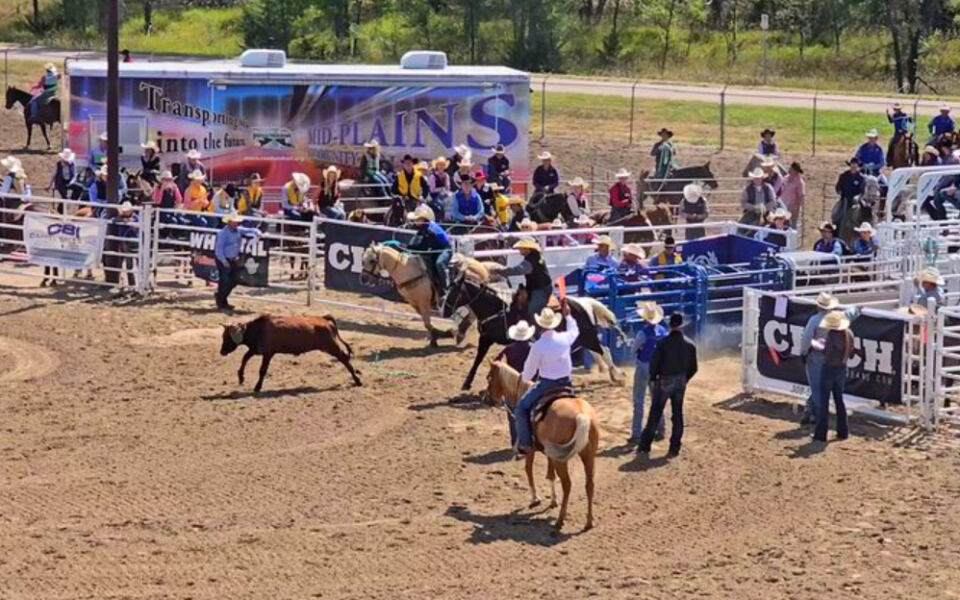
Nearby, the Fort Cody Trading Post features a miniature Wild West show built from 20,000 hand-carved miniatures, and the annual Nebraskaland Days celebration honors what is recognized as America’s oldest rodeo. The cultural footprint Cody left on North Platte and on American entertainment broadly is genuinely difficult to overstate.
Share this story