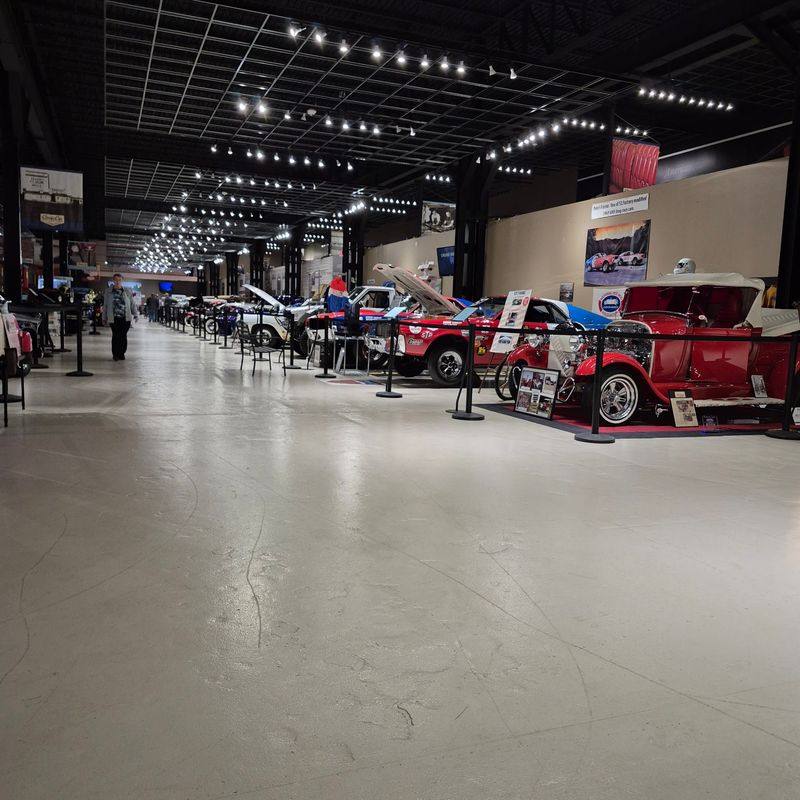
In Nebraska, one unassuming museum hides more than 200 automobiles inside a sprawling 50,000-square-foot collection. Rare Lincolns, American muscle cars, Ferraris, Porsches, and exceptionally scarce vehicles make it easy for automotive enthusiasts to spend hours exploring.
The experience goes beyond simply admiring polished cars. Visitors can climb into Model Ts, explore a recreated 1950s service station, and discover vintage drive-in memorabilia, while rotating vehicles ensure there is often something new to see on a return trip.
Where Rubber Meets the Road of History
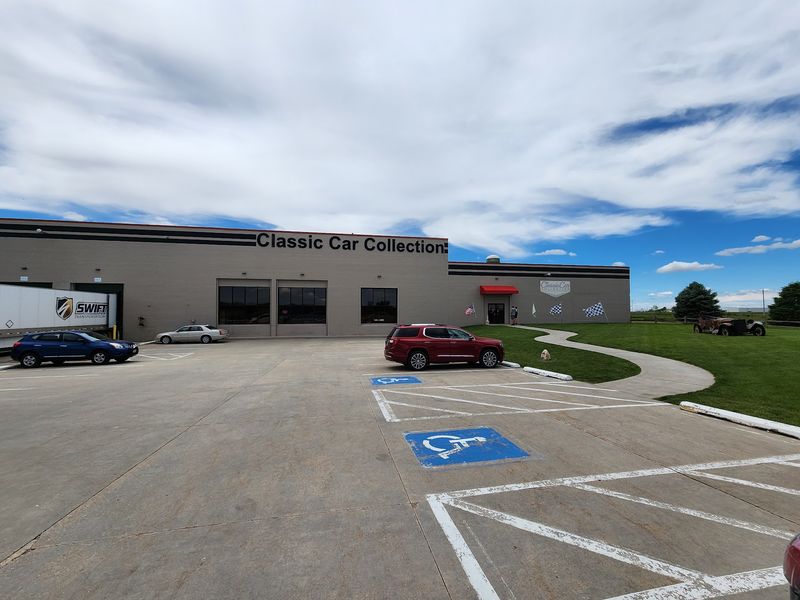
My first impression of The American Automobile Experience was that it looked far too modest from the outside to contain what it actually holds. The museum sits at 3600 US-30 B, Kearney, NE 68847, on the eastern edge of town near the well-known Cabela’s building, making it an easy and logical stop for anyone crossing the Midwest on I-80.
Once through the front doors of this 50,000-square-foot facility, the scale of the collection hits you immediately. More than 200 automobiles are arranged across the floor in a way that feels organized and inviting rather than overwhelming.
The museum earns a near-perfect 4.9-star rating from over 500 visitors, which tells you something important before you even glance at the first car. Kearney sits roughly midway between Chicago and Denver, so the location is genuinely convenient for road-trippers who want a worthwhile detour that rewards every mile of the drive.
Igniting a Passion: The Taulborg Legacy
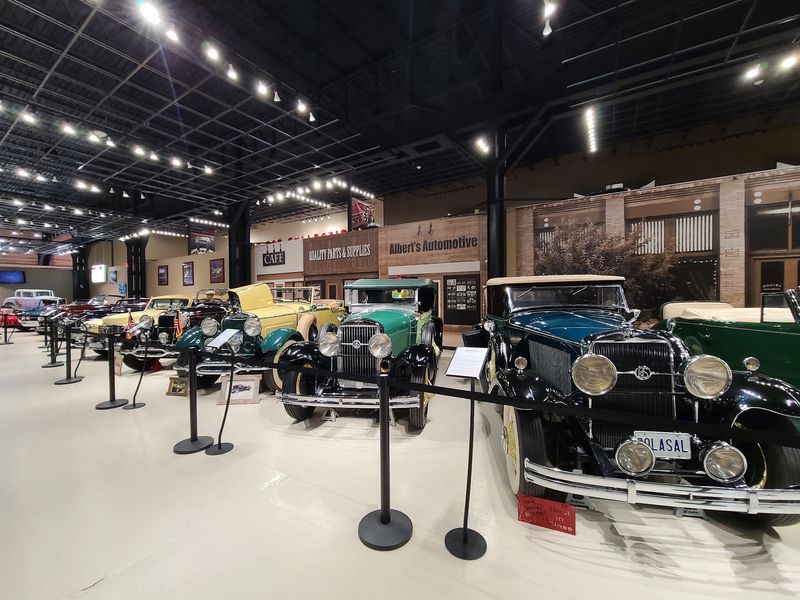
Every great collection starts with someone who simply could not stop buying cars, and this museum is no different. Bernie and Janice Taulborg spent more than four decades acquiring and restoring vintage vehicles before donating 100 of them in 2011 to form the foundation of what is now The American Automobile Experience.
That founding gift was remarkable not just for its size but for its diversity. The Taulborgs gathered automobiles spanning multiple eras, body styles, and manufacturers, giving the museum an instantly comprehensive character that many newer institutions spend decades trying to build.
Their dedication to meticulous restoration meant that every donated vehicle arrived in exceptional condition, ready to be admired rather than simply preserved.
The legacy of that original donation continues to shape the museum’s identity today, setting a high standard for the vehicles that join the collection afterward. It is a powerful reminder of what personal passion, sustained over a lifetime, can ultimately give back to an entire community.
A Constantly Revolving Fleet of Beauties
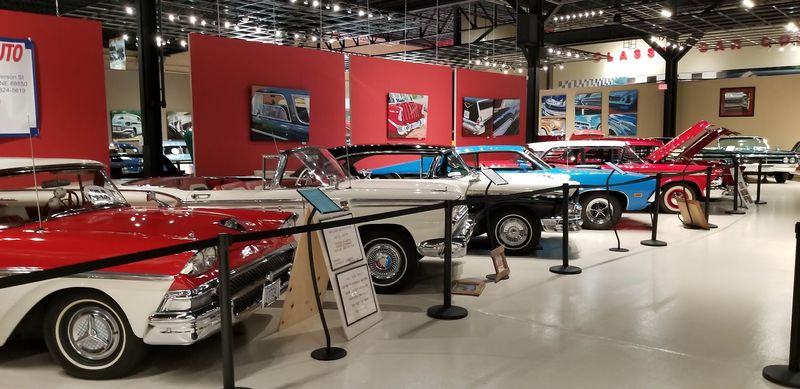
One of the smartest things this museum does is refuse to stand still. The core permanent collection is impressive on its own, but approximately 60 additional vehicles rotate through on loan from private owners and other institutions, meaning the showroom floor genuinely changes over time.
Return visitors consistently report that a second or third trip feels like an entirely different experience, which is a rare quality for any museum to achieve. On a recent visit, the floor featured several custom-built cars belonging to Metallica guitarist James Hetfield, a display that drew car enthusiasts and rock music fans alike through the front door in surprising numbers.
Three stunning bubble-top cars were also part of the lineup during that same period, drawing long pauses from nearly every visitor who passed them. The rotating philosophy keeps the staff energized and the conversation fresh, and it guarantees that even a seasoned visitor will find something unexpected waiting around the next corner of the exhibit floor.
Rare Finds That Make Collectors Go Quiet
Some museums have quantity. This one has quantity and rarity, which is a combination that genuinely separates it from the pack.
Among the vehicles that have graced the floor are a 1930 Lincoln Convertible by LeBaron, one of only 80 ever produced, and a 1930 Lincoln Dual Cowl Phaeton, with a production run of just 20 units worldwide.
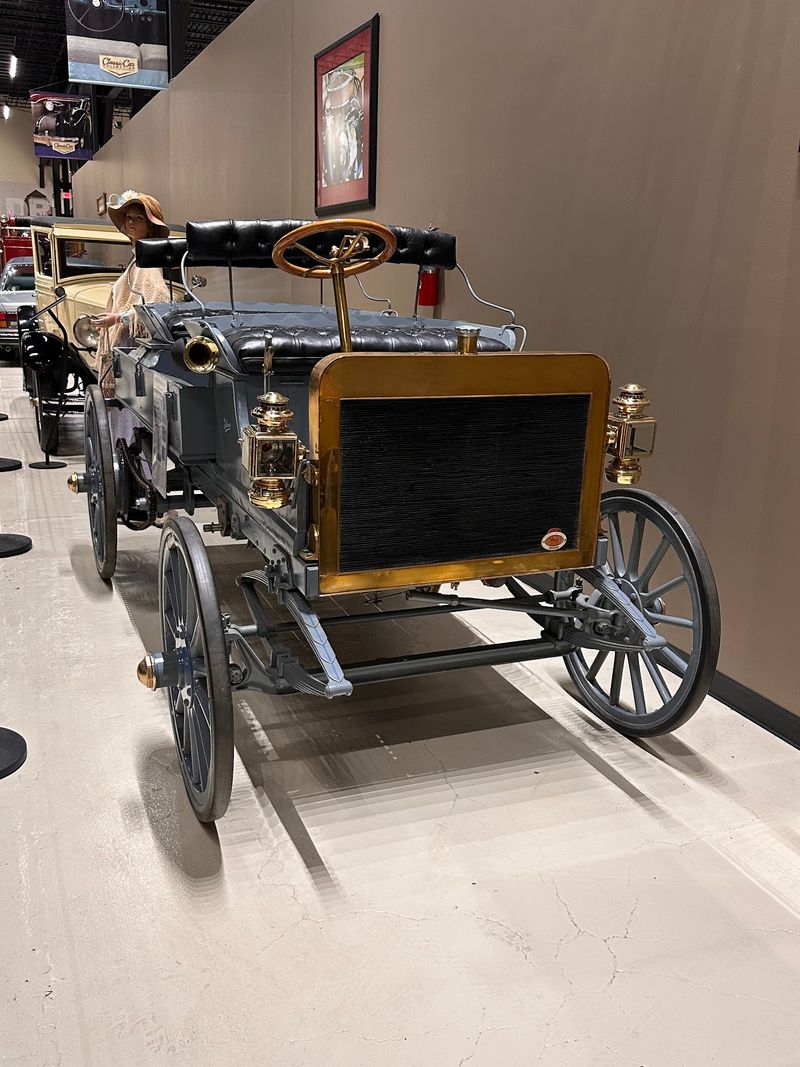
Early marques like Locomobile and Pierce-Arrow appear here as well, vehicles that most enthusiasts have only ever seen in old photographs. The muscle car section adds serious horsepower to the mix, with highlights including a supercharged Shelby Mustang GT 350, a 1968 Dick Harrell Super Chevelle, and an extraordinarily rare 1970 Baldwin Motion Phase III Chevelle, one of only three known to exist.
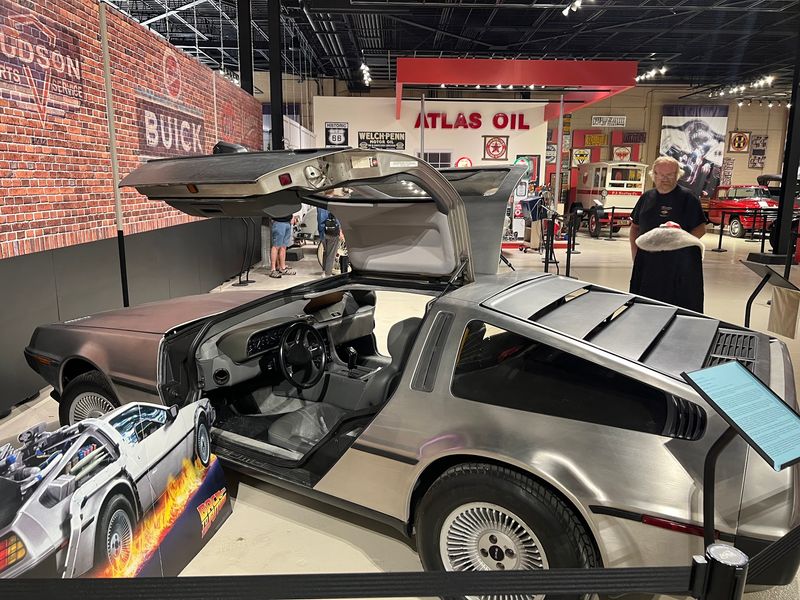
European sports cars from Ferrari, Porsche, and DeLorean round out the collection, ensuring that the exhibit appeals to a genuinely broad range of tastes. Seeing cars this rare gathered in one Nebraska building feels almost improbable, which makes the experience all the more satisfying.
Stepping Back in Time: The 1950s Service Station
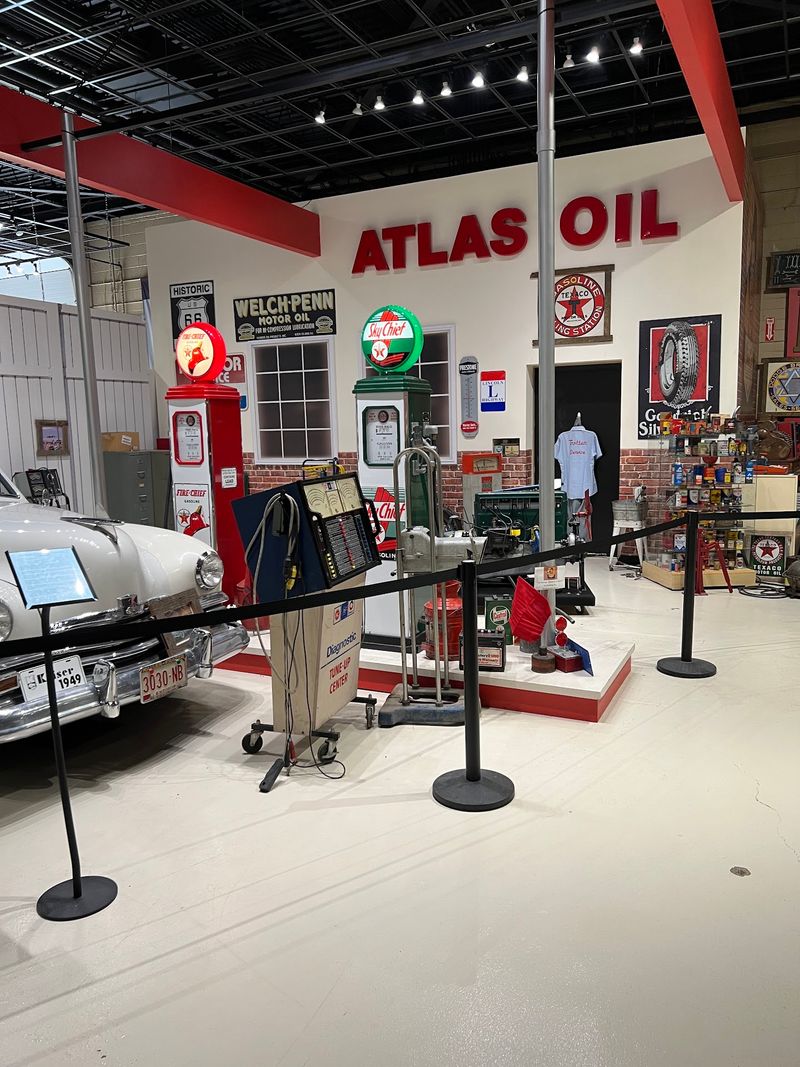
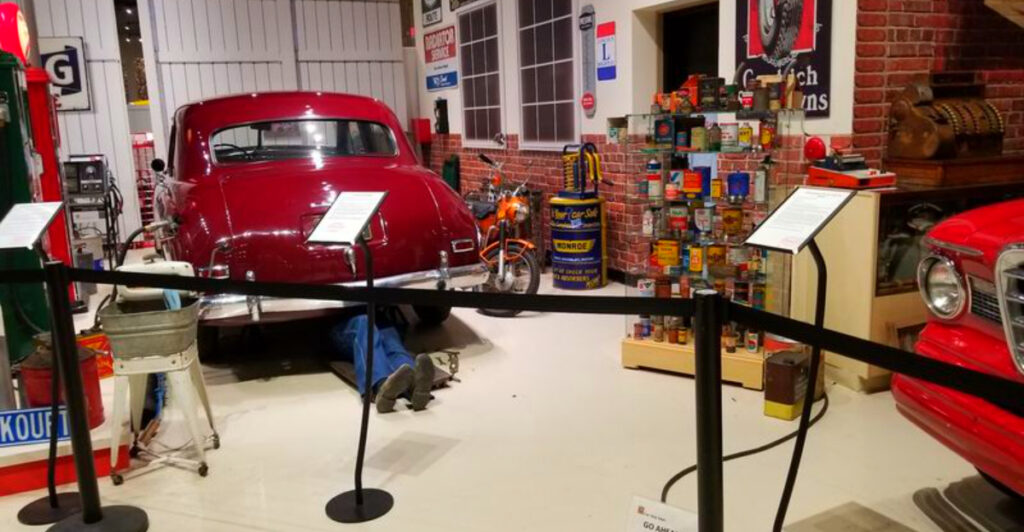
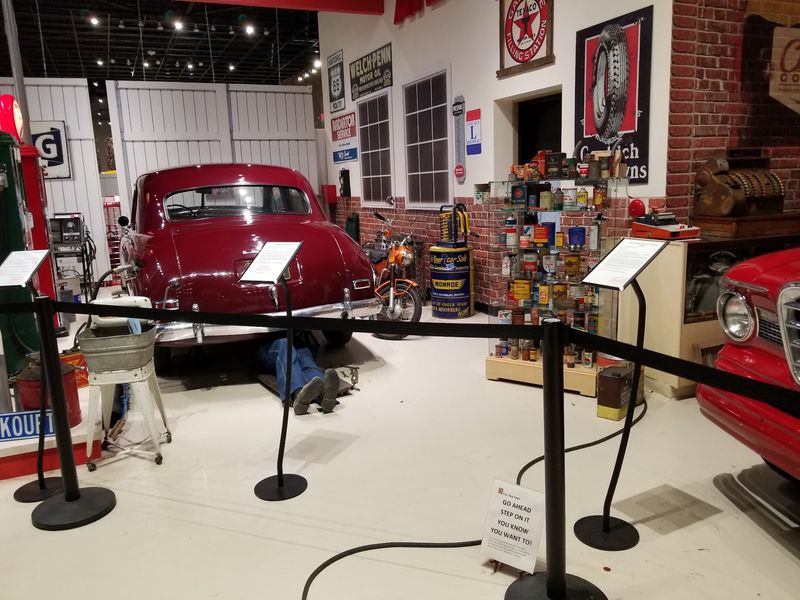
Not every exhibit here has four wheels and a hood ornament. One of the most charming displays in the entire building is a meticulously recreated 1950s service station, complete with period-accurate pumps, vintage signage, lifelike mannequins, and the kind of authentic small details that make you instinctively slow your pace.
The exhibit does something clever by pairing the nostalgic setting with a subtle educational thread, showing the tools that technicians once used alongside more modern equipment to illustrate just how dramatically vehicle maintenance has evolved. It is not a lecture; it feels more like a conversation between eras.
Standing inside this recreated pit stop, it becomes surprisingly easy to picture a sun-faded station wagon pulling in off a long summer highway, the driver rolling down the window to ask for a fill-up and directions. That ability to make history feel personally relatable, rather than distant and academic, is exactly what sets this museum apart from a simple row of cars behind velvet ropes.
A Silver Screen Drive Down Memory Lane
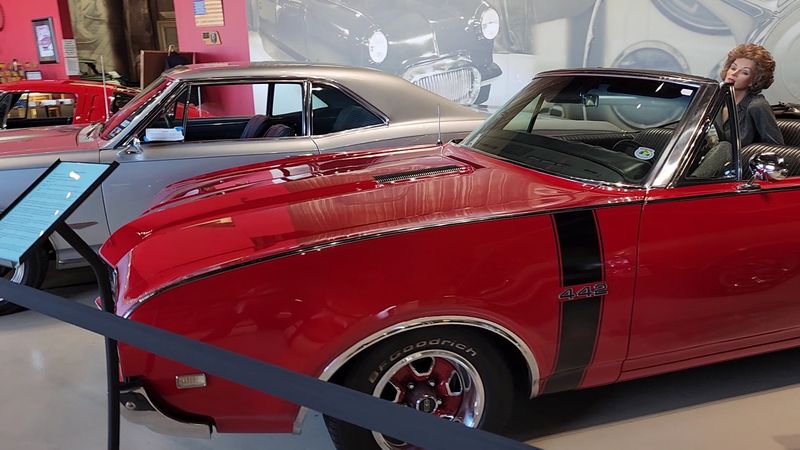
Few things are more purely American than watching a movie from the front seat of your car on a warm summer night, and this museum pays genuine tribute to that tradition. The Drive-In Theater exhibit is one of the most evocative displays in the building, capturing the atmosphere of a mid-century outdoor cinema with thoughtful props and period details.
What gives this particular exhibit its local heart is the inclusion of the original vintage ticket booth from Kearney’s own drive-in theater, a piece of authentic regional history that connects the display directly to the community surrounding it. That small detail transforms the exhibit from a generic nostalgia piece into something with a real story attached.
Cars and movies grew up together in American culture, each feeding the other’s mythology, and this display captures that relationship with warmth and specificity. Visitors who grew up attending drive-ins tend to linger here longer than anywhere else in the building, and you can usually tell exactly who they are by the look on their faces.
Hands-On History: Interactive Exhibits That Actually Engage
Plenty of museums ask you to keep your hands to yourself. This one takes a refreshingly different approach, building interaction directly into the experience.
Visitors can jump on hoses to ring bells in a nod to vintage service station culture, a detail that seems simple but consistently delights guests of every age group.
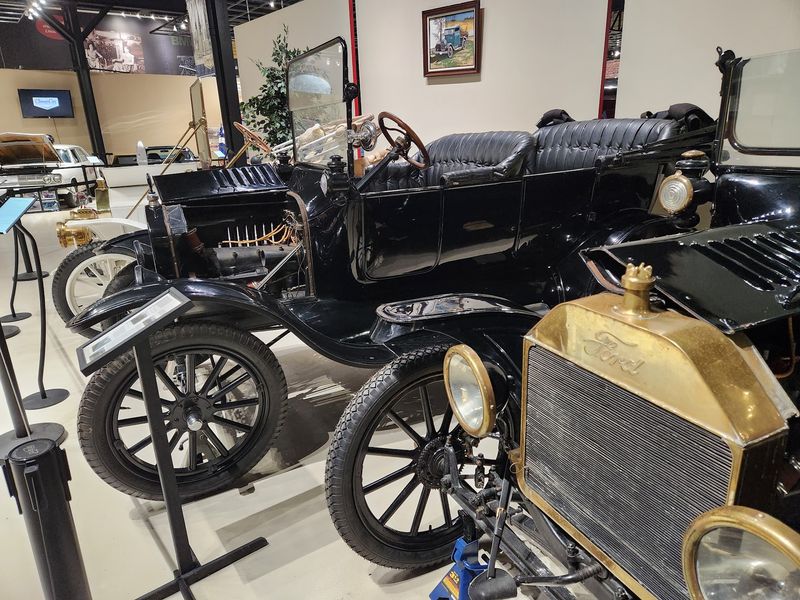
The opportunity to sit inside actual Model T cars for photographs is another highlight, offering a tactile connection to automotive history that a photograph behind glass simply cannot replicate. Few things make history feel as immediate as gripping a century-old steering wheel with your own hands.
The museum’s Car Hoods Project adds a modern layer to all of this analog charm. Large, recreated car hoods serve as curved video screens, playing historical footage and entertaining content that contextualizes the vehicles on the floor.
The combination of hands-on fun and thoughtful multimedia presentation ensures that visitors of every background, whether they know carburetors from crankshafts or not, leave with something meaningful from the visit.
The Artistry Hidden Beneath Every Hood
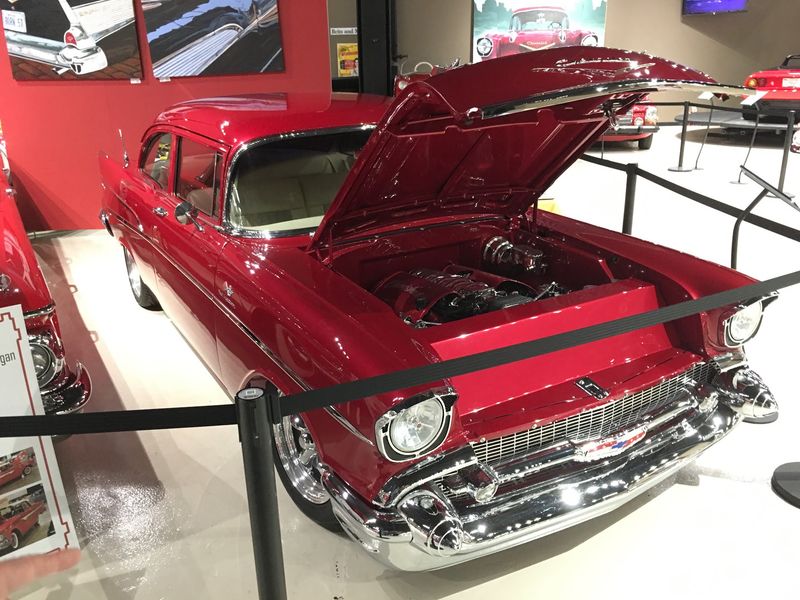
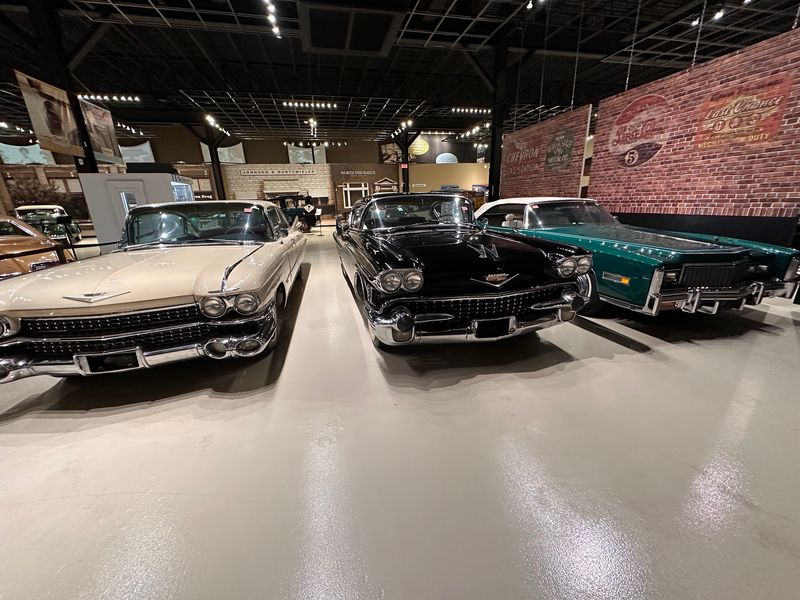
There is a particular moment in this museum when you stop thinking about horsepower and start thinking about design. The 1950s Cadillac section tends to trigger it, where the dramatic tailfins and chrome accents feel less like engineering decisions and more like sculptural statements about optimism and ambition.
The museum frames these vehicles as cultural objects, not just mechanical ones, and that perspective changes how you look at everything on the floor. Authentic period artwork and carefully chosen memorabilia are arranged alongside the cars to show how automobile design intersected with broader artistic and social movements of each decade.
A 1938 Rolls Royce Wraith Limo occupies its own quiet authority in the collection, the kind of vehicle that makes nearby cars seem to straighten up a little. Every surface tells you something about the era that produced it, the materials available, the tastes that were fashionable, and the aspirations that a particular generation poured into metal and glass.
That layered storytelling is what elevates this museum beyond a simple showroom.
Community Roots and the Volunteers Who Keep It Running
Behind every polished fender in this building is a network of people who genuinely care about keeping automotive history alive. The American Automobile Experience operates as a non-profit organization, which means its continued success depends on volunteers, donors, and the enthusiasm of the surrounding community in ways that commercial attractions simply do not.
The staff earns consistent praise for their knowledge and warmth. Conversations that start with a quick question about a particular model regularly turn into extended discussions about restoration techniques, racing history, or the personal story behind a specific vehicle.
That kind of engagement is not scripted; it comes from people who actually love what they are talking about.
The museum also offers a vehicle storage program, allowing private owners to house their qualifying classic cars in the climate-controlled facility while sharing them with the public as part of the broader collection. The event space is available for private gatherings, making it possible to host a wedding or corporate function surrounded by some of the most beautiful machines ever built.
Planning Your Visit: Hours, Tickets, and Practical Tips
Getting the logistics right before you arrive will make your visit significantly more enjoyable, so here is what you actually need to know. The museum is open Tuesday through Saturday from 11:00 a.m. to 6:00 p.m. and Sunday from 12:00 p.m. to 5:00 p.m.
Hours can occasionally vary, so a quick call to (308) 234-1964 or a check of americanautoexperience.com before you leave is always a sensible move.
General admission is priced at $12.00, with discounted rates of $10.00 for seniors aged 60 and older and active military, $8.00 for juniors between 6 and 17, and free entry for children aged 5 and under. Groups of 15 or more also pay the reduced rate of $8.00 per person, making it a practical choice for organized tours and school outings.
The facility is fully ADA-compliant and even keeps mobility scooters available for visitors who need them, a thoughtful detail that reflects genuine hospitality. Free parking, including dedicated bus and motorcoach spaces, and an on-site gift shop round out the practical amenities nicely.
Partnerships That Expand the Story Beyond Kearney
One of the more unexpected pleasures of visiting this museum is discovering how actively it collaborates with other institutions rather than treating neighboring attractions as competition. A recent partnership with the Harold Warp Pioneer Village in Minden, just 20 miles away, resulted in a creative vehicle swap that benefited both locations simultaneously.
The historic 1953 Corvette from Pioneer Village traveled to Kearney for a temporary display, while a 1963 Chrysler 300 with a meaningful local connection made its way to Minden. That kind of collaborative spirit creates a regional circuit for automotive enthusiasts, encouraging visitors to explore multiple sites rather than treating each as an isolated stop.
Between the two institutions, over 500 vintage and classic vehicles become accessible within a short drive, which is a genuinely compelling proposition for anyone serious about automotive history. These partnerships also signal something encouraging about the museum’s broader mission: preserving and sharing the story of the American automobile is a project big enough to require many hands, and this team clearly understands that.
Why This Museum Deserves a Spot on Every Road Trip Route
Road trips are supposed to produce stories worth telling, and this museum reliably delivers exactly that. The combination of rare vehicles, rotating exhibits, authentic period displays, and genuinely knowledgeable staff creates an experience that holds up well against much larger, better-known automotive museums in major cities.
Most visitors report spending between one and three hours inside, which is a wide range that tells you something useful: the museum rewards both a quick pass-through and a slow, deliberate exploration equally well. First-time visitors tend to underestimate how much there is to see, then find themselves still wandering long after they planned to leave.
The American Automobile Experience sits at a crossroads, literally and figuratively, between the practical and the poetic. It preserves machines that changed how America moves, worked, plays, and sees itself, and it does so with care, creativity, and a clear respect for the people who come to learn.
Any road that leads here is, without question, a road worth taking.
Share this story