Tucked away in the quiet countryside of southeastern New Hampshire, one extraordinary garden transforms a former dairy farm into a world of whimsical sculptures, rare plants, peaceful woodlands, and imaginative landscapes. Visitors come to wander through themed garden rooms, discover one-of-a-kind works of art, stroll scenic woodland trails, and experience a place where creativity and nature blend together in unforgettable ways. It’s the kind of place where every winding path reveals another delightful surprise waiting just around the corner.
The experience extends far beyond the gardens themselves. Outdoor sculptures, beautiful seasonal blooms, tranquil ponds, guided tours, woodland trails, family-friendly festivals, and decades of inspired craftsmanship have made this one of New England’s most remarkable public gardens. Whether you’re an avid gardener, an art lover, or simply looking for a peaceful day outdoors, it’s easy to understand why visitors return season after season.
Here’s why Bedrock Gardens has become one of New Hampshire’s most enchanting destinations and one of New England’s best places to experience the perfect blend of art, horticulture, and imagination.
An Unexpected Oasis in Lee, New Hampshire
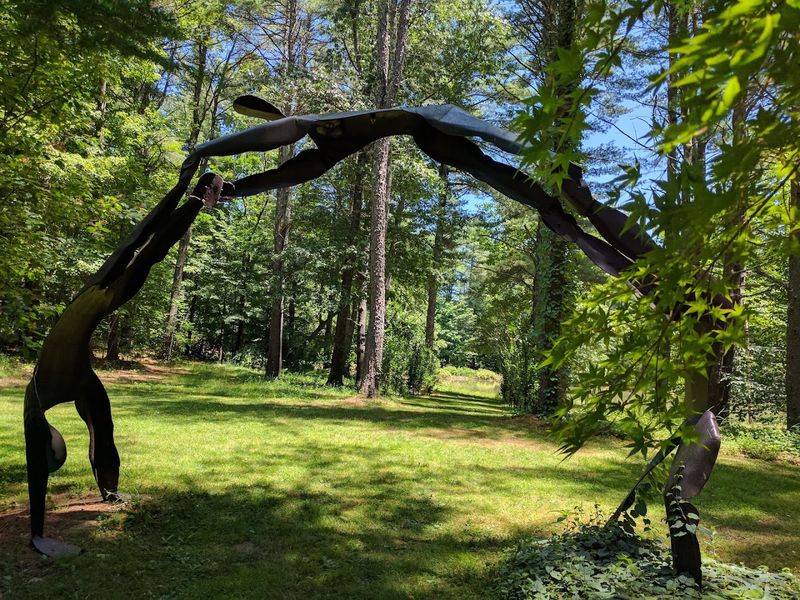
Some of the best discoveries happen when you least expect them, and that was certainly true the first time I pulled up to 19 High Road, Lee, New Hampshire 03861, the address of Bedrock Gardens. The property sits in a quiet corner of southeastern New Hampshire, roughly twenty miles inland from the seacoast and conveniently placed between Boston and Portland, Maine.
What greets you is not a polished, corporate-feeling attraction but something far more personal. The thirty-acre grounds were once an abandoned dairy farm, complete with a farmhouse dating to around 1740 and a barn built in 1874. Today, those same fields hum with creative energy, botanical variety, and artistic ambition that took four decades to cultivate.
The garden holds a 4.8-star rating from hundreds of visitors, which tells you something meaningful before you even set foot on the property. You can reach them at 603-659-2993 or visit bedrockgardens.org to plan your trip.
The Story Behind Bedrock Gardens
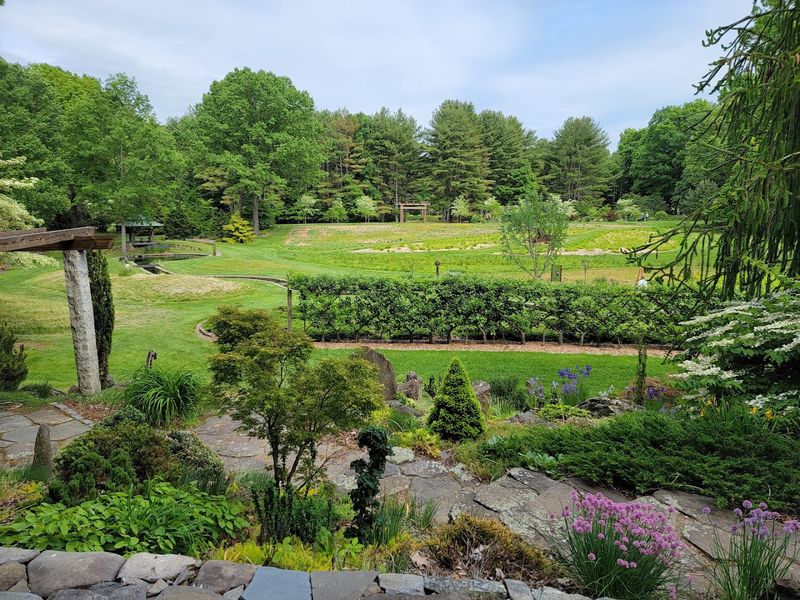
Every great garden has an origin story, and the one behind this New Hampshire treasure is particularly compelling. Jill Nooney and Bob Munger purchased the neglected 37-acre property in 1980, at a time when it was little more than scrub forest, thickets of poison ivy, and overgrown fields.
Their backgrounds could not have been more different, which may be exactly why the garden turned out so well. Jill, a retired clinical social worker with a certificate in landscape design, brought an experimental and irreverent artistic sensibility to every decision. Bob, a retired physician who initially claimed to dislike gardening, discovered a deep love for construction, stonework, and practical problem-solving as the project grew.
Together, they worked largely with their own hands for nearly four decades, transforming the land bed by bed, path by path. Their partnership became the quiet engine behind every sculpture, every planting, and every carefully considered vista that visitors now enjoy throughout the property.
Sculptures That Rewrite the Rules of Garden Art
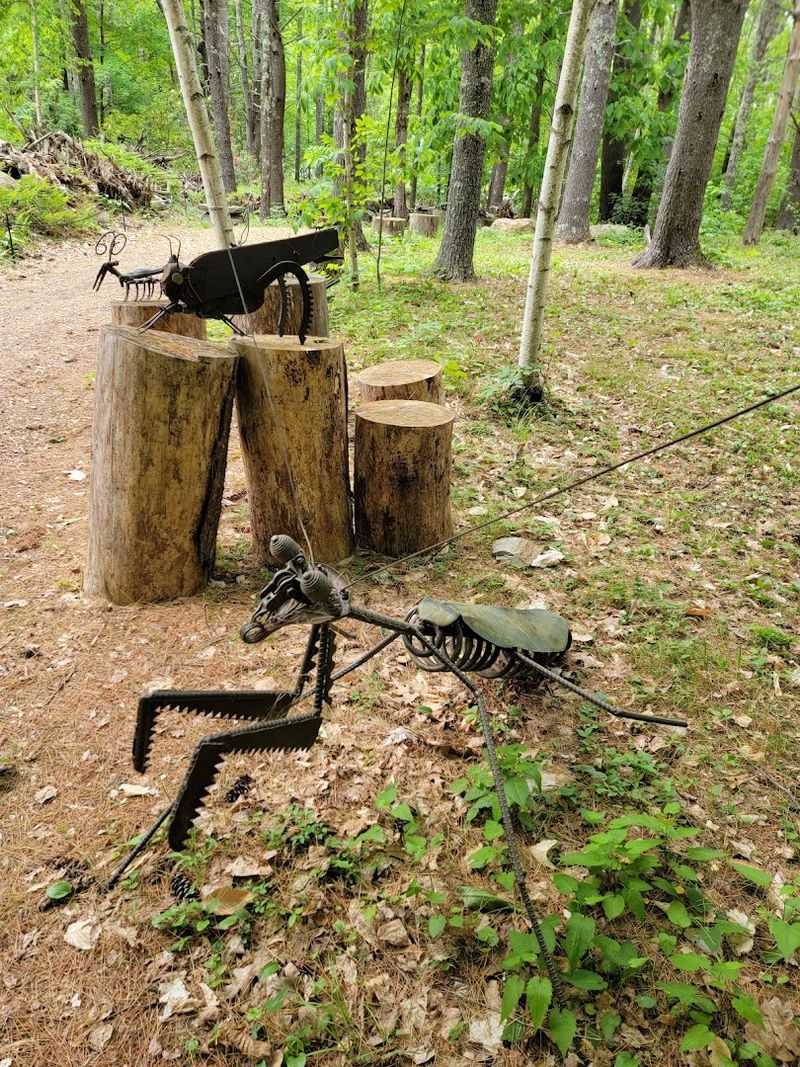
Forget the idea of a classical stone cherub or a simple birdbath. The sculptures at this garden operate on an entirely different creative frequency. Jill Nooney crafts her pieces primarily from salvaged farm equipment and industrial metal, transforming bulldozer sprockets, cutter bar blades, and other discarded materials into bold, character-filled forms.
The results are genuinely surprising. “Monocula” stands tall among the greenery with quiet authority, while the “Metal Folk” series suggests unseen conversations between abstract metallic figures. Bug Alley might be the most playful stretch of the entire property, featuring life-sized insect sculptures assembled from found objects. An old metal iron becomes a grasshopper’s head. An upturned bicycle seat forms the body of a praying mantis.
These pieces are not decoration in any conventional sense. They are characters in an ongoing story, placed with intention throughout the landscape so that every turn of the path introduces a new personality. The art here earns its place in the garden rather than simply occupying it.
The Horticultural Depth Beneath the Whimsy
The sculptures get a lot of attention, and rightfully so, but the botanical achievements at this garden deserve equal recognition. The plant collection here is genuinely extraordinary, showcasing unusual specimens of trees, shrubs, and perennials that most visitors would struggle to identify without a plant app in hand.
One of the standout features is a 100-foot fence lined with eleven varieties of espaliered apple trees, a technique that flattens and trains the trees into elegant two-dimensional forms against a support structure. It is both agriculturally practical and visually stunning, a perfect example of how form and function coexist throughout the property.
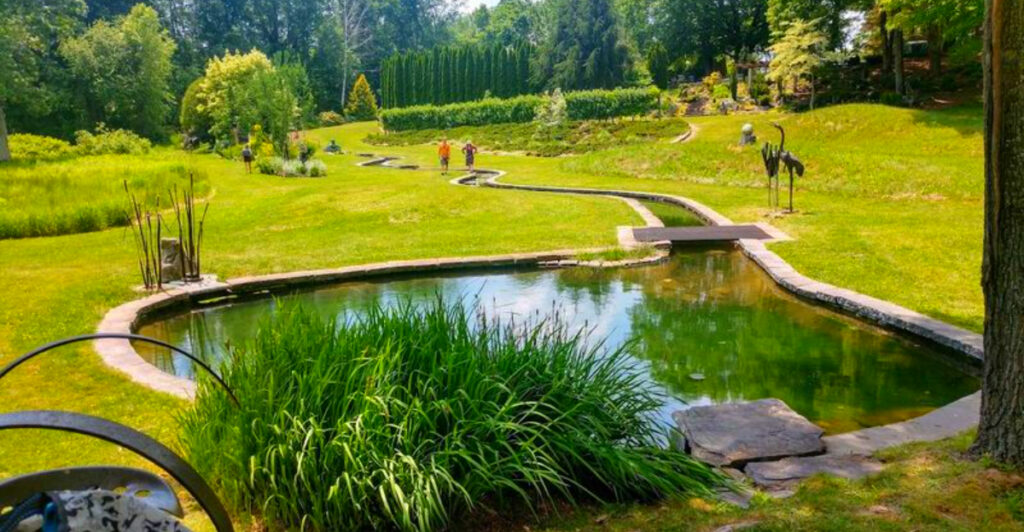
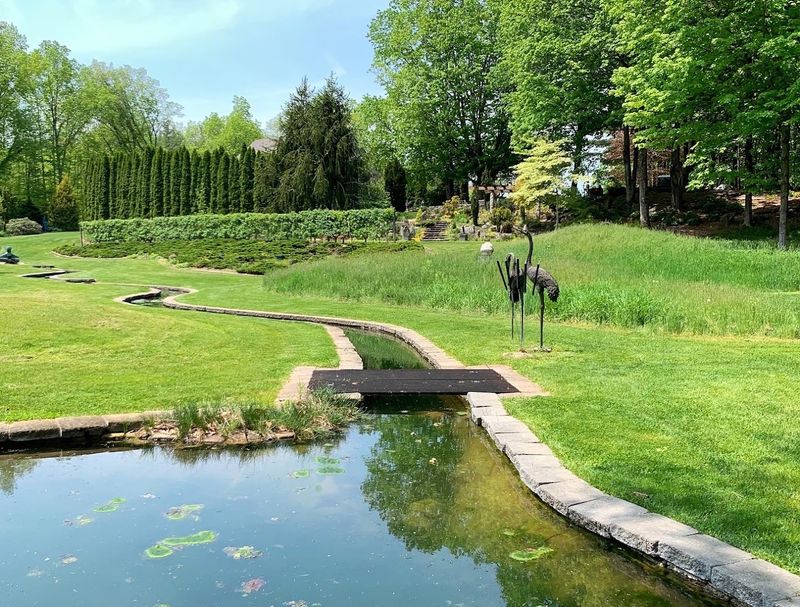
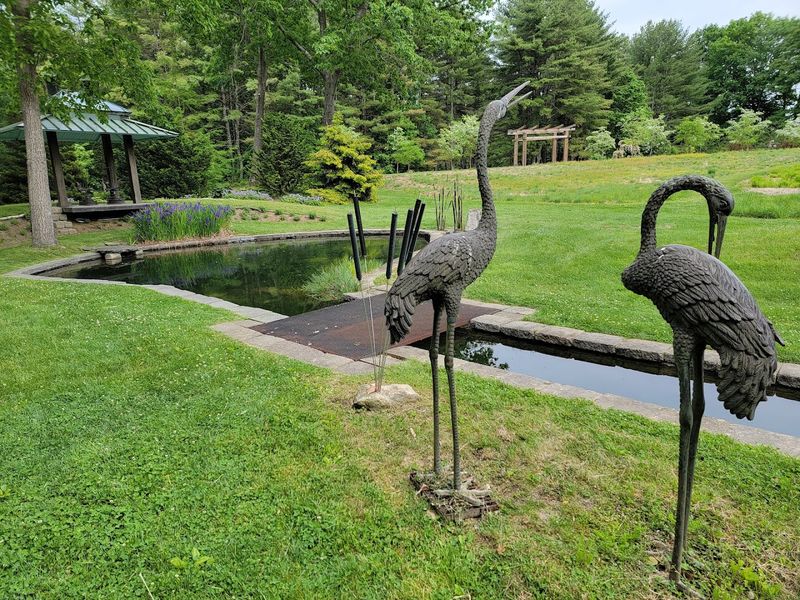
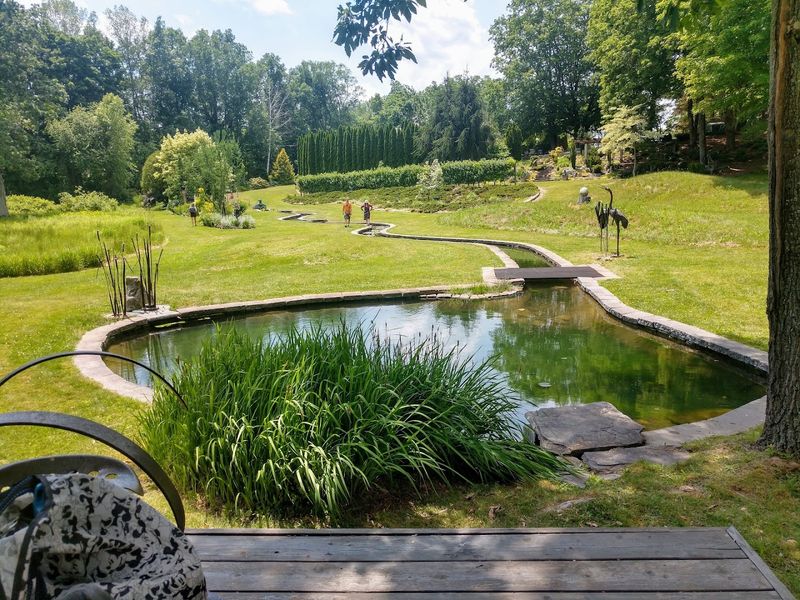
The garden also maintains a one-acre wildlife pond with a bridge, supporting local ecosystems while providing one of the most serene spots on the entire property. Two miles of woodland trails wind through the natural areas, offering a quieter, shadier counterpart to the more cultivated garden spaces. Seasonal change keeps the landscape feeling fresh on every return visit, which many regulars take full advantage of.
Distinct Garden Rooms That Each Tell a Different Story
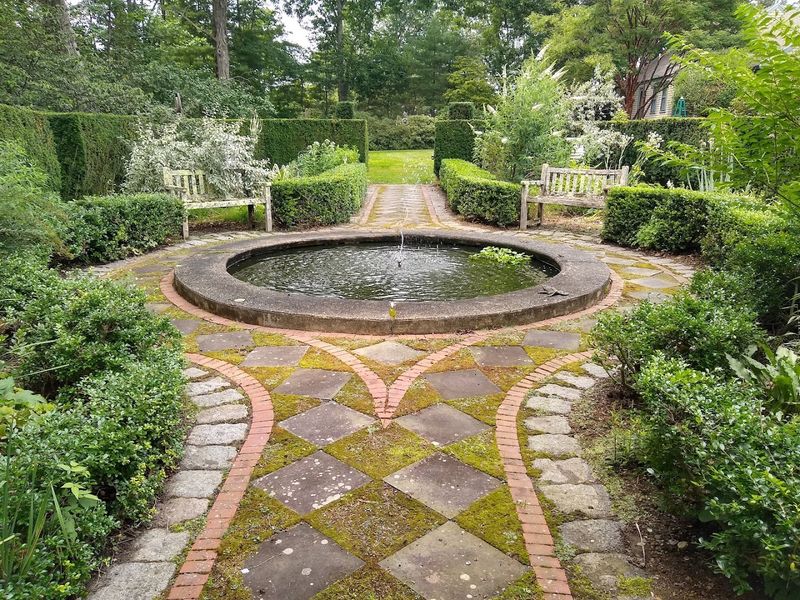
One of the most clever design choices at this property is the way it divides itself into distinct outdoor rooms, each with its own mood, palette, and purpose. Near the main farmhouse, a formal parterre garden is enclosed by a clipped yew hedge, with a diamond-patterned bluestone path leading to a tranquil circular pool and fountain. The color scheme here leans deliberately toward whites, greens, and grays, creating a calming visual reset before the more adventurous areas begin.
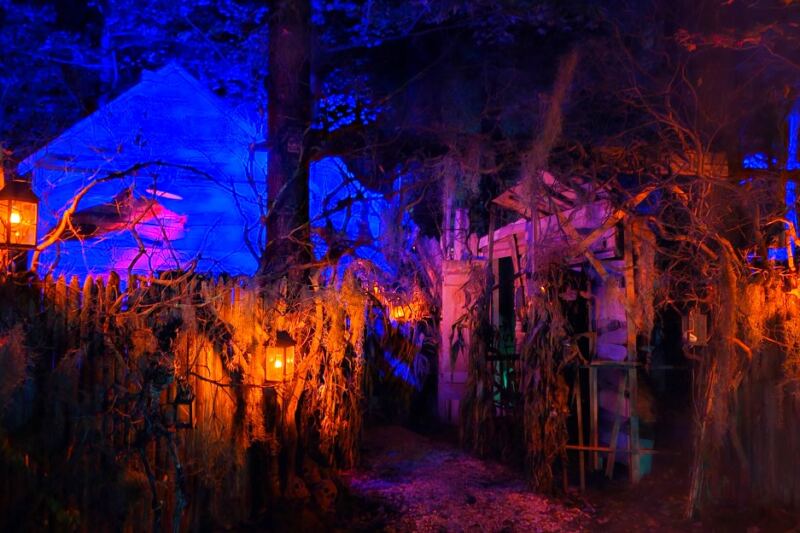
The Spiral Garden takes a more meditative approach, its Fibonacci-inspired paving encouraging a slow, thoughtful walk inward. Then the Dark Woods shifts the mood entirely, a grove of artistically treated dead trees populated with sculptural ghosts, spiders, and shadowy creatures that feel ancient and mysterious.
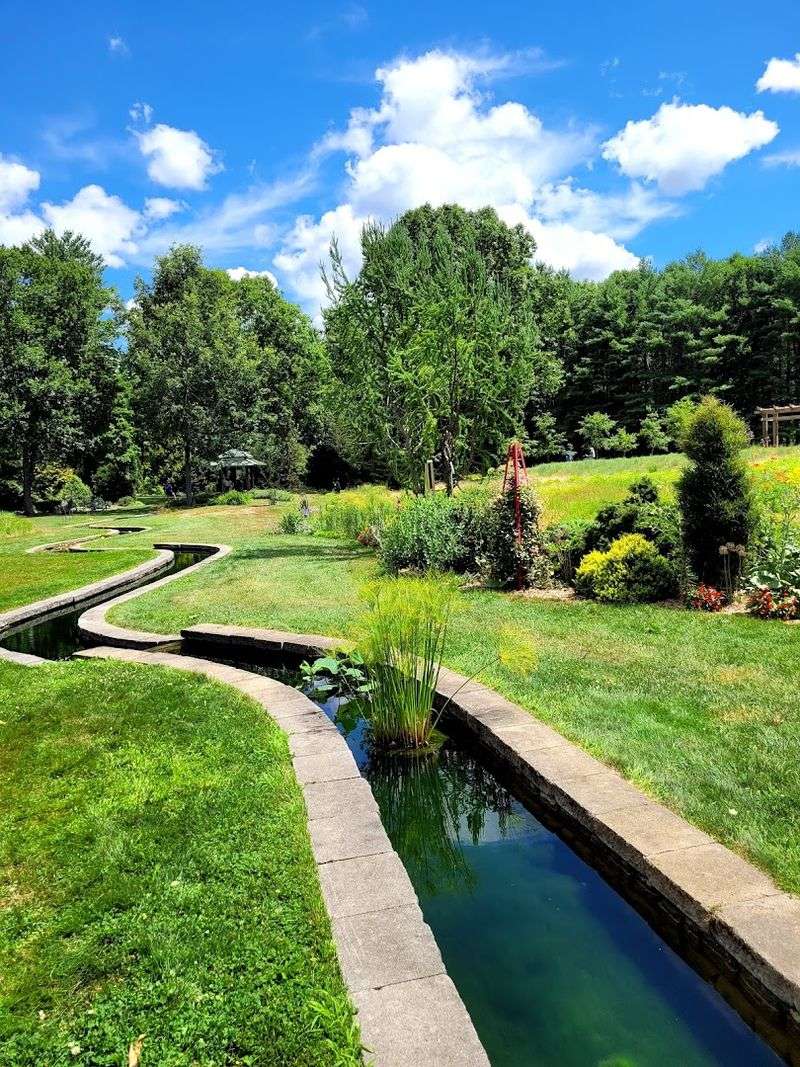
Perhaps the most playful feature is the Wiggle Waggle, a 200-foot-long wavy water channel planted with lotus and water lilies. Its gentle curves add both movement and sound to the landscape, making it one of the most photographed and remembered features of the entire garden.
The Philosophy Behind “The Garden as a Journey”
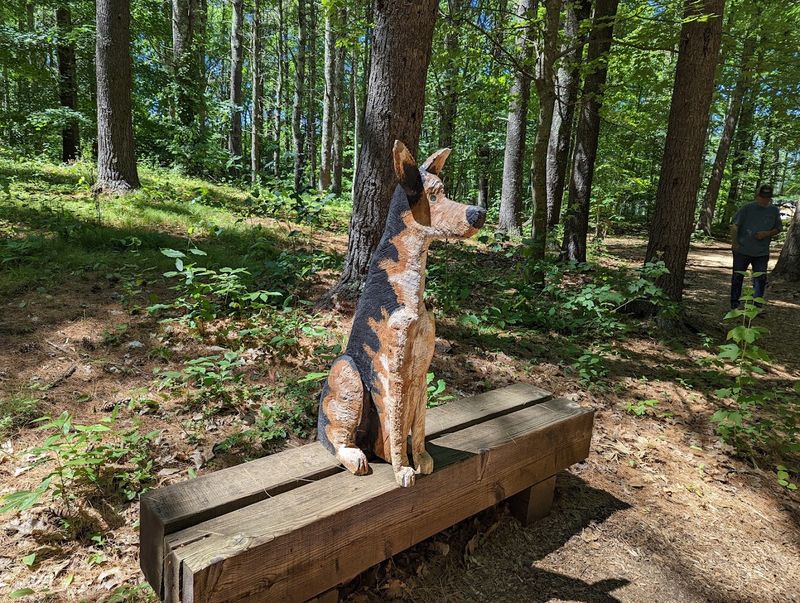
Most gardens invite you to look. This one asks you to travel. The creators of Bedrock Gardens built the entire property around a guiding philosophy they describe as “the garden as a journey,” meaning that the experience is intentionally sequential, unfolding through a series of distinct spaces or “events” rather than presenting everything at once.
This approach changes how you move through the property. Instead of wandering freely without context, you are gently guided through a progression of moods, from formal serenity to woodland mystery to playful whimsy, each space preparing you for the next. The paths themselves carry meaning, designed to slow you down, redirect your attention, and occasionally surprise you with something you did not anticipate.
The result is a visit that feels narrative rather than static. Visitors consistently note that the garden rewards slow exploration, and many who rush through in under an hour report wishing they had taken more time. Those who linger, pausing on benches and doubling back on trails, tend to discover the details that make this place genuinely memorable.
From Private Labor of Love to Public Treasure
For most of its existence, this remarkable property remained a private sanctuary. Jill and Bob cultivated it for their own joy and creative expression, sharing it selectively rather than opening it broadly to the public. The shift toward becoming a public destination was gradual, driven by a growing recognition of the garden’s cultural and artistic significance.
The process of becoming a 501(c)(3) non-profit organization took approximately ten years, a reflection of the complexity involved in transitioning a personal project into a community institution. In 2019, practical infrastructure improvements arrived, including a 98-space parking lot, a welcome kiosk, and modern restrooms, all designed to accommodate larger visitor numbers comfortably.
The most significant milestone came in 2023, when Jill and Bob gifted twenty-five acres of the property to the newly formed Friends of Bedrock Gardens. This act of generosity secured the garden’s future as a public resource, ensuring it will continue to inspire and delight visitors for generations to come. The transition from private passion to public treasure feels like a natural extension of the garden’s generous spirit.
The Fairy and Hobbit House Festival That Brings Storybooks to Life
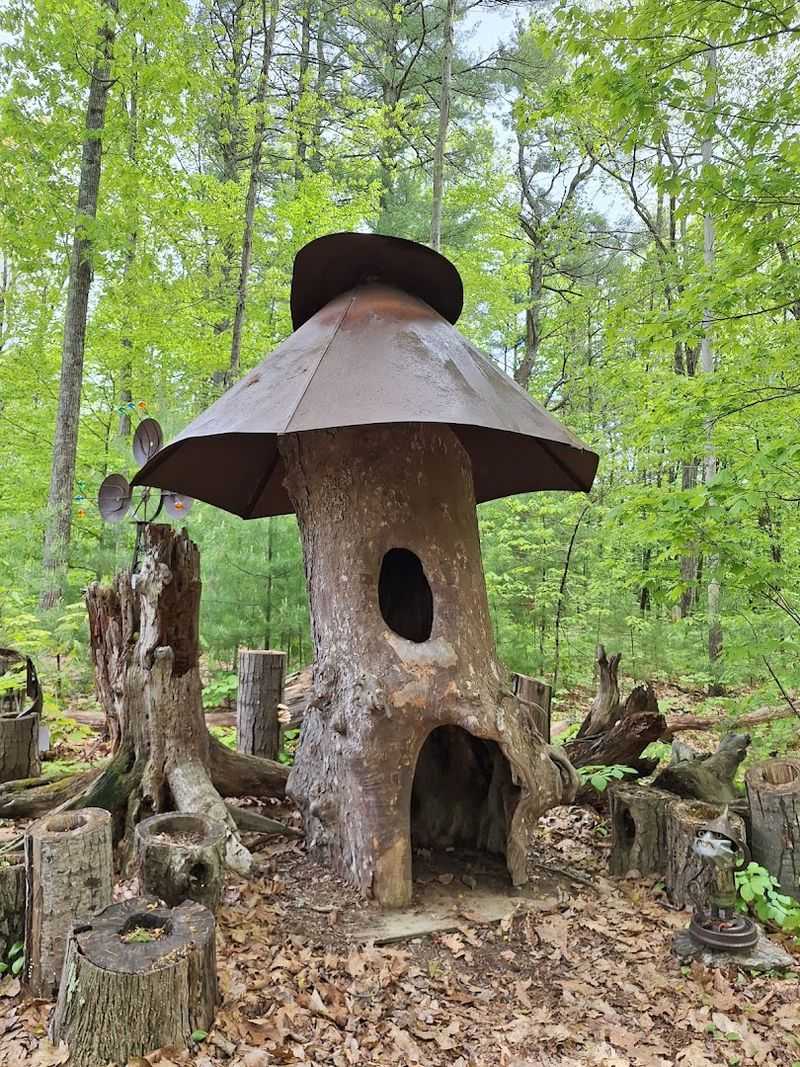
Once a year, the woodlands at this New Hampshire garden transform into something that even the most skeptical adult would struggle to resist. The Fairy and Hobbit House Festival turns the property into an Enchanted Village, drawing visitors of all ages who arrive in costume, ready to participate in one of the most genuinely whimsical outdoor events in the region.
The centerpiece activity is the fairy house building station, affectionately nicknamed the “Gnome Depot,” where guests use natural materials to construct tiny homes for imaginary woodland residents. A design competition adds a friendly layer of creativity and friendly rivalry, with entries ranging from delicate twig structures to elaborate multi-room constructions.
The festival also features trinkets and handmade goods for sale, snacks, and the kind of relaxed, community-centered energy that makes it feel more like a neighborhood celebration than a formal event. Families with young children consistently describe it as a highlight of their New Hampshire summer. If your schedule allows for only one visit, timing it around this festival is a decision you will not regret.
Practical Tips for Planning Your Visit
Getting the most out of a visit here requires a small amount of advance planning, and it is absolutely worth the effort. Bedrock Gardens is generally open from mid-May through mid-October, with hours running Tuesday through Friday from 10:00 AM to 4:00 PM. The garden also opens on the first and third weekends of each month, though checking bedrockgardens.org before your trip is always a smart move since schedules can shift around special events.
Admission operates on a suggested donation model, typically around fifteen dollars per adult, with children under twelve often admitted free. The garden is committed to accessibility, offering handicap parking, accessible restrooms, and some wheelchair-friendly trails. Visitors who need additional support can arrange a golf cart accessibility tour by calling ahead.
A few practical notes worth remembering: bring water on warm days, wear comfortable walking shoes, and download a plant identification app before you arrive because the botanical variety here will test even experienced gardeners. The garden also sells pre-ordered boxed picnic lunches, which make for a wonderfully relaxed midday break surrounded by the scenery.
The Atmosphere That Keeps Visitors Coming Back
There is a particular quality to the atmosphere at this garden that is genuinely difficult to articulate but immediately felt. It is serene without being sterile, playful without being chaotic, and personal without feeling exclusive. Visitors consistently describe the experience as restorative, the kind of outing that leaves you feeling quieter and more attentive than when you arrived.
One of the most beloved spots on the entire property is a trio of swivel chairs positioned to face a smaller garden pond. It sounds simple, but the combination of the view, the gentle sounds of water, and the unhurried pace of the surroundings makes it a spot where time seems to slow down in the best possible way.
The staff and volunteers contribute meaningfully to this atmosphere. They are described consistently as welcoming, knowledgeable, and genuinely enthusiastic about the garden. That human warmth, layered on top of the physical beauty of the space, is what transforms a single visit into a recurring habit for many. Some visitors return three times a season and still find new details to notice.
A Destination That Earns Every Word of Its Reputation
By the time I reached the end of the winding path and turned back toward the parking area, I understood why people travel specifically to visit this garden. The Boston Globe has called it one of the most beautiful and intriguing landscapes in New Hampshire, and that assessment holds up under the scrutiny of an actual visit.
The garden also engages meaningfully with the surrounding community, hosting student art installations and collaborating with local artists to keep the programming fresh and locally rooted. That community connection gives the place a vitality that purely commercial attractions rarely achieve.
With a 4.8-star rating drawn from hundreds of reviews spanning multiple years, the consistency of the praise is as impressive as its volume. Visitors ranging from young families to seasoned botanical enthusiasts all seem to find something here that resonates with them personally. Bedrock Gardens is not trying to be everything to everyone, but it manages, somehow, to delight nearly everyone who makes the trip to 19 High Road in Lee. That is a rare and genuine achievement worth celebrating.
Share this story