One small Portsmouth dining room combines two things that rarely appear together this naturally: a waterfront building dating to the early 1800s and a menu that pulls ideas from North Africa, the Mediterranean, Latin America, and the New England coast.
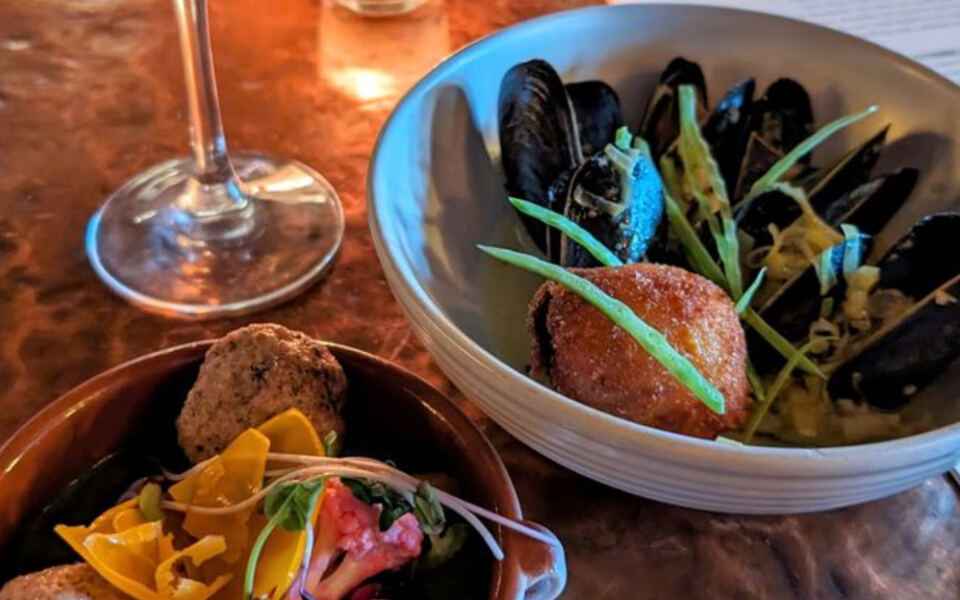
The food changes with the seasons, but past and recurring dishes have included mussels with merguez sausage, slow-braised lamb shank with preserved lemon, seafood paella, quail adobado, hand-dived scallops, and rotating small plates built around whatever the kitchen is most excited about.
Upstairs, a wine bar overlooks the working Piscataqua River, while the chef behind the menu has earned repeated James Beard recognition and even named the restaurant after a wild mushroom he discovered while foraging. The story of how he ended up owning this historic waterfront space is almost as interesting as what comes out of the kitchen.
A Historic Address on Ceres Street
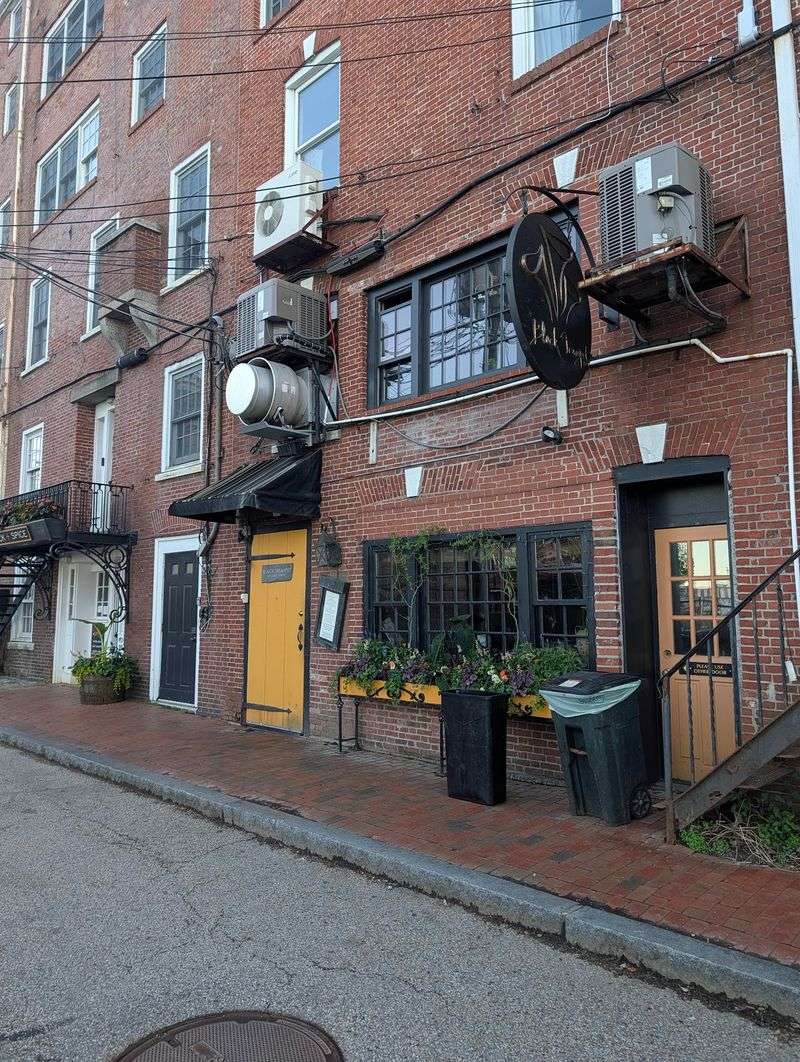
Few restaurants can claim an address as storied as 29 Ceres Street, Portsmouth, New Hampshire 03801, a building constructed around 1803 as part of Merchants Row after a devastating fire reshaped the waterfront. Before Ceres Street even existed as a proper lane, the property sat directly against the Old Harbor, where shipments of whale oil and blubber arrived to be processed into candles and soap in what was then a working chandlery.
The building has housed restaurants since the 1970s, operating under names like Blue Strawbery and Lindbergh’s Crossing before its current chapter began in 2007. Locals still whisper that it may once have been among the tallest structures in the country, and a friendly ghost is said to linger in the walls.
That layered history gives the space a personality no designer could manufacture. The exposed brick, the heavy timber beams, and the faint sheen believed to be old linseed oil on the walls all remind you that this place has been feeding people, in one form or another, for a very long time.
How Chef Evan Mallett Turned a Meal into a Mission
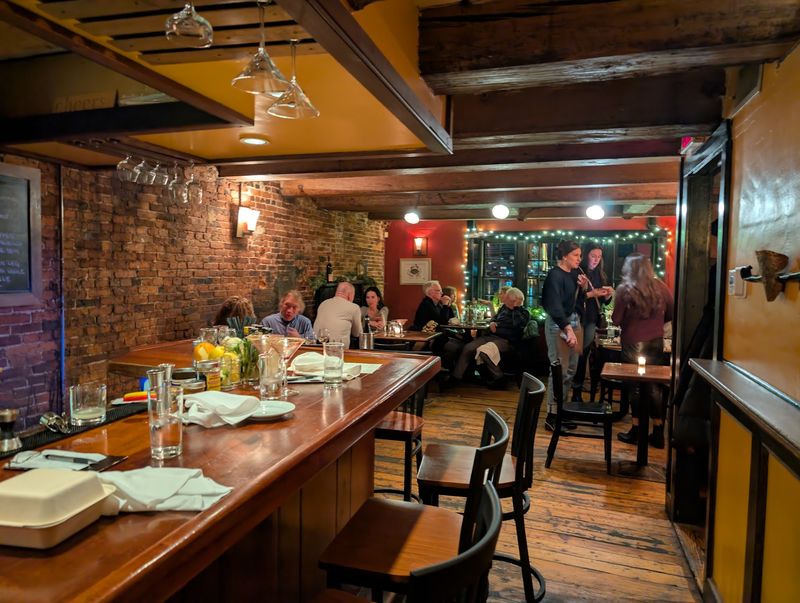
The story of how Black Trumpet came to be is almost too good to be true. Chef Evan Mallett, who had spent years working in advertising and food journalism, sat down for a meal at the very restaurant he would eventually own, and something clicked.
That single dinner sent him on a path that led to culinary school, professional kitchens, and ultimately back to 29 Ceres Street.
In 2007, he and his wife Denise took over the space, renamed it after a wild mushroom he discovered while foraging, and built a menu philosophy rooted in local sourcing and global inspiration. The name itself is a quiet statement: the black trumpet mushroom is humble-looking but intensely flavorful, which is a fitting metaphor for the restaurant as a whole.
Mallett has since earned multiple James Beard semi-finalist nominations for Best Chef Northeast, and the restaurant received a James Beard nomination for Outstanding Hospitality in 2020. His background as a food writer is visible in how deliberately each dish is constructed and described.
The Atmosphere That Keeps People Coming Back
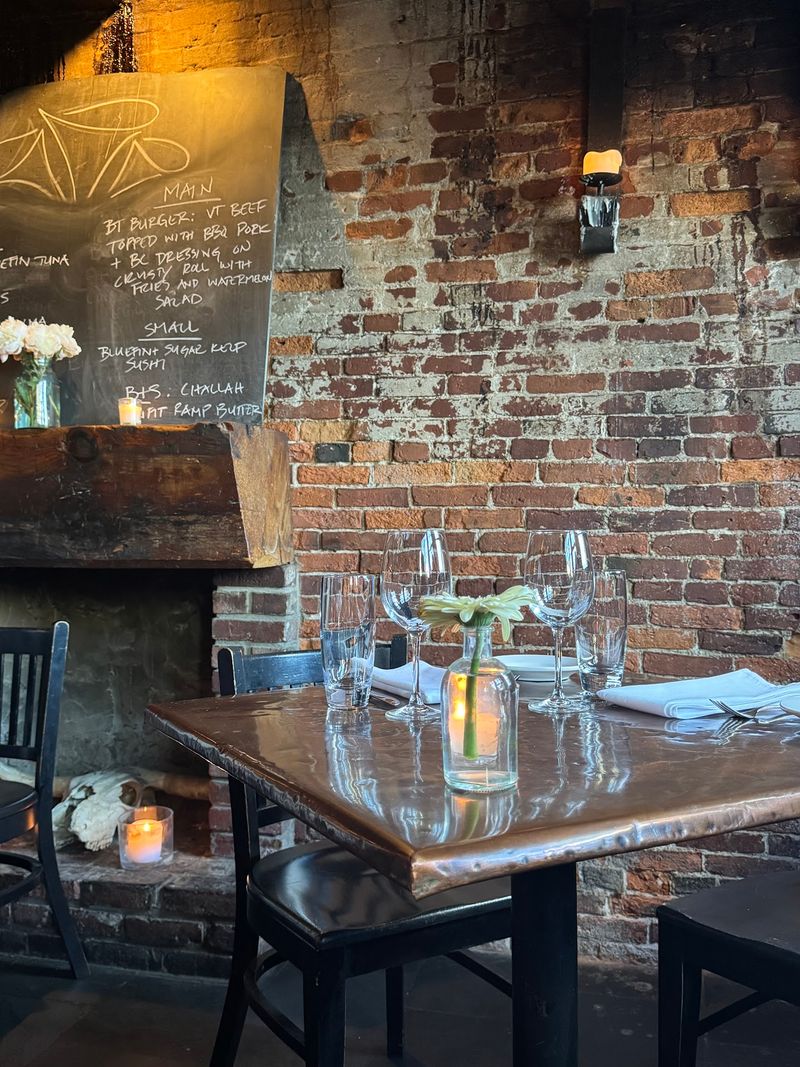
The atmosphere at Black Trumpet is the kind that makes you lower your voice without thinking about it, not because the room demands silence, but because the setting naturally pulls you inward toward whoever is sitting across from you. Low, warm lighting falls across exposed brick and thick wooden beams, creating a glow that feels genuinely romantic rather than artificially staged.
The downstairs dining room carries a slightly more formal energy, while the upstairs space, which includes a wine bar and coveted window seats overlooking the harbor, feels a touch more relaxed. Either way, the room is small enough that you never feel lost in a crowd.
Tables are spaced thoughtfully, giving conversations a real sense of privacy. The working harbor visible through the upper windows adds a living, moving backdrop, with tugboats drifting along the Piscataqua River as the evening settles in.
That combination of historic interior and active waterfront view is genuinely hard to find anywhere else on the New England coast.
A Menu That Refuses to Stay in One Place
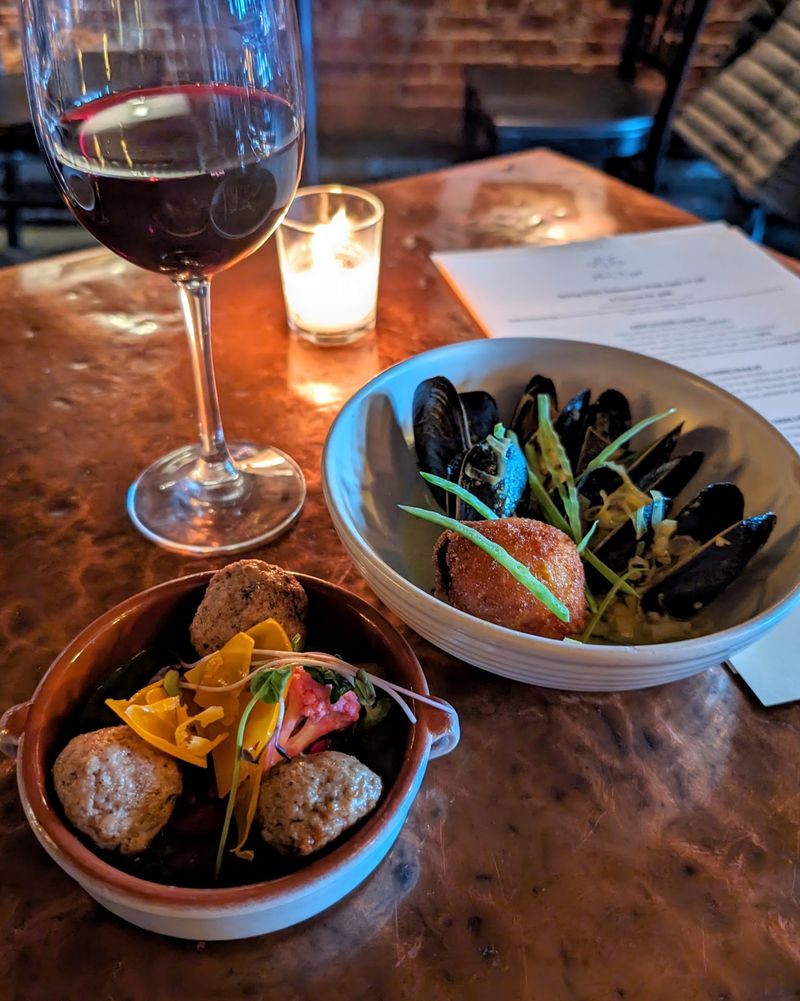
The menu at this bistro could be described as rustic New American with a serious passport collection. Chef Mallett draws freely from Mediterranean, Latin American, and North African culinary traditions while keeping one foot firmly planted in the New England Seacoast.
The result is a menu that feels both familiar and genuinely surprising.
A dish like the mussels-and-merguez bowl, which has been on the menu since the restaurant opened, layers North African spice over local shellfish in a way that feels completely natural. The slow-braised lamb shank arrives with preserved lemon and almond couscous, a combination that manages to be comforting and exotic at the same time.
Because the menu changes with the seasons, no two visits are identical. Spring might bring foraged ramps and fiddleheads to the plate, while summer highlights hand-dived scallops from Boothbay.
That constant evolution is part of what keeps regulars returning with genuine anticipation rather than simply out of habit. The kitchen never lets the menu grow stale.
The Chef’s Meze Plate and the Joy of Small Plates
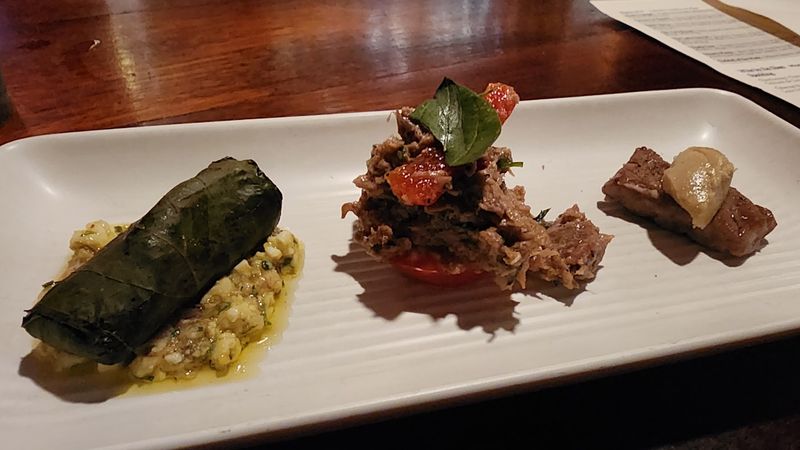
One of the smartest ways to experience this kitchen is to order small. The Chef’s Meze Plate, a daily rotating selection of three unique small dishes, is a brilliant window into whatever the chef is most excited about that particular evening.
On different visits, it has arrived with deviled duck eggs, lobster fritters, and wild bird meatballs, each one a miniature expression of the kitchen’s range.
Beyond the meze plate, the small plate section of the menu rewards adventurous diners. The Tequila and Beet Cured Sockeye Salmon with nigella seeds is a vivid and intriguing starter, and the Quail Adobado offers a refined taste of something you are unlikely to find anywhere nearby.
Even the simplest items, like the warm fried almonds and olives that have been on the menu since day one, carry a satisfying depth. Small plates here are not afterthoughts; they are where the kitchen takes its most playful risks, and that willingness to experiment is exactly what makes the experience feel fresh every single time.
Seafood Paella and the Standout Main Courses
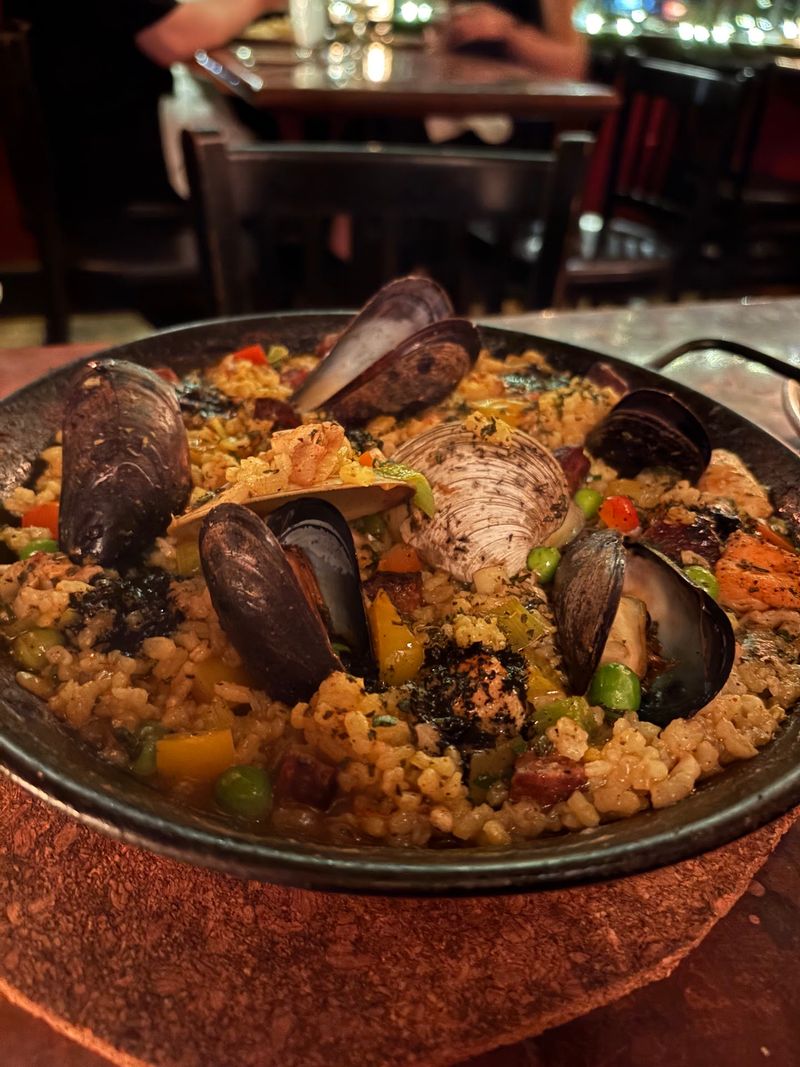
The Seafood Paella at Black Trumpet has developed something of a local legend status, and after tasting it, the enthusiasm makes complete sense. The dish arrives loaded with fresh, properly cooked seafood, the rice carrying a deep, savory base that speaks to careful technique rather than shortcuts.
Paella is one of the most frequently mentioned dishes by returning guests, and it is easy to understand why it earns that loyalty. The kitchen treats it as a serious undertaking, not a crowd-pleasing cliche, and the difference is noticeable from the first forkful.
Other main courses that have drawn consistent praise include the duck breast, which pairs well with the kitchen’s tendency toward bold, layered sauces, and seasonal fish preparations like a perfectly cooked halibut that arrives steaming and precisely seasoned. The scallops, when in season, have been described as cooked to perfection, served alongside crisp endive and bacon in a combination that sounds simple but lands with real authority.
Main courses here reward patience and a willingness to order something unfamiliar.
The Wine Program and Craft Beverage Selection
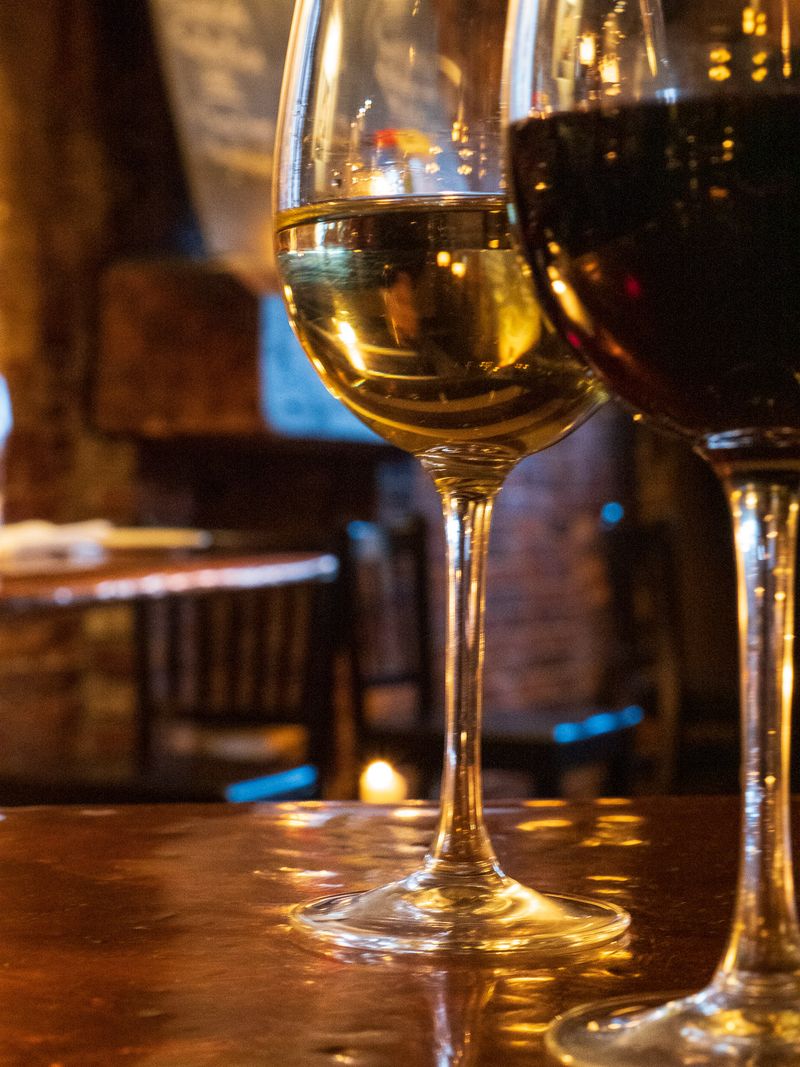
Around 180 wine references fill the list at Black Trumpet, and the curation behind that number is immediately apparent. The selection leans heavily into regions like Loire, Jura, and small-producer Languedoc, with a focused American section that highlights Oregon Pinot Noir and Finger Lakes Riesling.
These are not safe, predictable picks; they are wines chosen by people who genuinely care about what ends up in the glass.
For those who prefer ordering by the glass, the restaurant offers 12 organic, biodynamic, and sustainable options, reflecting the same commitment to responsible sourcing that shapes the food menu. The staff is knowledgeable enough to guide you through the list without making you feel rushed or talked down to.
The craft beverage program extends beyond wine. The cocktail menu features creative combinations that often incorporate unexpected ingredients, and the bar team brings real enthusiasm to their craft.
Guests who have sat at the upstairs bar frequently mention the bartenders by name, which says something meaningful about the level of personal connection the service team manages to build.
The Upstairs Wine Bar and Harbor Views
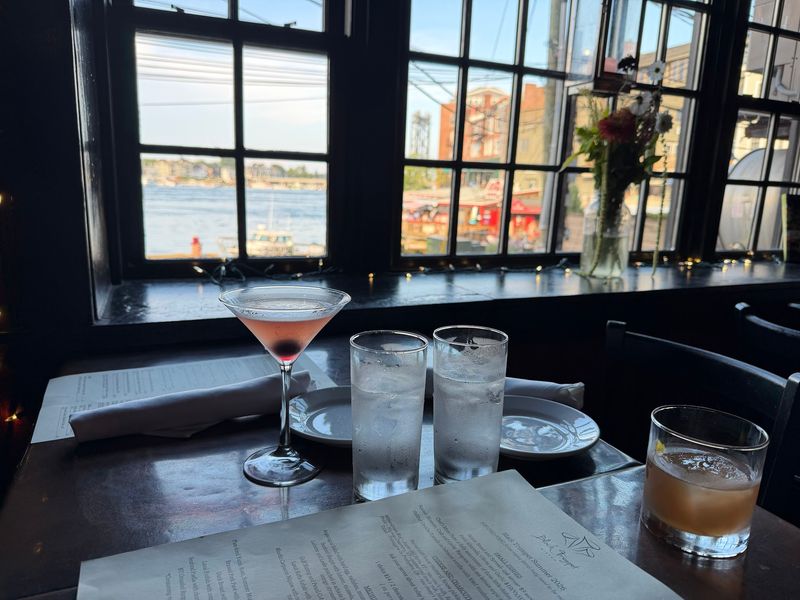
The upstairs space at Black Trumpet operates as both an overflow dining area and a destination in its own right. The wine bar up there carries the same exposed brick and beam aesthetic as the main dining room below, but the energy is slightly more relaxed, making it a natural choice for those who want to linger over a glass and watch the harbor settle into the evening.
The window seats are the most coveted spots in the building, and for good reason. From those chairs, you look directly out over the working Piscataqua River, where tugboats move with quiet purpose against the backdrop of the Portsmouth waterfront.
It is the kind of view that makes time feel slower and conversation feel easier.
The full menu is available throughout the upstairs space, so choosing to sit at the bar or near a window does not mean sacrificing any of the kitchen’s offerings. For anyone visiting for the first time, arriving early enough to request an upstairs window seat is a detail worth planning around, because the view alone adds a memorable layer to the meal.
Service That Feels Personal, Not Performative
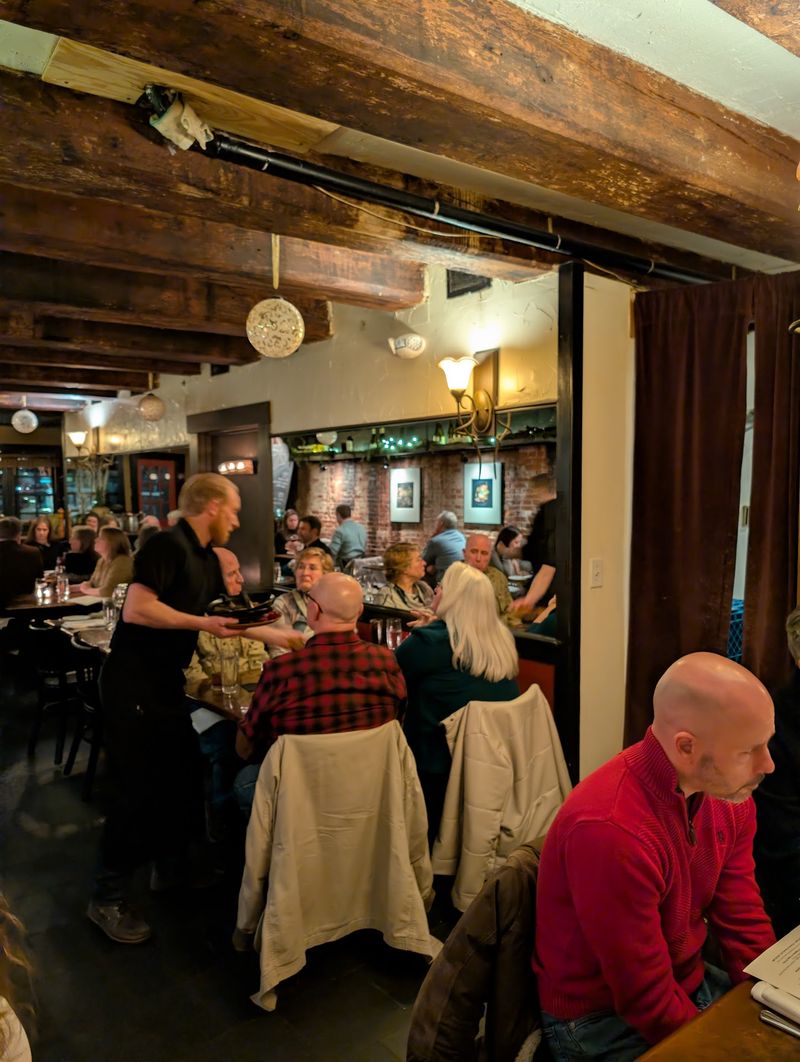
The hospitality at Black Trumpet earned the restaurant a James Beard nomination for Outstanding Hospitality in 2020, which is a significant distinction in an industry where service quality varies wildly. What stands out here is not a polished, scripted approach but something that feels genuinely attentive and personal from the moment you arrive.
Staff members tend to know the menu with real depth, offering recommendations that feel considered rather than automatic. The pacing of a meal here is generous, allowing courses to arrive with enough breathing room for actual conversation, which is rarer than it should be at this price point.
Regulars often develop a rapport with bartenders and floor staff over multiple visits, and that familiarity is part of what turns a good restaurant into a beloved one. First-time visitors frequently note that they felt welcomed rather than processed, which is the kind of impression that prompts a return visit.
The warmth in this room is not manufactured; it is a direct reflection of how the Mallett family has chosen to run the place from day one.
Desserts That Close the Evening on a High Note
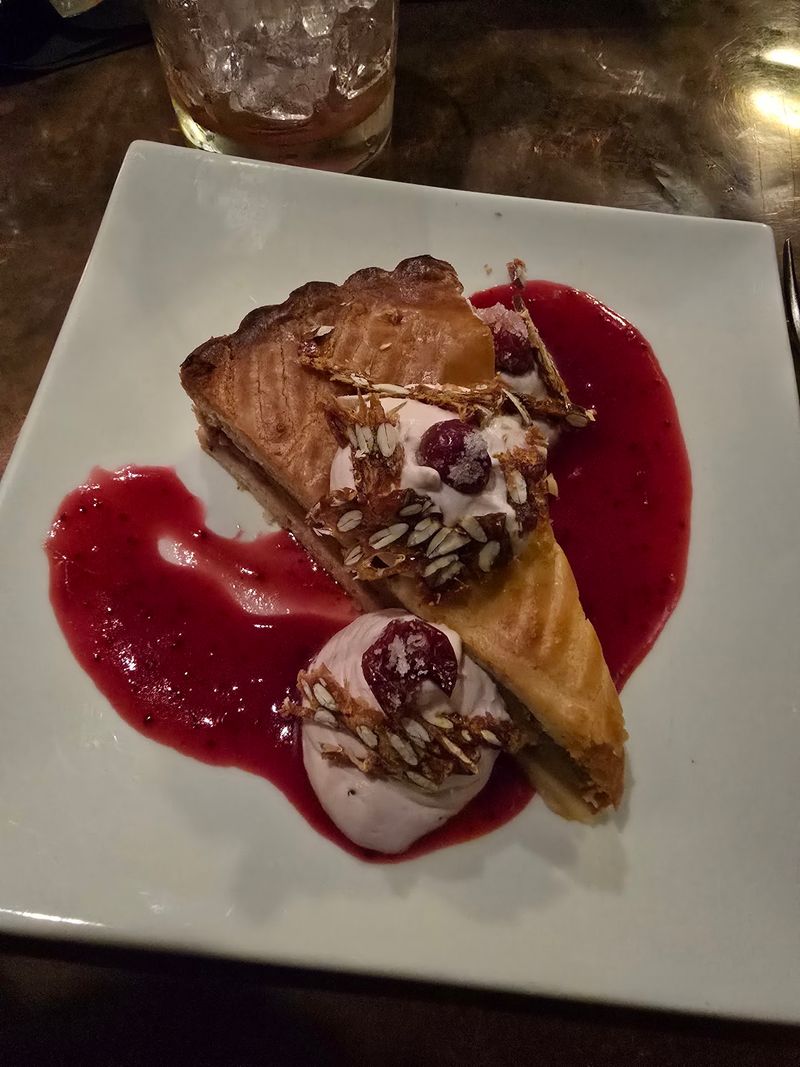
Dessert at Black Trumpet is treated as a genuine final course rather than an afterthought tucked onto the bottom of the menu. The pastry side of the kitchen applies the same seasonal logic as the savory dishes, meaning what lands on your table in summer looks and tastes quite different from what arrives in autumn.
Past offerings have included an Enna’s Chocolate Pistachio Pie dusted with pistachio powder, a Buttermilk Pie served alongside grilled peaches and brown butter caramel, and a Blueberry Anise Hyssop Shortcake with lemon curd whip and a blueberry-balsamic reduction. Each of these reads like a composed dish rather than a simple sweet treat, and the execution matches the ambition.
A Key Lime Coconut Pudding with graham crumble and Key lime Chantilly cream rounds out the kind of dessert list that makes you genuinely regret ordering too much during the earlier courses. Ending a meal here on something sweet and carefully made is the kind of detail that stays with you long after you have left the building.
Planning Your Visit and What to Expect
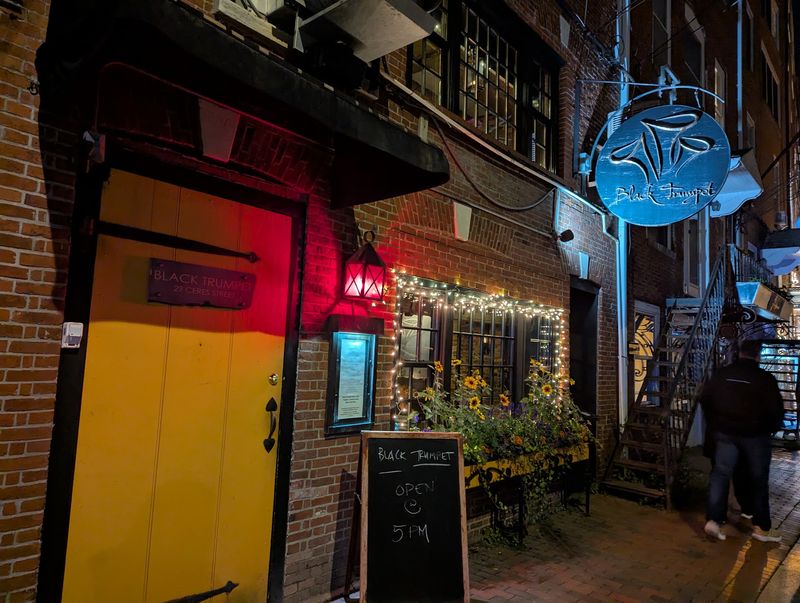
Black Trumpet is open for dinner Tuesday through Sunday, starting at 5:00 PM, with the dining room welcoming guests from 5:30 PM. The restaurant is closed on Mondays.
Reservations are strongly recommended, particularly for weekend evenings, when tables can book up two to three weeks in advance. A small number of walk-in spots are held, but counting on them for a special occasion is a risky strategy.
The dress code leans toward smart casual, comfortable enough to feel relaxed but polished enough to match the setting. Parking in downtown Portsmouth requires a bit of planning; the Hanover Street and Foundry parking garages are both within two blocks and tend to be the most reliable options.
The full menu is available in every seating area, whether you are downstairs, upstairs, or at the bar, so no spot in the house leaves you with a lesser experience. Reaching the restaurant directly at 603-431-0887 or visiting blacktrumpetbistro.com makes booking straightforward.
A visit here rewards a little advance effort with an evening that is genuinely difficult to replicate anywhere else on the Seacoast.
Share this story