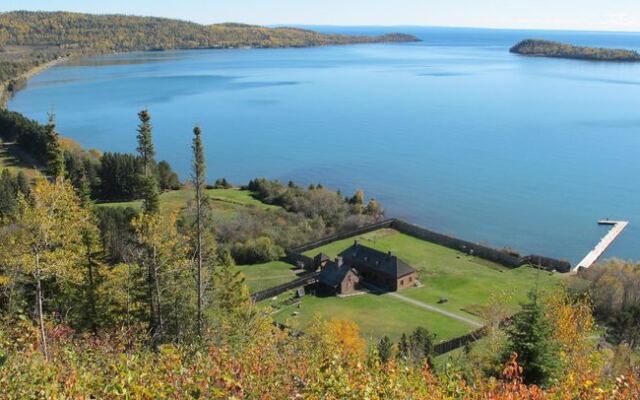
A full-size fur trade depot sits on the shore of Lake Superior, and walking through it costs exactly nothing. No ticket booth.
No timed entry. Just a stockade, a great hall, and canoes waiting by the water.
That alone got my attention. Then I learned costumed interpreters often share stories inside the buildings.
Some even bake historic cookies while they talk.
I like how this corner of Minnesota quietly outshines places that charge big admission fees. The site also tells the story of the Ojibwe people who still call this land home.
That makes it feel alive rather than frozen behind glass.
Most travelers rush past on their way to Canada. I can’t imagine skipping a free trip through history with a lake view this good.
So what exactly is waiting behind that wooden wall?
A Free History Stop At The Very Tip Of Minnesota
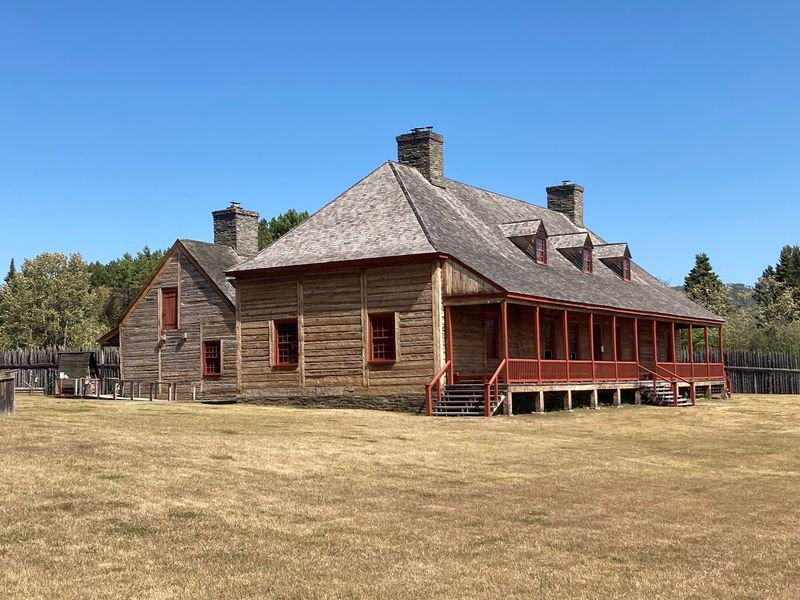
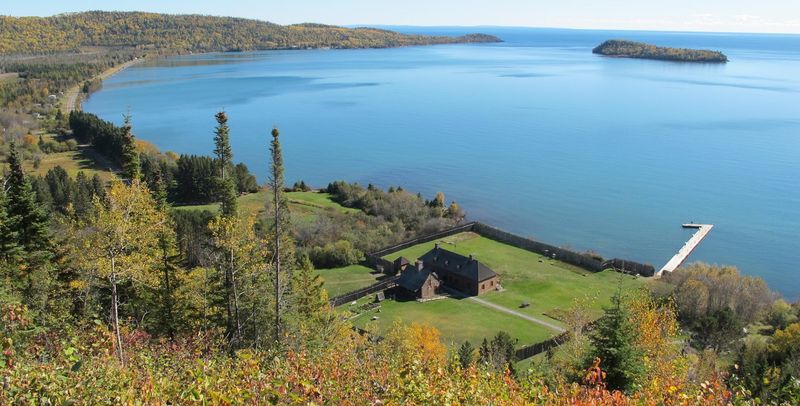
Way up where Minnesota nearly runs out of road, Grand Portage National Monument guards a beautiful stretch of Lake Superior shoreline. It’s a national park site built around a reconstructed fur trade depot.
Admission is free, which feels almost suspicious in a world of pricey tickets. Donations are welcome, and plenty of folks consider them a fair trade for what they get.
The monument covers more than one story. There’s the bustling fur trade era, plus the long history of the Ojibwe people who lived here first and still live here today.
The park also works as a partnership with the local Ojibwe community. That shared approach shapes how the history gets told, and it gives the whole place real depth.
Visits usually start at the Heritage Center, then head downhill to the historic depot. It’s a compact layout that rewards curiosity without wearing you out.
Think of it as a big-city museum experience dropped into the North Woods. Minnesota wins again, and this time you don’t even need your wallet.
That might be the best deal on the entire North Shore.
The Fur Trade Story Behind The Stockade
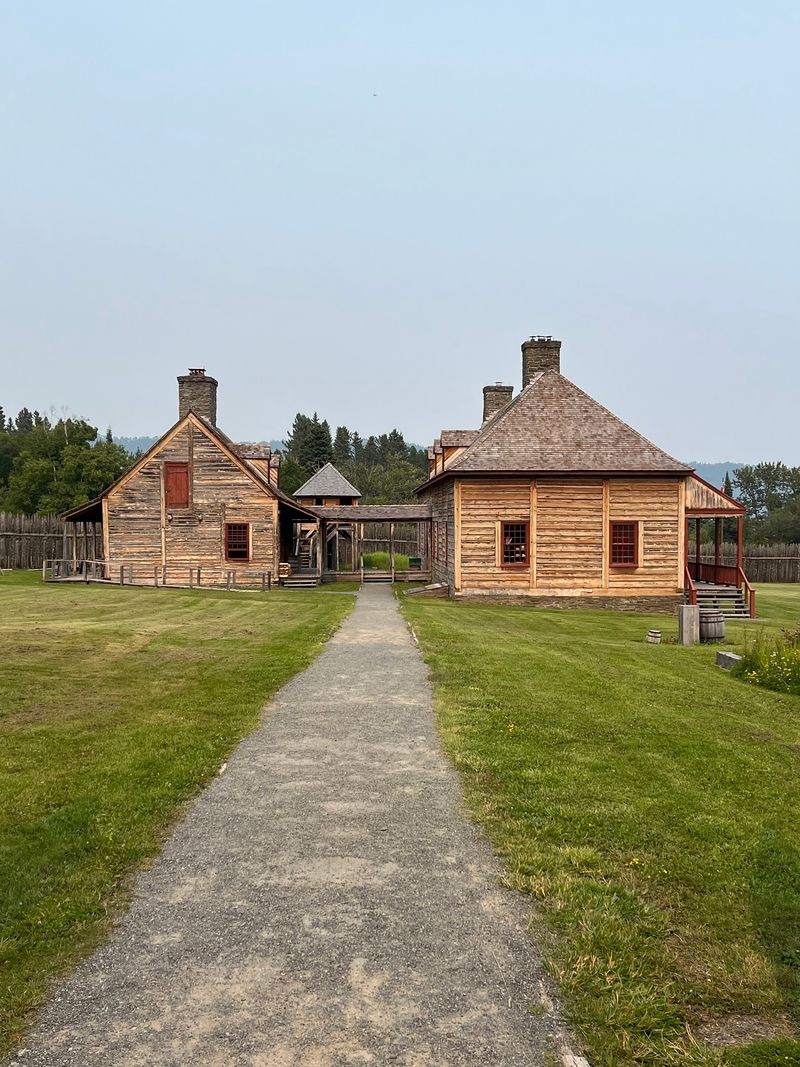
Back in the fur trade days, this shoreline was one of the busiest spots in the Great Lakes region. The North West Company ran a major depot here, and traders gathered from far and wide.
Voyageurs paddled huge loads of goods in and furs out. Their work connected distant trading posts with markets an ocean away.
The name itself tells part of the tale. A portage is a path where travelers carry canoes and cargo overland, usually around rapids or falls.
Here, the Grand Portage trail stretches about 8.5 miles inland. It let traders bypass the rough lower stretch of the Pigeon River and reach waterways leading deeper into the continent.
Exhibits also highlight the relationships between voyageurs and the local Anishinaabe people. Trade here depended on Ojibwe knowledge, skill, and partnership, not just European ambition.
Some displays even explain how voyageurs earned Spanish dollars. Yes, Spanish coins turned up in a Minnesota fur trade economy.
History rarely stays as tidy as a textbook chapter, and this spot proves it beautifully.
Your First Stop Inside The Heritage Center
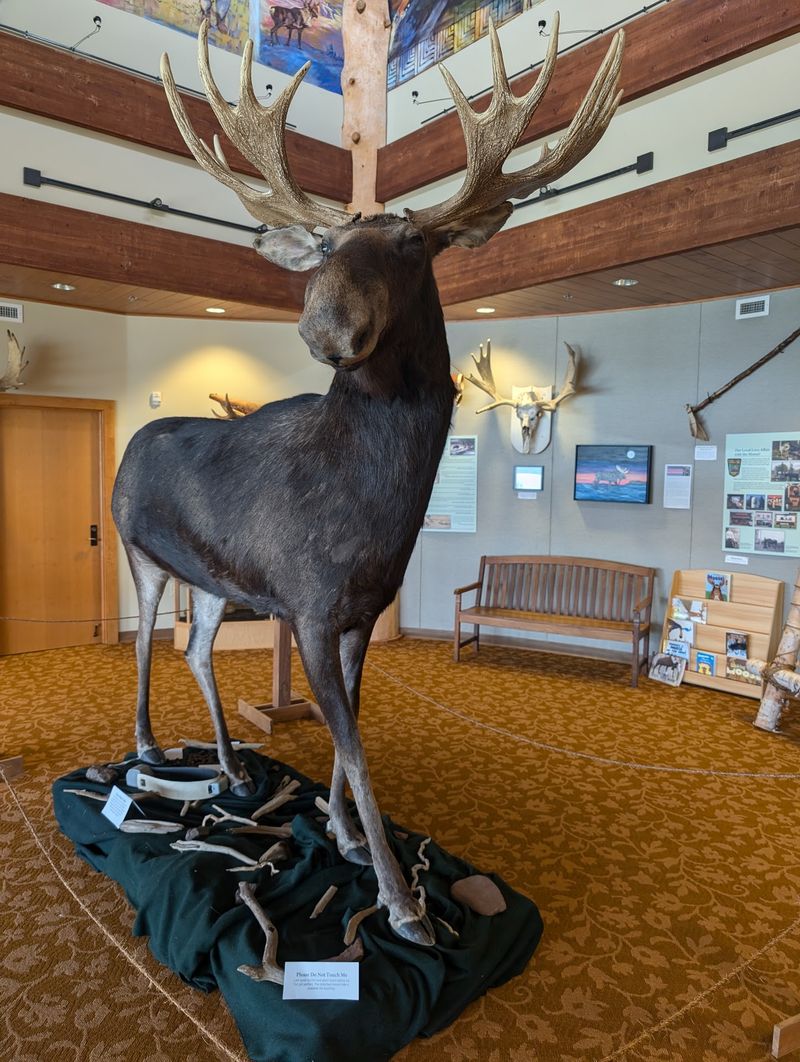
Start uphill at the Heritage Center, where the monument’s visitor center lives. It’s the warm-up act before you head down to the depot.
Inside, exhibits pack an impressive amount of history into a fairly small space. Displays cover the fur trade, Ojibwe life, and how people managed in a region famous for brutal winters.
Head upstairs and you’ll find a gallery focused on moose. An impressive moose display holds court, and honestly, it’s hard not to stare.
Moose are native to the northern woods of Minnesota, so the exhibit fits right in. Kids tend to gravitate toward it, though adults sneak extra looks too.
A small gift shop sells souvenirs, and you can stamp your national parks passport book here. Collectors, consider yourselves warned.
Staff and volunteers keep things running with friendly, knowledgeable help. Ask a question and you’ll likely get a thoughtful answer plus a story or two.
Give yourself time here before heading down the hill. The context makes everything outside click into place.
Twenty Minutes Of Film Worth Every Second
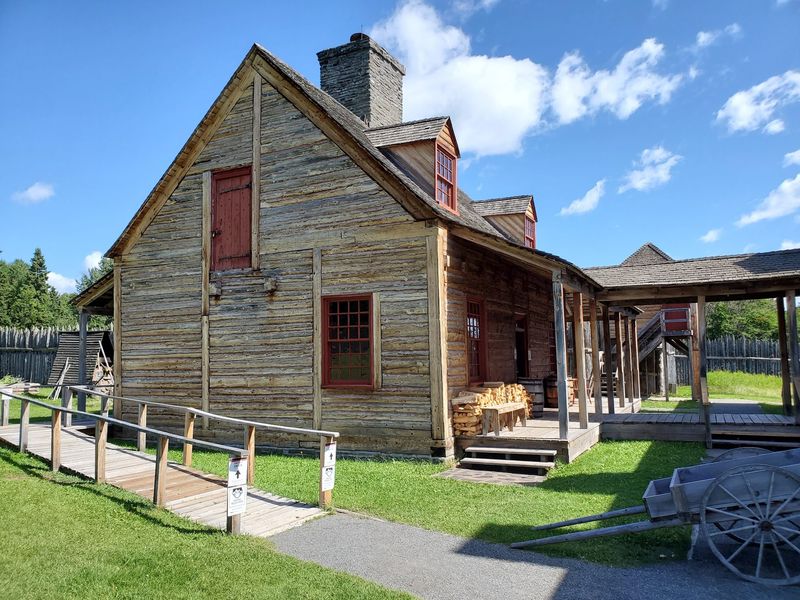
Popcorn isn’t included, but the story more than makes up for it. The Heritage Center screens a film on the history of Grand Portage that runs about 20 minutes.
It’s a smart first move for anyone visiting. The film lays out the big picture before you start wandering through buildings and exhibits.
You’ll get the background on the fur trade, the people who lived here, and why this spot mattered so much. Suddenly that wooden stockade down the hill means a lot more.
Families with kids may find it especially handy. Twenty minutes is short enough to hold attention yet long enough to set the stage.
The theater makes a nice break on a chilly or rainy North Shore day too. Lake Superior weather can change fast, after all.
Think of the film as your trail map for the imagination. Once you’ve watched it, the canoes, kitchens, and great hall feel less like props and more like real places where real lives unfolded.
Costumed Interpreters Who Bring The Depot To Life
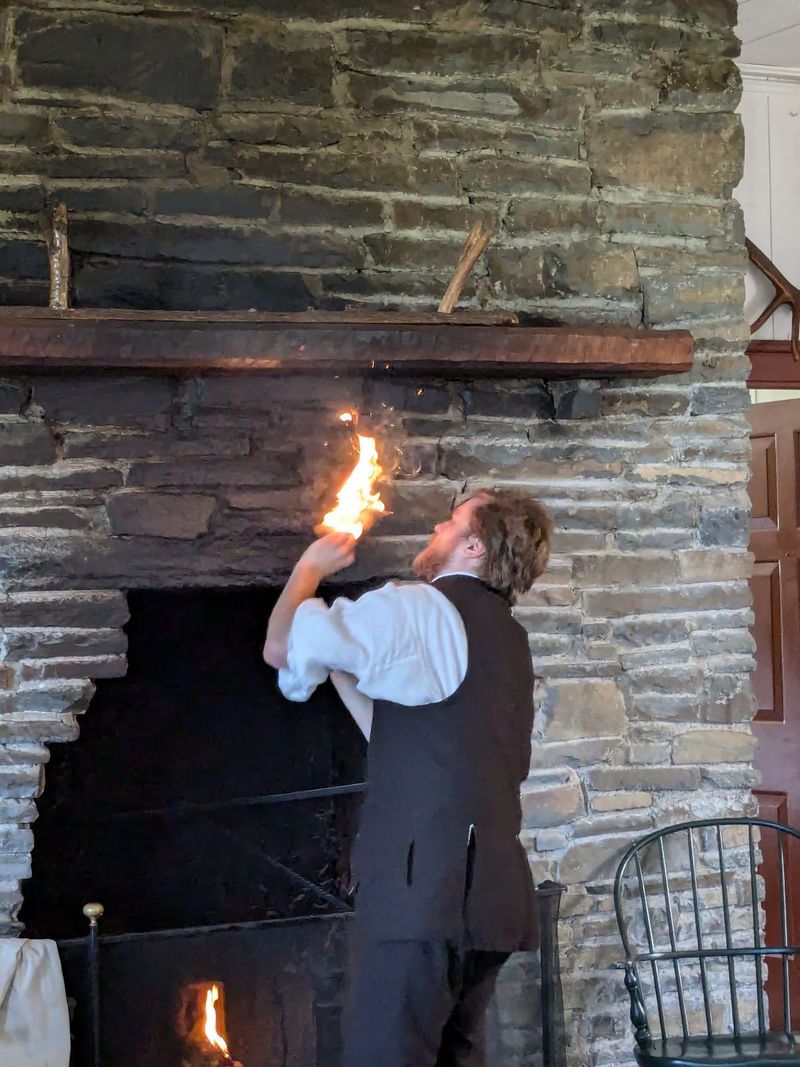
Down the hill, history starts talking back. Interpreters in period dress often staff the reconstructed buildings, ready to explain how the depot worked.
They share stories about daily routines, trade goods, and the people who passed through. They’re also quick with answers when curiosity strikes.
Some interpreters demonstrate old-time cooking. Baking historic cookies is one of the treats that might be happening during your visit.
The great hall and the big kitchen show where meals and meetings took place. Standing inside, the scale of this operation starts to sink in.
Volunteers and rangers work together to cover different spots. Moving from building to building feels a bit like meeting new characters in a living storybook.
One note before you go. The historic depot buildings operate seasonally, so some areas may be closed during the off-season even when the Heritage Center is open.
Checking ahead with the park before a cooler-month trip is a smart move. Summer typically offers the fullest lineup of costumed demonstrations along the shore.
Big Canoes And The Workshop Where They Take Shape
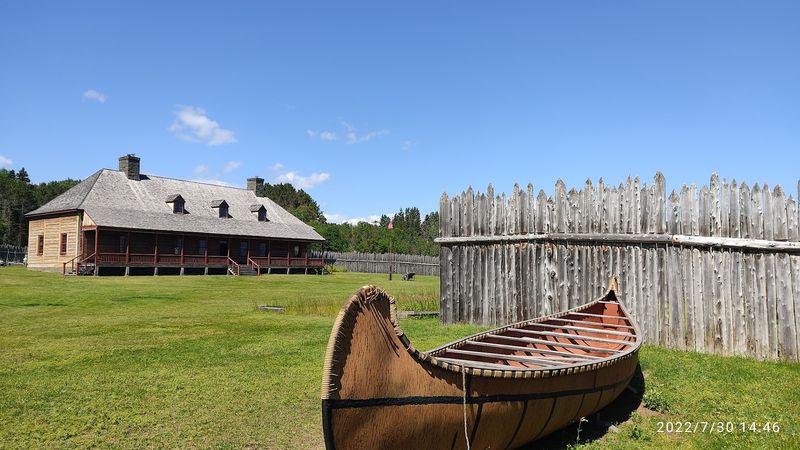
Canoes powered the entire fur trade, and here they finally get the spotlight they deserve. One of the most memorable stops is the building where large canoes are built and repaired.
Inside the canoe shop, interpreters often explain the craft behind these vessels. It’s hands-on history you can actually walk around.
These weren’t weekend paddle boats. Fur trade canoes hauled heavy cargo across vast stretches of water and through rugged country.
Seeing one up close helps explain how voyageurs managed such long journeys. The length alone is enough to make you rethink your own canoe trip packing list.
Canoes come up again and again when folks describe this site. They’re woven into the exhibits, the stories, and the shoreline itself.
Minnesota knows a thing or two about paddling, with more lakes than most states could dream of. This workshop shows where some of that deep canoe heritage traces its roots.
If you only pick one building to linger in, this might be the one.
Ojibwe Heritage Woven Through Every Exhibit
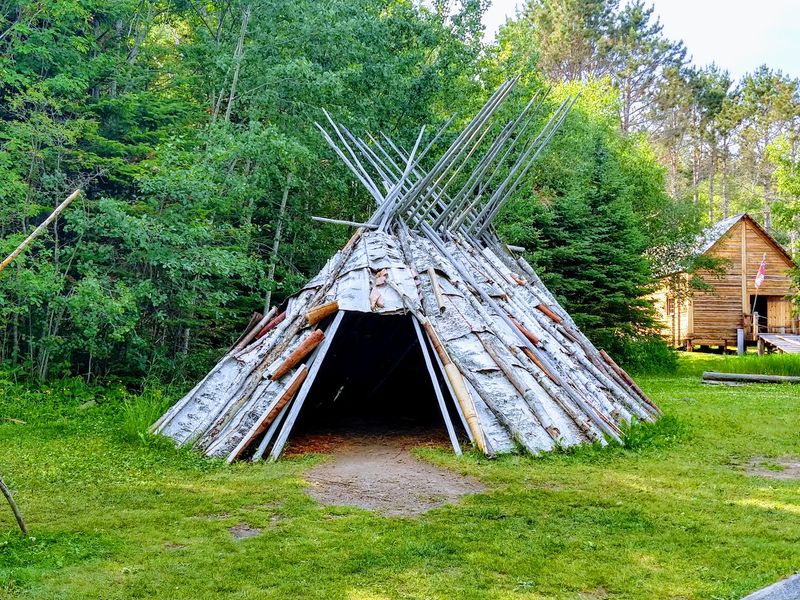
Long before any trading company arrived, the Ojibwe people knew this shoreline intimately. That history sits at the heart of Grand Portage National Monument rather than off to the side.
The monument is surrounded by the Grand Portage Indian Reservation. The Grand Portage Band of Lake Superior Chippewa remains a living community here today.
Exhibits explore traditional Ojibwe life alongside the fur trade era. You’ll learn how relationships between Native communities and European traders shaped the region.
The partnership between the National Park Service and the local Ojibwe community stands out. It means the story isn’t told only from one side of the trading counter.
Native American heritage displays help visitors understand how people lived, worked, and thrived in this northern landscape. Seasonal rhythms and local resources played huge roles in that life.
It’s a meaningful reminder that this region’s story didn’t start or stop with the fur trade. Minnesota history runs much deeper, and this site honors that with real care and respect.
Lake Views, Wildflowers, And A Long Wooden Dock
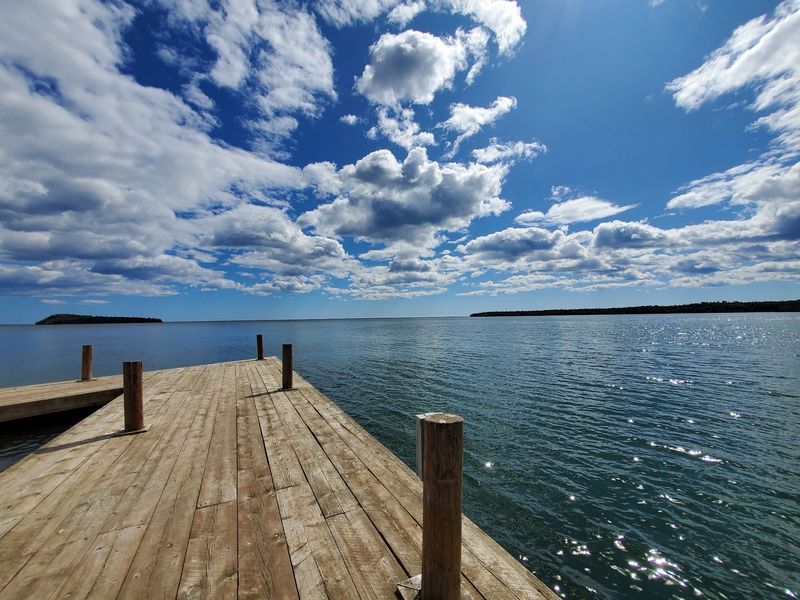
Lake Superior steals plenty of scenes here, and honestly, it earned the role. The depot sits right on the shore, with sweeping water views beyond the stockade walls.
Outside the wall, you can wander along the shoreline and explore. A large dock stretches out over the water, offering a fine spot for photos or a quiet pause.
Wildflowers add color during the warmer months. Paired with the deep blue lake and dark green forest, the setting looks almost painted.
A loop trail behind the Heritage Center offers another chance to stretch your legs. It’s a gentle way to enjoy the woods without committing to a big hike.
For the adventurous, the full Grand Portage trail runs about 8.5 miles inland. That’s the historic route voyageurs once traveled with heavy loads on their backs.
A picnic area near the parking lot makes lunch easy. Pack something hearty, grab a table, and let the lake breeze do the rest.
Not a bad backdrop for a sandwich.
Junior Rangers, Hands-On Fun, And Room To Roam
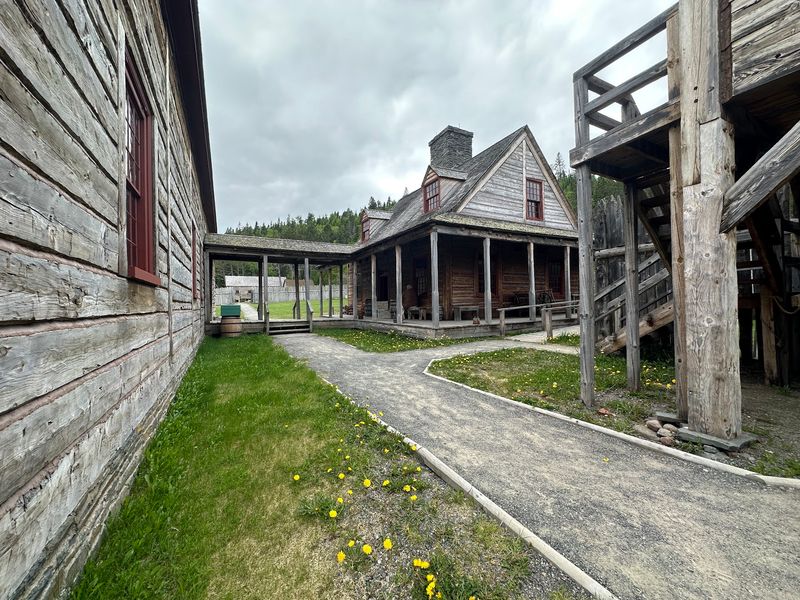
Kids get their own mission here, complete with a booklet and a badge. The Junior Ranger program invites young visitors to explore the site and complete activities as they go.
Once finished, children can be sworn in as official Junior Rangers. It’s a small ceremony that often feels like a very big deal to the newest members.
Hands-on activities pop up throughout the visit. Kids can learn by doing, which beats reading placards any day.
The pace stays relaxed, too. You can move through everything on your own schedule without feeling hurried along.
Families on a budget will appreciate the obvious perk. Free admission means a whole carload can learn something new without denting the vacation fund.
The compact layout helps little legs as well. The walk downhill to the depot is short, and there’s open space to roam outside the walls.
Parents might even pick up a few facts to impress everyone at dinner. History tastes better when nobody had to pay a gate fee.
Hours, Parking, And Planning Your Visit
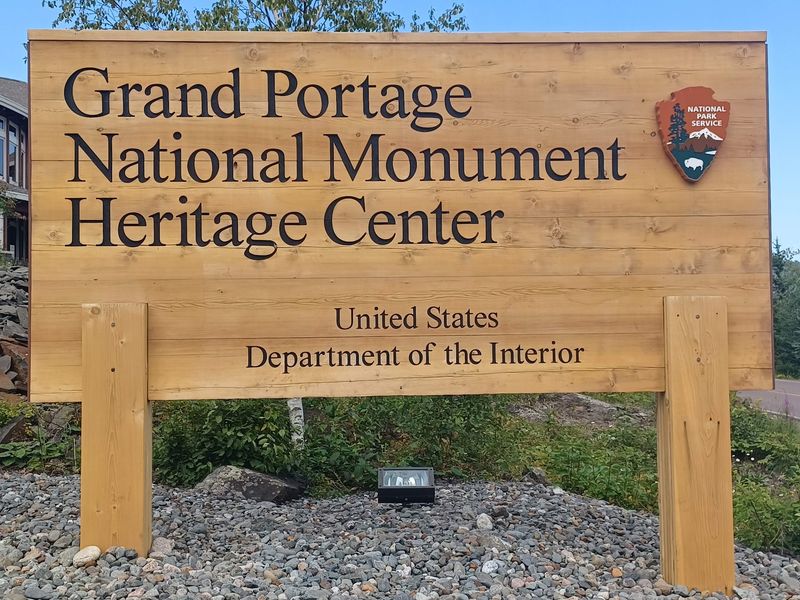
Getting here is half the fun, especially along Minnesota’s scenic North Shore. Follow Highway 61 northeast toward the Canadian border, and you’ll find the monument at 170 Mile Creek Rd, Grand Portage, MN 55605.
The Heritage Center typically opens daily from 9 AM to 5 PM. Hours can shift with the seasons, so a quick check before you leave is wise.
Remember that the historic depot buildings may close for part of the year. Summer usually offers the fullest experience with interpreters on site.
Parking is easy to find, and there’s no entrance fee. Donations help support the site if you want to give back.
Plan on an hour or two if you enjoy history. Add more time if you want to walk the trails or linger by the lake.
The location also makes a handy stop for anyone heading to or from Canada. It pairs nicely with other North Shore adventures, turning a long drive into a full day of discovery.
A Quiet North Shore Detour Worth Making
Some road trip stops fade from memory before you reach the next town. Grand Portage National Monument tends to stick around a lot longer.
It offers the polish of a major museum without the crowds or the pricey ticket. That’s a combination worth bragging about in any group chat.
You get thoughtful exhibits, a moose gallery, a short film, and a reconstructed depot by the water. Add costumed interpreters, canoes, and Ojibwe heritage, and the value becomes hard to beat.
History buffs will find plenty to absorb. Families will appreciate the Junior Ranger program and room to explore.
Nature lovers get lake views, wildflowers, and trails. Even folks who usually skip museums might be surprised by how quickly the time passes.
Minnesota keeps proving that its out-of-the-way corners can match anything in a big city. This spot near the border makes that case with quiet confidence.
So next time you head up the North Shore, slow down near the end of the road. History is waiting, and it’s free.
Share this story