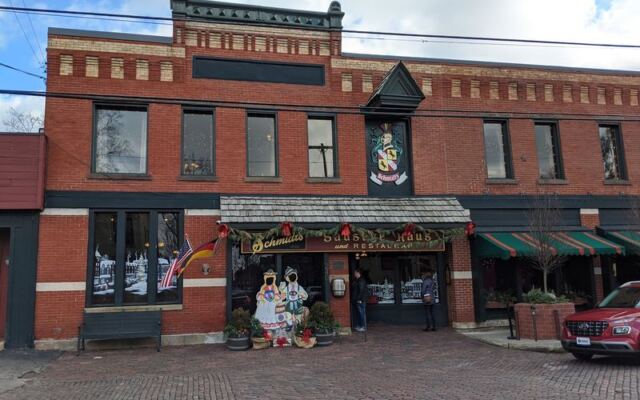
Somewhere in Ohio, tucked just south of a major city, there is a neighborhood that stops first-time visitors dead in their tracks. The streets are paved with old brick, the houses are built from the same, and the whole place carries a warmth that feels borrowed from another century and another continent.
Ohio has a way of hiding its best surprises in plain sight, and this one is no exception. If you have never wandered through German Village in Columbus, you are missing one of the most genuinely transporting experiences the state has to offer.
Where German Village Sits on the Ohio Map
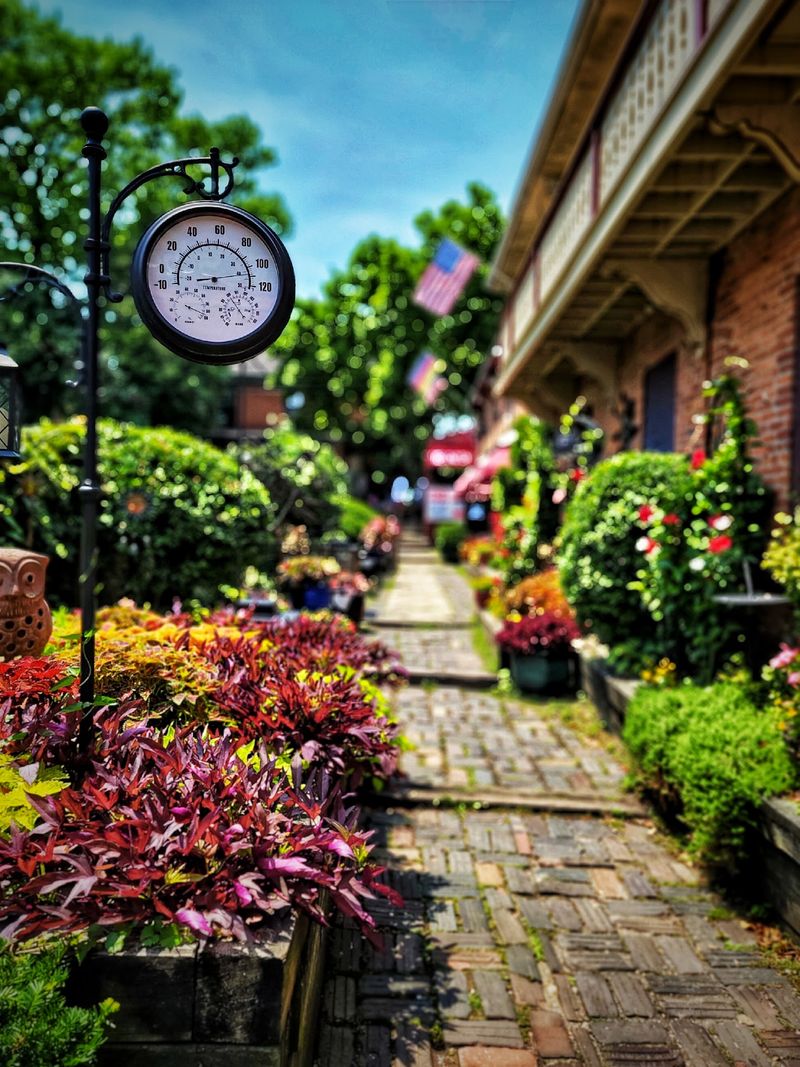
Planted just south of downtown Columbus, German Village occupies a compact but richly layered corner of the city that most passersby would never expect to find. The neighborhood sits close enough to the urban core that you can walk from a skyscraper to a cobblestone lane in under ten minutes.
Beck Street, Mohawk Street, and Deshler Street form the backbone of the area, each one lined with tightly packed brick homes that seem to lean in toward each other like old friends sharing a secret. The whole district covers roughly 233 acres, making it one of the largest privately funded historic preservation districts in the entire United States.
For Ohioans looking for a day trip that punches far above its distance, Columbus is an easy drive from nearly every corner of the state. The payoff once you arrive is immediate and hard to shake.
The German Immigrants Who Built It All
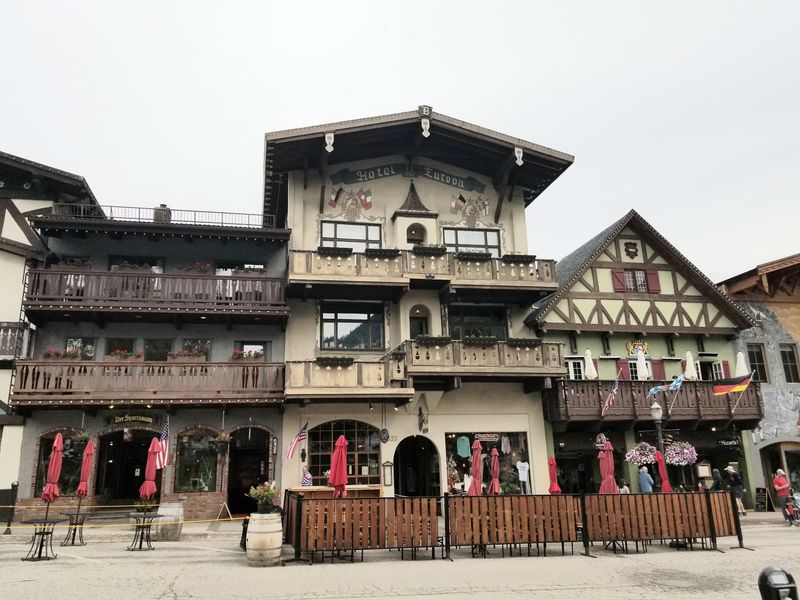
Back in the mid-1800s, waves of German immigrants arrived in Columbus carrying their building traditions, their community values, and a deep appreciation for solid craftsmanship. They did not settle for flimsy construction.
Every home they raised was built from brick, every street they laid was paved with it too.
By the late 19th century, the neighborhood had grown into a fully functioning German-American community complete with its own social clubs, churches, and gathering places. The architecture reflected the culture: sturdy, precise, and built to last generations.
Over time, the area fell into neglect as families moved outward and the city shifted its attention elsewhere. Then, in 1960, a group of dedicated residents formed the German Village Society and began the slow, determined work of bringing the neighborhood back.
That effort eventually earned the district a spot on the National Register of Historic Places in 1974.
Brick Streets That Actually Change How You Move
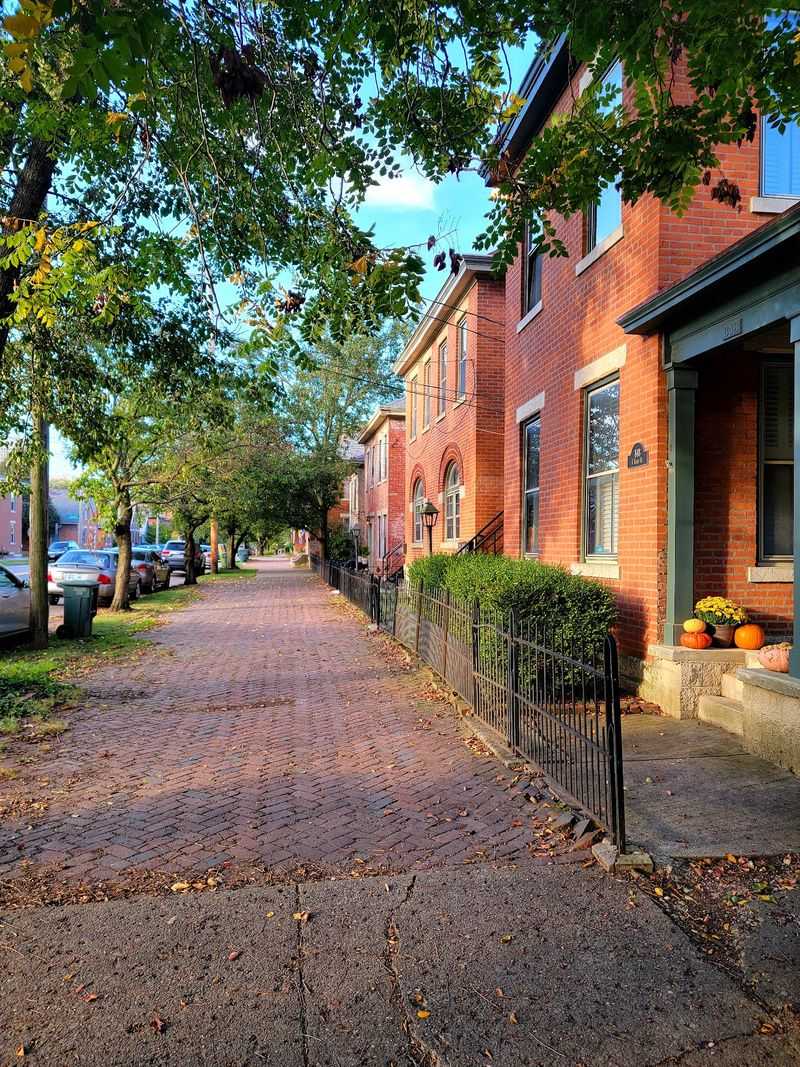
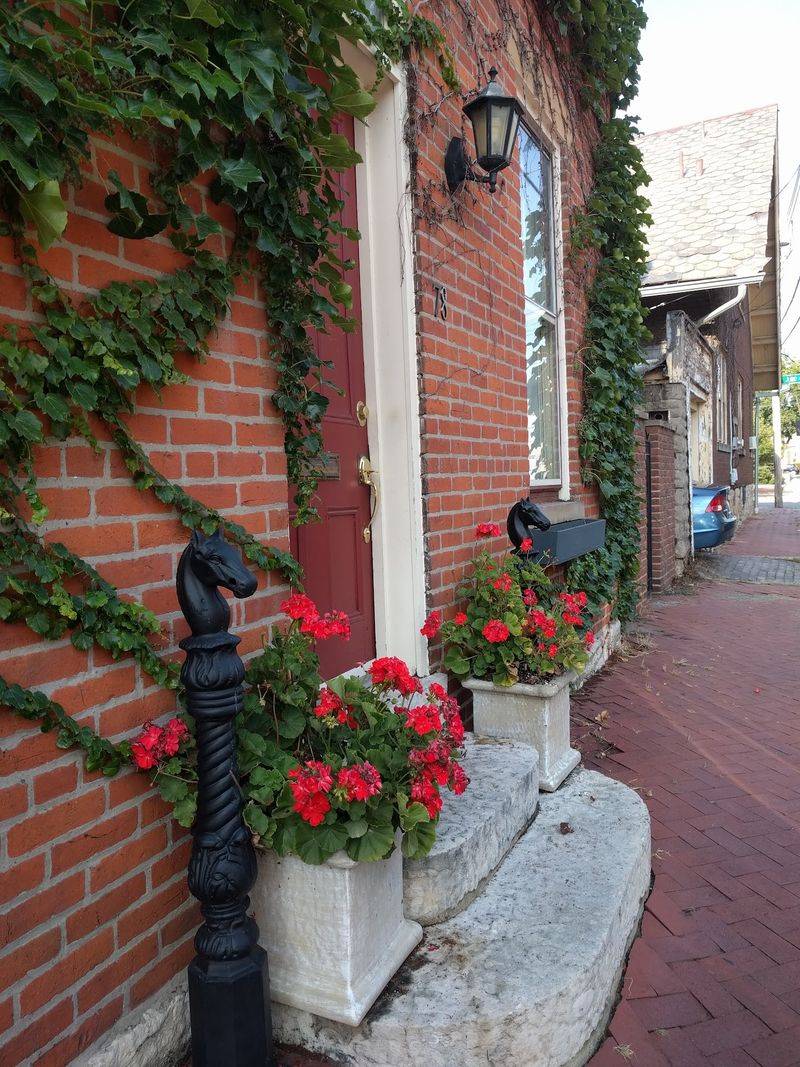
Something shifts the moment your feet hit the brick. The uneven, hand-laid surface slows you down whether you want it to or not, and somehow that feels exactly right.
Rushing through German Village would miss the point entirely.
The streets were originally laid in the late 1800s using locally produced brick, and many of those same bricks remain underfoot today. Maintenance crews work carefully to preserve the original material rather than replace it with modern paving, which means every crack and worn edge carries genuine age.
Visitors regularly mention that walking these streets triggers something unexpected, a sense of being untethered from the present. The rhythm of brick underfoot, the narrow lanes, the absence of strip malls and parking lots all combine to create an atmosphere that feels borrowed from a European city center.
Columbus somehow managed to preserve a piece of the past that most American cities paved over long ago.
The Architecture That Makes Jaws Drop
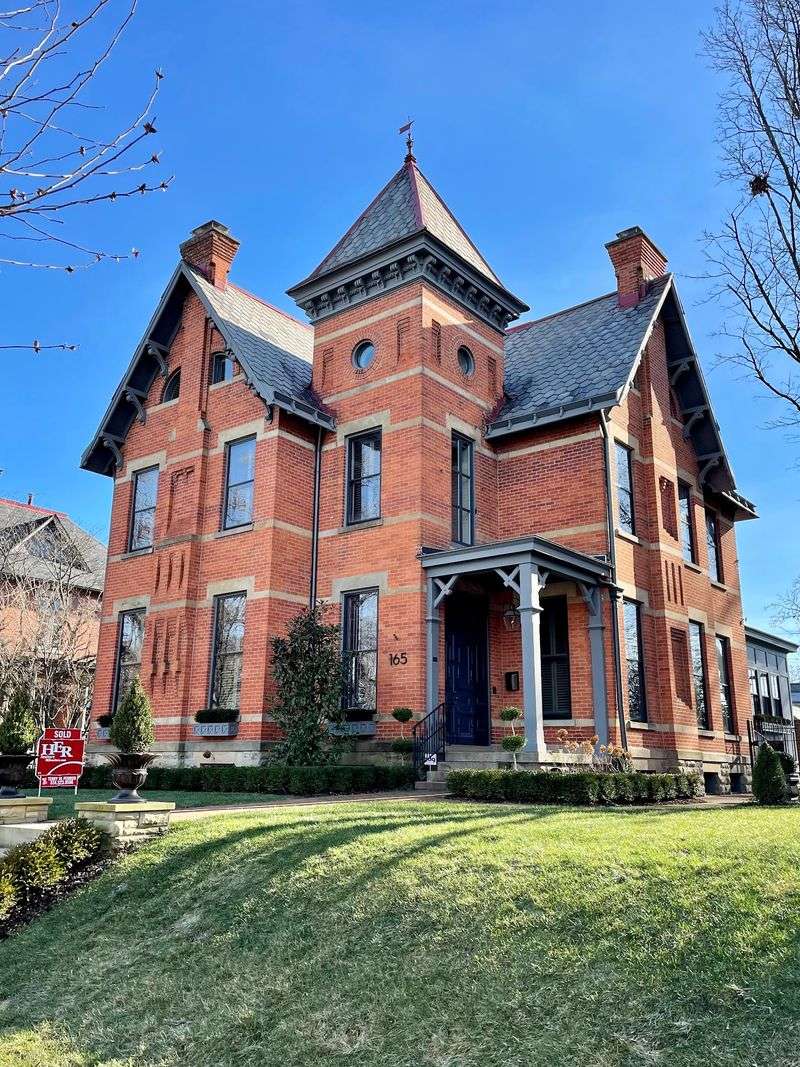
Compact, symmetrical, and endlessly photogenic, the homes of German Village represent one of the finest concentrations of 19th-century residential architecture still standing in the Midwest. Most were built between 1840 and 1900, and the preservation standards here are strict enough that even paint colors must be approved.
Wrought iron fences border tidy front gardens, window boxes overflow with seasonal flowers, and arched doorways frame heavy wooden doors that look original to the era. The scale of the homes is human and intimate rather than grand, which makes the whole neighborhood feel approachable rather than museum-like.
Wandering down a single block can feel like flipping through an architectural catalog of the period. Some homes are narrow shotgun-style builds squeezed between neighbors, while others open up into broader Federal or Italianate designs.
Every structure tells a slightly different version of the same immigrant story, and together they form something genuinely beautiful.
Schiller Park and Its Outdoor Stage
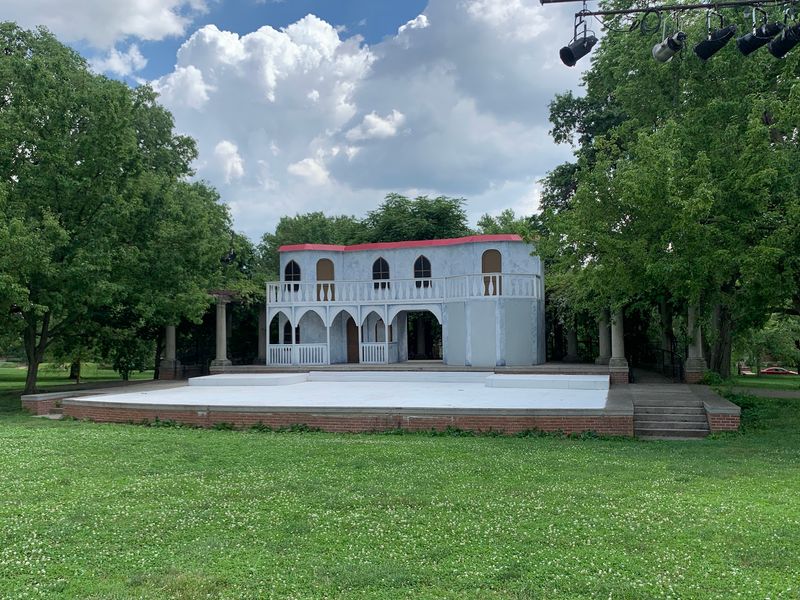
At the heart of the neighborhood sits Schiller Park, a graceful green space named after the German poet Friedrich Schiller whose statue still stands watch near the park entrance. Fountains catch afternoon light, flower beds stay colorful through summer, and mature trees create canopy cover that makes the whole place feel cooler than the surrounding city.
Every summer, Actors’ Theatre Columbus takes over the park’s outdoor stage to perform Shakespeare and other classic plays under the open sky. Families spread blankets on the grass, neighbors pull up lawn chairs, and for a few warm months the park transforms into a genuine community gathering place rooted in the arts.
Even when no performance is scheduled, Schiller Park rewards a slow walk. The combination of landscaped grounds, historic statuary, and a neighborhood that presses right up against its edges gives the park a lived-in quality that city planners rarely manage to manufacture intentionally.
Shopping That Leans Into the Unusual
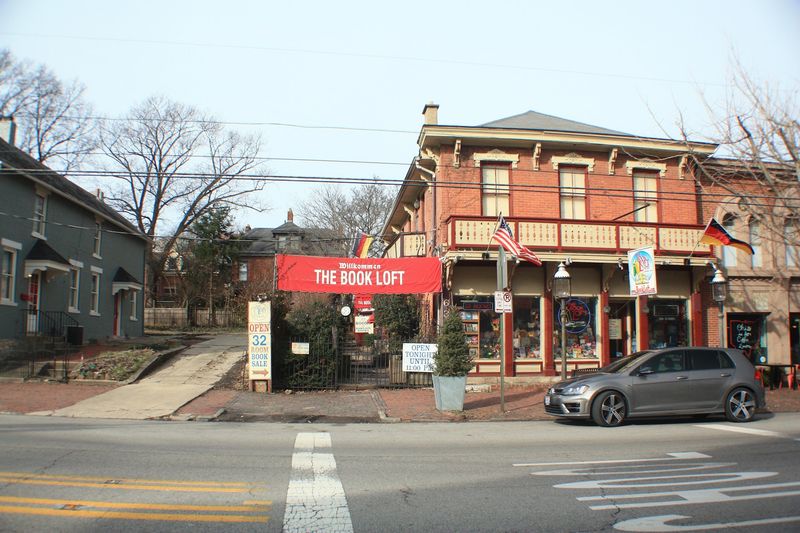
German Village is not a mall. There is no anchor store, no chain directory, and no food court humming in the background.
What the neighborhood offers instead is a collection of independently owned shops that feel curated by people who genuinely care about what they sell.
Book lovers consistently point to the neighborhood’s beloved used bookshop as a destination worth planning a trip around on its own. Shelves stretch floor to ceiling, books spill into every corner, and the whole experience rewards slow browsing over quick shopping.
Traditional fudge shops carry on confectionery habits that stretch back generations, and handmade jewelry studios sit alongside art galleries showing local and regional work.
The retail mix here reflects the community rather than a corporate leasing strategy. Small storefronts change hands occasionally, but the spirit of independent, craft-focused commerce has stayed consistent.
Shoppers looking for something specific might leave empty-handed, but shoppers open to discovery rarely do.
Where to Eat and Drink Your Way Through the Village
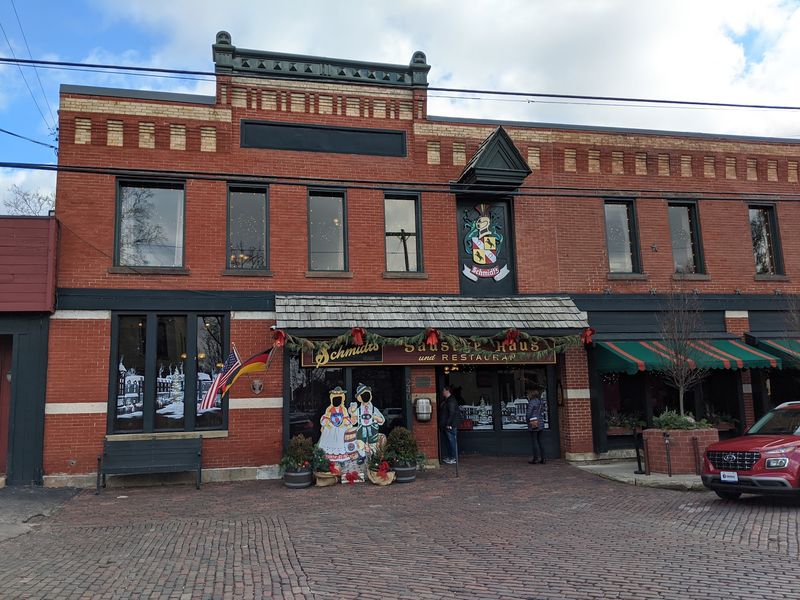
Eating well in German Village requires almost no effort. The neighborhood packs an impressive range of dining options into its compact footprint, covering everything from traditional German-style pubs to American bistros with seasonal menus and artisan coffee shops that take their craft seriously.
German pubs in the area carry on old-world hospitality with hearty, satisfying menus built around comfort food that earns its reputation. American bistros nearby lean into locally sourced ingredients and rotating specials that keep regulars coming back.
Coffee shops scattered throughout the neighborhood offer the kind of thoughtfully prepared drinks that make a mid-morning stop feel like a small occasion.
Outdoor seating is common in warmer months, and the combination of brick surroundings, mature street trees, and unhurried foot traffic makes dining alfresco here feel genuinely special. Visitors often say the food tastes better simply because of where they are sitting when they eat it.
The Art Scene Woven Into Everyday Streets
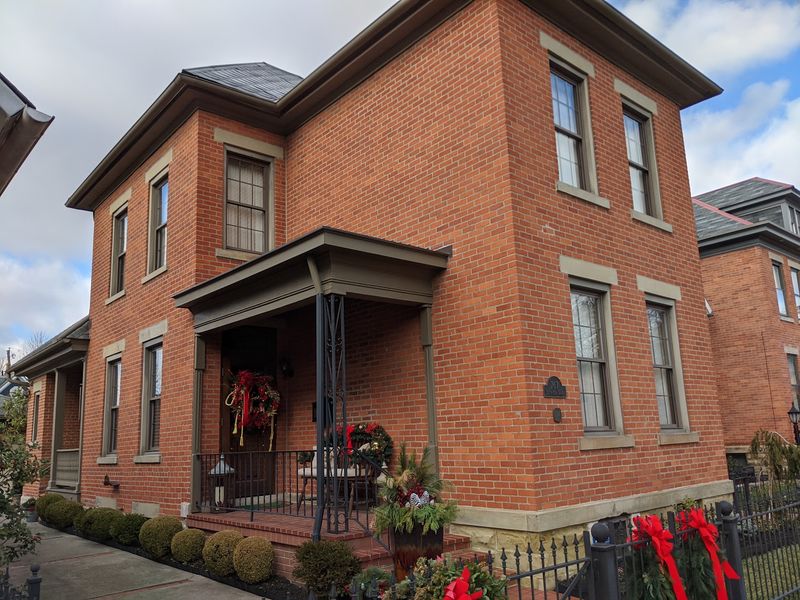
Art in German Village does not confine itself to gallery walls. Murals appear on the sides of buildings, sculptural details show up on iron gates and window surrounds, and the neighborhood’s overall visual character functions as a kind of living exhibition of craft and care applied over 150 years.
Formal galleries do exist here and tend to feature work from Columbus-area artists alongside pieces with broader regional reach. The scale of these spaces fits the neighborhood: intimate rather than imposing, approachable rather than intimidating.
Browsing is encouraged, and the absence of pressure makes lingering easy.
Local artists have long gravitated toward German Village because the neighborhood itself seems to inspire creative attention. The light bouncing off brick, the texture of aged iron, the layered history visible in every facade all provide raw material for painters, photographers, and sculptors who call the area home or simply come to work within it.
Who Feels Most at Home Here
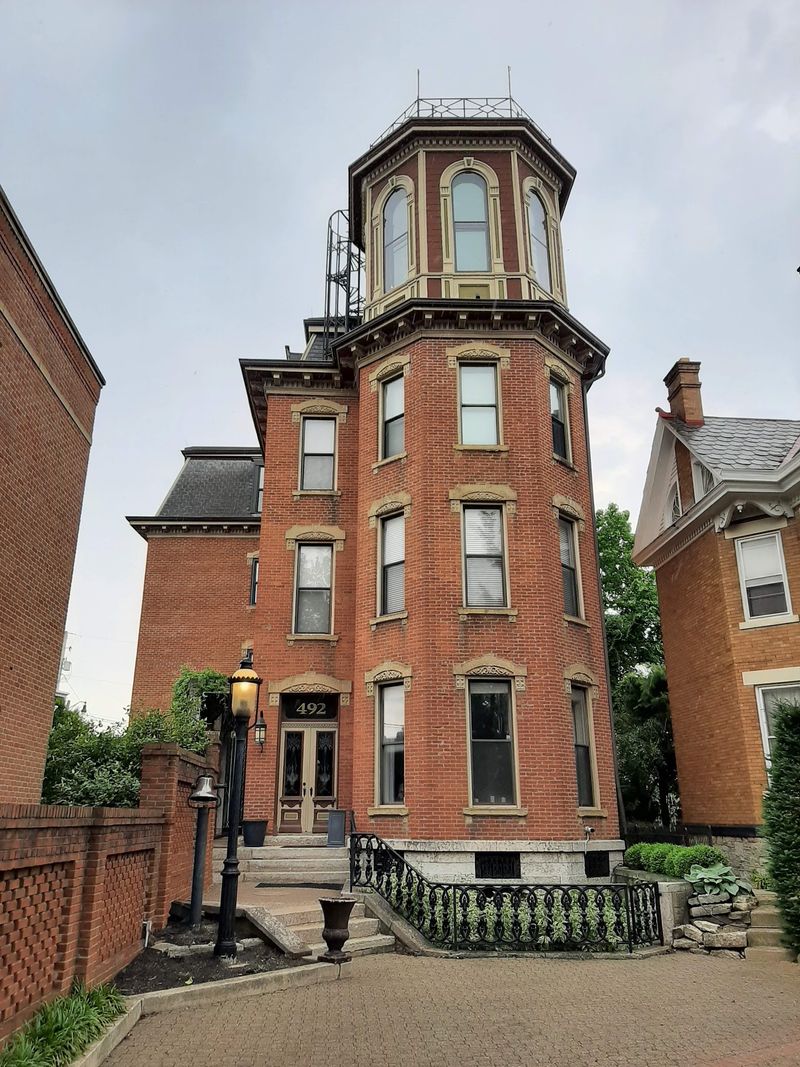
German Village draws a genuinely wide crowd, which is part of what makes the neighborhood feel so alive rather than frozen in time. History buffs show up with cameras and notebooks, architecture enthusiasts pace slowly with their eyes tilted upward, and families with young children find the low-traffic brick lanes surprisingly manageable for strollers and curious wanderers.
Couples looking for a romantic afternoon walk find the setting almost unreasonably photogenic. The narrow streets, flowering window boxes, and soft afternoon light create conditions that feel designed for slow, attentive company.
Solo visitors tend to lose track of time entirely, pulled from one interesting storefront or garden to the next.
Locals treat the neighborhood as an extension of their own living room, walking dogs past the same iron fences every morning and knowing which coffee shop gets the best light at noon. That everyday familiarity layered over genuine historical depth is what keeps German Village from ever feeling like a theme park.
What Summer Does to the Neighborhood
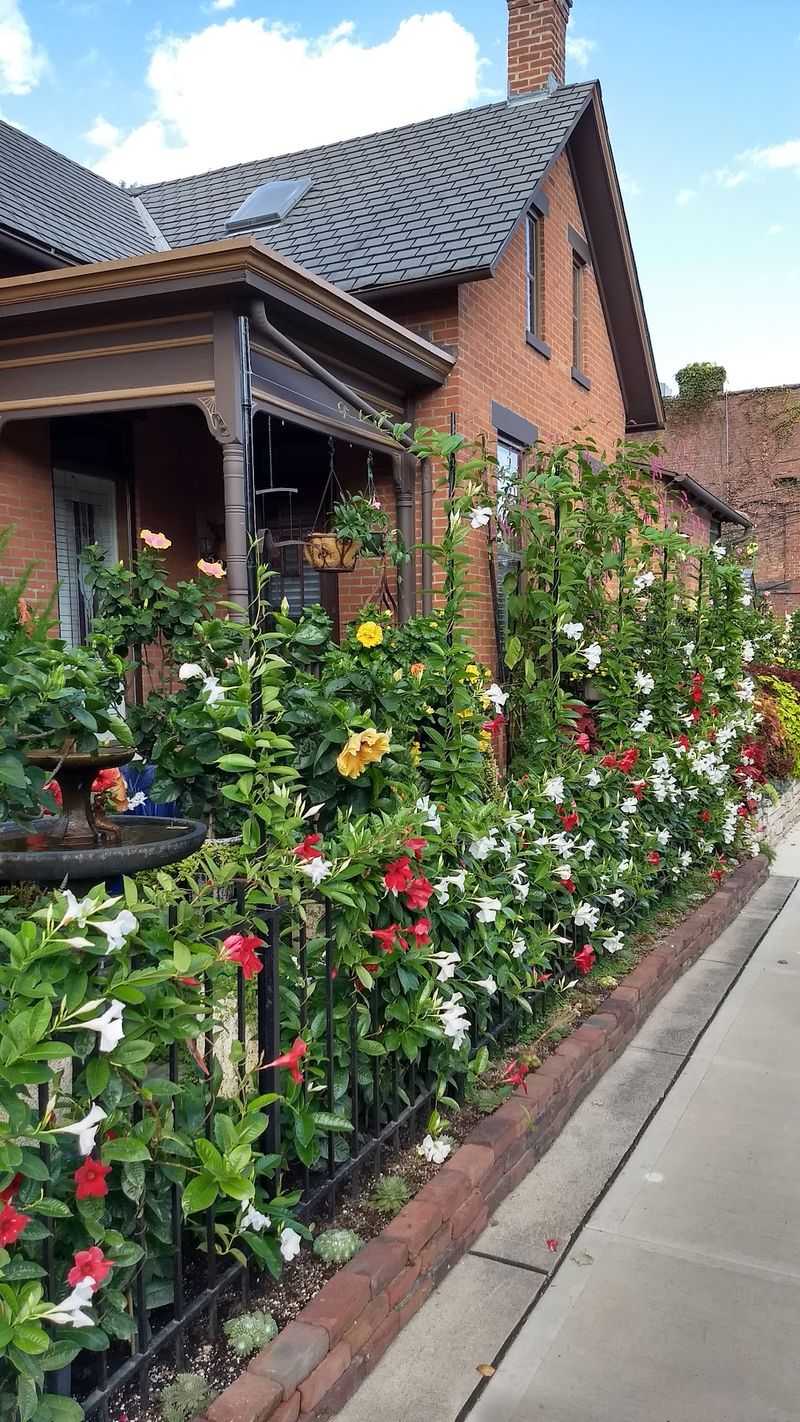
Warm weather transforms German Village in ways that are hard to fully anticipate on a first visit. Window boxes burst with color, outdoor cafe tables fill up by mid-morning, and Schiller Park hums with activity from early walkers to evening theatergoers catching a summer Shakespeare performance.
The brick retains heat in a way that makes summer evenings feel especially warm and golden. Street-level gardens that were bare in March become lush and fragrant by July, softening the hard edges of the architecture and adding a layer of sensory richness that photographs rarely capture fully.
Foot traffic increases noticeably in summer, but the neighborhood absorbs visitors without feeling overwhelmed. The layout naturally distributes people across multiple streets and gathering points rather than funneling everyone into a single corridor.
Summer is widely considered the peak season for a German Village visit, though regulars argue that every season offers something worth coming back for.
Getting There and Moving Around Once You Arrive
German Village sits just south of downtown Columbus, making it reachable from most parts of Ohio in a single morning drive. From Cleveland, the trip runs roughly two and a half hours.
From Cincinnati, expect just under two hours. Dayton residents can pull in within an hour and fifteen minutes on a clear day.
Parking is available along neighborhood streets, and most visitors find a spot within a few blocks of wherever they want to start. The neighborhood is compact enough that a car becomes unnecessary once you arrive.
Comfortable walking shoes are the only real equipment required, though the brick underfoot does demand a bit more attention than a smooth sidewalk.
No admission fee exists for exploring the neighborhood itself. The streets, parks, and public spaces are open and free.
Individual shops, restaurants, and theater performances carry their own pricing, but simply wandering through German Village costs nothing beyond the drive to get there.
Why German Village Earns a Return Trip
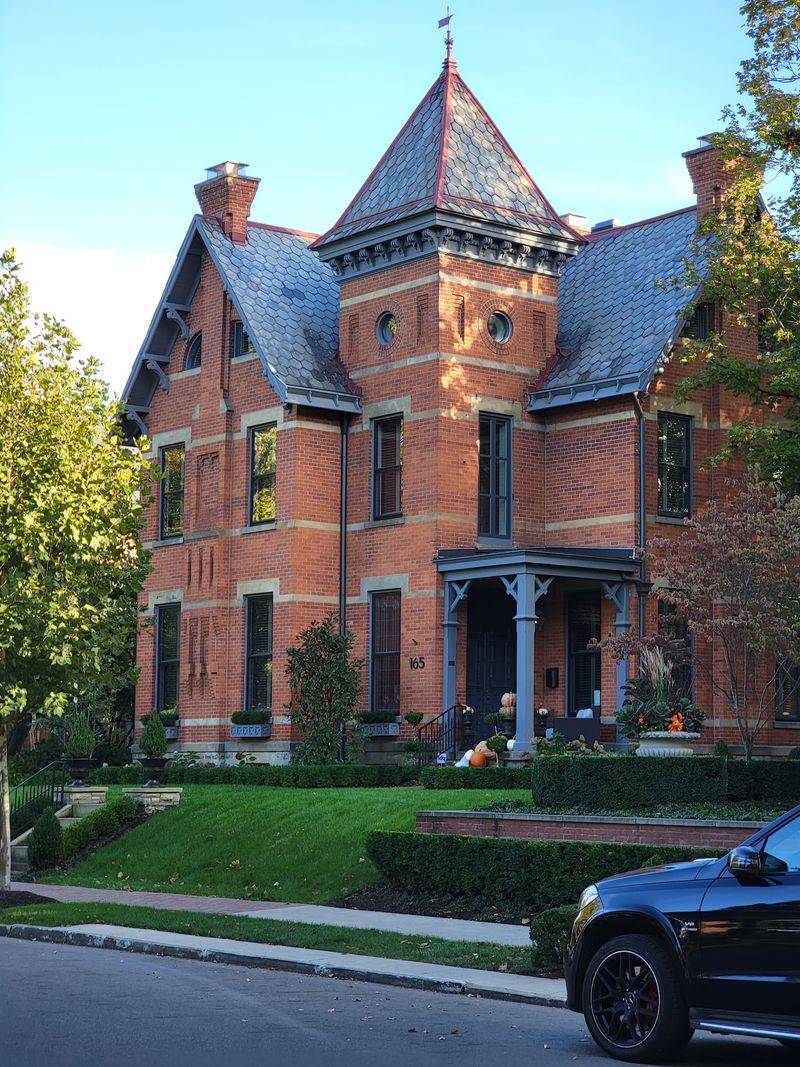
First visits to German Village tend to end with a quiet sense that more was left unexplored than was actually seen. The neighborhood rewards repeat attention in a way that few Ohio destinations manage.
A block that seemed unremarkable in the morning looks completely different bathed in late afternoon light.
Seasonal changes add another layer of reason to come back. Spring brings flowering gardens, fall turns the mature street trees into a canopy of color, and winter strips the leaves away to reveal architectural details that greenery hides during warmer months.
Each visit lands differently depending on when you show up and what you notice.
Beyond the visuals, German Village carries a feeling of genuine continuity. The people who live here chose to be here, the businesses that operate here reflect the community’s character, and the history underfoot is real rather than reconstructed.
Ohio does not have many places quite like it, which is exactly what makes it worth the trip.
Share this story