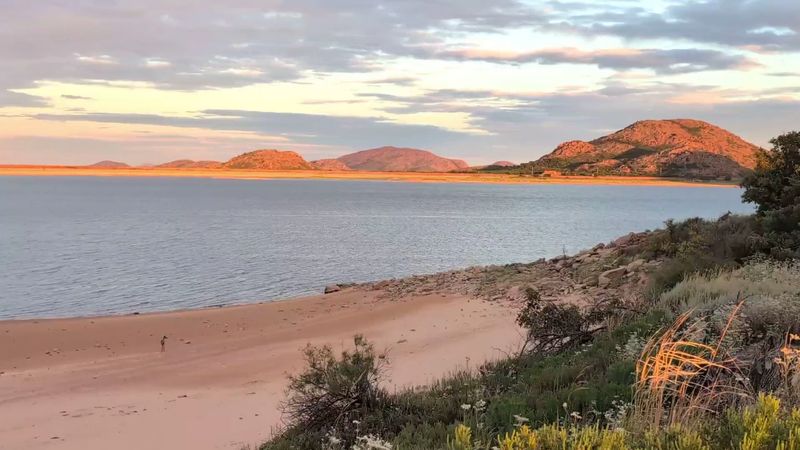
Most people drive through southwestern Oklahoma without expecting much, and that is exactly how Quartz Mountain State Park stays so wonderfully under the radar. Tucked near the small town of Lone Wolf, this park rises from the flat plains with ancient pink granite boulders and glittering lake views that genuinely stop you in your tracks.
The scenery looks nothing like the Oklahoma most outsiders picture, which makes the whole experience feel like stumbling onto a secret. With a 4.6-star rating from nearly 1,700 visitors, the park has clearly earned its quiet reputation as one of the most visually stunning state parks in the country.
Where Quartz Mountain Actually Lives
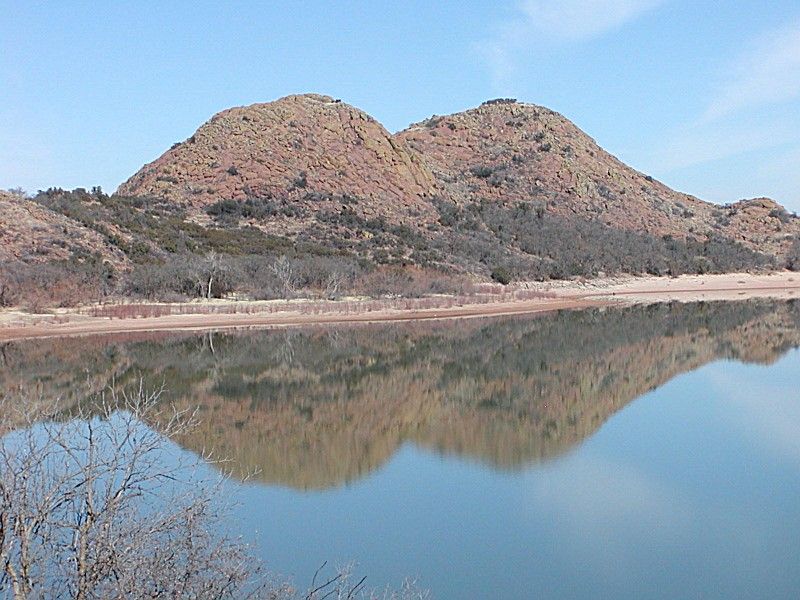
Right at 14722 OK-44A in Lone Wolf, Oklahoma, Quartz Mountain State Park sits in Kiowa County in the southwestern corner of the state, roughly two hours from Oklahoma City. The address alone gives little away, but the landscape that greets you on arrival is a genuine surprise.
The park borders Lake Altus-Lugert, a reservoir created by damming Lugert Creek. That decision to flood a valley decades ago gave the park its dramatic water backdrop, and on calm mornings the granite peaks reflect cleanly off the surface.
Lone Wolf itself is a tiny community, so arriving here feels genuinely remote. The nearest larger town is Altus, about 25 miles to the south.
Cell coverage is spotty throughout the park, which is either a frustration or a welcome digital detox depending on your perspective.
The park is managed by the Oklahoma Department of Wildlife Conservation and the Oklahoma Tourism and Recreation Department. You can reach the park office directly at 580-563-2238, and the official site at travelok.com has current information on camping and cabin availability.
The Geology Behind the Pink Granite Glow
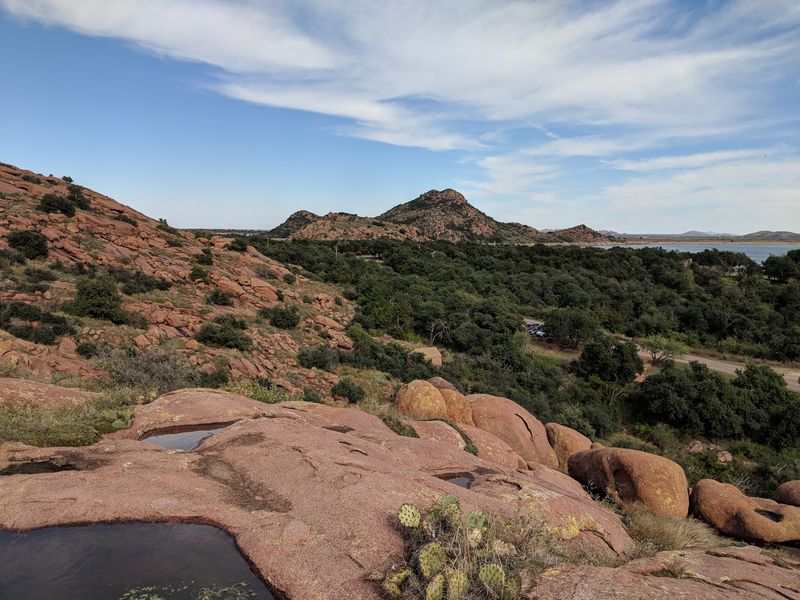
Ancient geology is the real star here. The mountains at Quartz Mountain State Park are part of the Wichita Mountains range, formed roughly 525 million years ago when magma cooled slowly underground and eventually eroded to expose the hard granite core we see today.
The distinctive pink and rose hues come from feldspar minerals embedded in the granite, and when afternoon sunlight hits the boulders at a low angle, the rock practically glows. Photographers who time their visits around golden hour come away with images that look almost too vivid to be real.
The quartz crystals scattered throughout the rock faces give the park its name and add a subtle sparkle to the landscape, especially after rain. Hiking up toward the summit trails, you notice that the rock surface heats up quickly under the Oklahoma sun, so bringing water is genuinely important rather than just good advice.
The terrain looks so different from the surrounding plains that visitors regularly note it reminds them of places like Lake Mead or Mount Scott. That comparison makes sense geologically, since the Wichita range shares similar volcanic origins with other ancient ranges across the southern United States.
Lake Altus-Lugert and the Ghost Town Beneath It
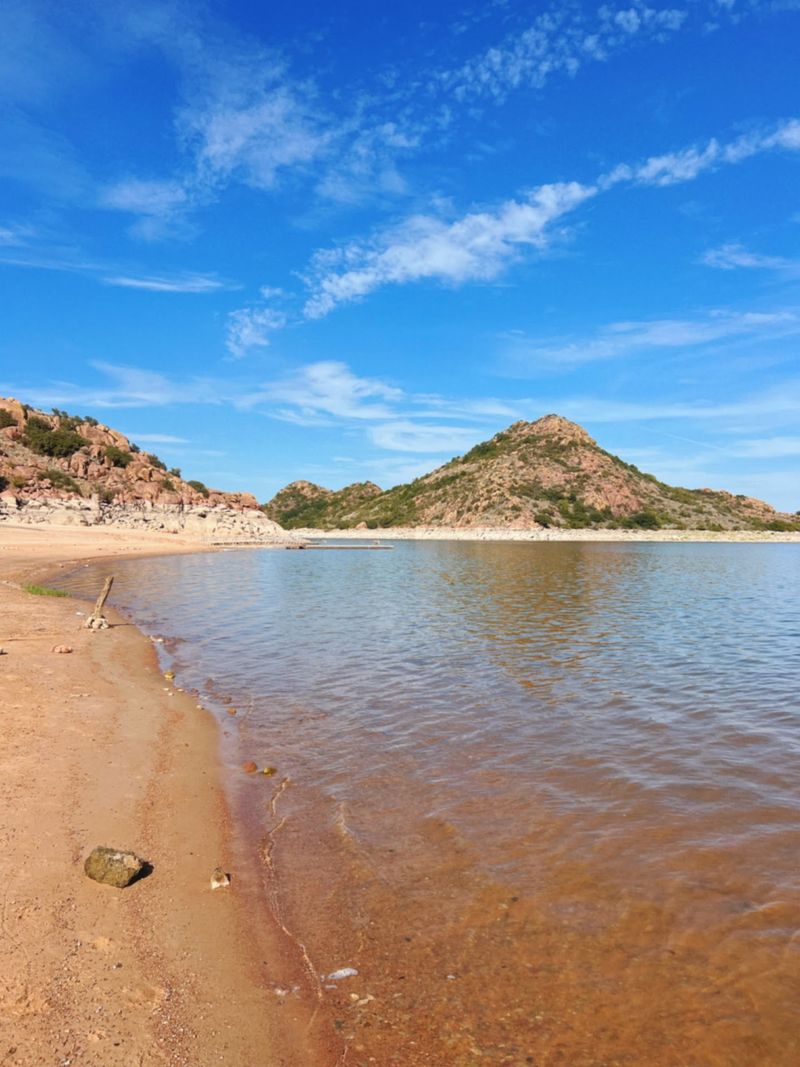
One of the most quietly fascinating stories at Quartz Mountain involves what sits beneath the lake. When the Lugert-Altus Irrigation District built the dam and created Lake Altus-Lugert in the 1940s, the old town of Lugert was flooded in the process.
When water levels drop low enough, remnants of that submerged community occasionally become visible near the shoreline.
There is something genuinely eerie and compelling about seeing the outline of a former town emerge from receding water. Several visitors have noticed the ruins during periods of lower lake levels, and the sight has a way of making the park feel layered with history beyond its natural beauty.
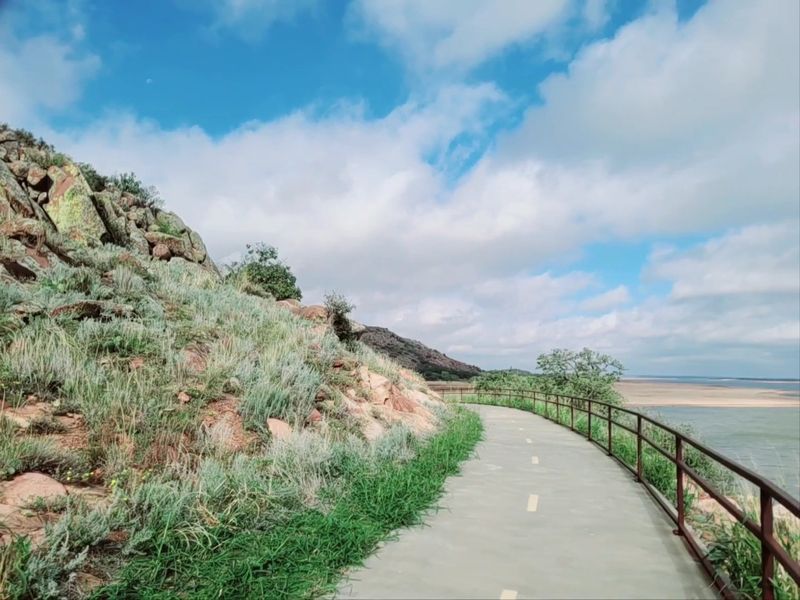
The lake itself stretches across a significant surface area and supports boating, swimming, and fishing when conditions allow. A two-mile bike path runs along part of the shoreline, making it easy to take in the water views without committing to a full hike.
The park also has beach areas with fine-sand shoreline near some of the cabin clusters, and on a calm day the combination of granite peaks framing the water makes for a setting that feels almost theatrical in the best possible way. The lake level does fluctuate seasonally, so checking conditions before a fishing-focused trip is worthwhile.
Trail Network and the Scramble to Baldy Point
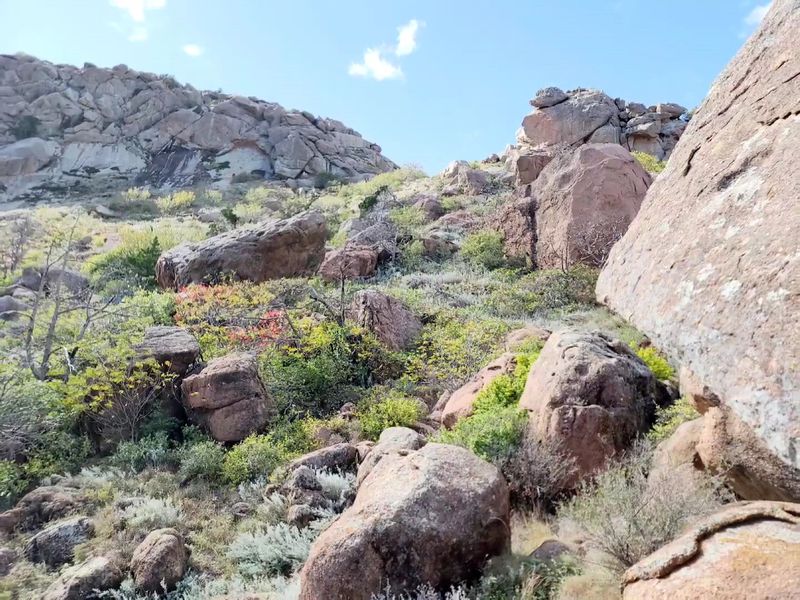
Getting up onto the rocks is the whole point of a visit here, and the trail network delivers on that promise in a satisfying way. Summit trails wind up through the boulders with enough markers to keep you oriented without over-engineering the experience.
Maps from the park office are genuinely useful since cell service is unreliable throughout the park.
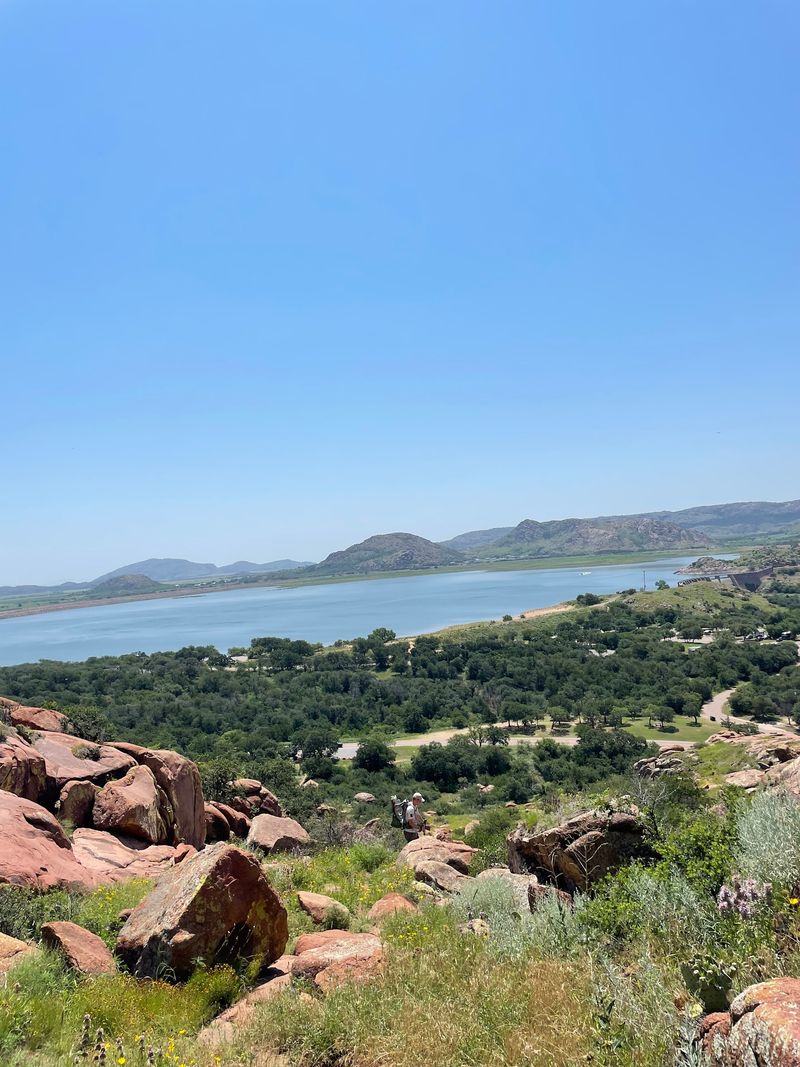
Baldy Point is the standout destination for most hikers. The summit offers a sweeping panoramic view across Lake Altus-Lugert and the surrounding plains, and on a clear day the visibility stretches far enough to make the climb feel well worth the effort.
The top is described by visitors as quiet and peaceful in a way that feels almost meditative.
One short, moderate rock-scrambling trail leads to a dramatic overlook that catches nearly everyone off guard with how breathtaking the view turns out to be. The scrambling sections are manageable for most adults but do require using your hands in spots, so appropriate footwear matters.
The park also offers shaded trail options alongside open sunny routes, giving hikers some control over sun exposure. Summer hiking is possible but demands serious preparation since the granite absorbs heat rapidly.
Spring and fall are the most comfortable seasons for longer outings on the upper trails.
Wildlife You Actually Encounter Here
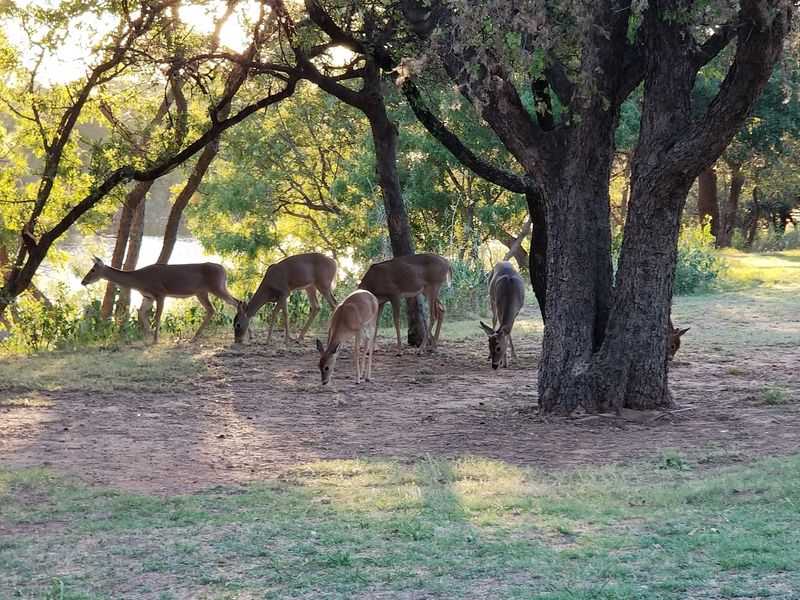
The wildlife at Quartz Mountain has a way of making itself known without any effort on your part. Deer wander through the campgrounds with remarkable ease around humans, particularly in the Mountain View Campground area where they appear in numbers at dawn and dusk.
They show almost no concern about the presence of people, which makes for memorable close-up encounters.
Beyond deer, the park shelters a genuinely diverse cast of creatures. Visitors have spotted porcupines, which surprises most people who do not associate Oklahoma with that particular animal.
Lizards dart across the warm granite faces, butterflies move through the wildflower patches near the lake, and bird life is active throughout the park year-round.
Rattlesnakes are a real presence in the rocky terrain, and the park does not shy away from that fact. Staying on marked trails, watching where you step near boulder fields, and keeping children and dogs close are all practical habits rather than overcautious ones here.
The combination of rocky uplands, lake shoreline, and open grassland creates several distinct habitat types within a relatively small area, which explains why the species diversity feels higher than you might expect from a single state park. Bringing binoculars adds a lot to the experience, especially for birding along the water.
Wildflowers, Cactus, and the Unexpected Botanical Scene
Most visitors come for the rocks and the water, but the plant life at Quartz Mountain deserves its own moment of appreciation. The park sits at a botanical crossroads where prairie species meet rocky upland flora, and the result is a surprisingly varied landscape depending on the season.
Spring brings wildflowers across the lower slopes and meadow areas, adding bursts of color against the pink granite backdrop. The combination of blooming flowers and ancient boulders creates the kind of layered composition that photographers spend entire trips chasing.
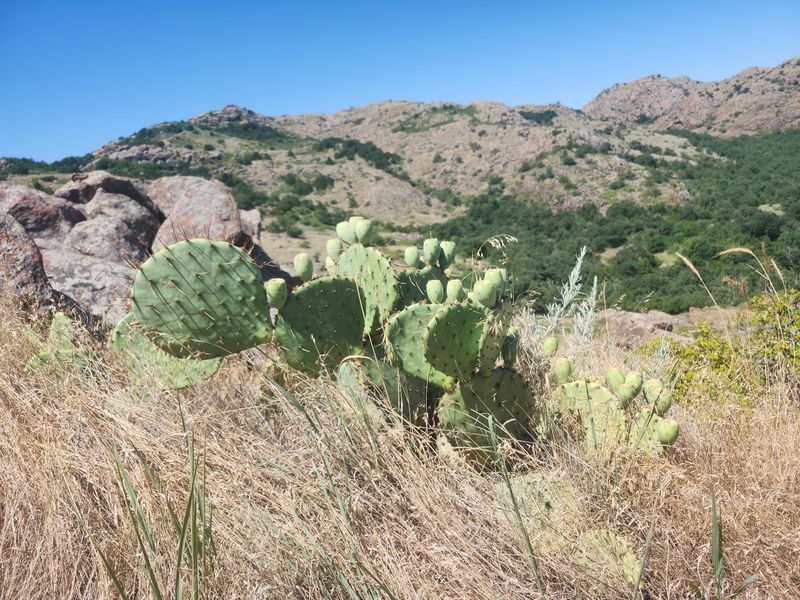
Summer heat pushes many of the flowering plants into dormancy, but cactus thrives in the rocky, well-drained soils throughout the warmer months.
Finding cactus growing alongside granite outcrops in Oklahoma genuinely challenges the mental image most outsiders carry of the state. The park feels more like a corner of the American Southwest than anything typically associated with the southern plains, and the plant communities reinforce that impression at every turn.
The nature center at the park provides educational context about the local ecology, and rangers are knowledgeable about what is currently blooming or active during any given visit. Seasonal timing makes a real difference in what you experience botanically, with late March through May generally offering the most visually rewarding wildflower displays near the trails.
Camping Options from Tent Sites to Lakeside Cabins
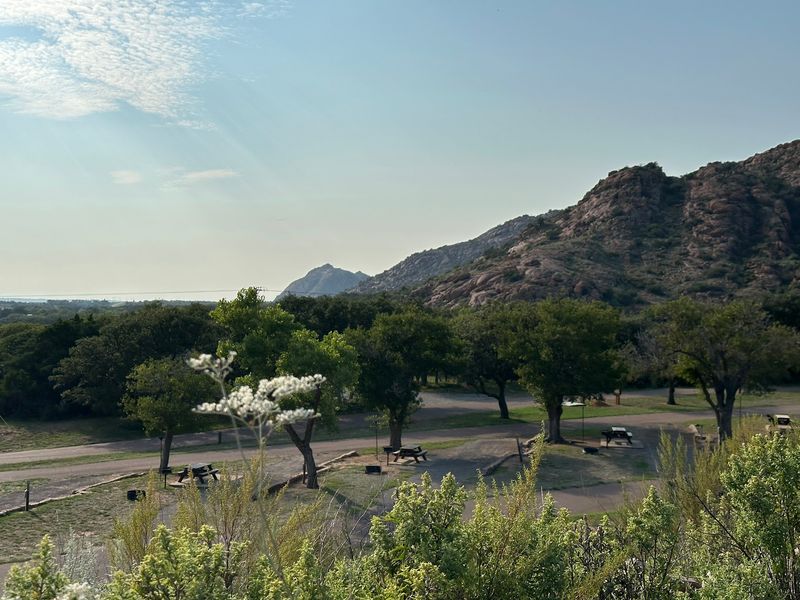
Overnight options at Quartz Mountain cover a wide range of preferences. The Mountain View Campground is consistently cited as one of the best spots in the park, offering RV-friendly sites with decent hookups and close access to the trails.
Spots are closer together than at some parks, but the setting more than compensates for the proximity.
Tent campers have plenty of designated areas as well, and the park attendants are attentive about maintaining each site in good condition. Clean bathrooms and shower facilities are a recurring point of praise from visitors, which matters more than it sounds after a long day of hiking in Oklahoma heat.
Cabins near the lake bring a different kind of experience, with fine-sand beach access right outside the door on some units. The cabin quality is generally solid, and the setting along the water makes early mornings particularly pleasant when the granite peaks catch the first light.
For large groups, the park can accommodate gatherings of 250 or more people, making it a viable option for family reunions or organized retreats. Hot showers are available and reliable under normal occupancy conditions, though during peak periods the capacity can feel stretched.
Booking well in advance for summer weekends is the practical move.
The Oklahoma Summer Arts Institute Connection
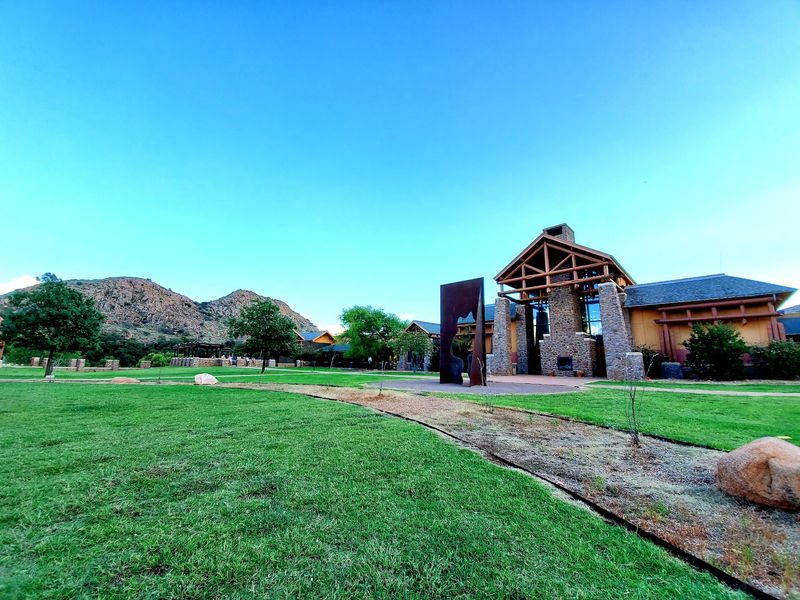
Quartz Mountain has a cultural dimension that sets it apart from most state parks in the region. The Oklahoma Summer Arts Institute, known as OSAI, has used the park as its home for decades, bringing talented teenage artists from across the state together for an intensive summer residential program in music, visual arts, theater, and creative writing.
The program runs for roughly two weeks each summer and transforms part of the park into a working arts campus. Performances and exhibitions at the end of the session are open to the public, drawing visitors who come specifically for the cultural programming rather than the outdoor recreation.
For young artists, OSAI is described as a genuinely singular experience, one that participants remember as formative long after the summer ends. Applications open in the fall, and the program is competitive enough that acceptance carries real weight.
The setting itself plays a role in the creative atmosphere, since few places combine natural drama and open sky the way Quartz Mountain does.
The presence of OSAI gives the park a sense of purpose beyond recreation, connecting the landscape to something larger in Oklahoma’s cultural identity. Visitors who time their trips to overlap with the institute’s public events get a fuller picture of what the park represents to the state as a whole.
Photography Conditions That Justify the Trip Alone
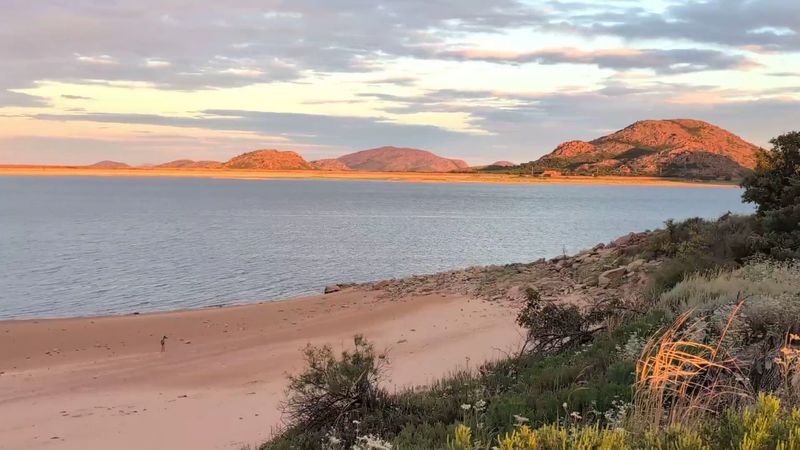
Few state parks in the central United States offer the visual variety that Quartz Mountain delivers within a single visit. The pink granite boulders, the lake reflections, the wildflower meadows, the dramatic sky over open plains, and the scrambling trail views all contribute to a photography itinerary that could fill an entire weekend without repeating a single composition.
Golden hour here is genuinely special. The feldspar in the granite picks up warm tones from low-angle light in a way that makes the rock faces look almost painted.
Shooting from the summit trails at sunset gives you foreground texture from the boulders and a sweeping background of water and plains that communicates the scale of the place effectively.
Morning light on the lake surface, when conditions are calm, produces reflections of the peaks that rank among the most striking natural images available in Oklahoma. Overcast days soften the harsh midday shadows on the rock and can actually produce more even lighting for close-up granite texture shots.
Wildlife photography opportunities are consistent thanks to the deer population and the active lizard and bird life. Bringing a telephoto lens for the lake birds and a wide-angle for the summit panoramas covers most of what the park has to offer photographically.
The scenery rewards patience and multiple visits across different seasons.
Who Enjoys Quartz Mountain Most
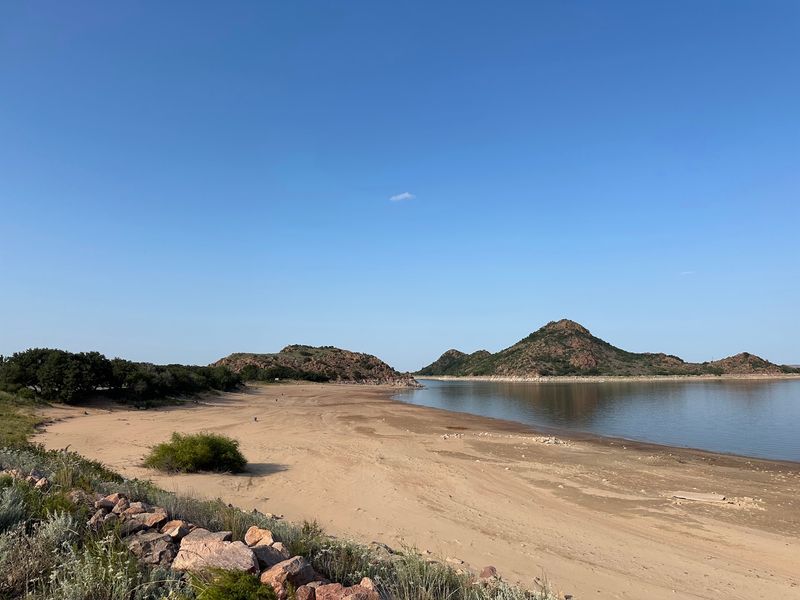
The park draws a genuinely broad audience, and different groups find different things to appreciate about it. Couples looking for a quiet, scenic getaway consistently describe the atmosphere as romantic, particularly in the evenings when the park empties out and the only sounds are wind and water.
Families with older children find the hiking and swimming combination hard to beat for a few-day trip. The trails offer enough variety to keep active kids engaged without requiring technical skill, and the lake provides a reliable outlet for energy on hot afternoons.
Parents with very young toddlers should plan around the reality that most of the compelling terrain involves uneven rocky surfaces.
Outdoor photographers, naturalists, and anyone interested in geology will find the park rewarding in a way that goes well beyond casual sightseeing. The rock formations alone could occupy a serious photographer for multiple days across changing light conditions.
RV travelers passing through southwestern Oklahoma regularly stop here and end up staying longer than planned. The Mountain View Campground area works well for larger rigs, and the combination of facilities and scenery makes it a logical base for exploring the wider Wichita Mountains region.
Solo hikers also find the trails approachable and the overall park atmosphere welcoming without feeling crowded on weekdays.
Practical Details for Planning Your Visit
The park operates seven days a week from 8 AM to 4:30 PM for the visitor center and park office, though camping and cabin guests have access beyond those hours. The phone number for reservations and general inquiries is 580-563-2238, and the official booking portal lives at travelok.com under the state parks section.
Cell service throughout the park is unreliable enough that downloading maps and confirming reservations before arrival is genuinely practical advice. The park office staff are consistently described as helpful and knowledgeable, so stopping in at the information building early in your visit pays dividends in terms of trail recommendations and current conditions.
Bringing your own water for hikes is essential rather than optional. The granite surfaces heat up faster than you expect, and even mild temperatures can feel intense on exposed summit trails with direct sun.
Sunscreen, sturdy shoes with ankle support, and a hat cover the basics for a comfortable day on the upper trails.
Dogs are welcome but the grassy areas contain burrs that work into paw pads, so keeping pets on the rocky or paved paths reduces that particular discomfort. Rattlesnake awareness applies year-round in the rocky terrain.
The park is located about 25 miles north of Altus, which is the nearest town for fuel, groceries, and other supplies before making the drive out.
A Verdict on Oklahoma’s Best-Kept Outdoor Secret
Quartz Mountain State Park earns its 4.6-star rating the honest way, through scenery that consistently exceeds expectations and facilities that are maintained with genuine care. The park does not try to be everything to everyone, and the things it does well, hiking on ancient granite, lakeside camping, wildlife encounters, and big sky photography, it does with a quiet confidence that rewards visitors who make the drive.
Some amenities have seen better days, and the park is candid about ongoing maintenance priorities. The mini golf course has been neglected, some paddleboat infrastructure is no longer operational, and the fishing pier has faced closures tied to lake levels.
Being realistic about what is currently functioning prevents disappointment and lets the actual highlights shine.
What the park offers consistently is atmosphere. That combination of pink rock, open water, dramatic sky, and surprising wildlife diversity is genuinely hard to find anywhere else in the southern plains.
The setting does not feel like Oklahoma in the way most outsiders imagine the state, and that pleasant disorientation is a big part of the appeal.
A weekend here, whether in a tent, an RV, or a lakeside cabin, tends to leave people planning a return trip before they have even finished packing up. That kind of quiet staying power is exactly what makes Quartz Mountain one of the most underrated state parks in America.
Share this story