Some of the best surprises in Oklahoma show up at the end of a dusty gravel road you almost skipped. You crest a quiet hill, expecting nothing much, and suddenly the whole world turns into rolling grass and shaggy animals moving free.
Visitors have even spotted wild horses roaming near this protected prairie, right alongside one of the most famous bison herds in the state. If you want a road trip moment that feels wild, peaceful, and a little bit unreal, keep reading.
A Sea of Grass in the Osage Hills
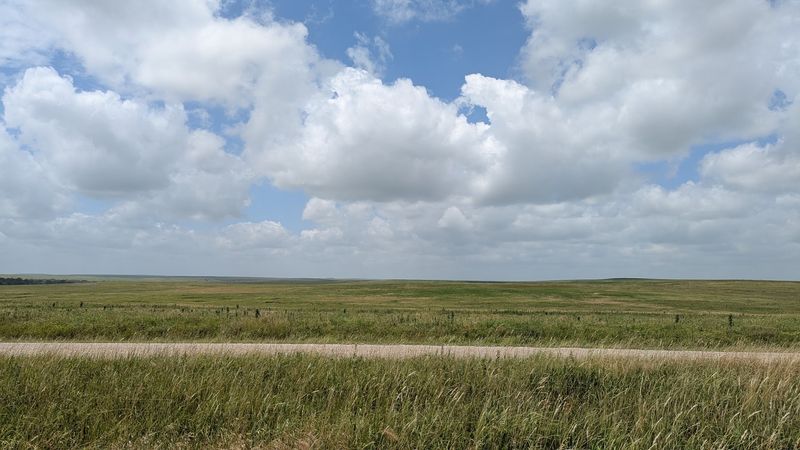
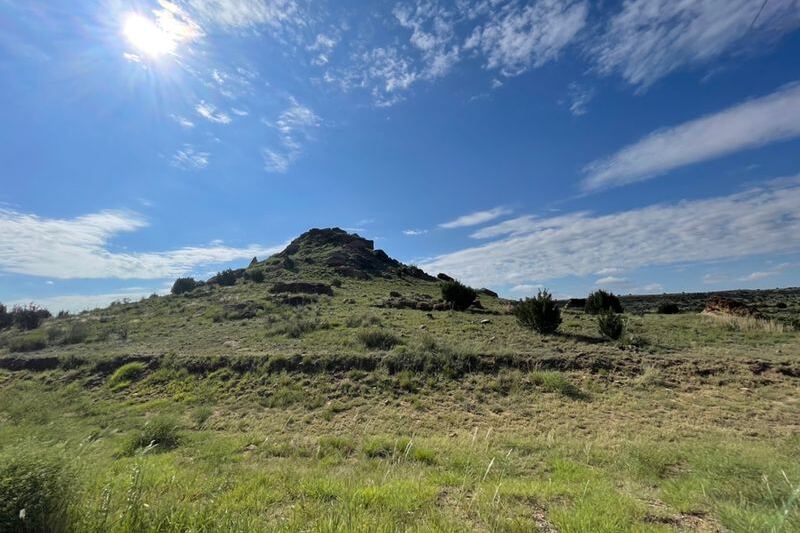
Picture grass so wide and open that the sky seems to sit right on top of it. That is the first thing you notice at the Joseph H.
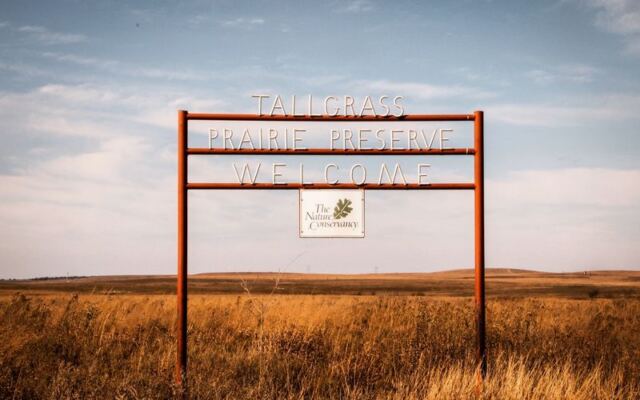
Williams Tallgrass Prairie Preserve, tucked into the Osage Hills north of Pawhuska, Oklahoma. The official address is 15316 Co Rd 4201, but the real landmark is the endless horizon.
The preserve is a protected grassland cared for by The Nature Conservancy. Its main job is simple and important: keeping a slice of the old tallgrass prairie alive, along with the bison that graze across it.
Lookouts sit along a walking trail and a scenic road, so you can soak in the view from more than one angle.
Visitors who drive the full stretch often say they did not grasp how huge the place is until they were bouncing along the rough roads inside it. One family entered from the south and left through the north, amazed by the scale the whole way.
Others mention breathtaking views of the hills rolling off in every direction.
For a road-tripper, that sense of size is the hook. It feels less like a park and more like stepping into a much older version of Oklahoma.
Horses, Herds, and What Actually Roams Here
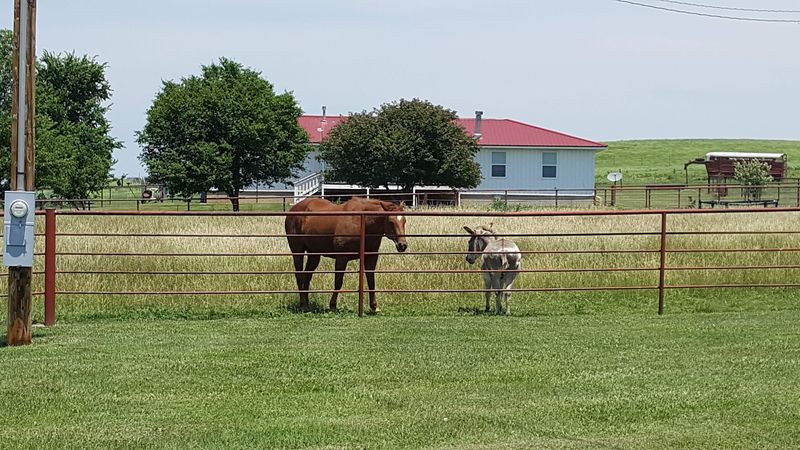
Here is an honest heads-up before you pack the car. The stars of this preserve are bison, not horses, and they get mentioned far more than any other animal by people who visit.
Still, the wild horse angle is not made up. At least one recent visitor noted seeing wild horses near the preserve, which adds a fun bonus to the drive in and out of the area.
Think of the horses as a lucky extra rather than a guaranteed sighting, the kind of thing you point at and shout about from the back seat.
Inside the preserve, the animal list gets long fast. People report big bison herds, white-tailed deer darting across the road, coyotes trotting through the grass, plenty of birds, and many kinds of butterflies.
One visitor described seeing speeding deer race past while bison grazed calmly nearby.
So why frame a trip around free-roaming animals at all? Because that feeling of watching big creatures move with no fences in sight is rare in modern life.
Whether it is a horse on the edge of a pasture or a bison crossing your path, the thrill comes from the same place. Nothing here is staged, and nothing is guaranteed.
The Bison Loop Drive
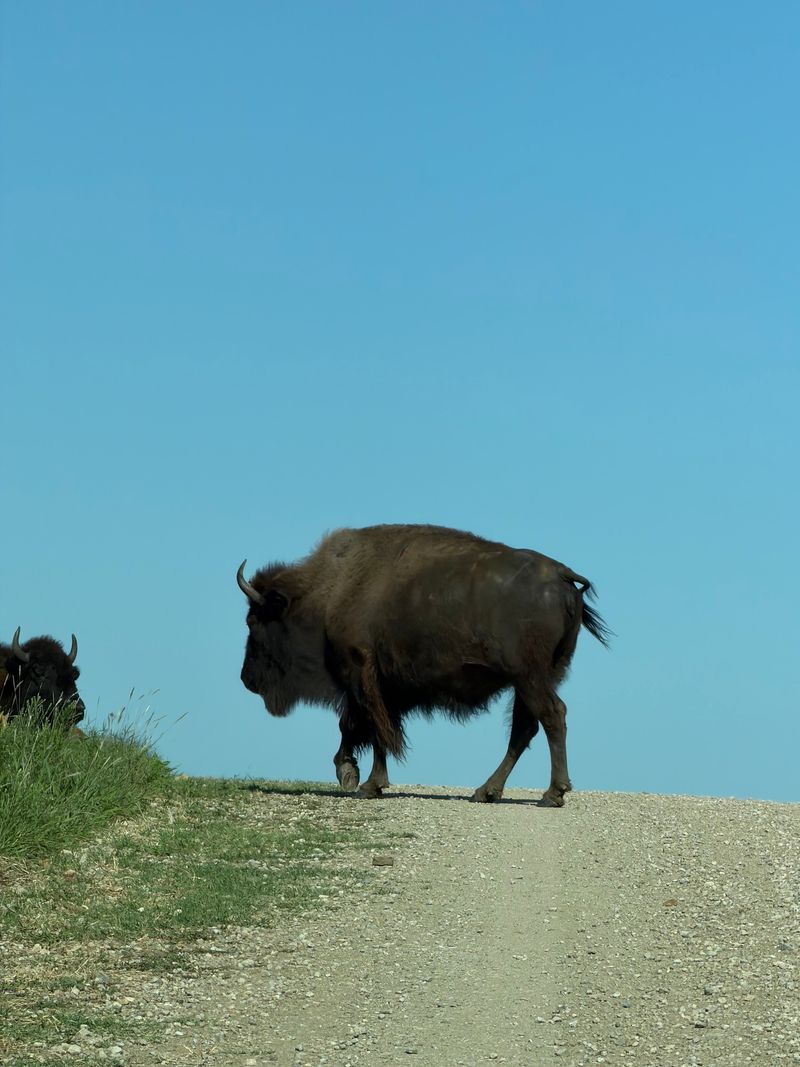
Ask almost anyone who has been, and they will tell you the Bison Loop was the highlight. It is a drive, not a hike, which makes it perfect for road-trippers who want big wildlife without a long walk.
One couple said the loop took them about an hour, and they went slowly, stopping for tons of photos. Along the way they saw bison, white-tailed deer, and a coyote.
Another visitor came over a hill and found hundreds of bison spread out in front of them, which they said made their whole day.
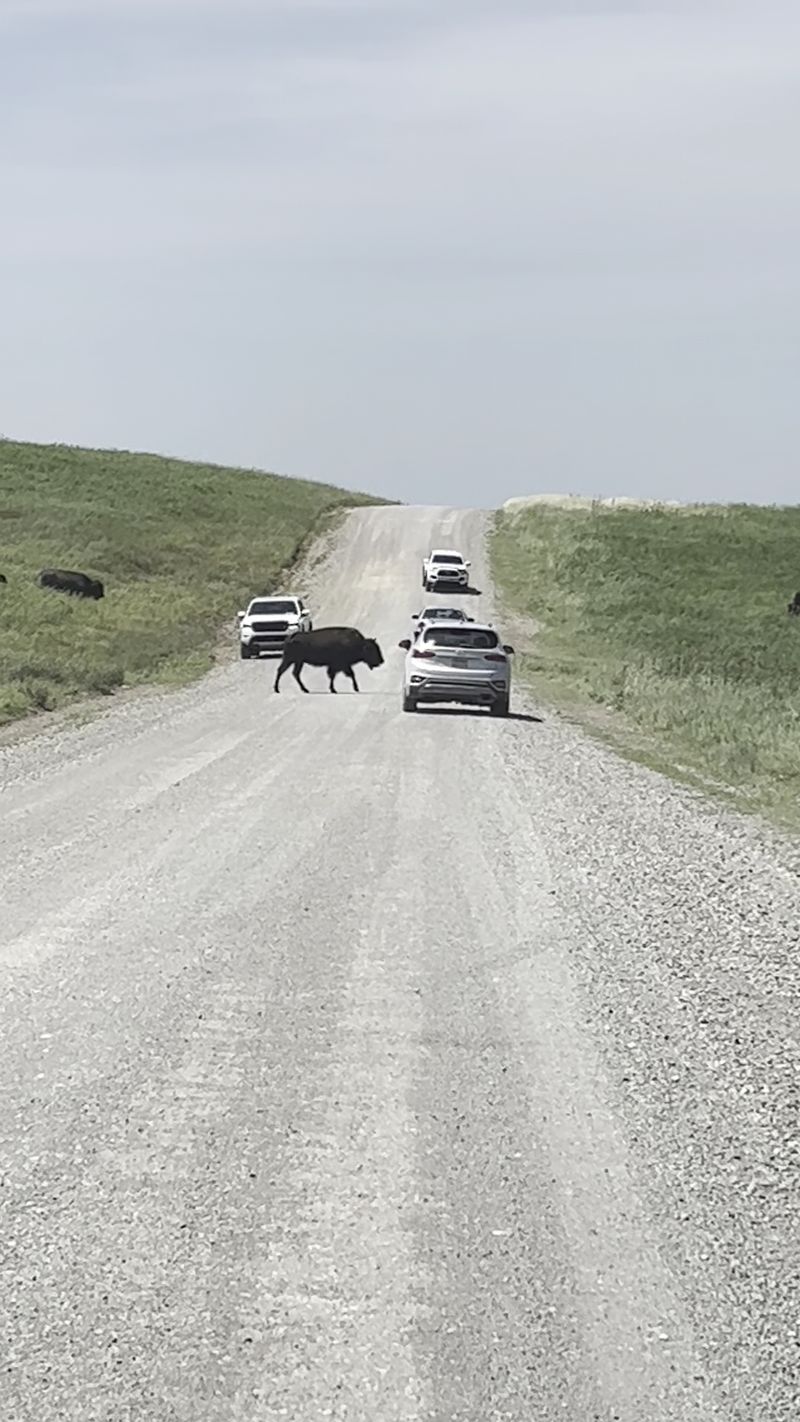
The golden rule is to stay in your car. Bison are fun to watch but can be very dangerous, and regulars stress keeping your distance.
They also warn that when a herd decides to cross the road, it will cross, so be alert and patient.
Luck plays a part, too. Some visitors found herds grazing right beside the road, and one family had bison wander close to their truck.
Others only spotted a few far-off shapes. A pair of binoculars can help a lot on those quieter days, turning distant dots into real animals with fluffy humps and swishing tails.
Cinnamon Calves of Springtime
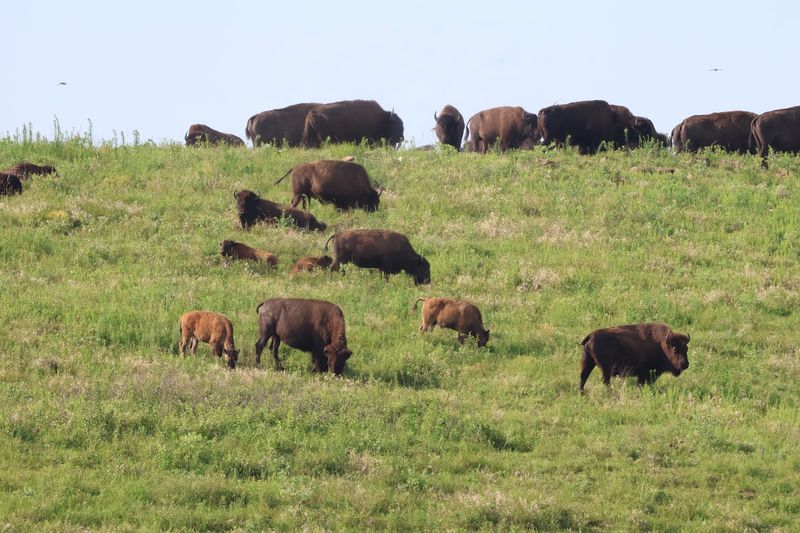
Spring brings the cutest surprise on the whole prairie. Baby bison are born a light cinnamon color, much paler than the dark brown adults, and they stand out like little copper pennies in the grass.
One spring visitor saw a large herd with lots of calves and was amazed by their coloring. They pointed out that the babies blended in with some of the rocks nearby, a natural kind of camouflage that helps keep them safe.
Another visitor called spring a great time to see the calves for exactly that reason.
Several people mention herds with their babies trotting along, which makes the drive feel extra lively. A friendly volunteer at the visitor center even told one guest exactly where to look for the young ones, along with a pile of fun facts.
Fun fact for the kids in the car: the calves do not stay orange forever. Their coats darken as they grow, so each spring gives you a short window to catch that bright color.
Remember that mother bison are protective. Stay in the vehicle, use a zoom lens, and enjoy the show from a safe distance.
The calves are adorable, but they are not petting-zoo animals, and their moms know it.
Mowed Trails, Wildflowers, and Hilltop Benches
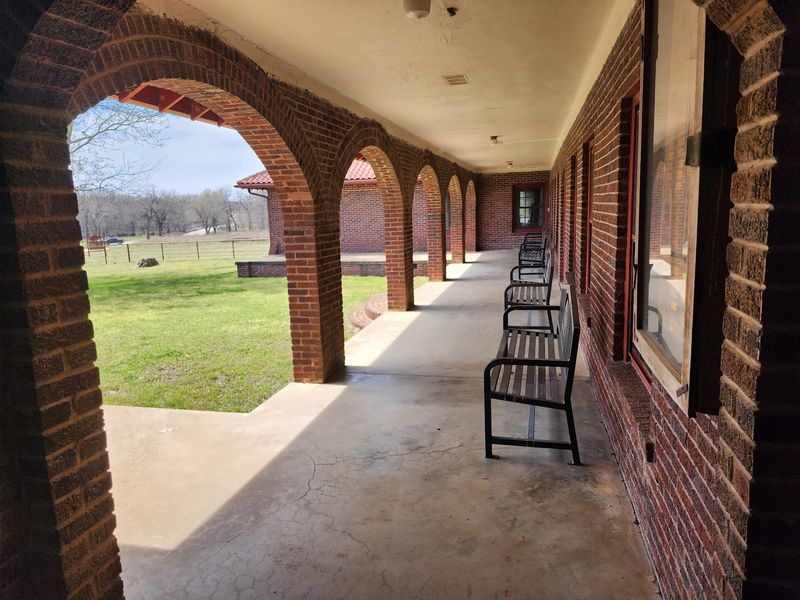
Leaving the car behind for a while changes everything. On foot, you hear the grass rustle, spot butterflies drifting past, and notice wildflowers you would miss at driving speed.
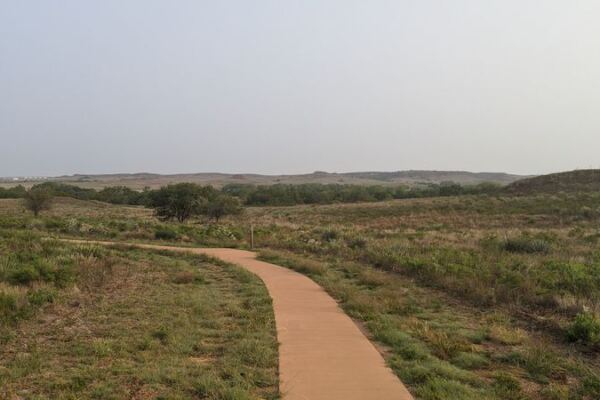
Visitors describe the hiking trails as mowed and well kept. Several benches sit along the paths, which are handy for resting or quietly watching for wildlife.
One guest said a short hike gave them amazing views, while another tackled the longer walk and found it easier than its tough reputation, as long as you give yourself a couple of hours.
Some benches carry personal meaning, too. One visitor shared that they came to clean their mother’s memorial bench, then walked the trails and enjoyed the views.
It is a sweet reminder that this land matters deeply to the people who return again and again.
Now for the practical part. Most trails sit in direct sun with very little shade, so sunscreen is a must.
Hikers also recommend insect repellent, since ticks and other bugs can be a real nuisance. Bring plenty of water, especially in warm months.
Do that, and the trails become a calm, colorful break from the gravel roads.
Volunteers Who Love Talking Bison
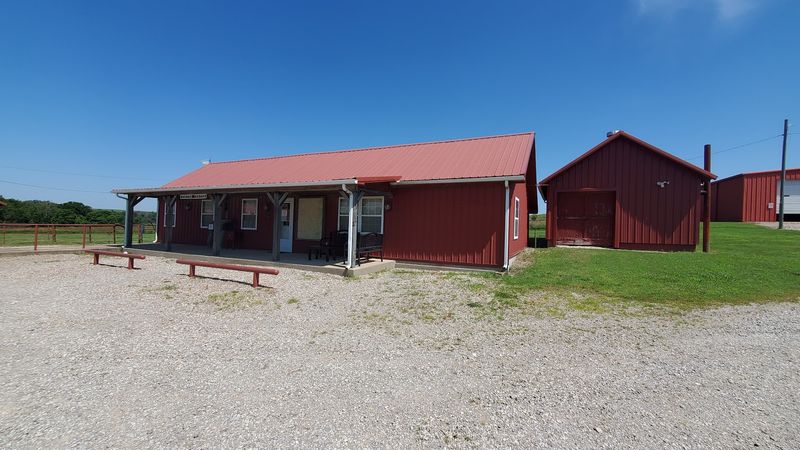
Early birds sometimes get the best conversation. One couple drove straight to the visitor center first thing in the morning, just as the volunteers were arriving, and ended up in a long, friendly chat about bison and every other creature on the preserve.
That story is not unusual. Visitors again and again describe the staff and docents as enthusiastic, kind, and full of knowledge.
They love answering questions about the tallgrass and the herd, and some will even point you toward the best spots to look for animals that day.
The center has plenty of information on display, and guests appreciate the clean restrooms there. Trees and most visitor facilities cluster near the building, so it makes a smart first stop before heading out into the open range.
A couple of things to know. One recent visitor noted there is no longer a gift shop, so do not plan on souvenirs.
A few people also arrived to find the center closed, though the restrooms were still a welcome sight.
If you catch it open, take the time to stop in. A ten-minute chat can turn a pretty drive into a real lesson about why this prairie is worth protecting.
Sunrise Glow, Starry Skies, and No Crowds
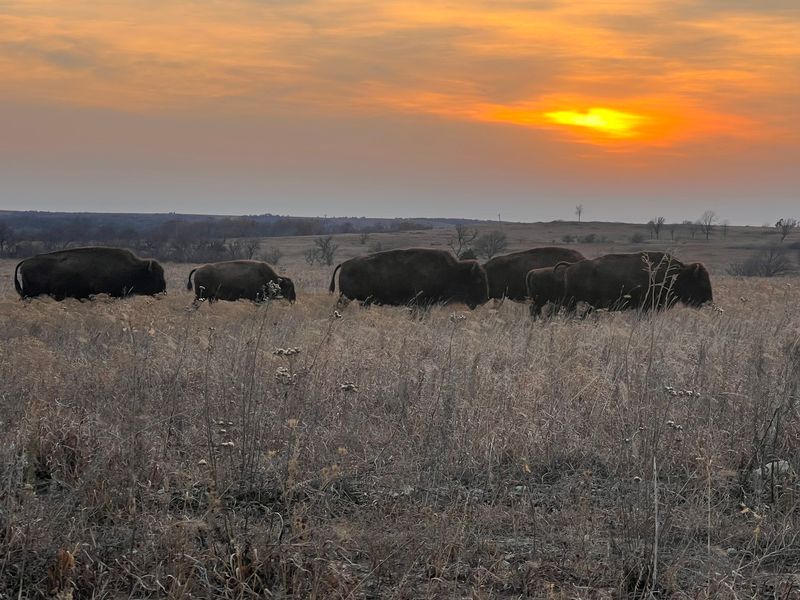
Timing can turn a nice visit into a magical one. People who come at sunrise or sunset in summer say the prairie looks incredible, with the grass lit up in warm gold and pink.
Photographers have plenty to love here. Visitors mention great chances to shoot bison, deer, birds, and wide landscape views.
One guest even suggested coming out late at night for fantastic star photos, with a friendly reminder to mind the coyotes. Keep in mind the posted hours run 7 AM to 7 PM, so check ahead about after-dark access.
The mood is calm and unhurried. Guests often point out that there are no crowds, which means you can pull over, roll down the window, and simply listen to the wind.
Who will love it most? Families looking for an outdoor day, wildlife fans, shutterbugs, and anyone who enjoys nature at a slow pace.
One visitor summed it up as peaceful and well maintained, while another called the whole place a magical spot to visit.
Since it is a protected reserve, guests are expected to follow the rules. That means no littering and leaving the land as clean as you found it.
Gravel Roads, Full Tanks, and Getting There
Good news first: entry is free, and the preserve is open every day from 7 AM to 7 PM. You can call ahead at 918-918-2552 or check The Nature Conservancy website for updates.
Getting there is fairly simple if you follow the right route. Visitors suggest starting on Grandview Avenue in Pawhuska and heading north, then following the many helpful signs to the visitor center and the Bison Loop.
One traveler tried a shortcut off Highway 99 using a phone map and got lost in a web of dirt roads, so stick to the signs.
Once inside, every road is gravel. Speeds top out around 30 to 35 mph, and regulars agree your car will get dirty.
An SUV or pickup is recommended, and one visitor joked that their vehicle would never look the same.
Plan your time and fuel wisely. One guest estimated about three hours round trip from Pawhuska, and the preserve sits roughly an hour and a half from Tulsa.
Make sure your gas tank is full before you go.
Pack water, sunscreen, bug spray, and binoculars. Afterward, visitors like heading back into town for a meal at the Mercantile.
Worth Every Speck of Dust
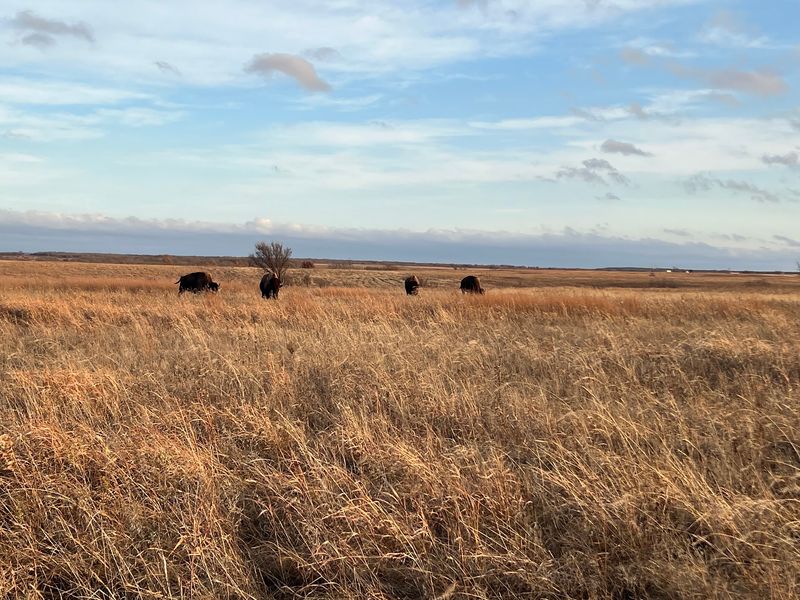
Not every road trip stop sticks with you for years. A few do, and this stretch of Oklahoma prairie has a way of landing on that short list.
The reasons are easy to count. It costs nothing to enter, the drive puts you face to face with free-roaming bison, and the volunteers make you feel welcome.
Add cinnamon calves in spring, quiet trails, glowing sunsets, and the chance of spotting wild horses nearby, and you have a day that feels much bigger than its price tag.
It is not a polished theme park, and that is the charm. The roads are rough, shade is scarce, and the animals keep their own schedule.
Some days the herds crowd the road, and other days they hang back on far hills.
Plenty of visitors say they plan to return to see the seasons change, or to try again for a closer look. That pull to come back says a lot.
So top off the tank, grab your binoculars, and point the car north of Pawhuska. Slow down, roll the windows down, and let the prairie take its time with you.
You will likely leave with a dirty car and a full heart.
Share this story