Tucked away along a quiet road in eastern Oklahoma, there is a place that feels like the rest of the state simply forgot to catch up with it. Hunter’s Home is the only surviving antebellum plantation home in Oklahoma, and walking through its doors is genuinely like stepping into a different century.
Few people outside the region even know it exists, which makes discovering it feel like finding a secret the history books almost kept to themselves. Whether you are a curious road-tripper or a history enthusiast, this remarkable site in Park Hill is well worth the detour.
Location and Identity of Hunter’s Home
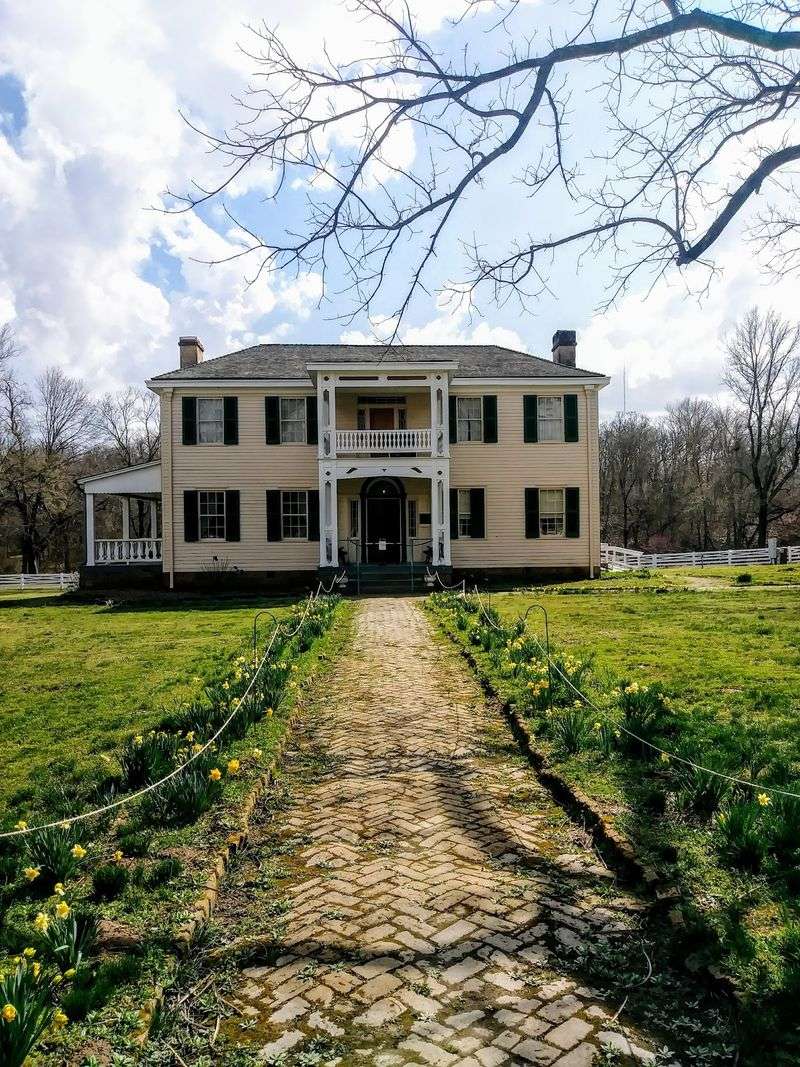
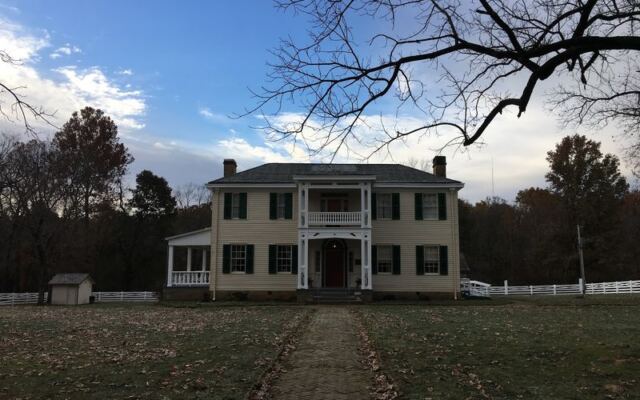
Standing along East Murrell Road in Park Hill, Oklahoma, Hunter’s Home is something most travelers would never expect to find in this part of the country. Officially recognized as the only surviving antebellum plantation home in the entire state, the property carries a weight of history that feels almost tangible the moment you arrive.
Its address, 19479 E Murrell Rd, places it within easy reach of Tahlequah, making it a natural add-on for anyone exploring the Cherokee Nation’s heartland.
The structure itself is a 19th-century Greek Revival mansion, a style more commonly associated with the Deep South than with Oklahoma. That architectural contrast is part of what makes it so striking.
Preserved outbuildings, parklike grounds, and period exhibits round out the experience beyond the main house itself.
Managed through the Oklahoma Historical Society, the site operates as a living museum rather than a roped-off relic. Visitors are invited to engage with the space, not simply observe it from a distance.
For anyone with even a passing interest in American history, the Cherokee Nation, or 19th-century domestic life, Hunter’s Home delivers an experience that is genuinely rare and surprisingly moving.
The Story Behind the House
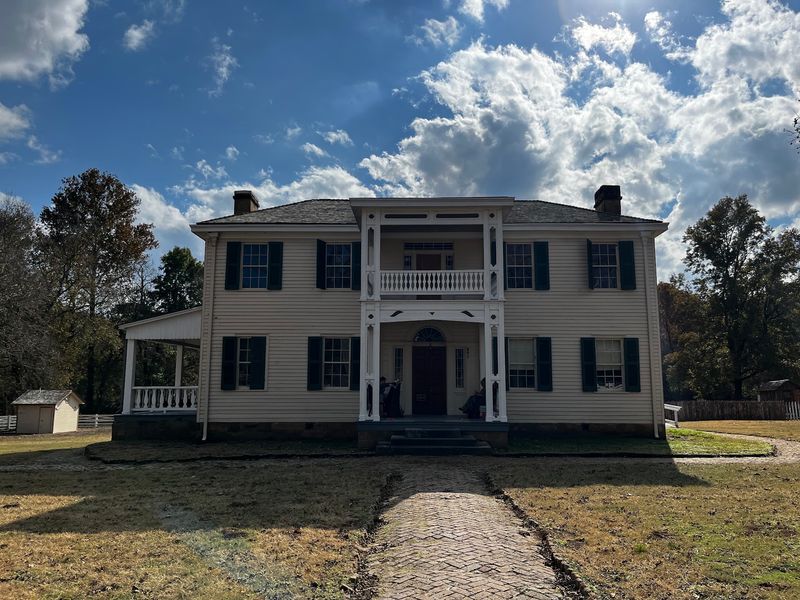
Few homes in Oklahoma carry a backstory as layered as this one. Hunter’s Home was built in the 1800s and is closely tied to the history of the Cherokee Nation, representing a complex chapter in which wealthy Cherokee citizens adopted plantation-style living in Indian Territory.
The home reflects the cultural and economic ambitions of its original occupants, and its survival into the modern era is something of a minor miracle.
Because the home sat in what was then Indian Territory rather than a U.S. state, its history runs parallel to, rather than directly within, the traditional Civil War plantation narrative most people know. That distinction makes it historically fascinating and somewhat unique in how scholars and visitors alike interpret its past.
Guides at the site are careful to present all sides of that story with honesty and depth.
Visitors frequently mention leaving with a much richer understanding of the Cherokee Nation’s relationship to 19th-century American society. The home does not shy away from difficult histories, including the stories of enslaved people who lived and worked on the property.
That candor, delivered with respect and thoroughness, is part of what makes the tours so memorable and worthwhile.
The Greek Revival Architecture Up Close
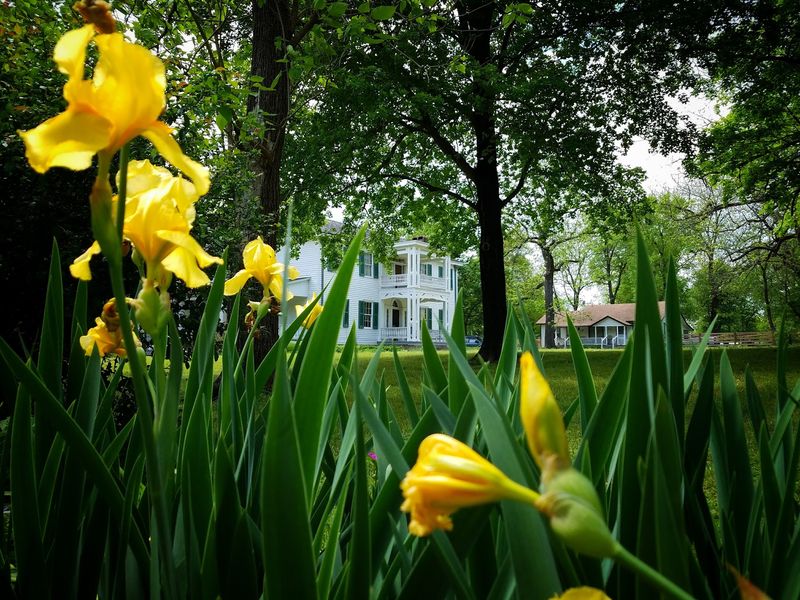
Greek Revival architecture was the prestige style of 19th-century America, favored by wealthy landowners from Georgia to Mississippi, and Hunter’s Home wears that influence proudly. The symmetrical facade, classical columns, and formal proportions give the building an unmistakable grandeur that feels almost surreal against the rolling Oklahoma landscape.
Visitors who have toured plantation homes in Louisiana frequently note that the resemblance is striking, which is high praise given how iconic that region’s antebellum architecture is.
Up close, the craftsmanship tells its own story. The woodwork, structural details, and overall construction reflect the ambitions of people who wanted to signal prosperity and permanence.
For a building that has survived well over a century and a half in Oklahoma, the level of preservation is remarkable.
What elevates the architectural experience here beyond a simple visual appreciation is the guided context. Knowledgeable staff explain not just what you are looking at but why specific design choices were made, who commissioned them, and what those choices meant socially and economically at the time.
Architecture becomes biography when it is explained this way, and that layered storytelling transforms a beautiful old building into something genuinely thought-provoking.
Original Furnishings and Period Artifacts
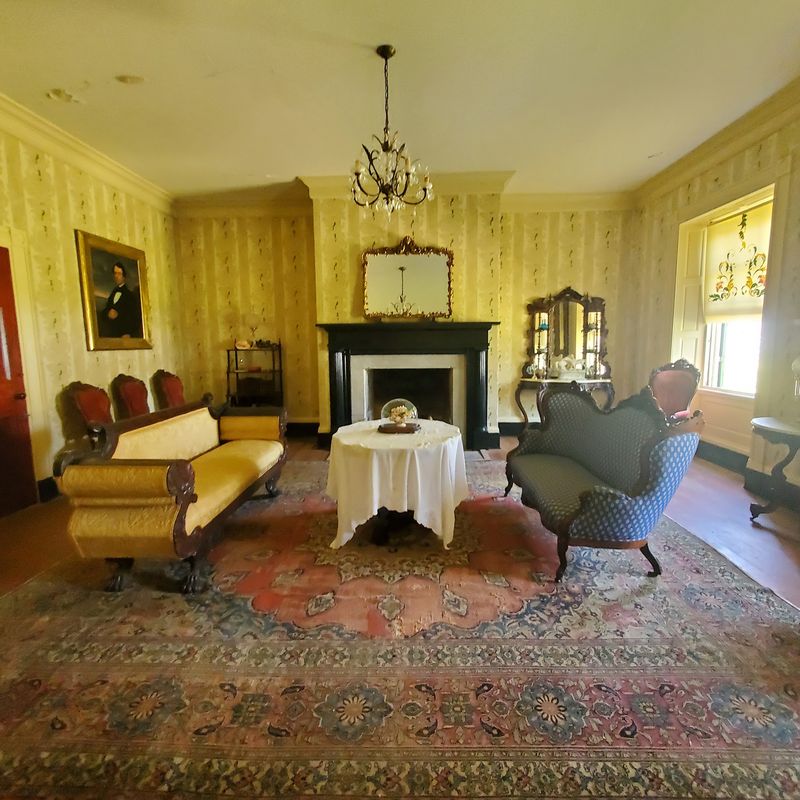
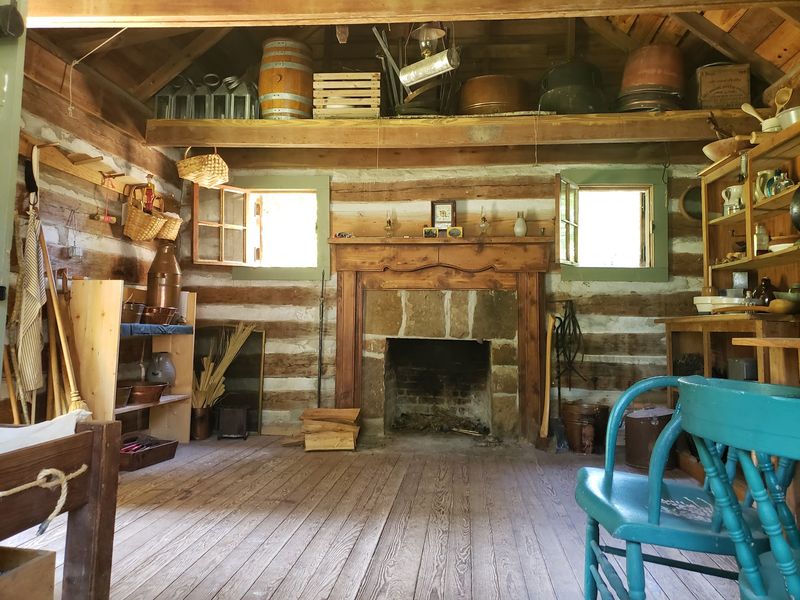
Roughly 90 percent of the furnishings inside Hunter’s Home are original to the property, a statistic that sets this place apart from most historic house museums where reproductions fill the majority of the rooms. Visitors can see where specific pieces came from, who owned them, and how they were used in daily life, details that guides share with impressive specificity.
That level of provenance makes the interior feel genuinely inhabited rather than staged.
Perhaps the most refreshing aspect of the tour is the hands-on approach. Unlike many historic homes where velvet ropes keep visitors at arm’s length, Hunter’s Home allows guests to open cabinets, look at items on nightstands, and move through rooms without barriers.
That freedom turns passive observation into active discovery, and it is something visitors consistently highlight as a highlight of their experience.
One particularly memorable demonstration involves walnuts harvested from the property, used by guides to show how occupants once prepared food using original recipes. Seeing a historical technique demonstrated with actual ingredients from the grounds creates a sensory connection to the past that no exhibit label could replicate.
For families and history enthusiasts alike, the artifact-rich interior is one of the most compelling reasons to visit.
The Living-History Program
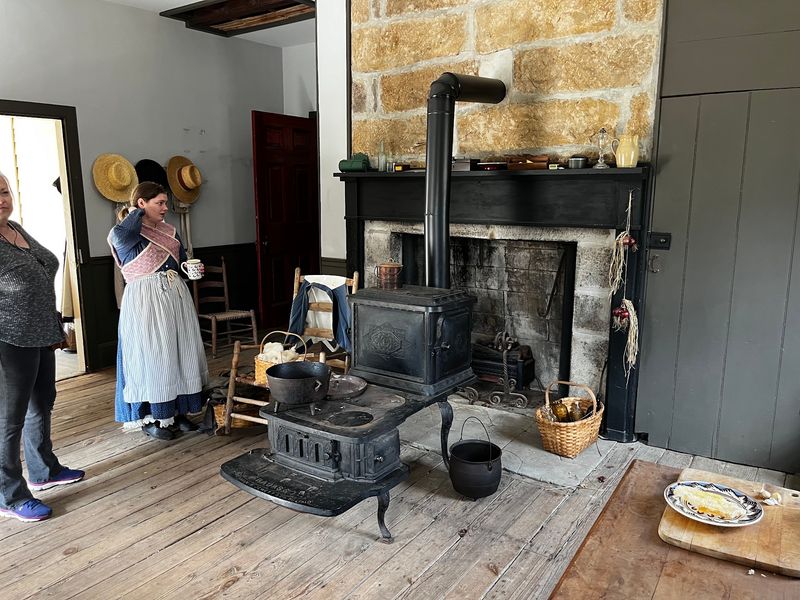
Hunter’s Home does not simply preserve the past behind glass. Its living-history program brings 19th-century life into vivid, participatory focus through demonstrations, costumed interpreters, and hands-on activities that make history feel immediate rather than distant.
Visitors who arrive on Living History Days may witness sheep being shorn, traditional crafts being practiced, or period cooking techniques being demonstrated using tools and recipes authentic to the era.
Guides sometimes wear period clothing, adding a visual layer to the storytelling that helps visitors mentally transport themselves to a different time. The demonstrations are not theatrical performances staged for effect but genuine educational experiences led by people who clearly love what they do.
That authenticity comes through in every interaction, and it is what separates Hunter’s Home from more passive museum experiences.
What makes the program especially effective is its flexibility. Even on standard tour days outside of scheduled Living History events, interpreters weave hands-on elements into the guided experience, ensuring every visitor leaves with more than just facts.
Families with children find this format particularly engaging, as younger visitors respond naturally to seeing, touching, and participating rather than simply listening. The program has earned a loyal following among repeat visitors who return specifically to see what is new.
The Grounds, Outbuildings, and Natural Setting
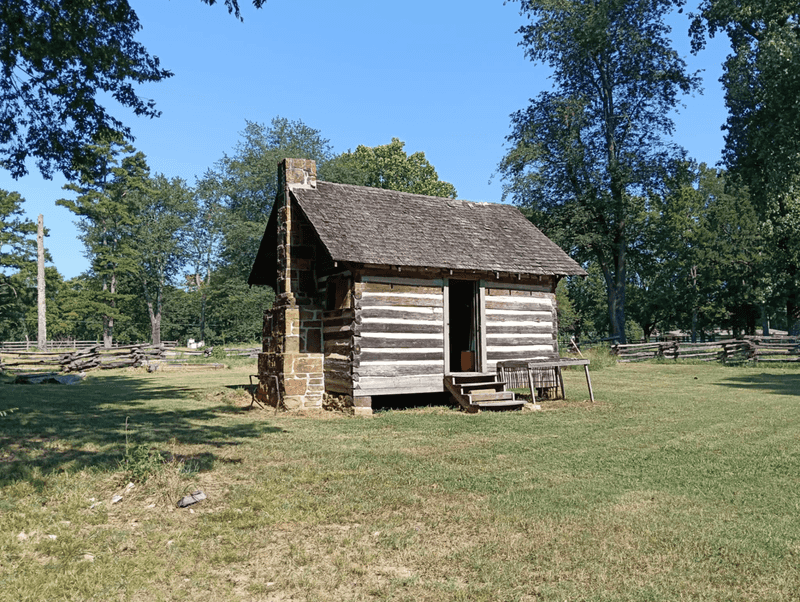
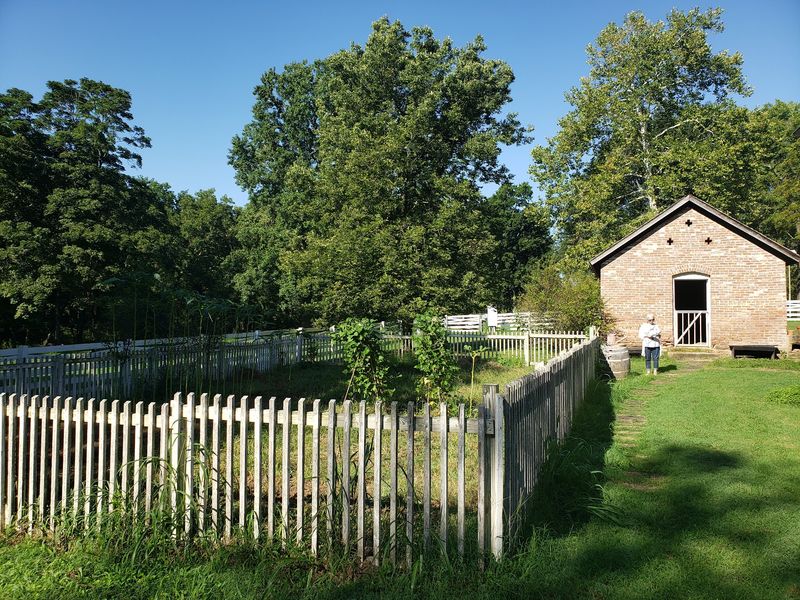
Beyond the main house, the grounds at Hunter’s Home offer a genuinely pleasant place to slow down and explore. Parklike lawns, mature trees, and carefully maintained outbuildings extend the historical experience well past the mansion’s front door.
A spring house, which visitors frequently mention as a highlight, offers a glimpse into how 19th-century households managed food storage and water supply before modern refrigeration existed.
Catalpa trees on the property are pointed out by guides as historically significant, and heritage animals including merino sheep, rare heritage turkeys, and hens roam portions of the grounds. These breeds were chosen deliberately to reflect the kinds of animals that would have been present on the original plantation, adding an immersive agricultural dimension to the visit.
Seeing living animals tied to historical context is a small detail that makes the experience feel surprisingly complete.
Plans for the grounds are continuing to evolve. An apple orchard, heirloom plant gardens, and additional historically significant animals are among the improvements in progress, according to staff.
A walking trail winds through parts of the property, and a picnic area with a play space for children makes the site genuinely family-friendly. The grounds alone justify spending more time here than most visitors initially plan for.
The Guides Who Make It Unforgettable
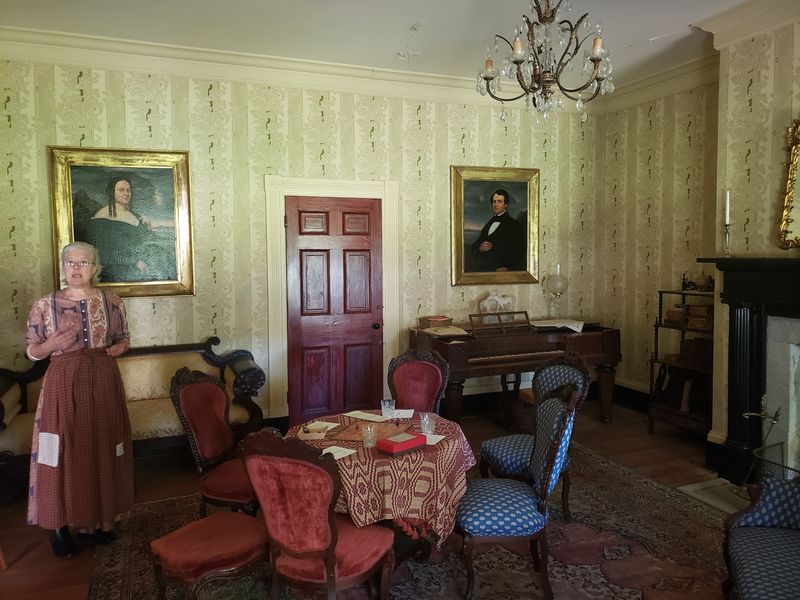
Ask almost anyone who has visited Hunter’s Home what they remember most, and the answer is rarely the architecture or the artifacts first. More often than not, it is the guides.
Staff members here are repeatedly described as passionate, deeply knowledgeable, and genuinely enthusiastic about sharing what they know. That enthusiasm is not performed for the sake of the job but rooted in real care for the site and its stories.
Named guides have become something of a local legend among repeat visitors. One interpreter is known for demonstrating historical food preparation using walnuts from the property, drawing on original recipes tied to actual occupants of the home.
Another is praised for her thorough knowledge of the surrounding landscape and the future restoration plans for the site. Every guide seems to bring a distinct specialty to the table, making repeat visits feel fresh rather than repetitive.
The staff’s willingness to go beyond the script is a consistent theme. Visitors who arrive with detailed questions or specific historical interests report that guides engage with those topics thoroughly rather than deflecting.
For students, researchers, and curious travelers alike, that openness transforms what could be a standard house tour into a genuinely enriching conversation with someone who knows this place inside and out.
Who Will Love a Visit Here
Hunter’s Home has a broad appeal that extends well beyond dedicated history buffs. Families with children find the combination of guided storytelling, open exploration inside the house, and outdoor grounds with animals and walking trails genuinely engaging for all ages.
Visitors have noted that even very young children respond to the interactive elements, asking questions and pointing out details on their own without any prodding.
For anyone interested in Cherokee Nation history, 19th-century American social structures, or antebellum architecture, the site offers a depth of content that rewards curiosity at every level. Casual visitors who arrive without much background knowledge leave with a surprisingly thorough understanding of the era, largely because the guides are skilled at making complex history accessible and interesting rather than academic.
Road-trippers passing through the Tahlequah area often add Hunter’s Home as a spontaneous stop and end up spending far longer than expected. The two-hour visit that surprises many first-timers is a common pattern, a testament to how much there is to absorb once you are inside.
Whether the draw is architecture, Native American history, living-history demonstrations, or simply a beautiful piece of Oklahoma’s past, there is something here that resonates with nearly every kind of traveler.
Practical Information for Planning Your Visit
Hunter’s Home is open Tuesday through Saturday from 9 AM to 4:30 PM, giving visitors a solid window to plan a half-day excursion. The site is closed on Sundays and Mondays, so checking the schedule before heading out is worth the extra minute.
Given how far off the main highway the property sits, arriving during open hours is especially important to avoid a wasted trip.
The museum is managed by the Oklahoma Historical Society, and the website at okhistory.org/sites/huntershome is the best place to find up-to-date information on Living History Days and any special programming. For direct inquiries, the phone number is 918-456-2751.
Staff are reportedly responsive and happy to answer questions ahead of a visit, which can help visitors plan their time more effectively.
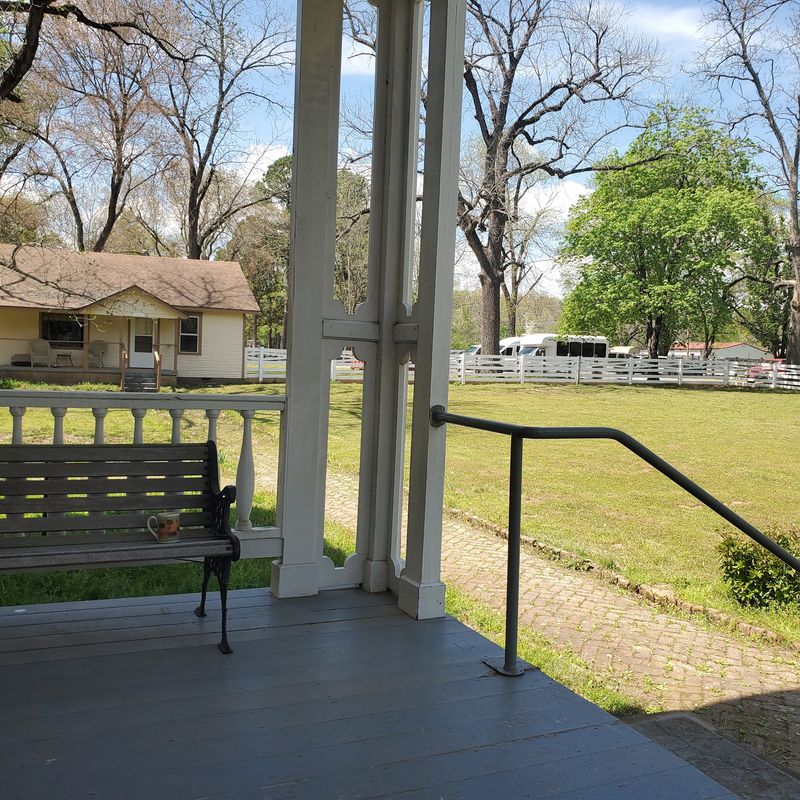
Getting there means navigating to 19479 E Murrell Rd, Park Hill, OK 74451, which is a straightforward drive from Tahlequah. The parklike setting means there is ample outdoor space to enjoy even if visitors want to extend their time beyond the guided tour itself.
Bringing comfortable shoes is a practical tip, as the grounds include walking trails and outbuildings worth exploring on foot after the main house tour wraps up.
A Quiet Verdict on Oklahoma’s Hidden Gem
Places like Hunter’s Home do not announce themselves loudly. There is no flashy roadside sign promising a must-see attraction, no crowded parking lot, and no gift shop designed to keep you spending.
What the site does offer is something harder to find and far more valuable: an honest, immersive encounter with a piece of American history that most people never knew existed in Oklahoma.
The combination of original furnishings, passionate guides, living-history programming, and beautifully maintained grounds creates an experience that feels cohesive and thoughtfully curated. Nothing about the visit feels rushed or superficial, which is a rare quality in heritage tourism.
Visitors who come expecting a quick walk-through routinely find themselves still there two hours later, still asking questions and still discovering new details.
For anyone driving through eastern Oklahoma or spending time near Tahlequah, skipping Hunter’s Home would be a genuine missed opportunity. It is the kind of place that earns a spot on the mental list of experiences you find yourself recommending to others long after the visit is over.
Quiet, surprising, and deeply rewarding, it is exactly the sort of hidden gem that makes exploring Oklahoma feel endlessly worthwhile.
Share this story