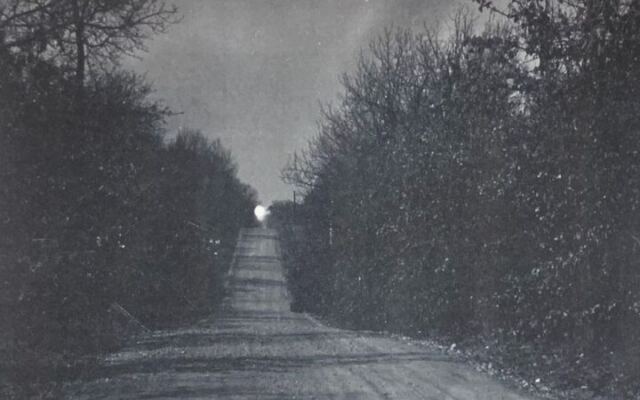
Some Oklahoma stories hang around for generations because a simple explanation never quite feels like enough. In the far northeastern corner of the state, locals have long told of a strange glow that drifts above a dark country road.
Is it car headlights, old legend, or something else? Here is what the history, the witnesses, and the documented evidence actually say.
A reported glow associated with the area near Quapaw
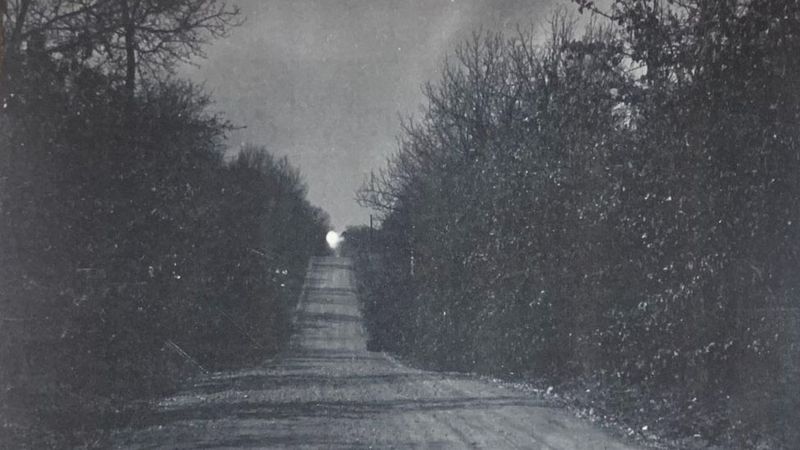
Far in the northeastern corner of Oklahoma, close to the town of Quapaw, a patch of rural road has earned a reputation far bigger than its gravel and trees. Locals call the area Spooklight Road, and some use the name the Devil’s Promenade.
Both names point to the same long-told tale of a glow that appears in the distance after dark.
Keep one thing in mind: this is a reported phenomenon, not a light that anyone can promise will be glowing on any given night. According to KGOU’s reporting on the Spooklight, the light is tied to this stretch of the state, and the stories about it have been passed along for a very long time.
Think of the Spooklight as a piece of local culture as much as a sight. It lives in family stories, school-bus dares, and roadside-mystery lists.
Whether you grew up nearby or only know it from a map of Oklahoma oddities, the name alone tells you how much imagination this quiet landscape has stirred.
How far back does the story reach?
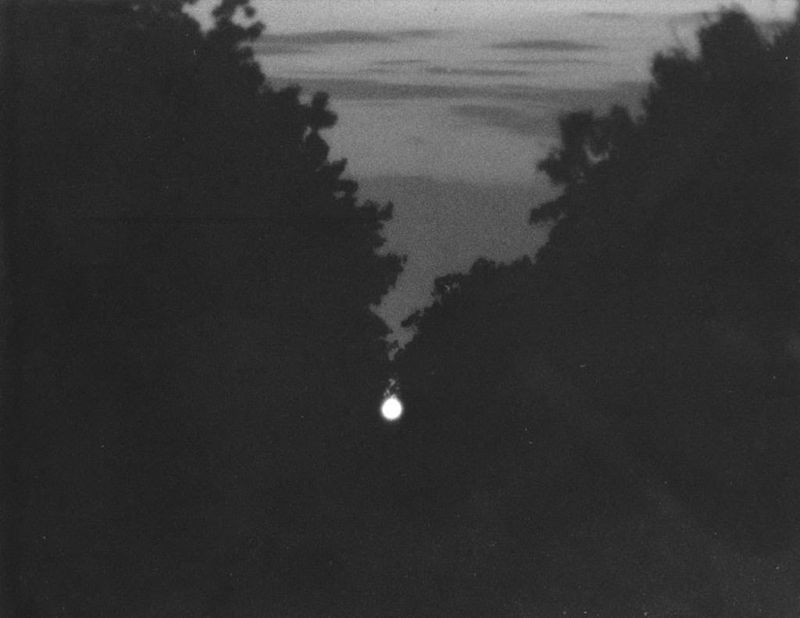
Ask around and you may hear that people have watched this light since the 1880s. That date deserves a careful label.
The Missouri Department of Conservation’s feature relays older accounts that reach into the late 19th century, but those come from oral tradition and later recollections, not records written at the time.
So what can be pointed to on paper? KGOU reports that the light was documented in a 1935 newspaper.
That is the earliest newspaper documentation the station describes, and it should not be read as the first time anyone ever saw the glow.
The gap between those two dates is where folklore does its work. Stories get richer as they are retold, and a tale that starts as one family’s memory can grow into a community fact.
The older dates may be true in spirit, yet they remain lore until a firm contemporary record turns up.
For a mystery-history fan, that is part of the charm. The story has deep roots, but the paper trail begins later than the legend suggests.
The lovers’ tale is local lore, not established Quapaw history
Every ghost light needs a backstory, and this one has a romantic one. A circulating local legend links the glow to Quapaw lovers, and versions of it get told in different ways.
It makes a lovely campfire tale.
Here is the careful part. The sources reviewed do not show that this story is Quapaw oral tradition, documented Quapaw history, or a teaching endorsed by the Quapaw Nation.
Treat it as a legend that has circulated in the area, and nothing more. Both the Missouri Department of Conservation and KGOU describe the many tales attached to the light.
To understand the Quapaw people themselves, better places to start are the Oklahoma Historical Society’s entry on the tribe and the Nation’s own Quapaw Country history document. Neither is cited here as backing the lovers’ story, which is best enjoyed as folklore and left at that.
Could distant headlights create the effect?
The strongest everyday explanation is also the simplest: headlights and taillights on a distant road, seen across the land. KGOU reports that a 1965 investigation used binoculars and found the single glow separated into paired lights, which is what you would expect from a vehicle.
The same report describes a later demonstration in which headlights were flashed across the trees and appeared to reproduce the effect. The person involved called it unscientific, and it should be read that way.
It was a clever informal test, not a controlled study.
What do these pieces add up to? They show that distant vehicle lights are a plausible cause for at least some sightings.
That is a real step forward from pure mystery.
But plausible is not the same as proven. A test that mimics a glow shows it can happen, not that it explains every report from every decade.
The headlight idea is supported, and it remains unproven as a universal answer.
Why the explanation may not fit every account
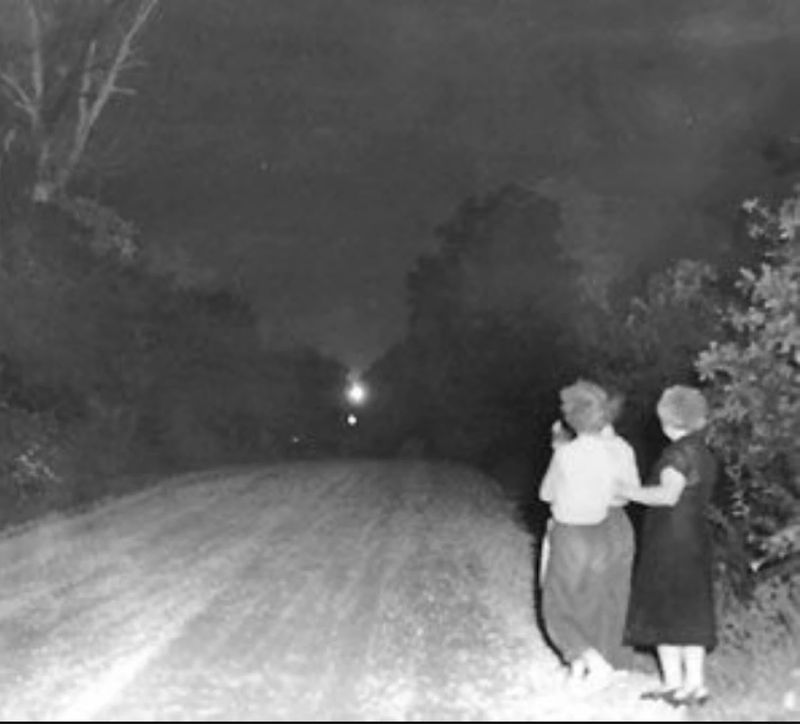
Folklore collects odd details, and some witness stories do not sound much like far-off car lights. The Missouri Department of Conservation’s collection of reports includes people describing the glow as close by, moving in different directions, or showing up away from the usual view down the road.
These are witness accounts. Nobody measured them, and memory, darkness, and expectation can all shape what a person thinks they saw.
Still, they are a reason to avoid saying one explanation covers every story.
You may also hear the Spooklight compared to will-o’-the-wisp lights, the glows sometimes reported over wetlands. Such comparisons turn up in the coverage, including KGOU’s article.
Yet a similar-sounding light elsewhere is not evidence about this one.
In particular, the sources reviewed offer nothing site-specific to show that marsh gas explains this roadside glow. So the fair summary is mixed: headlights fit many reports, and a stubborn set of accounts does not fit neatly.
A dated road warning is no invitation to seek a viewing
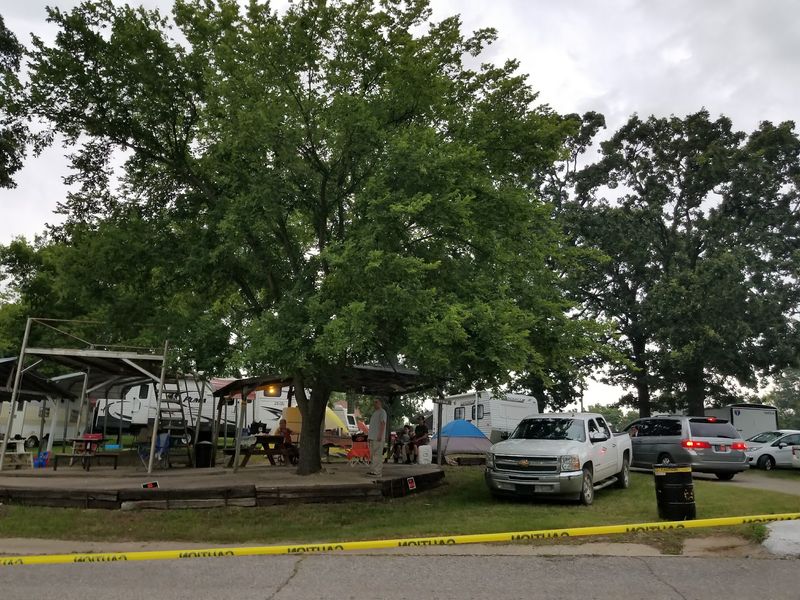
A news story updated October 8, 2026, carried a clear message. According to the KSNF/KODE report syndicated by AOL, the Quapaw Nation Marshals Service advised the public to stay off East 50th Road.
The stated worry was that people sitting on the road in darkness may be hard for approaching drivers to see.
The report also says purple flags or paint mark private property where parking or trespassing is prohibited. Those are the markers named in that story, and nothing here suggests they label every restricted spot.
One caution matters most. The report does not tell us whether the warning is still in effect today, so it is best read as a dated advisory rather than current guidance.
Older tourism copy paints a different picture. The TravelOK listing describes the location and mentions that construction may make stopping difficult.
It is not permission or safety advice, and it does not outweigh the marshals’ warning. This article offers no viewing directions for that reason.
Evidence can narrow a mystery without settling it
Where does that leave the Spooklight? Distant vehicle lights plausibly account for at least some reports, as KGOU’s account lays out, while other witness stories remain unexplained.
The road advice comes from a report dated October 8, 2026, and whether it still stands is unconfirmed.
Some mysteries are best enjoyed from a good chair, with the evidence laid out and the legend left to glow on its own.
Share this story