There is a small town in Oregon where the wind never seems to stop, the fruit trees bloom every spring like clockwork, and people genuinely look happy to be alive. It sits right where a massive river meets a volcanic mountain range, and somehow that combination produces a lifestyle that most people only dream about.
Hood River has about 8,300 residents, yet it consistently punches way above its weight in outdoor adventure, local culture, and sheer livability. I visited on what I thought would be a quick weekend trip and ended up staying four days longer than planned.
By the time I left, I completely understood why so many people who visit Hood River end up moving there.
Welcome to Hood River, Oregon
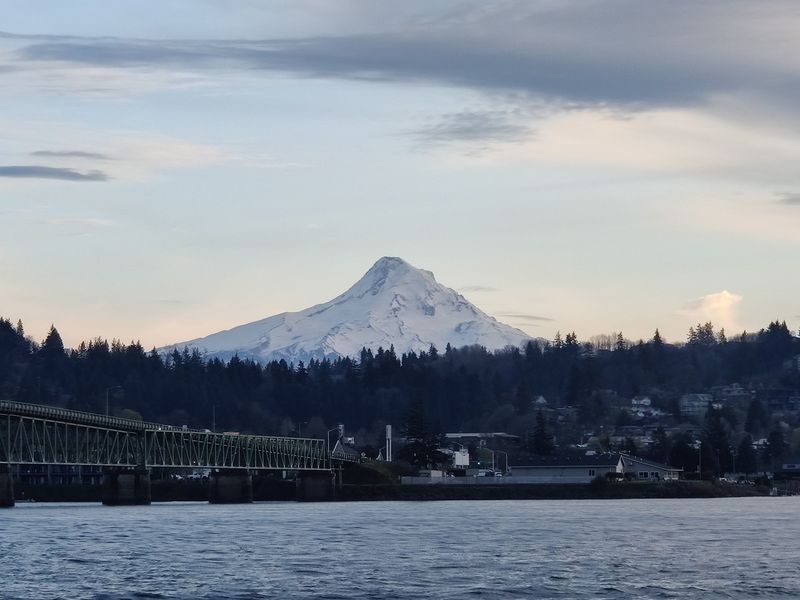
Hood River sits at 45.7089 degrees north latitude, tucked between the Columbia River to the north and the foothills of the Cascade Range to the south, in Hood River County, Oregon, United States. The city’s official address is Hood River, OR 97031, and you can find more about local services at the city’s website, ci.hood-river.or.us.
What strikes you first is how compact everything feels. The entire city covers just under three square miles, yet it manages to pack in a historic downtown, a working port, fruit orchards on the hillsides, and direct sightlines to Mount Hood on clear days.
The Columbia River here is not just a backdrop. It is an active, working waterway with barge traffic, fishing boats, and a constant parade of wind sports enthusiasts.
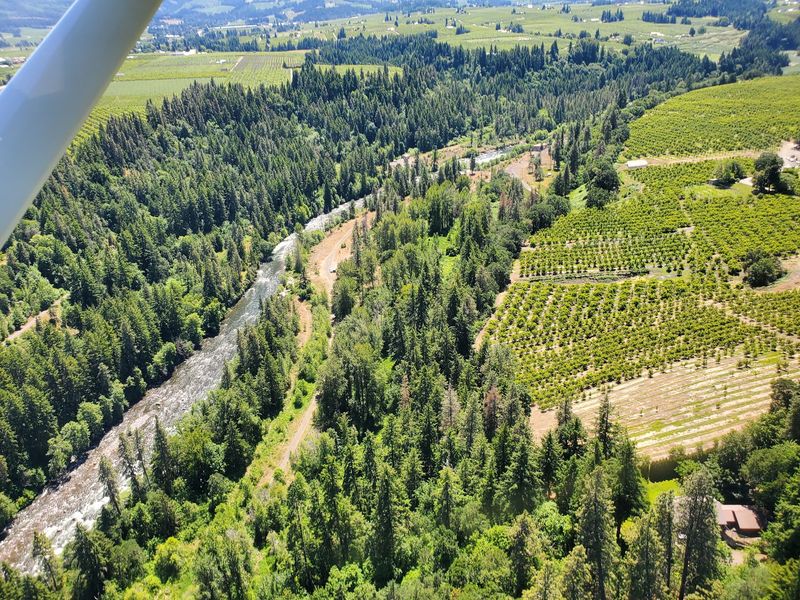
Hood River County is one of the top pear and cherry producing regions in the entire Pacific Northwest, so the agricultural roots of this town run deep and remain very much alive today.
The Wind That Put Hood River on the Map
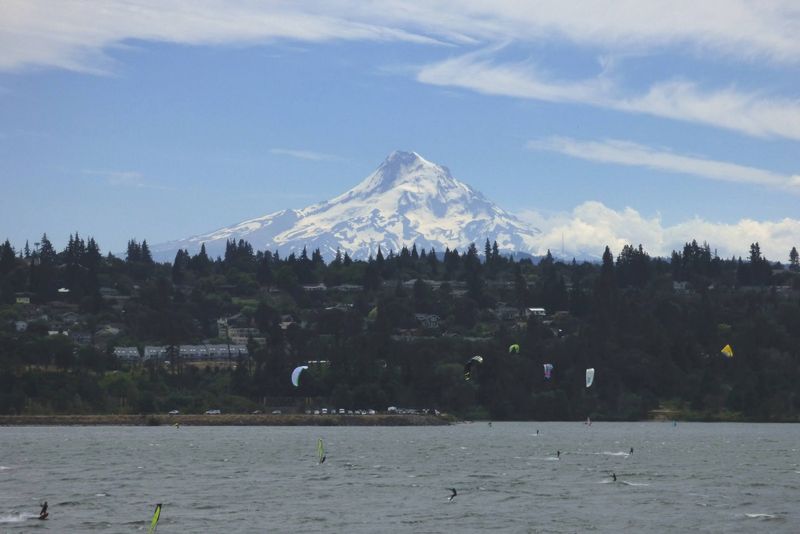
Few towns owe their modern identity to meteorology quite like Hood River does. The Columbia River Gorge acts as a natural wind tunnel, funneling powerful westerly winds through the canyon at speeds that consistently reach 25 to 35 miles per hour during summer afternoons.
That reliable wind turned Hood River into the windsurfing capital of North America starting in the early 1980s. Athletes from around the world began showing up with gear strapped to their cars, and the town never really went back to being a quiet agricultural stop after that.
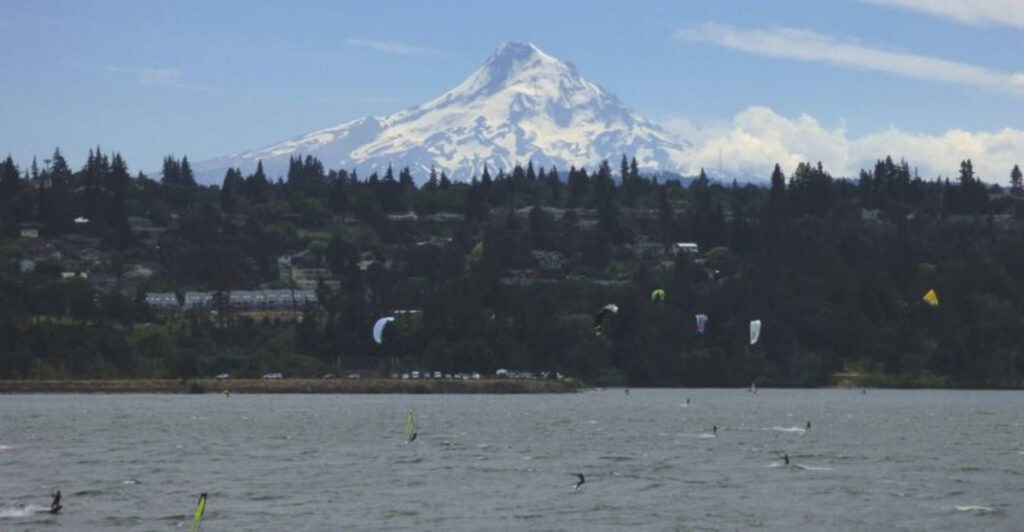
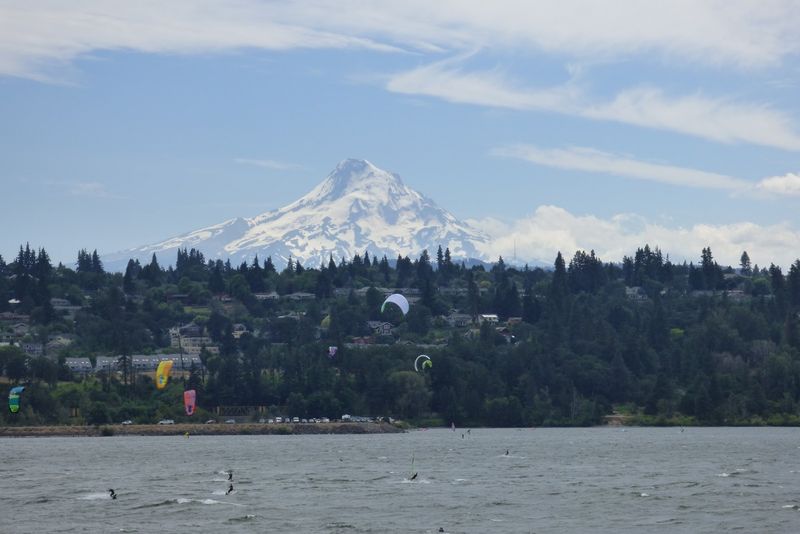
Today, the Event Site on the riverfront is the main launch point for windsurfers and kiteboaders. On a busy summer day, the water looks like a field of colorful sails moving in every direction at once.
Lessons are easy to find, and rental shops line the area for beginners who want to try the sport without committing to a full equipment purchase. Even if you never touch the water, watching the action from shore is genuinely entertaining for hours.
Mount Hood Looming Large Over Everything
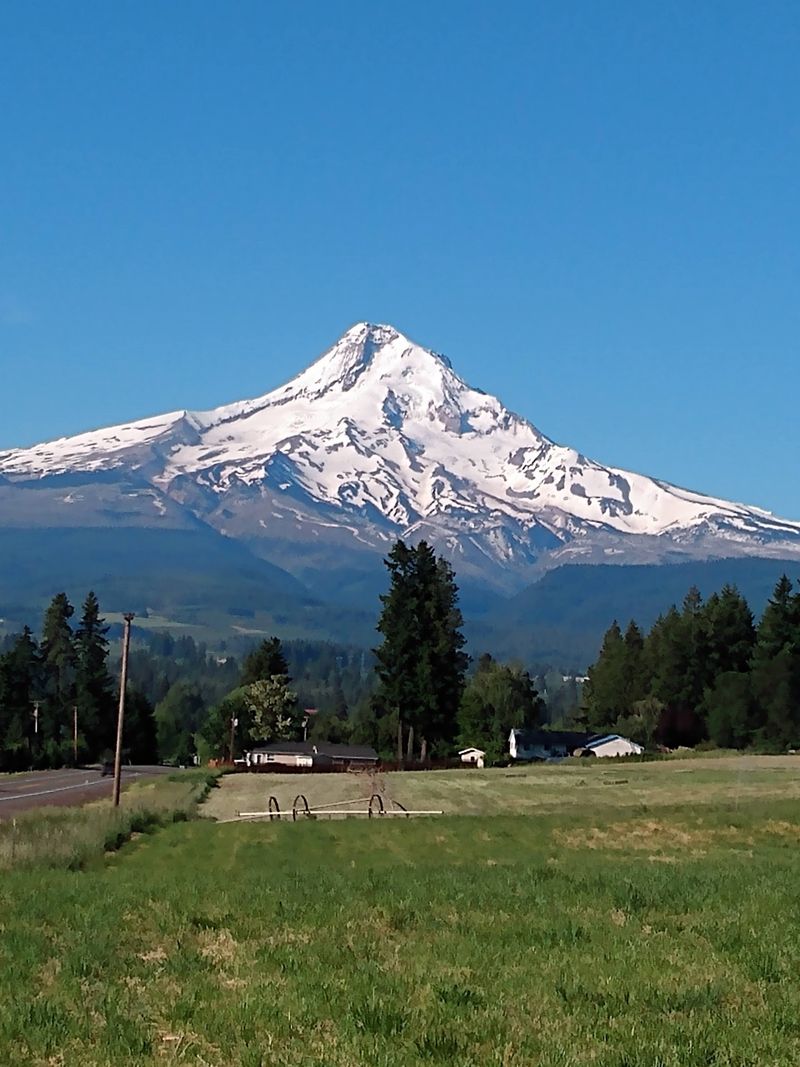
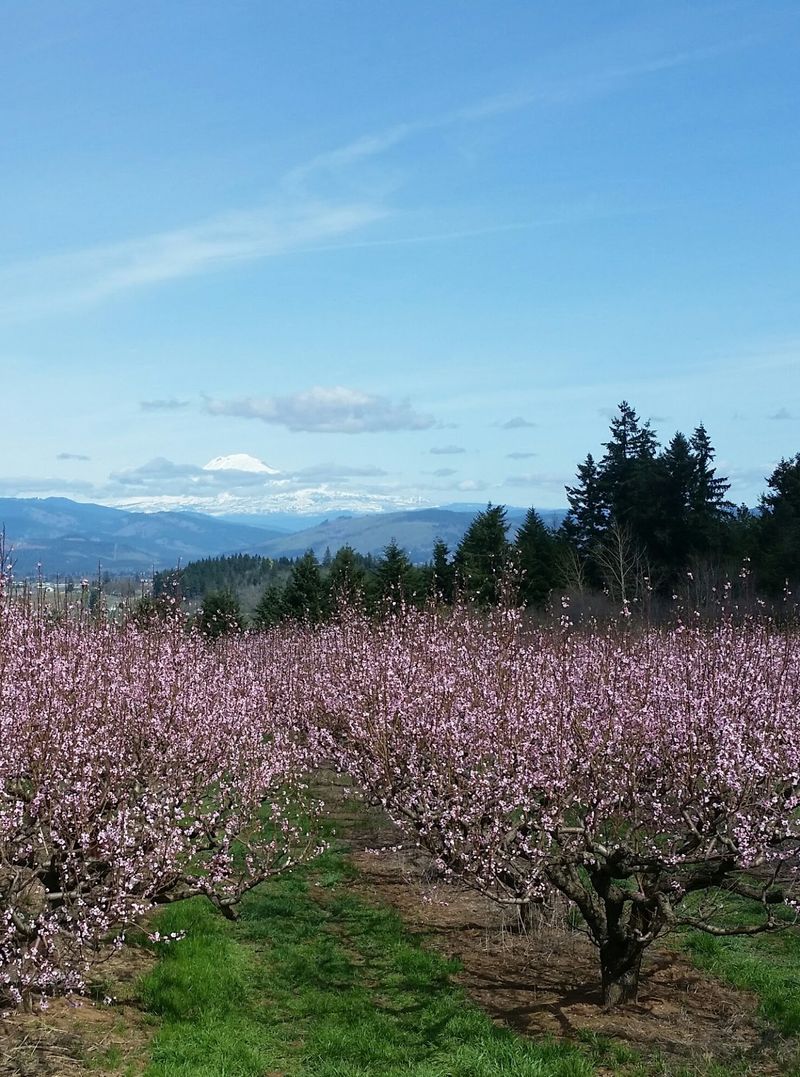
Mount Hood is the tallest peak in Oregon at 11,249 feet, and from Hood River, it dominates the southern skyline in a way that never gets old. The mountain is only about 25 miles away by road, which means you can be skiing on its slopes and back in town for lunch without any drama.
Timberline Lodge, a National Historic Landmark built in the 1930s, sits at 6,000 feet on the mountain’s south side and offers year-round skiing, which is genuinely rare in the continental United States. The upper Palmer Snowfield stays skiable well into summer, drawing professional ski teams for summer training camps.
The drive up from Hood River on Highway 35 passes through the Hood River Valley, where fruit stands pop up seasonally and the views of the orchards against the mountain backdrop feel almost unreal. Whether you are a serious skier, a casual hiker, or someone who just wants to drive scenic roads and stop for fresh apple cider, Mount Hood delivers a completely different experience depending on what season you visit.
Downtown Hood River: Surprisingly Lively for a Town This Size
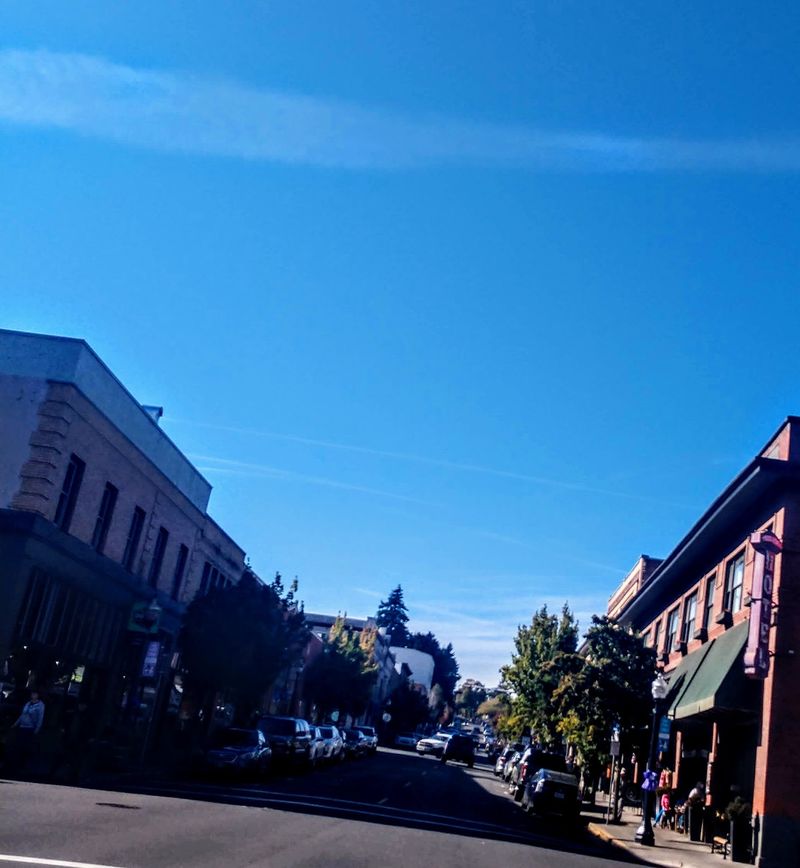
Oak Street is the main artery of downtown Hood River, and it rewards slow walking. Independent bookstores, gear shops, coffee roasters, and locally owned restaurants sit side by side in brick buildings that date back to the early 1900s.
The food scene here is quietly impressive. Farm-to-table cooking is not a trend in Hood River so much as a practical reality, given that the surrounding valley produces cherries, pears, apples, peaches, and a growing range of vegetables.
Several restaurants post their sourcing on chalkboards, and the produce quality shows up clearly on the plate.
Saturday mornings bring the Hood River Farmers Market to the area near the waterfront, where local growers, bakers, and artisans set up from May through October. The market has a genuine community feel rather than a tourist-trap vibe.
Regulars know each other by name, dogs wander politely between stalls, and the whole scene captures exactly what people mean when they say a town has good community spirit. A morning spent wandering the market sets a very pleasant tone for the rest of the day.
The Fruit Loop: Oregon’s Most Delicious Road Trip
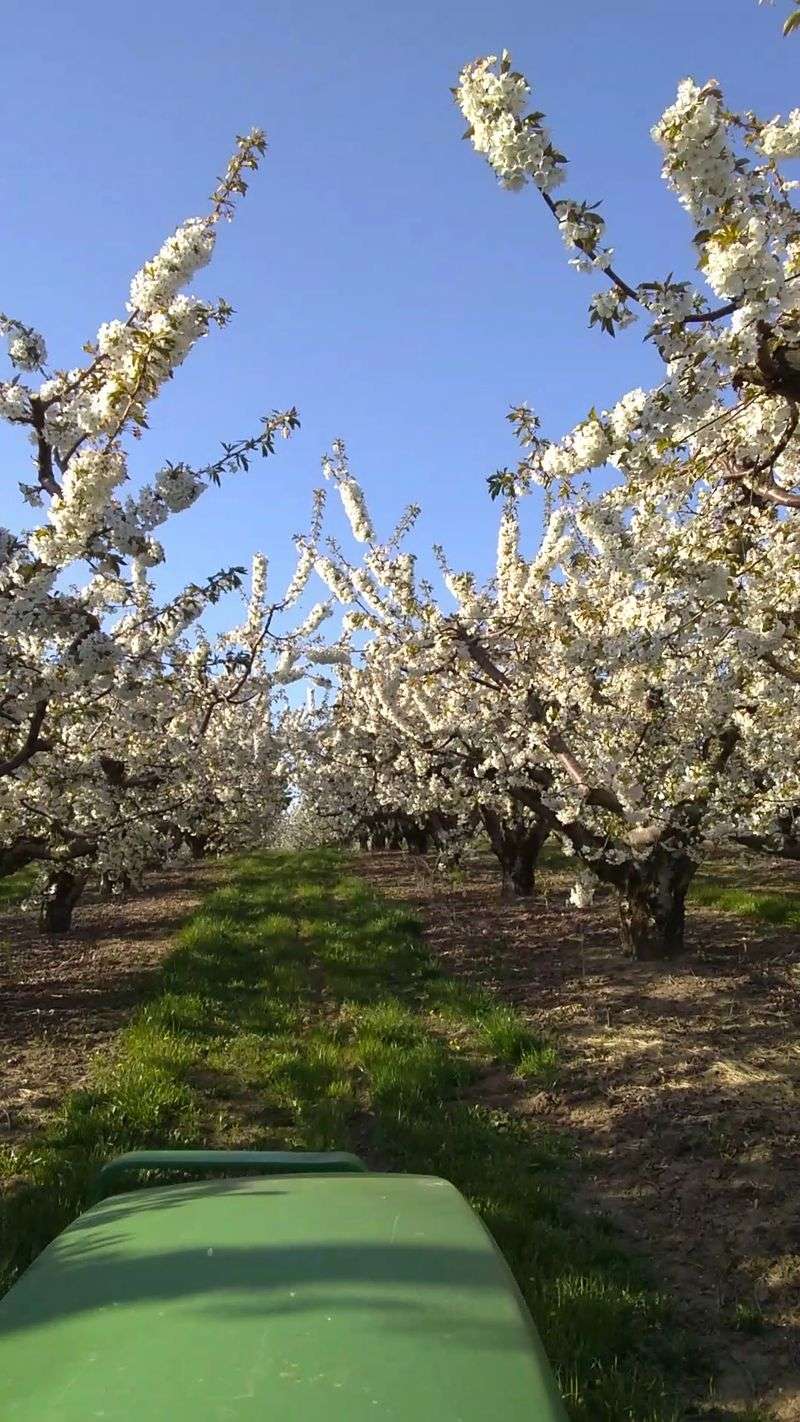
The Hood River Fruit Loop is a 35-mile scenic drive that circles through the Hood River Valley, connecting farms, orchards, lavender fields, and farm stands in one satisfying loop. The route is marked with signs and takes about two to three hours at a relaxed pace, though most people stretch it into a half-day outing.
Spring brings the blossom season, when the orchards turn white and pink and the valley smells like a florist’s dream. Summer shifts into cherry and peach season, fall brings the famous pear and apple harvests, and even winter has its charm with quieter roads and some farms staying open for holiday sales.
Stops along the loop include u-pick operations where you can fill a bag yourself, farm stands with homemade jams and fresh-pressed cider, and a few lavender farms that also sell essential oils and soaps. The Gorge White House is one of the more well-known stops, a historic farmhouse surrounded by fields that visitors can walk through during bloom season.
The whole drive feels like a reward for choosing a slower pace of travel.
Hiking Trails That Range From Leisurely to Legendary
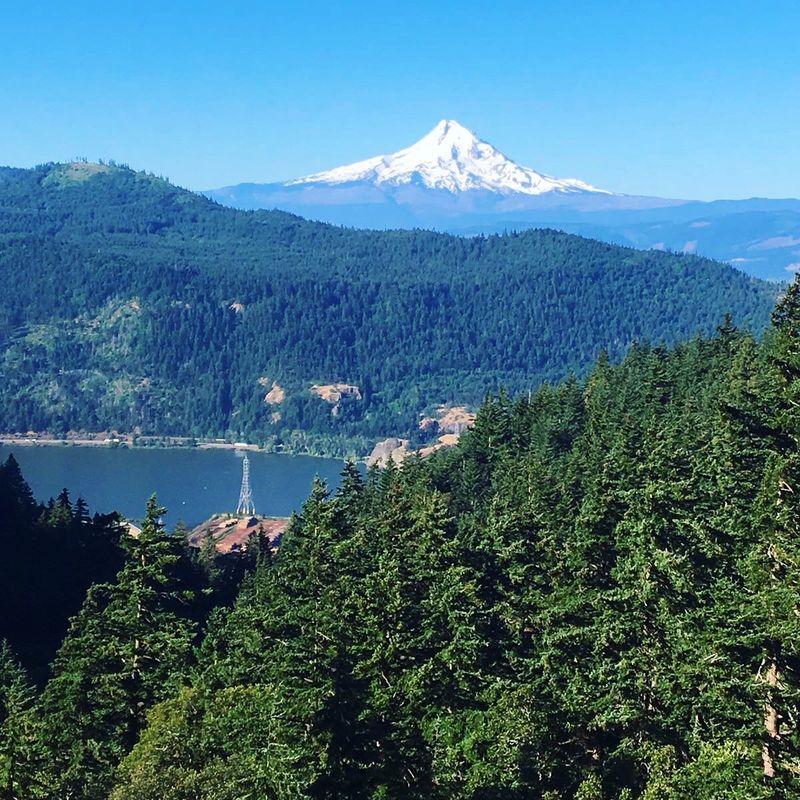
The Columbia River Gorge National Scenic Area surrounds Hood River on multiple sides, and it contains some of the best hiking in the Pacific Northwest. Trails range from flat riverside walks to strenuous ridge climbs with views that stretch for miles in every direction.
Dog Mountain, located just across the river in Washington state but easily accessible from Hood River, is famous for its wildflower meadows that peak in late May and early June. The trail gains about 2,800 feet in roughly four miles, so it earns its reputation as a workout.
The payoff at the top is a panoramic view of the gorge that makes every step worthwhile.
On the Oregon side, the Mosier Twin Tunnels trail follows an old highway route through hand-carved rock tunnels above the river and requires almost no elevation gain, making it suitable for families and casual walkers. Rowena Crest, a short drive from Hood River, offers one of the most photographed viewpoints in the entire gorge.
The variety of trail difficulty here means that Hood River functions as a hiking base camp for nearly any fitness level.
The History Beneath the Scenic Surface
Hood River’s history stretches back long before the windsurfers arrived. The Chinook and other Indigenous peoples used the Columbia River and its tributaries as major trading and fishing routes for thousands of years before European settlers arrived in the region.
The Lewis and Clark Expedition passed through the area in 1805, noting the river and the surrounding landscape in their journals. Permanent Euro-American settlement followed the Oregon Trail migration of the 1840s, and Hood River grew steadily as an agricultural community through the late 1800s.
The Hood River County Historical Museum, located in Port Marina Park, tells this layered story through exhibits covering Native American history, pioneer life, the development of the orchard industry, and the Japanese-American community that played a significant role in local farming before World War II. That last chapter is particularly important and not always discussed openly in travel coverage.
The museum handles it with care and honesty. A visit there adds real depth to everything else you experience in the valley.
The Columbia River Itself: More Than Just a Pretty View
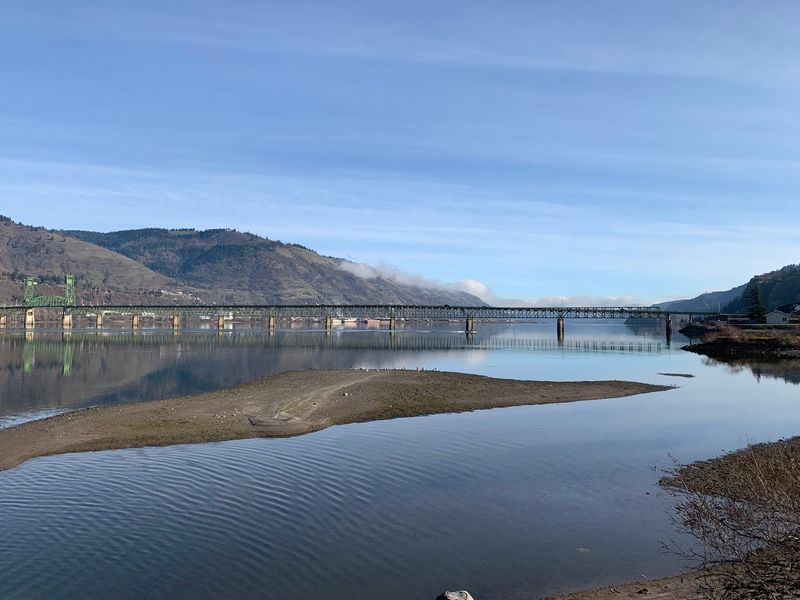
The Columbia River at Hood River is wide, powerful, and constantly active. At this point in its journey to the Pacific, the river stretches nearly a mile across, and the current is strong enough that only experienced swimmers should enter without proper equipment.
Fishing is a major activity here, with salmon and steelhead drawing anglers from across the region. The river’s runs are managed carefully, and fishing regulations change seasonally, so checking Oregon Department of Fish and Wildlife guidelines before you go is genuinely important rather than just a legal formality.
The Hood River Bridge, a toll bridge completed in 1924, connects Oregon to Washington state and offers a walkable crossing with views up and down the gorge that no car window can replicate. Stand on the bridge on a windy afternoon and you understand immediately why this stretch of river became famous among wind sports athletes.
The water below churns with whitecaps, the sails of kiteboaders flash in the light, and the whole scene feels like watching a sport invented specifically for this one river bend.
Outdoor Recreation Beyond Wind and Waves
Hood River’s reputation for wind sports sometimes overshadows the remarkable range of other outdoor activities available within a short drive. Mountain biking has grown into a major draw, with the Post Canyon trail system offering over 40 miles of purpose-built singletrack just west of town.
The trails at Post Canyon range from beginner-friendly loops to technical descents that challenge experienced riders, and the trail-building community here is active and passionate about maintaining the network. Rock climbing spots dot the gorge walls, and the Horsethief Butte area near The Dalles offers accessible sport climbing routes with dramatic river views.
Paddleboarding and kayaking on the calmer sections of the river and on nearby Lost Lake provide a quieter alternative to the windsurfing scene. Lost Lake, about 25 miles south of town near the base of Mount Hood, sits at about 3,100 feet elevation and offers canoe and kayak rentals, a campground, and one of the most photographed reflections of Mount Hood in the state.
The variety of ways to spend an active day here is genuinely hard to match in a town this size.
Why People Move Here and Never Leave
Hood River regularly appears on lists of the happiest and most livable small towns in the United States, and spending even a few days here gives you a clear sense of why. The outdoor access is exceptional, the community is tight-knit without feeling closed off to newcomers, and the natural setting provides a daily reminder that the world is a beautiful place.
The town attracts a mix of longtime farming families, outdoor athletes, remote workers, and retirees who all seem to coexist with unusual ease. The local school district is well-regarded, the library is active, and community events fill the calendar from the Hood River Valley Blossom Festival in spring to the Harvest Fest in fall.
Housing costs have risen in recent years as more people discover the town, which is a real tension that locals discuss openly and honestly. But the quality of life remains high by most measures.
Clean air, clean water, walkable streets, friendly neighbors, and a mountain on the horizon are not small things. Hood River proves that happiness at the community level is less about size and more about what a place chooses to value and protect.
Share this story