Perched on a wooded hillside overlooking Huntington, one remarkable West Virginia museum brings together world-class art, peaceful nature trails, and immersive cultural experiences in a single destination. Visitors come for renowned works of art, a tropical conservatory, woodland walking trails, rotating exhibitions, Appalachian heritage, beautiful gardens, and one of the state’s most distinctive museum campuses. It’s the kind of place where a quick museum visit easily turns into an afternoon of exploration.
The experience extends far beyond the galleries. Architectural significance, nearly 17,000 works of art, accessible outdoor spaces, hands-on educational programs, global cultural collections, family-friendly attractions, and year-round events have made this one of West Virginia’s most rewarding places to visit. Whether you’re an art enthusiast, a nature lover, or simply looking for something different, it’s easy to understand why visitors return again and again.
Here’s why Huntington Museum of Art has become one of West Virginia’s premier cultural destinations and one of the state’s most unique places to experience fine art, history, and nature together.
A Hilltop Address with Deep Roots in Huntington History
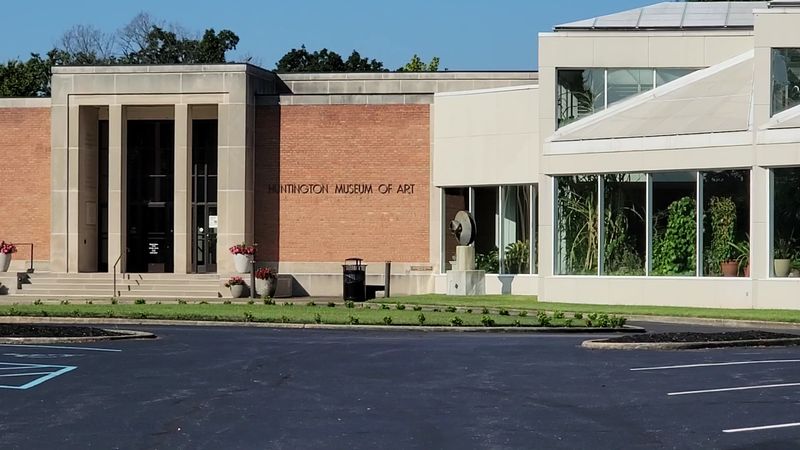
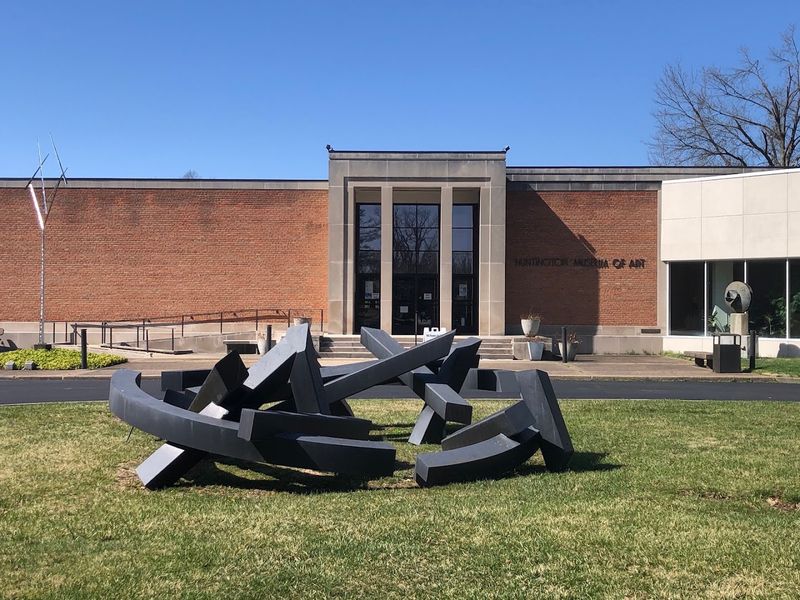
The Huntington Museum of Art sits at 2033 McCoy Road in Huntington, West Virginia, tucked into the Park Hills neighborhood above the beloved Ritter Park. The address alone tells you something about the setting: elevated, wooded, and removed just enough from the city’s bustle to feel like a genuine retreat.
The institution was incorporated in 1947 and officially opened on November 9, 1952, under the original name The Huntington Galleries. A name change came in 1987, when it became the Huntington Museum of Art, the title it carries today.
None of this would have happened without Herbert Fitzpatrick, a visionary local citizen who donated more than 400 objects from his personal art collection along with 52 acres of land. That founding gift included paintings, prints, sculptures, British silver, rugs, and Asian decorative objects, laying the groundwork for what would grow into West Virginia’s largest art museum.
The Bauhaus Blueprint Behind the Building
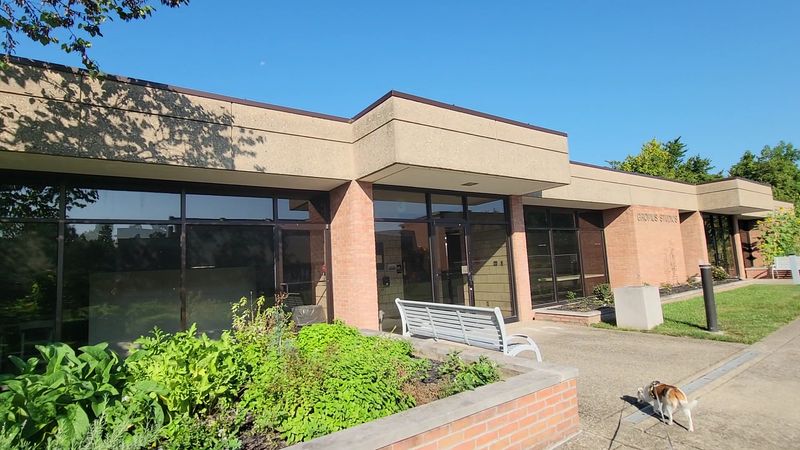
Not many regional art museums can claim an architectural pedigree that traces directly to one of the most influential design movements of the 20th century, but this one can. The studios and the Doherty addition of the Huntington Museum of Art were designed by Walter Gropius and his firm, The Architects Collaborative.
This makes the building the only realized museum design by Gropius in the United States, a fact that architecture enthusiasts find genuinely thrilling. It was also one of his final projects before he retired. The Bauhaus philosophy he championed questioned the artificial divide between fine art and practical craft, and that spirit is baked right into the structure.
Large glass windows flood the studios with natural light, and the steel-frame construction gives the spaces an open, functional quality that feels intentional rather than accidental. The building is not just a container for art; it is a statement about what art and architecture can accomplish together.
Nearly 17,000 Artworks Spread Across a Stunning Permanent Collection
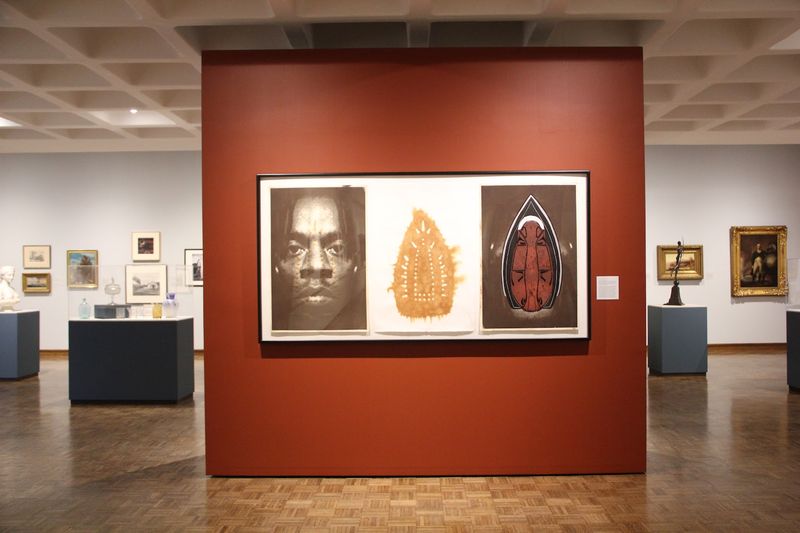
Few visitors expect to find works by Andy Warhol, Pablo Picasso, and John Singer Sargent under one roof in Huntington, West Virginia, but that is exactly what the permanent collection delivers. With close to 17,000 artworks, the holdings span American and European paintings, sculptures, prints, drawings, folk art, and decorative objects.
American highlights include pieces by Childe Hassam, Alexander Calder, Cy Twombly, and Chuck Close. On the European side, names like Jean-Baptiste-Camille Corot, Georges Braque, and Sir Joshua Reynolds appear throughout the galleries. The range is genuinely broad.
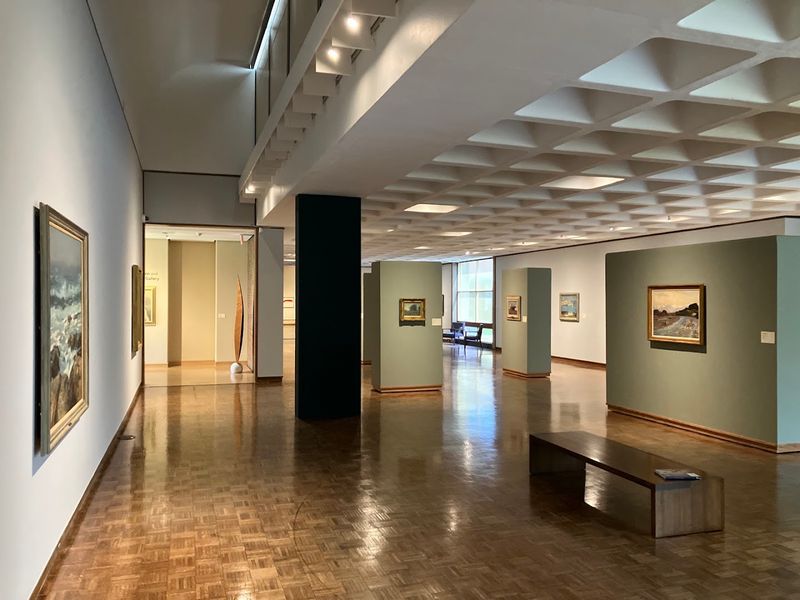
Beyond the canvas-and-frame fare, the collection stretches into Chinese and Japanese decorative objects, Haitian art, Inuit sculpture, antique firearms, and decorative arts from the Near East. Five of the rotating galleries refresh every two to three months, meaning repeat visitors almost always encounter something they have not seen before. The depth here rewards curiosity at every turn.
The Only Tropical Conservatory in the Tri-State Region
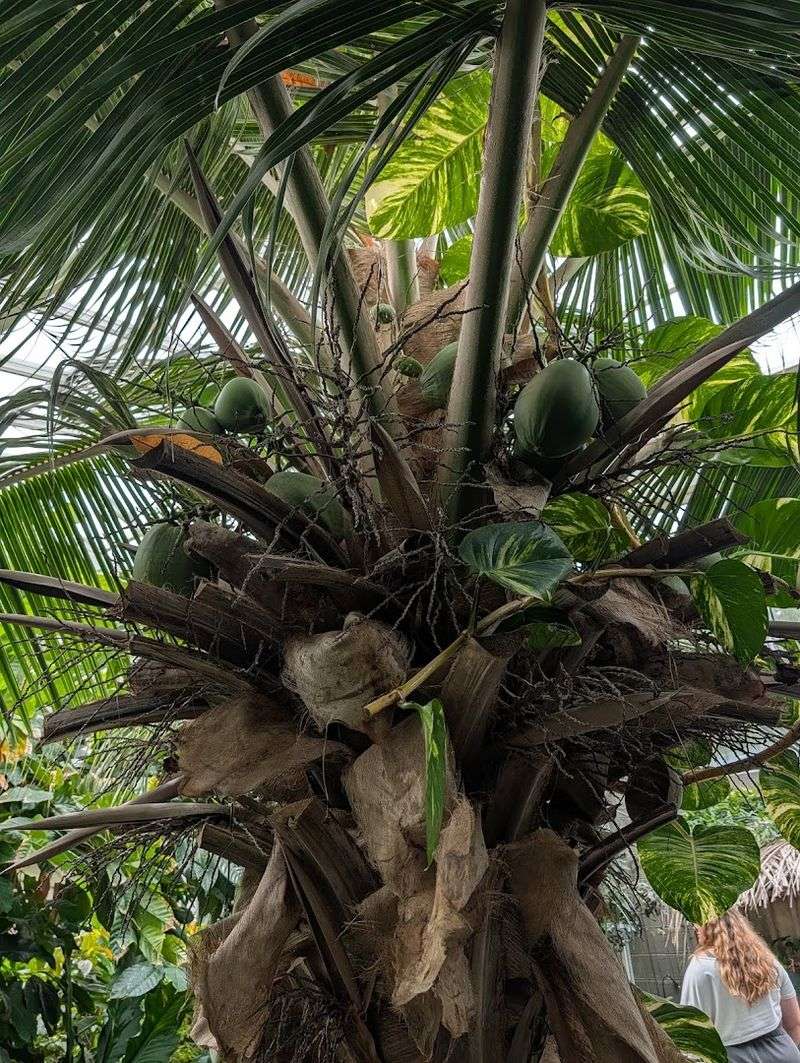
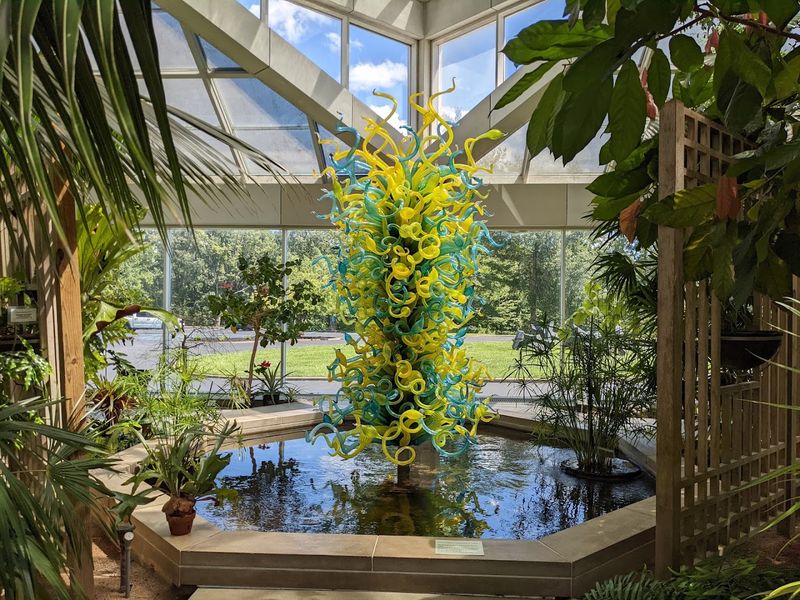
The C. Fred Edwards Conservatory opened in 1996 as a gift from philanthropist Joan C. Edwards, and it holds a distinction no other facility in the tri-state region can claim: it is the only tropical and subtropical plant conservatory in West Virginia, southeastern Ohio, and eastern Kentucky combined.
Inside, the plant life is organized into categories that include orchids, agriculturally important species, fragrant varieties, and genuinely unusual specimens. A kumquat tree grows here, and staff members have been known to let curious visitors taste the fruit straight from the branch. That kind of hands-on moment is rare in a museum setting.
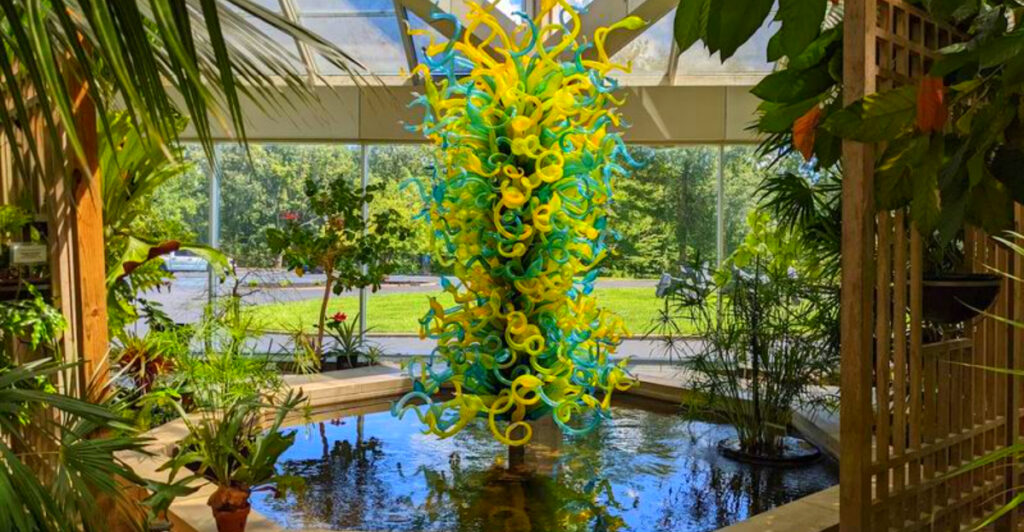
The animal residents add another layer of surprise. Koi glide through a central pond, poison dart frogs inhabit their own habitat, axolotls peer out from a dedicated tank, and a saltwater aquarium showcases corals and marine life. Anchoring the entire space is a striking Dale Chihuly glass tower that blurs the line between art and living environment beautifully.
Fifty Acres of Woodland Trails Worth Every Step
More than 40 of the museum’s 50-plus acres remain in their natural woodland state, and the trail system that runs through them covers approximately one mile across six distinct paths. The inclines range from nearly flat to genuinely steep, so visitors can choose a route that matches their energy level on any given day.
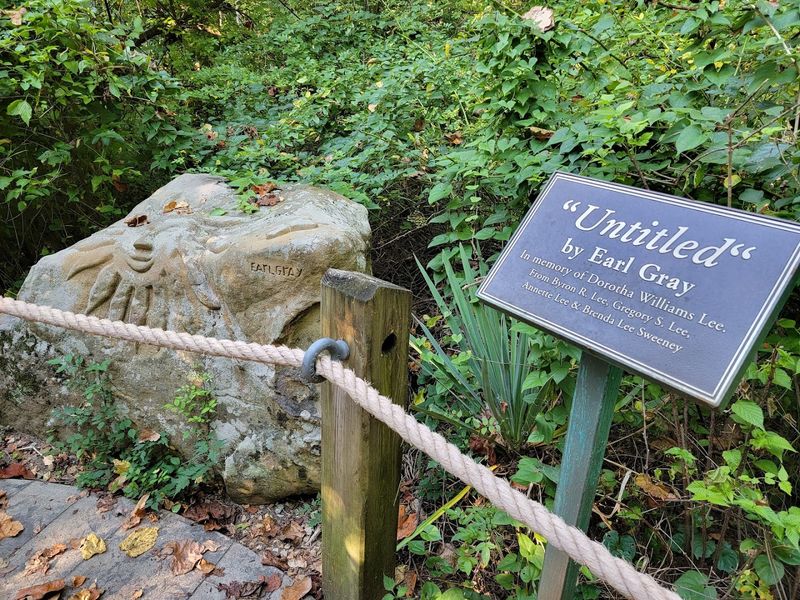
The trail system begins near the Steelman Butterfly Garden, a pollinator-friendly space where hummingbird moths and multiple butterfly species have been spotted during warmer months. Folk artist Earl Gray carved several figures directly into the natural rock along the trails, turning a woodland walk into a low-key scavenger hunt that kids find particularly engaging.
The Teubert Foundation Sensory Trail, expanded in 2025, is designed specifically for visitors with visual impairments, with a quarter-mile paved accessible route. Guided “Walk in the Woods” tours led by nature docents run approximately 90 minutes and are available for groups scheduled at least two weeks in advance. The grounds themselves open daily from 6 a.m. to 10 p.m. at no charge.
Educational Programs That Reach Three States at Once
The museum’s educational reach extends well beyond its hilltop campus. Its flagship initiative, Museum Making Connections, operates across nine distinct programming areas and connects with roughly 28,000 individuals every year through on-site visits and off-site outreach to elementary schools and after-school programs in West Virginia, Ohio, and Kentucky.
Saturday KidsArt is a free two-hour program for children in kindergarten through fifth grade, held in the museum’s studios and led by Teaching Artists. No prior art experience is required, and the activities change regularly to keep things fresh for families who come back more than once.
For serious practitioners, the Walter Gropius Master Artist Program has hosted between three and six visiting artists annually since 1992, grounding its philosophy in the same Bauhaus principles that shaped the building itself. Adult classes and workshops in ceramics, drawing, and painting run throughout the year as well. The museum’s mission, stated as far back as its 1948 prospectus, is to enrich the lives of all people, and the programming reflects that ambition consistently.
The Glass Collection That Tells the Ohio Valley’s Industrial Story
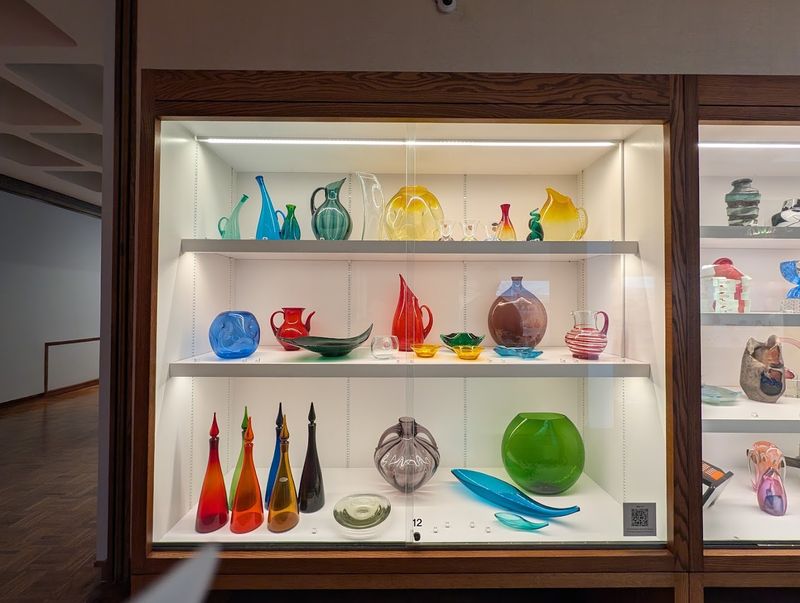
Glass is the museum’s largest single collection, with more than 4,000 objects spanning ancient works to contemporary pieces. That number alone sets it apart from many regional institutions, but the story behind the collection is what gives it real meaning.
The Ohio Valley was once one of the most productive glassmaking regions in the United States, home to companies whose output shaped American domestic life for generations. The Wilbur Myers Glass Collection anchors the permanent display in the Glass and Decorative Arts Gallery, showcasing how aesthetics and production techniques evolved across different eras.
Blenko Glass, a legendary West Virginia manufacturer, appears in the collection through works connected to former designer Winslow Anderson, who also donated a significant portion of the museum’s Haitian art holdings. Seeing the glass pieces alongside context about how they were made transforms what could be a passive viewing experience into something that feels genuinely connected to the region’s working history. Craft and artistry meet in every case.
Global Cultures Housed in Two Remarkable Dedicated Galleries
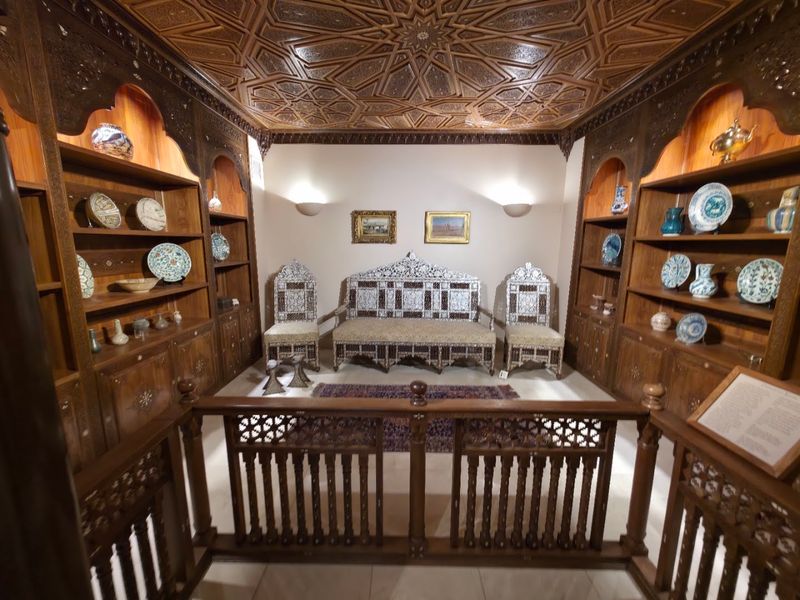
The Touma Near Eastern Gallery, completed in 1996, houses more than 400 works donated largely by Drs. Omayma and Joseph B. Touma. The collection includes ceramics, glass, paintings, scientific instruments, weaponry, metalwork, and textiles from across the Near East.
What makes the gallery itself memorable is the setting: the walls feature elaborately carved and inlaid woodwork crafted by artisans in Damascus, Syria, creating an atmosphere of genuine cultural immersion rather than sterile display.
A separate but equally compelling collection focuses on Haitian art, primarily gifted by Winslow Anderson. Many of the works were gathered during the late 1940s and early 1950s, a period now recognized as the Haitian Renaissance in painting and sculpture.
Artists represented include Hector Hyppolite, Rigaud Benoit, and both Senèque and Philomé Obin, names central to that creative movement. Taken together, these two galleries demonstrate that a museum rooted in Appalachian culture can also serve as a genuine window onto the wider world.
Practical Details That Make the Visit Easy to Plan
General admission runs just five dollars per adult, and children under 18 always get in free. Every Tuesday, admission is free for everyone, a program sponsored by the City of Huntington Mayor’s Council for the Arts. That single day makes the museum accessible to families and individuals who might otherwise hesitate over the cost.
HMA members enter free year-round, as do active-duty military personnel, veterans, and their immediate families. College students also receive free admission, a detail that matters in a university town like Huntington.
The museum is closed on Mondays. Tuesday hours run from 10 a.m. to 8 p.m., Wednesday through Saturday from 10 a.m. to 5 p.m., and Sunday from noon to 5 p.m. The facility is fully ADA-compliant, and the grounds remain open from 6 a.m. to 10 p.m. daily at no charge, so trail walkers and outdoor visitors can enjoy the campus even outside regular museum hours. Group tours can be booked at least two weeks in advance by calling 304-529-2701.
More Than Just Art Galleries
The museum’s five art studios, including those named in honor of Walter Gropius, host workshops, visiting artist sessions, and the Gropius Master Artist residency program throughout the year. Traveling exhibitions cycle through regularly, keeping the gallery experience fresh even for longtime regulars who visit multiple times per season.
The James D. Francis Art Research Library holds nearly 27,000 volumes, making it a genuine resource for anyone interested in art history, technique, or criticism beyond what the gallery walls can offer. The Grace Rardin Doherty Auditorium seats close to 300 and provides a venue for lectures, performances, and community programs throughout the year.
The museum also partners with the Tri-State Arts Association for biennial juried exhibitions that spotlight local and regional artists working in painting, drawing, photography, ceramics, sculpture, glass, fiber, textiles, and wood. A well-stocked gift shop and a courtyard with a giant chess set round out the amenities, ensuring that a visit here rarely feels like it ended too soon.
Share this story