Deep in the forests of West Virginia, one remarkable state park combines towering sandstone cliffs, crystal-clear river water, scenic hiking trails, and peaceful campsites in a landscape that feels untouched by time. Visitors come for beautiful river views, natural swimming holes, shaded forest walks, impressive rock formations, family camping, whitewater adventures, and the quiet beauty of one of the state’s most underrated outdoor destinations. It’s the kind of place where a quick stop easily turns into a full day of exploring.
The experience extends far beyond the trails. Ancient geology, riverside recreation, scenic campgrounds, seasonal wildflowers, colorful fall foliage, rich local history, and unforgettable Appalachian scenery have made this one of West Virginia’s favorite state parks for generations. Whether you’re planning a weekend camping trip or simply searching for a peaceful escape into nature, it’s easy to understand why visitors return year after year.
Here’s why Audra State Park has become one of West Virginia’s most beloved outdoor destinations and one of the state’s best places to experience hiking, camping, and the natural beauty of the Appalachian Mountains.
A Wooded Sanctuary in the Heart of West Virginia
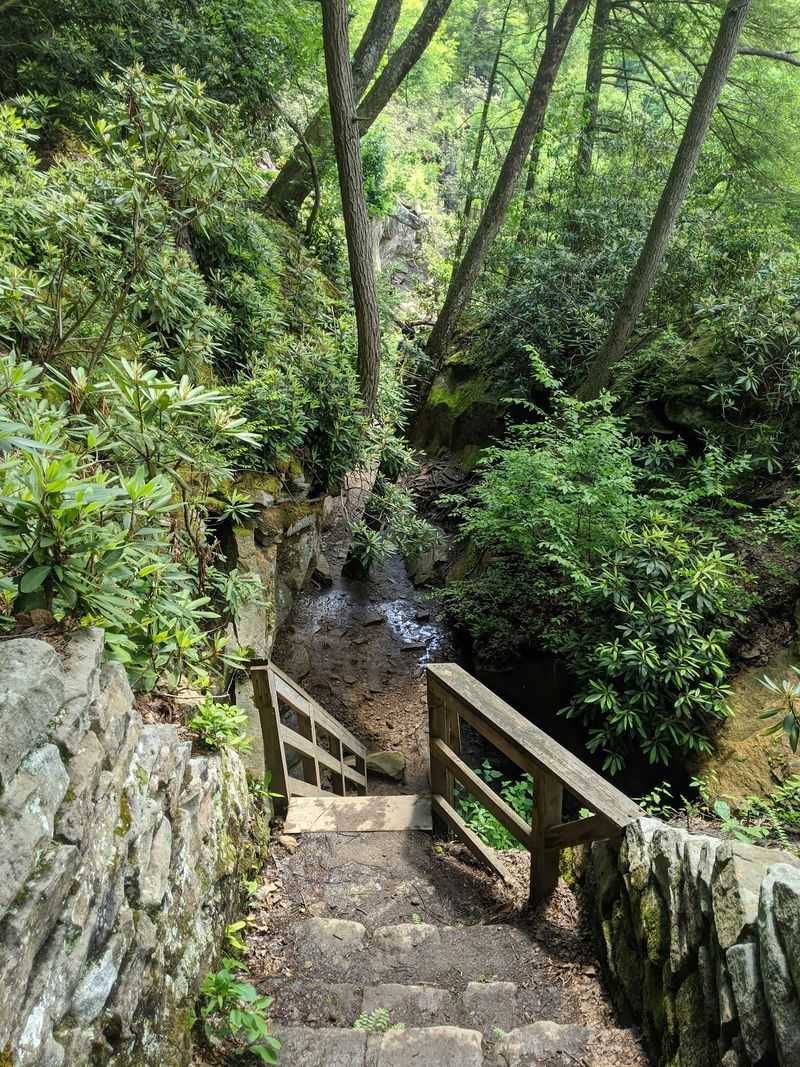
The address reads 8397 Audra Park Road, Buckhannon, WV 26201, but no string of numbers quite prepares you for what greets you on arrival. Audra State Park occupies 355 acres in southwestern Barbour County, dipping slightly into neighboring Upshur County, and the entire property feels like it was designed by someone who genuinely loved trees.
The Middle Fork River cuts right through the middle of it all, giving the park its backbone and its personality. Dense hardwood canopy closes overhead almost immediately after you pass the entrance, and the temperature drops a few noticeable degrees as a result.
The park sits far enough from any major city to feel genuinely remote, yet the drive from Buckhannon takes under an hour. That combination of accessibility and seclusion is rarer than most people realize, and it goes a long way toward explaining why Audra holds a 4.8-star rating from over 1,400 visitors. The next section reveals the geological showstopper waiting just half a mile down the main trail.
The Alum Cave: A Sandstone Giant You Walk Beneath
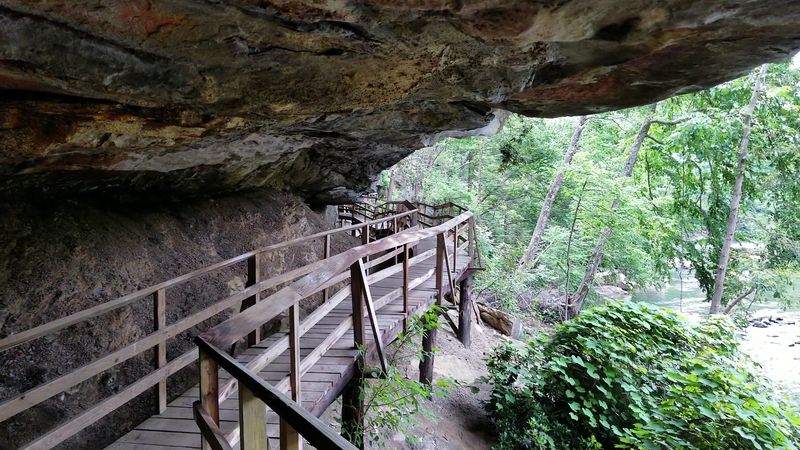
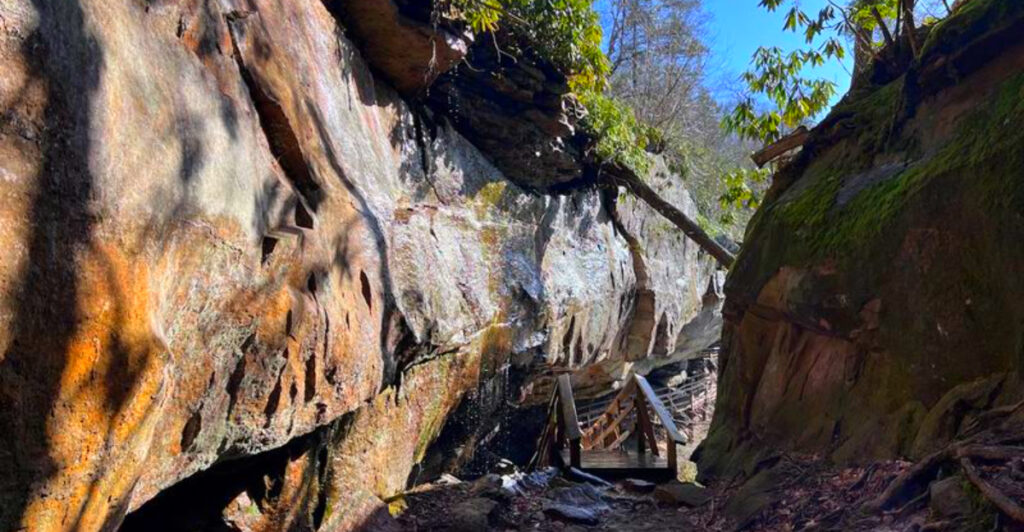
Some natural features need a long build-up to pay off. The Alum Cave at Audra State Park is not one of them. The moment the boardwalk curves beneath that enormous sandstone ledge, the scale of it genuinely stops you mid-step.
This is not a cave in the enclosed, spelunking sense of the word. It is a colossal overhanging cliff face, open to the air on one side, with constant water seeping down the rock in thin, glittering streams. The overhead stone is streaked with mineral stains in shades of rust, gray, and cream, giving it the look of something that belongs in a geology textbook rather than a hiking trail.
The boardwalk itself is well-constructed, though it stays damp from all that seeping water, so grip-soled shoes are a smart call. The whole section takes about fifteen minutes to walk, and most hikers agree it is the single most memorable fifteen minutes the park has to offer. The colors alone are worth the trip.
The Middle Fork River and Its Remarkable Water Color
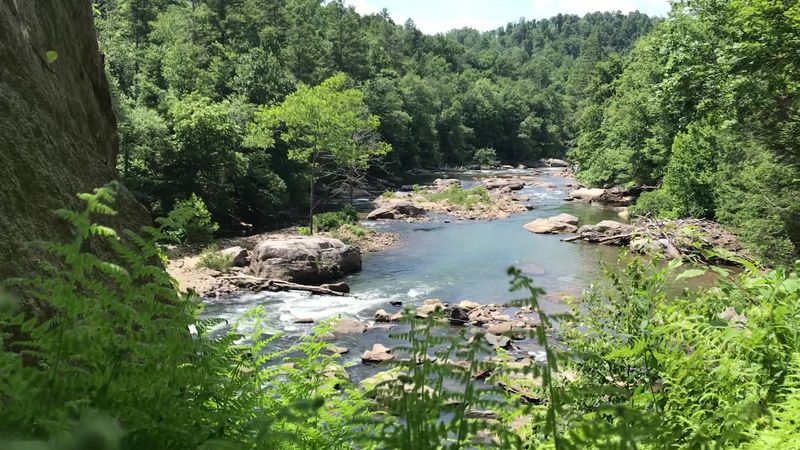
Rivers in West Virginia are rarely ordinary, but the Middle Fork earns a special category all its own. The water here shifts between turquoise, aqua, and a pale jade green depending on the light, and the clarity is the kind that makes you want to count individual pebbles on the bottom from the bank.
That vivid color comes from a combination of extremely clean water and fine limestone particles that scatter sunlight in an almost theatrical way. The riverbed is smooth sandstone in most swimming areas, which means barefoot wading is genuinely comfortable rather than painful.
The current varies considerably depending on the season and recent rainfall. Spring brings faster, more powerful flows that attract kayakers looking for Class III and IV whitewater. Summer mellows things out into wide, shallow stretches perfect for floating and splashing around. The river is the undeniable centerpiece of the park, and honestly, most visitors spend more time in and around it than on the trails.
The campground section coming up explains why a riverside site is worth requesting specifically.
The Alum Cave Trail: Two Point Seven Miles of Changing Scenery
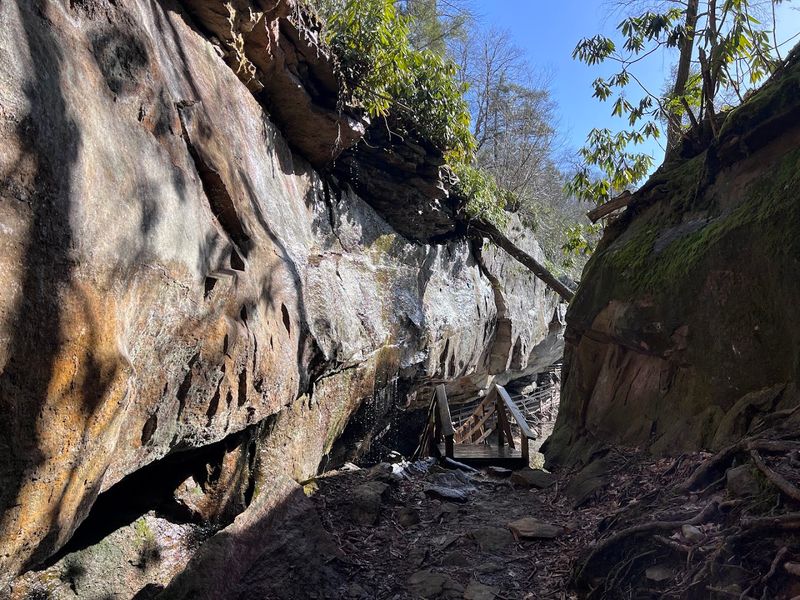
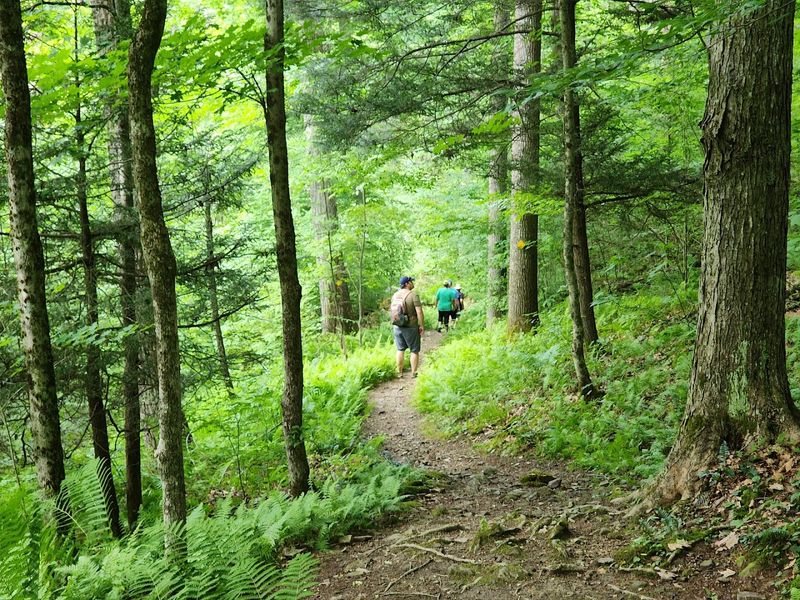
The Alum Cave Trail runs approximately 2.7 miles as a loop, and it manages to pack a surprising range of terrain into that distance. The first half follows the river closely, offering constant water views through the trees and several informal paths down to the bank where you can stop, sit on a boulder, and watch the current go by.
The boardwalk section beneath the cave overhang arrives about half a mile in and represents the trail’s undisputed highlight. Past that point, the path climbs away from the river and moves through denser forest with fewer views but plenty of rhododendron tunnels and mossy rock formations to keep things interesting.
Fair warning: the upper portion involves some genuine elevation gain and can feel challenging if you are not used to uneven terrain. The trail surface includes exposed roots, loose rock, and occasional muddy patches, so hiking boots rather than sneakers are a real recommendation here, not just a polite suggestion. First-time visitors who prefer an easier outing can turn around after the boardwalk and still feel like they got the full experience.
Swimming, Wading, and the Art of Doing Absolutely Nothing
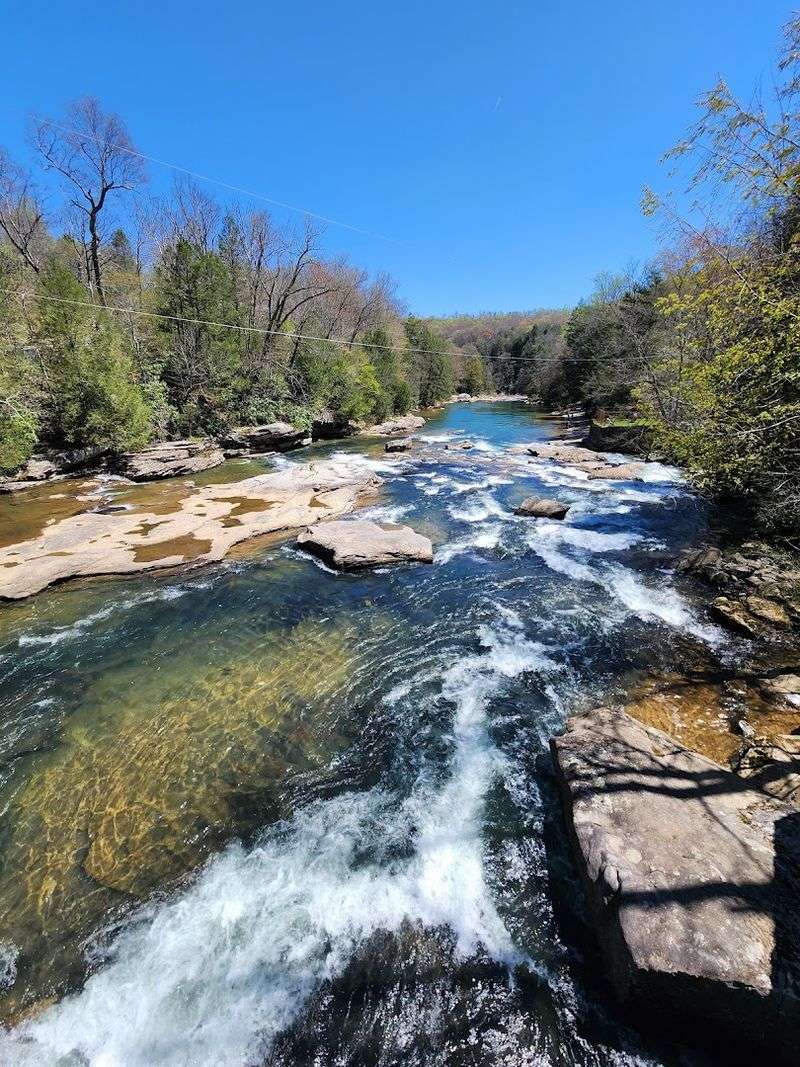
The swimming culture at Audra State Park is relaxed, joyful, and entirely self-directed. There are no lifeguards, no roped-off lanes, and no admission fee for the river itself. People simply find a spot they like and get in.
The flat rock shelves along the bank are natural sunbathing platforms, wide enough to spread a towel and dry off between swims. Shallow areas near the main parking lot are ideal for small children, while deeper pools a short walk downstream attract teenagers and adults looking for more than ankle-deep refreshment.
Water shoes are technically optional, but the occasional sharper rock makes them a smart addition to your packing list. The river runs cooler than most people expect even in July, which is either refreshing or shocking depending on your relationship with cold water. Dogs are enthusiastically welcome on leashes, and the riverbanks apparently function as an unofficial canine paradise from late spring through early fall. The next section covers what happens after the sun goes down and the campfire gets started.
Camping Along the River: Sixty-Seven Sites and Counting
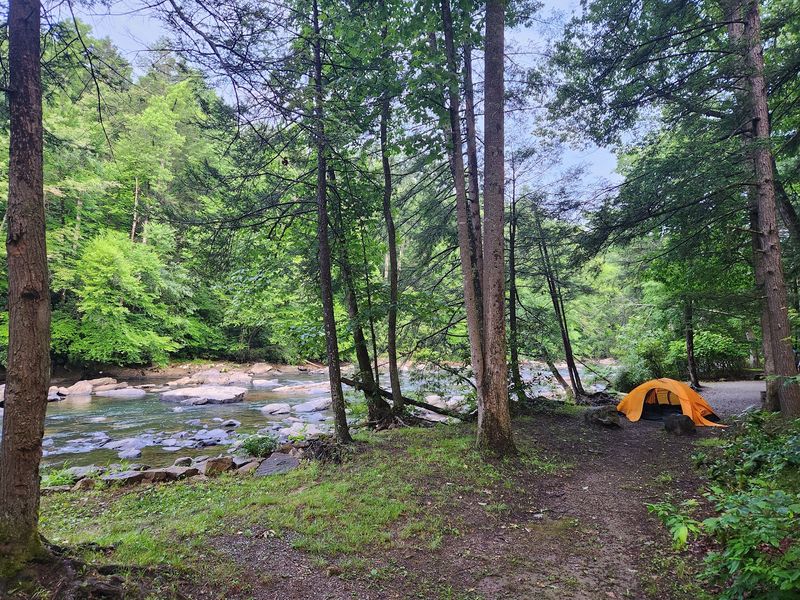
Sixty-seven campsites sounds like a lot until you see the setting and immediately start calculating how quickly they fill on summer weekends. The campground at Audra State Park runs from April through mid-October, and the sites closest to the river are genuinely among the most scenic in the state.
Every site comes equipped with a picnic table and fire ring. Thirty-nine sites offer electrical hookups, which is a detail that surprises most first-timers, since riverfront sites with electricity are genuinely uncommon in state park systems. RVs up to 35 feet can be accommodated, and a dump station is available on-site.
Two bathhouses with flush toilets and hot showers serve the campground, and coin-operated laundry facilities handle the practical side of longer stays. The camp store stocks firewood, snacks, and basic supplies, and its late hours have saved more than one camper who forgot a spatula or a bag of marshmallows. Reservations are strongly recommended for any weekend stay between June and August.
The History Buried Beneath the Trees
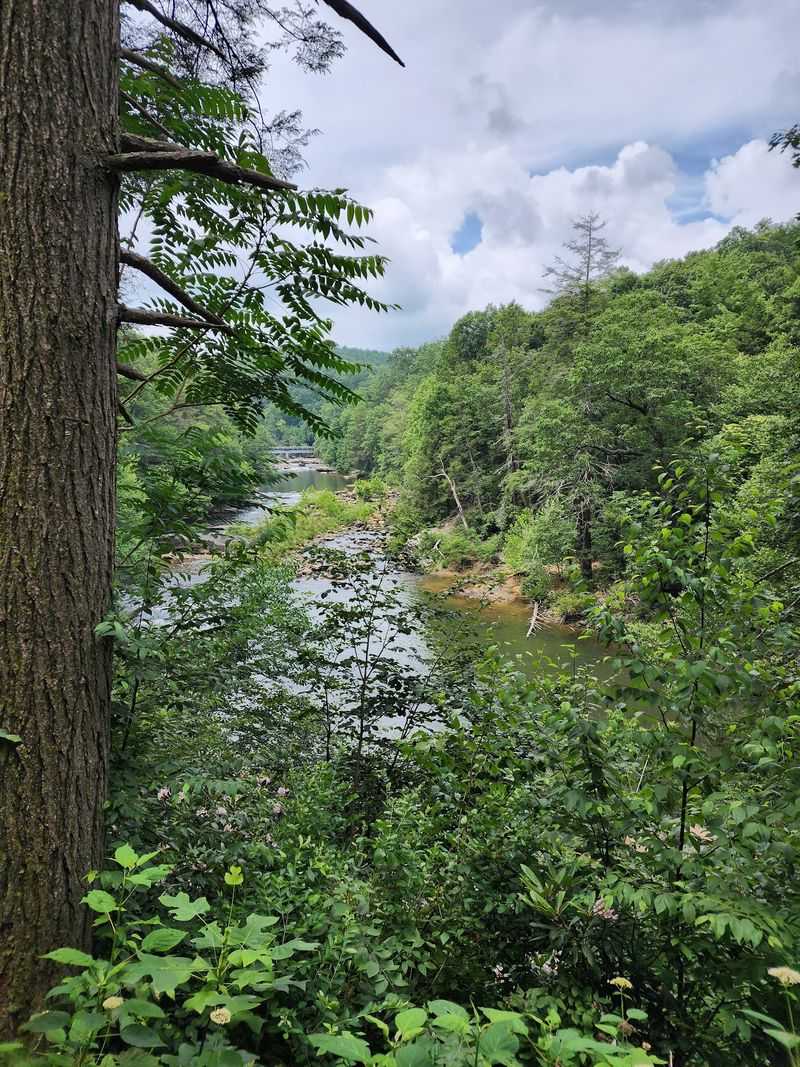
The park’s name comes from a small early twentieth-century town called Audra, which once occupied land owned by the Baltimore and Ohio Railroad. That detail alone reframes how you look at the forest around you, knowing that a functioning community and active sawmills once stood where hemlocks and rhododendrons now grow undisturbed.
Commercial logging shaped this landscape heavily before the trees reclaimed it. The most tangible remnant of that era is a visible spillway from an early nineteenth-century gristmill, still partially intact in the Middle Fork River and easy to spot from certain trail sections.
The Barbour County 4-H Club used the property as a camp after the logging era ended, which gave the land a gentler second chapter before the state of West Virginia purchased it in 1948. The park officially opened to the public in 1950, expanded with additional land in 1960, and received its modern campground facilities in the early 1970s. That layered timeline gives Audra a depth that purely natural parks sometimes lack.
Wildflowers, Rhododendrons, and the Fall Color Payoff
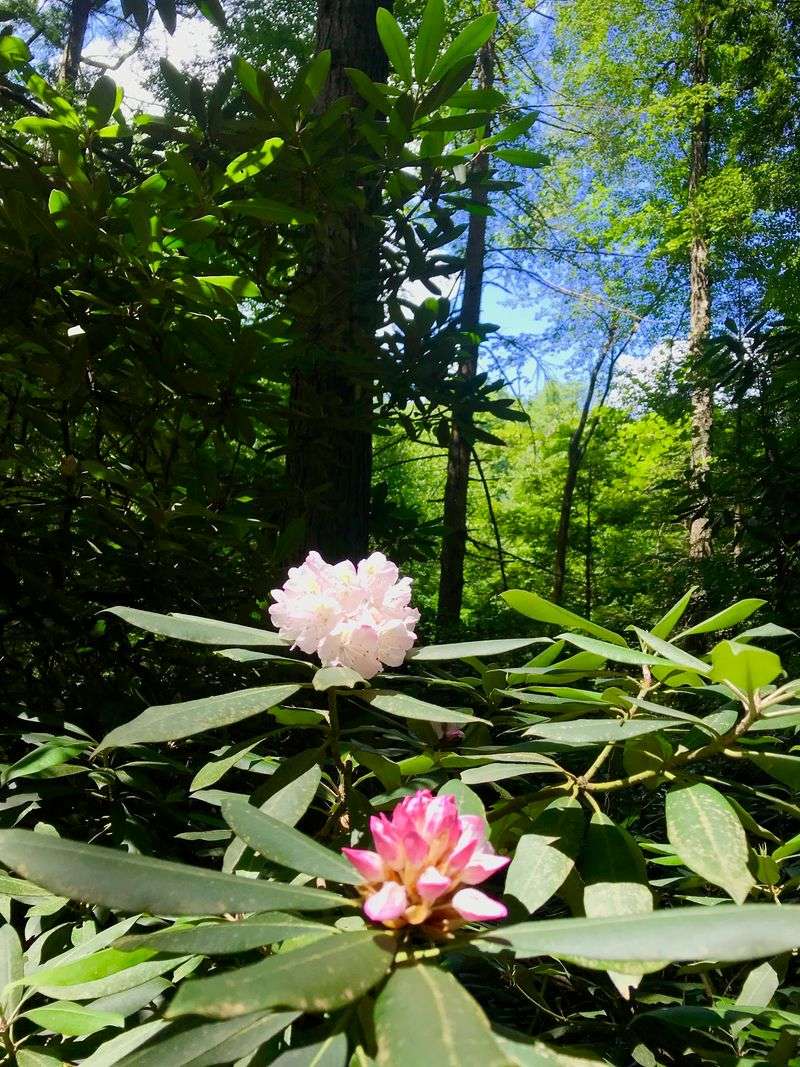
Timing a visit to Audra State Park around its seasonal plant displays is one of those decisions that upgrades a good trip into a great one. The rhododendron thickets that crowd the trails and riverbanks explode into bloom in late spring and early summer, painting the understory in dense clusters of pink and purple.
These are not small accent plants. The rhododendrons here form genuine tunnels over the trail in places, creating a cathedral effect that feels almost theatrical when sunlight filters through the leaves. The forest canopy above includes maple, oak, and pine species that put on their own show each October with a full autumn color display.
Summer brings wildflowers to the meadow edges and trail margins, including the vivid red Cardinal flower and the delicate Pink Lady’s Slipper orchid, both of which attract hummingbirds and pollinators in visible numbers. White-tailed deer appear frequently near dawn and dusk, and the bird diversity is high enough to make the park a genuinely rewarding destination for anyone who carries binoculars on a hike.
Picnic Grounds, Playgrounds, and the Practical Details
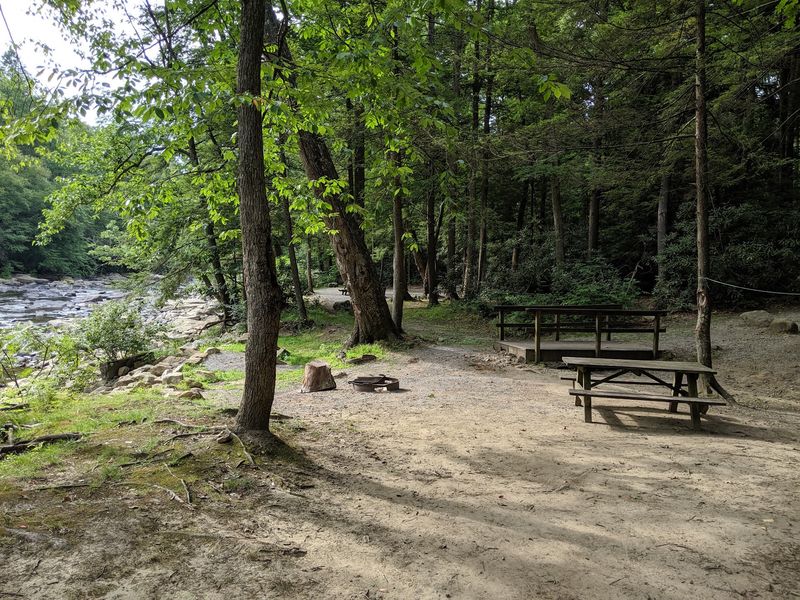
Audra State Park handles the practical side of a day visit with quiet efficiency. Two large parking lots offer free entry, which is a detail that feels almost quaint compared to many state parks that have shifted to paid admission. Covered picnic shelters with water, electricity, and grills are available throughout the park, though reserving one in advance is a smart move on summer weekends.
Small playgrounds are scattered through the grounds, giving younger visitors something to do during the inevitable downtime between river swims and trail walks. Restrooms near the main parking area and swimming zone are well-maintained and stocked, which gets noted approvingly by a surprising number of visitors.
Cell service is limited throughout most of the park, so downloading trail maps and any other information before arrival is genuinely practical advice rather than a generic disclaimer. The park office can be reached at 304-457-1162, and the official website at wvstateparks.com carries current reservation information, seasonal hours, and updates on trail conditions. Park hours run daily from 7 a.m. to 10 p.m.
What to Pack and When to Come
Late spring and early fall are the two seasons that consistently deliver the best version of Audra State Park. Late May through early June brings wildflower blooms, comfortable temperatures, and river levels that balance well between swimmable and exciting for paddlers. October arrives with fall foliage that turns the surrounding ridgelines into something genuinely worth photographing.
Summer is the busiest period and the warmest for swimming, but weekday visits during July and August are noticeably quieter than weekend arrivals. Whatever the season, a few packing decisions make a real difference.
Water shoes protect your feet on the rocky riverbed far better than bare feet or regular sneakers. Hiking boots handle the trail’s rooted and rocky sections comfortably. Insect repellent is not optional from late spring through early fall, as the bug population is enthusiastic and well-established. Sunscreen matters even on overcast days near the water.
Bringing cash for the camp store is useful since connectivity for card payments can be inconsistent in remote areas. A printed or downloaded trail map rounds out the essentials.
Day Trips Beyond the Park Boundary
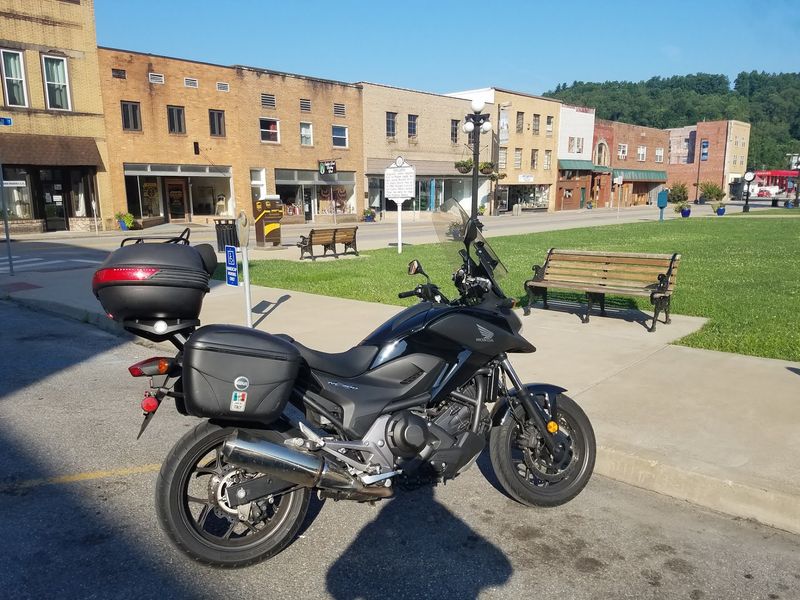
About eleven miles from Audra State Park, the city of Philippi offers one of the more historically loaded detours in this part of West Virginia. The Philippi Covered Bridge is among the oldest surviving covered bridges in the state and carries real Civil War significance as the site of the first land battle of that conflict.
History aside, the bridge itself is a handsome structure and a satisfying short stop for anyone driving between the park and the interstate. For wildlife enthusiasts, the West Virginia State Wildlife Center sits roughly 35 miles from Audra and features native and introduced species on an accessible 1.25-mile interpretive trail.
The town of Buckhannon, approximately 25 miles north of the park, provides the nearest reliable cluster of restaurants, gas stations, and grocery stores. West Virginia Wesleyan College anchors the downtown area and gives the town a livelier feel than its size might otherwise suggest. Stocking up on supplies in Buckhannon before heading into the park is a practical habit that saves multiple return trips for forgotten items.
Share this story