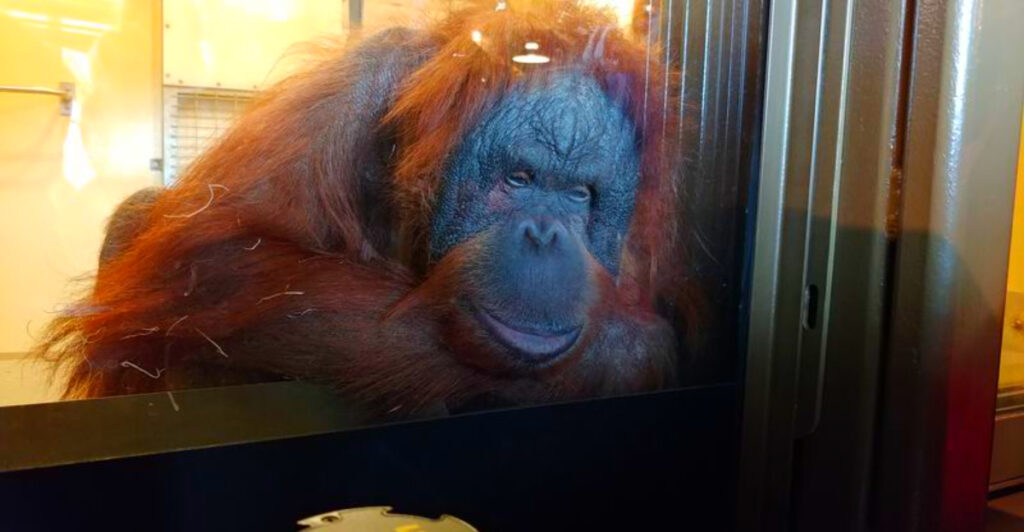
Orangutans share about 97% of their DNA with humans, yet three species are now critically endangered because of habitat destruction and wildlife trafficking. These highly intelligent great apes once ranged freely across vast stretches of Southeast Asian rainforest, but today their numbers have fallen dramatically. The good news is that a growing network of dedicated places around the world is fighting back, from remote jungle stations in Borneo and Sumatra to forward-thinking zoos on multiple continents. Some of these places rescue injured or orphaned orangutans and teach them how to survive in the wild.
Others protect essential forest, fund research teams, or manage carefully planned breeding programs. Each one plays a distinct and meaningful role in keeping orangutans from disappearing for good. Read on to discover 15 remarkable places where real, measurable orangutan recovery is happening right now.
1. Sepilok Orangutan Rehabilitation Centre, Sandakan, Sabah, Malaysia
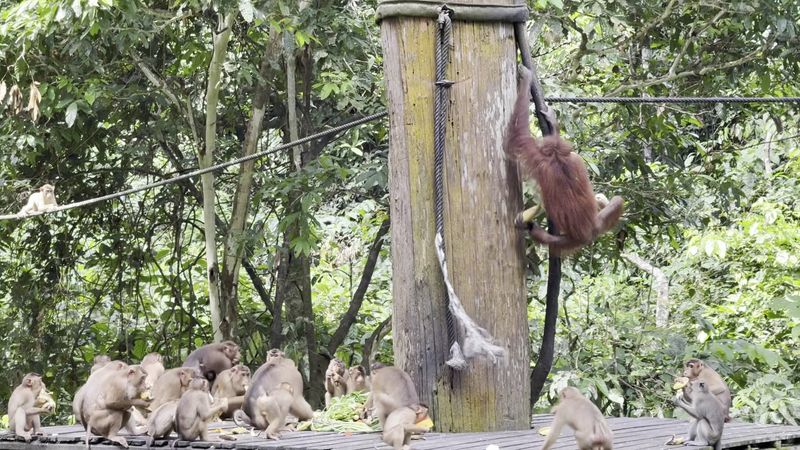
Founded back in 1964, this pioneering centre in Sabah was one of the very first places in the world to take orphaned and injured orangutans seriously as patients rather than curiosities. Set within the Kabili-Sepilok Forest Reserve, it covers over 4,000 hectares of protected land where recovering orangutans can practice real jungle skills.
Elevated boardwalks lead visitors to open-air platforms where rehabilitating orangutans may appear among the trees on their own schedule. Nobody forces them down. The whole point is that each animal gradually builds the confidence and capability to live without human help.
Feeding sessions offer a reliable viewing window, but the orangutans are never trapped or confined. Sepilok also cares for sun bears and other rescued wildlife, making it a broad conservation hub that draws researchers and visitors from around the world.
2. Semenggoh Wildlife Centre, Siburan, Sarawak, Malaysia
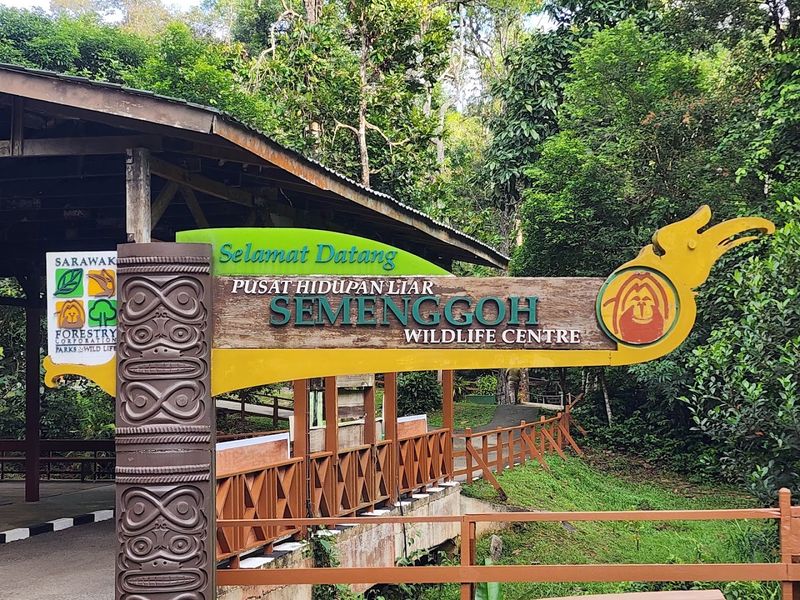
What makes Semenggoh genuinely exciting is that nobody can guarantee you will see an orangutan, and that is precisely the point. The roughly 30 semi-wild orangutans living in this 750-hectare Sarawakian reserve are free to roam and forage whenever they choose, returning to supplementary feeding areas only when they feel like it.
Established in 1975, the centre originally rehabilitated orangutans rescued from injury or illegal captivity. Many of the animals present today are the offspring of those successfully released individuals, which means Semenggoh can point to multigenerational success rather than just short-term rescue statistics.
Rangers provide informative briefings before each feeding session, explaining the center’s goals and the challenges orangutans face in the wild. A short walk through an ethnobotanical garden adds an educational layer, showing visitors the forest plants that orangutans rely on for food and shelter.
3. Matang Wildlife Centre, Kuching, Sarawak, Malaysia
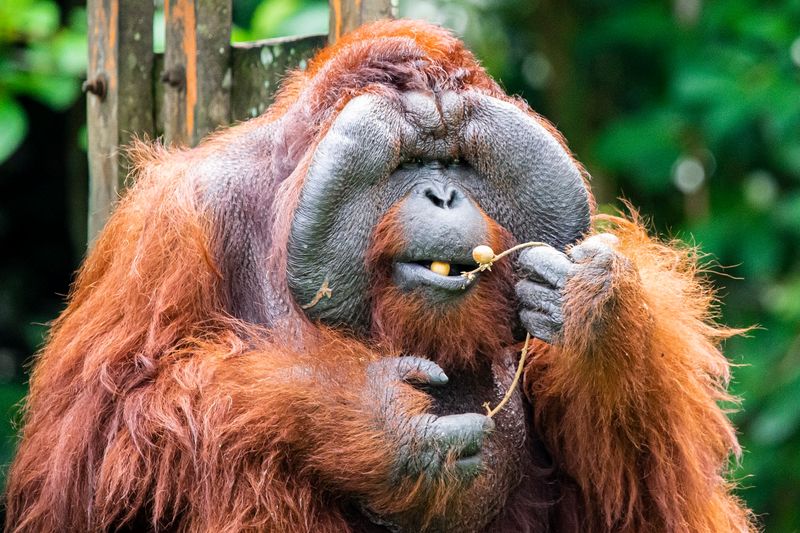
Tucked inside the broader Kubah National Park area, Matang manages around 180 hectares of lowland forest where rescued orangutans work toward one clear goal: earning their independence. Animals confiscated from illegal captivity or dangerous situations arrive here to begin a structured rehabilitation process that can take years.
Wooden boardwalks and jungle trails guide visitors through the forest, keeping viewing distances respectful and human interference minimal. The centre also rehabilitates sun bears, crocodiles, macaques, and various birds, so the facility functions as a comprehensive sanctuary rather than a single-species operation.
Matang offers special programs including hands-on educational sessions designed to connect younger visitors with conservation in a meaningful way. Entrance fees feed directly back into the centre’s operations, meaning every ticket purchase contributes to the practical daily work of keeping these animals healthy and moving toward release.
4. Camp Leakey, Tanjung Puting National Park, Central Kalimantan, Indonesia
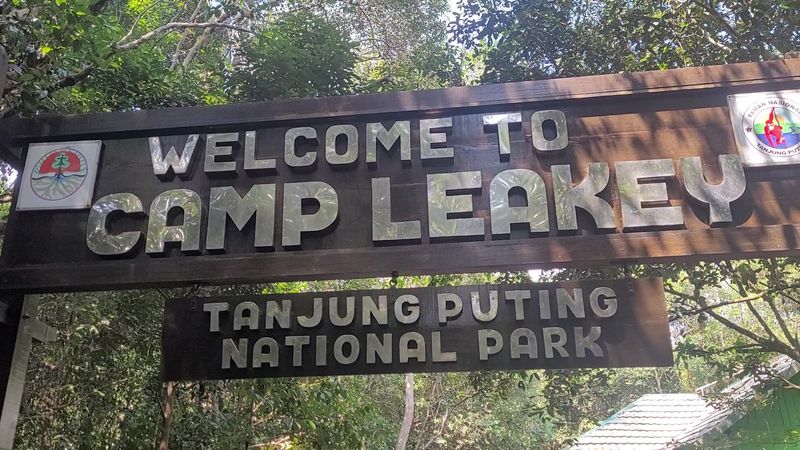
Getting to Camp Leakey requires a multi-day klotok boat journey through the winding waterways of Tanjung Puting National Park, and that unhurried river approach is part of what makes the experience so memorable. Established in 1971 by primatologist Dr. Birute Galdikas, this research station hosts the longest continuous study of wild orangutans ever conducted.
Between 1971 and 1995, the camp helped reintroduce approximately 200 ex-captive orangutans back into the surrounding forest. Today it functions primarily as a research facility, though visitors can trek to feeding platforms where ex-captive orangutans and their wild-born offspring may appear.
Strict rules apply: visitors stay behind ropes, and no physical contact is permitted. That discipline reflects the station’s scientific mission, where decades of careful observation have produced insights into orangutan behavior, diet, social structure, and long-term ecology that benefit conservation programs globally.
5. Gunung Leuser National Park, Bukit Lawang, North Sumatra, Indonesia
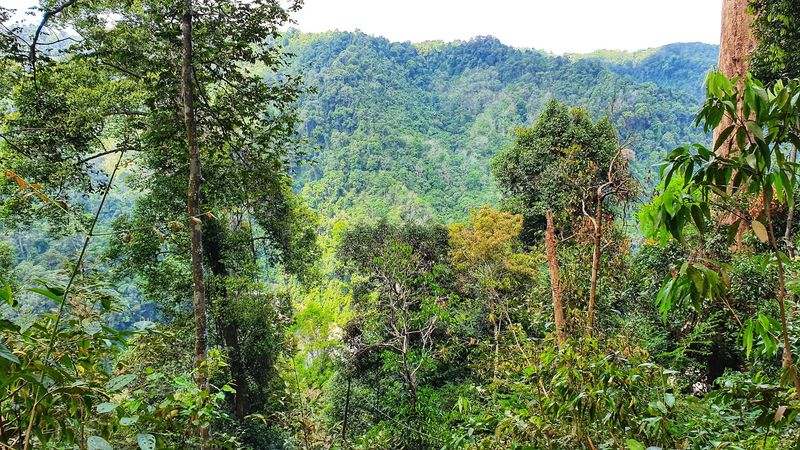
Gunung Leuser is one of the last places on Earth where a Sumatran orangutan can live as nature intended, moving freely through a vast, connected landscape without hitting a plantation boundary every few kilometers. This UNESCO World Heritage Site covers roughly 2.6 million hectares and represents a critical stronghold for the critically endangered Sumatran subspecies.
Guided treks departing from the village of Bukit Lawang lead into steep, dense rainforest where encounters with semi-wild and fully wild orangutans happen at genuinely unpredictable moments. Multi-day treks often include river crossings and overnight jungle camps, turning the trip into a full expedition rather than a quick viewing stop.
Licensed local guides are essential here, both for safety and for conservation integrity. Their knowledge keeps visitors on approved routes, minimizes disturbance to wildlife, and ensures that tourism revenue flows back into the communities most invested in protecting the park.
6. Kinabatangan Wildlife Sanctuary, Sukau, Sabah, Malaysia
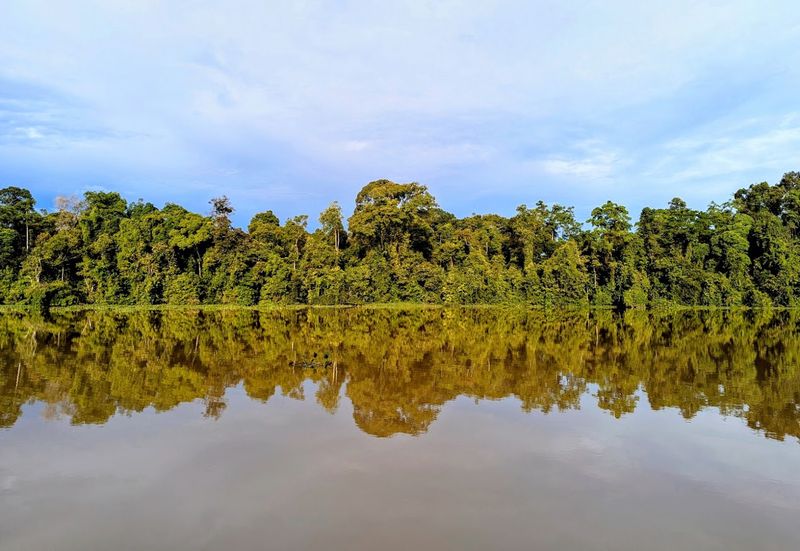
The Kinabatangan River corridor is arguably the most wildlife-dense stretch of habitat remaining in Borneo, and wild Bornean orangutans are a regular sighting for visitors who take the early morning boat cruises near Sukau. The sanctuary was designated in 1997 and covers a patchwork of forest, wetland, and oxbow lakes that together form a vital wildlife corridor.
Proboscis monkeys, pygmy elephants, and dozens of hornbill species share this landscape with the orangutans, making every cruise a genuinely unpredictable wildlife lottery. The riverine setting means you observe animals in a natural context rather than through a fence, which shifts the entire experience.
Recognized as a UNESCO Biosphere Reserve in 2025, the Kinabatangan region benefits from a tourism economy built specifically around keeping the forest standing. Eco-lodges and local guides depend on healthy wildlife populations, creating a direct financial incentive for long-term habitat protection.
7. Danum Valley Conservation Area, Lahad Datu, Sabah, Malaysia
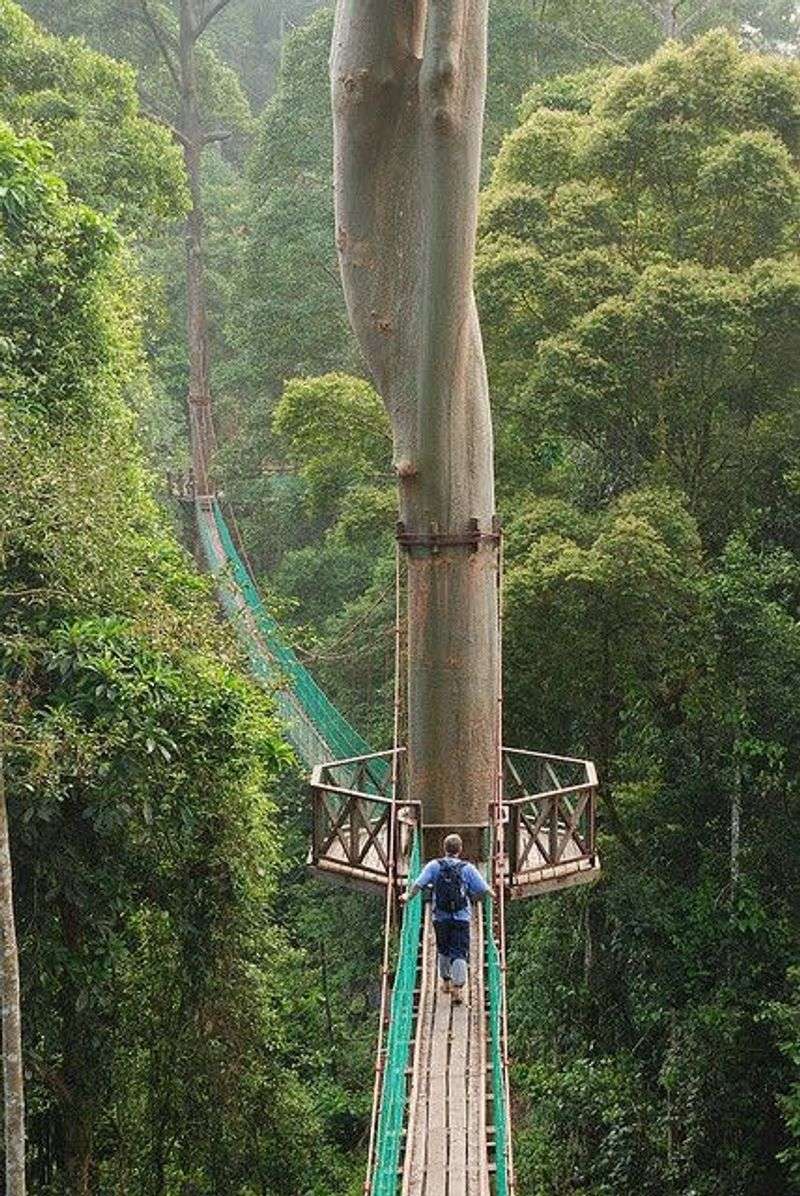
Danum Valley is what Borneo looked like before large-scale logging reshaped so much of the island. This 438-square-kilometer block of primary lowland rainforest in Sabah is among the oldest and most ecologically intact forest patches remaining in Southeast Asia, and wild orangutans still move through it largely undisturbed.
The area functions as both a protected conservation zone and an active research station, with scientists studying everything from tree species composition to animal behavior within its boundaries. Guided hikes take visitors deep into the forest interior, where multi-layered canopy creates a complex habitat that supports extraordinary biodiversity.
Canopy walkways offer a different angle entirely, placing visitors high above the forest floor for a bird’s-eye perspective on arboreal life. Night drives add another dimension, revealing the nocturnal species that share the forest with orangutans and helping visitors appreciate the full ecological complexity that conservation here is working to preserve.
8. Gunung Palung National Park, Ketapang Regency, West Kalimantan, Indonesia
Roughly 10% of the world’s remaining wild Bornean orangutans live within or near Gunung Palung National Park, which makes this West Kalimantan park one of the most strategically important conservation sites on the planet. The park spans multiple forest types, from peat swamp and lowland forest to montane terrain at higher elevations, giving orangutans a diverse range of habitats within a single protected area.
Conservation teams working here take a community-centered approach, recognizing that park boundaries alone cannot protect wildlife if surrounding communities lack alternatives to forest-clearing livelihoods. Programs combine rigorous wildlife monitoring with environmental education, sustainable livelihood support, and active wildlife crime investigations.
This multi-pronged strategy addresses the root causes of orangutan habitat loss rather than just managing the symptoms. Visitors and supporters who engage with organizations linked to Gunung Palung directly fund field teams whose daily work keeps this critical population protected and monitored year-round.
9. Chester Zoo, Chester, England, United Kingdom
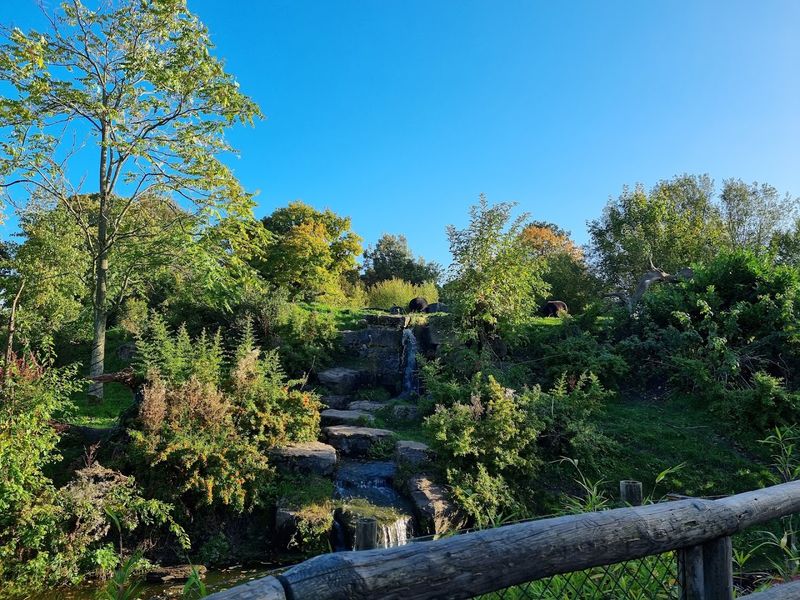
Chester Zoo proves that a zoo in northern England can make a real difference in the rainforests of Borneo. Through its two-decade partnership with HUTAN, a Malaysian conservation organization based in the Kinabatangan region, Chester has helped restore over 200 hectares of rainforest and funded the construction of rope bridges that allow orangutans to cross gaps in fragmented forest.
The zoo also participates in the European studbook breeding program for Bornean orangutans, and a new birth at the zoo in October 2025 added fresh momentum to that carefully managed genetic program. Beyond the animals in its care, Chester actively campaigns for sustainable palm oil practices and works with international bodies to push for deforestation-free supply chains.
This combination of in-house breeding, field partnerships, and policy advocacy makes Chester Zoo a good example of how modern zoos can operate as genuine conservation organizations rather than simply animal display facilities.
10. Smithsonian’s National Zoo, Washington, District of Columbia, USA
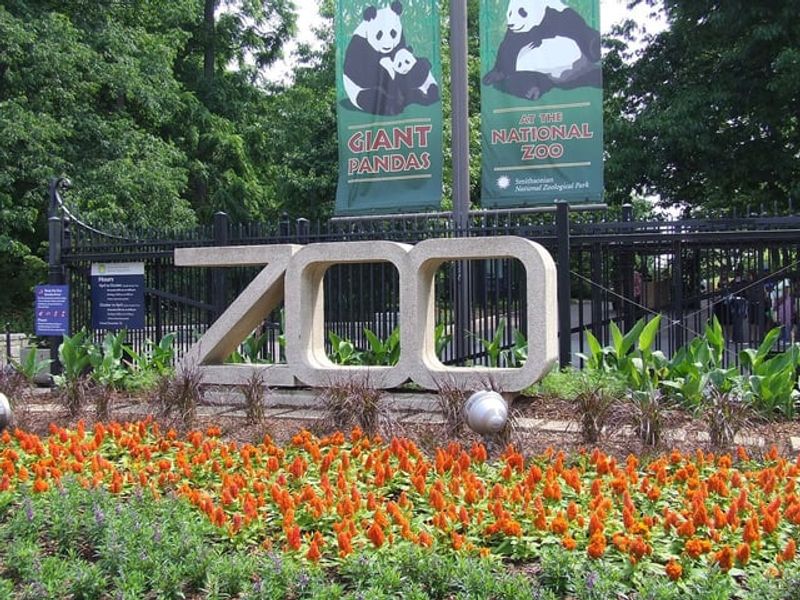
The O Line at the Smithsonian’s National Zoo might be the most architecturally clever orangutan exhibit in North America. This elevated cable system stretches between buildings, allowing orangutans to travel high above the visitor walkways on their own terms, which is a design choice that prioritizes the animal’s psychological needs over the visitor’s viewing convenience.
Behind the scenes, the zoo’s scientific teams study orangutan biology, reproductive health, behavior, and cognition, generating research that improves care standards for managed populations worldwide and informs field conservation strategies. The National Zoo participates in the Species Survival Plan for both Bornean and Sumatran orangutans, contributing to careful genetic management across accredited facilities.
Public education programs connect zoo visitors to the broader conservation picture, explaining the pressures orangutans face in the wild and describing how research conducted in Washington translates into practical benefits for wild populations thousands of miles away.
11. San Diego Zoo, San Diego, California, USA
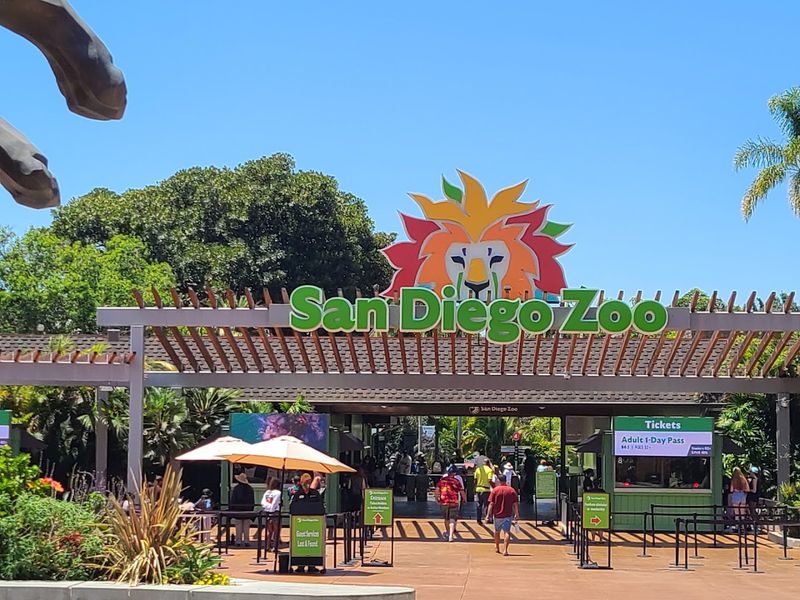
San Diego Zoo has been caring for orangutans since 1928, which gives it nearly a century of accumulated knowledge about these animals. That institutional depth shows in its participation in the Orangutan Species Survival Plan and the AZA Orangutan SAFE program, both of which coordinate conservation efforts across accredited facilities throughout North America.
The orangutan habitat at San Diego is notably social, housing the apes alongside siamangs, a species that shares the same geographic range in the wild. Climbing structures, sway poles, and enrichment feeders designed to mimic termite mounds keep the animals mentally and physically active throughout the day.
Through the San Diego Zoo Wildlife Alliance, the organization also funds field work focused on habitat protection, rescue operations, and building local conservation capacity in range countries. That combination of expert animal care and active field investment makes San Diego a meaningful contributor to orangutan recovery on multiple fronts.
12. Indianapolis Zoo, Indianapolis, Indiana, USA
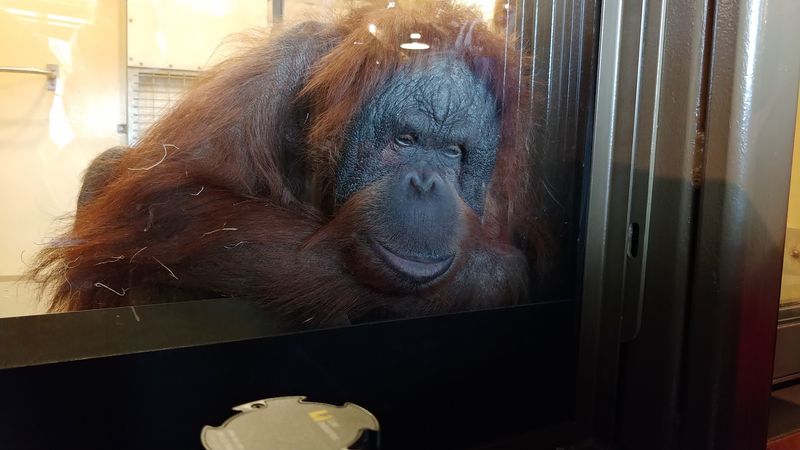
The Simon Skjodt International Orangutan Center operates on a straightforward but ambitious idea: give orangutans a space that challenges their bodies and their minds simultaneously. Tall climbing towers, overhead cable networks, and interconnected platforms create what the facility describes as a functional forest, where the apes can move, socialize, and problem-solve in ways that reflect their natural behavior.
What really sets this center apart is the integration of voluntary computer-based cognitive research. Orangutans can choose to participate in touchscreen tasks that help researchers understand their learning strategies, memory, and problem-solving capabilities. Zoo president Dr. Rob Shumaker has been central to this cognitive research, and the findings contribute to the broader scientific understanding of great ape intelligence.
The center celebrated its tenth anniversary in October 2024 and houses one of the largest managed orangutan groups in the United States, making it a significant contributor to the Species Survival Plan’s genetic management objectives.
13. Zoo Atlanta, Atlanta, Georgia, USA
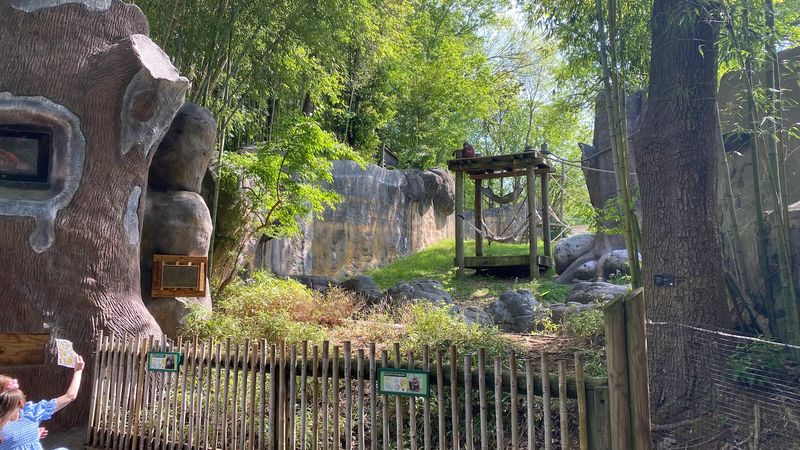
Zoo Atlanta takes a two-pronged approach to orangutan conservation that connects its Atlanta campus directly to recovery work happening in Indonesian rainforests. The zoo cares for both Bornean and Sumatran orangutans on-site, contributing to Species Survival Plan breeding recommendations while also providing financial support to the Borneo Orangutan Survival Foundation operating in Indonesia.
The Borneo Orangutan Survival Foundation is one of the largest orangutan rescue and rehabilitation organizations in the world, running programs that rescue injured or orphaned animals, rehabilitate them over multi-year periods, and ultimately release suitable candidates back into protected forest areas. Zoo Atlanta’s support gives that field work additional resources and international visibility.
Visitors to Zoo Atlanta can learn the individual histories of the orangutans in residence, connecting personal animal stories to the larger conservation challenge. That storytelling approach makes the conservation message concrete and personal rather than abstract, which tends to leave a more lasting impression on guests.
14. Los Angeles Zoo, Los Angeles, California, USA
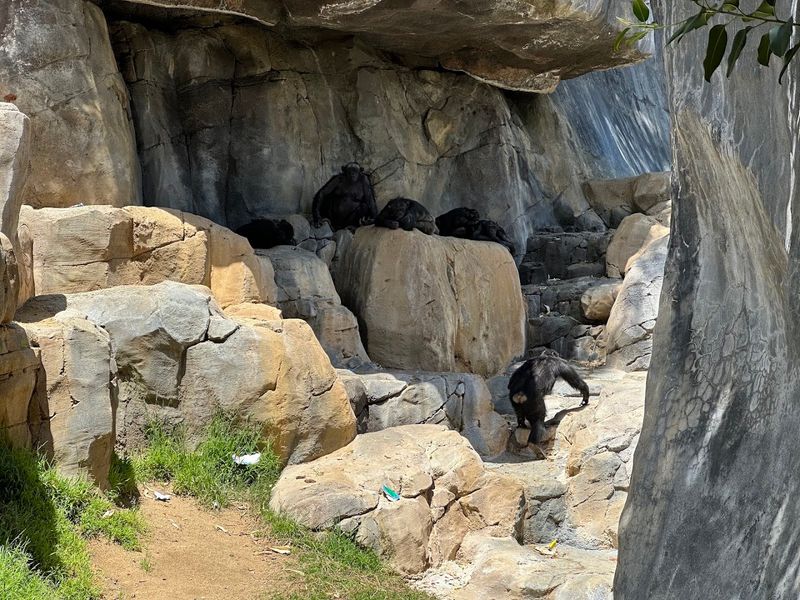
The Red Ape Rain Forest exhibit at the Los Angeles Zoo was designed with a clear philosophy: give tree-dwelling apes a genuinely vertical world to explore. Elevated platforms, hammocks, aerial pathways, and climbing structures fill the space, encouraging orangutans to behave in ways that reflect their natural arboreal lifestyle rather than spending time on the ground.
The zoo participates in professional orangutan care and breeding networks that coordinate genetic management across accredited institutions. A Bornean orangutan birth at the zoo in 2025 drew significant attention to the species’ fragile status and served as a reminder of why managed breeding programs matter when wild populations face ongoing pressure.
Education programming at the Red Ape Rain Forest explains the specific threats orangutans face, from palm oil expansion to illegal wildlife trade, giving visitors actionable context rather than just a pleasant animal encounter. That educational framing turns a zoo visit into a genuine conservation conversation.
15. Woodland Park Zoo, Seattle, Washington, USA
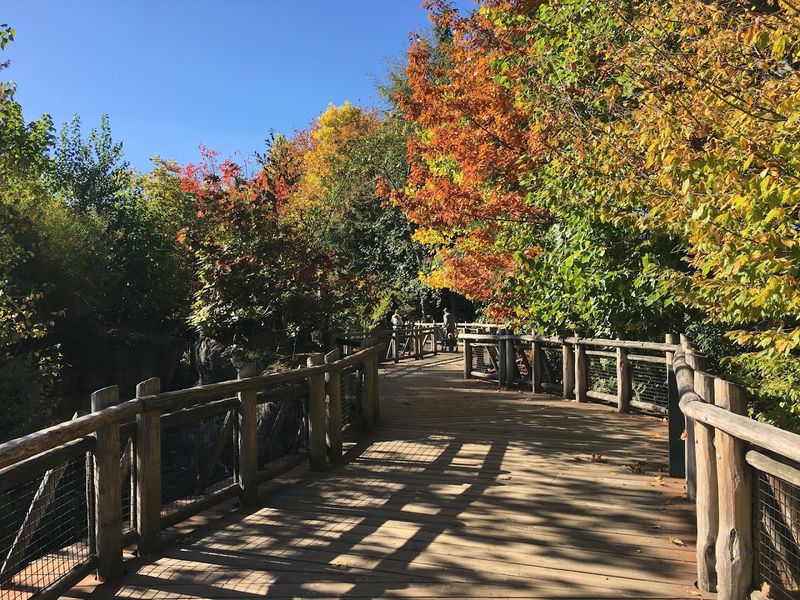
Woodland Park Zoo has been supporting orangutan conservation in Borneo since 2003, building partnerships that extend the zoo’s impact far beyond Seattle. Its collaboration with the Gunung Palung Orangutan Conservation Program helps protect critical forest habitat around one of Borneo’s most important wild orangutan populations, funding field teams who monitor animals and work with local communities.
The zoo’s parallel partnership with HUTAN focuses on the Kinabatangan region, where habitat corridor restoration is essential for connecting fragmented forest patches. Both partnerships emphasize community involvement, recognizing that local people are the most effective long-term guardians of any protected landscape.
On the Seattle campus, a Sumatran orangutan pregnancy announced in June 2024 under a Species Survival Plan breeding recommendation highlighted the zoo’s active role in managing healthy captive populations. Every admission ticket sold contributes to these layered conservation efforts, making Woodland Park Zoo a genuinely useful place to visit for anyone who cares about orangutan survival.
Share this story