Some places earn their reputations through centuries of strange events, persistent legends, and stories that refuse to fade. A castle, an island, a forest, or even a stretch of ocean can accumulate enough unsettling history to make people think twice before visiting. Across the world, certain locations have become so closely linked with curses, misfortune, and unexplained events that their names alone carry a sense of warning. Whether rooted in documented history or shaped by generations of retelling, the 13 places in this list have all earned reputations that are genuinely difficult to shake.
Read on to find out what makes each one so persistently associated with bad luck.
1. Bhangarh Fort in India
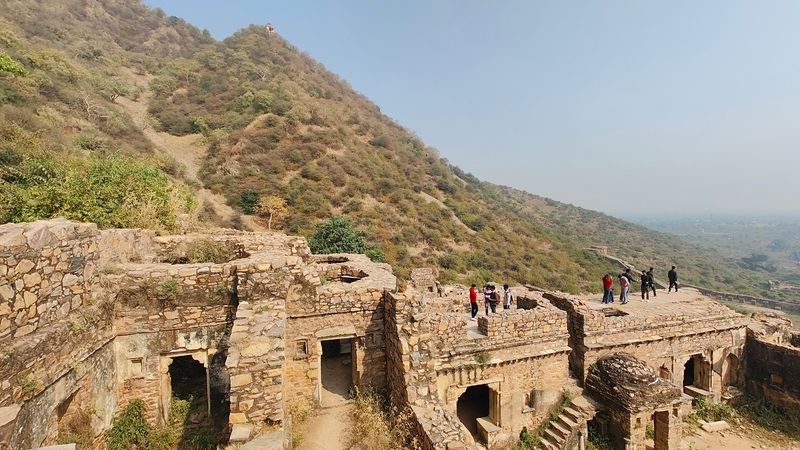
The Archaeological Survey of India has formally forbidden entry to this Rajasthan fortress between sunset and sunrise, a restriction widely believed to stem from paranormal concerns rather than structural ones alone. That official rule has done more for Bhangarh’s reputation than almost any ghost story could.
Two legends compete for dominance in the fort’s folklore. One involves a holy man named Baba Balau Nath, who reportedly cursed the settlement after a later ruler built structures that overshadowed his dwelling. The other centers on a dark magician named Singhia, whose obsession with Princess Ratnavati ended badly for everyone involved, including the fort’s entire population.
Historical records suggest the fort’s abandonment in the late 18th century may have been caused by famine or conflict rather than supernatural forces. Visitors still report feelings of unease, unexplained sounds, and an overwhelming sense of being watched. Rational or not, Bhangarh consistently ranks among India’s most persistently unsettling destinations.
2. Poveglia Island in Italy
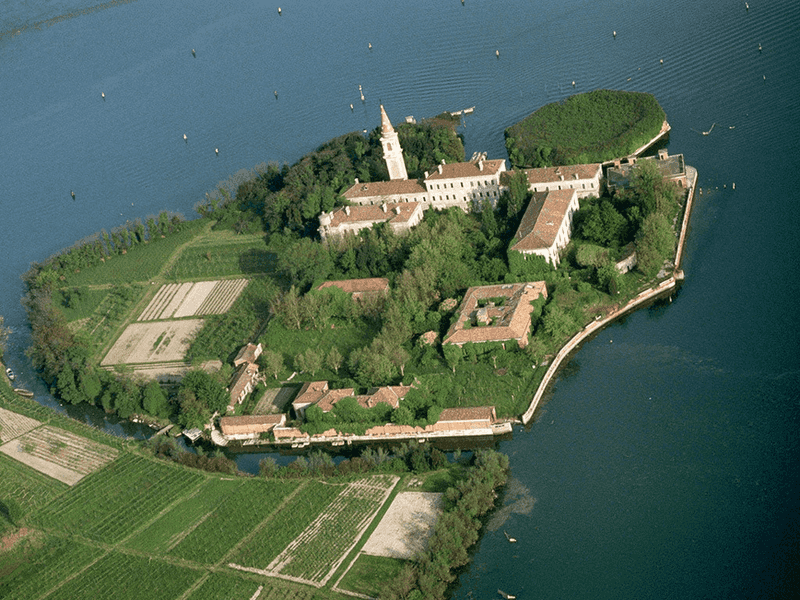
Sitting quietly in the Venetian Lagoon between Venice and Lido, this abandoned island has accumulated one of the most consistently grim reputations in Europe. Its history as a quarantine station during plague epidemics placed it firmly in the category of places most people would prefer to avoid.
From the late 18th century onward, thousands of plague victims were sent to Poveglia to isolate them from the mainland. Some historical estimates suggest the number of people who ended their lives on the island reached into the tens of thousands. A psychiatric hospital later operated there from 1922 until 1968, adding another chapter of dark folklore involving an allegedly cruel doctor.
The Italian government keeps the island officially closed to the public, citing safety concerns from the deteriorating buildings. Paranormal television programs have featured it repeatedly, often promoting claims that are difficult to verify. Viewed from the water, the decaying structures and overgrown grounds make Poveglia look exactly like a place where bad luck is part of the landscape.
3. Hoia Baciu Forest in Romania
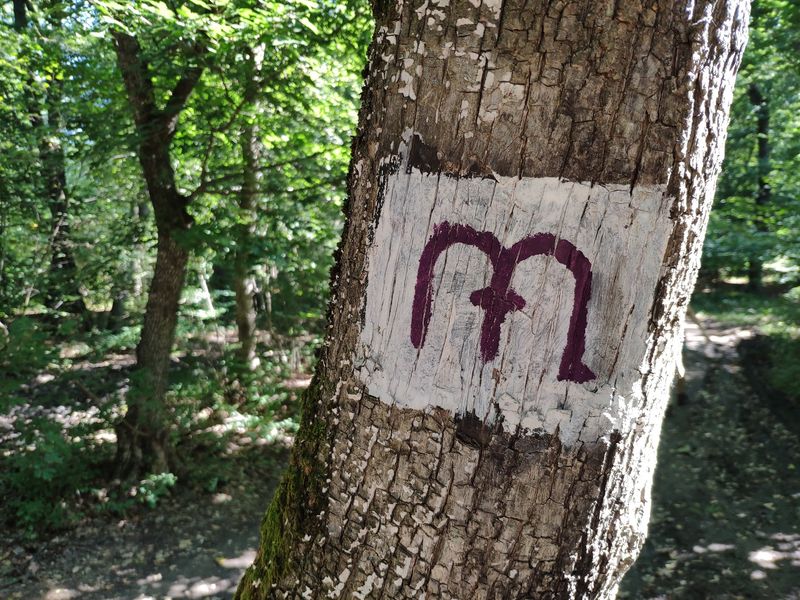
Just outside Cluj-Napoca, a 250-hectare stretch of woodland has earned the nickname “The Bermuda Triangle of Romania,” which is quite a title for a forest. Hoia Baciu has attracted paranormal researchers, curious tourists, and documentary crews for decades, all drawn by its reputation for unexplained phenomena.
The forest gained international attention in 1968 when military technician Emil Barnea photographed what appeared to be a disc-shaped object hovering above the trees. That image became a significant reference point in Eastern European UFO research. Local folklore, however, predates that photograph by generations, with stories of disappearing shepherds and strange presences stretching back centuries.
At the forest’s center lies a circular clearing where vegetation reportedly refuses to grow, despite multiple soil analyses finding no clear scientific explanation. Many visitors describe nausea, dizziness, and a persistent sense of being observed. The trees themselves grow in contorted, spiral-like patterns that have no straightforward botanical explanation, adding one more layer to Hoia Baciu’s stubborn reputation as a place that seems to resist ordinary logic.
4. Bermuda Triangle
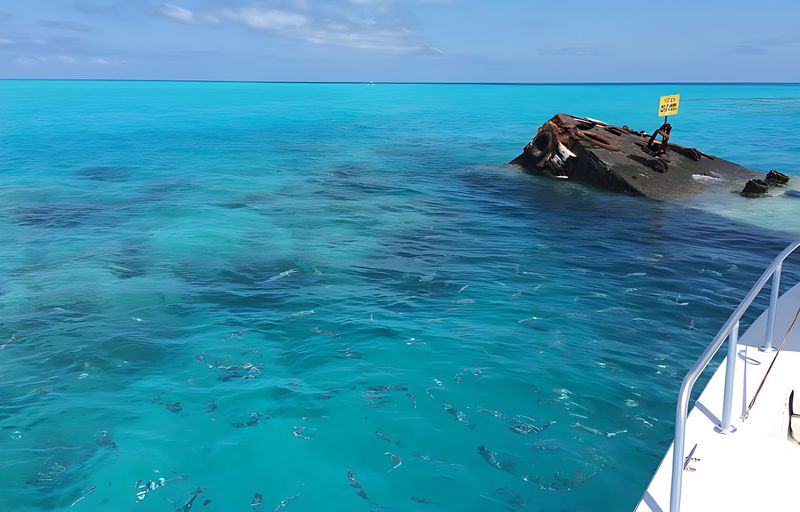
Few geographic names carry as much cultural weight as this loosely defined stretch of the North Atlantic Ocean. Roughly bounded by Florida, Bermuda, and Puerto Rico, the region became famous in the 20th century for stories of ships and aircraft vanishing under unexplained circumstances.
The term itself was coined in 1964 by writer Vincent Gaddis in an article for Argosy magazine. High-profile incidents like the disappearance of Flight 19 in 1945, a squadron of five Navy bombers that never returned, gave the legend serious momentum. Books and television programs then pushed the story further into popular culture.
Researchers at NOAA and the U.S. Navy have found no evidence that the region is more dangerous than any other heavily traveled ocean area. The U.S. Board on Geographic Names does not even recognize it as an official location.
Despite those facts, the Bermuda Triangle’s reputation as a place of mysterious misfortune has proven remarkably durable.
5. Tower of London in England
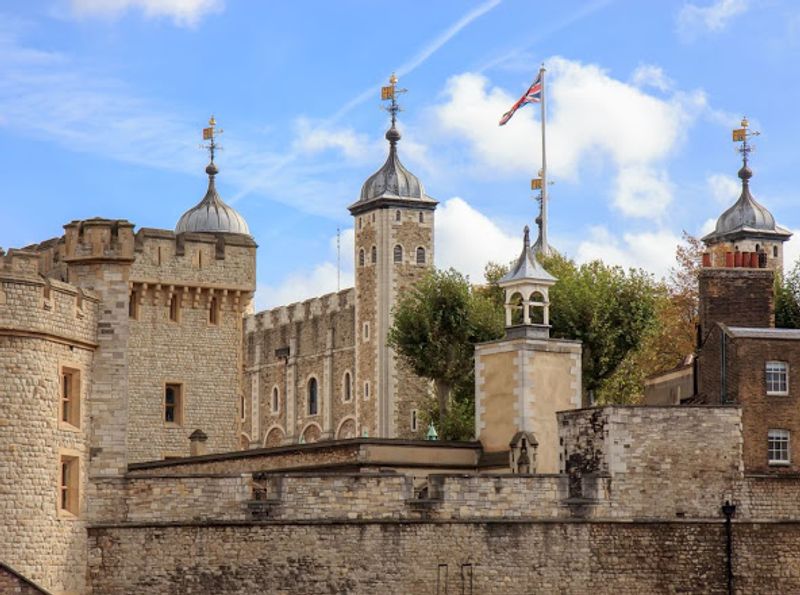
Nearly a thousand years of royal history have left the Tower of London with a reputation that goes well beyond its impressive medieval architecture. As a prison, it held some of England’s most famous historical figures, including Anne Boleyn, Catherine Howard, and Lady Jane Grey, all of whom were executed there or nearby.
The unsolved mystery of the Princes in the Tower, young Edward V and his brother Richard who vanished in 1483, remains one of British history’s most enduring cold cases. Their disappearance added another layer of ominous folklore to an already heavily storied fortress.
The Tower’s most famous superstition concerns its resident ravens. Legend holds that if the birds ever leave, both the Tower and the kingdom will fall. The role of Ravenmaster was created specifically to prevent that outcome, with the birds’ wings carefully clipped to keep them in place. Whether the legend dates to Charles II’s reign or to the Victorian era remains debated, but the ravens are still there, and nobody seems eager to test the prophecy.
6. Tutankhamuns Tomb in Egypt
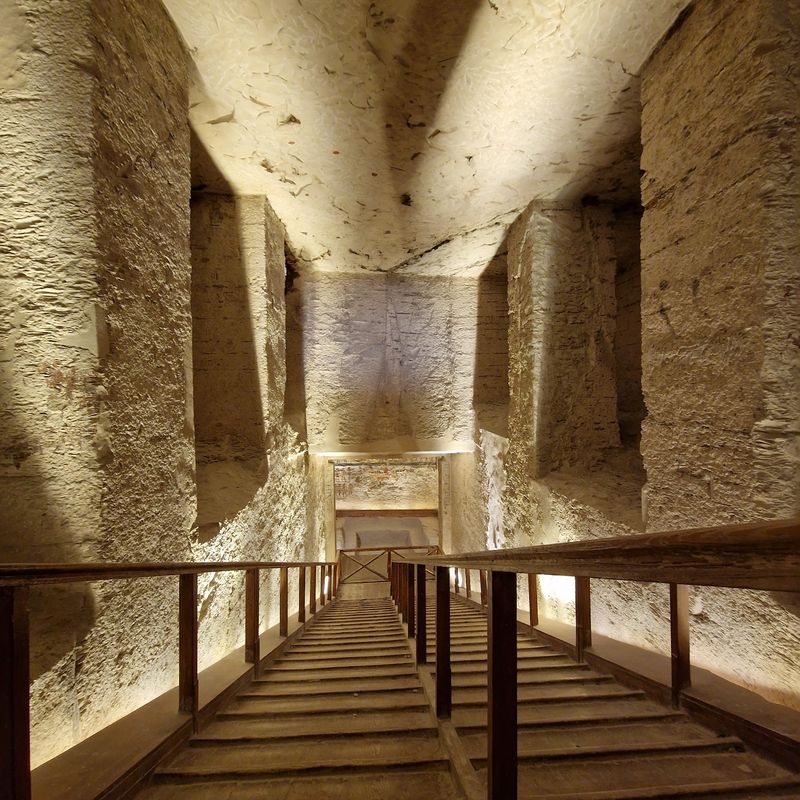
Howard Carter’s 1922 discovery of Tutankhamun’s burial chamber in the Valley of the Kings was immediately celebrated as one of archaeology’s greatest moments. Within months, it had also become the foundation for one of history’s most persistent curse legends.
Lord Carnarvon, who financed the excavation, died in April 1923 from complications following an infected mosquito bite. Newspapers, encouraged by figures like Arthur Conan Doyle and novelist Marie Corelli, eagerly connected his death to a pharaoh’s revenge. The dramatic phrase “Death comes on swift wings to him who disturbs the king’s peace” spread widely, despite no such inscription ever being found inside the tomb.
Other deaths among those connected to the excavation were quickly added to the curse’s tally. Howard Carter himself, who spent the most time inside the tomb, lived for another 17 years and dismissed the entire idea as nonsense. A 2002 study in the British Medical Journal found no statistical link between tomb exposure and early death. The facts never quite caught up with the story.
7. Leap Castle in Ireland
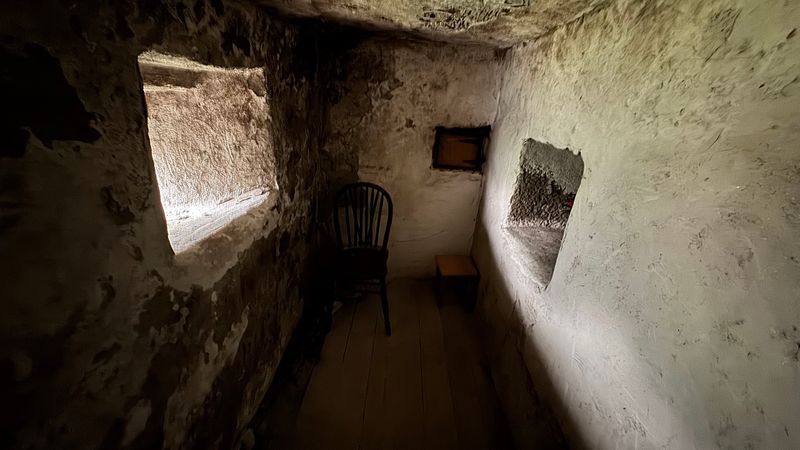
County Offaly’s most infamous fortress earned its dark reputation the hard way, through centuries of documented conflict, betrayal, and bloodshed. Built by the O’Bannon clan around the 13th century, it became the stronghold of the O’Carroll clan, whose internal power struggles left a permanent mark on the building’s history.
The castle’s most notorious room is the Bloody Chapel, where in 1532 a priest named Thaddeus was killed by his own brother during a family mass. His ghost is reportedly among the most active in the building. Renovations in the early 20th century uncovered a hidden oubliette beneath the floor, containing the skeletal remains of approximately 150 individuals, grim evidence of the castle’s long history of violent conflict.
Gothic novelist Mildred Darby, who lived in the castle in the early 1900s, described encounters with a presence she called the Elemental, a hunched, gray figure associated with a deeply unpleasant atmosphere. Whether connected to ancient Druidic activity on the land or to the castle’s own violent past, the Elemental became one of Irish ghost lore’s most frequently discussed supernatural entities.
8. Island of the Dolls in Mexico
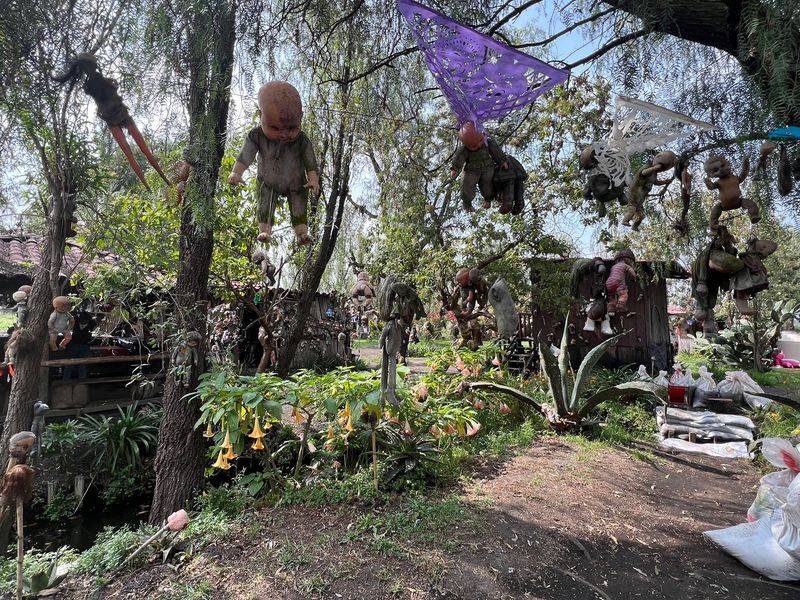
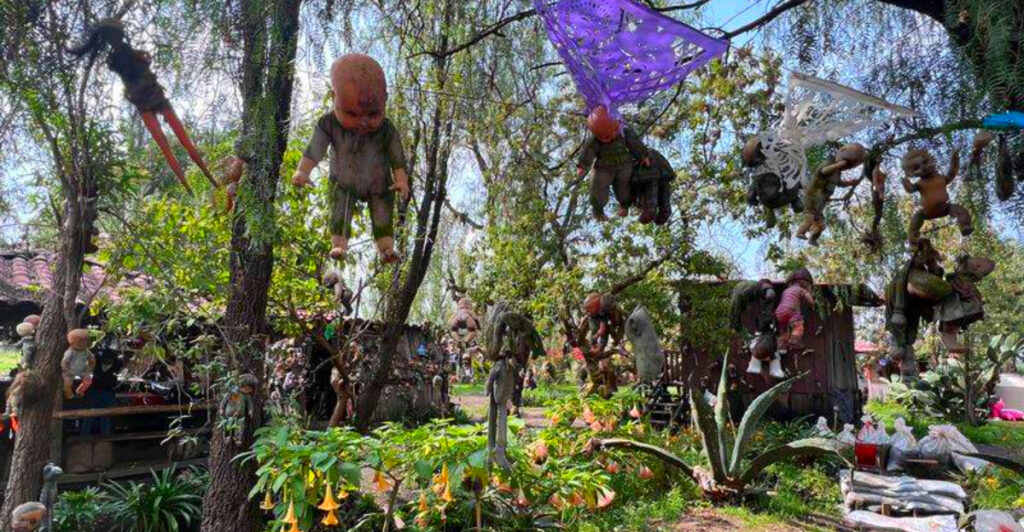
Among the canals of Xochimilco, south of Mexico City, sits a chinampa covered with hundreds of old, weathered dolls hanging from trees, fences, and every available structure. The island’s appearance is striking enough that in 2022, it earned a Guinness World Record for the largest collection of haunted dolls.
The story behind it centers on Don Julian Santana Barrera, a caretaker who began collecting and displaying dolls after reportedly finding the body of a drowned girl in the nearby canal. He believed the dolls appeased her spirit and offered protection from malevolent forces. For roughly 50 years, he traded produce for discarded dolls and hung them across every surface of the island.
Don Julian himself was found drowned in 2001, reportedly in the same stretch of canal where he had first encountered the girl. His family transformed the property into a public attraction afterward. Visitors frequently add their own dolls to the collection, and many report the unsettling sensation that the dolls’ eyes follow them as they move through the island.
9. Chateau de Brissac in France
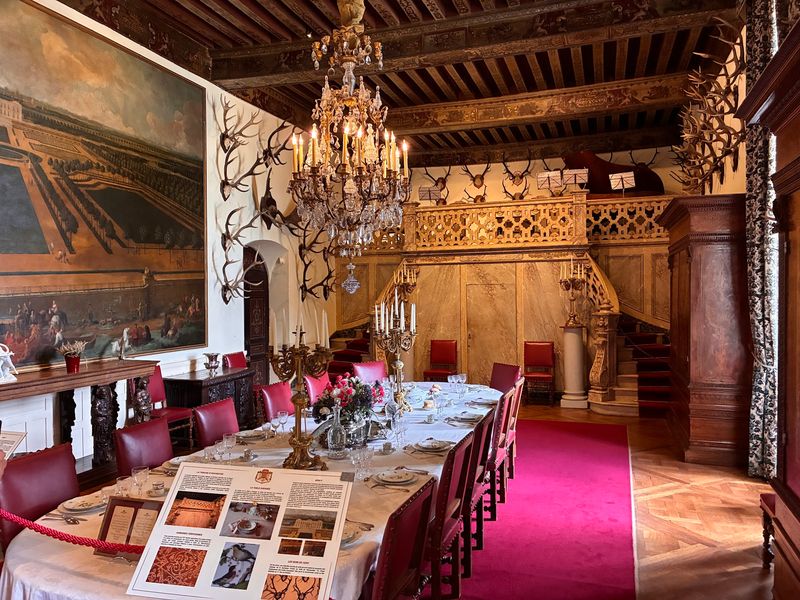
Known as the Giant of the Loire for its impressive seven floors and 204 rooms, Chateau de Brissac is one of France’s most architecturally striking historic residences. It has been home to the Cossé-Brissac family since 1502, making it one of the country’s longest continuously occupied noble estates.
The château’s ghost, known as the Green Lady or “La Dame Verte,” is traditionally identified as Charlotte de Brézé, the illegitimate daughter of King Charles VII. According to the legend, Charlotte’s husband discovered her with another man and killed them both in a tower room above the chapel. Her apparition, reportedly wearing a green dress, is said to wander the upper floors, particularly near the chapel.
The current Duke of Brissac has openly acknowledged the legend and confirmed that both staff and guests have reported unusual experiences over the years. Visitors describe hearing unexplained sounds at night and encountering a figure with hollow eye sockets in the upper rooms. The family treats the Green Lady as part of the château’s identity rather than something to be explained away.
10. Bell Witch Cave in Tennessee
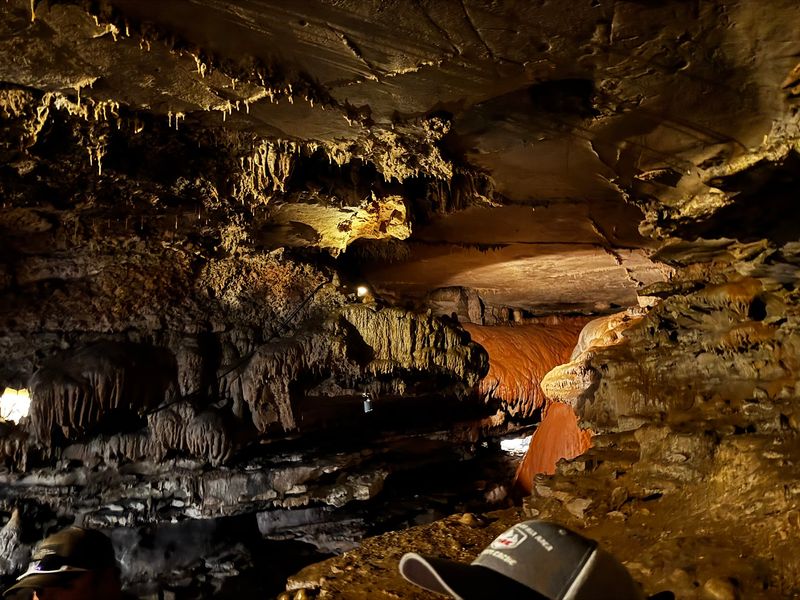
One of early America’s most thoroughly documented supernatural legends began on a farm in Robertson County, Tennessee, around 1817. The Bell family reported years of increasingly disturbing events, including strange noises, physical attacks on family members, and an entity that eventually communicated audibly, making it one of the few cases in American folklore where a supposed spirit spoke directly to witnesses.
The entity, commonly called Kate or the Bell Witch, focused much of its hostility on farmer John Bell Sr. His health declined steadily over the years of reported disturbances, and in December 1820 he was found unresponsive with a vial of dark liquid nearby. The witch reportedly claimed responsibility, a claim that became central to the legend’s enduring power.
General Andrew Jackson reportedly visited the homestead and left shaken by what he experienced. Today, the Bell Witch Cave on the original property draws visitors who report electronic devices malfunctioning, unexplained sounds, and a persistent feeling of unease. The cave also sits near an old Native American burial site, a detail that later versions of the legend incorporated into explanations for the disturbances.
11. The Myrtles Plantation in Louisiana
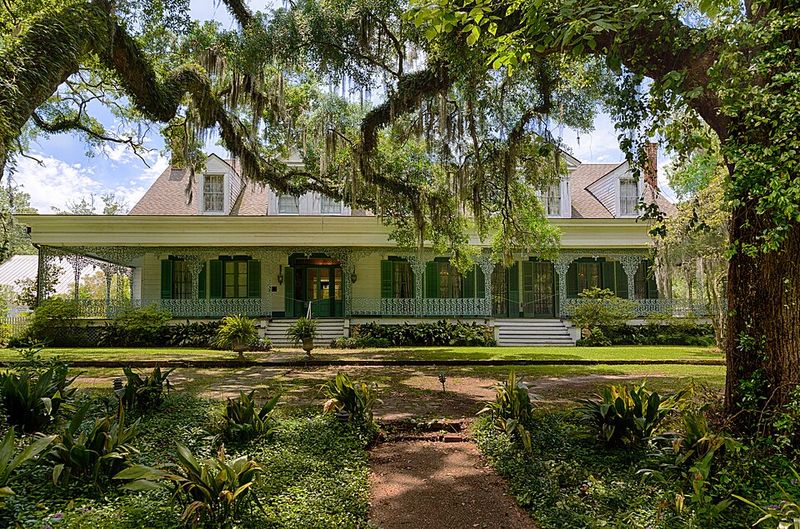
Built in 1796 in St. Francisville, the Myrtles Plantation has been marketed as one of America’s most haunted homes for decades. Its antebellum architecture and long history have made it a recurring subject for paranormal television programs and ghost tour operators across the South.
The plantation’s most famous legend involves an enslaved woman named Chloe, who allegedly poisoned a cake intended for the Woodruff family, causing multiple deaths. Her ghost, said to wear a green turban, is reportedly one of the most frequently photographed apparitions on the property. Historians have challenged the story significantly, finding no documentary evidence of Chloe in plantation records and noting that Sara Woodruff and her daughters died of yellow fever rather than poisoning.
A more historically grounded ghost story involves William Drew Winter, Sara Woodruff’s son-in-law, who was genuinely murdered on the front porch in 1871. A mirror in the house is also said to hold the spirits of family members whose reflections were never properly cleared after death. Documented history and persistent legend have become nearly impossible to separate at the Myrtles.
12. Houska Castle in the Czech Republic
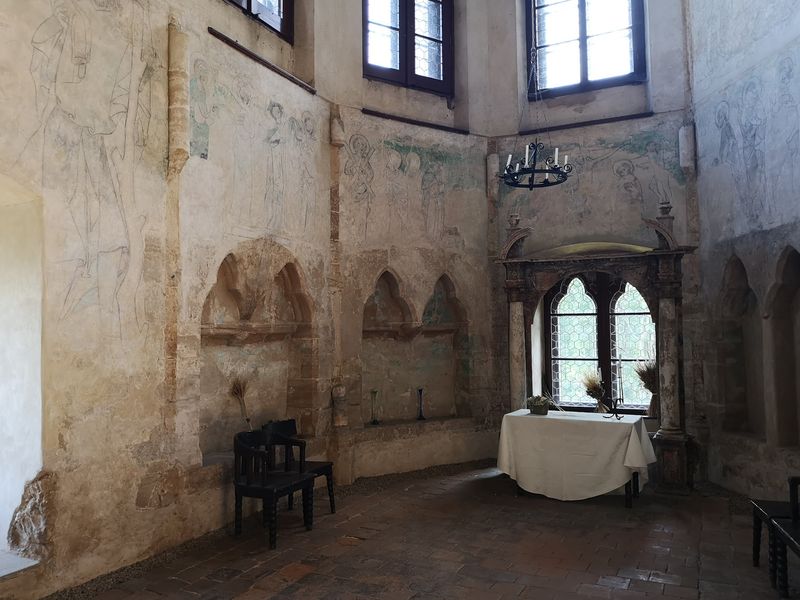
Most fortresses were positioned near towns, trade routes, or water sources for practical military and logistical reasons. Houska Castle, built in the 13th century under Bohemian ruler Ottokar II, was constructed deep in a forest north of Prague, far from all of those things. That unusual placement has puzzled historians ever since.
Local legend offers an explanation that historians find considerably less convincing: the castle was built over a bottomless pit believed to be an entrance to the underworld. A chapel was placed directly over the chasm to seal it, and the rest of the fortress was constructed around that spiritual barrier. The chapel’s interior features frescoes of demons and hybrid creatures, which is unusual decorative subject matter for a sacred space.
One tale associated with the pit describes a condemned prisoner who was lowered into the darkness and pulled back up in a state of apparent madness, having aged dramatically in a matter of minutes. Visitors today report shadowy figures, unexplained sounds from below ground, and electronic malfunctions. Whatever the rational explanation for Houska’s location, its reputation as a place built to contain something terrible has proven extremely difficult to argue away.
13. Chateau de Trecesson in France
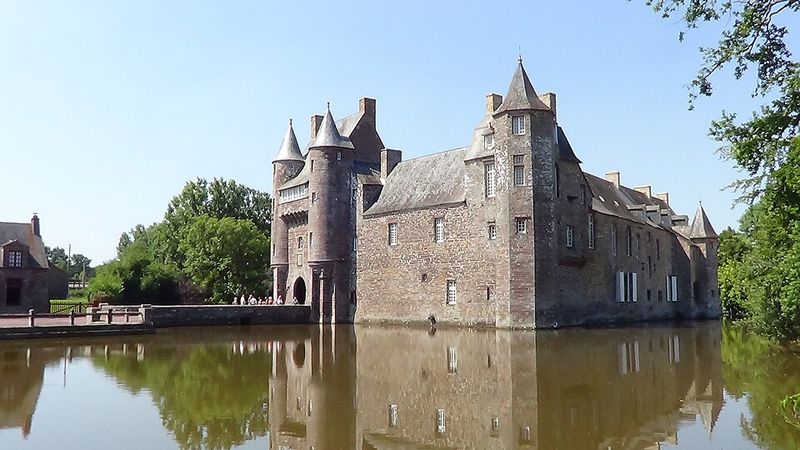
Brittany’s landscape is full of ancient castles and regional legends, but Chateau de Trecesson carries one story that stands apart from the usual ghost fare. The medieval fortress, built from distinctive reddish shale and surrounded by a moat, sits near the Paimpont forest, a region already thick with Arthurian mythology and local folklore.
The château’s most persistent legend involves a young noblewoman in a wedding dress, reportedly brought to the castle walls in the 18th century by men believed to be her own family members. According to the tale, she was buried alive near the castle, possibly to prevent a marriage considered dishonoring to her family. Passing peasants or poachers supposedly witnessed the act but could not intervene in time.
Since then, the White Lady, or “La Dame Blanche,” has reportedly been seen wandering the grounds near the moat, dressed in the same white gown. Other accounts mention a headless knight, phantom card players in an upstairs chamber, and doors that open and close without cause. Whether the buried bride story has any historical basis remains unverified, but generations of retelling have kept Chateau de Trecesson firmly on Brittany’s map of places associated with terrible fortune.
Share this story