Some places carry more than just history. Across the globe, certain villages, castles, forests, and bridges have become permanently tied to legends about curses, mysterious forces, and unexplained events that generations of locals refuse to forget. These stories are not just old superstitions gathering dust. They shape how communities think about their land, their past, and the boundaries between what can be explained and what cannot.
From a deserted Rajasthani village abandoned overnight in the 1800s to a Victorian bridge in Scotland surrounded by a puzzling and persistent legend, these 15 locations offer a fascinating window into how folklore and documented history often walk side by side. Whether you are a history enthusiast, a curious traveler, or simply someone who enjoys a well-told story rooted in real places, each of these destinations has something genuinely worth knowing about.
1. Kuldhara Village, Jaisalmer, Rajasthan, India
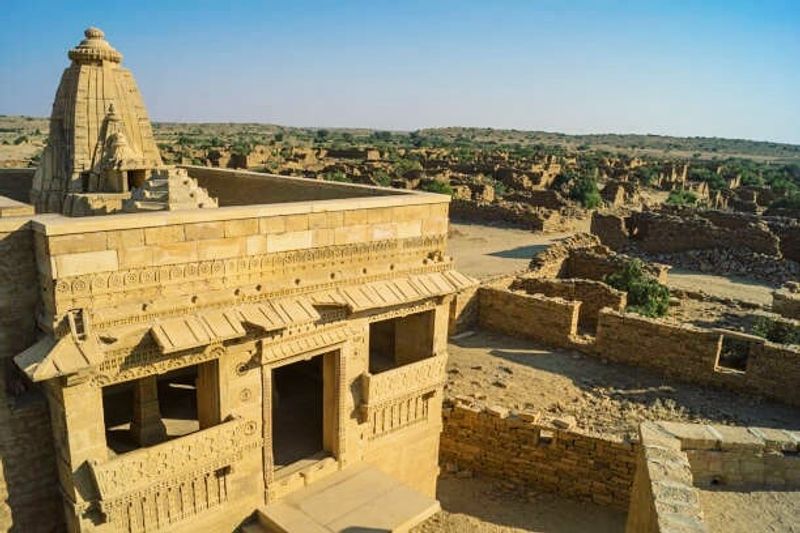
Founded around the 13th century, Kuldhara was once a well-organized settlement built by the Paliwal Brahmins, a community known for sophisticated water management and strong agricultural systems across roughly 84 connected villages in the Rajasthan desert.
Local tradition says that around 1825, the entire community abandoned Kuldhara overnight rather than accept the demands of an oppressive minister named Salim Singh, who reportedly targeted the village chief’s daughter. Before leaving, the villagers are said to have placed a curse ensuring no one would ever settle there again.
Historians have also pointed to declining water supplies as a contributing factor in the gradual abandonment. Either way, the village has remained empty ever since. Today it is a protected monument, drawing visitors who tour its stone streets while guides share the enduring legend in vivid detail.
2. Devil’s Town, Kuršumlija, Serbia
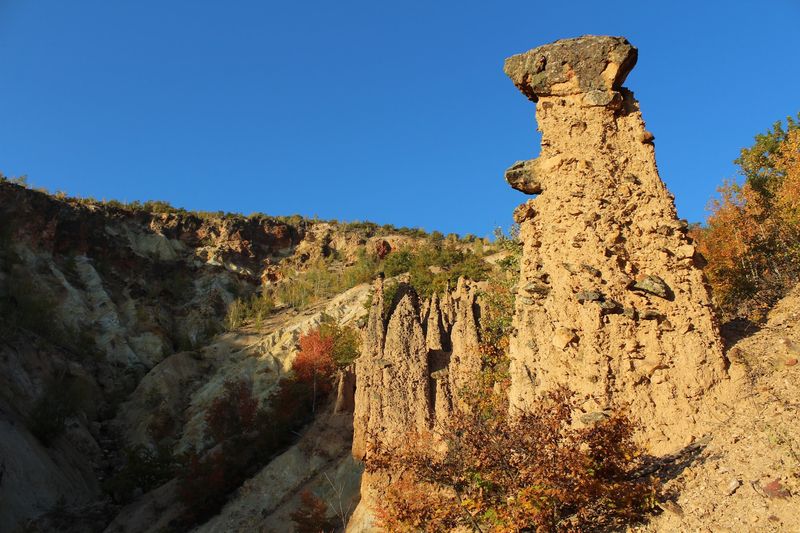
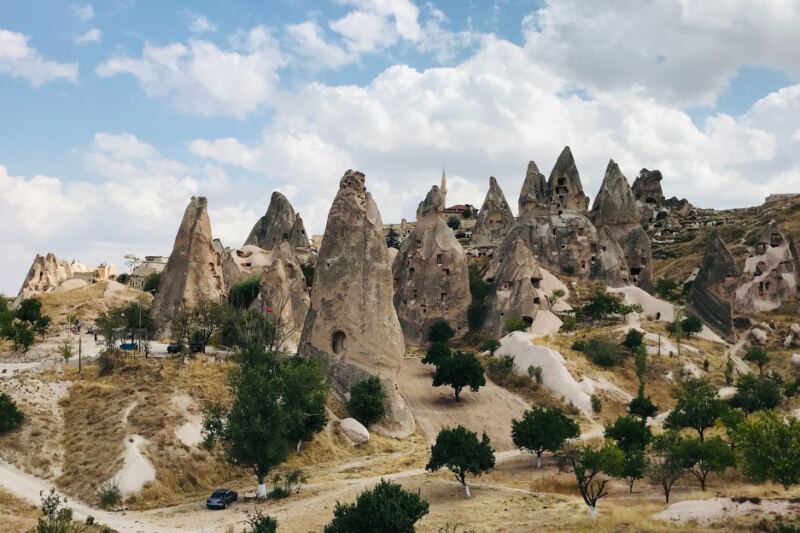
Rising from the slopes of Radan Mountain in southern Serbia, a field of more than 200 towering earth pillars creates one of the most visually striking geological formations in the Balkans. Each column stands several meters tall, topped with a harder rock cap that has protected the softer material beneath from centuries of erosion.
Geologists have thoroughly documented how wind and rain sculpted these formations over thousands of years. Local folklore, however, offers a far more dramatic explanation, claiming the pillars are the petrified remains of a cursed wedding party turned to stone by supernatural forces for breaking sacred rules.
The legend has been passed down through generations in the Kuršumlija region and remains an active part of local identity. The site is now a protected natural landmark, and both the geology and the folklore continue to attract visitors from across Europe.
3. Rosslyn Chapel, Roslin, Scotland, United Kingdom
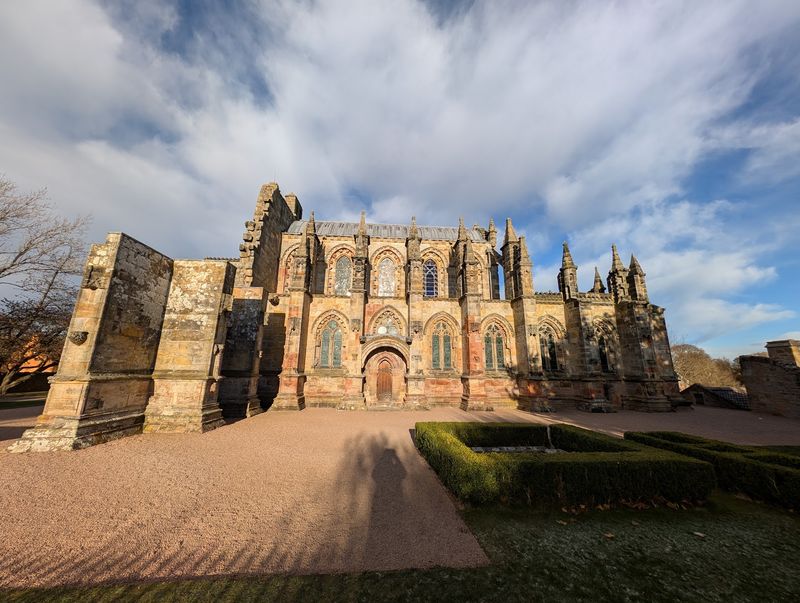
Built in the mid-15th century by William Sinclair, Rosslyn Chapel is packed with some of the most detailed stone carvings found in any medieval building in Scotland. Figures, plants, geometric patterns, and mysterious symbols cover nearly every surface, and researchers have debated their meaning for centuries.
One of the chapel’s most famous legends centers on the Apprentice Pillar, an extraordinarily carved column reportedly created by a young apprentice while his master was abroad. According to the story, the master returned, was consumed by jealousy upon seeing the work, and struck the apprentice down. The resulting curse is said to have never fully lifted from the chapel.
Whether or not the story is historical, the pillar itself is genuinely remarkable and remains the most photographed feature inside the chapel. Rosslyn draws thousands of visitors each year, many of whom arrive after reading about its legends in popular books and films.
4. Bran Castle, Bran, Brașov County, Romania
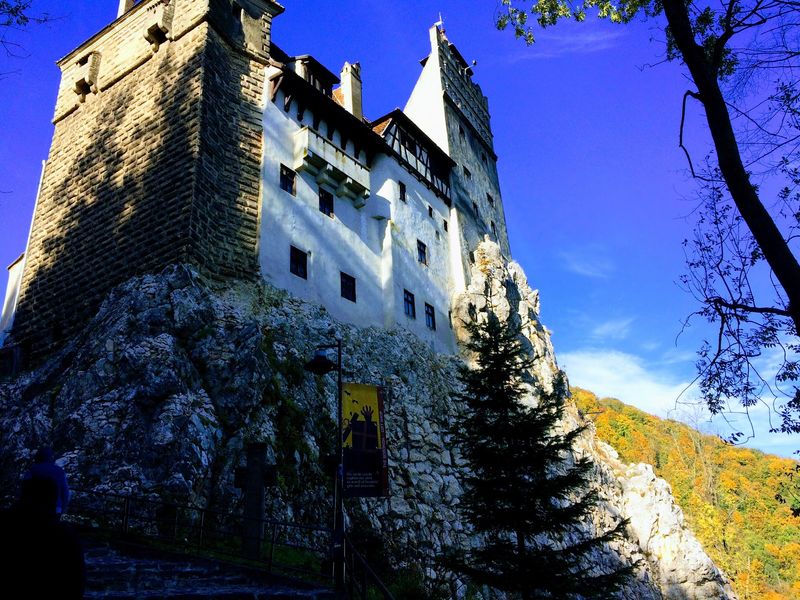
Perched on a rocky cliff in the Carpathian Mountains, Bran Castle has one of the most recognizable silhouettes in Eastern Europe. Its association with Bram Stoker’s Dracula is largely a product of 20th-century tourism, since the novel itself was published in 1897 and Stoker never visited Romania.
The castle’s real history involves Hungarian kings, Transylvanian merchants, and Romanian royalty, including Queen Marie of Romania, who used it as a summer residence in the early 20th century. Local folklore, however, has layered the fortress with stories of curses, restless spirits, and strange occurrences that predate its Dracula branding by many generations.
These homegrown legends often focus on the fortress’s medieval past and the conflicts that shaped the region. Visitors who look past the Dracula merchandise will find a genuinely fascinating medieval structure with a layered history that stands firmly on its own terms.
5. Blarney Castle, Blarney, County Cork, Ireland
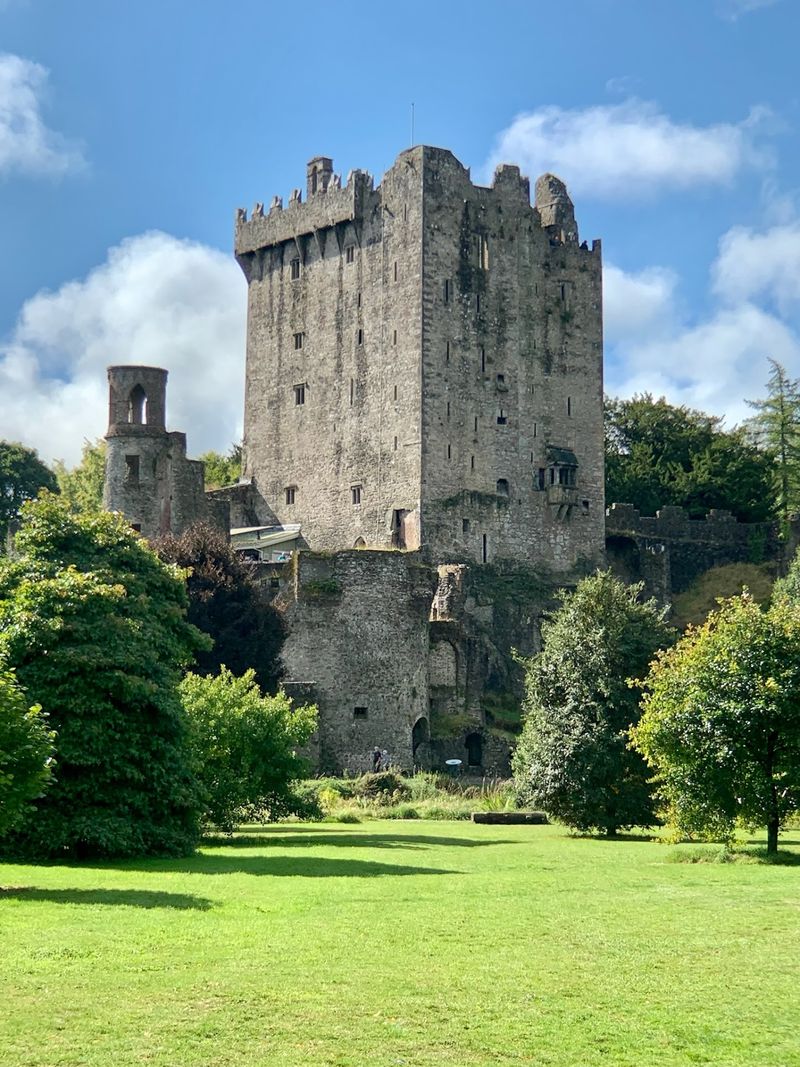
Constructed in 1446 by Cormac MacCarthy, Blarney Castle is one of Ireland’s most visited medieval landmarks. Most travelers arrive specifically to kiss the Blarney Stone, a block of limestone set into the battlements that is said to grant the gift of eloquent speech to anyone who kisses it.
Irish folklore surrounding the castle goes further than the famous stone. Older stories connect the grounds to protective enchantments, ancient blessings, and curses tied to the land itself, reflecting a broader Celtic tradition of assigning spiritual significance to specific natural and built environments.
The castle gardens, which include a poison garden, a rock garden, and ancient druidic formations, add further layers to the site’s reputation. Even without the legends, the 600-year-old tower and its sprawling estate make Blarney one of Ireland’s most historically rich destinations, with stories that have traveled well beyond County Cork.
6. The Ancient Ram Inn, Wotton-under-Edge, Gloucestershire, England
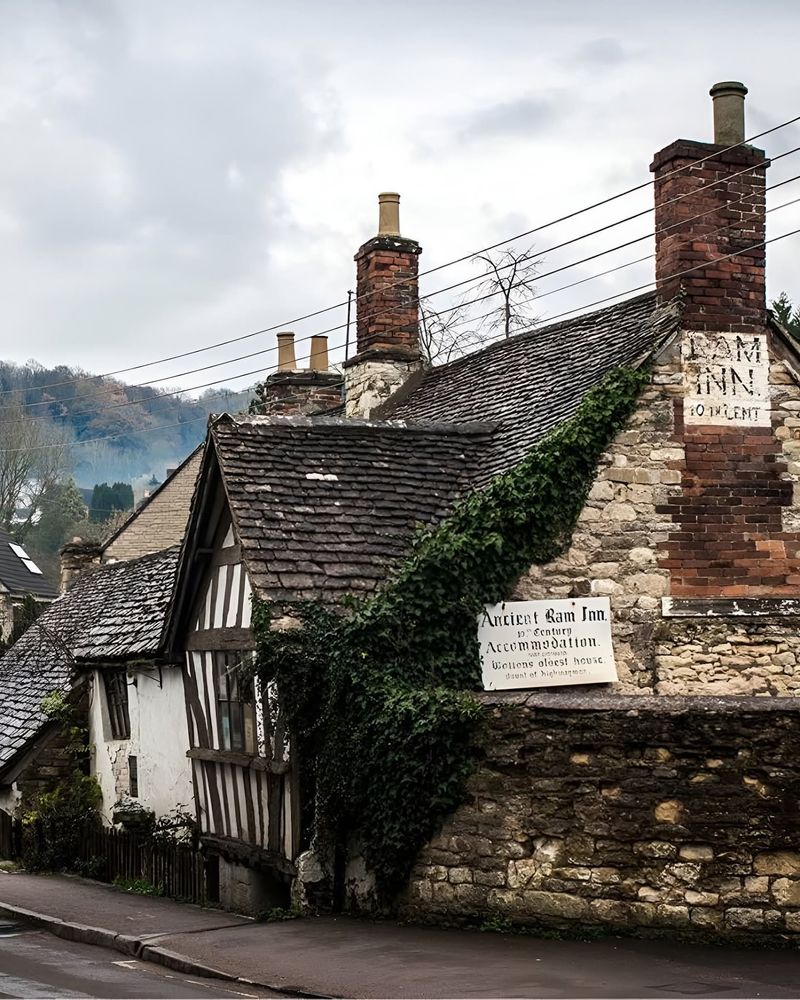
Dating to around 1145, The Ancient Ram Inn is one of the oldest surviving structures in Gloucestershire. Originally built to house workers constructing the nearby St. Mary the Virgin Church, it later became a pub and eventually a private residence before gaining its current reputation as a destination for folklore enthusiasts.
Local stories accumulated over centuries claim the building sits on an ancient pagan burial site, and a number of owners have reported unusual experiences within its walls. Tales of curses, spiritual disturbances, and unexplained events have circulated through Wotton-under-Edge for generations, making the inn a fixture in regional folklore.
The building’s current owner has maintained it partly as a historical curiosity and partly as a site for paranormal investigation groups. Whatever one thinks of the legends, the medieval timber framing and original architectural details make the inn a genuinely rare example of 12th-century English construction still standing today.
7. Château de Brissac, Brissac-Loire-Aubance, Maine-et-Loire, France
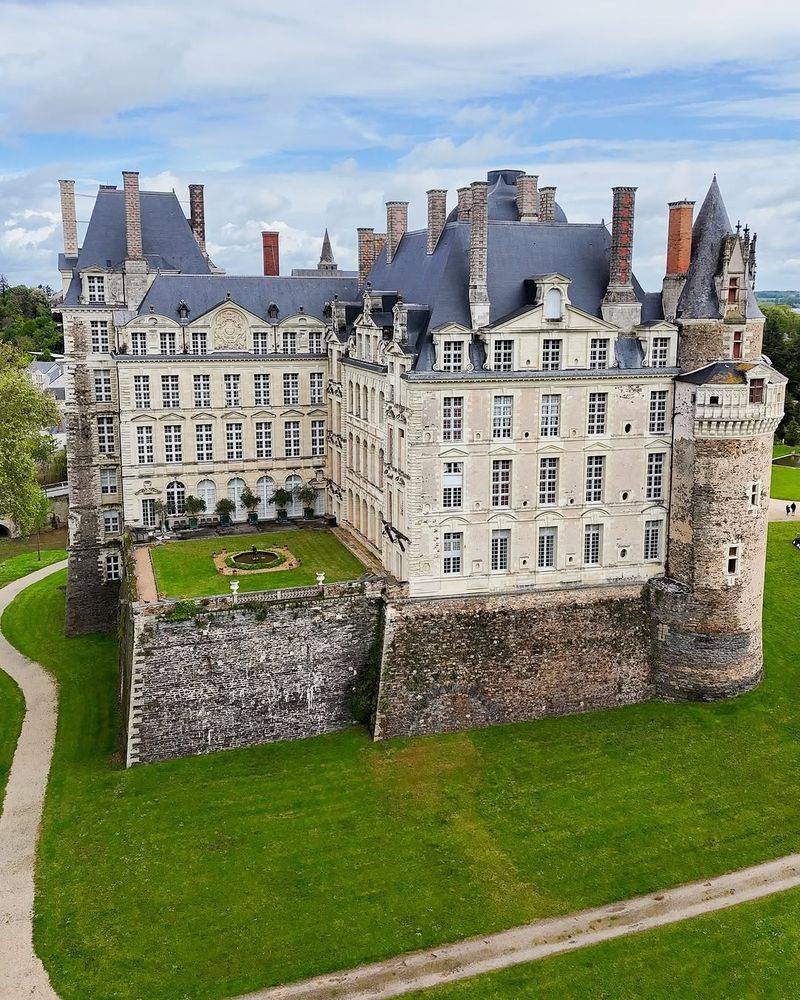
Standing at seven stories, Château de Brissac holds the distinction of being the tallest château in France. Construction began in the 11th century, and the building was substantially rebuilt in the 17th century under Charles II de Cossé, whose family has owned the estate for more than five centuries.
The castle’s most enduring legend centers on a figure known as the Green Lady, said to be the ghost of Charlotte de Brézé, a noblewoman who according to tradition met a violent end within the château’s walls in the 15th century. Her story has been passed down through generations of locals and continues to be a central part of guided tours.
The château remains a private residence but is open to the public for tours. Visitors explore its elaborate state rooms, original furnishings, and a working theater, all while hearing the legend of the Green Lady woven into the estate’s well-documented historical narrative.
8. Bell Witch Cave, Adams, Tennessee, USA
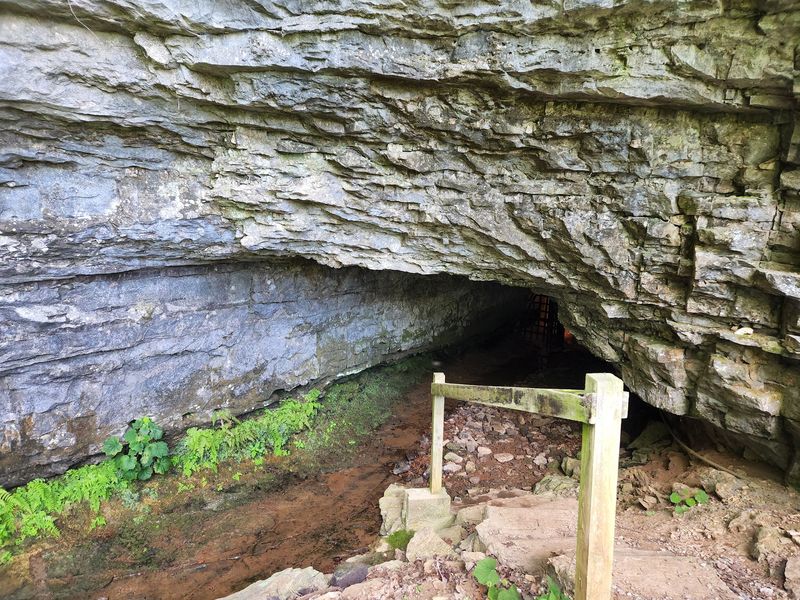
The Bell Witch legend is one of the most thoroughly documented supernatural stories in American folklore history. Centered on the Bell family farm in Robertson County, Tennessee, the story dates to the early 1800s and describes years of unexplained disturbances reportedly experienced by John Bell and his household between approximately 1817 and 1821.
The cave located on the property became a central element of the legend over time, with local tradition claiming the source of the disturbances was connected to the cave’s underground passages. Oral accounts of the story were eventually published in 1894 by Martin V. Ingram, cementing the legend’s place in Appalachian cultural history.
Today, the Bell Witch Cave operates as a tourist attraction offering guided tours of the limestone cave system. Visitors learn about both the documented history of the Bell family and the broader tradition of Appalachian folklore that has kept this particular story alive for over 200 years.
9. Lake Shawnee Abandoned Amusement Park, Princeton, West Virginia, USA
Before it became an amusement park, the land near Princeton, West Virginia, had a much older and more complex history. Archaeological evidence and historical records indicate the site was used as a Native American settlement and later became the location of conflicts between settlers and indigenous communities during the late 18th century.
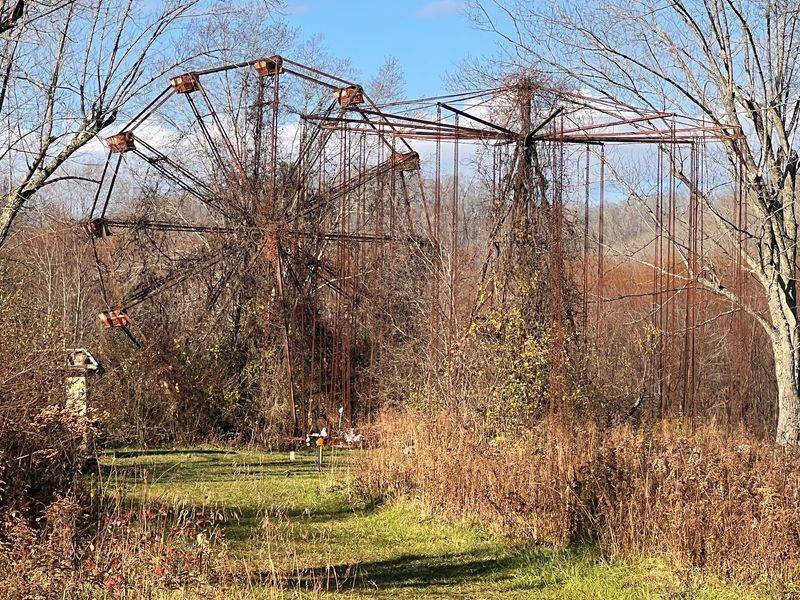
The amusement park itself operated during the mid-20th century and closed in the 1960s following a series of accidents. The combination of the land’s pre-colonial history and the park’s own troubled operational period created fertile ground for stories of curses and paranormal activity that locals have kept alive ever since.
Today the site operates as a seasonal attraction offering guided historical tours. The rusted remains of the old rides, still standing in the overgrown landscape, give visitors a striking visual record of how quickly a place can shift from entertainment hub to a location defined entirely by the legends surrounding it.
10. Leap Castle, Coolderry, County Offaly, Ireland
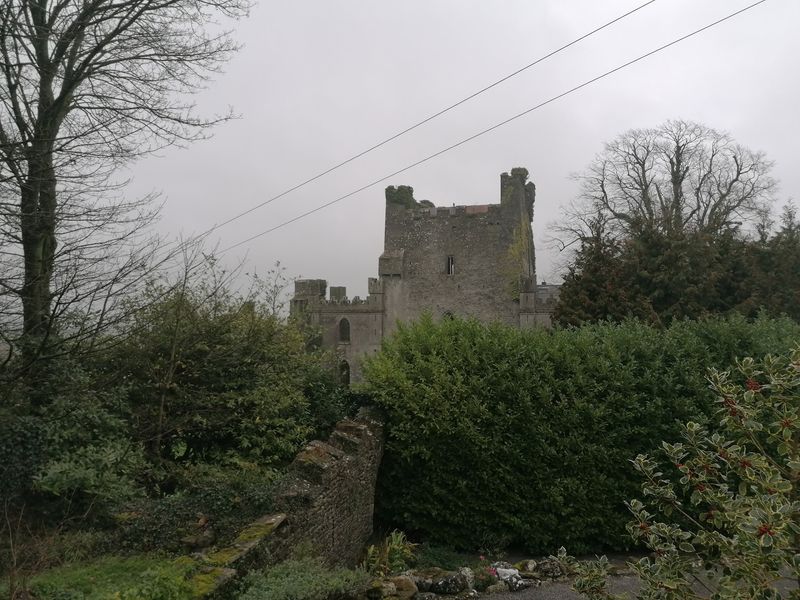
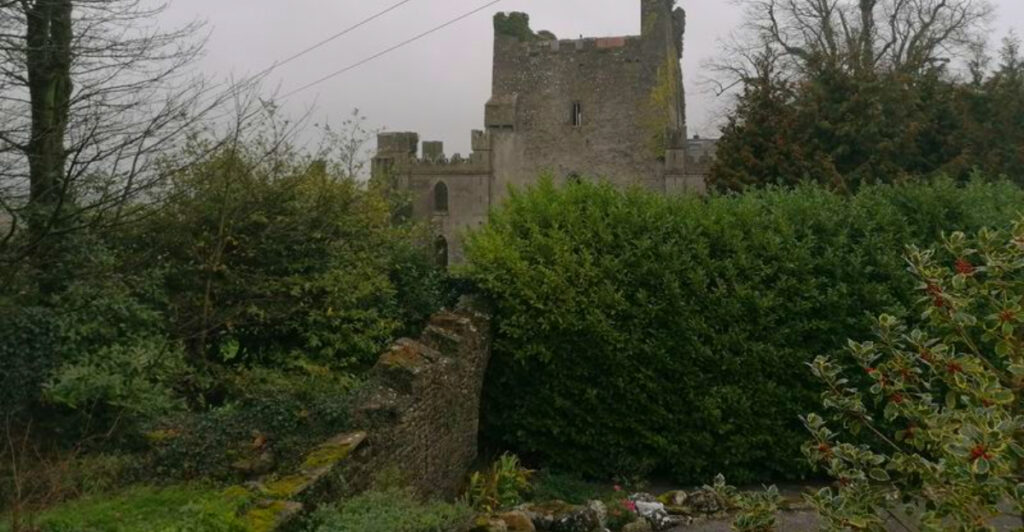
Among Ireland’s medieval fortresses, Leap Castle carries one of the most turbulent documented histories. Built by the O’Bannon clan and later contested by the O’Carroll family, the castle was the site of multiple power struggles during the 15th and 16th centuries, including a particularly well-known incident in which a clan chief was reportedly struck down inside the castle’s chapel.
That chapel became known as the Bloody Chapel, a name that stuck and fed generations of local storytelling about curses, restless presences, and strange occurrences within the castle walls. In the 1920s, workers discovered a hidden chamber beneath the floor containing a significant number of human remains.
The castle was restored by its current private owners in the late 20th century. Guided visits are available, and the combination of genuine medieval history, documented clan warfare, and persistent local legends makes Leap one of Ireland’s most historically layered and genuinely fascinating stone structures.
11. Chillingham Castle, Chillingham, Northumberland, England
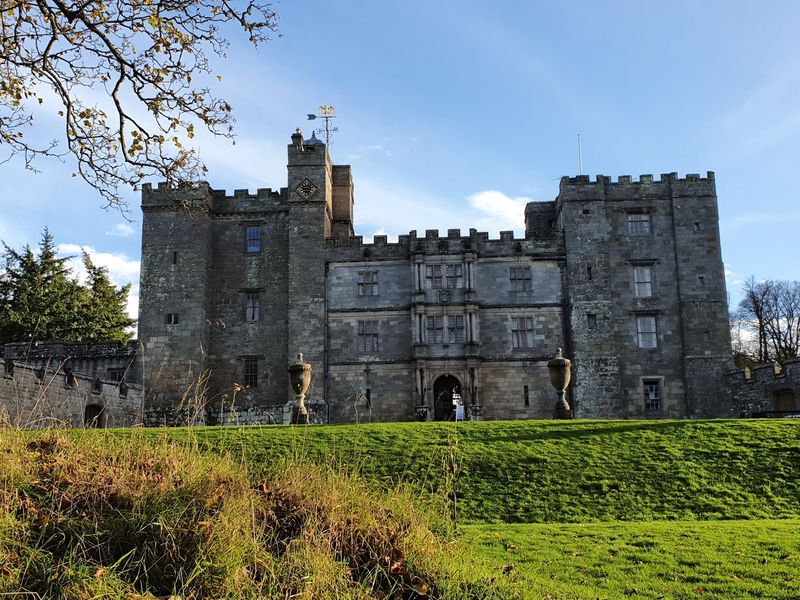
Construction of Chillingham Castle began in the 12th century, and the fortress has served as a military stronghold, a noble residence, and a border fortification during the long conflicts between England and Scotland. Its location in Northumberland placed it directly in the path of repeated raids and military campaigns throughout the medieval period.
Over centuries, a substantial body of local folklore accumulated around the castle, with stories of cursed rooms, unexplained cold spots, and spectral figures becoming a regular part of how locals described the building to outsiders. One frequently mentioned figure in these accounts is the Blue Boy, said to appear near a particular part of the castle.
The castle was restored in the 1980s after falling into disrepair and now operates as a hotel and tourist attraction. Visitors can tour its medieval state rooms, explore the grounds, and hear local legends that have been carefully preserved alongside the castle’s well-documented military and social history.
12. Aokigahara Forest, Fujikawaguchiko, Yamanashi Prefecture, Japan
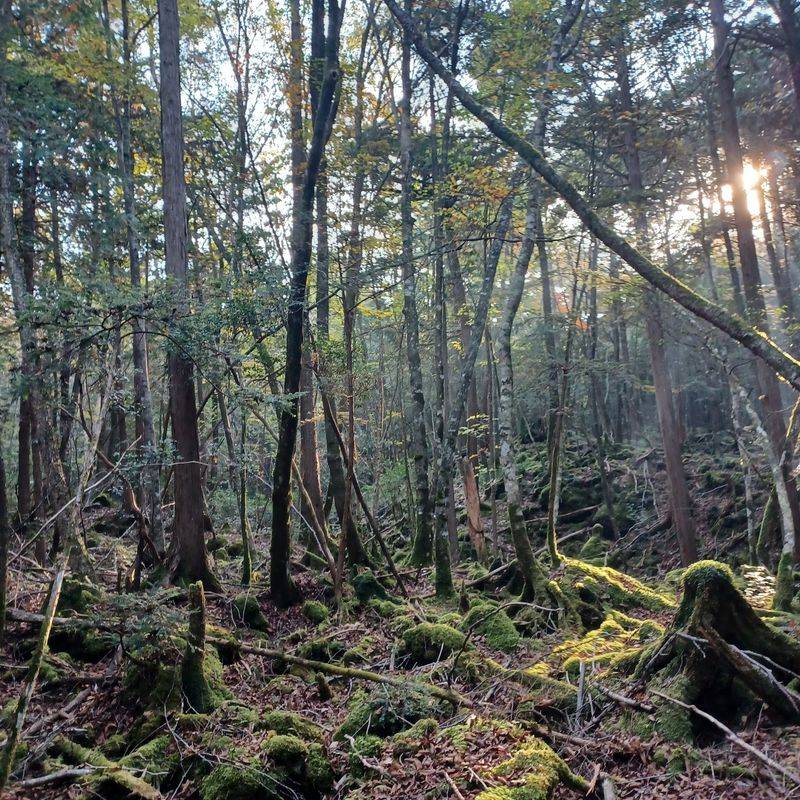
Aokigahara Forest spreads across roughly 35 square kilometers at the base of Mount Fuji, growing on a lava field formed by a major volcanic eruption in 864 CE. The density of the trees and the uneven lava terrain beneath them create conditions where compasses can behave unpredictably due to magnetic interference from the basalt rock.
Traditional Japanese folklore has long associated the forest with yurei, spirits connected to intense emotion, and stories of mysterious forces drawing people into the trees have circulated in Japanese literature since at least the 19th century. These legends were amplified significantly by a 1960 novel that explicitly set a story within the forest.
Marked hiking trails allow visitors to explore the forest safely, and the natural scenery, including striking lava formations, ancient trees, and views toward Mount Fuji, is genuinely remarkable. Local authorities and community organizations actively work to reframe the forest’s identity around its ecological and geological significance.
13. Overtoun Bridge, Milton, West Dunbartonshire, Scotland, United Kingdom
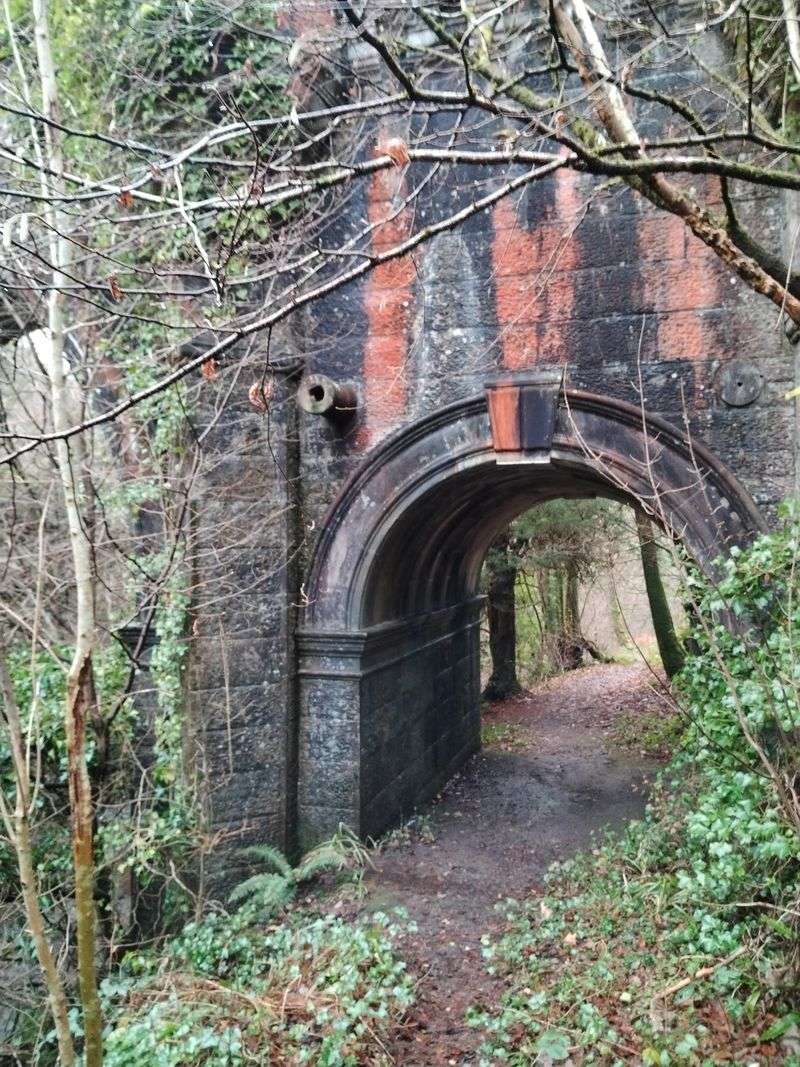
Completed in 1895, Overtoun Bridge was built to provide access to Overtoun House, a Scottish baronial mansion set within a wooded estate near the town of Dumbarton. For most of its history, the bridge was simply a functional Victorian structure of no particular regional fame.
That changed as reports accumulated from the mid-20th century onward describing dogs behaving unusually on the bridge, with some reportedly jumping from the parapet. The incidents sparked local speculation about curses and supernatural forces, and the story eventually attracted coverage from international media outlets in the early 2000s.
Researchers and animal behaviorists have proposed that strong scent cues from animals living in the undergrowth below the bridge may explain the behavior. The rational explanation has not diminished local interest in the legend, which continues to circulate in West Dunbartonshire and draws curious visitors to what remains a genuinely picturesque stretch of Victorian countryside architecture.
14. Monte Cristo Homestead, Junee, New South Wales, Australia
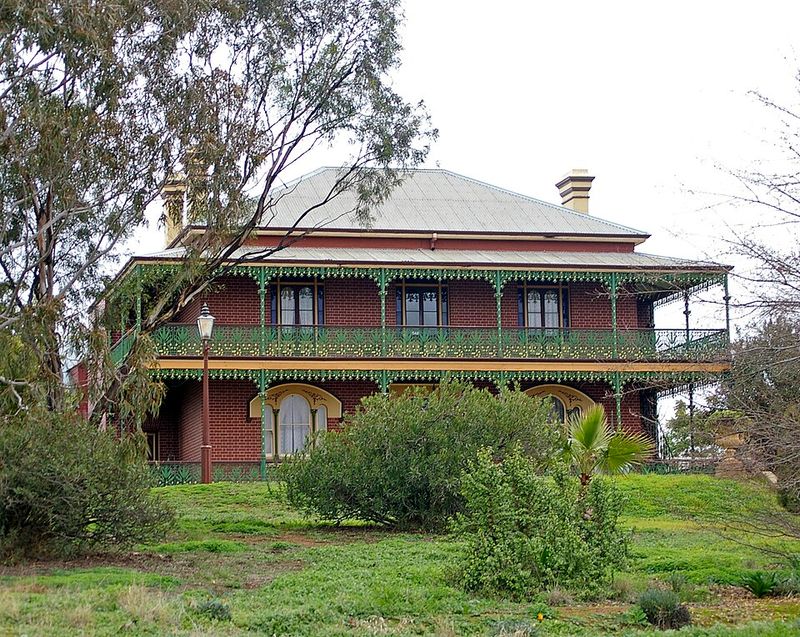
Built in 1884 by pastoralist Christopher William Crawley, Monte Cristo Homestead is widely considered one of Australia’s finest examples of Victorian colonial architecture. The two-story house features decorative ironwork, a wide veranda, and original furnishings that have been carefully preserved by the Ryrie family, who purchased the property in 1963.
The homestead’s reputation for ghostly encounters and alleged curses developed largely from a series of well-documented misfortunes that affected both the original owners and workers connected to the property across several generations during the late 19th and early 20th centuries. These events were reported in local newspapers of the time and have since been woven into the property’s public identity.
Guided tours run regularly and cover both the documented social history of the Crawley family and the folklore that has built up around the estate. The homestead also operates as a bed and breakfast, giving overnight guests a chance to experience the property beyond its reputation and appreciate its genuine architectural and historical significance.
15. The Myrtles Plantation, St. Francisville, Louisiana, USA
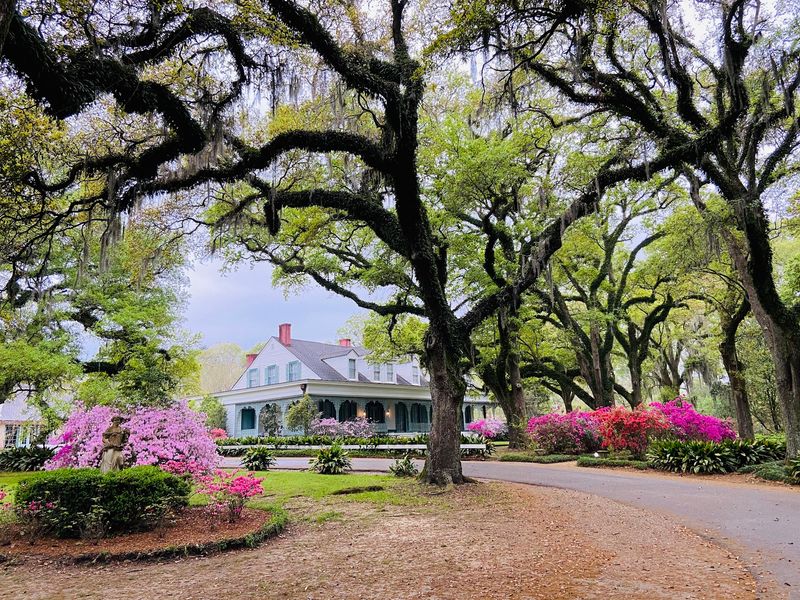
The Myrtles Plantation was established around 1796 by General David Bradford, a figure connected to the Whiskey Rebellion of 1794 who relocated to Louisiana to avoid federal prosecution. The property changed hands multiple times across the 19th century, with each ownership chapter adding new layers to the estate’s already complex history.
One of the plantation’s most frequently discussed legends involves a mirror in the main house, which local tradition claims still holds the spirits of former residents. Stories tied to a figure named Chloe, a formerly enslaved woman said to haunt the property, have been central to the plantation’s reputation since at least the mid-20th century, though historians note the details vary significantly across different tellings.
The Myrtles operates today as a bed and breakfast and offers history tours. Its antebellum architecture, oak-lined grounds, and Louisiana setting provide a rich backdrop for a destination where documented history and regional folklore have become genuinely inseparable parts of the visitor experience.
Share this story