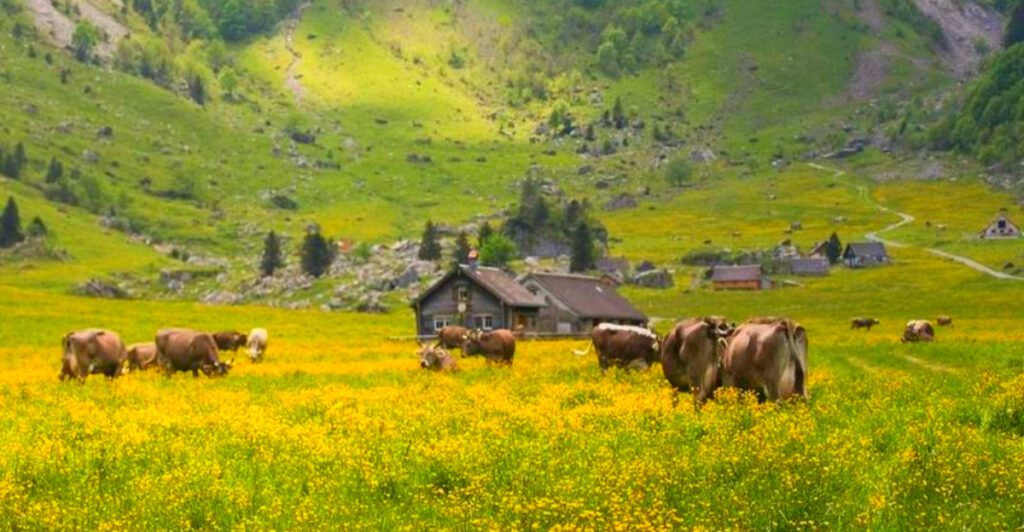
Long before refrigerated trucks and industrial dairies existed, mountain families carried fresh milk up steep trails to simple alpine huts, where it was transformed into cheese that could survive entire seasons without spoiling. That way of life has quietly vanished in many places, but a handful of mountain regions around Europe still keep the tradition burning every summer. From the dramatic limestone peaks of northern Spain to the flower-filled slopes of Austria, real cheesemakers still work in remote huts using methods passed down across generations. Some of these places welcome curious visitors with tastings and panoramic views, while others require a solid hike just to get there.
Whether you are a food lover, a history enthusiast, or simply someone who appreciates the idea of cheese made at altitude with centuries of know-how behind it, these 14 regions are worth knowing about.
1. Seiser Alm (Alpe di Siusi), Castelrotto, South Tyrol, Italy
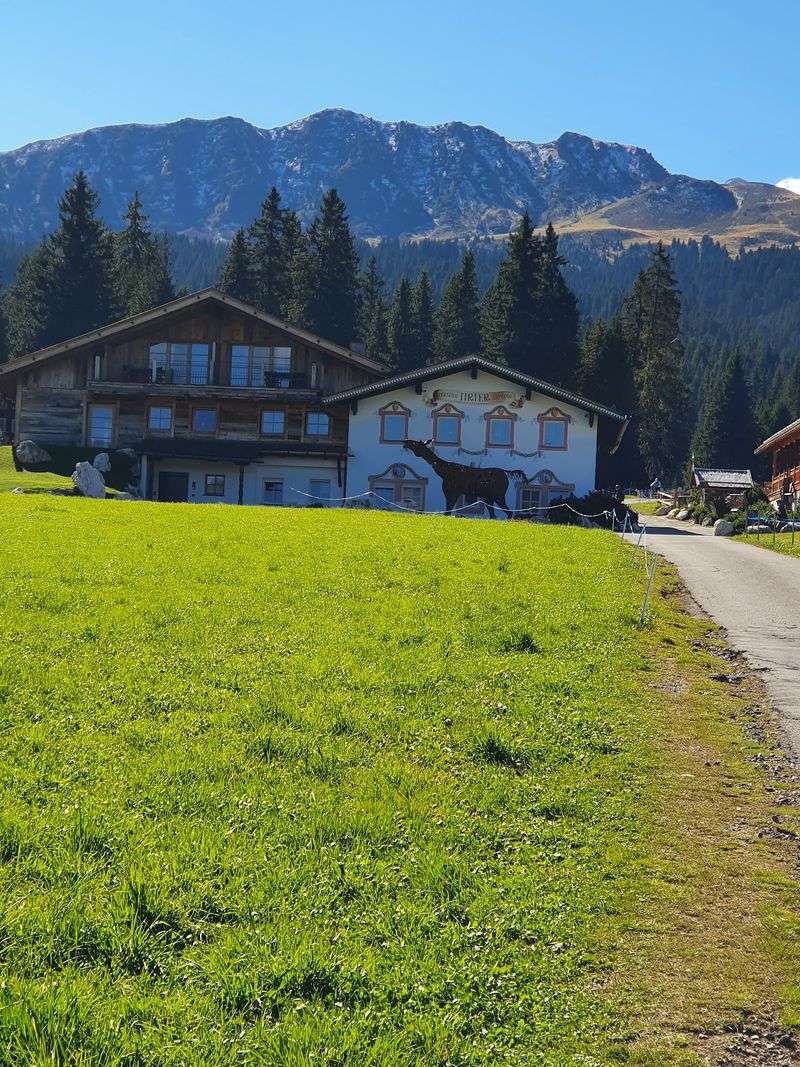
Europe’s largest high-altitude alpine meadow doubles as a working dairy landscape every summer, and the cheese made here is no tourist gimmick. Huts like Gostner Schwaige and Plattkofelalm produce fresh mountain cheese on site during the grazing season, using milk from cows that spend their days wandering across flower-filled pastures at elevations above 1,800 meters.
Visitors hiking the well-marked trails can stop for tastings served with bread and local accompaniments, all framed by some of the most recognizable Dolomite scenery in Italy. The combination of accessible trails and genuine alpine food production makes this one of the most visitor-friendly cheesemaking destinations in Europe.
Seiser Alm is reachable by cable car from Ortisei or Castelrotto, making it practical even for travelers without hiking experience. The grazing season typically runs from June through September.
2. Bregenzerwald, Bezau, Vorarlberg, Austria
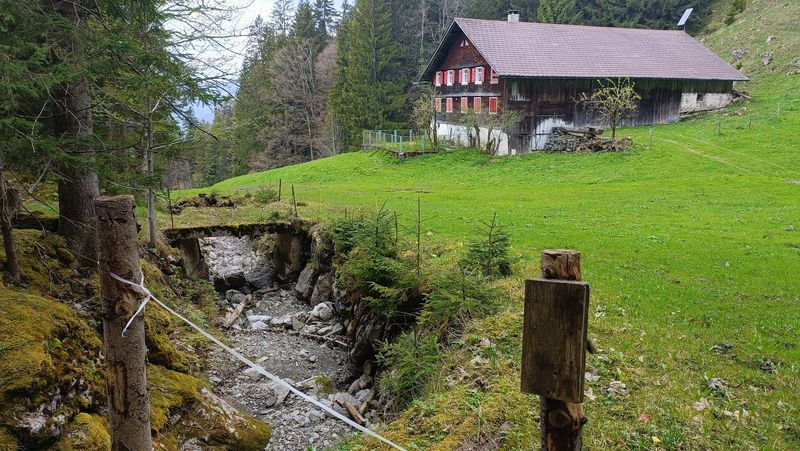
Vorarlberg’s Bregenzerwald region takes cheese seriously enough to have built an entire tourism route around it. The Cheese Road, known locally as the Kaesestrasse, connects dozens of farms, alpine dairies, and mountain huts where Bergkase and other regional varieties are still produced by hand during the summer months.
What sets this region apart is how openly the farming families share their process. Many huts welcome visitors to watch milk being worked into cheese the same way it has been done for centuries, with no industrial shortcuts involved. The wooden farm buildings and rolling pastures create a setting that feels genuinely unchanged by time.
Bezau serves as a practical base for exploring the area, with good road access and local maps available for self-guided tours along the Cheese Road. Summer weekends often include small farm markets where fresh dairy products are sold directly.
3. Klostertal, Klosterle am Arlberg, Vorarlberg, Austria
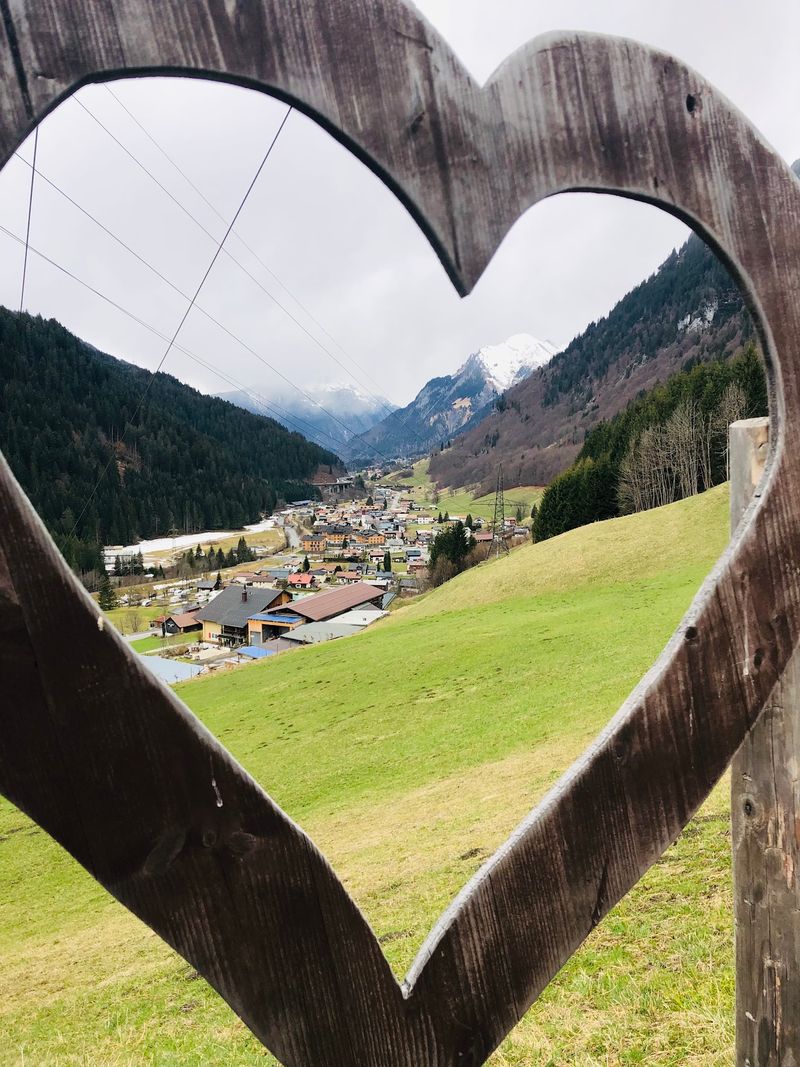
Tucked between the Arlberg mountain pass and the broader Vorarlberg highlands, Klostertal is a quiet valley that earns its reputation through substance rather than crowds. Working alpine dairies like Alp Nenzigast continue producing cheese through the summer grazing season, maintaining techniques that have been refined over many generations of mountain farming.
Getting to the huts requires some effort, with hiking trails that pass waterfalls, dense forest sections, and open high meadows before arriving at the dairy. That journey is very much part of the experience, and most visitors report that the cheese tastes noticeably better after the climb.
The village of Klosterle am Arlberg provides a comfortable starting point, with local guesthouses offering maps and trail advice. The valley sees far fewer visitors than nearby Lech or St. Anton, which makes the alpine hut encounters feel personal and unhurried.
4. Engelberg Valley, Engelberg, Obwalden, Switzerland
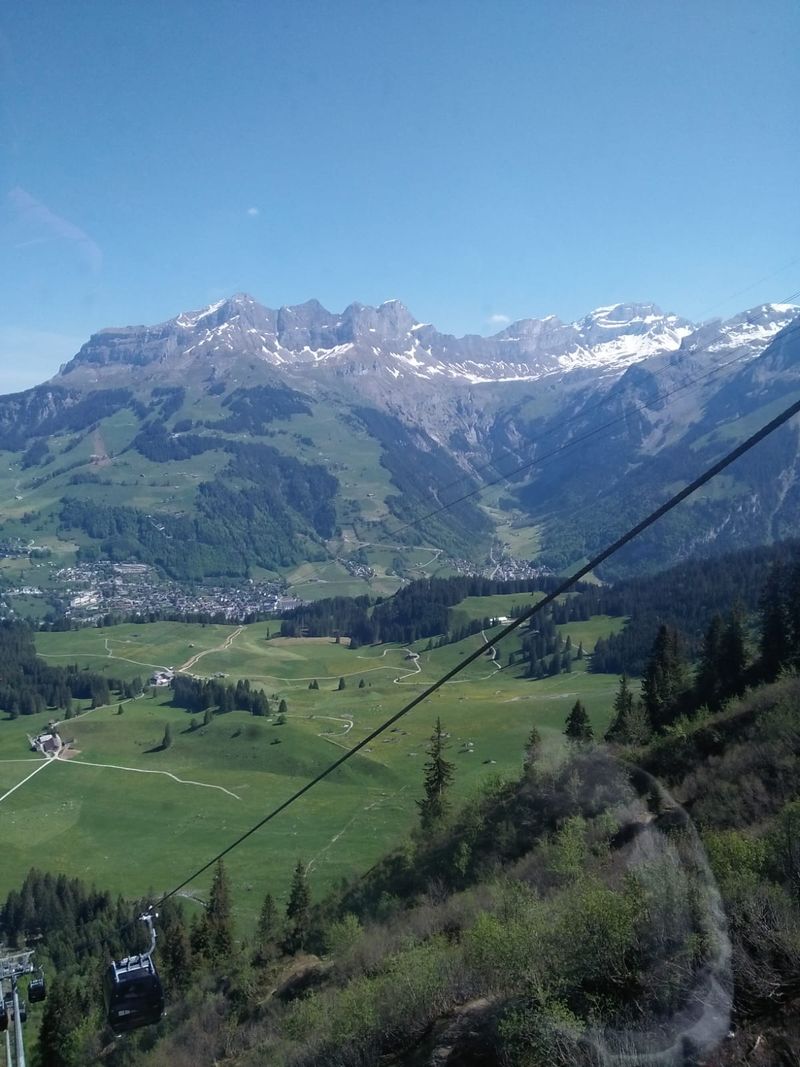
Engelberg is best known internationally as a ski resort, but summer tells a completely different story. The Engelberg Alpine Cheese Trail connects hikers with working mountain dairies where traditional Swiss Alpkase is still produced every single day throughout the grazing season, using fresh milk from cows grazing on high-altitude pastures.
Visitors can watch cheesemakers at work, ask questions, and purchase wheels of cheese made just hours earlier. The farming families running these operations are often happy to explain the process, from milking to pressing, in accessible terms. The trail itself passes through scenery dominated by the Titlis massif and its surrounding glaciers.
Engelberg is easily reached by train from Lucerne, making it one of the most accessible mountain cheesemaking destinations in Switzerland. The dairy huts along the trail are typically open from mid-June through early September, depending on snowmelt and grazing conditions that year.
5. Appenzell Alpstein, Schwende-Rute, Appenzell Innerrhoden, Switzerland
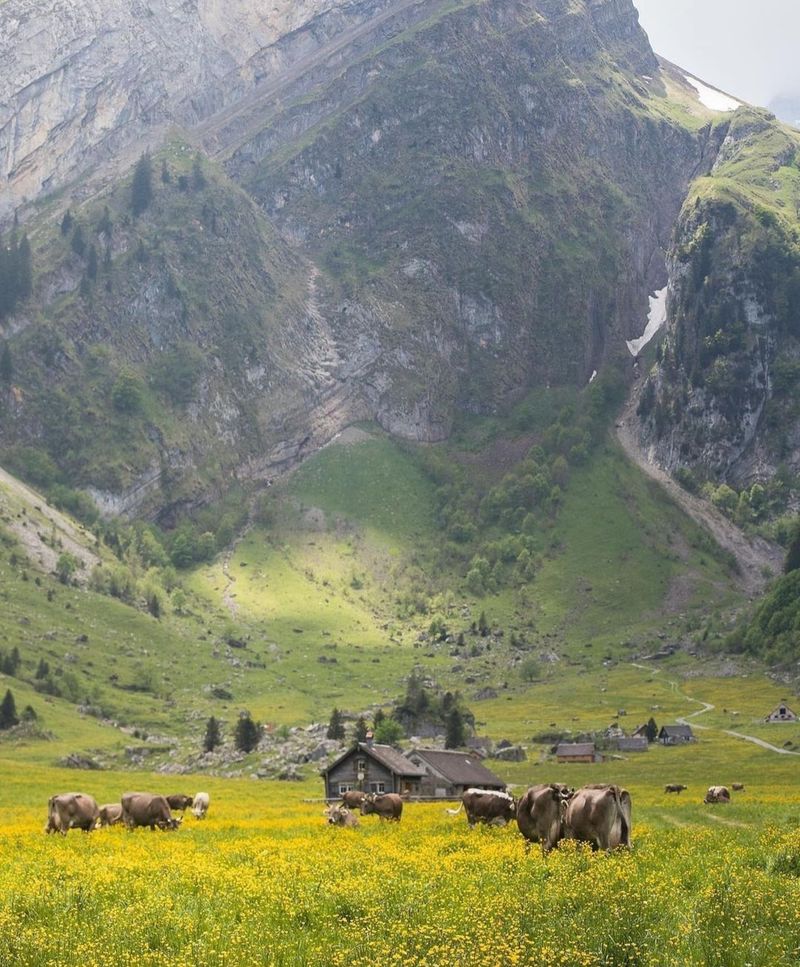
The Alpstein mountains in Appenzell Innerrhoden are not gentle hills. The terrain is steep, the cliffs are dramatic, and the farms clinging to those slopes have been producing cheese under demanding conditions for a very long time. Traditional Appenzeller cheese and other mountain specialties continue to be made in working huts throughout the summer, with production tied directly to the movement of cattle between elevation zones.
Many huts serve homemade cheese alongside fresh milk and simple local meals, operating more as working farms than tourist attractions. That honest atmosphere is exactly what draws visitors who want an experience grounded in real agricultural life rather than a staged presentation.
The regional capital of Appenzell town offers an excellent cheese museum and shop for those who want context before heading into the hills. Trail maps from the local tourism office mark which alpine huts are active during the summer season.
6. Gruyeres Region, Gruyeres, Canton of Fribourg, Switzerland
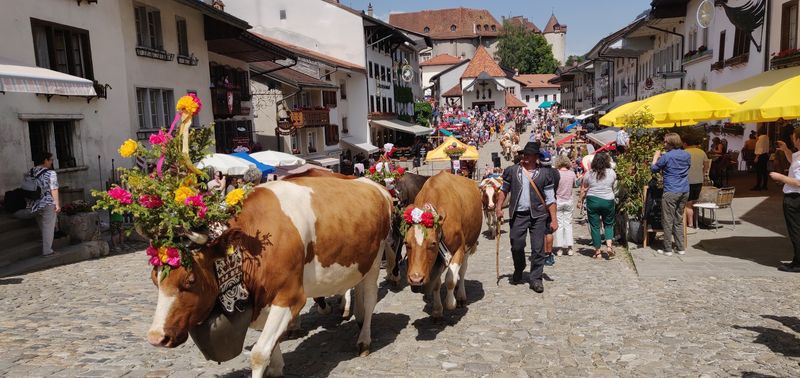
Most people associate Gruyere with the medieval town and its famous castle, but the real story of this cheese happens higher up in the surrounding mountains. Seasonal alpine chalets scattered across the Canton of Fribourg continue producing Gruyere d’Alpage, a designation reserved specifically for cheese made in mountain huts during the summer grazing period.
Gruyere d’Alpage is distinct from the standard Gruyere found in supermarkets. The production rules are stricter, the herds are smaller, and the milk comes from cows that graze on specific high-altitude plants only available in summer. Each chalet typically produces a limited number of wheels per day, and many sell directly to visitors who make the trip up the mountain.
The Gruyeres tourism office publishes a summer map of accessible alpine chalets, and several offer guided visits with advance booking. The medieval town itself is worth a full afternoon before or after the mountain excursion.
7. Entlebuch Biosphere, Schupfheim, Canton of Lucerne, Switzerland
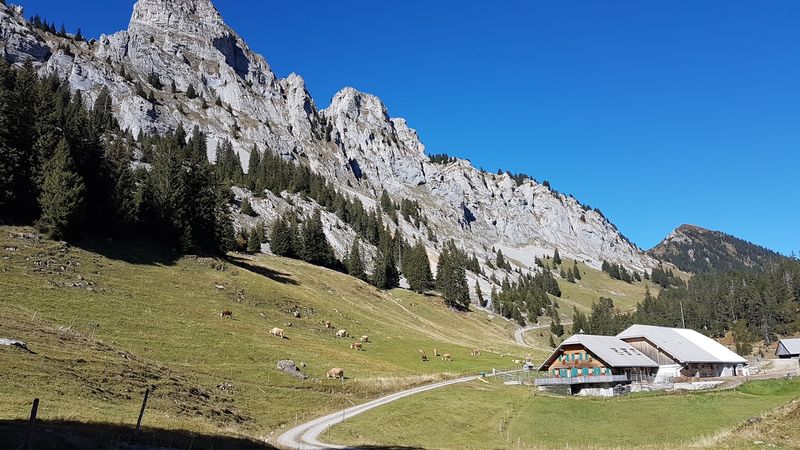
Switzerland’s first UNESCO Biosphere Reserve was designated not just for its landscapes but for the way human communities have interacted with those landscapes across centuries. The Entlebuch region preserves both remarkable natural terrain and centuries-old farming traditions, including the seasonal production of mountain cheese in working alpine huts during the grazing months.
The huts here operate as genuine farms first and visitor destinations second. Cheesemakers follow seasonal rhythms that have not changed significantly in generations, moving cattle to higher pastures as the snow retreats and returning to the valley before autumn closes in. Visitors who make the effort to reach these huts often find themselves welcomed with fresh cheese and straightforward conversation about farm life.
Schupfheim is the main town in the biosphere and a useful base for planning day trips to the higher pastures. The biosphere’s visitor center provides trail information and a calendar of farm-open days held throughout the summer season.
8. Aosta Valley, Cogne, Aosta Valley, Italy
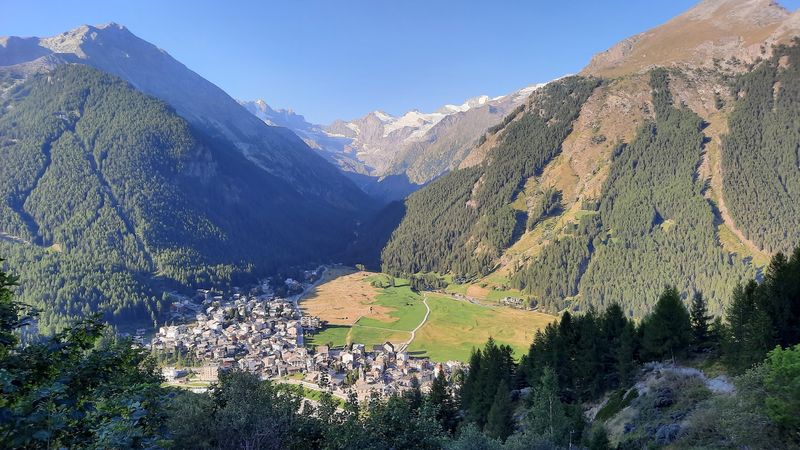
Fontina DOP has a documented history stretching back to the 13th century, when a parchment from the municipality of Quart referenced “caseus fontinae.” That is not just a fun trivia detail. It means this cheese has been made in the Aosta Valley’s mountain huts, known locally as frere, for roughly 800 years without significant interruption.
Production takes place exclusively from June to September on high alpine pastures called alpeggi, using raw milk from Valdostana Pezzata Rossa cows. Each wheel weighs between 8 and 12 kilograms, and it takes 100 liters of milk to produce a single one. Cheesemakers must produce a minimum of 13 wheels per day to meet the certification requirements.
After production, wheels are aged for at least three months in natural caves and former tunnels. The village of Cogne, inside Gran Paradiso National Park, provides a scenic and well-equipped base for visiting the surrounding alpeggi during summer.
9. Beaufortain, Beaufort, Savoie, France
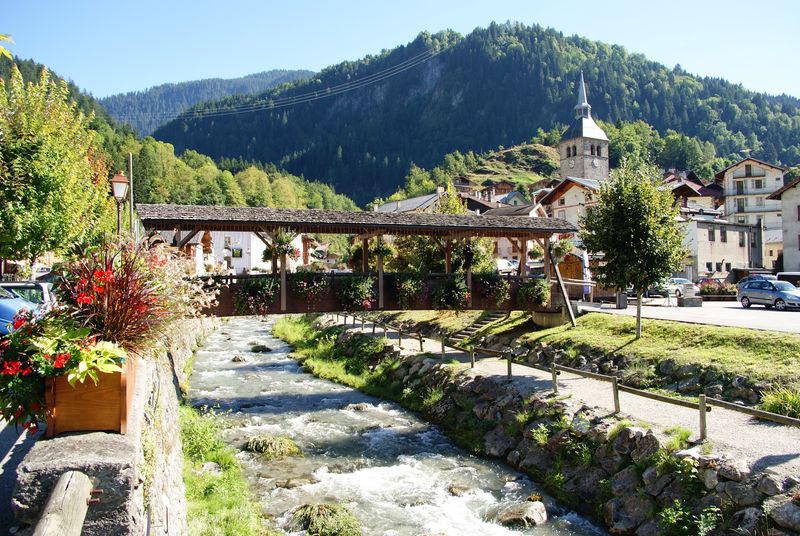
Beaufort cheese carries a formal designation that requires much of its summer production to take place in high alpine chalets, not in valley factories. The result is Beaufort d’Alpage, a version of the cheese tied directly to specific herds, specific pastures, and specific mountain huts where the milk is worked into cheese the same day it is collected.
The Beaufortain massif sits between the Mont Blanc range and the Tarentaise valley, and its summer landscapes are genuinely impressive. Driving through the region in July or August means passing farm after farm with cattle on open slopes and wooden chalets surrounded by tall grass.
The town of Beaufort itself has a cooperative that sells both standard and alpage versions of the cheese, allowing visitors to compare the two side by side. Several local farms also offer direct visits by appointment, particularly during July when production is at its peak.
10. Abondance Valley, Abondance, Haute-Savoie, France
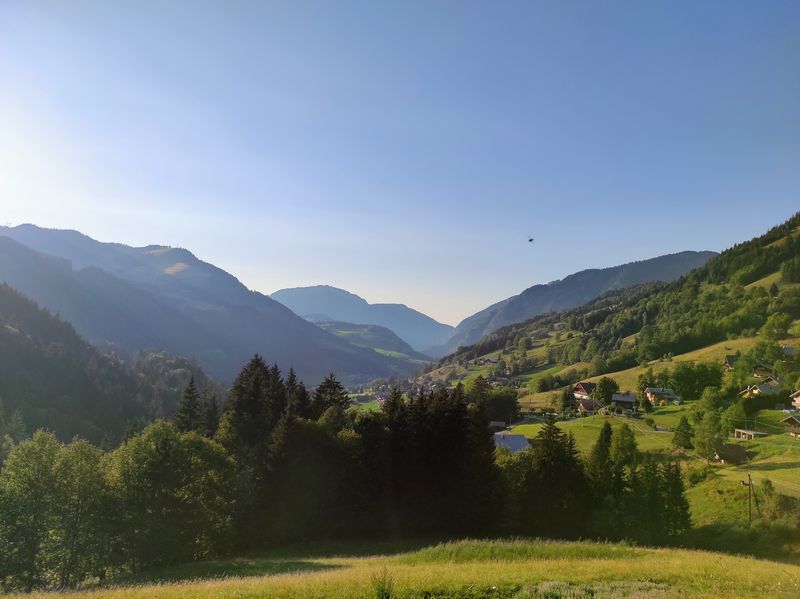
The Abondance Valley gave both its name and its cattle breed to one of France’s most distinctive mountain cheeses. Abondance cheese holds an AOC designation that links its production to specific geographic boundaries and traditional methods, including summer production in high mountain chalets where the cattle spend the warmer months.
The cattle breed used, also called Abondance, is a hardy mountain animal with distinctive markings around the eyes. These cows have grazed these particular slopes for centuries, and the cheese reflects that long relationship between animal, pasture, and altitude. Rustic chalets, winding mountain roads, and genuinely steep green valleys create a setting that feels unhurried and authentic.
The village of Abondance has a historic abbey that doubles as a cultural stop worth combining with the cheese experience. Several farms in the valley welcome visitors during summer, and local markets in nearby Thonon-les-Bains regularly feature producers from the valley selling directly.
11. Bohinj, Bohinjska Bistrica, Slovenia
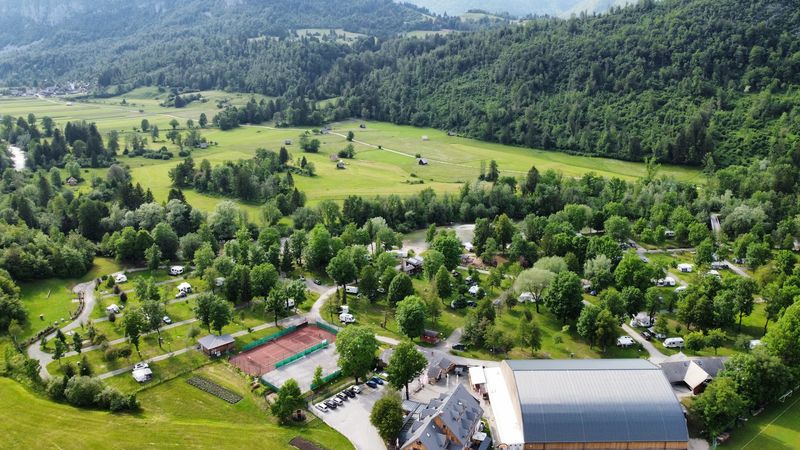
Slovenia does not always appear on lists of European cheesemaking destinations, but the Bohinj region makes a strong case for inclusion. The centuries-old tradition of seasonal alpine dairying, practiced on high mountain pastures called planinas, is still actively maintained here, with working huts producing cheese daily throughout the summer grazing period.
Planina Zadnji Vogel is one of the most accessible examples, reachable by cable car from the valley floor. Hikers arriving at the pasture find a functioning dairy operation where herders have spent the summer making cheese, butter, and skuta, a local fresh cheese variety, using traditional equipment inside simple wooden structures.
Bohinj Lake sits below these pastures and is one of Slovenia’s most beautiful natural features, making the region a practical destination that combines mountain food culture with exceptional scenery. Bohinjska Bistrica serves as the main transport hub, with bus connections from Ljubljana running regularly during summer.
12. Picos de Europa, Arenas de Cabrales, Asturias, Spain
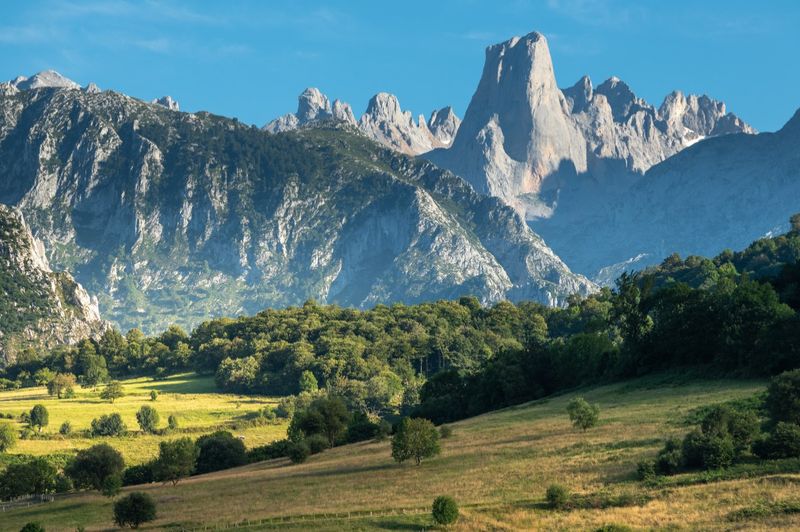
Cabrales cheese is one of Spain’s most assertive dairy products, and its production story is just as bold as its flavor profile. During the grazing season, shepherds in the Picos de Europa still make cheese in remote mountain huts before transporting the wheels down to natural limestone caves where they age for several months under specific humidity conditions found nowhere else.
The process is classified as a Protected Designation of Origin, meaning every step from milking to cave aging must occur within a defined geographic area in the Asturias mountains. The caves used for aging are not artificial. They are genuine geological formations carved by centuries of water movement through limestone, and they create conditions that no modern facility can replicate.
Arenas de Cabrales hosts an annual cheese festival each August where producers bring their wheels down from the mountains for judging and sale. The Picos de Europa national park surrounding the town offers dramatic hiking with views that match the cheese’s outsized reputation.
13. Dolomiti di Brenta, Pinzolo, Trentino, Italy
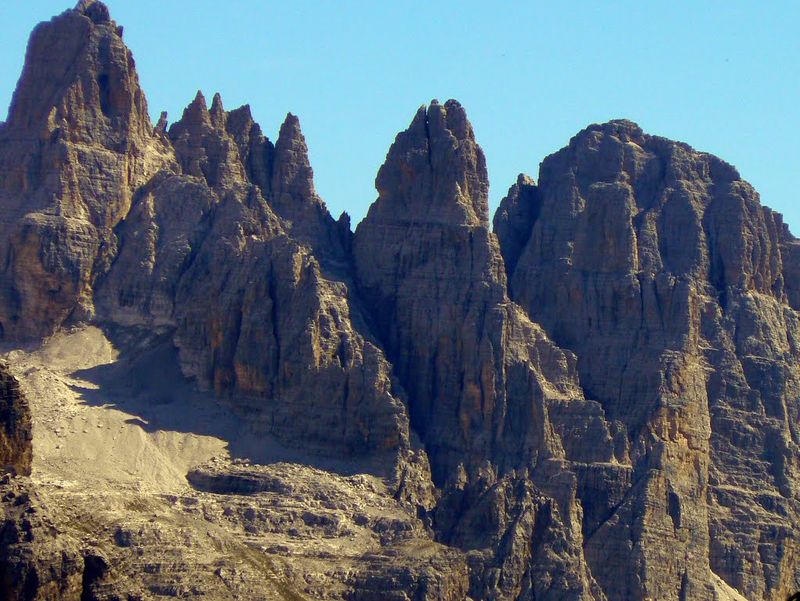
The Brenta Dolomites are a separate massif from the more famous eastern Dolomites, and they carry their own distinct character. Summer alpine huts, called malghe in Italian, are scattered across the meadows of the Adamello Brenta Nature Park, and several continue producing traditional Trentino mountain cheeses using fresh milk collected from nearby pastures each morning.
These malghe function as working farms that also happen to welcome visitors. Hikers passing through the park frequently stop for a plate of cheese, homemade butter, and simple mountain meals served at wooden tables outside. The jagged limestone spires rising above the meadows create one of the most visually striking backdrops for a cheese tasting anywhere in the Alps.
Pinzolo provides good access to the park and has cable cars that reduce the elevation gain for visitors not prepared for a full mountain hike. The malghe season runs roughly from mid-June through late September, depending on conditions each year.
14. Val di Funes, Funes, South Tyrol, Italy
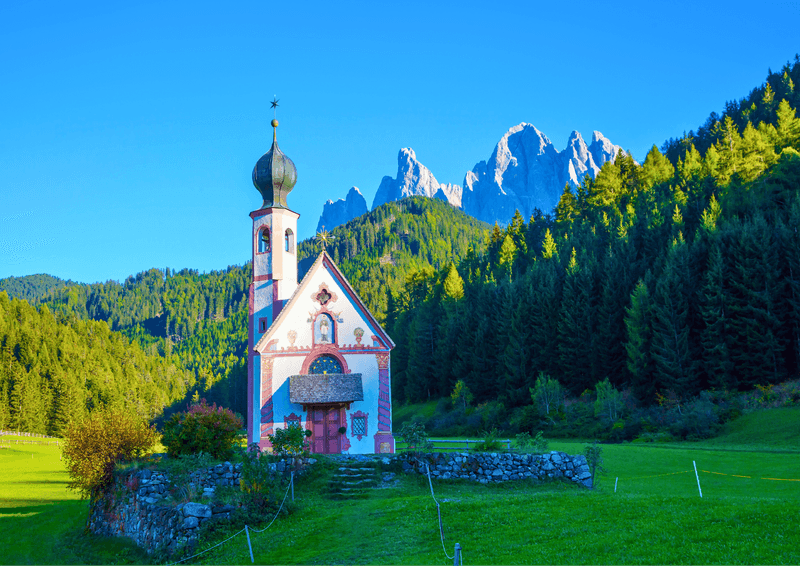
Val di Funes might be the most photographed valley in the entire Dolomites, largely because the Odle peaks rising behind the church of Santa Maddalena create a scene that photographers have been chasing for decades. What gets less attention is the fact that this same valley maintains a strong tradition of working alpine farms that still produce cheese high in the mountains every summer.
Several malghe in the upper valley welcome visitors with freshly produced dairy products, including cheese, butter, and occasionally ricotta made from leftover whey. The farms operate on a schedule dictated by the cattle, not by tourism, which gives visits an authenticity that more commercial operations cannot match.
The valley is compact enough to explore by bicycle or on foot, with a network of trails connecting the lower villages to the higher summer pastures. Funes village has a small visitor center where trail maps and malga locations are available for the current season.
Share this story