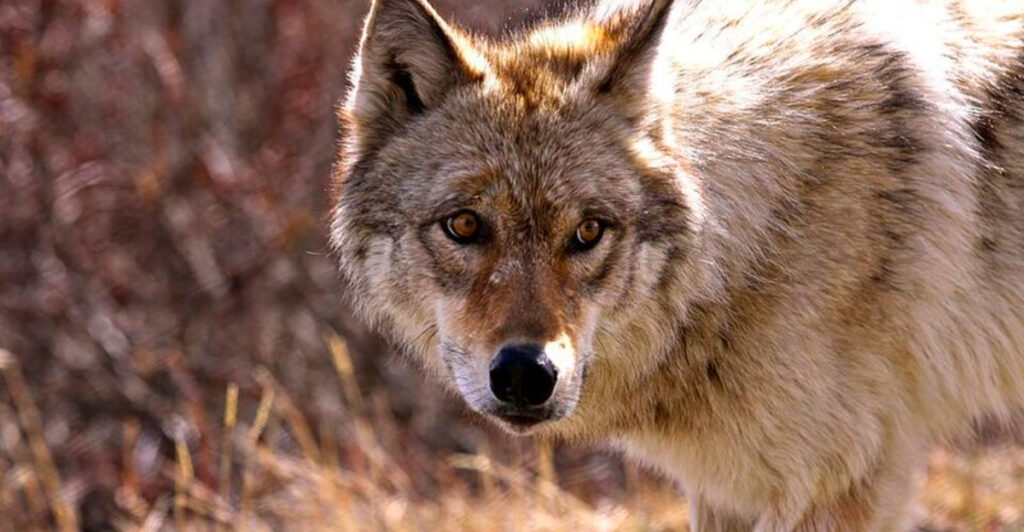
Wolves have disappeared from large parts of the world, but they never vanished entirely. In a handful of protected landscapes, from the broad valleys of Wyoming to the ancient forests of Poland and the roadless Arctic wilderness of Alaska, wolf packs still hunt, raise pups, and shape the ecosystems around them in ways no other predator can. A wolf can travel 30 miles in a single night, yet most people will never see one in the wild. That is precisely what makes these places so compelling.
Each region on this list has verified, documented wolf populations, which means that somewhere out there, beyond the treeline or across the next ridge, an actual pack is moving right now. Some of these landscapes offer genuine wildlife-watching opportunities. Others are so remote that simply knowing wolves are present changes how the whole place feels. Read on to find out which wild corners of the world still belong to them.
1. Yellowstone National Park, Yellowstone National Park, Wyoming
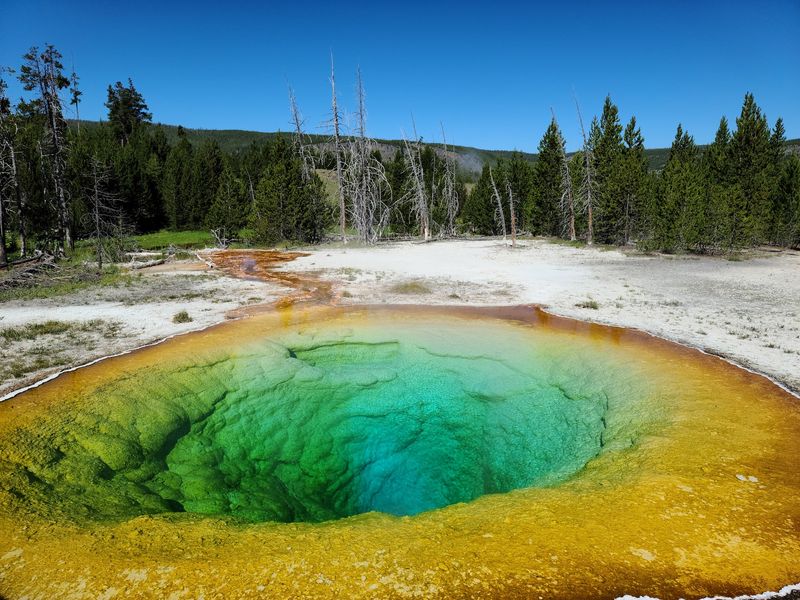
Back in 1995, wildlife managers loaded wolves into crates, flew them from Canada, and released them into Yellowstone, and the ecosystem has not been the same since. As of January 2026, the National Park Service counted at least 84 wolves across eight packs living within the park, with roughly 500 more across the broader Greater Yellowstone Ecosystem.
Lamar Valley is the place most serious wolf-watchers head first. The Junction Butte Pack, which numbered 15 members in early 2026, is among the most closely observed wolf group anywhere on Earth.
Spotting scopes line the pullouts along the valley road on cold mornings, aimed at distant dark shapes moving through snow-dusted sagebrush. Yellowstone was the starting point for wolf recovery across the American West, and it remains the gold standard for anyone curious about what a landscape looks like when its top predator returns.
2. Voyageurs National Park, International Falls, Minnesota
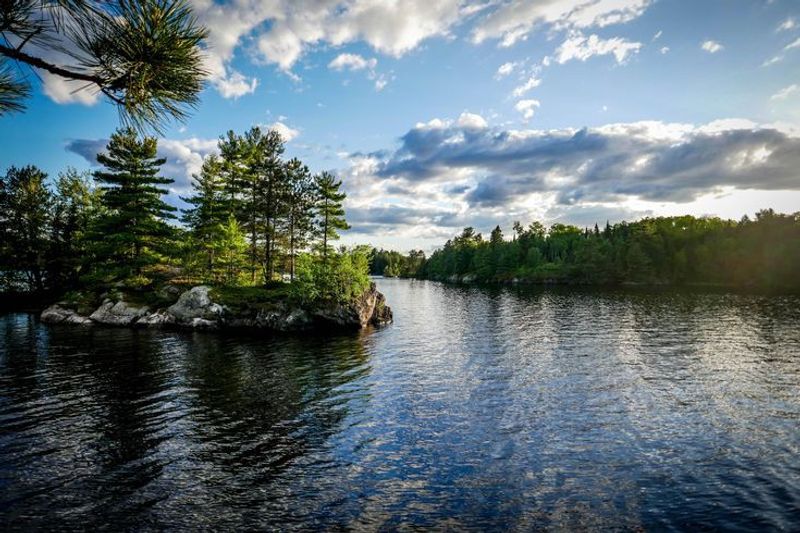
Voyageurs is a park built around water, a sprawling network of lakes, forested islands, and rocky shorelines in northern Minnesota that doubles as prime wolf territory. The population has historically ranged from 30 to 50 wolves split among six to nine packs, but researchers with the Voyageurs Wolf Project counted a notable decline by late 2025, reaching an 11-year low.
That drop is directly linked to a crash in white-tailed deer numbers following two consecutive harsh winters. With less prey available, packs have expanded their territories by more than 50 percent, and pup survival has fallen to around 20 percent, well below the typical rate.
In winter, the frozen lakes become travel corridors, and wolves occasionally cross entrance roads or follow shorelines in plain view. Summer visitors experience a quieter version of wolf country, but the deep forest remains the territory of one of Minnesota’s most consequential predators.
3. Grand Teton National Park, Moose, Wyoming
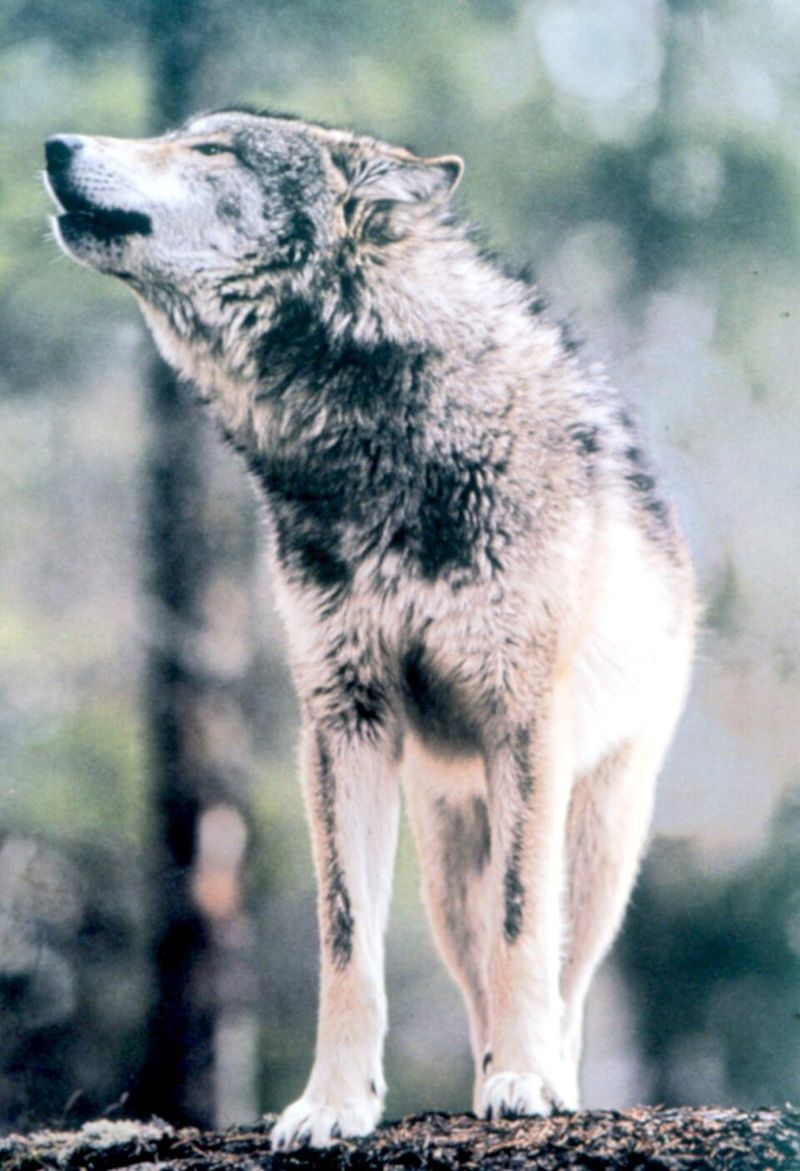
The Tetons get a lot of attention for their mountains, but what often goes unmentioned is that at least 46 wolves in six separate packs had home ranges extending into the park at the end of 2024. The Two Ocean Pack denned inside park boundaries that year, marking the kind of milestone that wildlife managers quietly celebrate.
Wolves first returned here after dispersing naturally from the Yellowstone reintroduction, and a pack produced pups in Grand Teton in 1999 for the first time in more than 70 years. New packs continue to form as young wolves disperse and find mates, a process that plays out across the sagebrush flats and river corridors of Jackson Hole.
Those classic postcard views of the Tetons rising above winding rivers carry an extra dimension once you know that wolves are still moving through the willows and cottonwoods below.
4. Glacier National Park, West Glacier, Montana
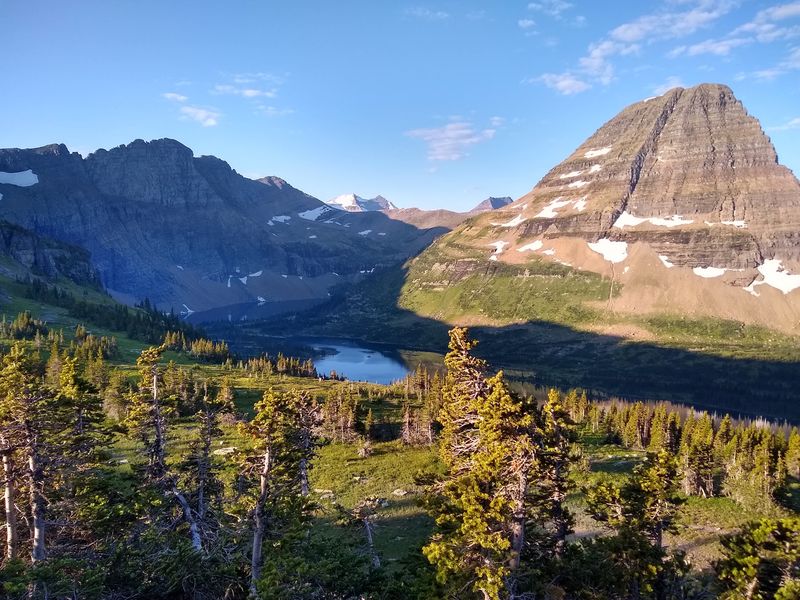
Glacier did not need a formal reintroduction program. Wolves simply walked back in on their own, migrating south from Canada starting in 1979 after being eliminated from the park by 1936. The first confirmed wolf den in the western United States in over 50 years was documented here in 1986, and the population has grown steadily since.
Today, researchers estimate six to eight packs live within park boundaries, each typically containing eight to twelve individuals. The North Fork area, running along the western edge of the park, holds the largest concentration.
Wolves here help regulate elk and deer populations, contributing to the overall balance of a mountain ecosystem that stretches from valley floors to high alpine terrain. Sightings are rare and unpredictable, which feels appropriate for a park where wilderness begins only a short distance from some of the most scenic driving roads in North America.
5. Banff National Park, Improvement District No. 9, Alberta
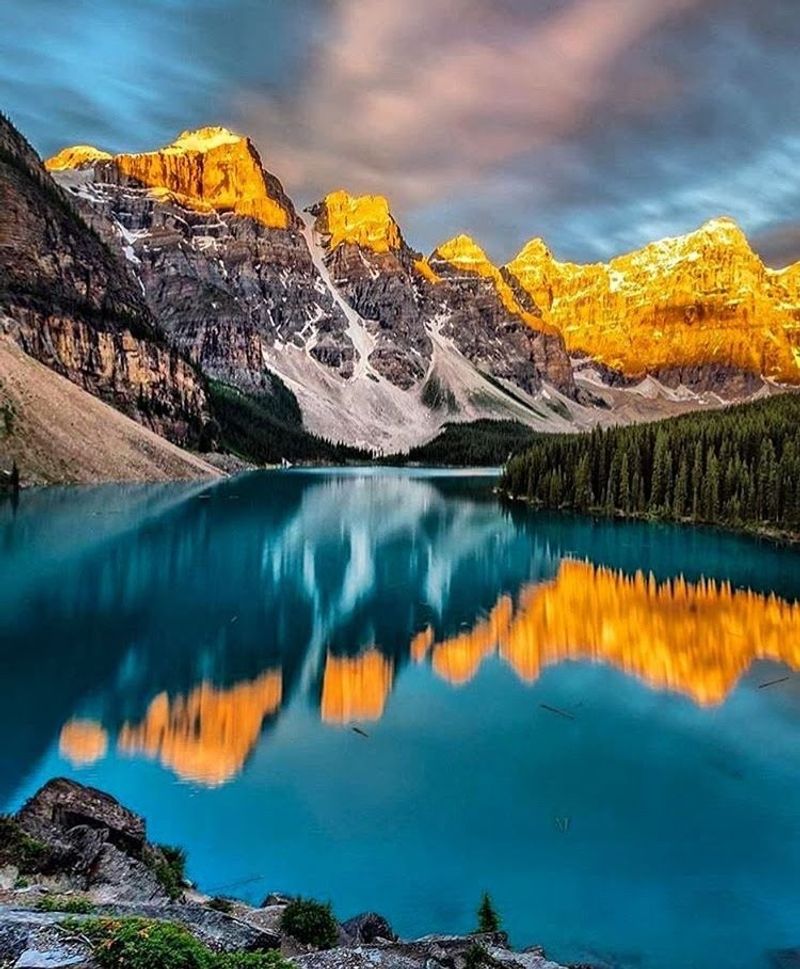
Banff’s wolves returned without any human assistance during the mid-1980s, dispersing into the park from surrounding landscapes after a long absence. Parks Canada estimates that Banff and the surrounding area now support roughly 60 to 70 wolves, with several distinct packs holding territories across the park.
One well-known pack frequents the lower Bow Valley, where it is occasionally spotted by park staff and visitors traveling the main corridor between Banff townsite and Lake Louise. That corridor also happens to be one of Canada’s busiest mountain highways, which creates an ongoing management challenge.
Wildlife corridors and seasonal closures around denning areas help wolves navigate the valley while reducing direct encounters with vehicle traffic. Beyond the park boundary, wolves face hunting and trapping pressure on adjacent provincial lands, which means the invisible park border carries real consequences for individual animals that cross it.
6. Isle Royale National Park, Isle Royale, Michigan
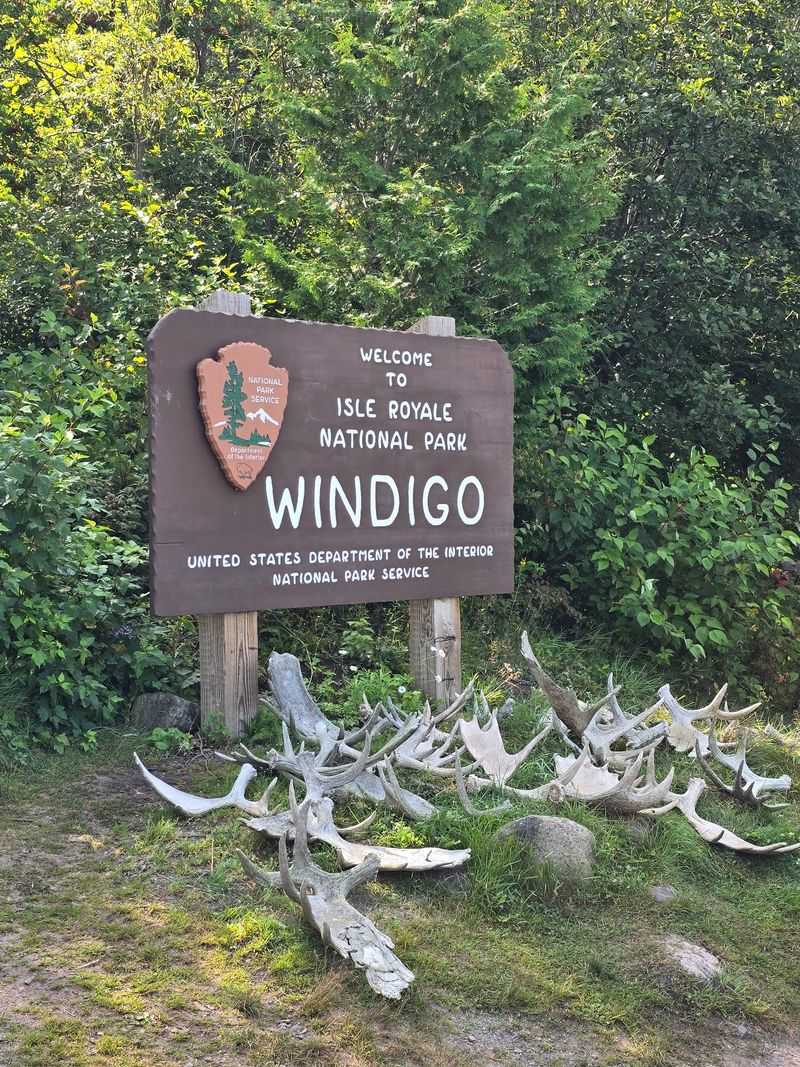
The wolf-moose relationship at Isle Royale has been studied continuously since 1958, making it the world’s longest-running predator-prey research project. By 2017, only two wolves remained on the island, the result of inbreeding and disease, which prompted the National Park Service to begin a translocation effort in 2018 and 2019.
That decision paid off. As of April 2026, the population had recovered to three established packs, the West, East, and Northeast packs, each containing 10 to 13 wolves. All three packs raised pups successfully in the previous year.
The recovery has had direct consequences for moose. The island’s moose population dropped an estimated 75 percent since 2019, with wolf predation identified as a major factor. Isle Royale remains accessible only by ferry or floatplane, and its remote character means most visitors encounter wolves only through tracks or distant glimpses on backcountry trails.
7. Denali National Park and Preserve, Denali Park, Alaska
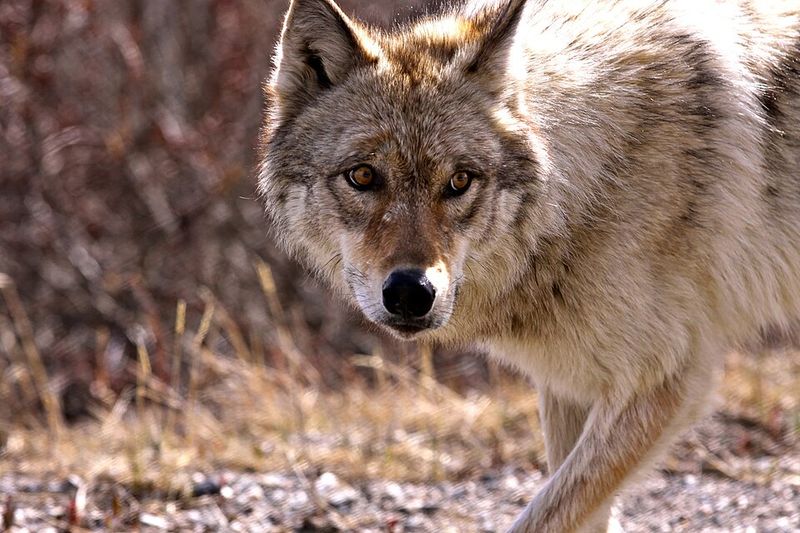
Adolph Murie began studying wolves here in 1939, and the research has never fully stopped, making Denali home to one of the longest continuous wolf population studies on the planet. Spring 2021 counts recorded 93 wolves across 14 packs, with fall estimates pushing the total closer to 128 individuals.
Visitor sightings, however, have dropped sharply over the past decade, falling from 44 percent of visitors reporting a wolf in 2010 to as low as 1 percent in 2019. Wolf hunting and trapping on state lands directly bordering the park is the primary reason for that shift.
The park’s single road offers access into six million acres of tundra, taiga, and mountain wilderness where caribou, moose, Dall sheep, bears, and wolves still interact largely on their own terms. In 2026, the road remains closed beyond Mile 43 due to the ongoing Pretty Rocks Landslide.
8. Wood Buffalo National Park, Fort Smith, Northwest Territories
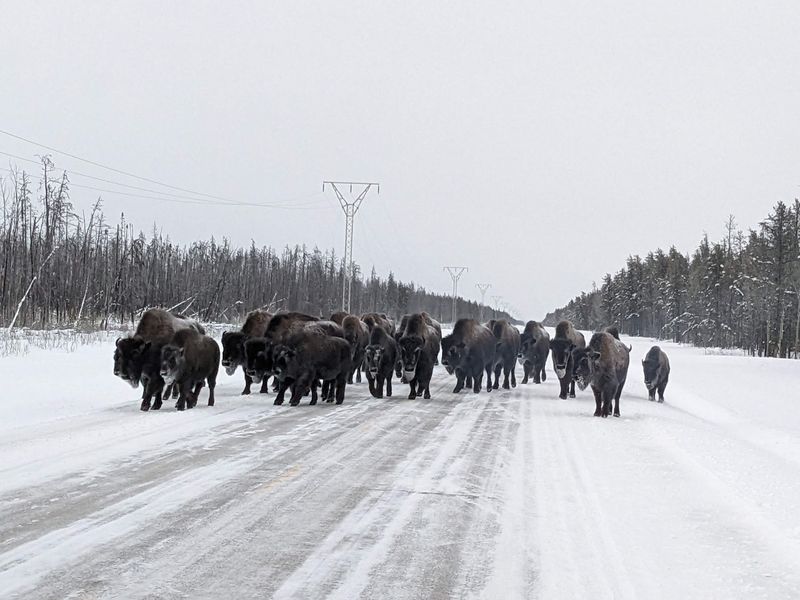
At 45,561 square kilometers, Wood Buffalo is Canada’s largest national park, and the wolves living here are a category apart. Northwestern wolves in this region are among the largest in the world, a physical reality shaped by their primary prey: wood bison that can weigh up to 2,000 pounds.
Hunting animals that size requires numbers. Packs in Wood Buffalo sometimes swell to 25 members, far beyond the four to eight wolves typical of packs targeting deer or elk elsewhere. Their strategy involves sustained harassment designed to break the defensive circle that bison form and isolate a vulnerable individual.
The park protects the world’s largest free-roaming wood bison herd, and the predator-prey dynamic between wolves and bison has continued here without interruption, giving Wood Buffalo a quality that feels genuinely ancient. Vast boreal forest, wetlands, and open plains extend in every direction with very little human presence to interrupt the pattern.
9. Riding Mountain National Park, Wasagaming, Manitoba
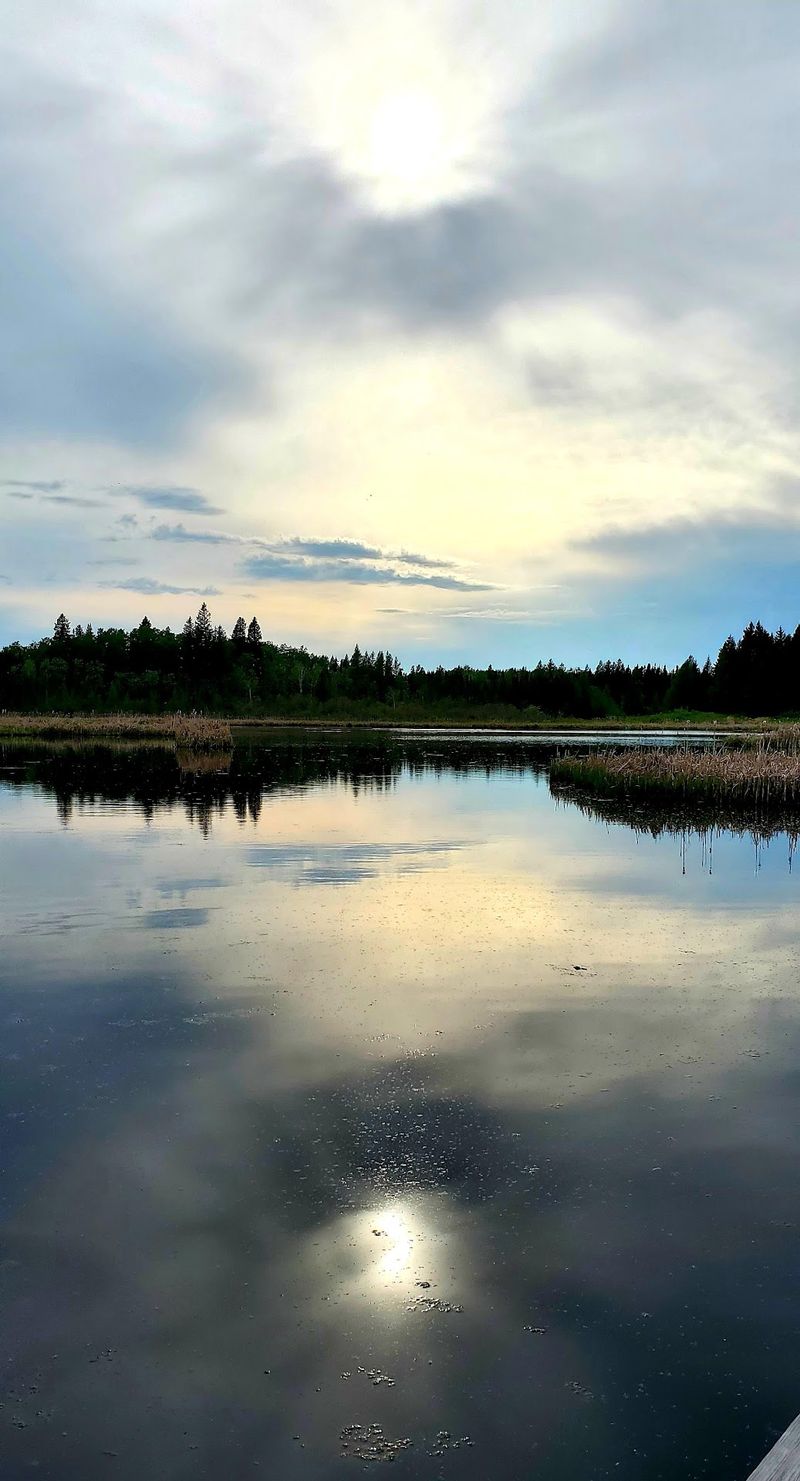
Prairie surrounds Riding Mountain on all sides, which makes the park’s forested plateau feel like a genuine island of wildness in an agricultural landscape. Wolves returned naturally to this island by around 1930 after a local disappearance, and Parks Canada currently estimates roughly 70 wolves living within the park.
GPS-collar research conducted between 2016 and 2018 revealed something unexpected: pack territories here overlap more at their edges than in places like Yellowstone, suggesting that Riding Mountain wolves tolerate neighboring packs at closer range than researchers expected. Average home range size was recorded at 203 square kilometers, smaller than many wolf populations elsewhere, likely because prey is relatively abundant within the park.
Wolves here hunt moose, elk, and beaver, shifting their diet between seasons as opportunity dictates. Clear Lake and the Wasagaming townsite give visitors a comfortable base with genuinely wild country beginning just beyond the edge of town.
10. Kootenay National Park, Radium Hot Springs, British Columbia
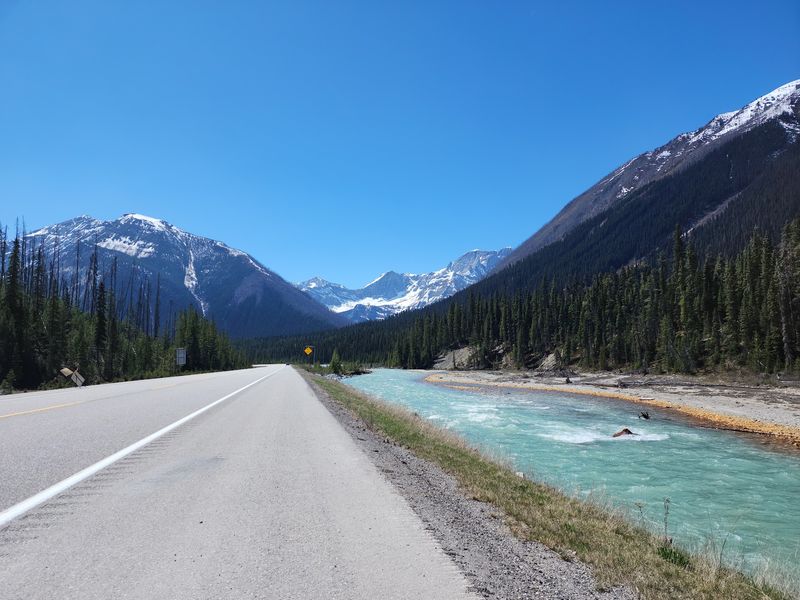
Kootenay rarely makes the top of anyone’s must-visit list, which suits its wolves just fine. Considered functionally absent from the region by the 1970s, wolves reestablished naturally and are now confirmed residents by Parks Canada, with pack territories averaging roughly 2,800 square kilometers across the park’s mountain terrain.
Only about 25 percent of the valley bottom habitat is considered productive hunting ground, given the relatively low density of ungulates, which means Kootenay wolves cover enormous distances to find food. Groups of up to 18 animals have been observed together, though these may represent temporary gatherings of individuals from more than one pack.
Highway 93, which runs through the heart of the park, presents a serious hazard. Ten wolves were killed by vehicles on that road between 1992 and 2001 alone. The scenery shifts dramatically from dry ponderosa forests near Radium to deep alpine valleys farther north, and every bend holds potential.
11. Algonquin Provincial Park, Whitney, Ontario
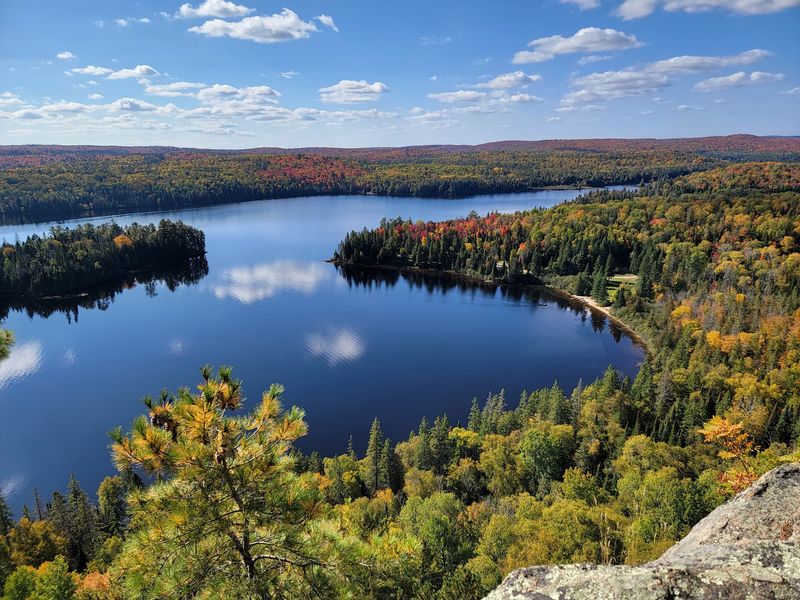
Canada’s Algonquin wolf is not quite a gray wolf and not quite a coyote. This smaller, rarer canid, also called the Eastern wolf, is considered threatened in Ontario, with fewer than 500 mature individuals estimated to remain. Algonquin Provincial Park holds the core of that population, and the debate over whether it represents a subspecies, a distinct species, or something in between is still active among researchers.
The park ran a Public Wolf Howl program from 1963 until August 2022, when it was paused to reduce disturbance to the animals. That program introduced thousands of visitors to the experience of hearing wolves respond to human imitations in the dark.
Even without organized events, the experience is still possible for backcountry campers willing to paddle far enough from the highway. On a quiet night, a chorus of howls carrying across dark water makes the whole concept of remote wilderness feel very immediate and very real.
12. Białowieża National Park, Białowieża, Poland
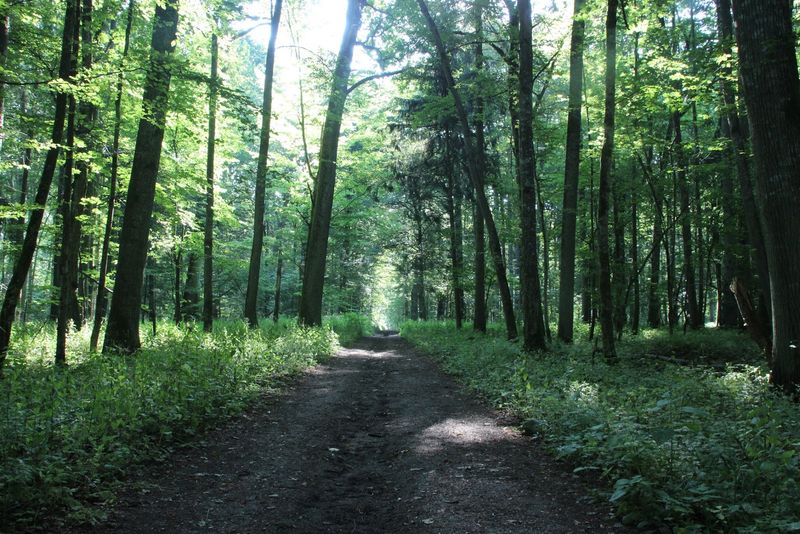
Europe’s oldest and best-preserved lowland forest straddles the border between Poland and Belarus, and it has been home to wolves since long before any national park designation existed. In the Polish section, roughly four packs occupy the forest, with pack sizes generally ranging from five to ten animals and total numbers estimated at between 20 and 40 individuals.
Wolves here have held strict legal protection since 1989 and recolonized spontaneously after being eliminated during the mid-20th century. In September 2025, camera footage captured seven wolves targeting a newborn European bison calf, a significant finding because bison were previously considered outside the typical prey range of these packs.
Towering old-growth trees with trunks wider than most living rooms give Białowieża a character unlike anything else in central Europe. A wolf encounter would be genuinely exceptional, but walking through a forest where apex predators and Europe’s heaviest land mammals share territory is memorable on its own terms.
13. Parco Nazionale d’Abruzzo, Lazio e Molise, Pescasseroli, Italy
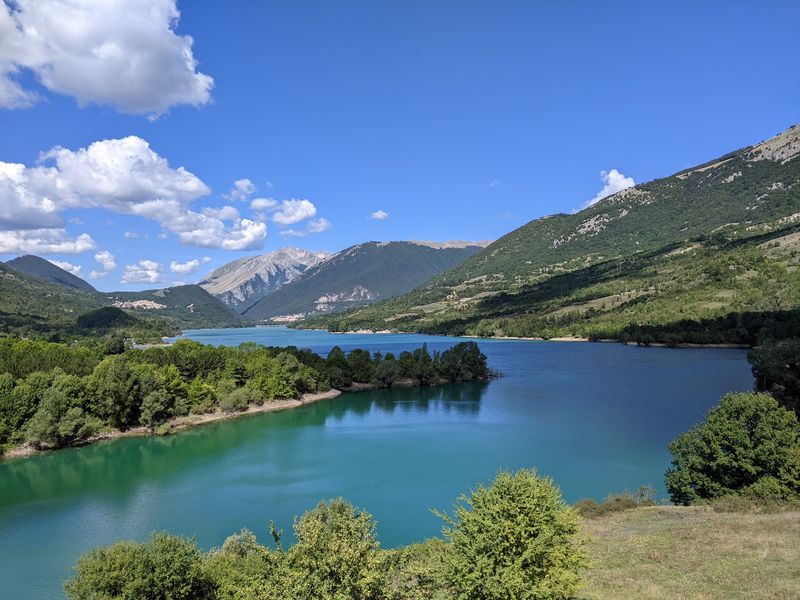
Italy’s wolf story is one of the more remarkable conservation turnarounds in European history. The Apennine wolf population dropped below 100 individuals in the 1970s before legal protection, habitat recovery, and an increase in wild prey allowed numbers to rebound to an estimated 2,020 to 2,645 wolves across the Apennines by 2020 and 2021.
Within Parco Nazionale d’Abruzzo, Lazio e Molise, studies between 2005 and 2010 identified eight wolf packs using the park’s mix of woodland, grassland, and mountain terrain. Average winter pack size across the Apennines runs around four individuals, reflecting the smaller prey base compared to North American wolf country.
These wolves are famously nocturnal and avoid human presence during daylight hours, though their howls can sometimes be heard on night excursions organized by the park. Recent poisoning incidents underscore the ongoing tension between wolf recovery and livestock farming in the surrounding valleys.
14. Gates of the Arctic National Park and Preserve, Bettles, Alaska
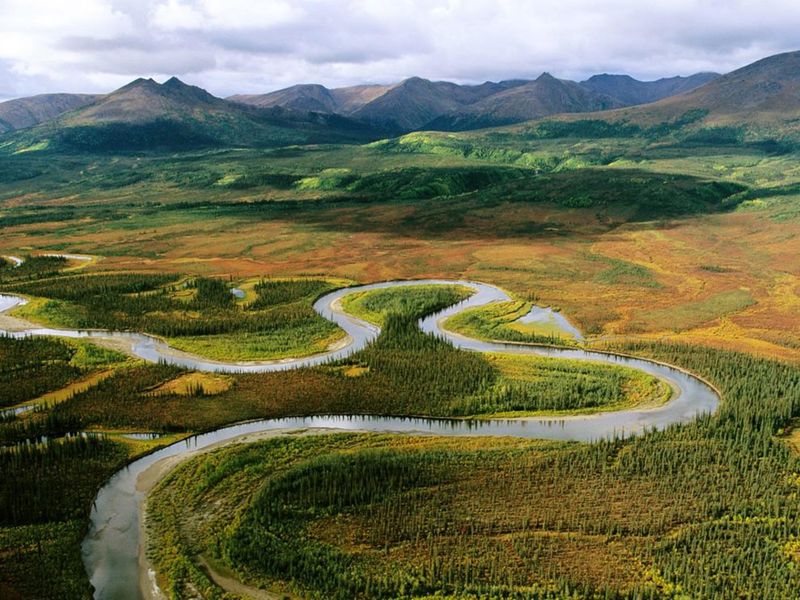
No roads lead into Gates of the Arctic. No marked trails either. This nearly 8.5-million-acre park sits entirely north of the Arctic Circle, and every visitor who enters does so by small plane, foot, or river, arriving prepared to be genuinely self-sufficient in one of North America’s most unforgiving environments.
Wolves share this landscape with caribou, moose, Dall sheep, wolverines, and grizzly bears, moving across tundra, braided rivers, and Brooks Range peaks with minimal human interference. A 2011 count recorded 77 wolves in the park, though the monitoring program ended in 2014 due to budget cuts and pressure from hunting on adjacent state lands.
The park’s explicit purpose is to maintain its wild and undeveloped character, and it succeeds completely. Wolves here still operate within a largely intact arctic food web, covering enormous distances across a landscape where the absence of human infrastructure is not a limitation but the entire point.
Share this story