Before fast food, before food delivery apps, and before the United States even had 50 states, Americans were already sitting down to meals at taverns, inns, and oyster houses that still exist today. Some of these places fed colonial lawmakers, sheltered Revolutionary War soldiers, and hosted presidents who arrived on horseback.
A few of them have been open so long that their dining rooms have seen the country go from a collection of British colonies to the world’s most powerful nation, all while keeping the soup hot and the tables set. These 19 restaurants all opened before the Civil War began in 1861, and several of them are still taking reservations right now.
1. White Horse Tavern, Newport, Rhode Island
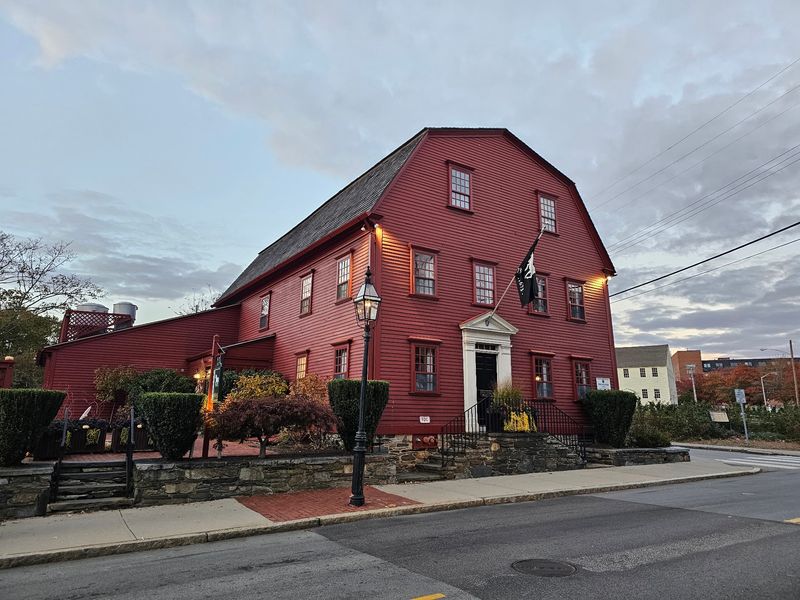
America’s oldest operating restaurant has been welcoming guests since 1673, which means it predates the United States by more than a century.
Originally built in 1652 as a private residence, the building was converted into a tavern by William Mayes, Sr., and it quickly became a civic hub where the Colony’s General Assembly and Criminal Court held sessions.
British troops were quartered here during the Revolution, forcing the owner’s family out temporarily. After the war, the tavern was restored and has kept going ever since.
The gambrel roof, massive interior beams, and cavernous fireplaces remain largely intact, making a modern dinner here feel remarkably close to a 17th-century meal.
2. King George II Inn, Bristol, Pennsylvania
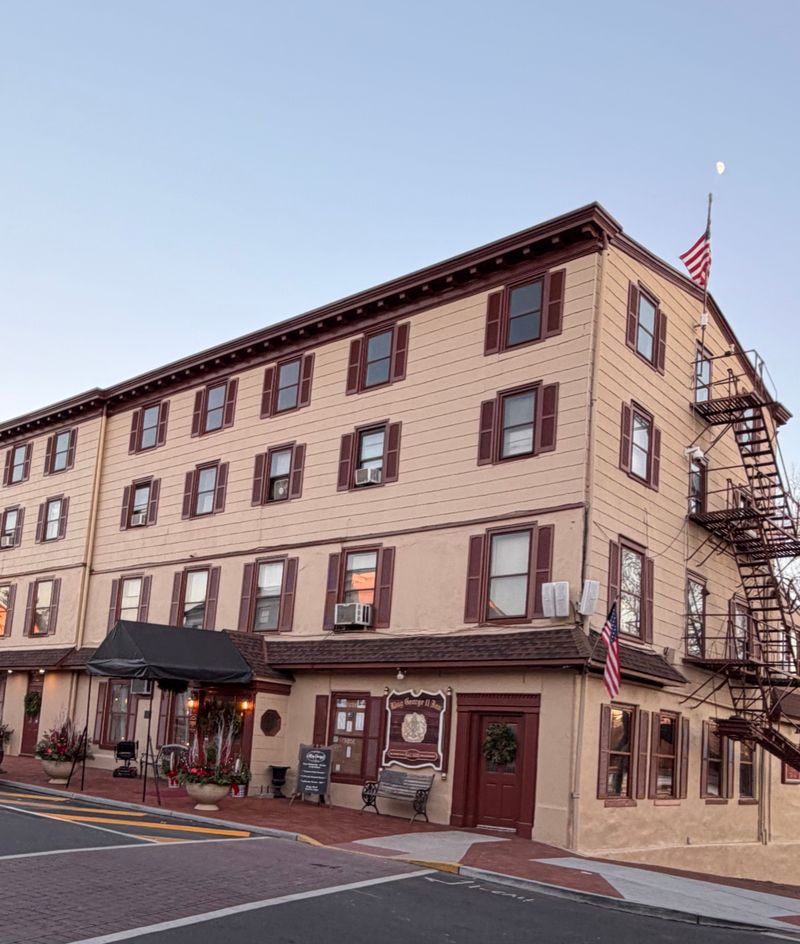
Few restaurants can claim their property once doubled as a jail, but the King George II Inn has that distinction and plenty more history to go with it.
Samuel Clift established a ferry operation and public house here in 1681, making it a critical stop on the route between New York and Philadelphia. The current structure dates largely to a 1765 rebuilding by Charles Besonett, who gave the inn its royal name.
During December 1776, General John Cadwalader used it as headquarters for 3,000 American troops guarding against British attack.
Today the inn offers five private dining rooms and views of the Delaware River, connecting modern guests to centuries of travel history.
3. Longfellow’s Wayside Inn, Sudbury, Massachusetts
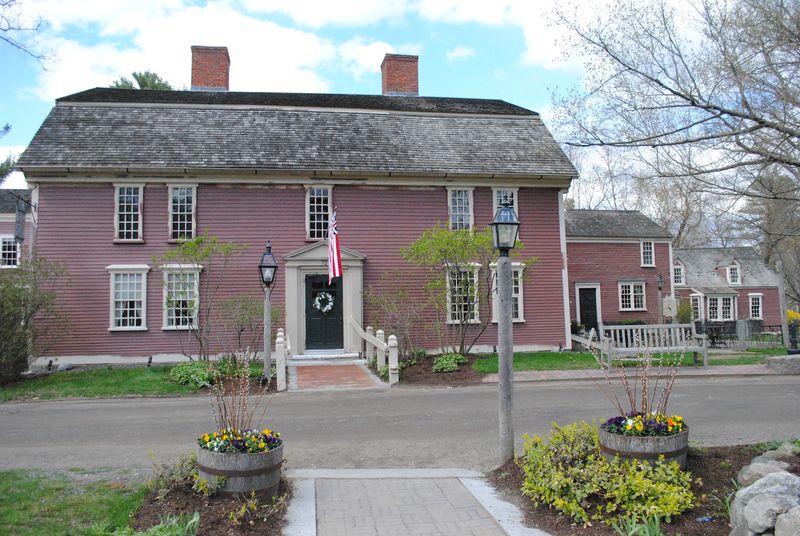
Henry Wadsworth Longfellow visited this inn in 1862, wrote a famous poem about it, and inadvertently gave it the name it still carries today.
Hospitality began here in 1716 when David Howe obtained a license to operate a house of entertainment for travelers along the Old Boston Post Road. George Washington, the Marquis de Lafayette, and Henry David Thoreau all passed through at various points.
Henry Ford purchased the property in 1923 and funded significant restorations, even relocating a one-room schoolhouse onto the grounds.
Ten guest rooms furnished with antiques and dining rooms featuring traditional New England dishes keep the inn’s centuries-old character very much alive for modern visitors.
4. The Red Fox Inn & Tavern, Middleburg, Virginia
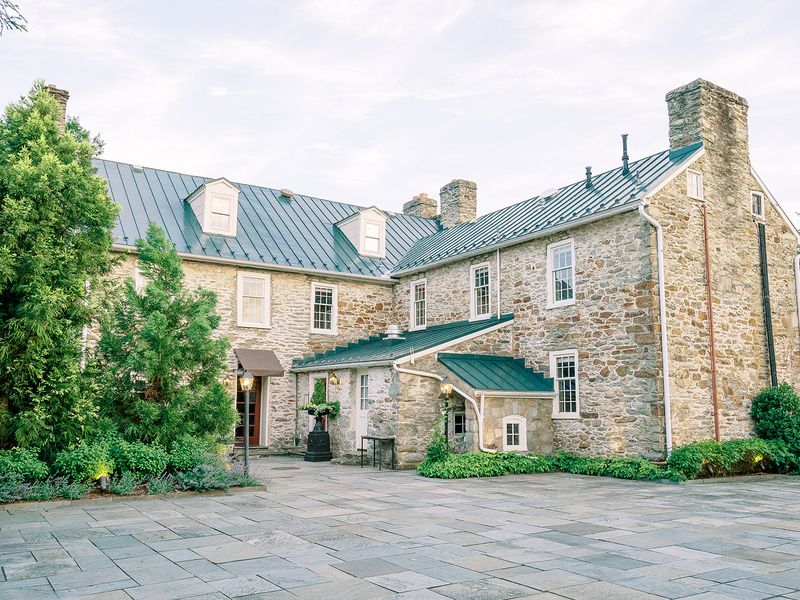
Back in 1728, this Virginia establishment went by the far less glamorous name of Chinn’s Ordinary, serving travelers and farmers cutting through the Piedmont on a busy regional route.
It functioned as a public gathering place through the American Revolution and continued growing steadily, expanding into a substantial inn well before the Civil War reached Middleburg’s doorstep.
The Red Fox Inn sits at the center of Virginia’s horse country, which has shaped its identity as a destination for horsemen and countryside travelers for nearly three centuries.
Its long survival through colonial, revolutionary, and antebellum America makes it one of the most historically layered dining destinations in the entire mid-Atlantic region.
5. The Black Horse Tavern & Pub, Mendham, New Jersey
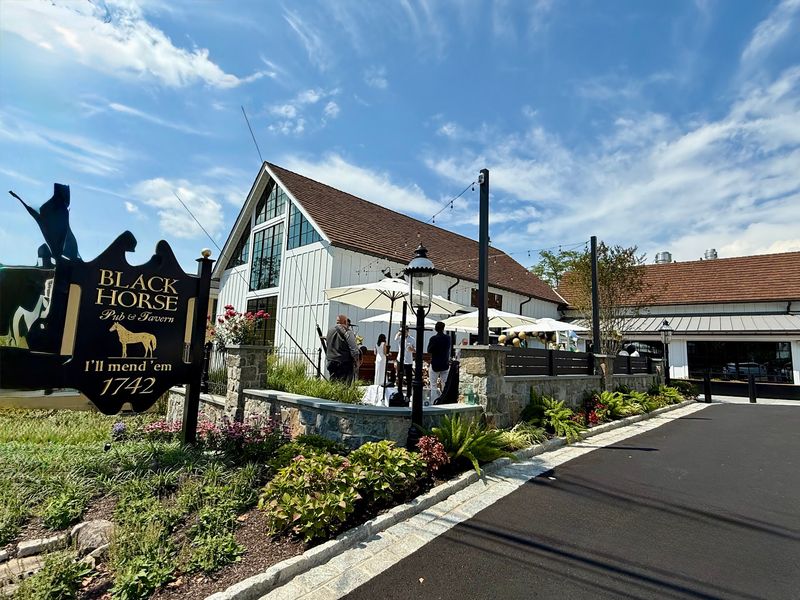
New Jersey’s oldest continually operating restaurant started life in 1742 as a stagecoach stop, which means it has been feeding hungry travelers for longer than the United States has existed.
The Black Horse Tavern served as a practical pit stop for passengers and coachmen moving through Morris County, and its location in Mendham kept it connected to the rhythms of colonial-era road travel.
Careful renovations over the years have preserved its colonial character without turning it into a museum piece, so guests get history alongside a proper meal.
The combination of genuine age and thoughtful upkeep gives the Black Horse a personality that newer restaurants simply cannot manufacture, no matter how hard they try.
6. Blue Bell Inn, Blue Bell, Pennsylvania
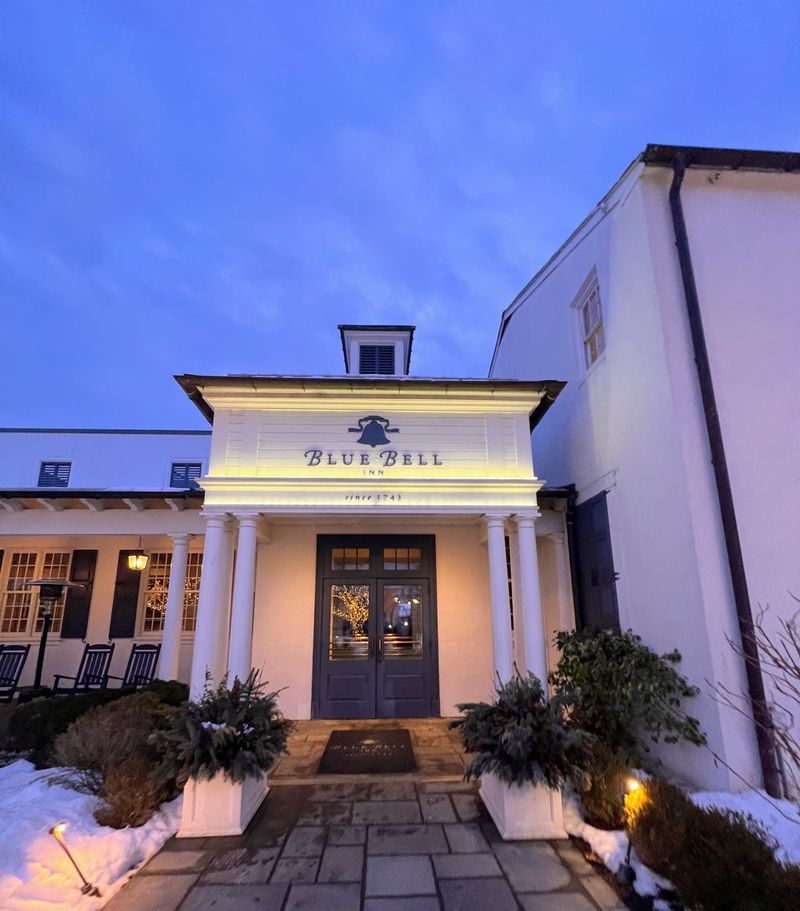
Originally called the White House when it opened in 1743, the Blue Bell Inn has been confusing name-seekers and feeding hungry Pennsylvanians for more than 280 years.
Its early clientele included travelers and hunters moving through the Pennsylvania countryside along stage roads that were the main arteries of colonial transportation.
The property sits in a region that saw significant Revolutionary War activity, and its survival through that era and into the antebellum period reflects both its location and its usefulness to the community.
Modern diners find a considerably more refined setting than the original inn offered, but the connection to Pennsylvania’s pre-Civil War road culture remains a genuine part of the Blue Bell’s identity.
7. General Warren, Malvern, Pennsylvania
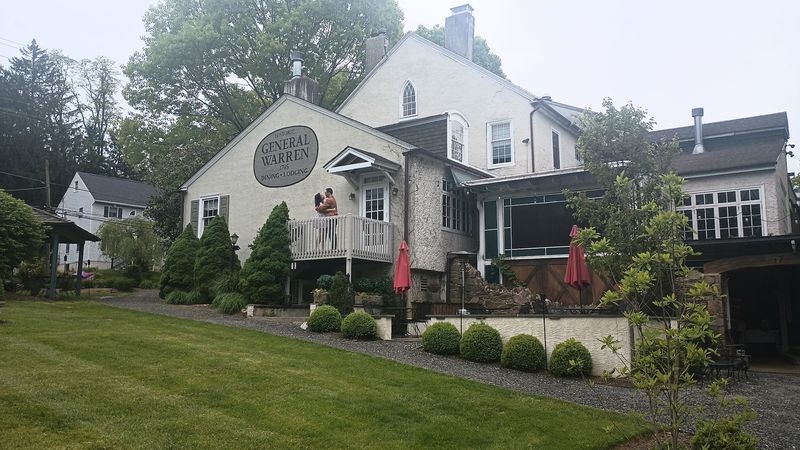
This Chester County inn has gone through more name changes than most restaurants go through menus, starting as the Sign of Admiral Vernon in 1745 before shifting to the Sign of Admiral Warren just one year later.
Soldiers, travelers, and local farmers were gathering here decades before the Declaration of Independence was signed, making it one of the older colonial-era hospitality stops still operating in Pennsylvania.
The surviving historic rooms now house a restaurant and inn that lean confidently into that deep heritage, offering guests spaces that carry the weight of nearly three centuries of use.
For history enthusiasts, dining at General Warren is essentially a field trip with better food and a proper reservation system.
8. Fraunces Tavern, New York City, New York
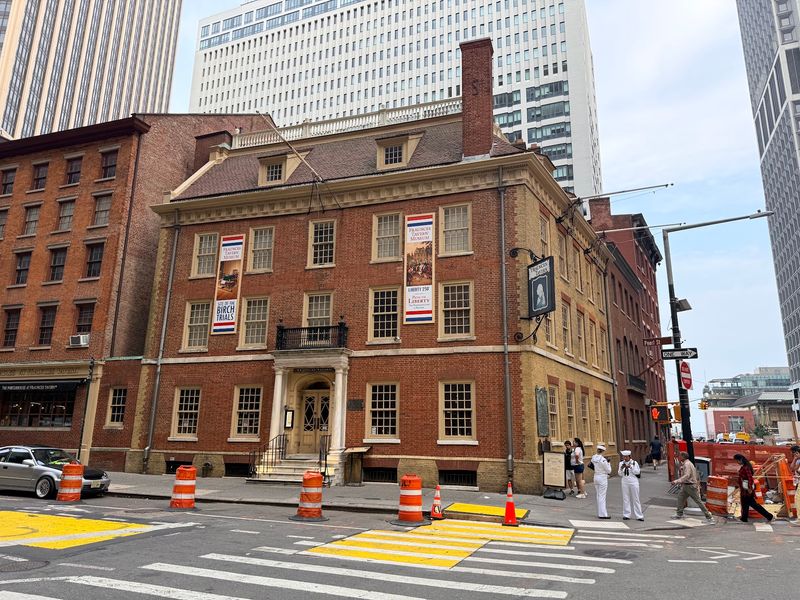
George Washington said his goodbyes to his Continental Army officers right here in 1783, which gives Fraunces Tavern a historical moment that almost no other restaurant in America can match.
Samuel Fraunces opened the tavern at 54 Pearl Street in 1762, and it quickly became one of colonial New York’s most important gathering places for merchants, politicians, and revolutionary figures.
John Hancock, Samuel Adams, and other founding-era leaders dined and met within these walls, turning the tavern into a working part of American political history.
Today the building houses both a restaurant and a museum, so visitors can eat a meal on the same block where some of the country’s most consequential conversations took place.
9. The Griswold Inn, Essex, Connecticut
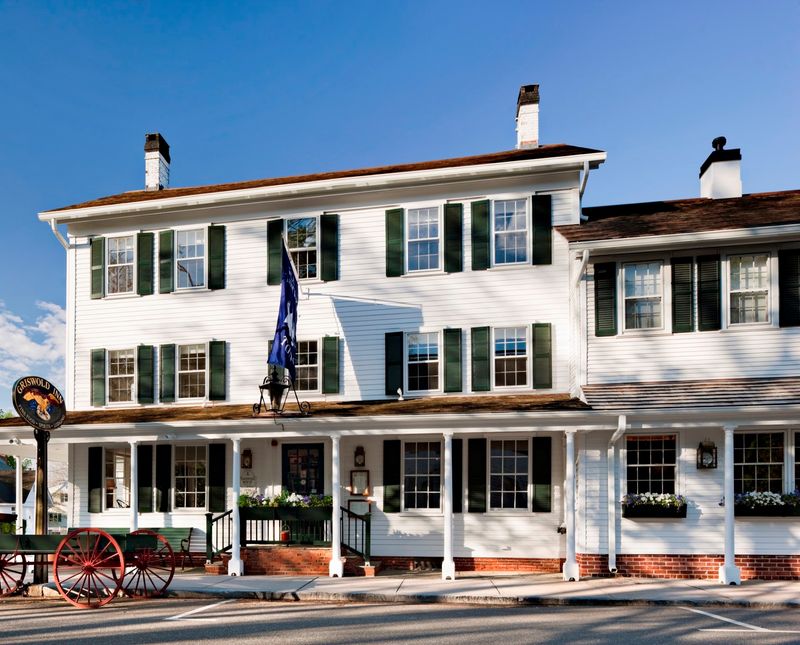
The Griswold Inn opened in 1776, the same year the Declaration of Independence was signed, which gives it a founding-era credential that most restaurants can only dream about.
Essex was a busy shipbuilding center during the Revolution, and the inn provided food, lodging, and a gathering point for workers and travelers moving through the Connecticut River Valley.
The traditional tap room has been a consistent feature of the property across its nearly 250-year history, and the inn remains an active dining destination rather than a preserved relic.
Historic rooms, a lively atmosphere, and a connection to one of New England’s most charming river towns make the Griswold a particularly appealing stop for anyone exploring Connecticut’s colonial heritage.
10. The Old Talbott Tavern, Bardstown, Kentucky
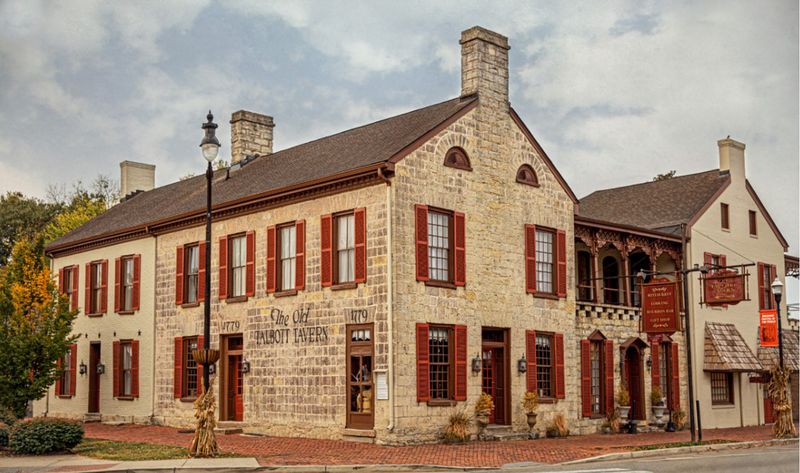
Known as the oldest western stagecoach stop in America, this Bardstown institution was built in 1779 with stone walls two feet thick, which tells you something about how seriously its builders took both construction and longevity.
Every stagecoach heading into early Kentucky stopped here, and the guest list over the years included Andrew Jackson, Abraham Lincoln as a child, Daniel Boone, and even Louis-Philippe, who would later become King of France.
Artists traveling with Louis-Philippe painted murals on the walls, which were rediscovered in the 20th century and remain one of the tavern’s most unusual historical details.
After an electrical fire in 1998, the tavern was carefully restored and continues operating as a restaurant, keeping its frontier-era character firmly in place.
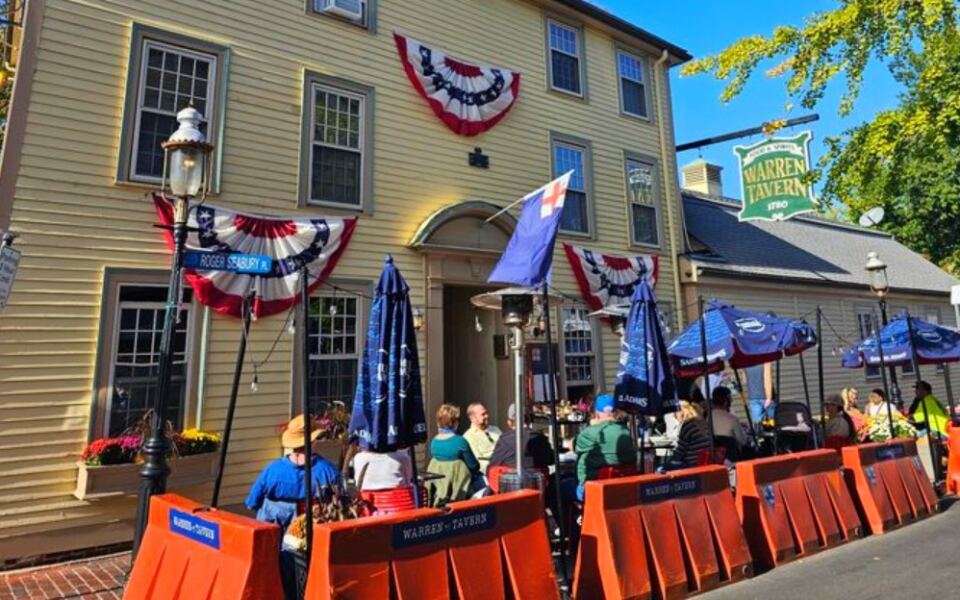
11. Warren Tavern, Charlestown, Massachusetts
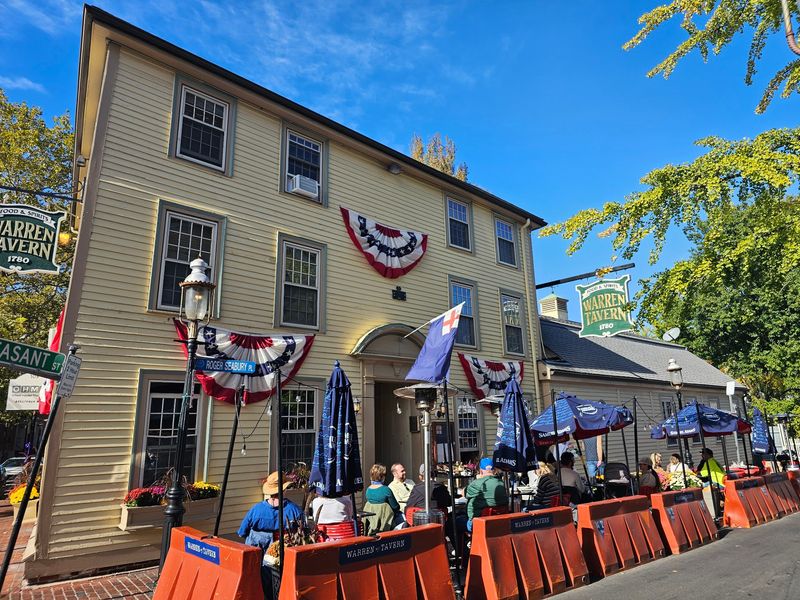
Built in 1780 from wooden beams reportedly salvaged from the Charlestown Navy Yard, the Warren Tavern rose from the ashes of a town the British had burned to the ground during the Battle of Bunker Hill.
Captain Eliphalet Newell, a Bunker Hill veteran, named the tavern after Dr. Joseph Warren, a fellow patriot who did not survive the battle. George Washington visited in 1789, and Paul Revere was a regular guest.
In 1783, Paul Revere helped establish King Solomon’s Lodge, the first Masonic lodge in Charlestown, right here at the tavern.
Today it operates just a short walk from the Bunker Hill Monument, offering classic New England pub food in one of Boston’s most historically loaded neighborhoods.
12. Ye Olde Tavern, Manchester Center, Vermont
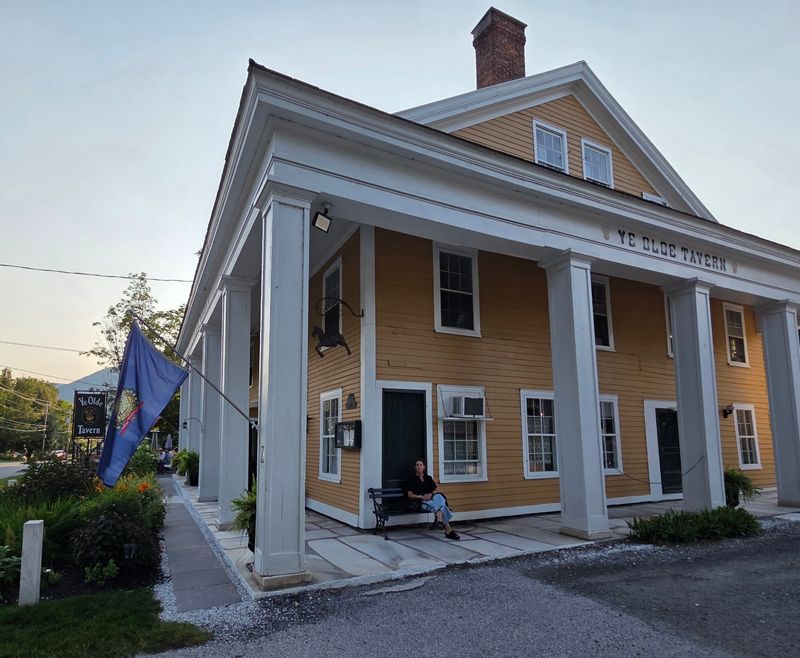
Vermont’s early political class had to eat somewhere, and in 1790, the Stagecoach Inn, now known as Ye Olde Tavern, was the kind of place where travelers, legislators, and local elite pulled up chairs around the same tables.
The building’s wide-plank floors, period fireplaces, and traditional New England furnishings have been preserved carefully, giving the dining rooms a character that feels earned rather than staged.
Manchester Center itself became a fashionable destination in the 19th century, and the tavern’s long history parallels the town’s growth from frontier waypoint to refined Vermont village.
Guests who visit today are essentially sitting in the same rooms that shaped early Vermont social life, which is a conversation starter that beats any modern restaurant concept.
13. The Golden Lamb, Lebanon, Ohio
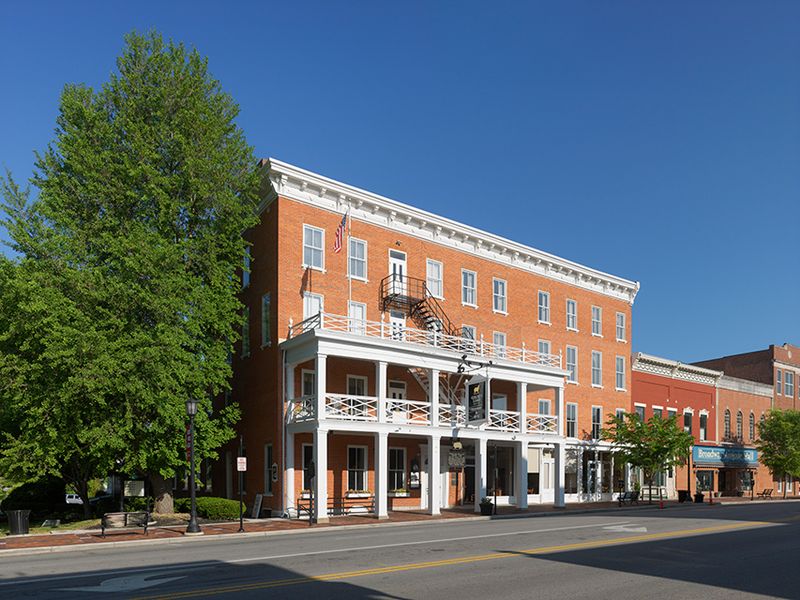
Jonas Seaman paid exactly four dollars for a license to operate a house of public entertainment in Lebanon in 1803, which has to rank among the best four-dollar investments in American hospitality history.
The Golden Lamb became Ohio’s oldest hotel and longest continuously operating business, drawing twelve United States presidents including John Quincy Adams and Ulysses S. Grant, along with authors like Charles Dickens and Harriet Beecher Stowe.
A fire in 1928 led the owners to purchase second-hand furniture, which accidentally created a remarkable collection of Shaker antiques still displayed throughout the property today.
The Jones family, who took over in 1926, still own and operate the Golden Lamb, keeping it a genuine family institution rather than a corporate history project.
14. Union Oyster House, Boston, Massachusetts
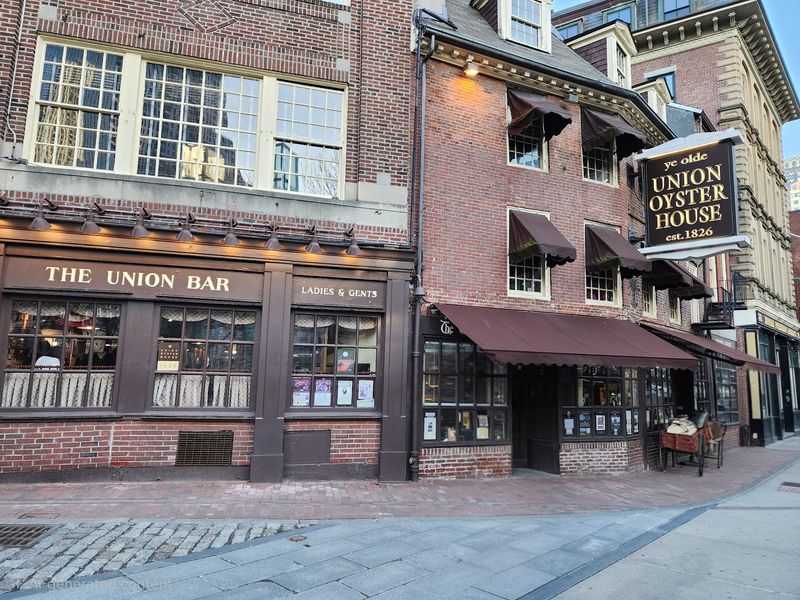
Since 1826, the Union Oyster House has been the place Bostonians and visitors go when they want seafood served in a room that has barely changed in nearly two centuries.
The curved oyster bar is one of the most recognizable features in American restaurant history, and it has been shucking and serving since the establishment first opened its doors near the Boston waterfront.
The restaurant proudly identifies itself as America’s oldest restaurant in continuous service, a claim backed by nearly 200 years of uninterrupted operation through wars, economic downturns, and changing food trends.
Boston’s deep seafood traditions are woven into every part of the menu, connecting today’s guests to the waterfront culture that made this neighborhood famous long before the Civil War.
15. Antoine’s Restaurant, New Orleans, Louisiana
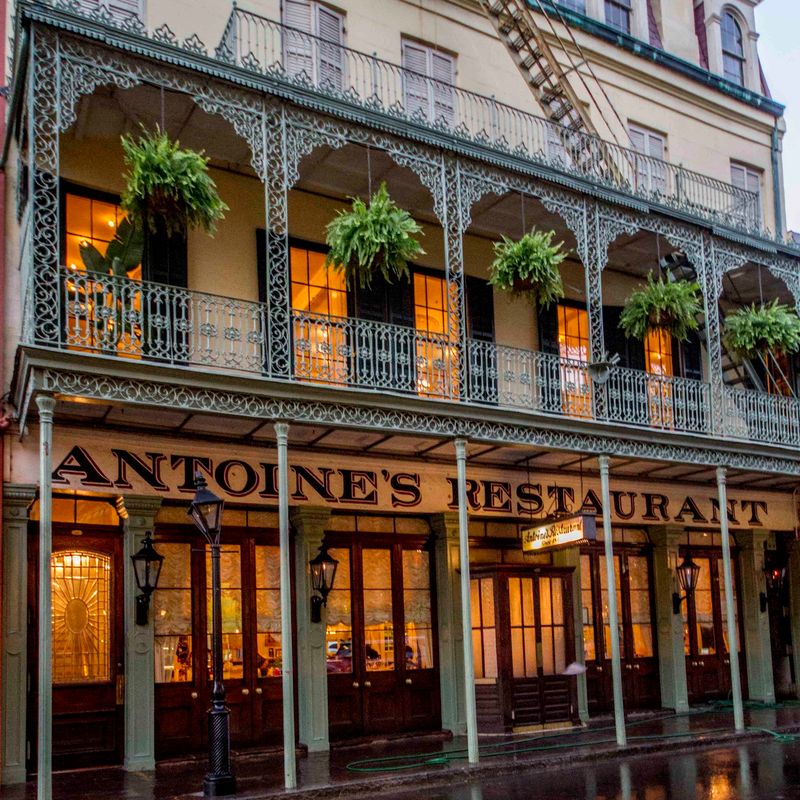
Antoine Alciatore arrived in New Orleans in 1840 as a young French chef with a single dining room and a boarding house address, and what he started has now been running for over 180 years under the same family name.
Antoine’s holds the title of America’s oldest family-run restaurant, and the Alciatore family’s culinary contributions include inventing Oysters Rockefeller and Pompano en Papillote, two dishes that became cornerstones of New Orleans cooking.
The restaurant eventually expanded to 15 dining rooms accommodating 800 guests, with spaces dedicated to Mardi Gras krewes and one room designed to resemble a wealthy 19th-century home.
An original Edison light bulb is displayed in the 1840 Room, which is the kind of detail that reminds you exactly how long this place has been at the center of New Orleans dining culture.
16. Tadich Grill, San Francisco, California
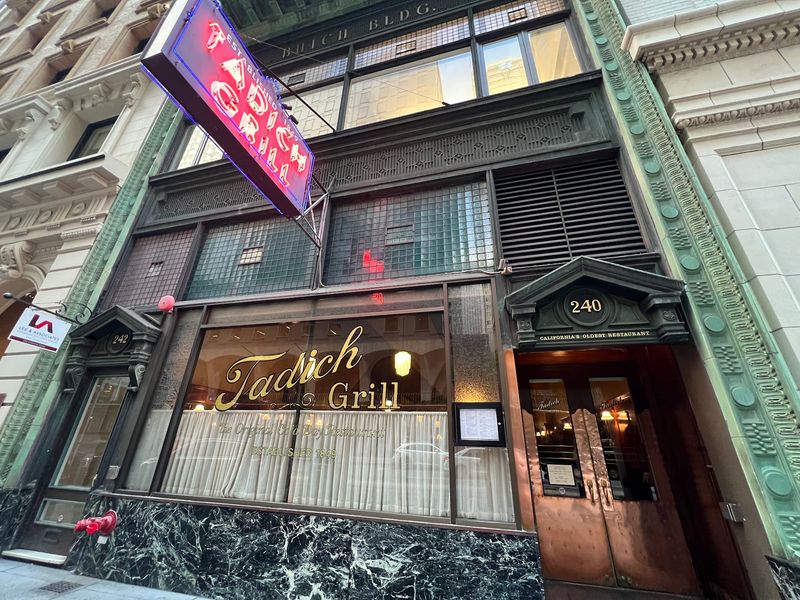
Three Croatian immigrants set up a coffee and fish stand on San Francisco’s Long Wharf in 1849, right in the middle of the Gold Rush, and that modest tent operation eventually became California’s oldest continuously operating restaurant.
John Tadich joined the business in 1871 as a teenager, bought it outright in 1887, and renamed it after himself. The Buich family purchased it in 1928 and still own it today, giving the restaurant an ownership continuity almost as impressive as its age.
The 1906 earthquake destroyed the premises, but the restaurant rebuilt and kept going, eventually settling at its current California Street address in 1967.
White-jacketed waiters, generous seafood platters, and a no-reservations policy for most seating keep the Tadich experience rooted in the practical, no-fuss tradition it has maintained for over 175 years.
17. Old Ebbitt Grill, Washington, D.C.
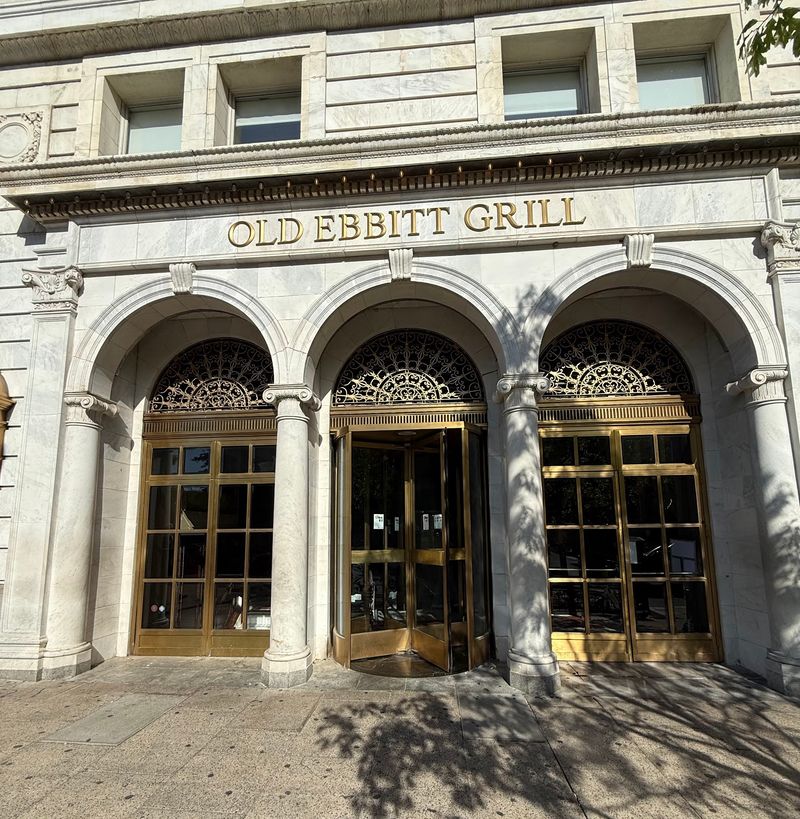
William E. Ebbitt opened a boarding house and saloon in Washington in 1856, just five years before the Civil War began, establishing what would eventually become one of the capital’s most enduring dining institutions.
The Old Ebbitt Grill has moved locations several times over the decades, but its historical identity traveled with it each time, preserving a sense of continuity that newer Washington restaurants cannot replicate.
Its proximity to the White House has always made it a natural gathering spot for politicians, journalists, and government workers, giving the dining room a particular energy tied to the rhythms of American political life.
Today it ranks among Washington’s busiest and most recognized restaurants, a status that would probably surprise, but also please, the innkeeper who started it all in 1856.
18. Hays House 1857 Restaurant & Tavern, Council Grove, Kansas
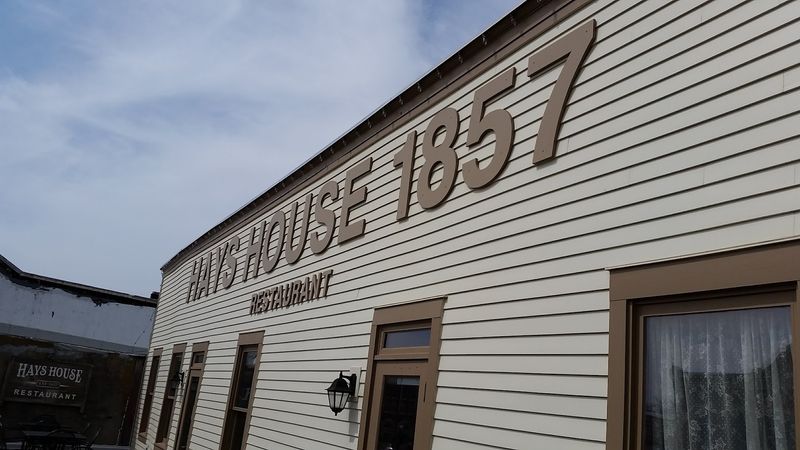
Seth Hays was the great-grandson of Daniel Boone, and when he built his stone structure along the Santa Fe Trail in 1857, he created what is now considered the oldest continuously operating restaurant west of the Mississippi River.
The building served simultaneously as a restaurant, district court, mail distribution center, and venue for theatrical performances, which made it the Swiss Army knife of frontier Kansas civic life.
On Sundays, a sheet was hung over the liquor bottles so the space could host church services, a practical solution that says a great deal about life on the Kansas frontier.
Jesse James and General George Armstrong Custer are said to have visited, and the original bar where they would have stood is now preserved in the cellar below the dining room.
19. McGillin’s Olde Ale House, Philadelphia, Pennsylvania
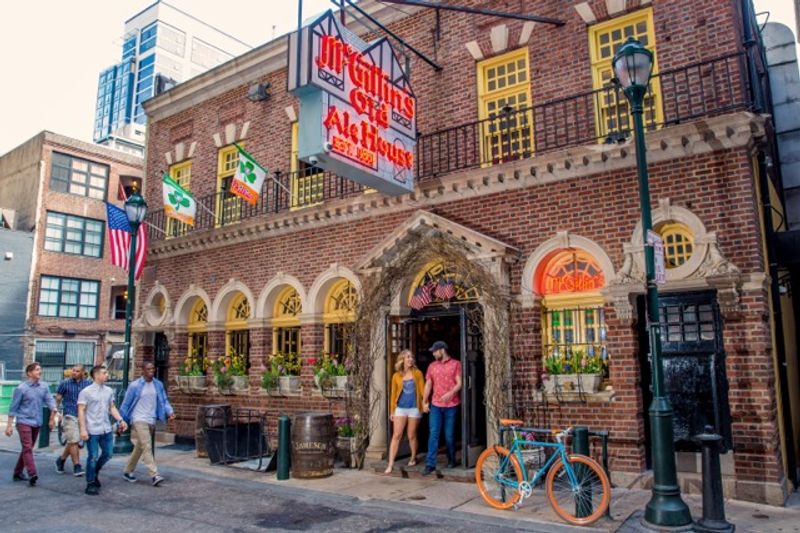
William and Catherine McGillin opened their Philadelphia tavern in 1860, just months before the country fractured into Civil War, and it has been operating continuously ever since, outlasting the conflict that began almost immediately after its doors opened.
Originally called the Bell in Hand Tavern, it became known simply as McGillin’s among the Irish laborers who were its most loyal early customers, and that informal nickname eventually became the official name.
The McGillin family raised 13 children in the rooms above the bar, and during Prohibition, Catherine McGillin converted the ground floor into an ice cream parlor while a second-floor operation quietly served a different clientele.
Every liquor license issued to the pub since 1871 is displayed on the walls, creating a visual timeline of Philadelphia history that no other bar in the city can match.
Share this story