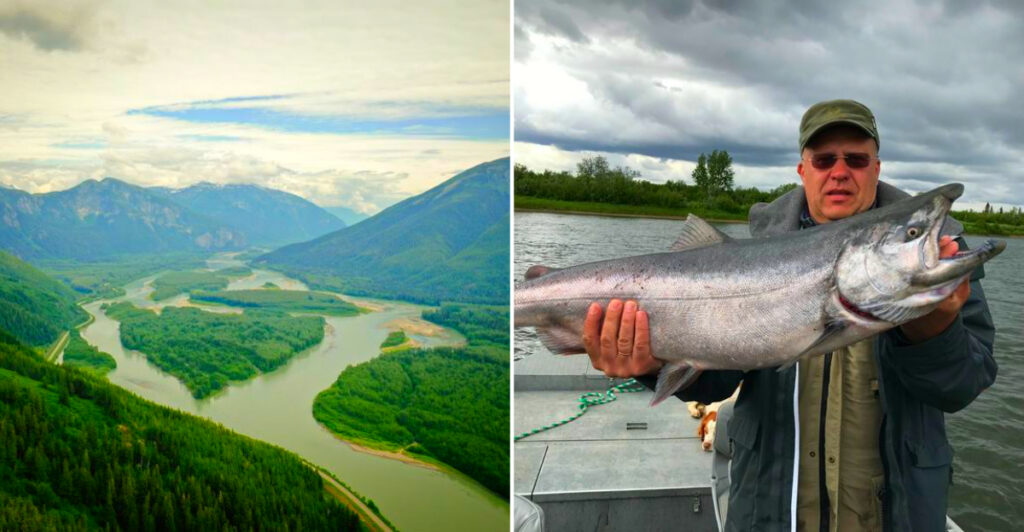
Every year, without fail, some of the largest fish in the world do something remarkable: they leave the open ocean and fight their way back to the freshwater rivers where they were born. These are not small fish making a quiet exit. We are talking about Chinook salmon that can top 80 or even 90 pounds, pushing through currents and rapids with a single biological purpose. The rivers that still receive these runs are special places, and fewer of them exist in full health than most people realize.
Some are remote wilderness waterways in Alaska where bears outnumber tourists. Others flow through farmland, canyon country, or ancient Scottish estates. A handful have been brought back from the edge by serious conservation work. Whether you are an angler, a wildlife watcher, or just someone who finds the idea of a 90-pound fish swimming upstream genuinely thrilling, this list has something worth knowing.
1. Kenai River, Kenai, Alaska
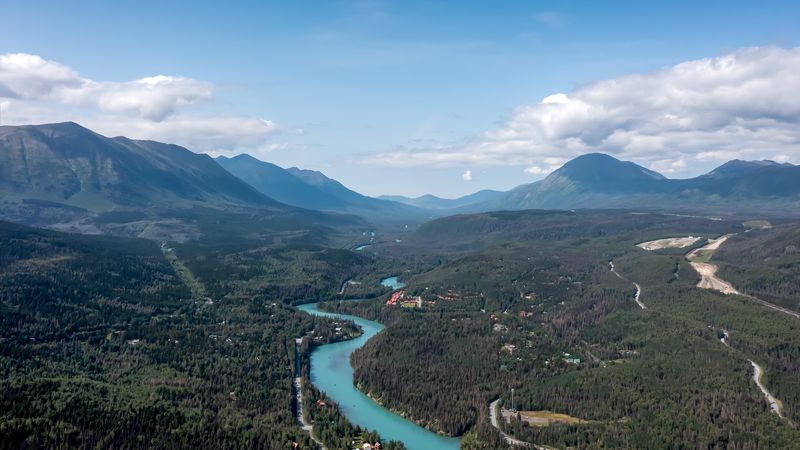
Hold the world record for the largest sport-caught king salmon and you have a strong claim to fame. That record belongs to the Kenai River, where a 97-pound, 4-ounce Chinook was landed back in 1985, and the river has been living up to that reputation ever since.
King salmon run here in two distinct windows: an early push from mid-May through June, and a later run from July into August. Sockeye follow in two waves as well, with the bigger surge arriving from mid-July to early August. Coho round out the season, peaking in the middle of August and running into September.
The upper river corridor is drift-only, meaning no motors, which keeps things quieter and protects critical spawning habitat. Its glacier-fed turquoise color is not a filter or a trick of light. That is just what the Kenai looks like, and it is genuinely one of Alaska’s most striking waterways.
2. Alagnak River, King Salmon Region, Alaska
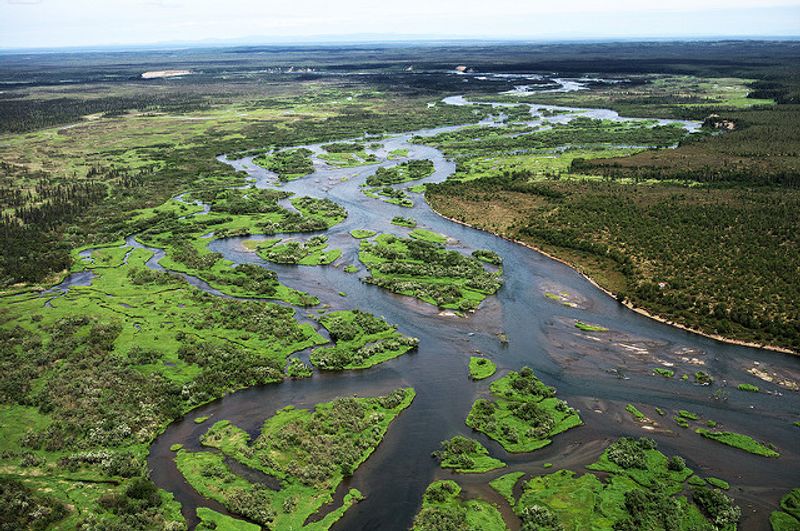
Congress gave the Alagnak its wild river designation for good reason. This Bristol Bay waterway runs through a stretch of southwest Alaska that looks much the same today as it did long before anyone thought to name it.
Chinook salmon are part of a five-species lineup that returns to the Alagnak system each season, with the king fishery typically peaking during the middle to latter part of July. The river also offers stretches of genuine whitewater, which means the float trips here tend to be memorable for more than just the fishing.
Wildlife density along the Alagnak corridor is high, with bears, moose, and eagles all making regular appearances near the water. For visitors willing to travel to this part of Alaska, the combination of a designated wild river, a full salmon season, and a landscape that has changed very little over time adds up to something hard to replicate anywhere else.
3. Fraser River, British Columbia, Canada
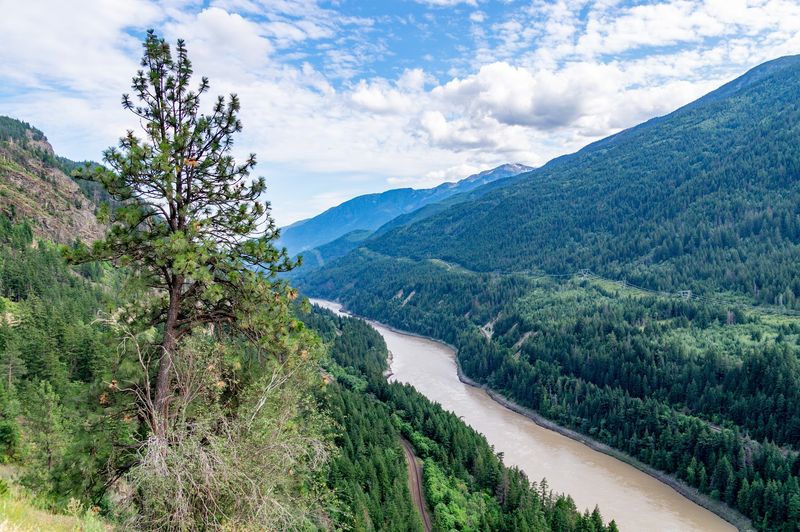
Canada’s Fraser River does not do anything small. It drains roughly a quarter of British Columbia, runs for nearly 900 miles, and hosts one of the most complex salmon migration systems on the continent.
Chinook entering the Fraser can face some of the longest freshwater migrations of any Pacific salmon population, with certain fish traveling hundreds of miles into the province’s interior to reach their spawning grounds. Fisheries and Oceans Canada monitors multiple distinct Fraser Chinook populations, each returning on its own schedule across a season that stretches from spring well into fall.
The river’s lower reaches are broad and industrial-feeling, while the canyon country farther inland is genuinely dramatic, with steep walls dropping straight to the water. Conservation concerns have led to tighter management of some Fraser Chinook stocks in recent years, which makes each returning fish feel like a more significant event than it might have once seemed.
4. Nushagak River, Dillingham Region, Alaska
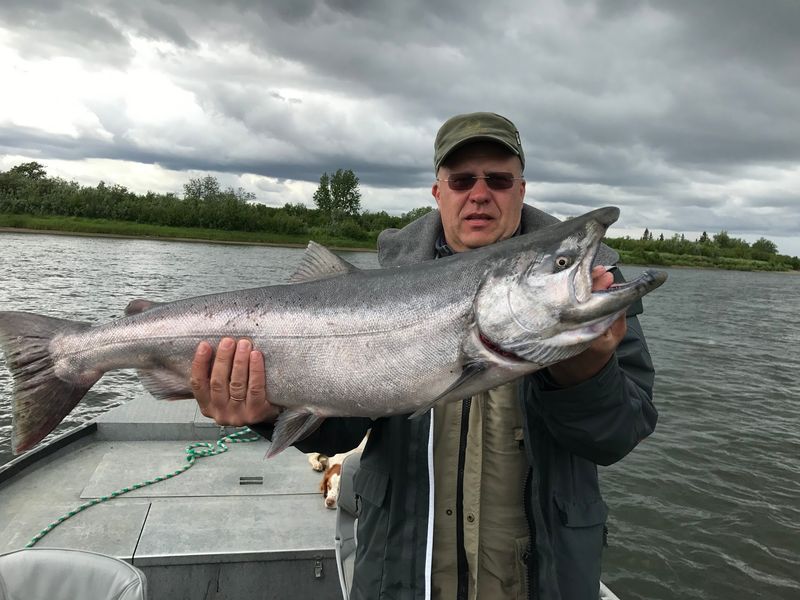
Getting to the Nushagak River is not exactly a quick errand. The river flows through the wild interior of southwest Alaska, far from roads, and reaching it typically requires a small plane. That isolation is a big part of what makes it special.
The Alaska Department of Fish and Game recognizes the Nushagak as one of the state’s major king salmon rivers, with Chinook generally arriving in June and peaking through July. All five Pacific salmon species use this watershed at different points in the season, which is a genuinely rare distinction.
Recent king returns have been uneven enough to trigger conservation restrictions in some years, a reminder that even enormous, remote rivers are not immune to broader pressures on salmon populations. The Nushagak remains a benchmark river for Bristol Bay salmon science, and what happens here matters well beyond the region’s borders.
5. Skeena River, British Columbia, Canada
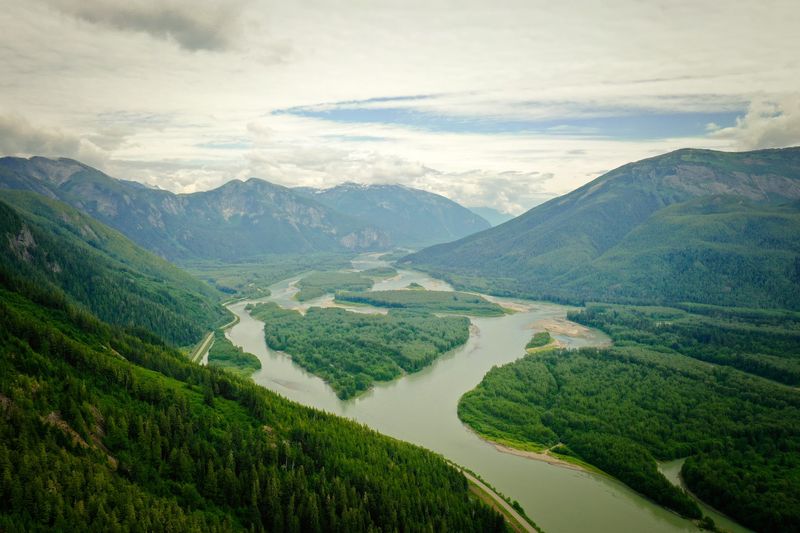
Northern British Columbia does not lack for dramatic scenery, but the Skeena River makes a strong argument for being the most photogenic waterway in the region. Forested mountain slopes rise steeply from the water in many sections, and the river runs wide and powerful through terrain that rarely gets crowded.
Chinook are part of the Skeena’s celebrated salmon runs alongside sockeye, coho, pink, and chum, giving the watershed a full five-species profile that draws anglers from around the world. The river has a strong reputation among fly anglers in particular, who travel specifically for the Skeena’s combination of large fish and accessible holding water.
The watershed covers a vast area of northern BC, and several major tributaries, including the Bulkley and Babine rivers, contribute their own salmon populations to the overall system. Monitoring of Skeena Chinook stocks continues to be a priority for Canadian fisheries managers given the species’ broad importance to the region.
6. Campbell River, Campbell River, British Columbia, Canada
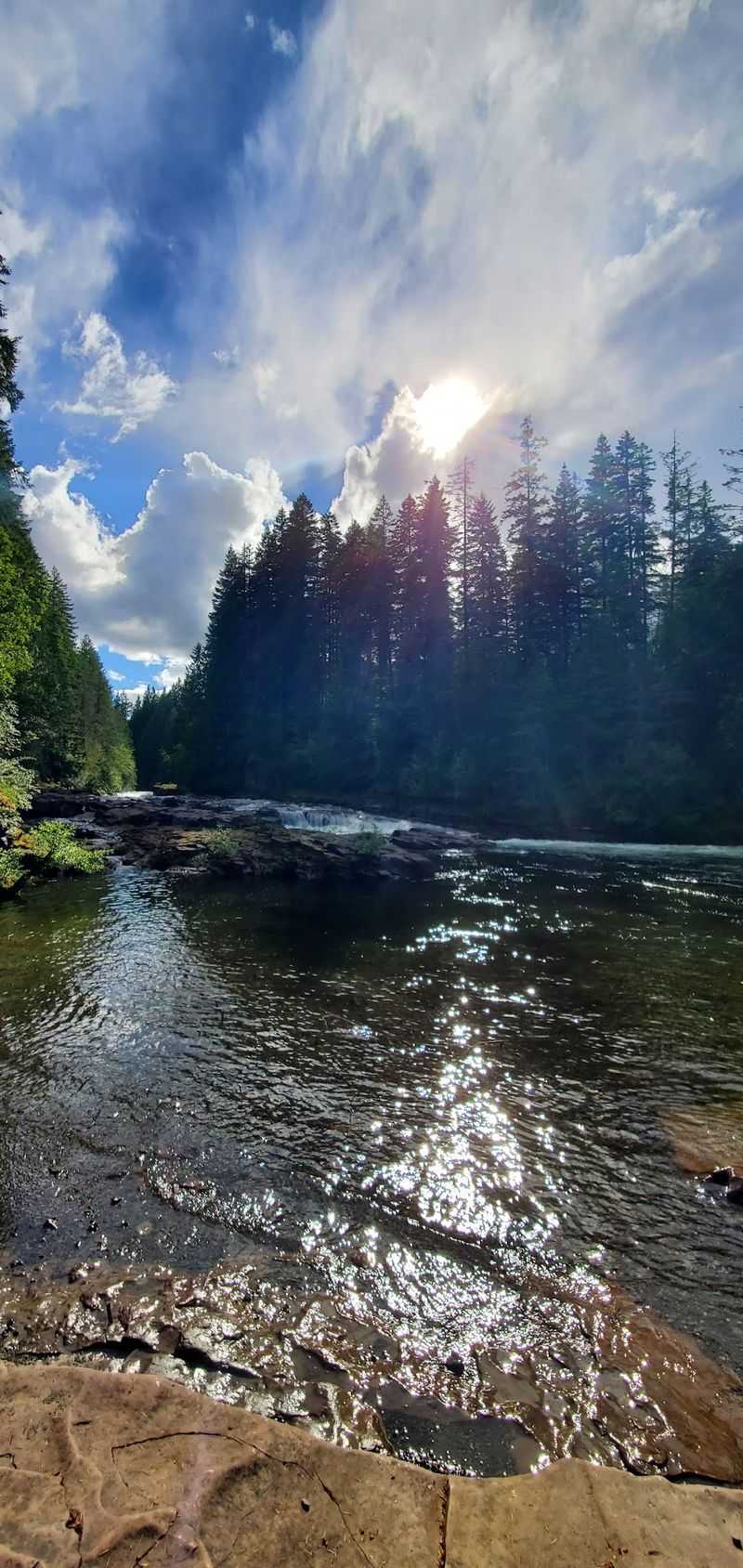
The town of Campbell River did not earn its reputation as the salmon capital of the world by accident. Trophy Chinook fishing has been central to the community’s identity for well over a century, and the local waterways still deliver on that promise each season.
Adult Chinook, coho, chum, pink, and sockeye salmon all return to the rivers and streams in this part of Vancouver Island, giving the area one of the most complete Pacific salmon lineups on the BC coast. The Chinook that enter the Campbell River system can be genuinely large fish, which is a key reason anglers keep coming back year after year.
The setting is classic Pacific Northwest: tall conifers, clear cold water, and a coastline nearby. Salmon watching and fishing opportunities exist at various points along the system, and the local fishing culture is old enough and deep enough that even first-time visitors tend to feel the weight of it.
7. Stamp River, Port Alberni, British Columbia, Canada
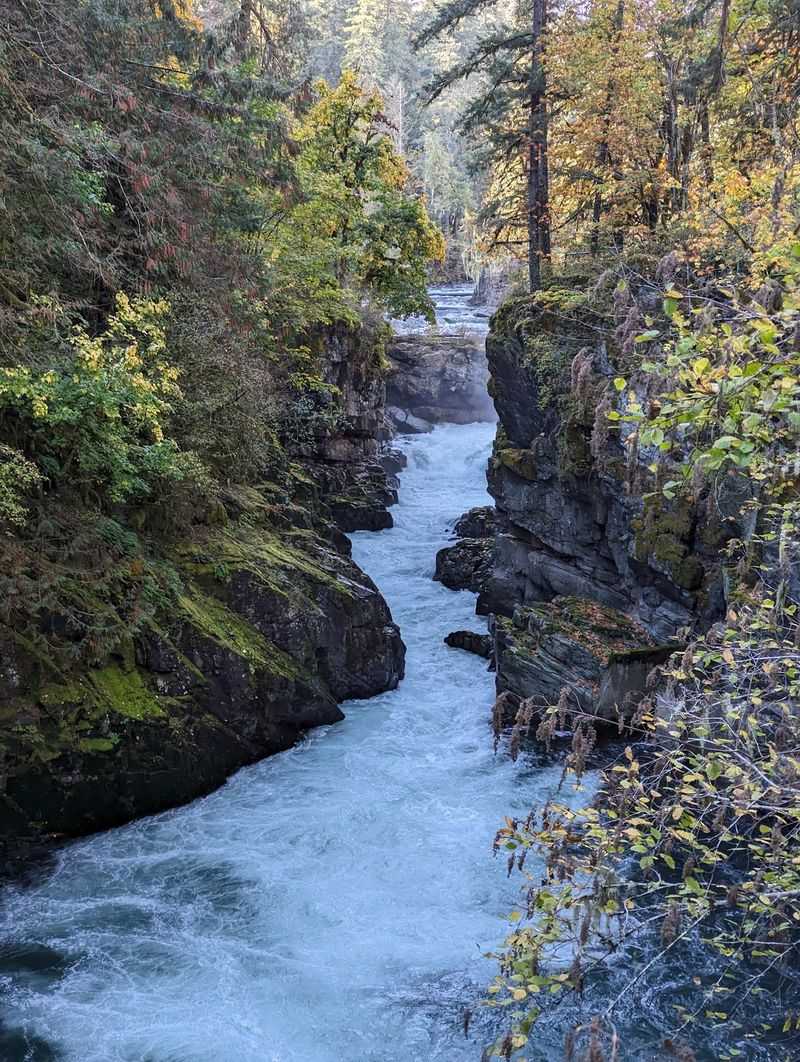
Not every great salmon experience requires a boat, a guide, or a fishing license. At Stamp River Provincial Park near Port Alberni, trails lead directly to viewpoints and fish ladder structures where returning salmon can be watched up close during the autumn migration season.
Chinook and coho are the main species using the Stamp River system, and both are large enough to be genuinely impressive when seen in clear, shallow water. The fish ladder exists to help salmon navigate past natural falls that would otherwise block upstream movement, and watching fish use it is one of the more accessible wildlife spectacles in the province.
The park protects important holding and spawning habitat along the river corridor, keeping the banks in relatively natural condition. Port Alberni itself is a mid-sized Vancouver Island town with services for visitors, making this one of the more logistically straightforward entries on this list while still offering a genuinely wild river experience.
8. Togiak River, Togiak, Alaska
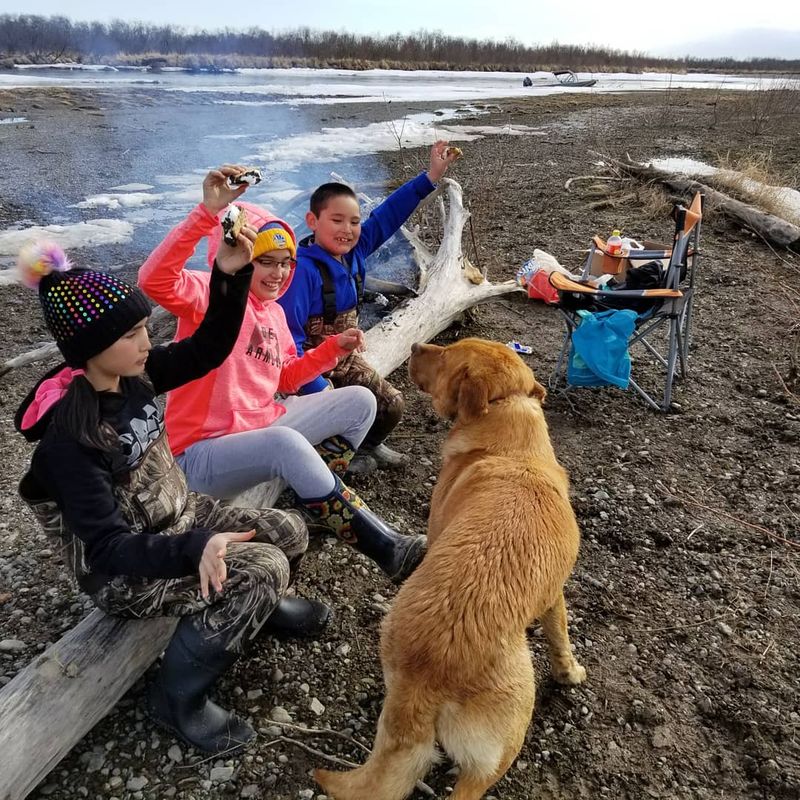
Bears tend to get to the Togiak River before most anglers do, and honestly, they have excellent taste. This remote waterway empties into Bristol Bay in a corner of Alaska where the nearest paved road is a very long way away.
King salmon return to the Togiak each summer, with Alaska fishing reports placing the peak of the Chinook run around mid to late July. The river also sees sockeye, coho, pink, and chum salmon at various points across the season, making it a full-spectrum Pacific salmon destination.
The surrounding tundra landscape is wide, flat, and almost entirely undeveloped. Wildlife sightings are frequent and close, and the river corridor feels genuinely wild in a way that more accessible rivers rarely manage. Visitors who make the effort to reach the Togiak tend to leave with the sense that they have seen something that most people only read about.
9. Klamath River, Klamath, California
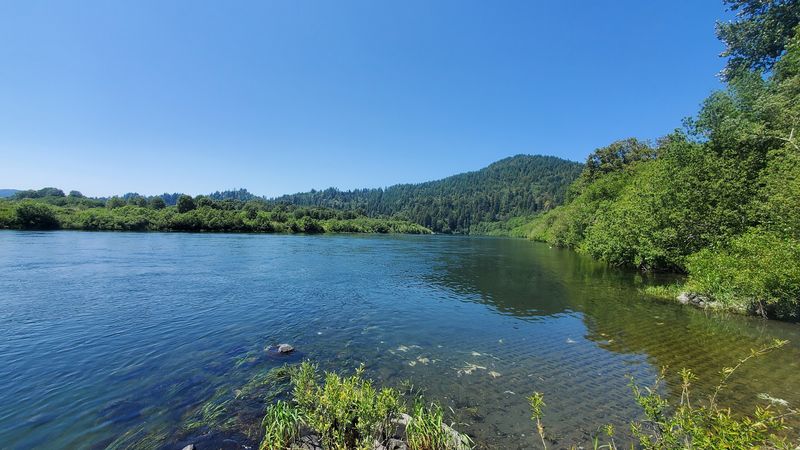
Few river stories in recent American history have generated as much attention as what happened on the Klamath. After decades of debate, four dams were removed from the river in a project completed in 2024, representing the largest dam removal effort in United States history.
The results have been fast and measurable. Chinook salmon were documented moving into habitat above the former Iron Gate Dam site within months of the removal, accessing spawning grounds that had been blocked for more than a century. Scientists and tribal members who had advocated for the removal watched the fish return with considerable emotion and scientific interest.
The Klamath remains a river in active recovery, and not every challenge has been resolved. Water temperature, habitat quality, and overall population health continue to be monitored carefully. Still, the presence of salmon in water that was inaccessible to them within living memory makes the Klamath one of the most genuinely hopeful salmon stories currently unfolding anywhere in North America.
10. Rogue River, Southern Oregon, United States
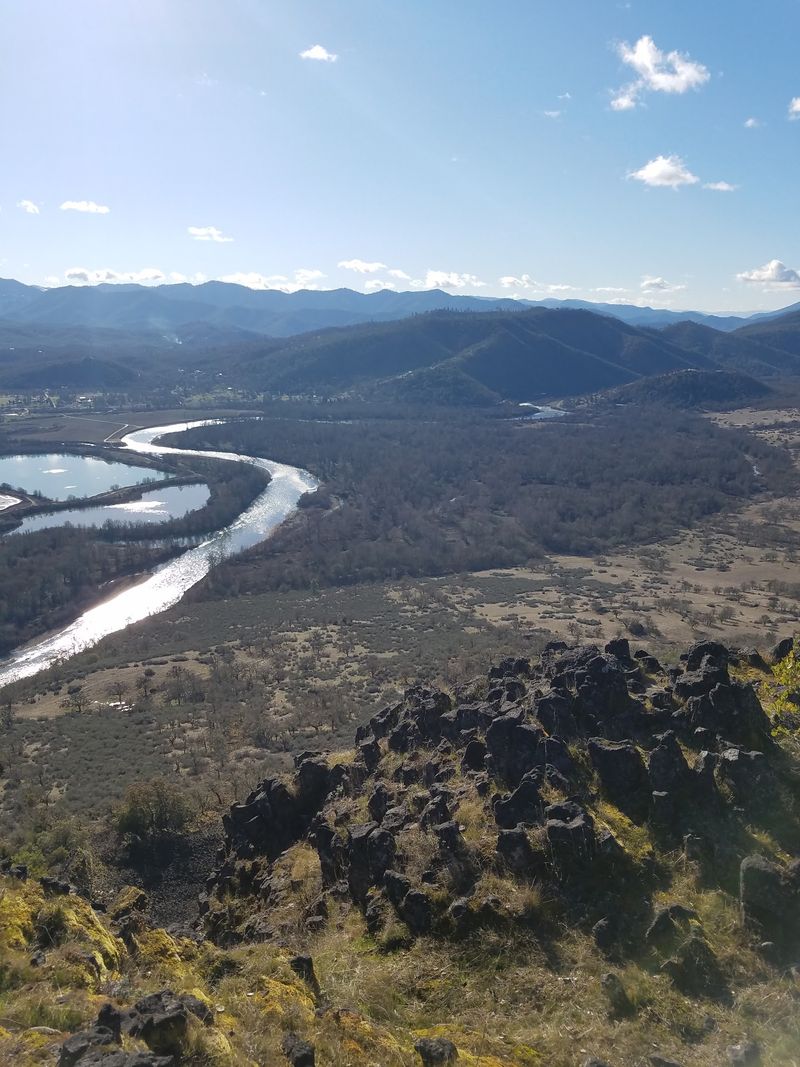
The Rogue River has two things going for it that most salmon rivers cannot claim: a salmon season that runs nearly half the year and some of the best-known whitewater in the Pacific Northwest.
Spring Chinook begin entering the Rogue as early as March, while fall Chinook push through from August into October, giving anglers and wildlife watchers a long window to work with. Both runs have shaped generations of southern Oregon fishing culture, and the river’s reputation among salmon anglers goes back well over a hundred years.
The lower Rogue flows through a federally designated wild and scenic corridor where development is tightly restricted, keeping the canyon country in largely natural condition. Multi-day float trips through this stretch are popular and well-organized, combining salmon fishing with dramatic river scenery and overnight camps on gravel bars. For a river that close to civilization, the Rogue feels remarkably remote once you are on the water.
11. Umpqua River, Southwestern Oregon, United States
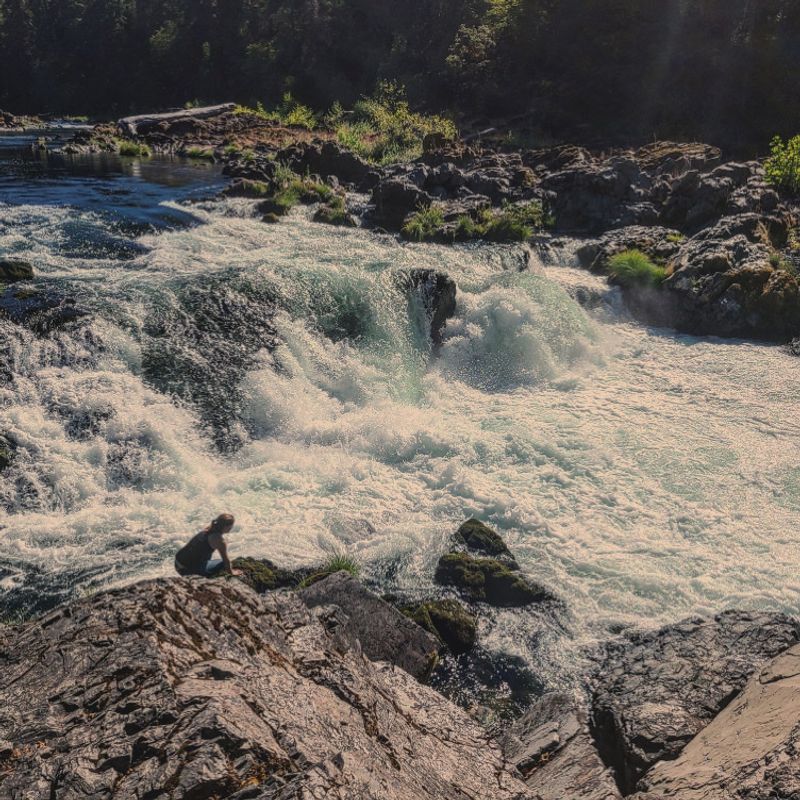
The North Umpqua has a reputation that goes well beyond its size. Oregon environmental officials have described it as a world-renowned salmon fishery, and anglers who have fished its clear, rocky pools tend to agree without much argument.
Spring and fall Chinook both return to the Umpqua watershed, along with coho, steelhead, and other salmonids, giving the system a depth of species diversity that keeps things interesting across a long season. The North Umpqua in particular is known for its gin-clear water and challenging fishing conditions, which attract experienced anglers looking for a technical challenge rather than an easy day.
Forested banks, basalt boulders, and classic Pacific Northwest pool-and-riffle structure define the river’s character through much of its length. The surrounding landscape includes sections of the Umpqua National Forest, keeping development away from much of the river corridor and preserving the old-school fishing-country atmosphere that the Umpqua has always carried.
12. Columbia River, Astoria, Oregon
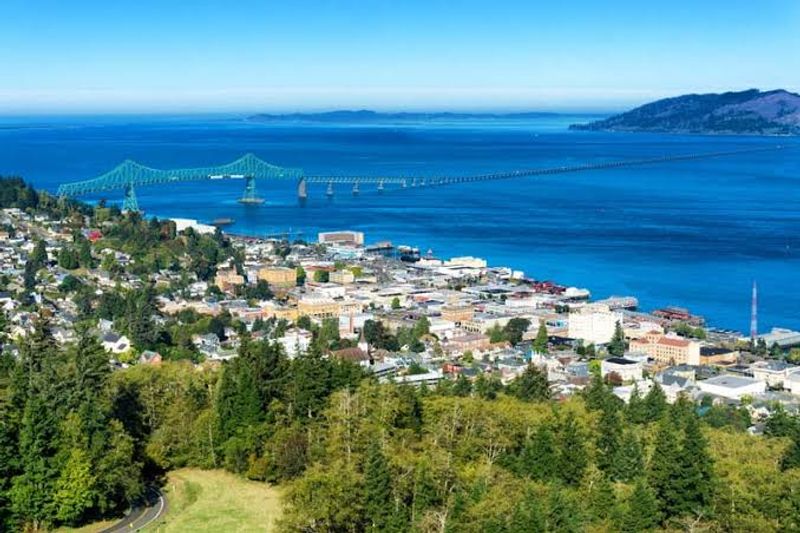
Near Astoria, the Columbia River spreads so wide that the far bank disappears into haze on overcast days. This is the largest river in the Pacific Northwest by volume, and its salmon runs have been central to the region’s ecology and economy for thousands of years.
Summer Chinook are counted at Bonneville Dam, roughly 140 miles upstream, from mid-June through July, and those numbers give fisheries managers a real-time picture of how each year’s migration is progressing. Multiple salmon runs use the Columbia system across different seasons, making the river a year-round subject of monitoring and management attention.
Astoria itself sits at the river’s mouth and offers strong access to the Columbia’s lower reach, with viewpoints, boat launches, and a maritime history tied directly to salmon. The river has faced serious challenges over the past century, including dam construction and habitat loss, but active restoration and careful management continue to support returning fish across the system.
13. River Tay, Perthshire, Scotland
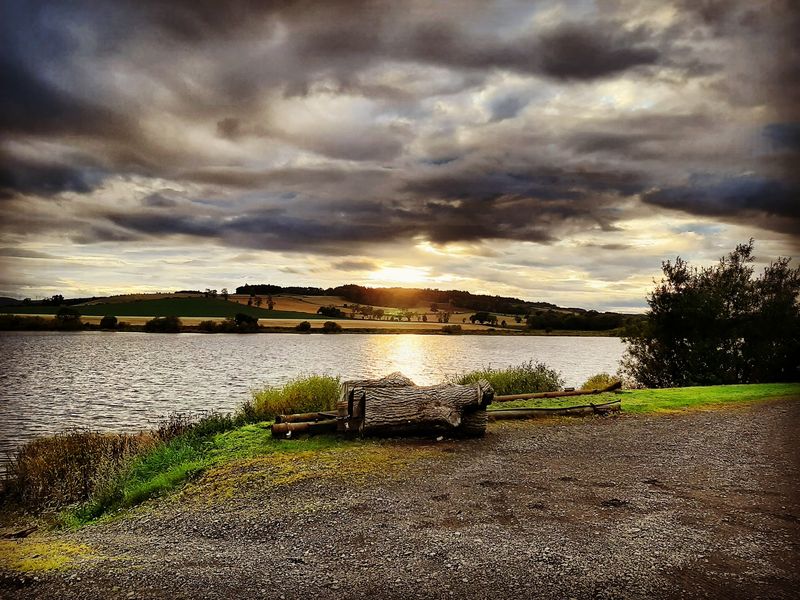
Scotland’s longest river by flow has been a salmon destination since long before anyone thought to write about it. The Tay runs through Perthshire in a landscape of green hills, stone bridges, and historic estates that look almost unchanged from old paintings of the same scenes.
Atlantic salmon return from the sea and work their way into the Tay system each season, where salmon fishing has been woven into local life for generations. The river opens for fishing in January, one of the earliest season openings in Scotland, and the spring Tay Chinook, known locally as springer salmon, are considered among the finest freshwater fish in Europe.
Scotland’s wild Atlantic salmon populations are under serious pressure from a range of environmental factors, which has led to increased catch-and-release practice on many beats. That conservation shift means today’s returning fish carry a weight of significance that goes beyond sport, making each one a small measure of how the river is doing.
14. River Tweed, Scottish Borders, Scotland
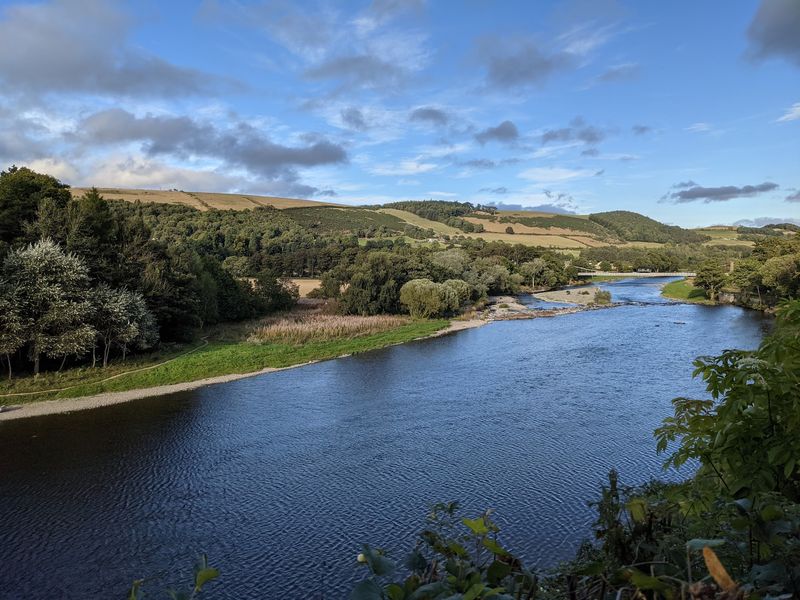
Britain’s most famous salmon river does not rely on wilderness to make its case. The Tweed flows through a landscape of farmland, stone villages, and broad pastoral valleys in the Scottish Borders, and it has been producing Atlantic salmon returns for as long as records have been kept.
The season runs from February through November, one of the longest on any British river, and covers spring salmon, summer grilse, and a strong autumn run that many anglers consider the year’s highlight. Different beats along the Tweed have their own character and fishing traditions, and access is managed carefully to balance angling pressure with conservation needs.
The river’s lower reaches near Berwick-upon-Tweed widen into a broad estuary before meeting the North Sea, while the upper watershed reaches toward the Southern Uplands. Watching salmon in the Tweed’s clear pools on a calm autumn day, with the Scottish Borders countryside stretching in every direction, is one of those experiences that tends to stay with people for a long time.
Share this story