Oklahoma has a way of hiding its best surprises along the roads most travelers skip. Out on the open plains of the western part of the state, a remarkable outdoor collection sits quietly spinning in the wind, waiting to be discovered by anyone curious enough to slow down.
Dozens of towering, fully restored windmills stretch across a park-like setting, their blades catching every gust with a satisfying whir that feels almost musical. Once you stumble onto this place, leaving quickly becomes surprisingly difficult.
Location and Identity of the Museum
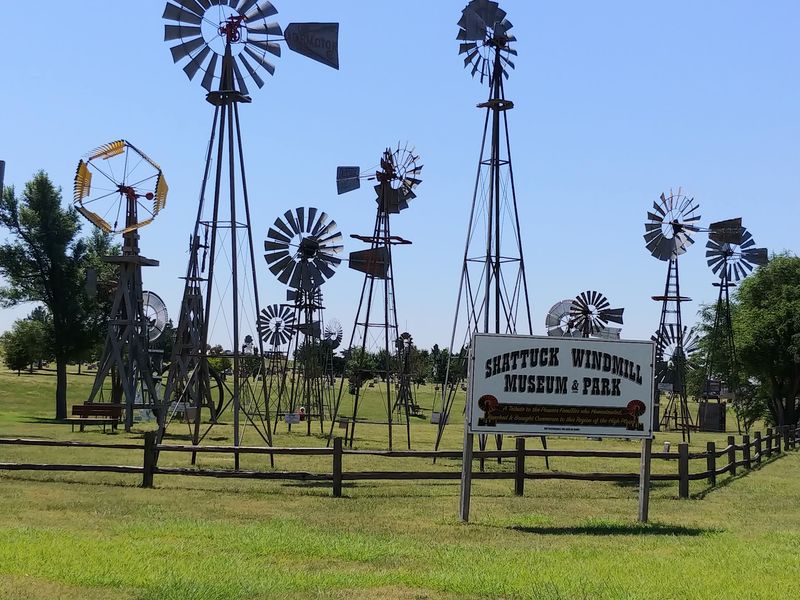
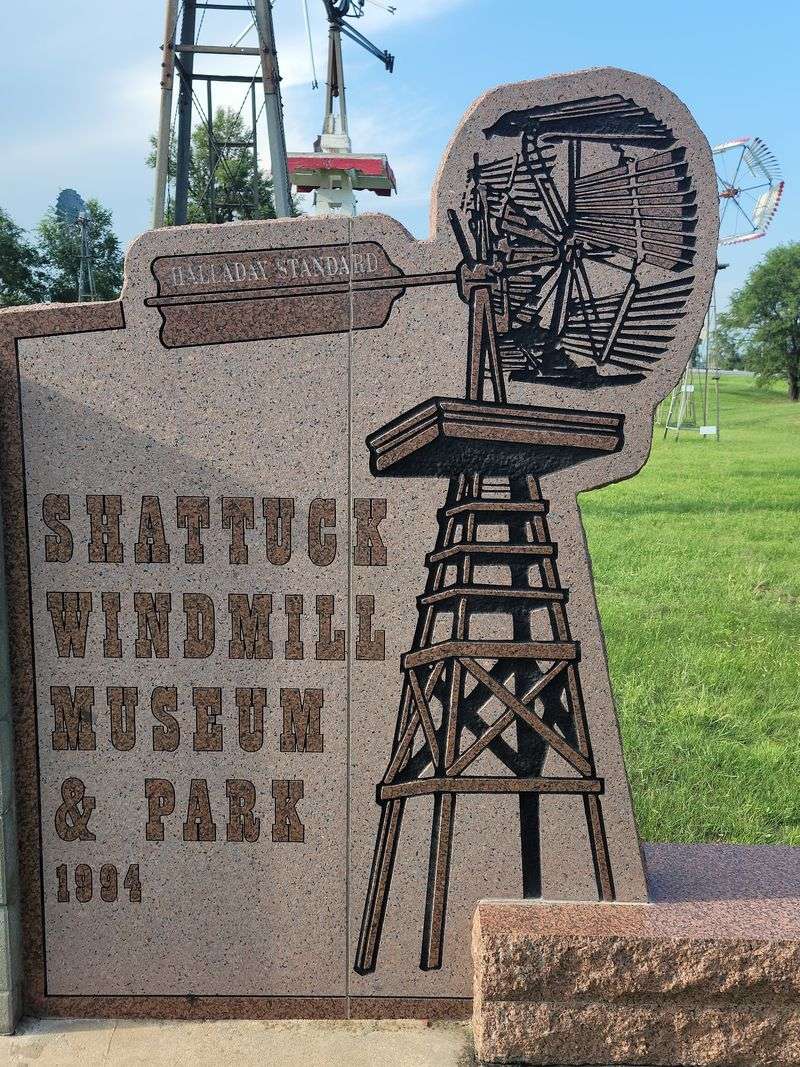
Planted firmly on South Main Street in Shattuck, Oklahoma, the Shattuck Windmill Museum is the kind of roadside attraction that practically leaps out in front of your car and demands attention. The town of Shattuck sits in Ellis County in the far western reaches of the state, surrounded by wide open prairie and the kind of sky that makes everything feel a little more dramatic.
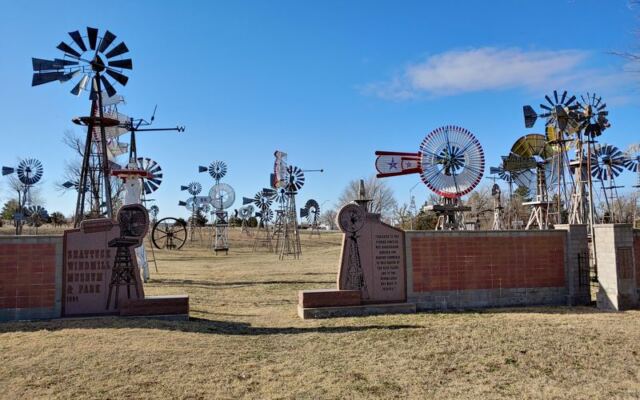
The museum occupies a generous park-like plot where row after row of restored windmills stand at full height, their blades turning freely in the steady plains breeze. From the road, the visual effect is genuinely striking.
Travelers passing through on nearby highways frequently report pulling over on impulse, unable to resist the sight of so many spinning structures gathered in one place.
Unlike a traditional indoor museum, the experience here is almost entirely outdoors, giving the whole visit an open, airy quality that feels more like a walk through living history than a formal exhibit. The grounds are well-maintained and easy to navigate on foot, making it accessible for visitors of nearly every age and ability level.
The Story Behind the Collection
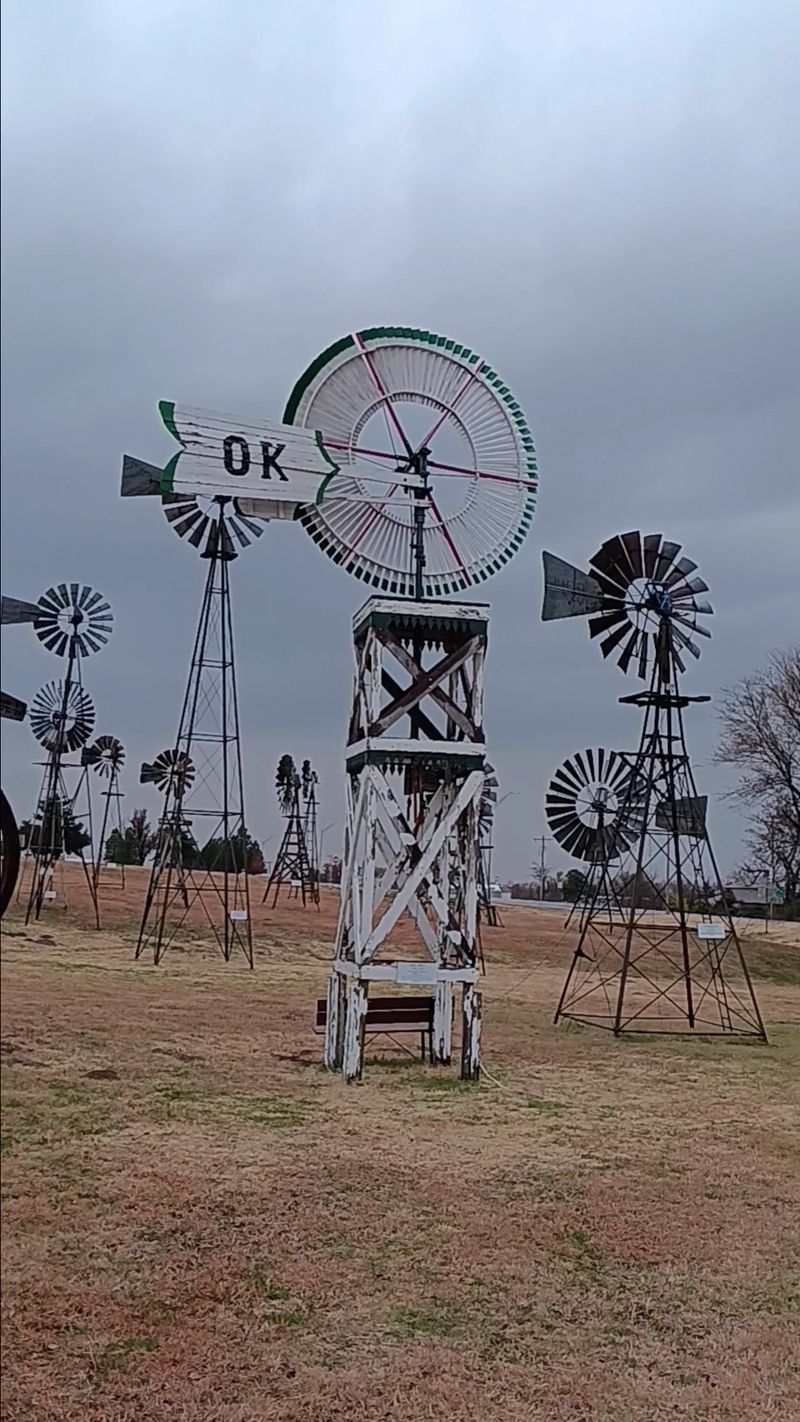
Windmills were not decoration on the American frontier. For settlers pushing into the dry, unforgiving plains of western Oklahoma, a working windmill meant the difference between staying and leaving.
These machines pumped water from deep underground, keeping livestock alive and homesteads functional across a landscape where rainfall was never guaranteed.
The collection at Shattuck honors that legacy directly. Volunteers and curators have spent years tracking down, restoring, and installing windmills sourced from across the United States, each one representing a chapter in the broader story of how the American West was settled and sustained.
Visitors often remark that the sheer variety of designs on display reflects just how inventive early manufacturers and farmers were when solving the problem of water access on open land.
Staff members at the museum are notably passionate about sharing this context. More than one visitor has mentioned being surprised by how much history a windmill can carry when someone takes the time to explain it properly.
The museum frames these machines not just as agricultural tools but as symbols of resilience, ingenuity, and the stubborn determination that defined pioneer life across the southern plains.
Scale and Variety of the Windmill Display
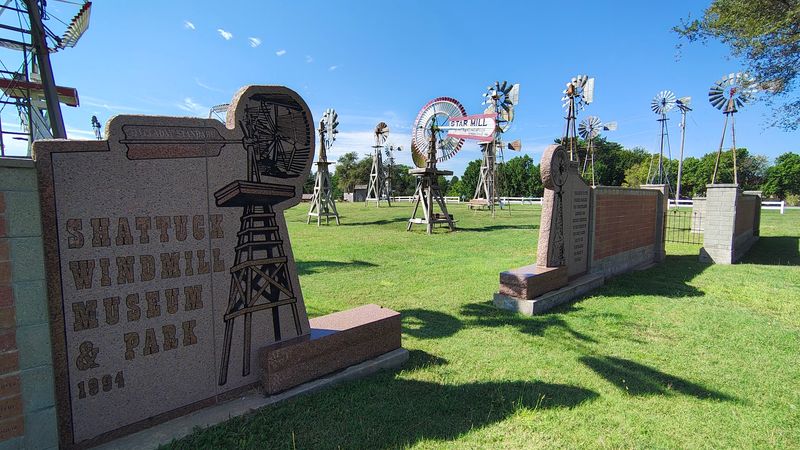
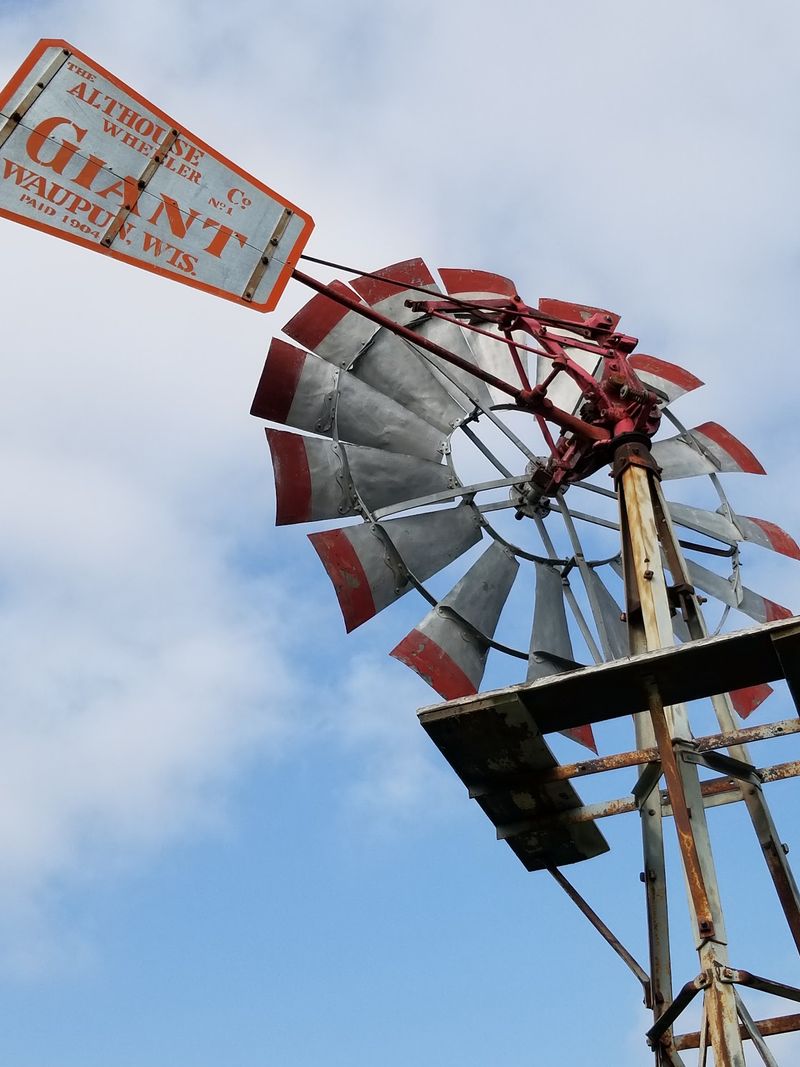
Fifty to sixty fully functional windmills standing together in one place is not something most people have ever seen, and the sheer scale of the display at Shattuck is one of its most immediately impressive qualities. The collection spans a wide range of designs, from classic multi-blade farm windmills to less common models that reflect regional manufacturing traditions from different parts of the country.
Each windmill has been carefully restored to working condition, meaning they actually spin when the wind picks up, which it tends to do reliably on the Oklahoma plains. Watching dozens of them turning simultaneously creates a kind of hypnotic, mechanical ballet that visitors consistently describe as unexpectedly beautiful.
The sound alone, a soft layered chorus of creaking metal and spinning gears, adds an atmospheric quality that photographs simply cannot capture.
Beyond the outdoor rows, a large shed on the property houses additional water pumps and windmill components, giving visitors an up-close look at the mechanical details that made these machines work. The indoor portion complements the outdoor display nicely, offering shade and a quieter space to examine the hardware more carefully.
Together, the indoor and outdoor sections make for a surprisingly thorough exploration of windmill design and function.
The Restored Buildings on the Grounds
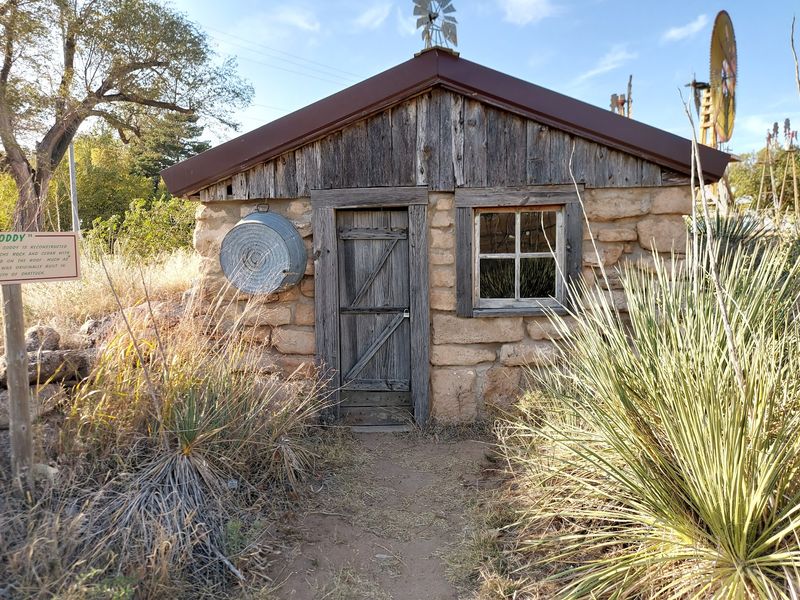
Windmills are the headliner here, but they share the stage with a handful of restored historic structures that add real depth to the visit. A small farmhouse and a soddy house, the kind of earth-built dwelling that prairie settlers constructed when timber was scarce, sit on the grounds and offer a glimpse into daily life on the frontier that goes well beyond agricultural machinery.
The buildings are typically kept locked to protect the artifacts inside from theft, a precaution that became necessary after previous incidents. However, visitors who stop by the museum office and ask politely have occasionally been rewarded with a personal guided tour from one of the knowledgeable staff members on site.
One visitor described being taken through the restored dugout on a sweltering day by a staff member who emerged from the office with a ring of keys and a wealth of stories, turning a simple stop into a memorable history lesson.
That kind of spontaneous, personal connection with the museum’s collection is part of what makes Shattuck feel different from more formal institutions. The human element here is genuine and unhurried, and the buildings themselves, humble as they are, carry the weight of real lives lived on the frontier with remarkable authenticity.
Radio Broadcast Feature at 90.3 FM

One of the more creative features of the Shattuck Windmill Museum is a dedicated radio broadcast that visitors can tune into while walking or driving through the grounds. Dial your radio to 90.3 FM and a recorded audio program begins, delivering a history of windmills, the museum’s origins, and details about specific exhibits in a format that works whether you are strolling the field or sitting in your vehicle.
The broadcast runs for roughly five minutes and covers more ground than you might expect in that short window. Several visitors have called it genuinely informative, noting that it filled in context they would have otherwise missed by simply looking at the machines without explanation.
For solo travelers or families with kids in the car, the radio feature adds an interactive layer to the visit without requiring a phone app or a screen of any kind.
There is something pleasingly old-fashioned about the approach, a low-power FM broadcast serving as the museum’s audio guide on the open Oklahoma plains. It fits the spirit of the place perfectly.
The technology is simple, the content is solid, and the experience of listening while surrounded by spinning windmills has a charm that feels genuinely unique to this particular stop on the road.
The Volunteers and Staff Who Bring It to Life
Ask almost anyone who has visited Shattuck Windmill Museum what stood out most, and a surprising number of them will mention the people before they mention the windmills. The volunteers and staff who keep this place running are genuinely passionate, and that enthusiasm is contagious in the best possible way.
Visitors have described encounters where staff members walked out into brutal summer heat to personally unlock exhibits, shared detailed histories of individual windmills from memory, and spent generous chunks of their own time making sure guests left with a real understanding of what they had seen. One visitor recalled a curator named Doug who provided a full personal tour and shared memories tied to specific pieces in the collection, turning a casual stop into a two-hour conversation.
That level of care is not something you can manufacture or script. It comes from people who genuinely believe in what they are preserving and want others to feel the same connection to it.
The museum runs largely on donations and volunteer effort, which makes the quality of the experience all the more impressive. Stopping by and leaving a donation is a small gesture that directly supports the people keeping this one-of-a-kind collection alive and turning.
Gift Shop and Visitor Amenities
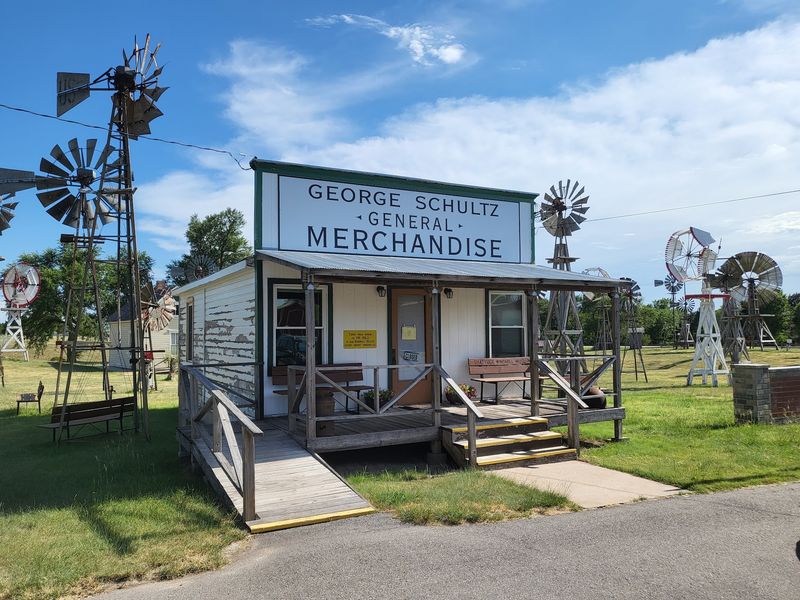
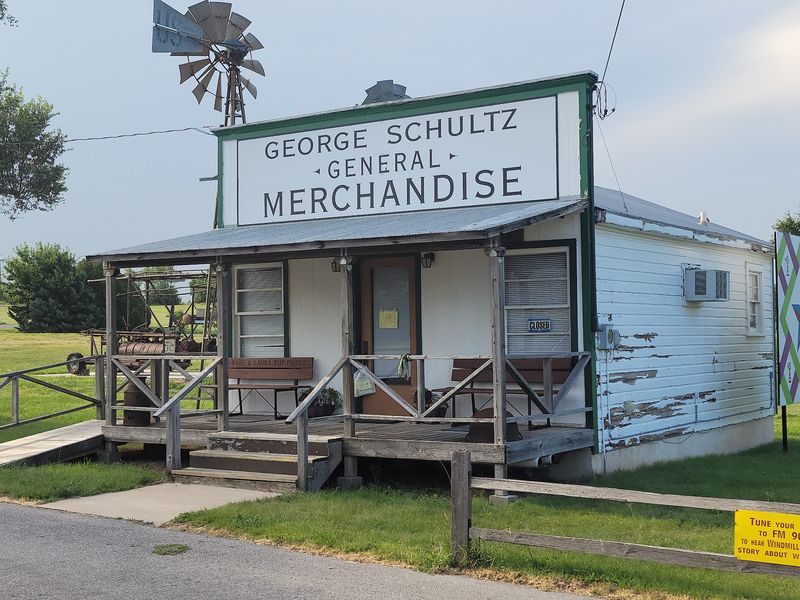
Practical comforts matter on a road trip, and Shattuck Windmill Museum covers the basics well. A gift shop on the property offers souvenirs for visitors who want a tangible reminder of the stop, including items like t-shirts and smaller keepsakes tied to the museum’s windmill theme.
Restroom facilities are available through the gift shop building, which is a welcome detail when you are traveling through a part of Oklahoma where the next town can be a good stretch down the road.
Benches and picnic tables are scattered around the grounds, inviting visitors to slow down and sit for a while rather than rushing through. The relaxed, park-like atmosphere makes this an easy place to spend more time than you originally planned, especially on a breezy day when the windmills are really moving.
Families traveling with children tend to appreciate having a space where kids can wander safely while adults take in the exhibits at their own pace.
A guest book near the entrance encourages visitors to note where they are traveling from, which gives the museum a quietly global feel. Entries from across the country and beyond suggest that word of this place travels far beyond the western Oklahoma plains, drawing curious road-trippers from well outside the immediate region.
Atmosphere and Setting on the Plains
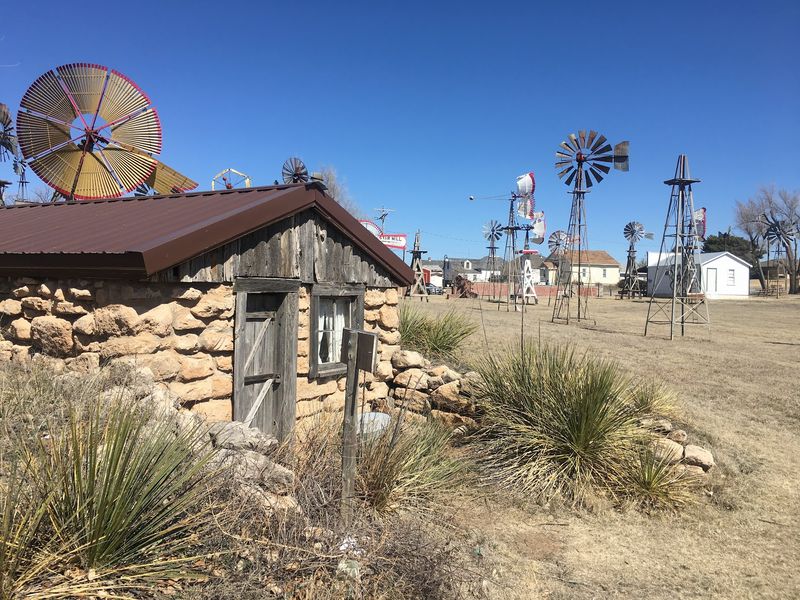
Western Oklahoma has its own kind of beauty, and the Shattuck Windmill Museum sits squarely inside it. The flat, open landscape that surrounds the museum gives the windmills room to breathe and the sky room to perform, and on most days the combination of the two produces a setting that feels genuinely cinematic without trying to be.
Wind is a constant companion on the southern plains, which means the windmills are almost always in motion. The layered sound of dozens of spinning mechanisms working together has been described by visitors as almost meditative, a gentle mechanical hum that fills the air and makes the whole experience feel unhurried and strangely peaceful.
Even visitors who arrived skeptical about spending time at a windmill museum have left describing the atmosphere as unexpectedly moving.
At night, the museum takes on a different character entirely. At least one visitor noted stopping during a rainy evening and finding the silhouetted towers striking enough to photograph extensively, with plans to return in daylight.
The grounds are open around the clock, which means the atmosphere shifts with the light and weather in ways that reward repeat visits or spontaneous late-evening detours from the highway.
Who Should Make the Trip
Road-trippers who deliberately avoid the interstate in favor of back roads and unexpected discoveries will find Shattuck Windmill Museum sitting squarely in their wheelhouse. The museum rewards the kind of traveler who finds joy in pulling off at something unusual and spending an hour somewhere they never planned to be.
History enthusiasts will appreciate the depth of the collection and the context provided by knowledgeable staff. Fans of Americana, agricultural heritage, and the story of the American frontier will find plenty to engage with across both the windmill displays and the restored pioneer structures on the grounds.
The museum is also a natural fit for families, offering enough visual spectacle and open space to keep younger visitors interested while adults explore at a more leisurely pace.
Photographers, both casual and serious, consistently find material worth shooting here. The combination of weathered metal, geometric shapes, open sky, and constant motion gives the grounds a visual richness that holds up across different lighting conditions and times of day.
Travelers heading toward or returning from the Washita Battlefield National Historic Site to the south might consider pairing both stops for a fuller picture of the region’s layered and fascinating past.
Hours, Admission, and Getting There
Getting to the Shattuck Windmill Museum requires a deliberate detour, but the drive through western Oklahoma’s open countryside is part of the appeal. From Interstate 40, head north on Highway 283 and continue toward Shattuck in Ellis County.
The museum sits along South Main Street, and the rows of windmills are visible from the road, making it nearly impossible to miss once you are in the right area.
One of the most visitor-friendly aspects of the museum is its hours. The outdoor grounds are open 24 hours a day, seven days a week, meaning there is no wrong time to stop by.
Whether you arrive at midday, at dusk, or even late at night, the windmills will be there. The gift shop and museum office operate during more limited hours, so plan accordingly if you want to pick up a souvenir or hope to connect with staff for a guided experience.
Admission to the grounds is free, supported entirely by voluntary donations. Visitors are strongly encouraged to leave a contribution to help sustain the collection and the volunteers who maintain it.
Closed-toe shoes are a practical recommendation for walking the grounds, as the surrounding prairie vegetation can be prickly underfoot. The museum’s phone number is 1-580-938-5291, and additional information is available at shattuckok.com.
Share this story