Some places simply refuse to grow up, and that is exactly what makes them worth visiting. Scattered across the globe, certain towns and villages have kept their original layouts almost perfectly intact for five centuries or more. Walls, cliffs, mountains, and strict preservation laws have acted as natural brakes on development, leaving medieval lanes, ancient courtyard homes, and centuries-old stone buildings right where they always were. What you get is a living snapshot of how people actually built and organized their communities hundreds of years ago.
From a Chinese city still following its imperial street grid to a tiny Japanese hamlet buried under seasonal snow, these fifteen settlements prove that sometimes the best kind of progress is no progress at all. Each one is still active, still visited, and still remarkably true to its original form.
1. Pingyao Ancient City, Pingyao, Shanxi, China
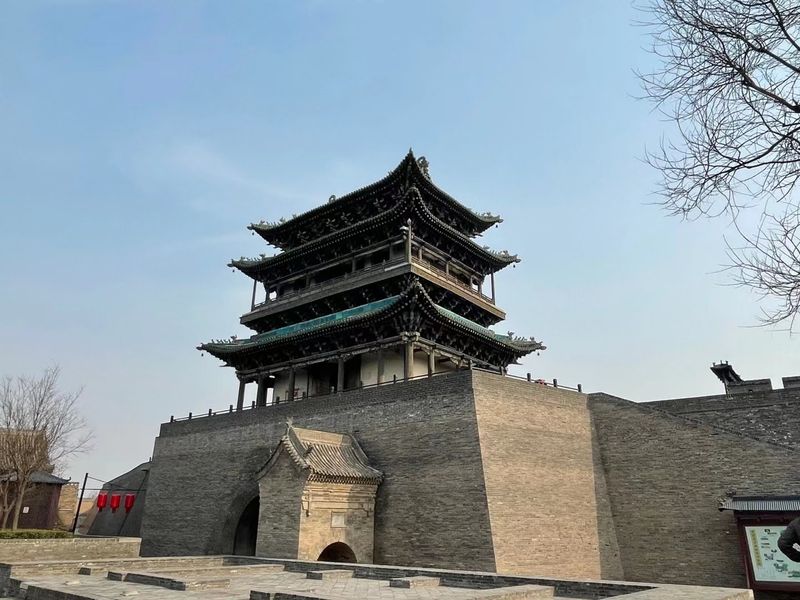
China has plenty of ancient cities, but Pingyao is the only one where the entire Ming and Qing urban plan has survived almost completely intact inside its original walls. Built during the reign of the Hongwu Emperor in 1370, the six-kilometer perimeter wall still defines every inch of the settlement’s footprint.
Inside, roughly 4,000 buildings from the Ming and Qing dynasties remain standing, many still used as homes, guesthouses, or shops. The street layout follows a traditional ba gua pattern, with four main avenues, eight major streets, and seventy-two narrower lanes radiating outward in a grid that has not changed in centuries.
Pingyao also holds the distinction of being China’s first banking capital, a fact that explains why so many of its preserved buildings were once financial institutions. UNESCO recognized it as a World Heritage Site in 1997.
2. Mdina, Mdina, Malta
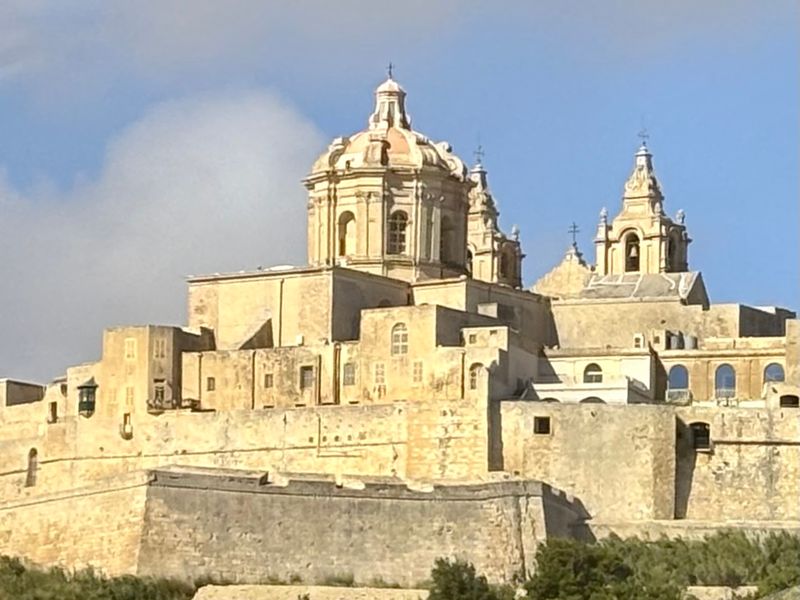
Long before Valletta existed, Mdina was running the show as Malta’s capital, and its ancient street grid still reflects the Arab period that shaped it around 1048. The labyrinthine lanes were laid out by Muslim settlers and have barely shifted since, winding between limestone palaces, convents, and chapels in a pattern that makes first-time visitors feel pleasantly lost.
The city’s formidable fortifications, largely built by the Order of Saint John between the 16th and 18th centuries, kept the urban area deliberately compact. Those walls are still largely intact and represent some of Malta’s finest preserved military architecture.
Nicknamed the Silent City, Mdina draws around 750,000 visitors each year, yet its car-free interior somehow manages to stay remarkably quiet. Malta has included it on its tentative UNESCO World Heritage list since 1998, recognizing its rare architectural continuity.
3. Civita di Bagnoregio, Bagnoregio, Lazio, Italy
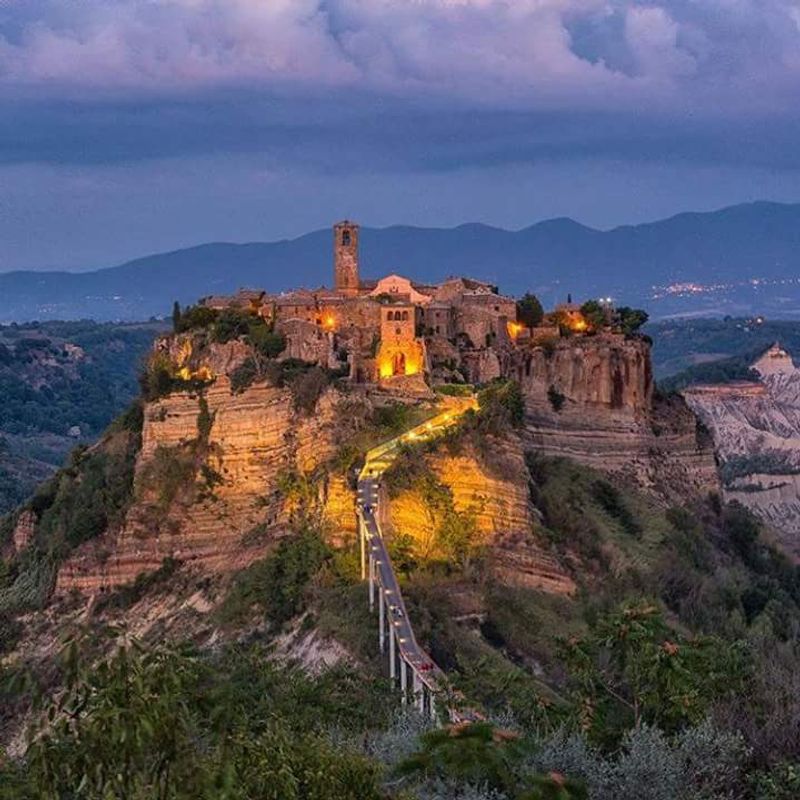
Perched on a crumbling volcanic plateau above the valleys of Lazio, Civita di Bagnoregio has a nickname that sounds dramatic but is entirely accurate: the dying city. The plateau erodes constantly, and a 1695 earthquake triggered a landslide that pushed most residents out by the end of the 17th century.
Today, between 11 and 16 permanent residents call it home, making it one of the least populated inhabited settlements in Italy. The only way in is a single reinforced concrete pedestrian bridge built in 1965, which also happens to be the most effective barrier against outward expansion imaginable.
A Geological and Landslide Museum within the village documents the ongoing struggle to keep the plateau from disappearing entirely. Conservation efforts are active, with a comprehensive restoration and cliff-stabilization plan currently underway to protect its 2,500-year-old Etruscan foundations.
4. Monsanto, Idanha-a-Nova, Castelo Branco, Portugal
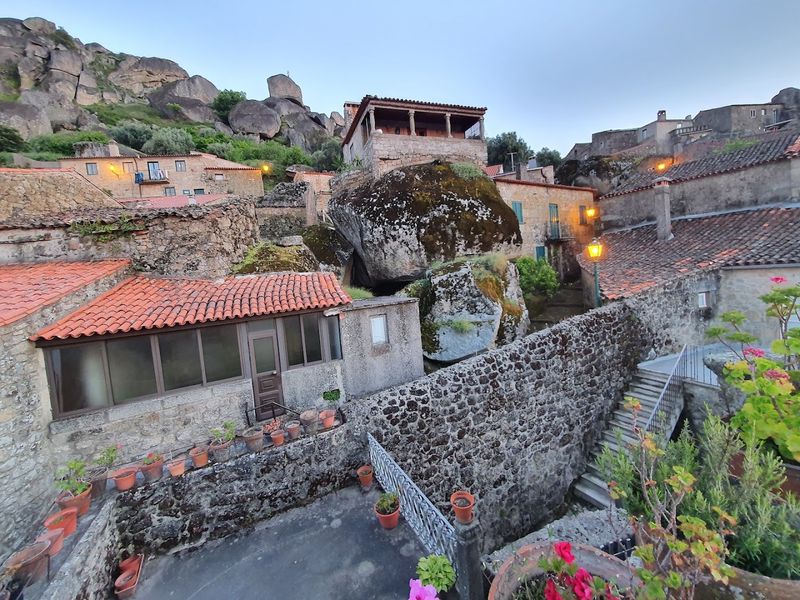
No architect designed Monsanto so much as the mountain did. The village is built directly into, around, and sometimes underneath colossal granite boulders, with some formations serving as actual walls, floors, and roofs for the homes wedged between them.
This unique arrangement has been in place since at least the 12th century, when the Knights Templar reinforced the hilltop fortifications. In 1938, the village was officially declared the most Portuguese village in Portugal, a title that helped trigger deliberate preservation efforts and kept modernization firmly at bay.
Around 800 people still live here, navigating cobbled lanes so narrow and irregular that donkeys remain a practical mode of transport. Visitors who climb to the ruined castle above get a view that makes the settlement look less like a village and more like something the mountain simply grew on its own.
5. Albarracín, Teruel, Aragon, Spain
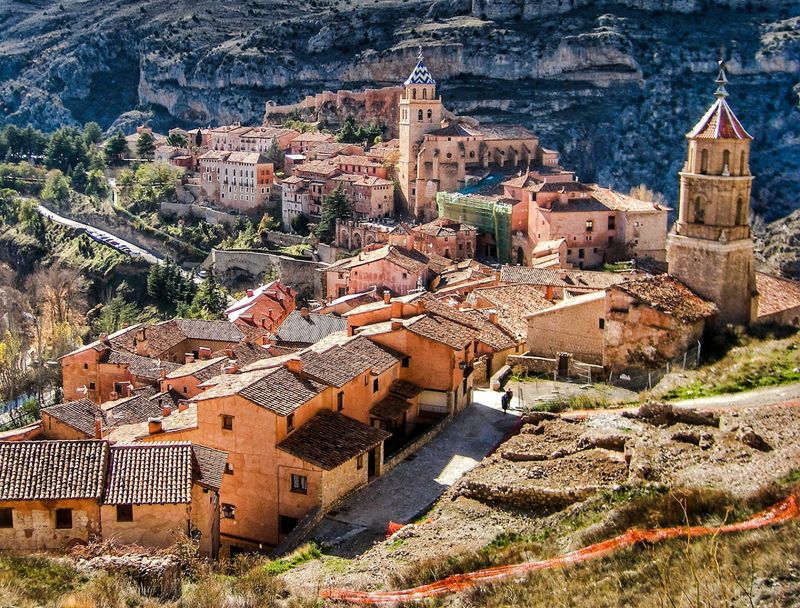
Albarracín’s reddish walls are not a design choice but a geological one: local orange and red clay mixed into the plaster gives the entire historic center its signature warm tone. The town has worn that color for centuries, arranged in a tight curve around a limestone crag above the Guadalaviar River.
After transitioning peacefully to Christian rule in the 12th century, the town gained political importance without gaining much physical space. Cliffs, hills, and a long line of medieval defensive walls did the job of keeping everything neatly contained, while steep terrain forced builders to cantilever upper floors outward over lower ones just to find room.
The result is a network of winding canyon-like passages where opposing rooftops nearly touch overhead. The entire historic ensemble carries official Cultural Interest Site status, and its medieval street plan remains essentially unchanged from the period of Aragonese rule.
6. Hallstatt, Upper Austria, Austria
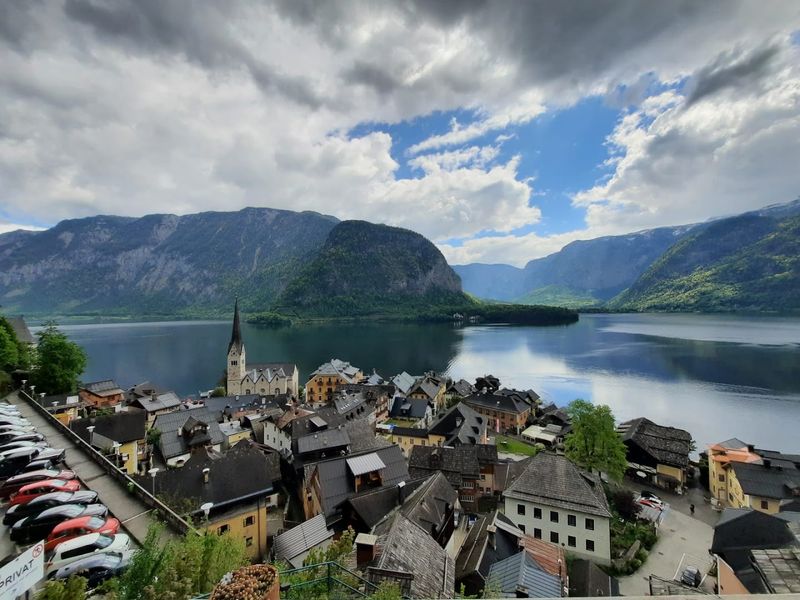
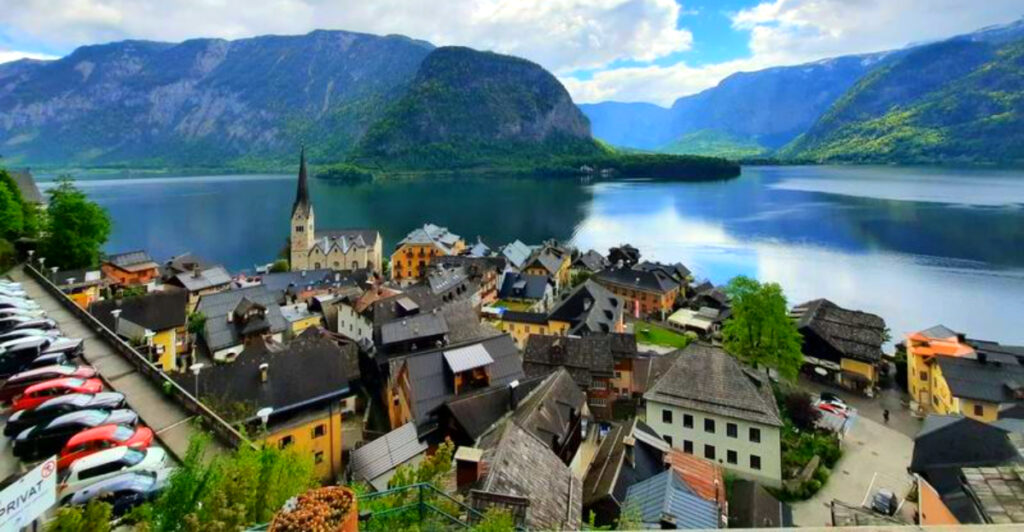
Seven thousand years of continuous human settlement is a long time to stay in one spot, but when your village is sandwiched between a deep alpine lake and near-vertical mountain slopes, moving outward was never really an option. Hallstatt’s historic houses cling to the narrow strip of usable land in a vertical stack that has defined its appearance since at least the 16th century.
Salt mining drove the town’s early prosperity, and the wealth generated paid for the characteristic wooden and stone buildings that still line its lakeside lanes today. The surrounding cultural landscape carries strict protection, ensuring that no new development creeps into the mountainside behind the old village.
UNESCO inscribed Hallstatt as a World Heritage Site in 1997. One of its more unusual details is a chapel ossuary containing artistically painted skulls, a tradition born entirely from the practical problem of having almost no flat ground available for traditional burials.
7. Ogimachi, Shirakawa, Gifu Prefecture, Japan
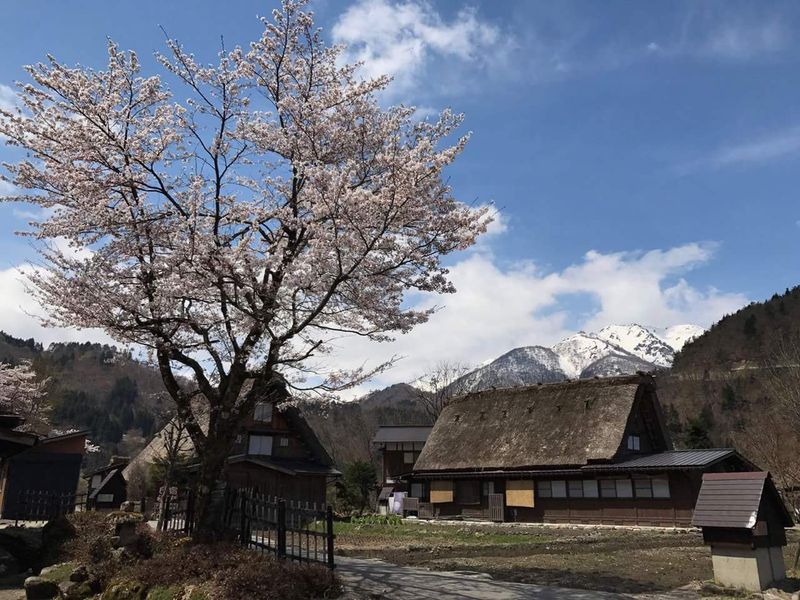
The term gassho-zukuri translates to praying hands, which perfectly describes the steep triangular rooflines that define every farmhouse in Ogimachi. Those dramatic pitches were engineered to handle the Hida region’s crushing annual snowfall, not for aesthetic effect, and they have not changed since the mid-Edo period when the style was developed.
Ogimachi sits on a crescent-shaped river terrace in a long, narrow valley ringed by the Japanese Alps, a geography that isolated the community for centuries and kept its building traditions remarkably consistent. Over 100 families still live in these thatched structures, making it a functioning village rather than an open-air museum.
The settlement was recognized as a UNESCO World Heritage Site in 1995 and as a Preservation District for Traditional Buildings in 1976. Residents launched their own preservation charter in 1971, covering not just the houses but also the fields, canals, roads, and surrounding forests.
8. Ainokura, Nanto, Toyama Prefecture, Japan
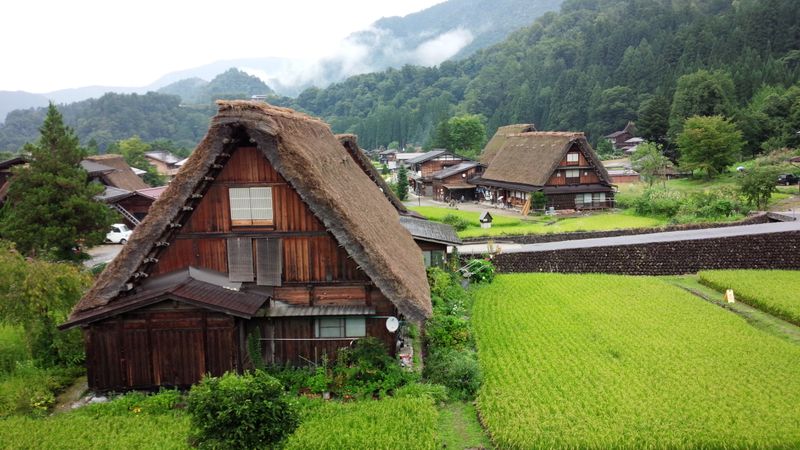
Hidden in the Gokayama valley of Toyama Prefecture, Ainokura remained so thoroughly cut off from the outside world that modern roads did not reach it until the 1950s. That isolation turned out to be the most effective preservation tool any village could ask for.
Nearly twenty gassho-zukuri farmhouses are gathered here, the oldest believed to date from the 17th century, most from the late Edo period. Many remain private residences, keeping the village firmly in the category of living history rather than tourist reconstruction. The steep thatched roofs, built without nails for easier dismantling and relocation, are an ancestral engineering solution that still functions exactly as intended under heavy mountain snow.
Ainokura shares its UNESCO World Heritage designation with Ogimachi and Suganuma, inscribed in 1995. The village is also known for its washi paper-making tradition, a craft said to have been introduced by Taira Clan survivors who took refuge in the valley centuries ago.
9. Suganuma, Nanto, Toyama Prefecture, Japan
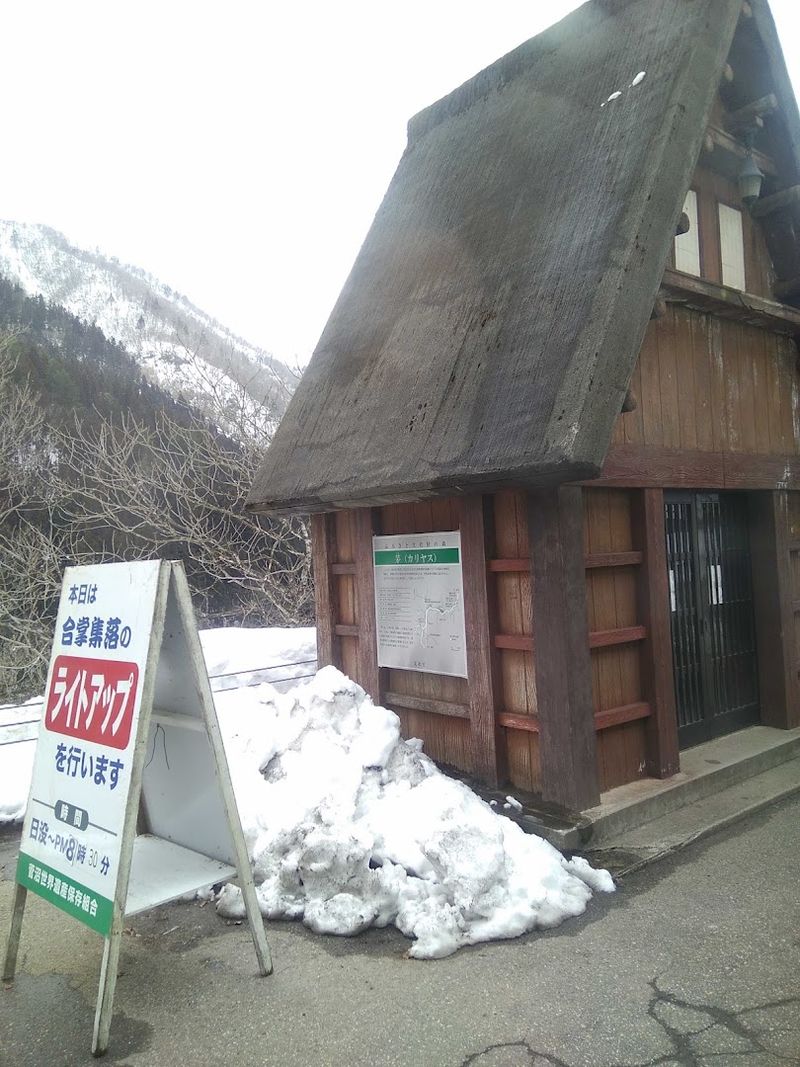
With only five households recorded in 2023, Suganuma may be the most intimate entry on this entire list. Nine gassho-zukuri farmhouses occupy a narrow tongue of flat land on the right bank of the Sho River, hemmed in by steep mountain walls on every other side.
The village dates to the Edo period, when its residents supported themselves through saltpeter production for gunpowder, washi paper making, and sericulture. Those industries shaped the multi-level attic spaces inside the farmhouses, which were designed for silkworm cultivation and are still visible today. The oldest surviving structures are approximately 200 years old.
Suganuma became a UNESCO World Heritage Site in 1995, and formal conservation efforts in the surrounding mountain forests began in 1970. Its name, derived from Japanese words meaning sedge and swamp, is a straightforward nod to the wetland terrain that once defined the valley floor.
10. Ksar of Aït Benhaddou, Aït Benhaddou, Drâa-Tafilalet, Morocco
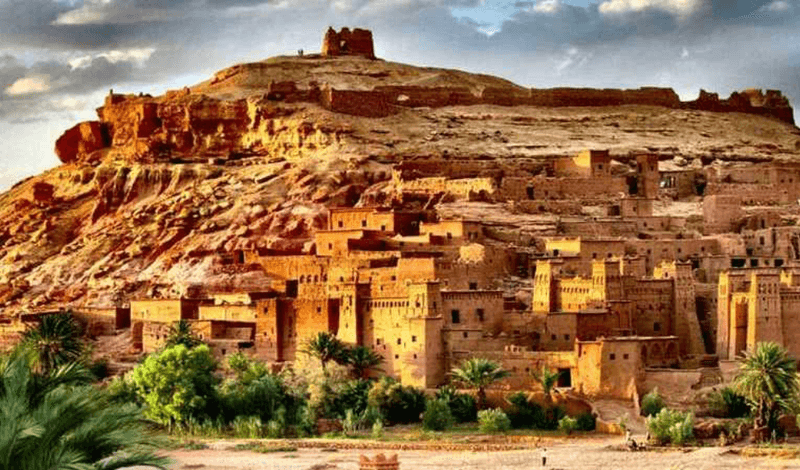
Few settlements look quite as deliberately built as Aït Benhaddou, where earthen towers, communal buildings, and tightly packed homes climb a hillside in a formation that has barely changed since the Almoravid dynasty established a fortified site here in the 11th century. The oldest existing structures date from the 17th century, built using the same rammed earth, adobe, and clay brick techniques used for generations before them.
The ksar was a critical stop on trans-Saharan caravan routes connecting the Sahara to Marrakech, and its defensive layout reflects that history. Narrow alleys wind between structures that rise toward a communal granary at the summit, leaving almost no wasted space within the fortified walls.
UNESCO designated it a World Heritage Site in 1987. Although the caravan trade faded in the 20th century and only a few families remain, a conservation management plan running from 2020 to 2030 is actively working to preserve its pre-Saharan earthen architecture.
11. Rothenburg ob der Tauber, Bavaria, Germany
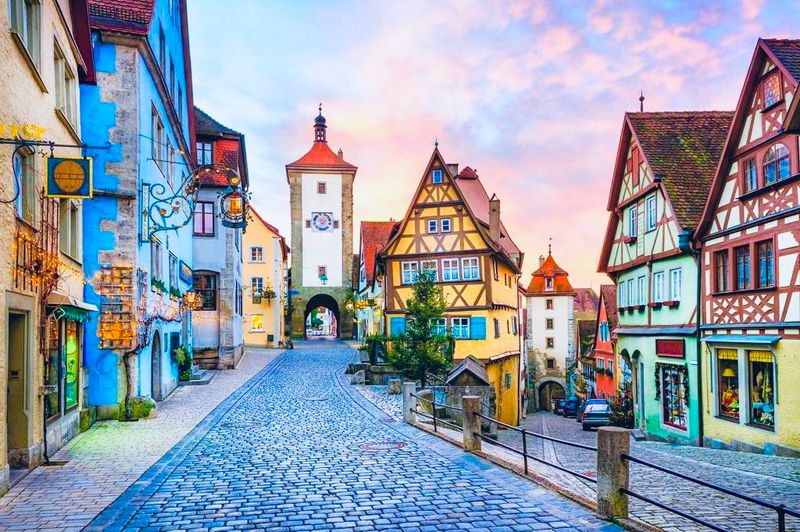
Germany’s best-preserved medieval town earned that title honestly. Rothenburg ob der Tauber’s historic core is encircled by an almost complete circuit of fortified walls punctuated by 46 towers, and the dense arrangement of half-timbered houses and narrow streets inside has remained essentially the same since the town’s peak as a prosperous trading center.
The town suffered damage during World War II but was meticulously reconstructed to match its pre-war appearance, a decision that reinforced its status as a genuine time capsule rather than a theme park imitation. Its market square combines Gothic, Renaissance, and Baroque architectural styles within a single compact space.
One of its most photographed corners, the Plonlein, a crooked yellow half-timbered house at a fork in the road, is rumored to have inspired a setting in a Walt Disney production. Tourism interest picked up significantly in the 19th century and has not slowed down since.
12. Piódão, Arganil, Coimbra District, Portugal
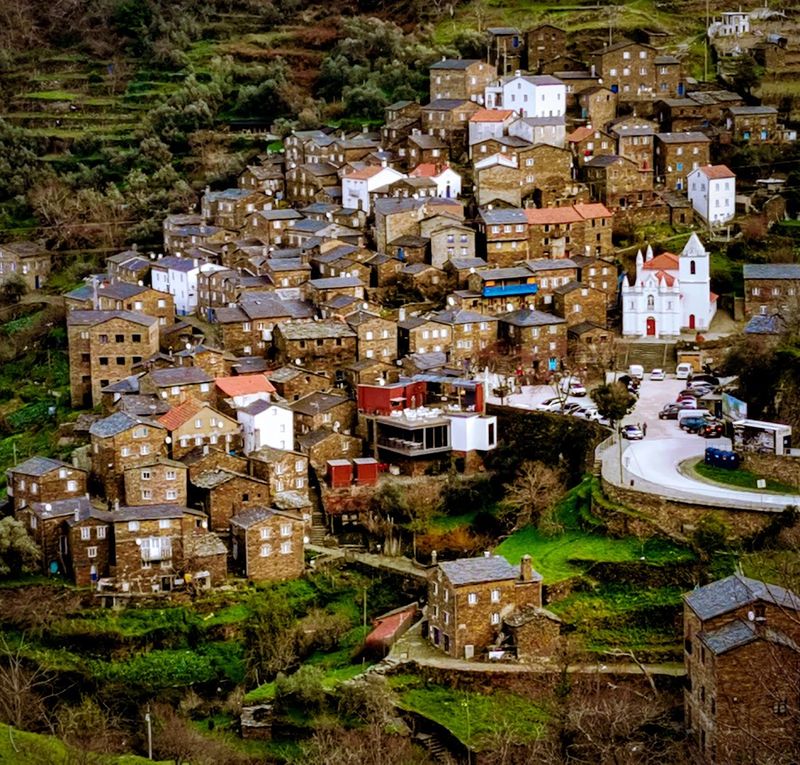
Piodao looks like someone stacked dark stone tiles up the side of a mountain and then decided to live inside them. The village’s schist houses climb the Serra do Acor in tight terraced rows, connected not by streets but by a network of narrow footpaths and stone stairways that follow the irregular terrain wherever it leads.
The settlement likely dates to the 13th century, with much of its current appearance shaped by a coordinated rebuilding effort between the 16th and 17th centuries, possibly triggered by local gold discoveries. Major roads did not reach Piodao until 1974, which goes a long way toward explaining why it still looks medieval.
Classified as a Place of Public Interest since 1978, the village is nicknamed the crib village because its amphitheater-like arrangement of dark stone houses resembles a nativity scene from a distance. An ancient system of small irrigation channels still carries mountain water through the settlement.
13. Èze Village, Èze, Provence-Alpes-Côte d’Azur, France
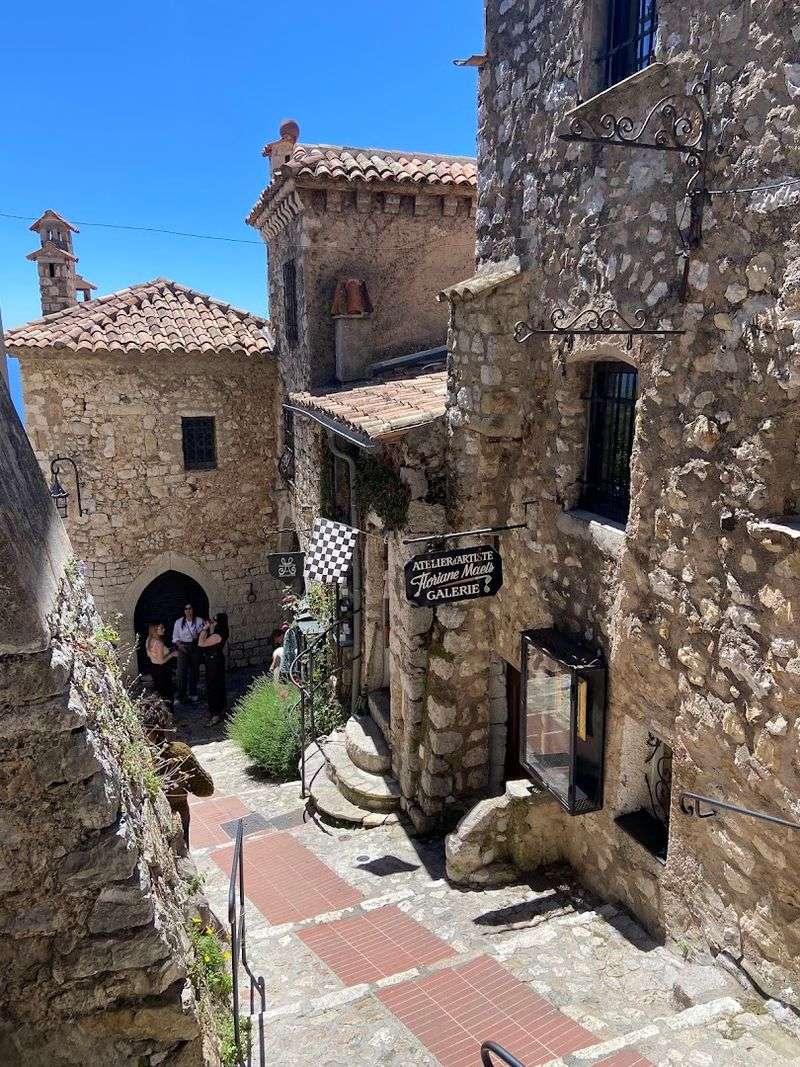
At 427 meters above the Mediterranean, Eze Village does not so much overlook the sea as it presides over it. The medieval settlement crowns a narrow rocky summit with stone houses, vaulted passageways, and steep lanes compressed into a footprint that has not grown outward in centuries, largely because there is nowhere outward to go.
The site has been occupied since the Bronze Age, and a fortress was built here by the Lords of Eze in the 12th century. French King Louis XIV ordered the castle destroyed in 1706, but the village itself survived and is now officially described as a museum village for its exceptional preservation of medieval architecture.
Known as the Eagle’s Nest, Eze carries the motto Isis Moriendo Renascor, meaning In death I am Reborn, along with a phoenix emblem. Modern Eze extends toward the coast, but the original hilltop settlement remains tightly confined to its historic boundaries, home to roughly 2,000 people.
14. Manarola, Riomaggiore, Liguria, Italy
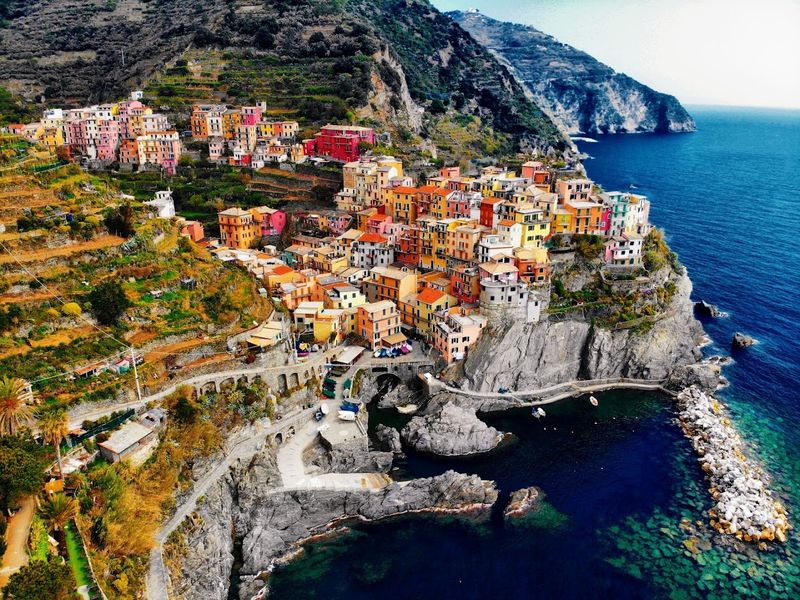
Considered the oldest of the Cinque Terre villages, Manarola has been clinging to its coastal ravine since at least the 12th century, with its Church of San Lorenzo dated to 1338. The village was originally settled by people from the ancient hilltop community of Volastra, who came down to the valley after Saracen pirate raids finally stopped threatening the coastline.
Brightly painted houses appear stacked one above the other on a high rock roughly 70 meters above sea level, contained on all sides by steep terraced vineyards, rocky slopes, and the Ligurian shoreline. Cars are prohibited within the village, a rule that has done as much for preservation as any geological barrier.
Manarola is part of the Cinque Terre National Park and shares its UNESCO World Heritage status with the other four villages. It still supports traditional fishing and produces Sciacchetra, a local wine made from grapes grown on those ancient dry-stone terraced hillsides.
15. Kotor Old Town, Kotor, Montenegro
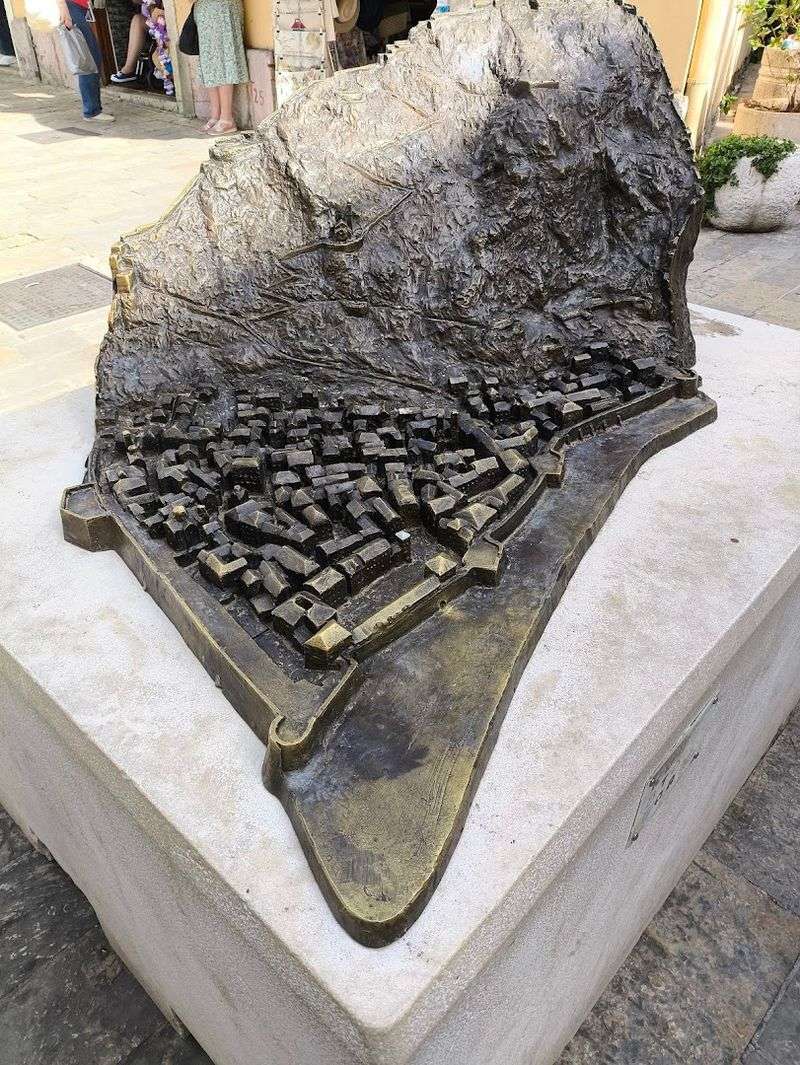
Kotor’s old town has a street layout that was deliberately designed to confuse invaders, and it still works on tourists today. The maze of stone lanes, churches, palaces, and small squares developed over centuries within a compact triangular area defined by water on one side and a near-vertical mountain on another.
The settlement has been continuously inhabited since Illyrian times, with Roman and Byzantine fortifications preceding the massive Venetian defense works built from the 15th century onward. Those walls, reinforced with bastions and gates, climb Mount Lovćen all the way to the Fortress of St. John, creating one of the most complete integrated defense systems in the Adriatic region.
A major earthquake in 1979 caused significant damage, but international rebuilding efforts supported by UNESCO restored much of the medieval character. The old town was inscribed as a UNESCO World Heritage Site that same year, and over 1,300 steps lead up to the fortress for anyone willing to earn the view.
Share this story