Ask a Southerner about grits, cornbread, or sweet tea, and you might get a very long answer. Food here is tied to family, place, and pride, so small changes can feel like big deals.
This list walks through ten kitchen moves that tend to get eyebrows raised at the table. Some are funny, some are serious, and all of them show why Southern cooking inspires such strong opinions.
Read along, nod at the ones you agree with, and maybe save a few to send to the cousin who always brings the wrong mayonnaise.
Cornbread That Tastes Like Cake
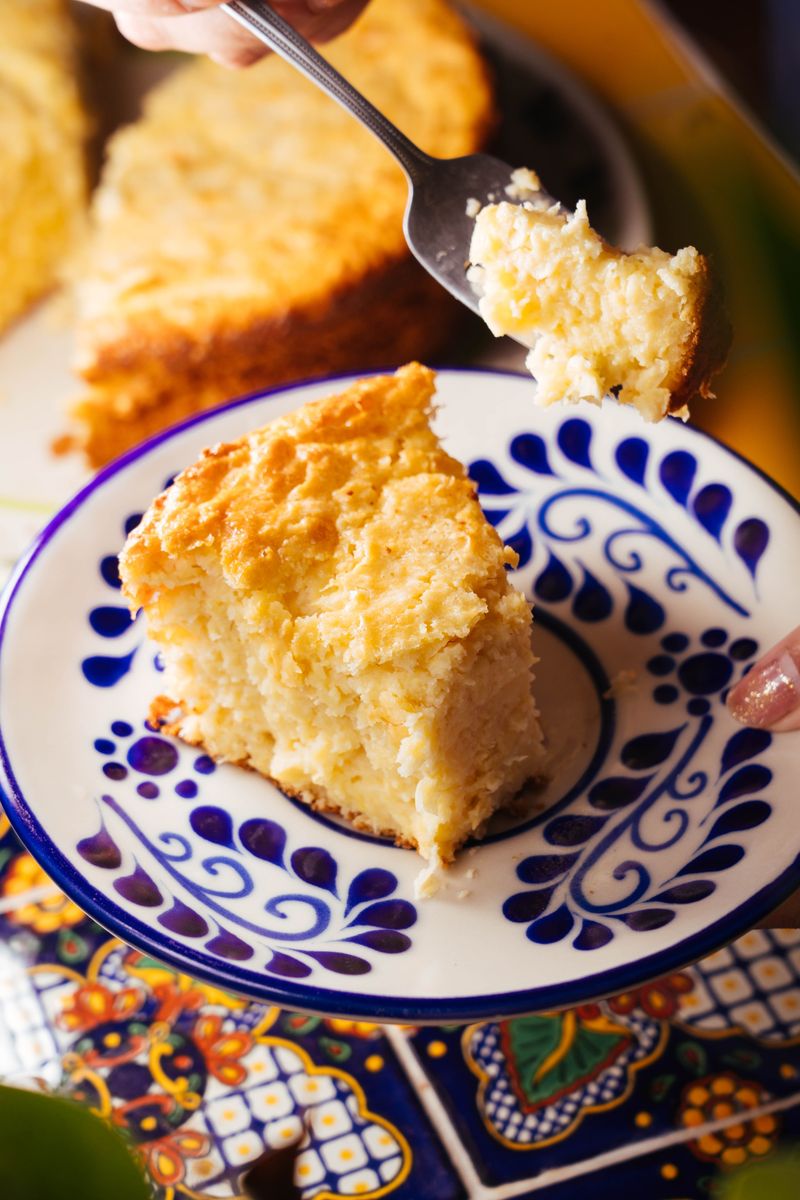
Few Southern debates heat up faster than sugar in cornbread. No single historic recipe rules them all, and sweeter versions certainly exist across the South.
Still, many traditionalists want savory cornbread where corn is the star. Skylight Inn in eastern North Carolina shows how simple it can get, with a longtime version made from cornmeal mix and water and baked with pork drippings.
The result is a long way from a fluffy, sugary corn muffin.
That does not make sweet cornbread illegitimate, since regional and family recipes differ a lot. But hand a committed savory fan a slice with enough sugar to count as dessert, and there is a good chance someone at the table will have something to say about it.
Biscuits From a Can
Picture Sunday breakfast at Grandma’s, then picture someone pulling a cardboard tube from the fridge. That gap explains the whole argument.
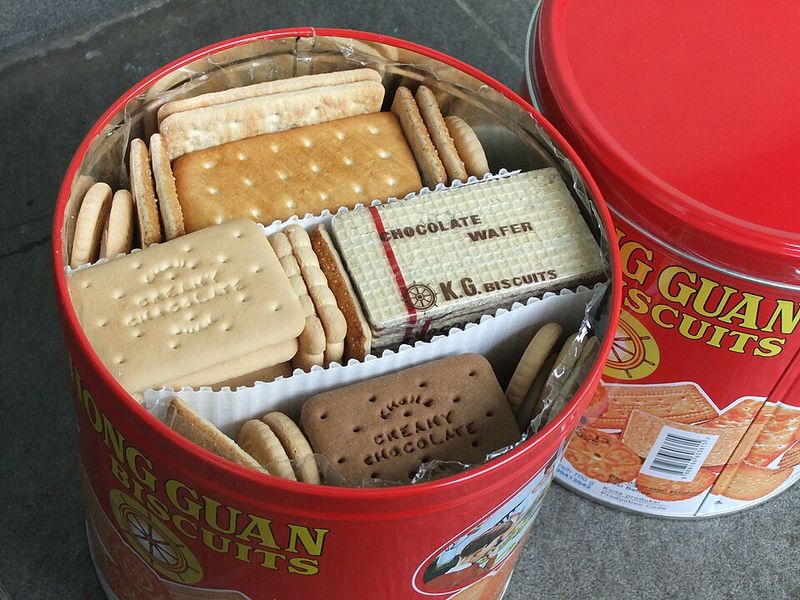
Canned biscuits are convenient, inexpensive, and perfectly able to get breakfast on the table. They just struggle to impress anyone whose standard is a homemade Southern biscuit.
A classic biscuit depends on technique as much as ingredients. Cold fat, flour, liquid, and careful handling create the flaky layers and tender middle people expect, and the result goes with country ham, sausage gravy, fried chicken, preserves, butter, or honey.
Plenty of Southern households use canned biscuits on rushed mornings. But if Grandma’s recipe normally comes out for special breakfasts, serving her the refrigerated version may need a very convincing explanation.
Dry, Flavorless Collard Greens
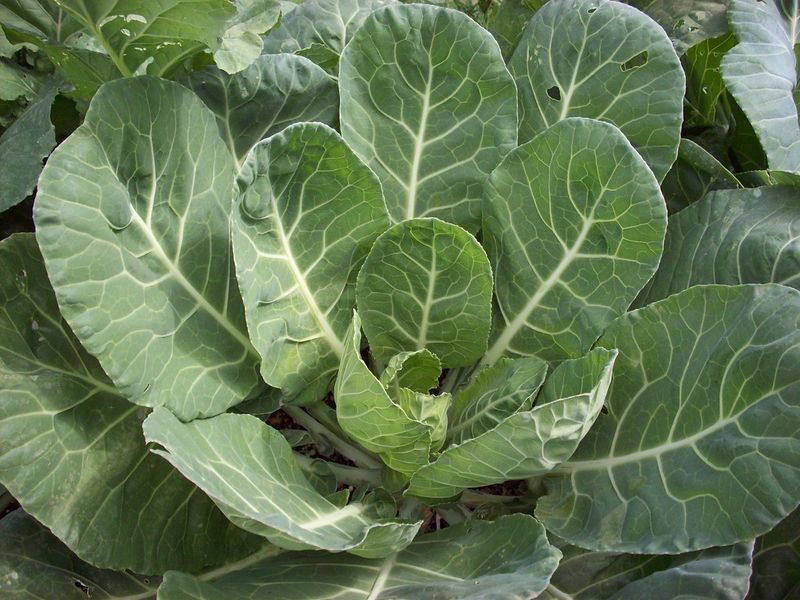
Collard greens should never taste like damp leaves.
Recipes vary widely, but Southern greens are commonly simmered with bold ingredients like smoked pork, bacon, ham hocks, onions, peppers, or seasoned broth. The cooking liquid becomes the celebrated potlikker, which can be nearly as prized as the greens themselves.
Modern cooks may prepare collards in new ways, including vegetarian versions, but flavor still matters. Boiling the greens in plain water until they go soft strips away nearly everything people love about them.
Southern food traditions have always evolved, and there is room for lighter recipes. Still, putting an unseasoned pile of watery collards next to fried chicken and cornbread is an experiment unlikely to win many converts at the dinner table.
Barbecue Drowned in the Wrong Sauce
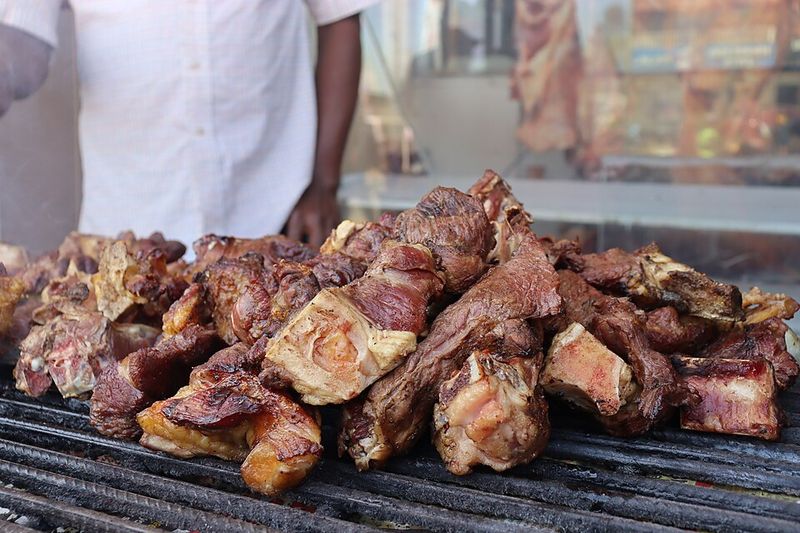
There is no single Southern barbecue sauce, and that is exactly why the arguments get complicated.
South Carolina alone has traditions built on mustard-based, vinegar-and-pepper, and tomato-based sauces. Eastern North Carolina is known for whole-hog pork with vinegar-forward seasoning, while other regions lean in completely different directions.
Kentucky adds another twist. Owensboro’s smoked mutton tradition typically uses a vinegar-pepper dip instead of coating the meat in a sugary sauce.
So the fastest way to annoy a barbecue traditionalist may not be using sauce at all. It is insisting that one thick, sweet bottled sauce belongs on every style of Southern barbecue.
Around here, sauce comes with a map attached.
Miracle Whip Where Mayonnaise Belongs
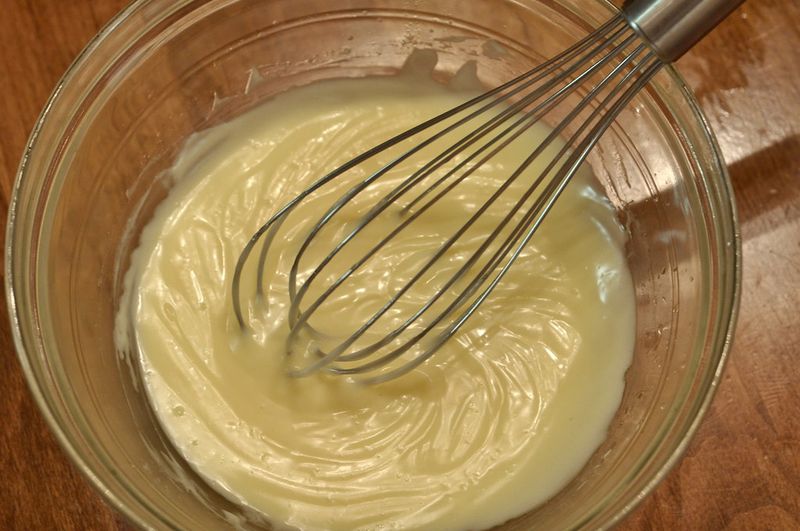
Few condiments spark regional loyalty like mayonnaise.
Southern staples such as tomato sandwiches, BLTs, pimiento cheese, chicken salad, and potato salad regularly lean on it. In a recent Southern Living poll of six Southern chefs, Duke’s was the overwhelming favorite, praised for its tangy, savory profile.
That makes swapping in a noticeably sweeter sandwich spread risky, especially when the dish depends heavily on the condiment.
A tomato sandwich proves the point. Southern Living readers recently named the simple pairing of garden tomatoes and Duke’s mayonnaise their favorite no-cook meal.
People have their own brands, and not everyone in the South buys Duke’s. But changing the central condiment in a cherished family recipe is one reliable way to turn lunch into a debate.
Tomatoes That Have Never Seen a Garden
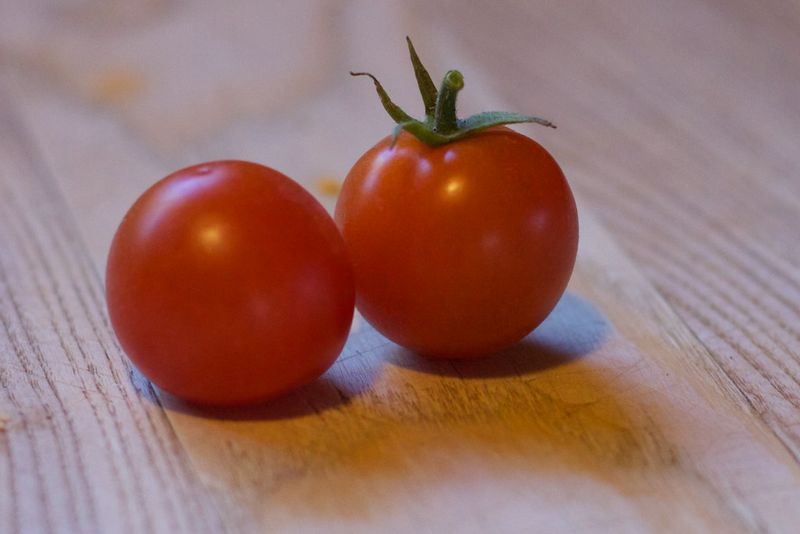
A tomato sandwich has almost nowhere to hide a bad tomato.
At its simplest, it is ripe tomatoes, mayonnaise, bread, and seasoning. Southern Living readers specifically favored fresh garden tomatoes with mayonnaise when naming their favorite summer no-cook meals.
That simplicity puts the tomato in charge. A juicy summer tomato can soak slightly into soft bread while still delivering sweetness, acidity, and real tomato flavor, while a pale winter supermarket tomato with a hard center tells a very different story.
Nobody expects homegrown tomatoes year-round. But when tomato season finally rolls around, swapping in a watery, underripe stand-in can feel like ordering fresh seafood at the coast and choosing fish sticks instead.
Pimiento Cheese Without Much Pimiento or Cheese
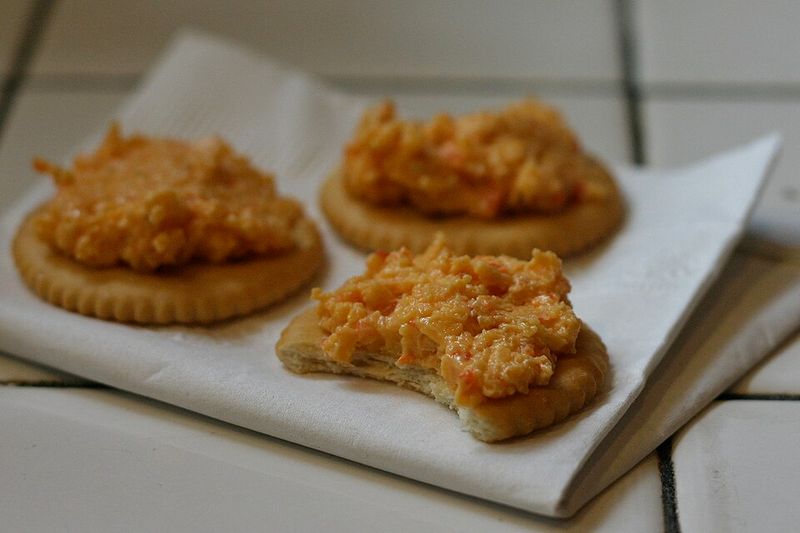
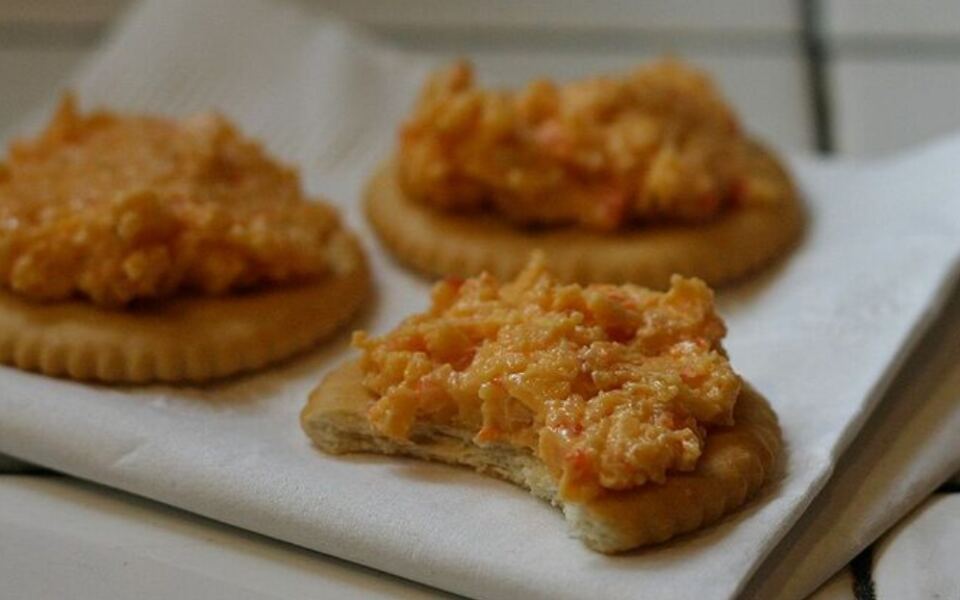
Pimiento cheese looks simple, yet Southerners can get surprisingly picky about it.
At its core, the spread combines cheese, pimientos, and mayonnaise, though recipes often add peppers, spices, onions, or other seasonings. It lands on sandwiches, crackers, burgers, and vegetables, or gets eaten by the spoonful when nobody is watching.
Southern Living still treats it as a classic Southern staple, in the same company as tomato sandwiches and potato salad.
Problems begin when mass-produced versions turn overly smooth, unusually sweet, or so full of filler that the cheese is hard to find. Innovation is welcome.
Turning pimiento cheese into vaguely orange sandwich paste is another matter entirely.
Overcooked Shrimp
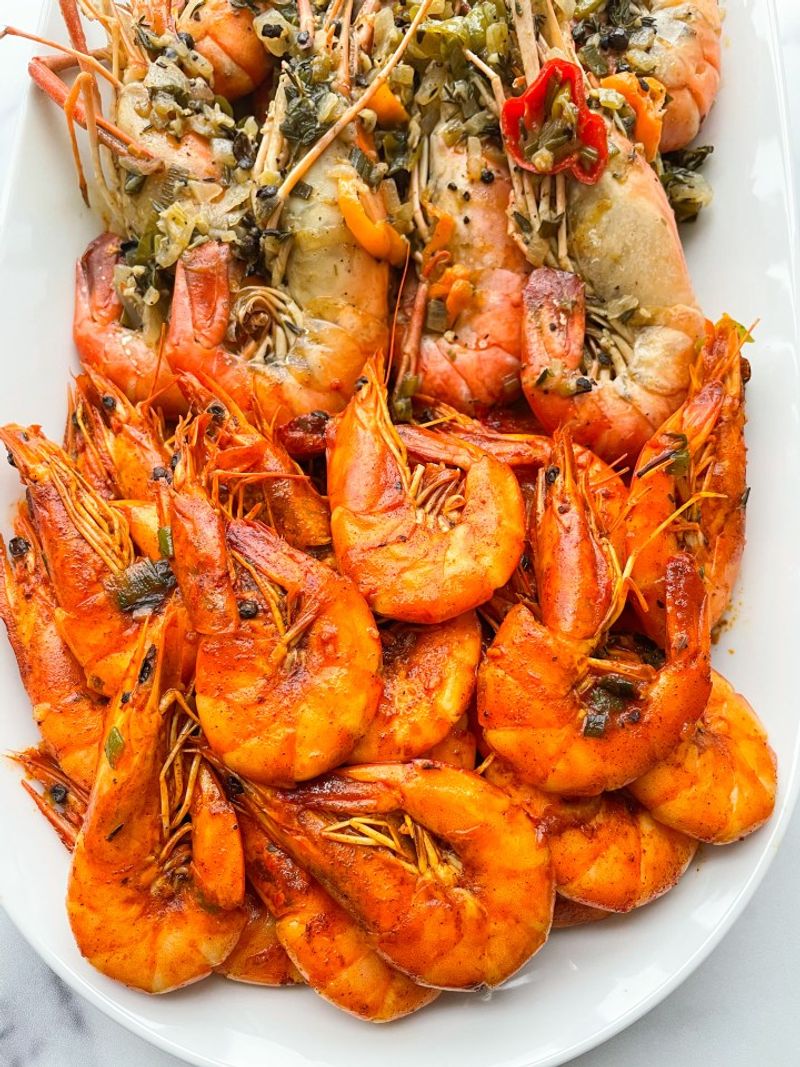
Shrimp runs through Southern coastal cooking, especially in the Lowcountry and the Gulf South. It turns up in shrimp and grits, boils, seafood platters, rice dishes, po’boys, and countless family recipes.
South Carolina Lowcountry cooking has deep ties to seafood and rice, and classic dishes often pair local shrimp with rice, grits, or bold seasoning.
Shrimp also punishes overcooking fast. Tender, juicy pieces can turn firm and rubbery when left over heat too long.
That makes a plate of overcooked shrimp especially sad in a region where great shrimp dishes are part of everyday life. Whether boiled, fried, grilled, or spooned over grits, shrimp should make you want another bite, not require determination to chew through the first one.
Mushy Rice in a Lowcountry Dish
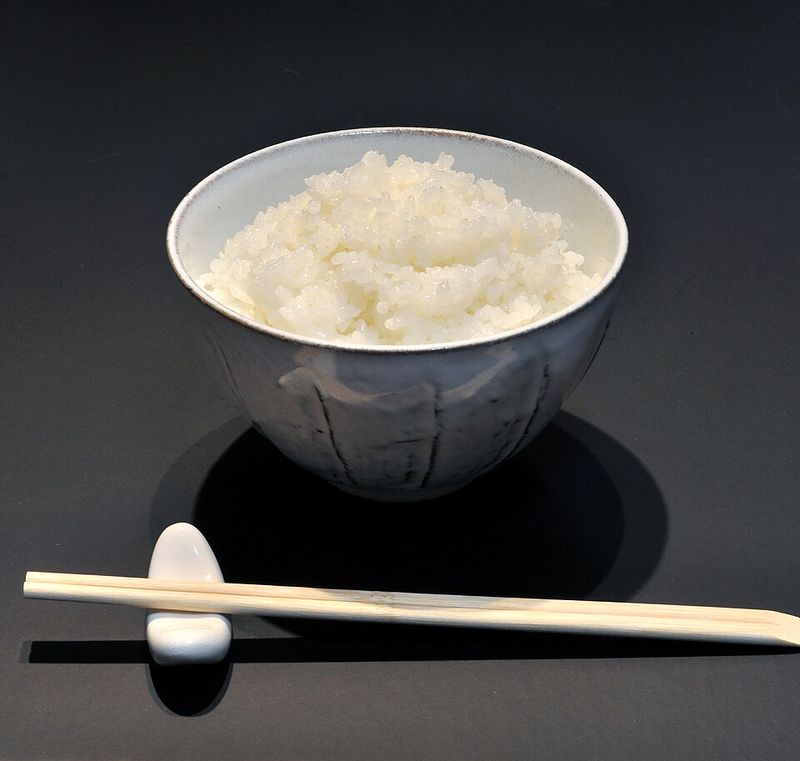
In South Carolina’s Lowcountry, rice is far more than a side dish. It sits at the center of the region’s food history.
Carolina rice culture helped shape Hoppin’ John, chicken bog, red rice, purloo, and many seafood-and-rice dishes. Those traditions reflect major West African influences and the farming knowledge of enslaved Africans who grew rice across the region.
Because rice matters so much, texture matters too. Some Southern recipes aim for softer rice, while others depend on separate, distinct grains, so treating every Lowcountry rice dish as one uniform pot of mush misses the differences.
Nobody needs laboratory precision at the dinner table. But when rice is the foundation of the dish, cooking it properly is part of respecting the recipe.
Banana Pudding With Barely Any Bananas
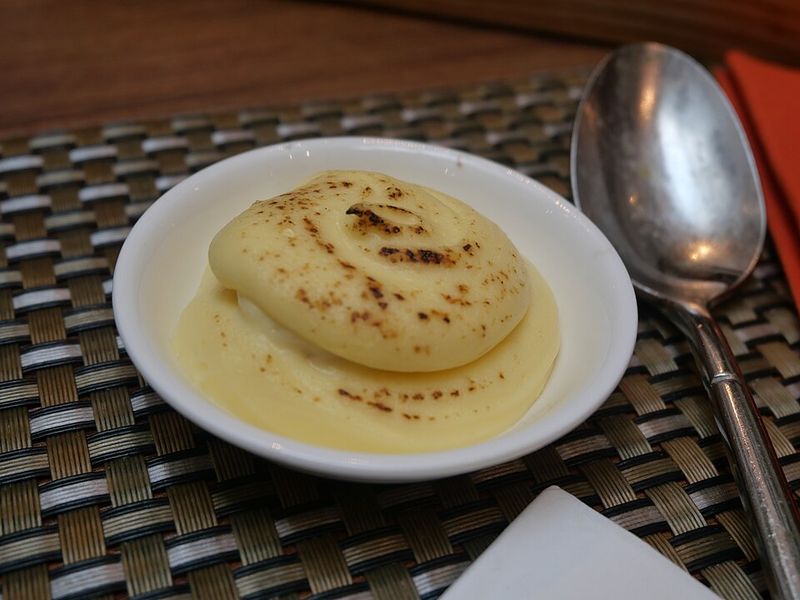
Banana pudding enjoys unusually protected status at Southern gatherings.
Versions differ, but the familiar layout includes bananas, pudding or custard, vanilla wafers, and either whipped topping or meringue. It appears at church suppers, family reunions, and barbecue restaurants alike, and Food and Wine even lists it among the foods tied to a classic Carolina barbecue spread.
Creative twists are bound to happen, and plenty are delicious. But there comes a point when a deconstructed banana pudding with two decorative banana slices and a mound of unrelated ingredients starts raising questions.
Sometimes people want innovation. Sometimes they just want to push a spoon through creamy pudding, soft wafers, and enough sliced banana to justify the name on the dish.
Share this story