There is a spot in Missouri where the Missouri River still rushes past with the same raw energy it had over two centuries ago, and where the story of one of America’s boldest adventures feels startlingly close. Most people know the broad strokes of the Lewis and Clark Expedition, but very few know about the surprising place where it all truly began, the last outpost of civilization before the explorers vanished into the unmapped wilderness.
What if you could stand on the very riverbank they stood on, look out at the same churning water, and even climb aboard a faithful replica of the boat that carried them west? That is exactly what awaits at a remarkable museum tucked along the St. Charles riverfront, a place that manages to make history feel alive, urgent, and completely worth your afternoon.
Keep reading, because the details of what this museum holds are far more impressive than most people expect.
Where the Adventure Actually Started: Address, Location, and First Impressions
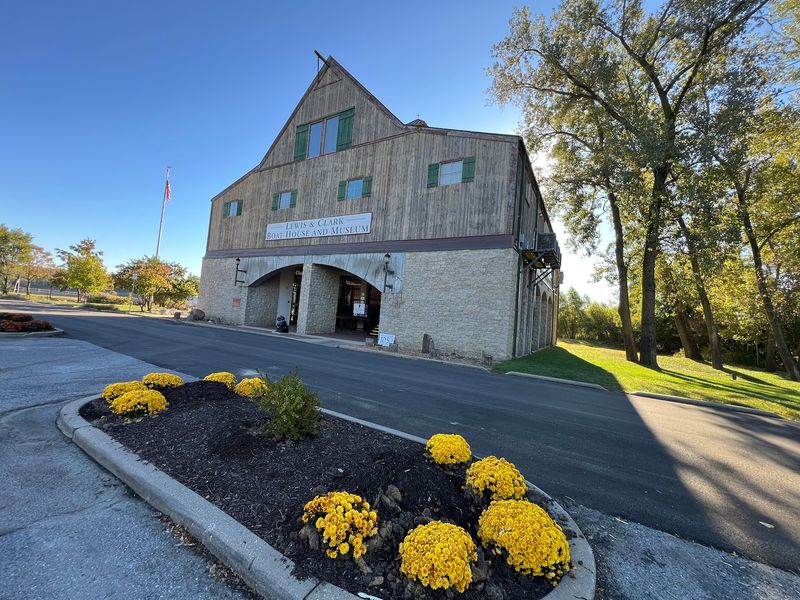
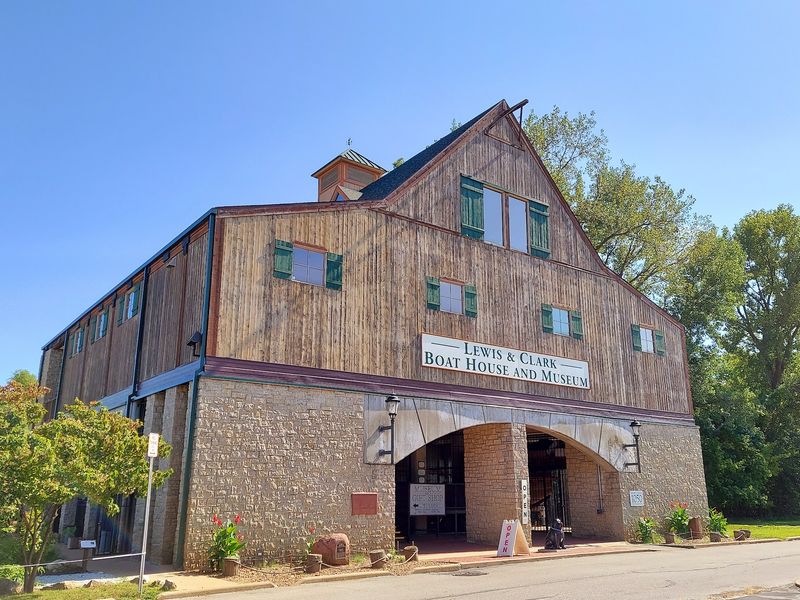
Most history museums feel like they exist in spite of their surroundings, but this one feels born from them. The Lewis and Clark Boat House and Museum sits at 1050 S Riverside Dr, St. Charles, MO 63301, right on the edge of the Missouri River, roughly 25 miles northwest of downtown St. Louis.
St. Charles was the last recognized settlement the Corps of Discovery passed through before heading into completely uncharted territory in May 1804. That context hits differently when you are actually standing there, watching the river move with the same restless energy it always has.
The building itself is two stories tall and cleverly engineered to sit within a federal floodway, meaning its structure allows high water to pass beneath rather than damage it. That detail alone tells you something about how seriously this place takes its relationship with the river.
First impressions here are genuinely strong, and the setting only gets better once you step inside.
The Origin Story Behind the Museum Itself
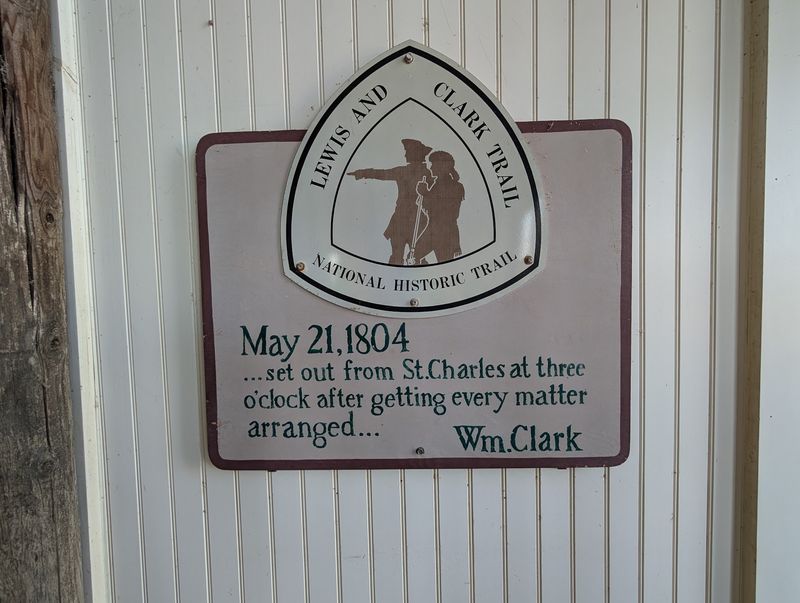
Not every museum has a founding story worth telling, but this one does. The Lewis and Clark Center first opened in 1985, created specifically to educate visitors about the 1803-1806 expedition.
Over time, it joined forces with the Discovery Expedition of St. Charles, a group whose passionate mission included constructing working replicas of the expedition’s original watercraft.
That partnership led to the dedication of the current facility in May 2003, bringing the educational museum and the replica boats together under one roof for the first time. The nonprofit operates independently, though it works closely with the National Park Service as a recognized partner.
Their core mission goes beyond displaying old objects. The goal is to provide living history experiences that genuinely inspire people to connect with national heritage, particularly the story of the Corps of Discovery.
Knowing that two separate groups cared enough to merge their efforts and build something lasting gives the whole place a sense of purpose that you can feel from the moment you walk in.
Full-Scale Boat Replicas That Will Stop You in Your Tracks
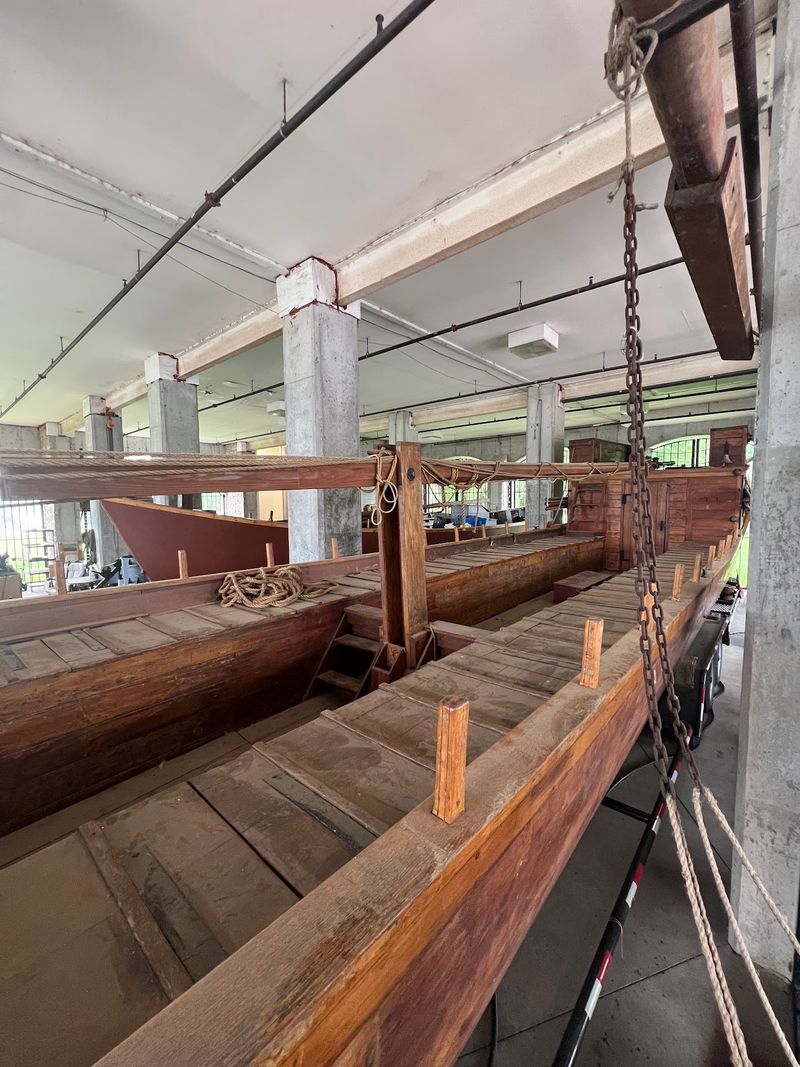
Nothing prepares you for the sheer size of the keelboat. The lower level of the museum houses full-scale, operational replicas of the keelboat and two pirogues that carried the Corps of Discovery up the Missouri River, and seeing them in person reframes everything you thought you understood about the expedition.
These vessels were built based on drawings by Captain William Clark himself, cross-referenced with expedition journals and drawings preserved at the Smithsonian in Washington, D.C. Their construction required over 16,000 volunteer hours, a number that becomes more meaningful the longer you stand beside the finished product.
Captain Glenn Bishop led the construction effort, and the craftsmanship is extraordinary. The replicas are so historically accurate that they have appeared in films and documentaries and still make appearances at special events on the water.
When they are docked at the museum, visitors can view them up close and begin to grasp what it actually meant to navigate an unknown continent aboard vessels like these.
Second-Floor Exhibits That Tell the Whole Story
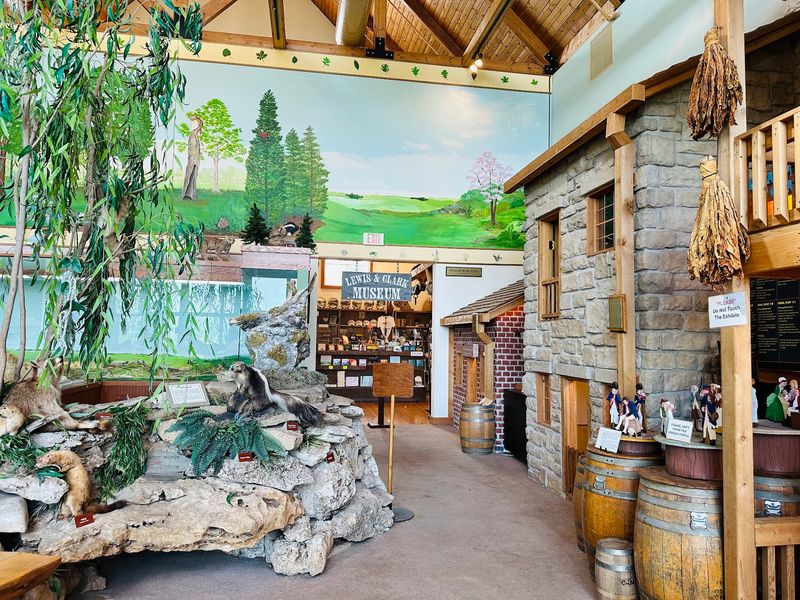
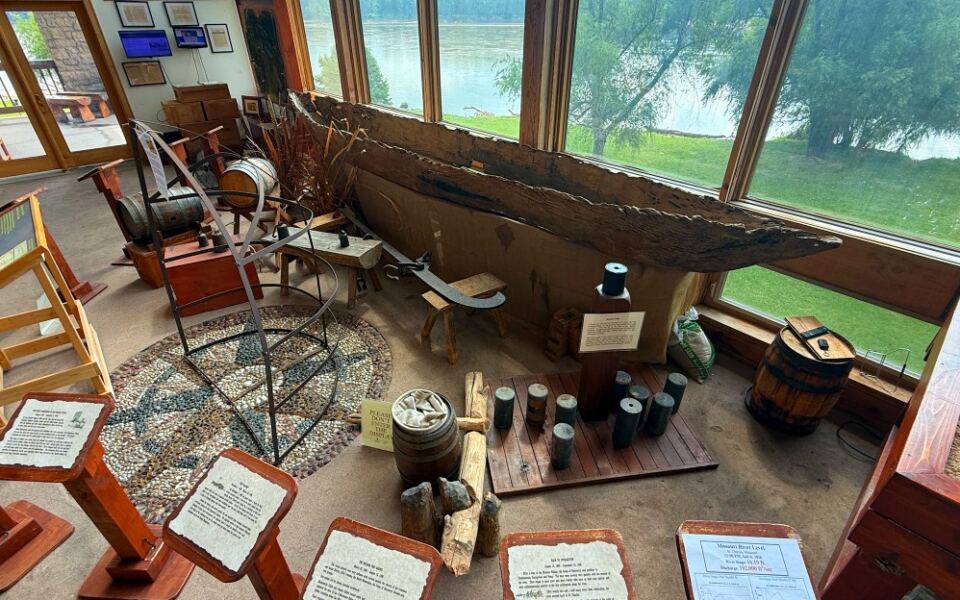
Head upstairs and the museum opens into a richly layered collection of exhibits that cover the full arc of the Lewis and Clark Expedition. The displays explore the Corps of Discovery’s encounters with Native American tribes, the Missouri River habitats they traveled through, and the remarkable natural discoveries they cataloged along the way.
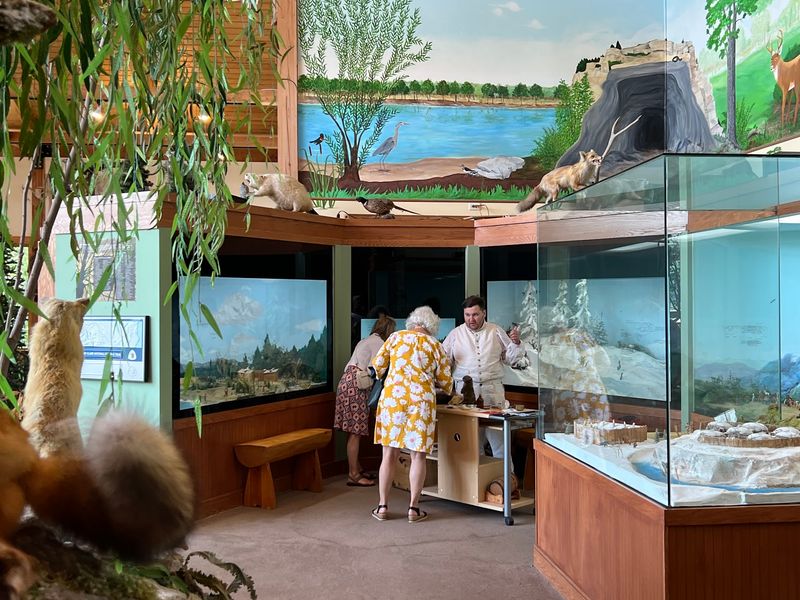
Dioramas with impressive miniature detail bring specific moments of the journey to life, depicting scenes of indigenous villages, wildlife, river crossings, and camp life. Taxidermy animals native to Missouri add another layer of context, helping visitors understand the wild landscapes the explorers were navigating.
One of the most talked-about features on this floor is the largest indoor mural in the entire state of Missouri, known as the Missouri River Walk. It stretches across the space in a way that genuinely immerses you in the geography of the journey.
Younger visitors can also pick up a free scavenger hunt sheet at the front desk, turning the whole floor into an interactive adventure worth every minute.
The Award-Winning Film You Should Watch Before Anything Else
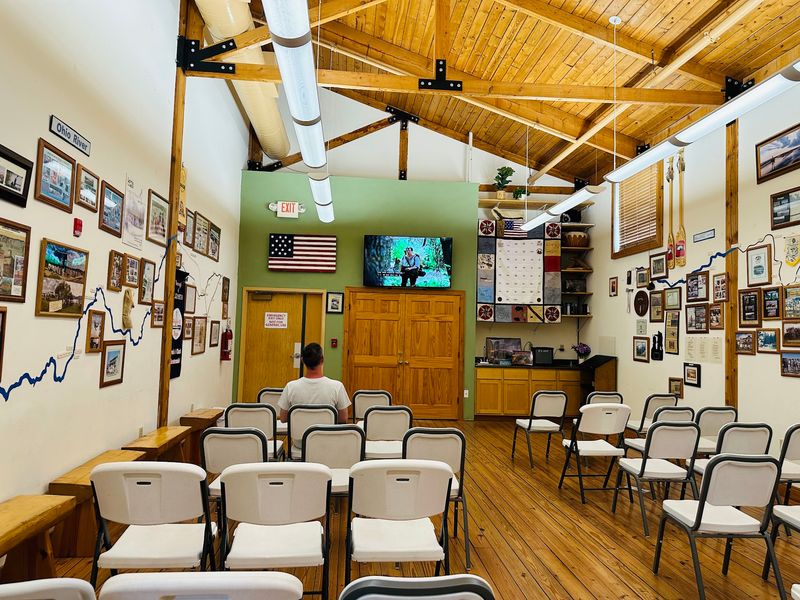
Here is a tip that regular visitors have figured out: watch the film first. The museum screens “Lewis and Clark: Great Journey West,” a National Geographic production narrated by actor Jeff Bridges, multiple times throughout the day in the classroom area.
At roughly 42 minutes long, it covers the expedition in a way that most history textbooks simply cannot match, addressing the dangers, the landscapes, the scientific discoveries, and the complex relationships with indigenous peoples the Corps encountered. Watching it before touring the exhibits gives everything you see afterward a much richer context.
The production quality is genuinely high, and the storytelling is compelling enough that even visitors who arrived with only passing interest in the subject find themselves fully absorbed. Several reviewers have specifically called it the highlight of their visit, and after watching it, that reaction makes complete sense.
Think of it as the foundation that makes the rest of the museum experience click into place, rather than just a nice add-on at the end.
Living History Re-enactors Who Make 1804 Feel Real
Some museums tell you about history. This one performs it.
The Lewis and Clark Discovery Expedition of St. Charles is a nationally recognized group of re-enactors closely connected to the museum, and their work transforms the site into something far more dynamic than a typical collection of artifacts behind glass.
Throughout the year, these dedicated historians appear at events, demonstrations, and public programs, bringing period-accurate skills, clothing, and equipment to life. Their most prominent annual appearance is the Departure Day Celebration, held around May 16th each year to mark the anniversary of the Corps of Discovery’s launch from St. Charles.
During that event, the grounds fill with a historic camp, demonstrations of 19th-century skills, displays of period weapons, and the stirring sound of the Lewis and Clark Fife and Drum Corps performing music of the American Revolution era. The atmosphere during Departure Day is unlike anything a standard museum visit can replicate, and it draws crowds from across the region who come specifically for this immersive experience.
The Riverfront Setting and Bishop’s Landing Sculpture
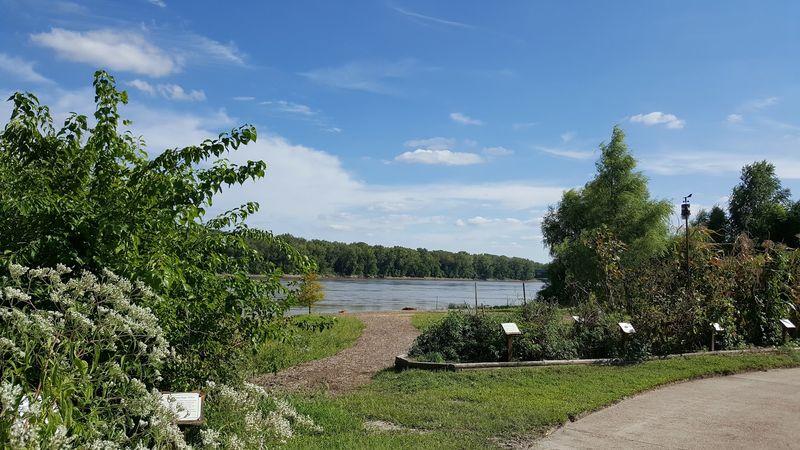
The outdoor experience at this museum deserves its own attention. Just across the parking lot, a short walk from the building’s entrance, stands an impressive large-scale sculpture featuring Meriwether Lewis, William Clark, and Seaman, their faithful Newfoundland dog, at a spot called Bishop’s Landing.
The monument is a natural place to pause, take a photo, and let the weight of the expedition’s story settle in. With the Missouri River visible just beyond, the setting gives the sculpture a sense of purpose that indoor statues rarely achieve.
Back near the building, the Outdoor Classroom features more than 30 varieties of native plants from Missouri’s wetland habitats, many of which were documented by the Corps of Discovery during their journey. Walking through it feels like a quiet extension of the museum’s educational mission, connecting visitors to the botanical world the explorers cataloged.
The river views from the museum’s outdoor deck add yet another layer to a visit that manages to be both historically rich and genuinely scenic.
St. Charles’s Own Role in the Expedition’s Launch
Most people associate Lewis and Clark with the American West, but the story’s true starting point was right here in Missouri. St. Charles, then known as Les Petites Cotes, was the final established settlement the Corps of Discovery passed through before heading into the uncharted Louisiana Purchase territory in May 1804.
The locals threw a celebration for the explorers before their departure, and some members of the Corps attended a Sunday service at what is now commemorated as the St. Charles Borromeo Log Church, a replica of which still stands near Historic Main Street today. These details transform St. Charles from a backdrop into an active participant in the expedition’s story.
Walking through the city’s historic district after visiting the museum adds a meaningful layer to the experience. The First Missouri State Capitol State Historic Site is within easy walking distance, and the charming brick storefronts of Main Street still carry an atmosphere that feels appropriately rooted in the past.
St. Charles earned its place in this story, and the museum makes sure that fact is never overlooked.
The Trading Post Gift Shop and What to Bring Home
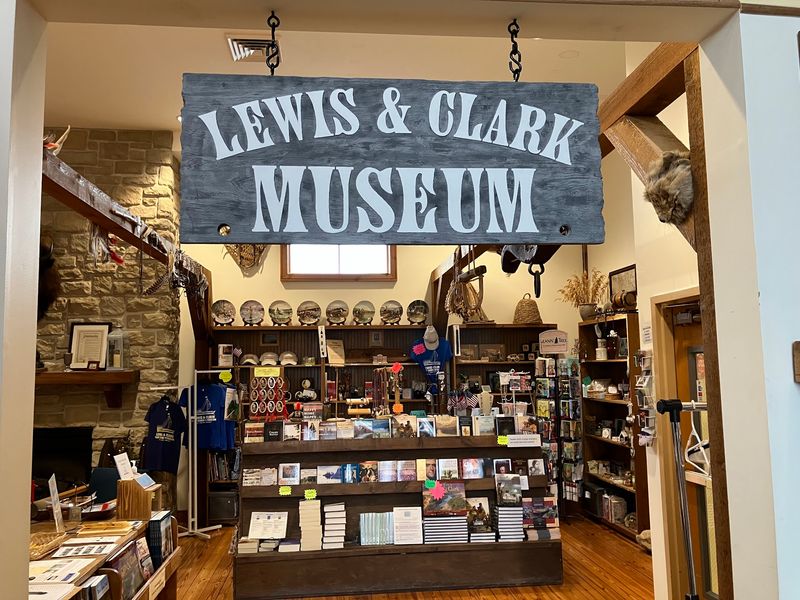
The gift shop here, called the Trading Post, punches well above its weight for a museum of this size. The selection leans heavily toward books, covering Lewis and Clark history, Native American culture, general American exploration, and local Missouri interest, but there is plenty more to browse beyond reading material.
Maps, toys, children’s activity books, and unique keepsakes fill the shelves, making it a genuinely useful stop for families with kids of different ages. The staff actively encourages younger visitors to practice handling cash transactions at the counter, which is a small but charming detail that fits perfectly with the museum’s educational spirit.
National Park Service products are also available, reflecting the museum’s close partnership with the NPS even as it operates independently as a nonprofit. Whether you are looking for a scholarly account of the expedition or a small souvenir to mark the visit, the Trading Post delivers.
It is the kind of gift shop that makes you wish you had budgeted a little extra before you arrived, because leaving empty-handed feels like a missed opportunity.
Practical Visitor Tips: Hours, Pricing, and Parking
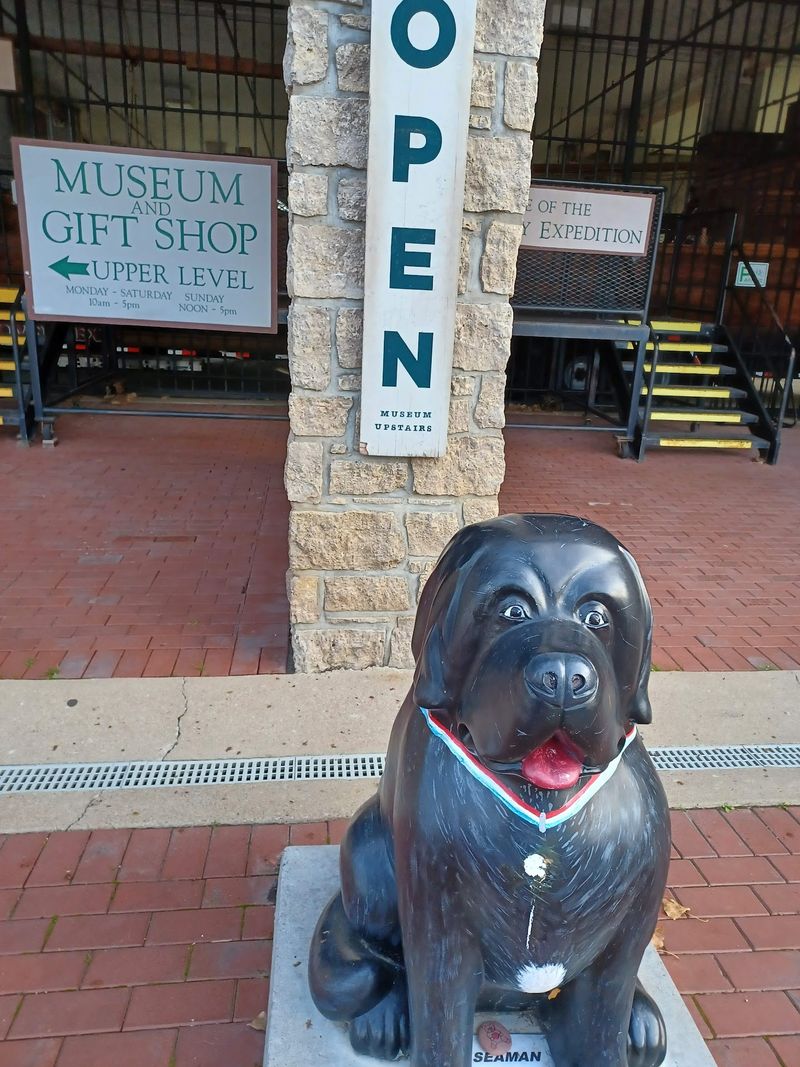
Planning a visit here is refreshingly straightforward. The museum is open Monday through Saturday from 10:00 AM to 5:00 PM, and on Sundays from 12:00 PM to 5:00 PM.
It closes on New Year’s Day, Easter, Thanksgiving, and Christmas, so those are the only dates to work around.
Admission is priced at $7 for adults and $3 for students and children under 17, with group rates available for parties of 15 or more. Military discounts are offered as well, which is a thoughtful acknowledgment of the service-oriented spirit that defined the original Corps of Discovery.
Groupon deals occasionally make group visits even more affordable, so it is worth checking before you go.
Parking is free and plentiful in the large lot adjacent to the building, which also provides easy access to Frontier Park and a short walk to Historic Main Street. The facility is ADA compliant and fully wheelchair accessible.
You can reach the museum by phone at +1 636-947-3199 or visit their website at lewisandclarkboathouse.org for the latest event details and program schedules.
Why This Museum Leaves a Lasting Impression
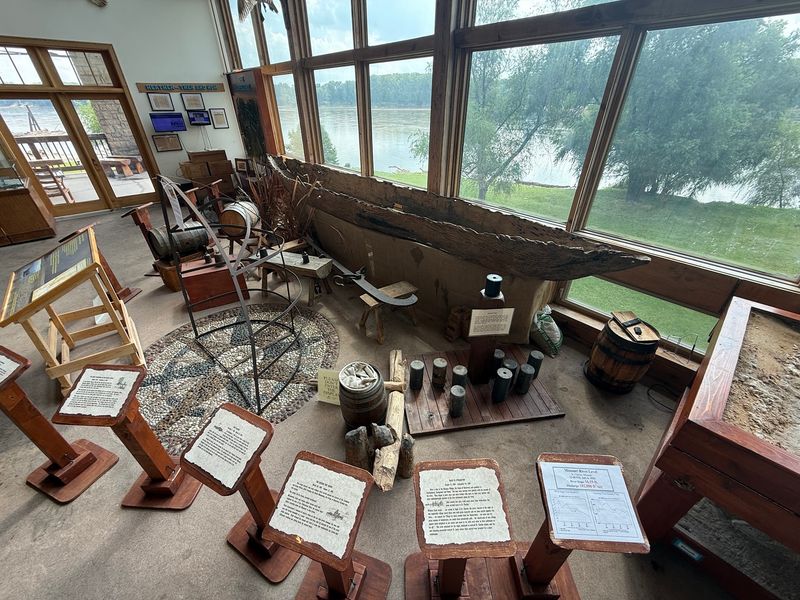
A museum rated 4.5 stars across more than 1,300 reviews is clearly doing something right, and spending time here makes the reasons obvious. The combination of authentic replica boats, a state record-holding mural, an award-winning film, passionate re-enactors, and a location directly on the Missouri River creates an experience that is hard to replicate anywhere else.
The museum manages to serve multiple audiences at once. History enthusiasts find serious depth in the artifacts and documentary.
Families with young children find scavenger hunts, interactive programs, and a gift shop full of age-appropriate finds. Casual visitors who arrive with minimal background knowledge tend to leave with a genuine appreciation for how consequential the Lewis and Clark Expedition actually was.
What makes this place stick with you is not any single exhibit or feature, but the cumulative effect of everything working together in a setting that the river itself seems to endorse. The Missouri keeps moving outside those large picture windows, indifferent to the centuries, and somehow that makes the whole story feel more real than any textbook ever could.
Share this story