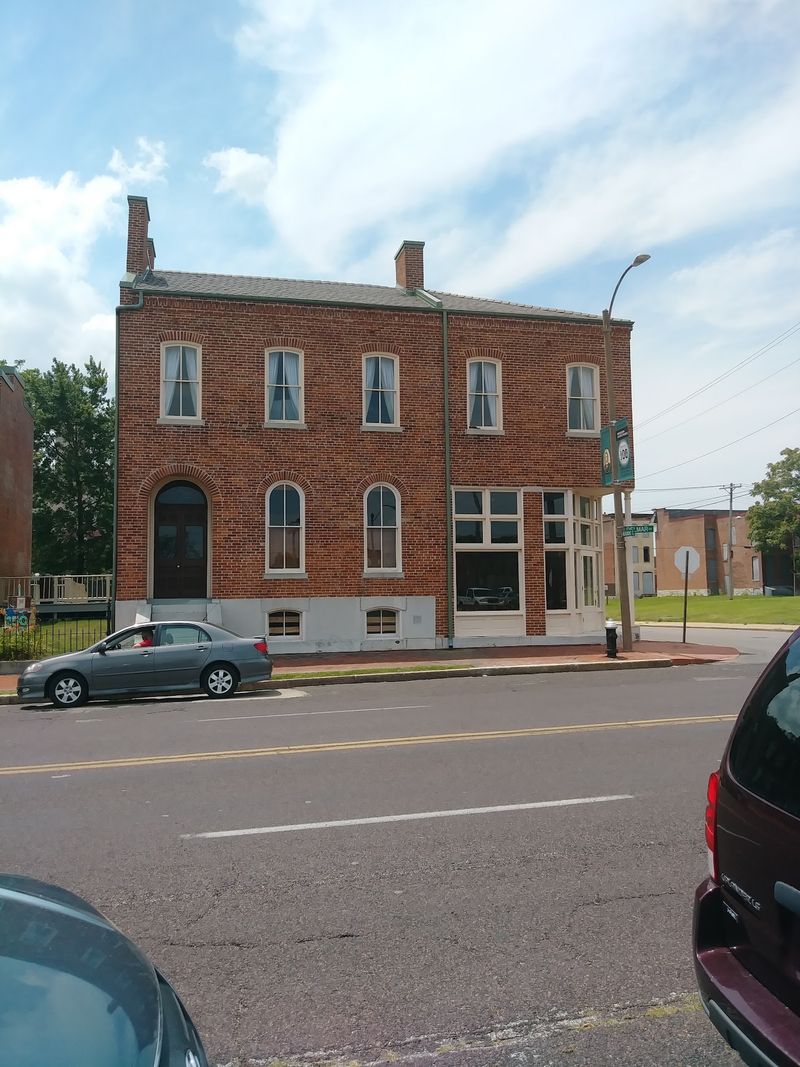
A working player piano, period furnishings, original ragtime history, and the story of one of America’s most influential composers fill a modest brick rowhouse on Delmar Boulevard in St. Louis. Scott Joplin lived here from 1901 to 1903, composing and teaching piano during a remarkably productive period that helped establish his place in American music history.
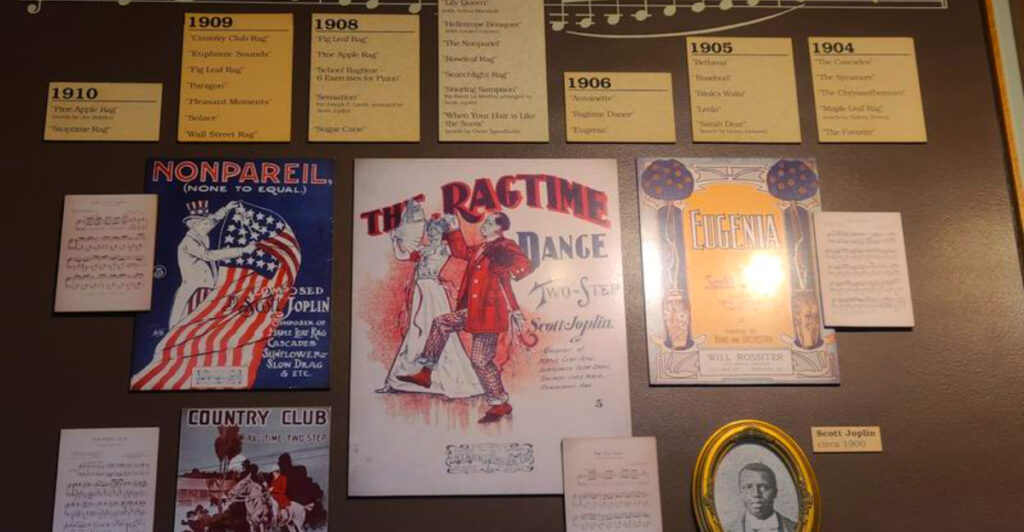
Some of Joplin’s most enduring compositions emerged during his years here, including “The Entertainer,” “Elite Syncopations,” “March Majestic,” and “Easy Winners.” Today, guided tours lead visitors through his restored second-floor flat, while an antique player piano fills the rooms with ragtime from actual piano rolls. The experience becomes even more remarkable considering the house nearly faced demolition in the 1970s before preservationists stepped in to save it.
Here’s why Scott Joplin House State Historic Site has become one of St. Louis’ most meaningful music landmarks – and why stepping inside offers a fascinating look at the place where American popular music began to sound very different.
Where the Syncopated Heartbeat Began: Address and Location
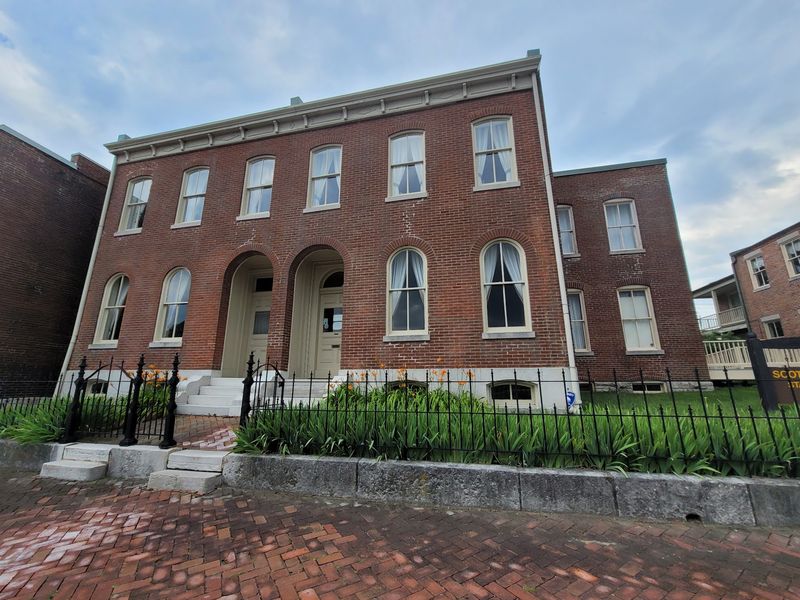
A modest brick rowhouse at 2658 Delmar Boulevard, St. Louis, Missouri 63103, is where the story of this remarkable site begins. During Joplin’s time here, from 1901 to 1903, the street was called Morgan Street, a small but telling detail that anchors visitors firmly in the turn-of-the-century world he inhabited.
The surrounding neighborhood was a working-class district that had evolved into a predominantly African American community by the early 1900s. Far from being a place of isolation, it was a vibrant, densely populated urban area where the sounds and rhythms of daily life filtered naturally into the creative work happening inside these walls.
Today, the site sits in a part of St. Louis that still carries traces of that historical energy. Arriving here feels less like visiting a museum and more like finding a hidden doorway into a specific, meaningful moment in American cultural history. The street itself quietly sets the stage for everything you are about to discover.
The Man Behind the Music: Who Was Scott Joplin
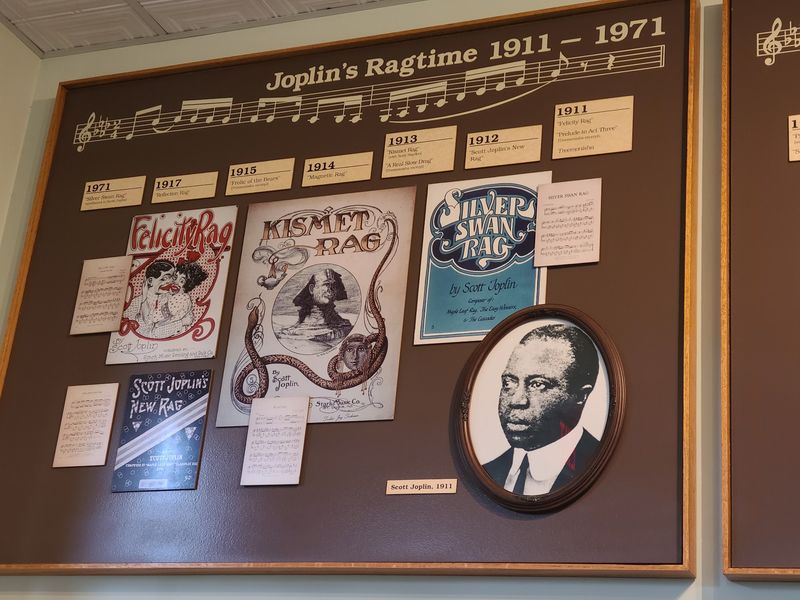
Born in northeastern Texas in 1868, Scott Joplin showed extraordinary musical ability almost from the start. A local German music teacher named Julius Weiss recognized that talent early and offered him free classical lessons, giving Joplin a formal foundation that would later blend beautifully with African American folk and improvisational traditions.
His career ignited spectacularly in 1899 with the publication of “Maple Leaf Rag,” which sold over a million copies of sheet music and triggered a nationwide ragtime craze. That single composition transformed Joplin from a traveling musician into a celebrated figure whose name carried real cultural weight.
When he arrived in St. Louis in 1901, he was not chasing fame so much as seeking a productive base near his publisher, where he could focus on composing and teaching. The royalties from “Maple Leaf Rag” gave him that rare freedom. He was one of the first African American composers to earn a sustainable living purely from his published work, which was a remarkable achievement for the era.
A Building Rescued Just in Time: The Preservation Story
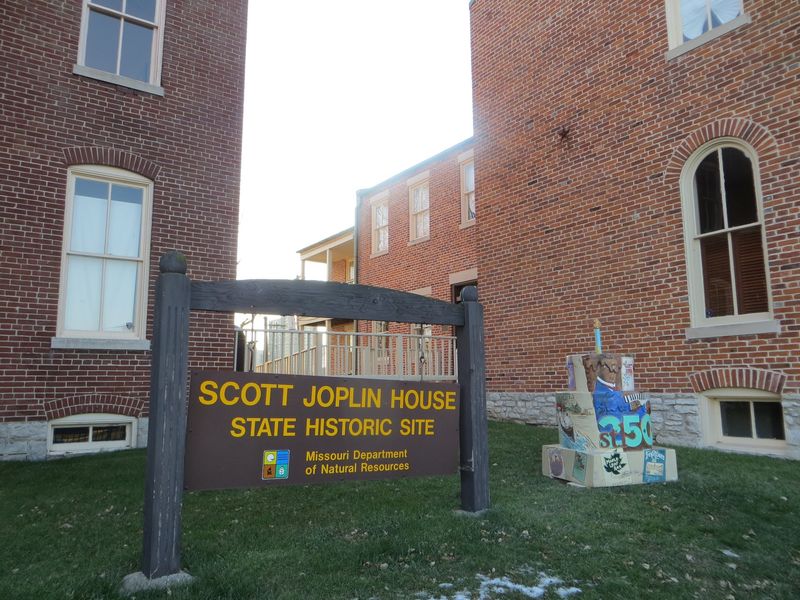
By the 1970s, this Civil War-era rowhouse, estimated to have been built around 1860, was dangerously close to being torn down. Urban changes in St. Louis were claiming historic structures across the city, and this one was no exception to that threat.
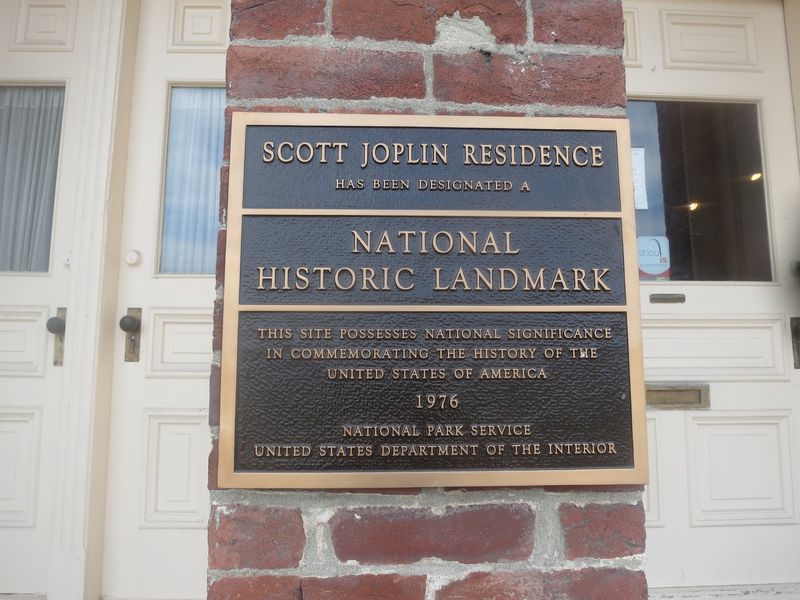
A local African American organization called Jeff-Vander-Lou, Inc. stepped in and fought hard to keep the building standing. Their efforts paid off in 1976, when the house received designation as a National Historic Landmark, the same year Joplin was posthumously awarded the Pulitzer Prize for his contributions to American music.
The Missouri Department of Natural Resources took ownership in 1983 and opened the restored site to the public in the late 1990s. It became the first Missouri state historic site specifically dedicated to African American heritage, a distinction that carries enormous significance. The fact that this building exists at all today is a direct result of community members who refused to let an irreplaceable chapter of American history quietly disappear from the map.
Inside the Flat: What Joplin’s Living Space Actually Looked Like
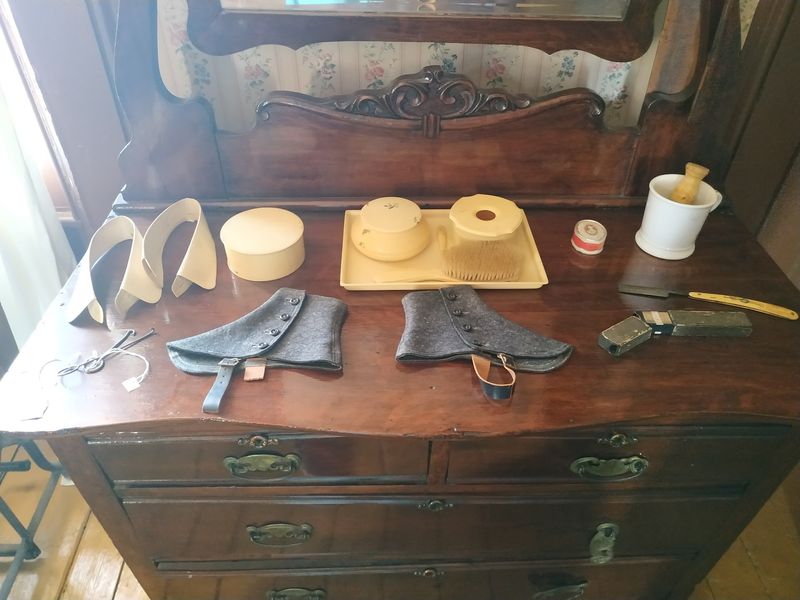
Joplin rented the second-floor flat of this brick rowhouse, sharing the building with other tenants in the way that was completely typical for working-class St. Louis at the time. He moved in with his first wife, Belle Jones, and set up a home that was functional rather than fancy.
The restored flat is furnished with period-correct items from around 1902, including a cast iron stove in the kitchen, a manual sewing machine, gas lamps, a shaving wash basin, and a wooden bureau in the bedroom. None of these pieces are confirmed to have belonged to Joplin personally, but every item is historically appropriate, and the guides are refreshingly upfront about that distinction.
What makes the space feel alive is not the furniture itself but the imagination it triggers. Joplin composed in the communal room on the second floor, not in a private studio. He taught piano lessons in the same shared space where daily life happened all around him, which makes the creative output from this period feel even more impressive.
Compositions Born in This House: The Music That Defined an Era
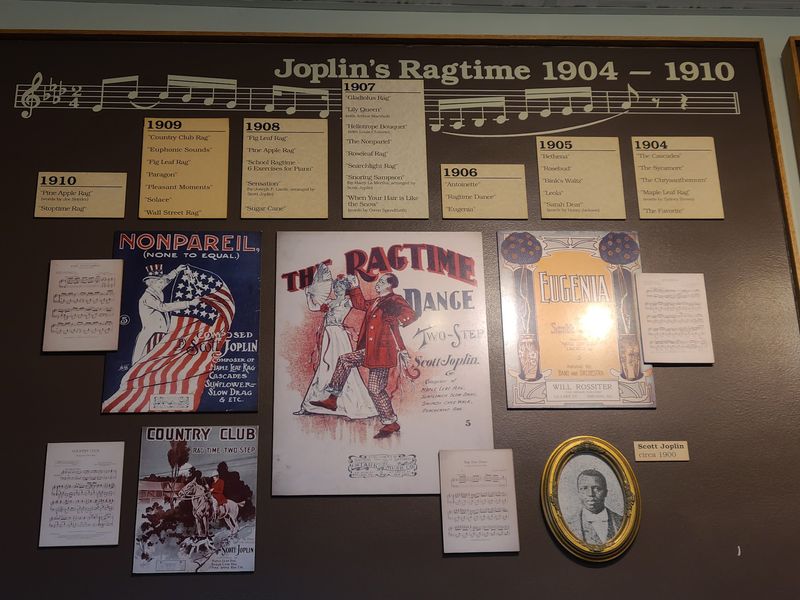
The two years Joplin spent in this St. Louis flat were among the most productive of his entire career. He composed several of his most celebrated and enduring pieces right here, including “The Entertainer,” “Elite Syncopations,” “March Majestic,” and “Easy Winners.”
“The Entertainer” would later reach an entirely new generation of listeners when it was used as the theme music for the 1973 film “The Sting,” introducing Joplin’s genius to audiences who had never heard of ragtime. That kind of cultural longevity is rare for any composer, let alone one whose work was largely overlooked for decades after his passing.
He also began work on his opera “A Guest of Honor” during this period, an ambitious project that reflected his deep desire to have ragtime recognized as serious art rather than mere entertainment. Tragically, the original score of that opera has been lost. But the pieces that survived from his St. Louis years remain some of the most recognizable and frequently performed compositions in American music history.
The Player Piano: A Star Attraction That Steals the Show
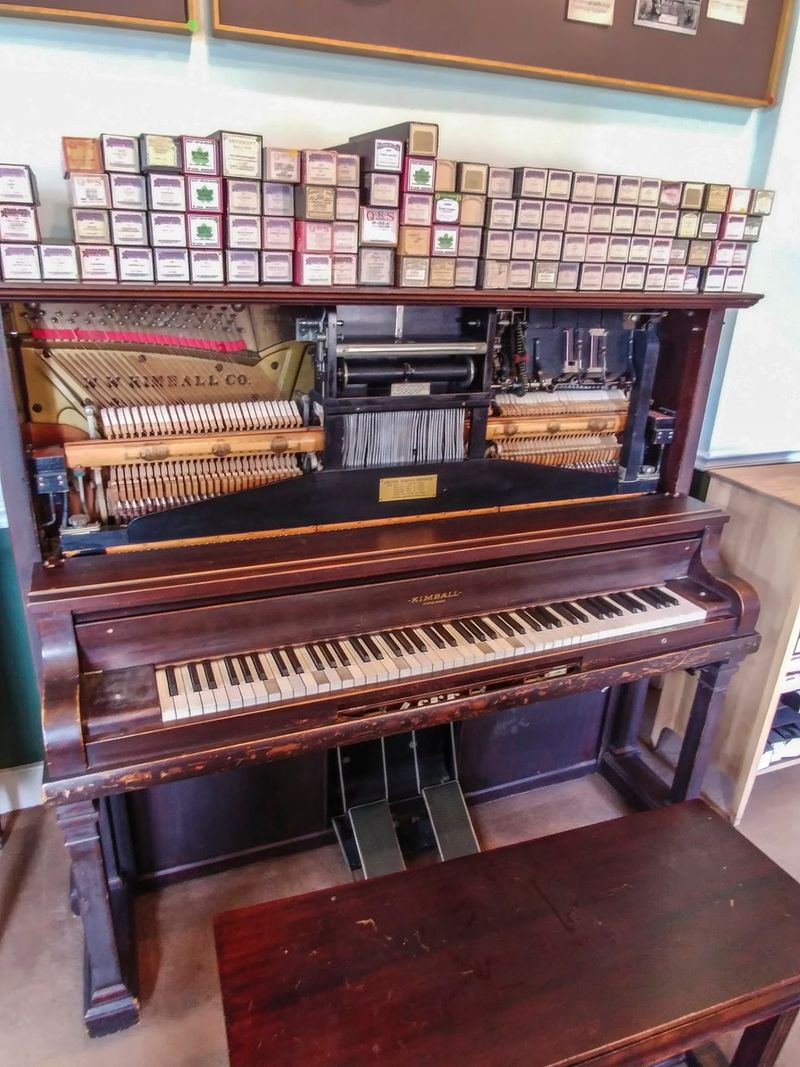
Of all the objects inside the Scott Joplin House, the player piano draws the most attention, and for very good reason. This antique foot-pedal instrument plays actual piano rolls, and hearing it perform one of Joplin’s rags in the very rooms where he once composed is an experience that is genuinely hard to describe without underselling it.
The site holds an impressive collection of Joplin ragtime rolls, and docents will demonstrate the player piano as part of the guided tour. Watching the keys move on their own while the syncopated melody fills the small room creates an almost eerie sense of connection to the past.
On particularly fortunate visits, the site’s resident pianist and Joplin scholar, Royce Martin, has been known to perform live interpretations of Joplin’s rags, adding a layer of musicological depth that goes well beyond the average museum experience. His album “Memories on Morgan Street: Scott Joplin Reimagined” is worth seeking out afterward if the live performance leaves you hungry for more of that sound.
Ragtime Explained: Why This Genre Genuinely Mattered
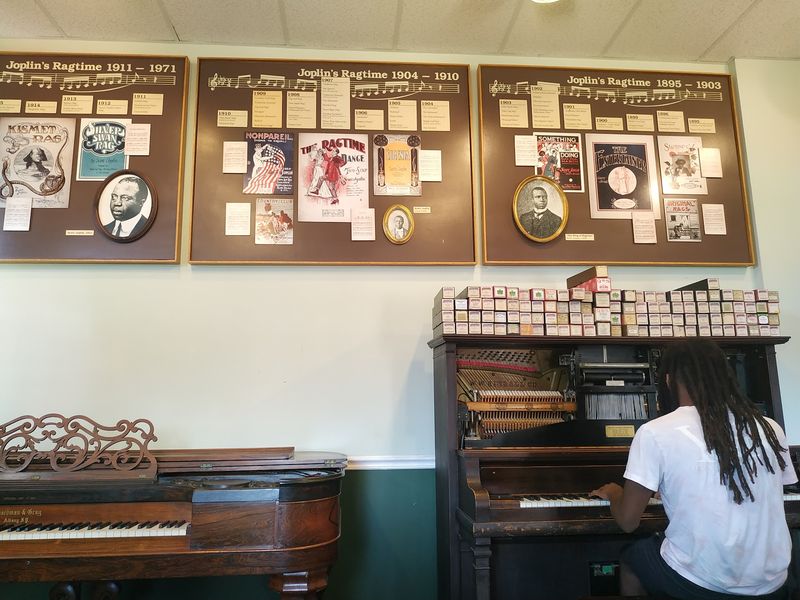
Ragtime gets described as “syncopated” so often that the word can start to feel meaningless, but the concept is actually straightforward and fascinating. The left hand of the piano keeps a steady march-like beat while the right hand plays a melody that lands slightly off the expected rhythm, creating a playful tension that makes the music feel almost irresistibly lively.
Joplin viewed ragtime not as background noise for saloons but as a legitimate art form deserving the same respect as European classical music. He even published instructional materials insisting that his compositions be performed at a moderate tempo rather than rushed, because the details mattered deeply to him.
The genre’s influence spread far beyond its original audience. Ragtime’s rhythmic innovation directly shaped the development of New Orleans jazz, stride piano, and eventually touched blues, R&B, and hip-hop in ways that music historians continue to trace and document. Understanding ragtime means understanding the roots of a huge portion of American popular music, which is exactly why this site carries so much educational weight.
The Guided Tour Experience: What to Expect When You Arrive
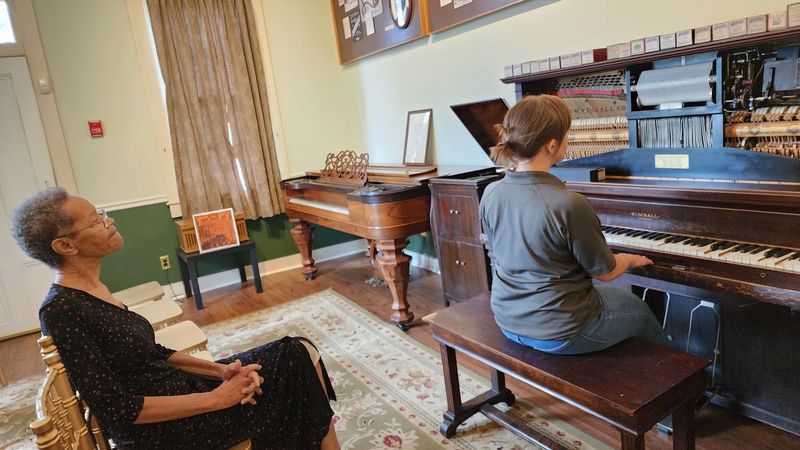
Tours at the Scott Joplin House run on the hour, every hour, Monday through Saturday, from 10 a.m. to 4 p.m., with the last tour departing at 3 p.m. The site charges a modest entrance fee of six dollars for adults and four dollars for youth ages 6 through 17, with children five and under admitted free when accompanied by a paying adult.
Each tour lasts approximately 45 minutes and covers Joplin’s biography, the history of the neighborhood, and the broader cultural context of the ragtime era. The docents are consistently praised for their depth of knowledge and genuine passion for the subject, which transforms what could be a dry recitation of facts into a genuinely engaging conversation.
You cannot explore the house independently, so the guided format is the only way to see the interior. That structure actually works in the visitor’s favor, because the guides consistently surface details and stories that no informational placard could replicate. Calling ahead is a smart move if you want a specific time slot or have a larger group to accommodate.
Beyond the Music: Social History Woven Into Every Room
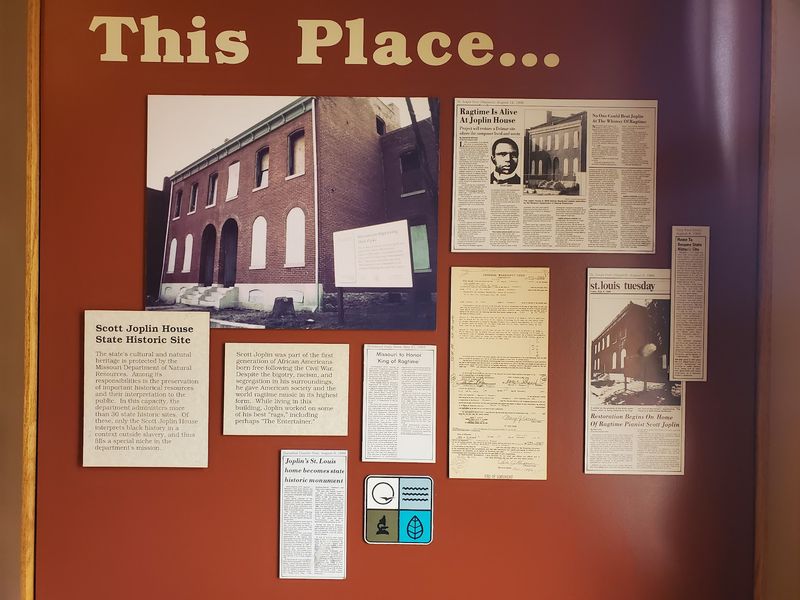
A visit here is not simply a tour through a musician’s former home. The exhibits and guided commentary deliberately expand the conversation to include the social and political realities that shaped Joplin’s world, covering topics like racial oppression, poverty, sanitation challenges, and the complex dynamics of urban life for African Americans in early 20th-century Missouri.
This broader interpretive framework was introduced through a heritage project that grew the site’s scope beyond its original focus on Joplin and ragtime alone. The result is a more honest and complete portrait of the era, one that acknowledges the obstacles Joplin navigated alongside his artistic achievements.
The guides handle these heavier topics with care and intelligence, presenting them as essential context rather than distractions from the musical story. Visitors who arrive expecting only a pleasant music history lesson often leave with a much deeper understanding of American history as a whole. That combination of cultural celebration and honest historical reckoning is what elevates this site above a standard biographical museum and makes it worth the trip regardless of your existing knowledge of ragtime.
Joplin’s Posthumous Recognition: A Pulitzer Prize Decades Later
Scott Joplin passed away in 1917, largely forgotten by the mainstream music world that had once celebrated him. For decades, his contributions sat on the margins of American cultural memory, acknowledged mainly by specialists and enthusiasts who recognized what the broader public had moved past.
The ragtime revival of the early 1970s changed that dramatically. The use of “The Entertainer” in the 1973 film “The Sting” reintroduced Joplin’s compositions to millions of new listeners and sparked a renewed academic and popular interest in his entire catalog. That cultural moment created the momentum needed for a formal reassessment of his legacy.
In 1976, the Pulitzer Prize Board awarded Joplin a Special Posthumous Pulitzer Prize for his exceptional contributions to American music. The timing was significant, coinciding with the National Historic Landmark designation of his St. Louis home. Together, those two recognitions in the same year amounted to a long-overdue correction of the historical record, finally placing Joplin in the company of the great American artists where he had always belonged.
Planning Your Visit: Practical Tips for a Rewarding Trip
The Scott Joplin House State Historic Site is open Monday through Saturday from 10 a.m. to 4 p.m., with guided tours starting on the hour through 3 p.m. Admission is six dollars for adults, four dollars for youth ages 6 to 17, and free for children five and under with a paying adult. Group rates are available, so calling ahead is worth the effort if you are bringing a larger party.
Parking along the street is generally manageable, and arriving earlier in the day tends to make finding a spot easier. The tour itself runs about 45 minutes, so budget your time accordingly and plan to linger in the small gift area afterward, where books, sheet music, and Joplin-themed merchandise are available for purchase.
Dogs are welcome on the grounds outdoors on a leash but are not permitted inside the historic building. Spring and fall are comfortable seasons for visiting St. Louis generally, and weekday tours often provide a quieter, more personal experience. The phone number for the site is 314-340-5790, and the official website is mostateparks.com for current schedule updates.
Share this story