Some places in Oklahoma sneak up on you, and this one hides at the end of a quiet country road with no cell signal in sight. I came out of curiosity and maybe a craving for homemade bread, and I left feeling like I had traveled about eight hundred years back in time.
Picture stone walls, monks singing in Latin, and a gift shop stocked with cheese and cookies made right on the grounds. If you love finding the unexpected in your own home state, this hidden corner deserves a spot at the top of your list.
A Benedictine Abbey in the Green Country Hills
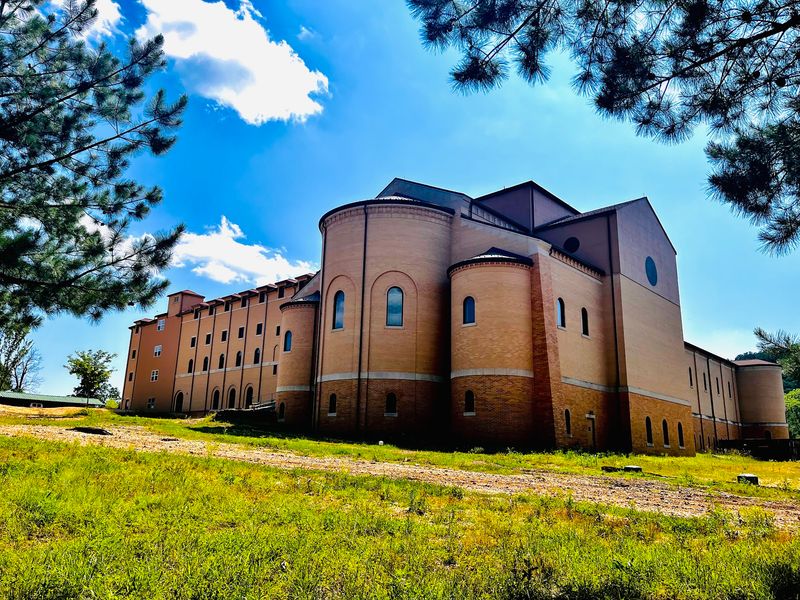
Tucked into the wooded hills of northeastern Oklahoma, Our Lady of Clear Creek Abbey sits at 5804 W Monastery Rd near the small town of Hulbert. It is a working Benedictine monastery, home to a community of monks who live by the traditional Rule of Saint Benedict.
Most travelers have no idea it exists. You can drive past fields and forest for miles, then suddenly spot a stone church that looks like it belongs in the French countryside rather than Cherokee County.
That surprise is half the fun.
The abbey is not a museum or a theme park. Monks actually live, pray, farm, and work here every single day, and visitors are welcome to share in parts of that rhythm.
You can attend Mass, browse the bookstore, and even arrange a stay if you plan ahead.
Guests come from all over, including Northwest Arkansas, which visitors describe as an easy hour and a half drive. Others make the trip from across Oklahoma just to hear the chant.
Whether you arrive as a person of deep faith or simply a curious road-tripper, the place has a way of slowing your pulse the moment you step out of the car.
Roots Stretching Back to the Sixth Century
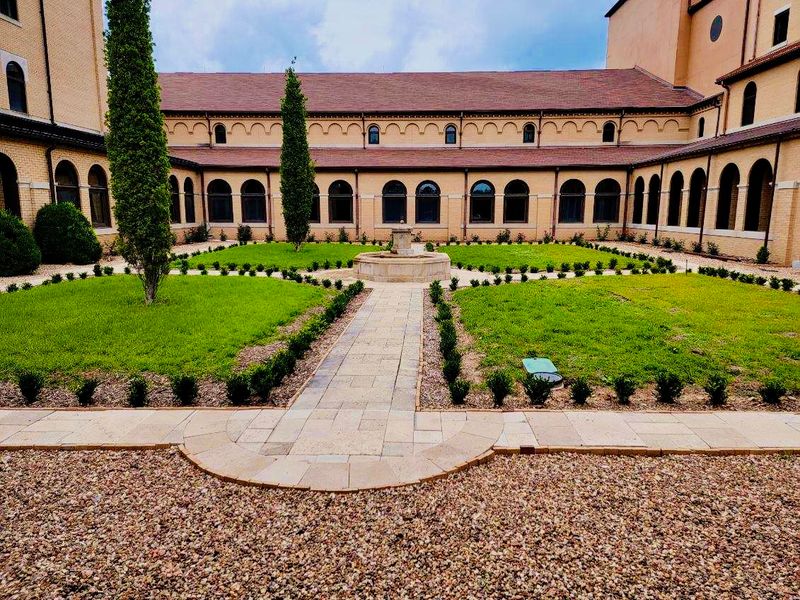
Long before Oklahoma had a name, a man called Benedict wrote a simple guide for monastic living in sixth century Italy. His Rule, built around prayer, work, and welcoming strangers, shaped monasteries across Europe for centuries.
Clear Creek follows that same Rule today. The Benedictine order has been known for hospitality to strangers since those early days, and longtime visitors say you can still feel it in how kindly the brothers greet newcomers.
Here is the part that sounds almost unbelievable. One regular visitor remembers attending Mass back when the monks worshiped in a converted horse barn.
Even then, they say, it was obvious this was a holy place.
Since then, the community has grown slowly and patiently. Someone who has followed the abbey for years notes that progress over the last fifteen years has been gradual, and the monks have said they want their buildings to last two thousand years.
That kind of long view is rare in a world of quick builds and short attention spans. It ties this quiet Oklahoma hillside directly to the great stone abbeys of the Middle Ages, where generations of monks labored on structures they would never fully see finished.
The New Church, Built to Outlast Centuries
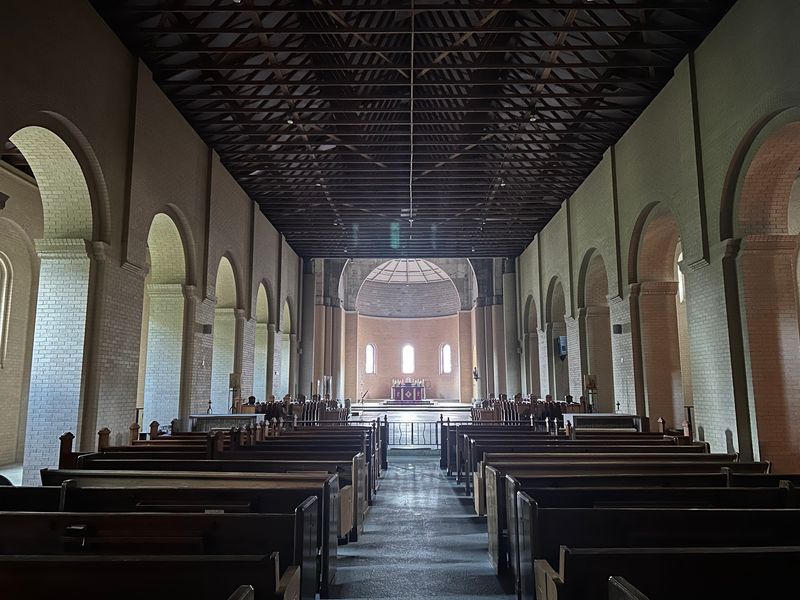
Finished roughly two years ago, the new abbey church is the showpiece that many visitors waited a long time to see. One guest called it so beautiful that it was well worth the wait.
For years, construction defined the visitor experience. People recall Mass being held in a basement chapel, and one family even peeked through a hole in the plywood to record the chanting from outside.
One visitor also cheerfully remembers a surprise scorpion sharing the basement chapel with them, which is about as Oklahoma as monastery stories get.
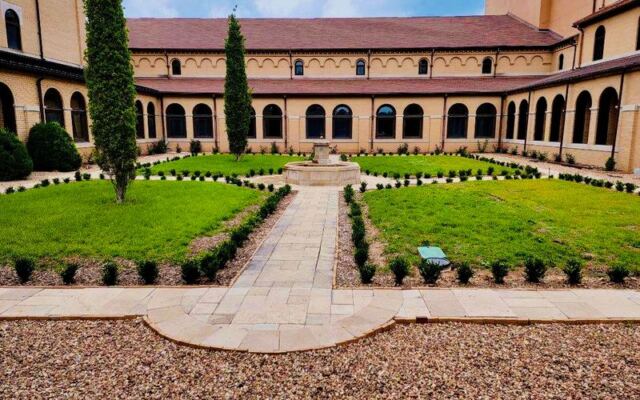
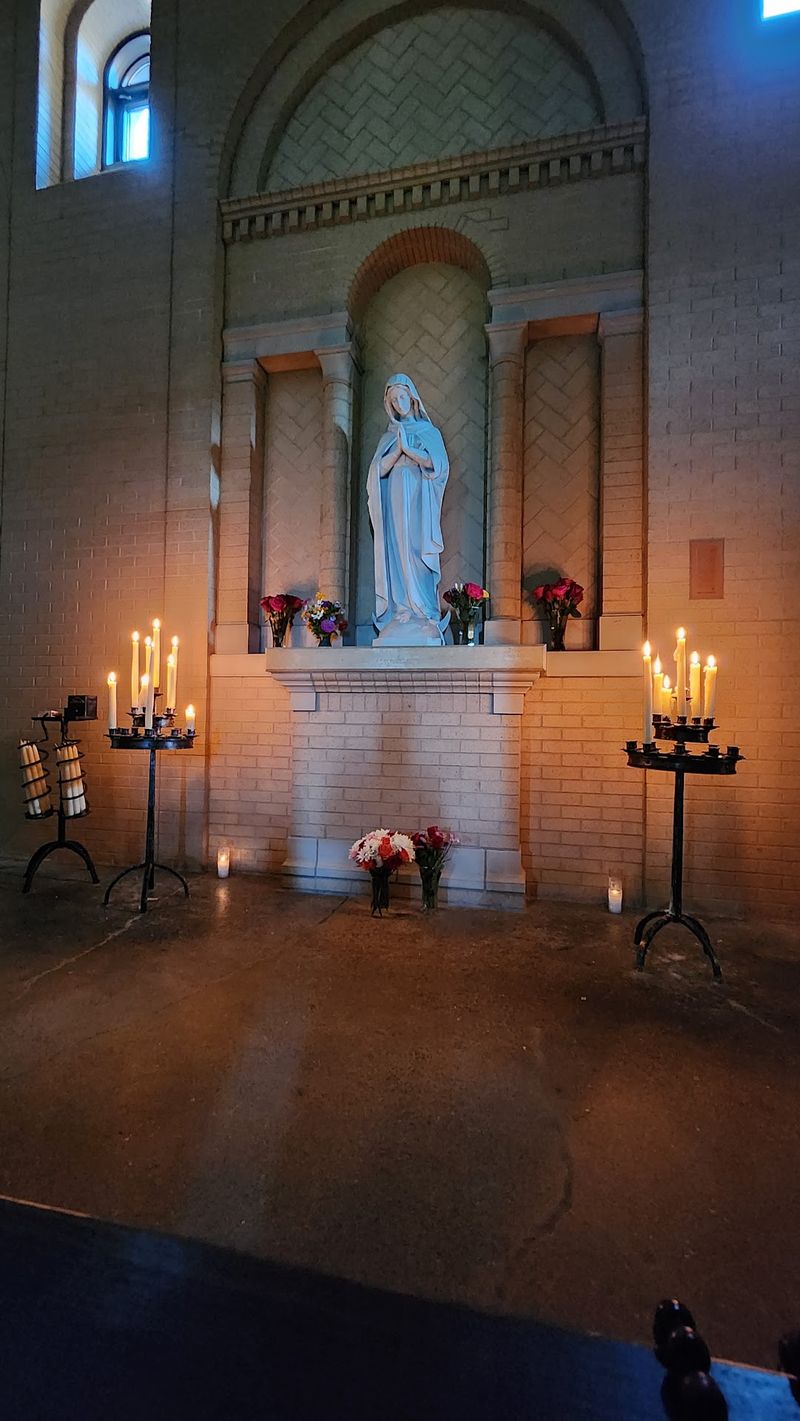
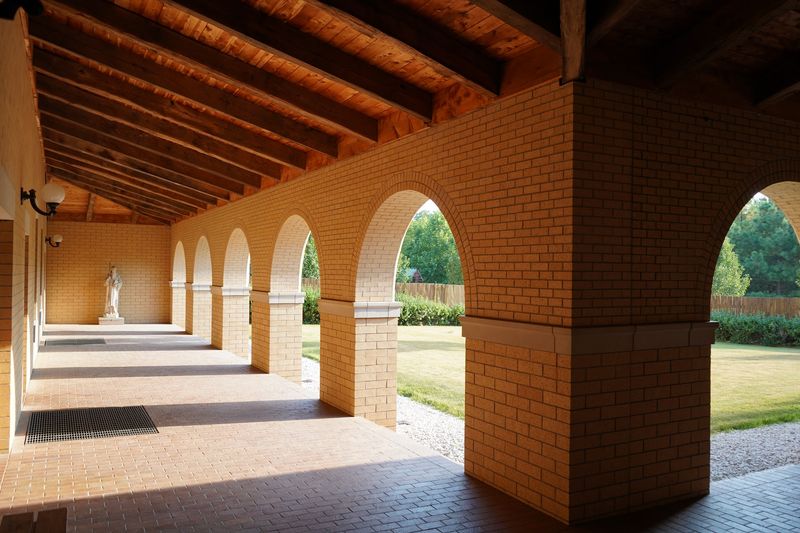
Now the church stands complete, with the kind of solid, timeless feel that makes people compare the abbey to the medieval monasteries of Europe. The goal of building something meant to last two thousand years shows in every arch and wall.
Step inside and the noise of the outside world simply fades. Sound carries beautifully, which matters a great deal when the monks begin to sing.
Because the monks are not wealthy, guests often encourage others to leave a donation when they visit. Every gift helps a community that has poured years of patience into creating a sacred space that future generations of Oklahomans can enjoy.
Gregorian Chant Echoing Through Stone
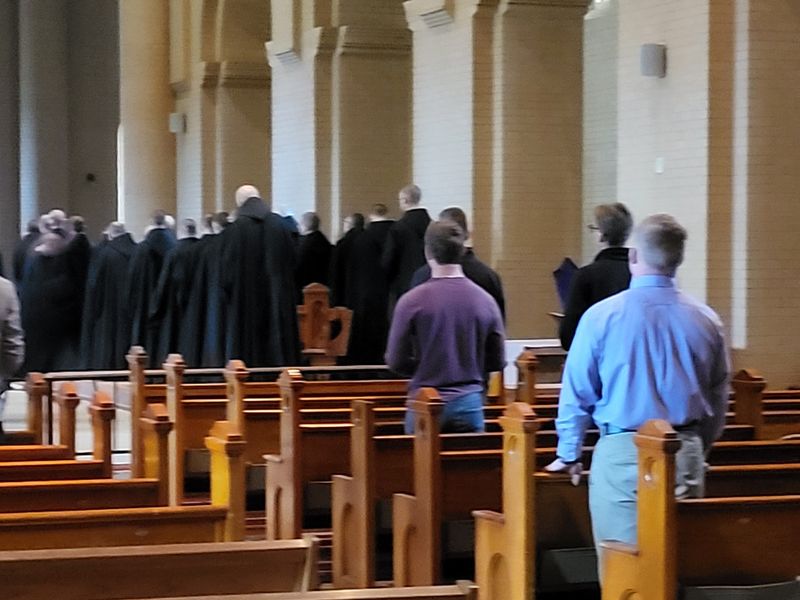
Close your eyes during the chant and you could swear you were standing in twelfth century France. That is the magic visitors keep talking about.
The monks sing Gregorian chant, the ancient, single-melody music of the Latin Church. There are no drums, no guitars, and no microphones booming overhead.
Just human voices rising and falling together in slow, flowing lines.
Guests describe the chant as reverent and healing to the soul. Some say it is the main reason they drive hours to get here, and others admit they never want to leave once the singing starts.
Fun fact: Gregorian chant is named after Pope Gregory the Great, though the music developed over many generations. It was written to help people pray, not to entertain, which explains why it feels so calm and unhurried.
You do not need to understand Latin to be moved by it. The sound alone does much of the work, wrapping the room in a hush that seems to settle into your chest.
If you can only catch one part of daily life at the abbey, make it the chant. It is the clearest doorway into that medieval feeling promised in the title.
Daily High Mass in Latin
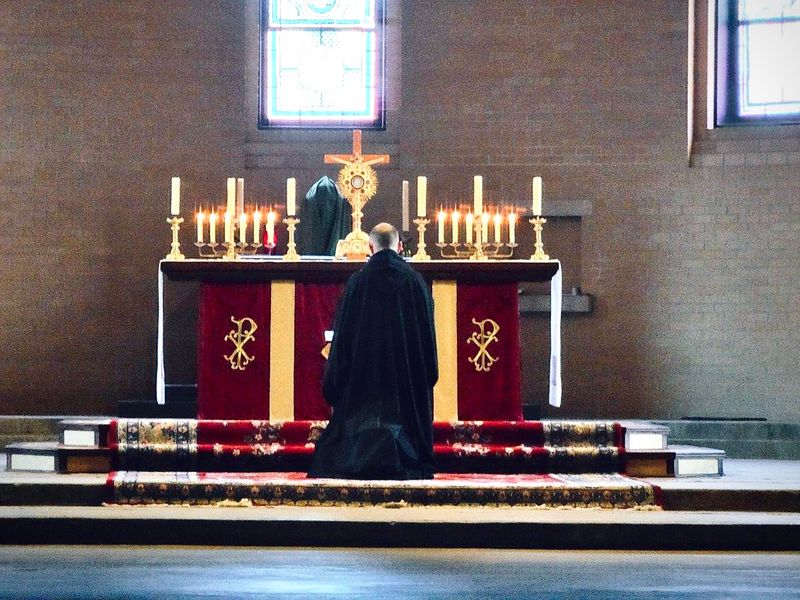
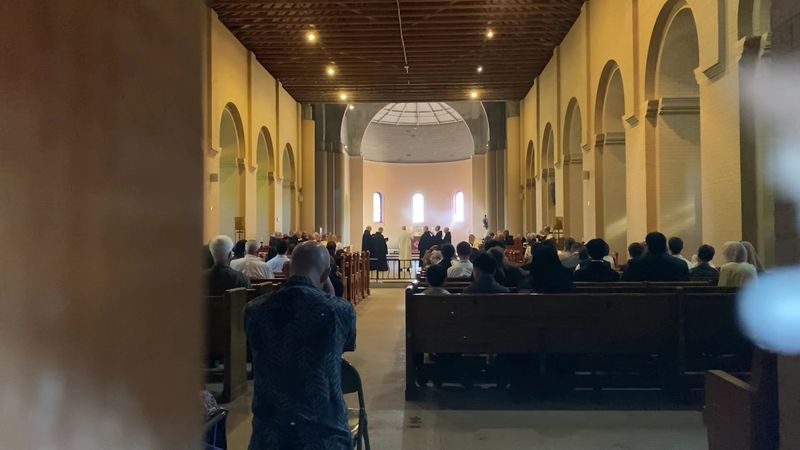
Ten in the morning is the hour to circle on your calendar. That is when the abbey celebrates High Mass, offered daily in Latin according to the traditional form.
Many guests come specifically for this Traditional Latin Mass, sometimes called the Tridentine Mass. Visitors describe it as another level of worship, full of adoration and quiet surrender, with chant woven throughout.
Never been to one? You are not alone.
One first-timer wrote that attending here for the first time only drew them closer to their faith, and encouraged others not to feel intimidated.
Sunday High Mass gets especially glowing words. Guests call it absolutely stunning and a must-see, the kind of experience that lingers long after the drive home.
A practical tip from someone who learned the hard way: check the schedule before you go. They arrived expecting a different time, had to wait around, and now plan to simply attend Mass here instead of at their home parish.
Arrive a bit early to find a seat and let yourself settle. The rituals move at a steady, ancient pace, and giving yourself a few minutes of stillness beforehand makes the whole experience even richer.
Cheese, Bread, and Cookies Made by Monks
Hungry? You are in luck, because the monks are seriously good at making food.
Their homemade goods may be the tastiest souvenir in all of Oklahoma.
Visitors rave about the cheese, especially the gouda made right at the abbey. One shopper admits he and his wife polished off a whole block at supper the same day.
Others call the butter cookies amazing and the fresh bread simply delicious.
The shelves also hold honey, jams, jellies, fresh vegetables, and even sweet potatoes, depending on the season. It feels a little like a medieval market where the farmers and the bakers are the same people who sing in the choir.
Here is the catch. Popular items can sell out, and at least one guest arrived too late for the bread.
If you have your heart set on a loaf, earlier in the day is smart.
Shopping here also supports the community directly, since these goods help sustain the monks and their building work. It turns a snack run into something more meaningful.
Pack a cooler if you are driving far. That cheese deserves a safe trip home, assuming it lasts that long.
Bookstore and Gift Shop Treasures
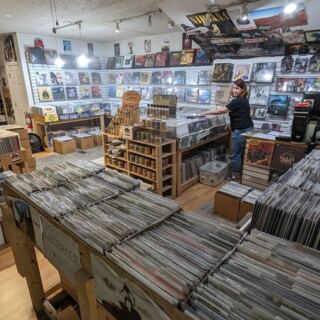
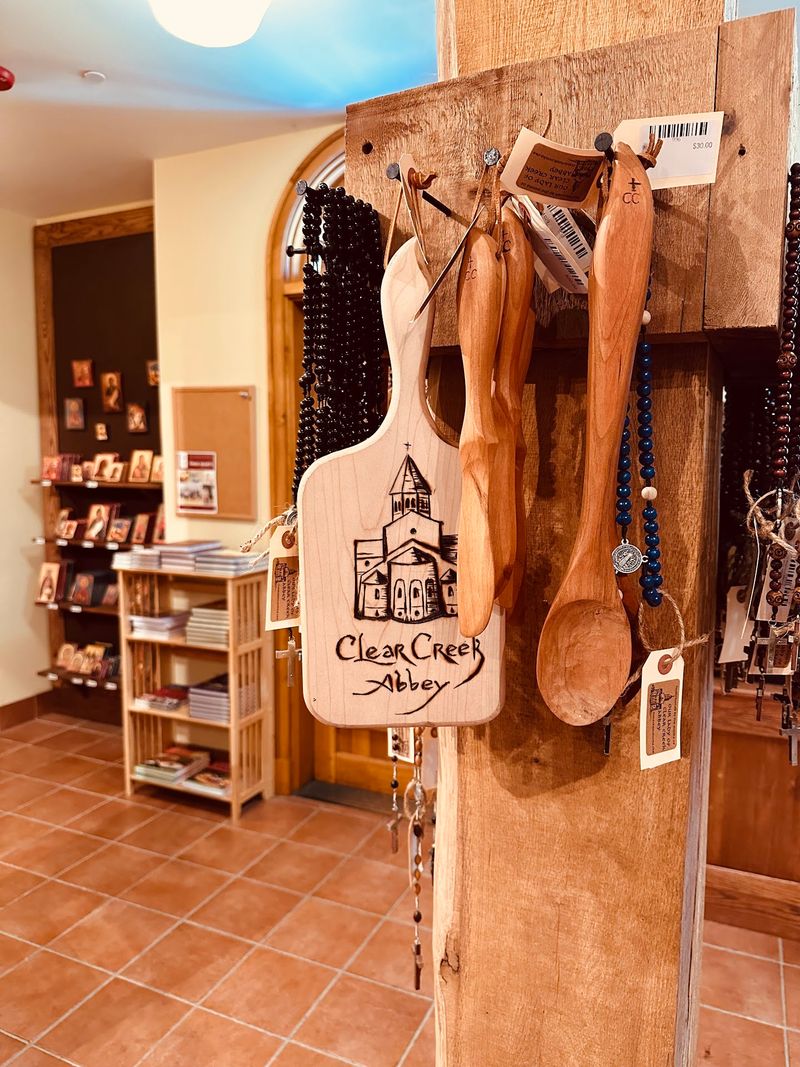
Rosaries strung by hand, pottery shaped on site, and shelves of thoughtful books make the abbey bookstore a destination all on its own.
Shoppers mention a wide range of goods: religious books, medals, candles, soap, coffee mugs, handmade pottery, and even tools. Many of the items are crafted by the monks themselves, which gives each piece a personal story.
The handmade rosaries get special praise. One visitor first found the abbey while searching online for a new rosary, drove about seventy miles, and decided the rosaries were even better in person.
Here is a lovely bonus. The monks will bless religious items and sacramentals, and that same shopper had his rosary and its Saint Benedict medal blessed by one of the Fathers before he left.
He called it a real treat.
Timing matters. The bookstore closes during High Mass at ten and reopens around a quarter past eleven, so plan your browsing around the service.
Even if you are not shopping for faith items, the craftsmanship is worth seeing. It is a small window into the steady, handmade work that fills a monk’s day when he is not in prayer.
Woods, Clean Air, and Total Quiet
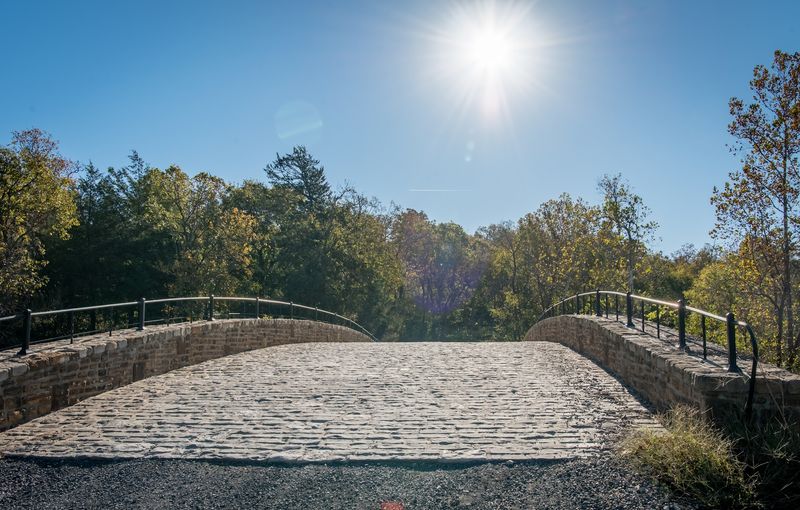
Silence is a rare thing these days, and out here you can practically hold it in your hands.
The abbey sits surrounded by woods, and visitors often mention the gorgeous scenery alongside the beauty of the church. One guest summed up the appeal as silence, clean air, and prayer, which is a pretty great day trip combination.
The setting does more than look pretty. A frequent visitor explains that everything, from the forest around you to the liturgy inside, seems to lead your heart somewhere peaceful.
Others simply call it a place of total serenity.
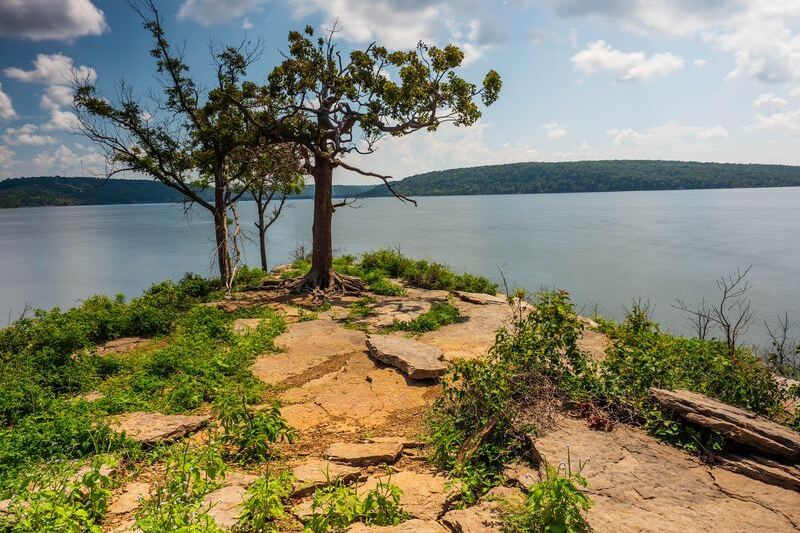
For Oklahomans who love getting outdoors, the drive itself through Green Country is part of the reward. Rolling hills and quiet back roads set the mood long before you see the bell tower.
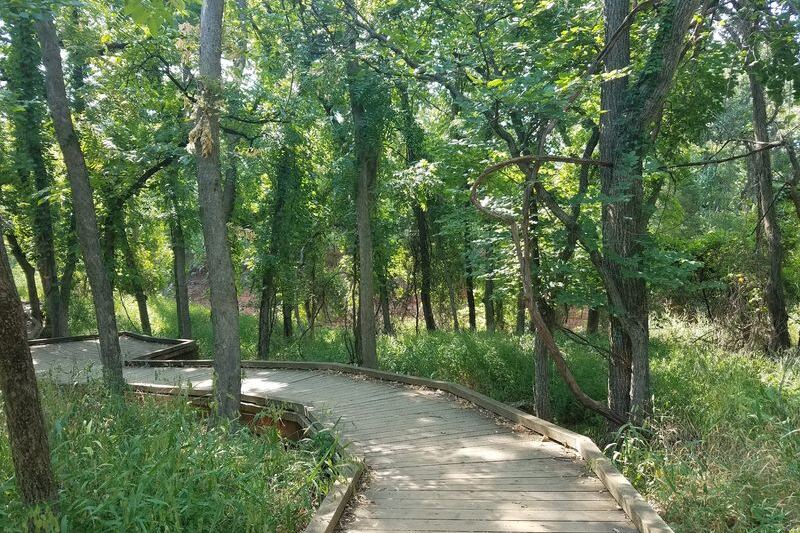
Spending a little time walking the grounds respectfully can help you shake off highway stress before Mass or after shopping. Bring comfortable shoes, breathe deeply, and let your phone stay in your pocket.
Honestly, you may not have much choice about that last part. The lack of signal turns out to be one of the most refreshing features of the whole visit.
Overnight Retreats with the Brothers
Want more than a few hours? Staying overnight turns a visit into a genuine retreat.
Men can plan ahead to stay with the monks at the abbey. Guests describe the men’s guest house as fitting and comfortable, with private rooms that have showers and a shared restroom on each floor.
Bring your own towels and soap, since those are not provided.
Visitors also mention that the monks talked about rooms or a house available for booking, and one family left already dreaming of a longer return trip. Laymen and clergy alike call it a very good place to make a retreat.
Some families go even further. One group arranged to attend Mass, share lunch with the monks, and work alongside them, which they described as a wonderful experience.
The food, though humble, earns warm praise from those who have eaten it.
The key is planning. Guests recommend contacting the brother in charge of arrangements well in advance, since these experiences are not walk-in options.
A night or two lets you follow the full rhythm of monastery life, from early prayer to evening chant. It is about as close to living in medieval Europe as Oklahoma gets.
Dress Code and Respectful Etiquette
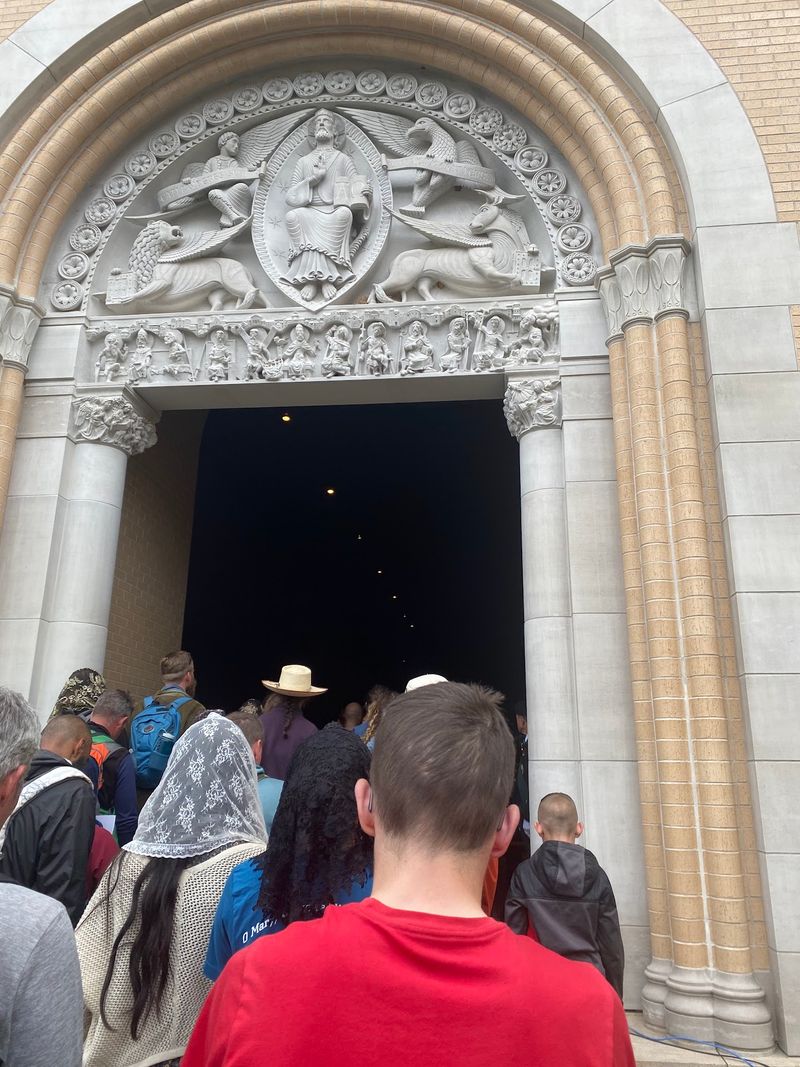
Think of it as dressing up for a visit with someone very important, because that is exactly how regulars see it.
The abbey asks guests to follow a modest dress code. According to visitors, women should cover their heads inside the abbey and wear a skirt or dress that falls below the knee, with tops that do not reveal the shoulders.
Men should skip shorts and anything immodest.
One longtime guest suggests business casual for men at Mass, ideally a tucked-in dress shirt. That same visitor adds a gentle note: if you cannot manage that, come as you are anyway.
A sweet custom some people follow is bringing roses or flowers for Our Lady. It is a small, thoughtful gesture that fits the spirit of the place beautifully.
Remember that the monks live a cloistered life of prayer. Speaking softly, silencing devices, and respecting closed areas all help keep the atmosphere peaceful for everyone.
None of this needs to feel stressful. Pack a scarf, choose longer clothing, and you will be ready.
Following the customs shows respect for a community that opens its doors so generously to strangers.
Who Will Love a Visit Most
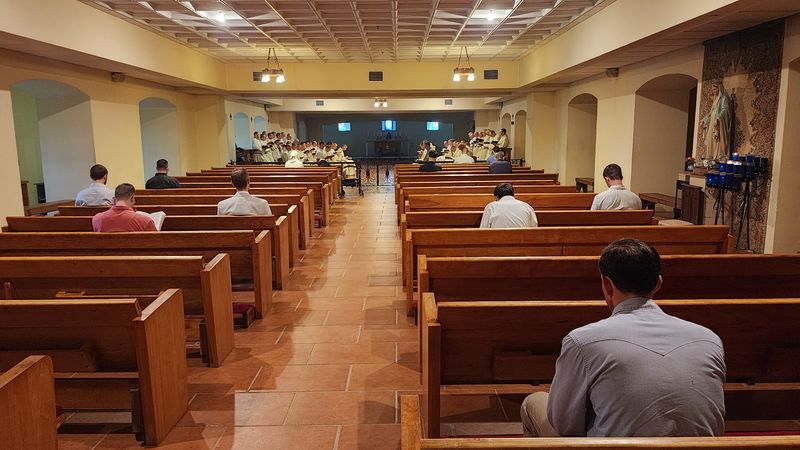
Pilgrims, history lovers, music fans, and food-curious road-trippers all find something here, though each walks away with a slightly different treasure.
Catholics drawn to the Traditional Latin Mass are the most devoted guests. Some have visited eight or nine times and say every trip feels like a blessing.
A few even bring friends along and notice those friends leave changed.
Families do well too. One family stopped during a longer trip, worked with the monks, and called the whole day a great experience with gorgeous scenery as a bonus.
Not religious? Many visitors simply describe it as a wonderful spot to meditate, clear your mind, and escape noise.
Anyone who appreciates sacred music, old traditions, or carefully built architecture will feel right at home.
History buffs will enjoy the comparison to medieval European abbeys, which more than one guest made on their own. The blend of chant, Latin, and stone feels like a time capsule.
Travelers hungry for something offbeat get a reward too. Few Oklahoma day trips end with a bag of monk-made gouda and cookies on the passenger seat.
It is quirky, peaceful, and wholly memorable.
Hours Worth Planning Around
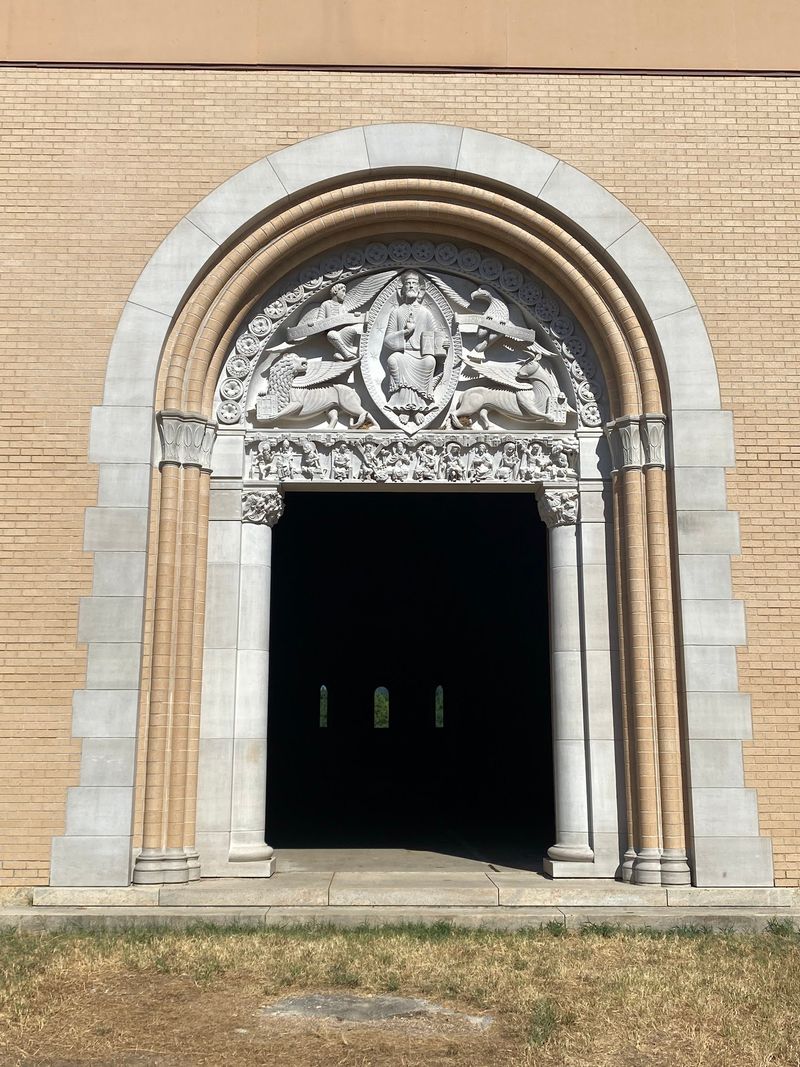
Timing your arrival well makes a big difference here, since the abbey keeps a split schedule built around prayer.
Monday through Saturday, visiting hours run from 9 AM to 12:45 PM, then again from 3 PM to 7:15 PM. Sunday is nearly the same, except the afternoon block starts a little later, at 3:30 PM, and still closes at 7:15 PM.
That midday gap catches some folks off guard. If you roll in around lunchtime, expect to wait or plan a picnic nearby before the doors reopen.
Morning is popular because of the 10 AM High Mass. Remember the bookstore closes during that service and reopens around 11:15, so browse before or after.
Several regulars stress calling ahead, ideally a day or two before you go, especially if you want to meet with the monks, share a meal, or arrange a stay. The phone number is 918-772-2454, and the website clearcreekmonks.org is a good place to double-check schedules.
No admission prices are listed, but guests often encourage donations to help the community continue building. A little planning ensures you catch the chant, the shop, and the calm all in one trip.
Getting There Without a Signal
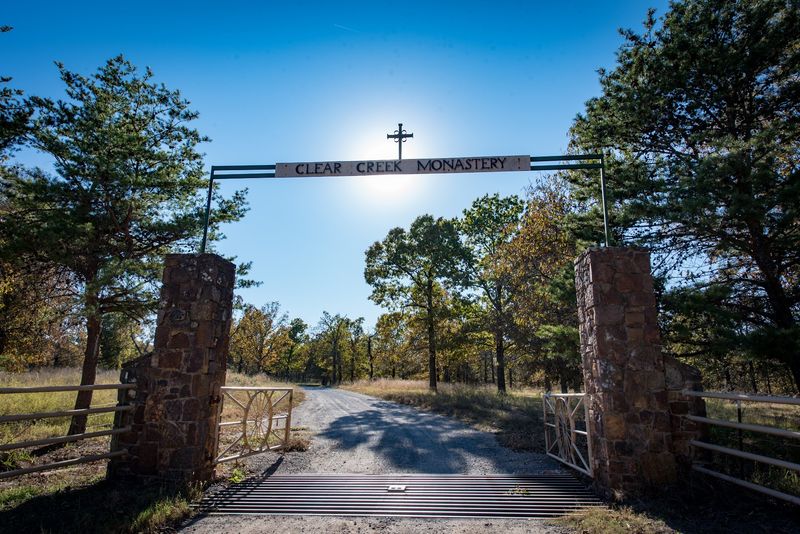
Grab your directions before you leave town, because your phone may give up halfway there.
The abbey sits on W Monastery Rd outside Hulbert in eastern Oklahoma. Visitors warn there is basically no cell service out there, and any signal you do catch tends to be spotty at best.
The smartest move, according to one Sunday regular, is saving an offline map before you go. Downloading directions ahead of time saves a lot of nervous guessing on back roads.
Distance-wise, it makes a reasonable day trip from many places. Guests from Northwest Arkansas describe about an hour and a half of driving, and another visitor came roughly seventy miles after attending Mass at his own parish.
The final stretch winds through wooded countryside, so take it slow and enjoy the views. Seeing the stone church appear among the trees is a moment worth savoring.
Bring a cooler for cheese, cash or a card for the shop, and maybe a printed copy of the schedule. Once you arrive, the missing signal stops feeling like a problem and starts feeling like a gift, nudging you toward the quiet the monks treasure.
A Quiet Verdict from the Hills
Some trips fill your camera roll. This one fills something deeper, and you might not notice until you are halfway home.
Our Lady of Clear Creek Abbey offers a mix you will not find anywhere else in Oklahoma: Latin chant, a church built to last for ages, monks who bake and make cheese, and woods so quiet you can hear your own thoughts. Visitors call it a piece of heaven hidden away in the state and absolutely worth the drive.
Is it for everyone? If you need nonstop action or a strong phone signal, probably not.
But if you crave peace, beauty, and a brush with centuries-old tradition, it may become a place you return to again and again.
Come with respect, dress modestly, and plan around the schedule. Leave a donation if you can, buy some bread before it sells out, and linger for the chant.
Plenty of guests say they never want to leave, and many plan return trips before they even reach the parking lot. Odds are good you will feel the same pull, along with a sudden urge to tell every friend about the medieval monastery hiding in the Oklahoma hills.
Share this story