Some prisons carry a reputation that goes far beyond their walls. Whether it was a helicopter landing in a prison yard, a tunnel dug beneath a shower, or a man clinging to the underside of a food truck, real prison escapes have produced stories that sound almost too wild to believe.
What makes these cases even more remarkable is that the prisons involved are not history museum exhibits. They are still open, still operating, and still holding inmates today.
This list covers 8 active prisons from California to Brazil, each with at least one escape story that made headlines, triggered investigations, or rewrote security rulebooks. These are not legends from forgotten institutions.
They are real events tied to real places that you could look up on a map right now.
Folsom State Prison, California
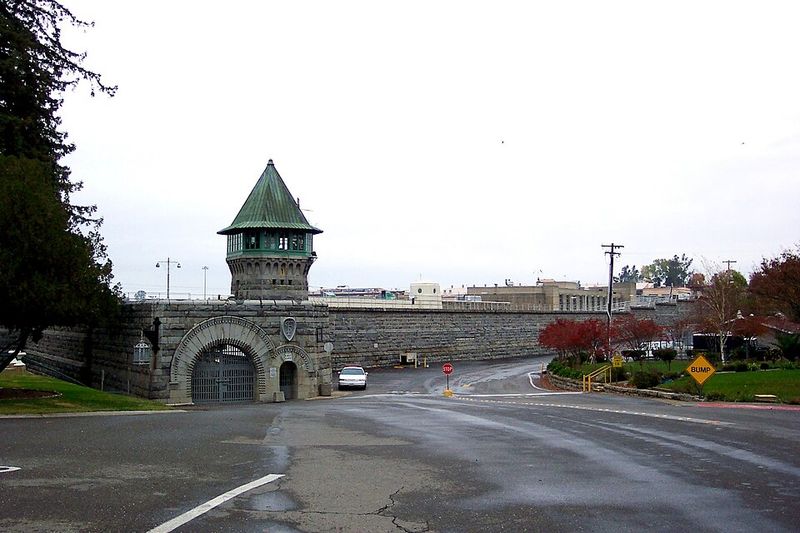
Before Johnny Cash ever sang about it, Folsom State Prison had already built a reputation that did not need a song. The prison’s own official CDCR profile openly acknowledges that escape attempts began almost immediately after inmates arrived in 1880, making its breakout history a matter of institutional record rather than rumor.
The granite wall that now defines Folsom’s silhouette was not completed until the 1920s. Before that barrier went up, the prison witnessed numerous escape attempts fueled by hard conditions, forced labor, and limited security infrastructure.
Those early decades were marked by confrontations between inmates and staff that went well beyond simple rule-breaking.
What makes Folsom stand out on this list is the transparency. Most prisons do not volunteer their escape history in official documents.
Folsom’s profile does exactly that, acknowledging a breakout tradition that stretches back to its first year of operation. It remains one of California’s most well-known active prisons for good reason.
Clinton Correctional Facility, New York
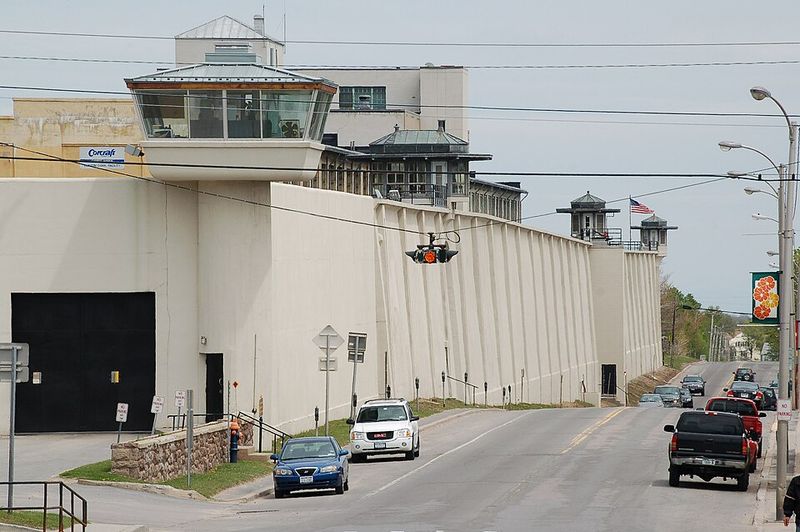
In June 2015, Richard Matt and David Sweat pulled off one of the most talked-about prison breaks in modern American history. The two men cut through cell walls, navigated tunnels, and used access points inside Clinton Correctional Facility’s aging infrastructure to walk out of one of New York’s most secure maximum-security prisons.
New York’s Office of the Inspector General later found that systemic oversight failures played a significant role in making the escape possible. The report was damaging not just for the prison but for the entire state corrections system.
A 22-day manhunt followed, drawing national media coverage and forcing major security changes at the facility.
Clinton’s remote location in Dannemora, near the Canadian border, had always contributed to its tough image. The assumption was that geography alone would discourage escape attempts.
The 2015 case proved that even a fortress-style institution with a harsh reputation can be vulnerable when the weaknesses come from within. Clinton remains fully operational today.
HMP Wandsworth, London, England
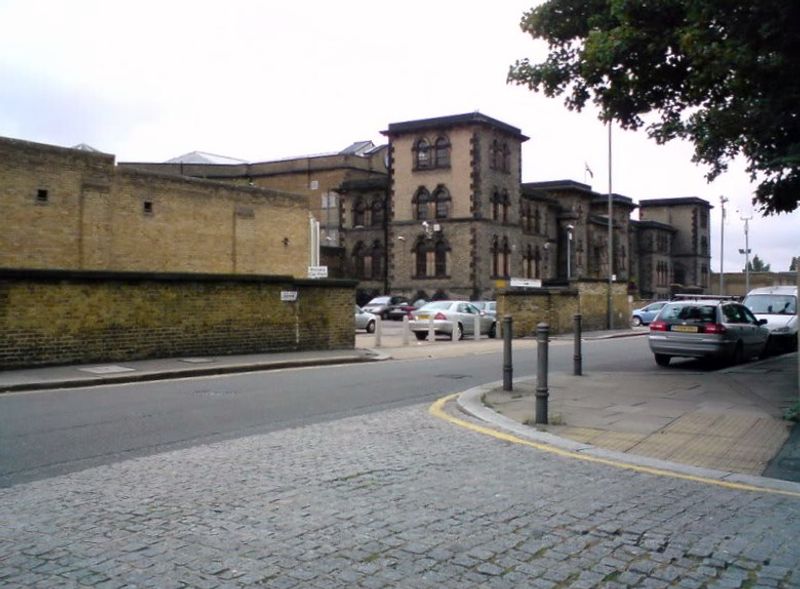
September 2023 put a Victorian-era London prison back on the front page in a way nobody expected. Daniel Khalife allegedly escaped from HMP Wandsworth by attaching himself to the underside of a food delivery vehicle, slipping out of one of the UK’s largest prisons without triggering an immediate alarm.
The UK government launched an independent investigation almost immediately. The Crown Prosecution Service later confirmed Khalife was convicted of escaping lawful custody along with spying-related charges, giving the case an unusual national security dimension that made it even harder to ignore.
Prison inspectors who reviewed Wandsworth after the incident said the facility was still struggling with the fallout. The escape added to existing concerns about staffing levels, safety, and oversight at the prison.
Wandsworth is still operating as an active men’s prison in southwest London, but the Khalife case forced a public reckoning with how serious the security gaps had become inside one of Britain’s most recognizable correctional institutions.
Mountjoy Prison, Dublin, Ireland
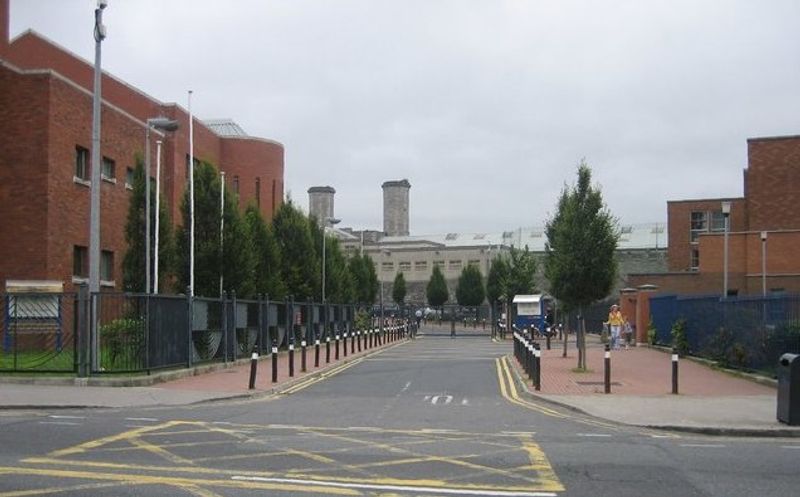
Few prison escapes anywhere in the world have matched the sheer audacity of what happened at Mountjoy Prison on October 31, 1973. Three IRA prisoners escaped when a hijacked helicopter was forced to land inside the prison yard, and the men were picked up and flown out before authorities could respond effectively.
RTÉ’s archive confirms the incident, describing how the pilot was taken at gunpoint and directed to fly into the prison. The helicopter landed in broad daylight while prisoners and officers watched from the yard.
The escape was almost immediately famous because it sounded like something from a film rather than a real event at an active Dublin jail.
Mountjoy had earlier escape episodes as well, but nothing before or after matched the helicopter breakout for sheer spectacle. The prison continues to operate today as one of Ireland’s main committal facilities.
That combination of continued operation and an internationally recognized escape story makes Mountjoy one of the most distinctive entries on this list.
Centre Penitentiaire du Sud-Francilien, Reau, France
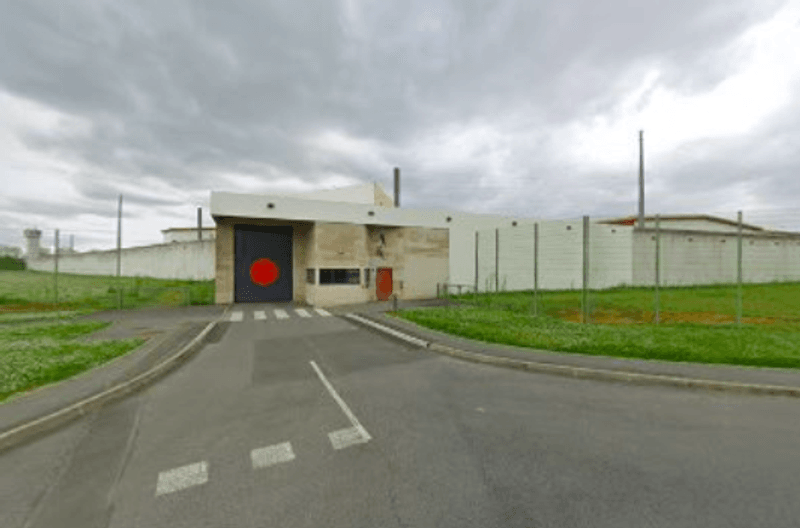
Rédoine Faïd had already made French prison history once before his 2018 escape from the Centre Pénitentiaire du Sud-Francilien. In 2013, he broke out of a different facility using explosives.
By the time he was recaptured and sent to Réau, authorities presumably believed the security level was high enough to prevent a repeat performance.
They were wrong. In July 2018, armed accomplices hijacked a helicopter, flew to the prison, and helped Faïd exit in a matter of minutes.
The operation was fast, coordinated, and caught the prison completely off guard. French media covered the escape extensively, and the case became a symbol of how outside planning and aerial access could defeat even modern high-security facilities.
France’s Ministry of Justice directory confirms the Centre Pénitentiaire du Sud-Francilien remains an active penitentiary. Faïd was eventually recaptured after three months on the run.
His two escapes, using completely different methods each time, gave this active French prison an extraordinary place in modern European prison-break history.
San Quentin Rehabilitation Center, California
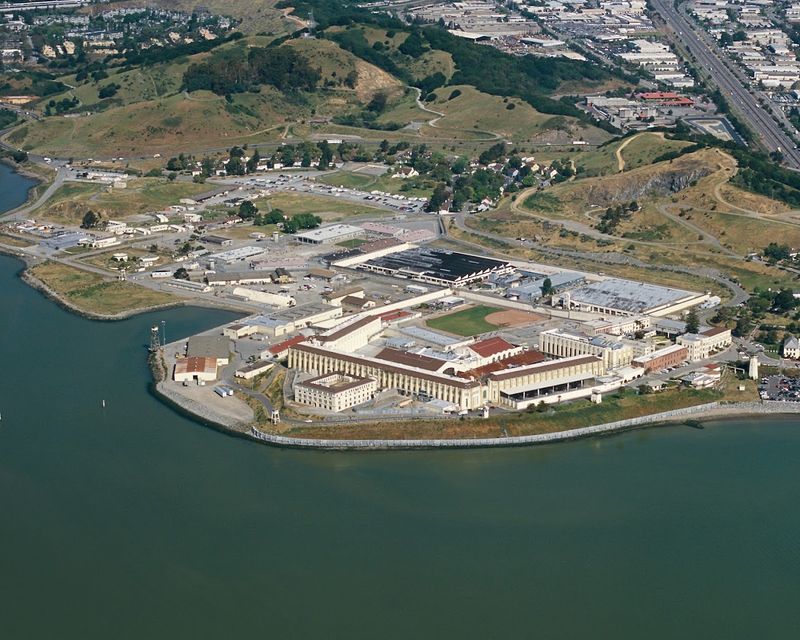
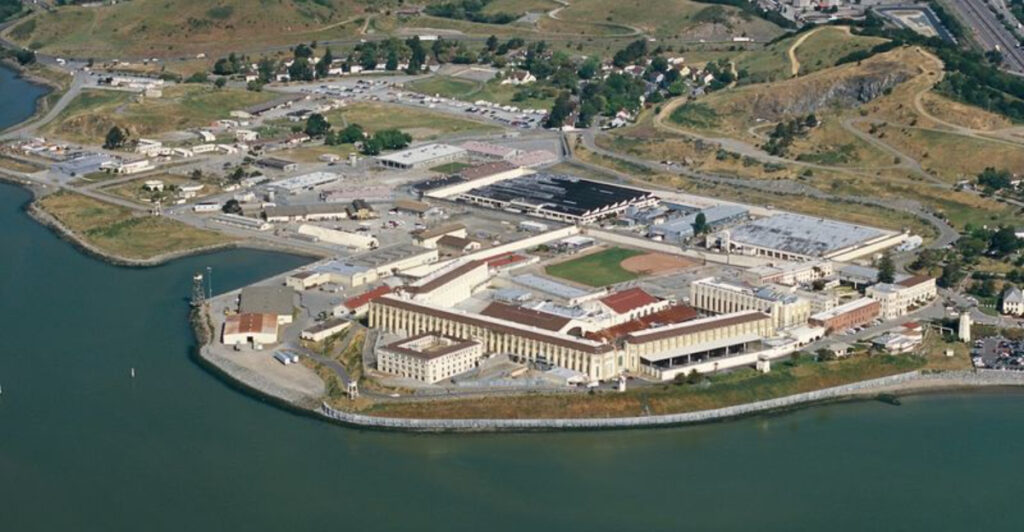
California’s oldest prison has been standing since the early 1850s, and it has been making headlines almost as long. San Quentin Rehabilitation Center, once simply called San Quentin State Prison, carries a layered history that most active correctional facilities cannot match.
CDCR records confirm that escape attempts were happening at this institution before California even had modern prison laws on the books.
The early years were rough by any measure. Inmates escaped from the system in the 1850s when oversight was thin and the facility was still finding its footing.
As the prison grew, so did its reputation for unrest.
The 1971 San Quentin Six case brought the prison’s volatile history into sharp focus. An attempted escape and prison riot left six people dead, making it one of the most violent episodes in California correctional history.
San Quentin’s escape legacy is not one dramatic moment but a long, complicated record built across more than 170 years of operation.
Centre Penitentiaire de Fresnes, France
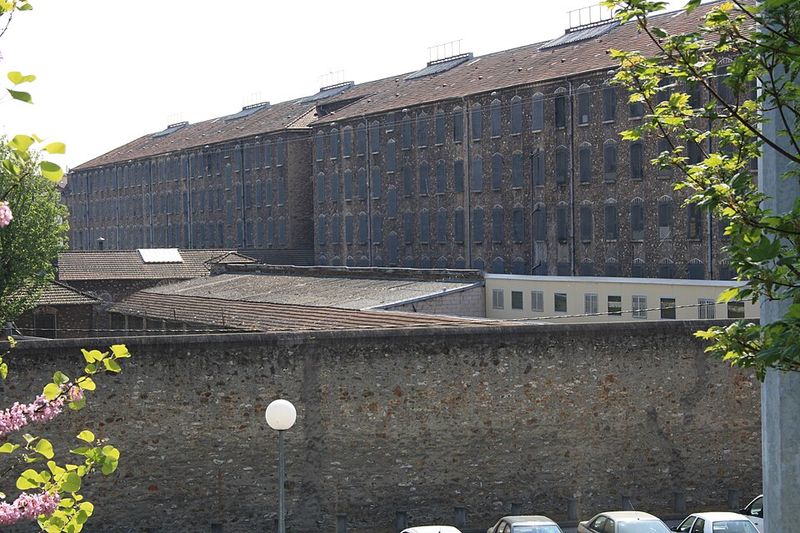
Fresnes Prison has been part of the Parisian correctional landscape since the late 1890s, but its modern escape reputation is almost entirely built around one man. Antonio Ferrara, described in later reporting as France’s so-called jailbreak king, escaped from Fresnes in April 2003 in a way that left little room for understatement.
Armed accomplices attacked the prison from outside using explosives and automatic weapons. The assault was closer to a military-style raid than a conventional prison break.
Ferrara was pulled out through the chaos and disappeared for months before being recaptured. The case stood out even among dramatic French prison escapes because of the firepower and coordination involved.
France’s Ministry of Justice confirms Fresnes remains an active penitentiary center handling a large inmate population. It is already one of the most well-known prisons in the greater Paris region.
The Ferrara breakout gave it a particularly violent chapter in European prison-escape history, one that distinguished it from facilities where escapes relied on stealth rather than a full external assault.
Bathurst Correctional Centre, New South Wales, Australia
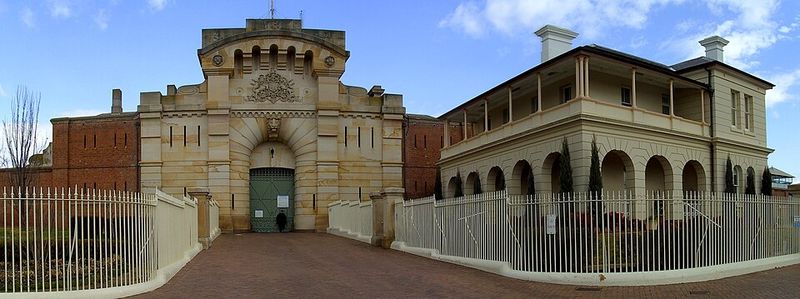
Bathurst Correctional Centre does not have the global name recognition of Altiplano or the cinematic backstory of Mountjoy, but it has something that matters for this list: it keeps showing up in escape-related news even in recent years. Corrective Services NSW confirms it remains an active reception and mixed-security facility serving western New South Wales.
In 2024, Australian reporting described an inmate being recaptured after escaping from Bathurst and being found in the surrounding local area. That kind of recent incident, at an operating prison, is exactly the point.
Escape risks are not relics of older, less sophisticated prison systems. They continue at active facilities with modern security protocols in place.
Bathurst also carries older notoriety from serious prison unrest in the 1970s, a period of turbulence in Australian corrections that left a mark on several facilities across the country. The combination of historical context and documented recent escapes gives Bathurst a straightforward argument for inclusion on a list where the prisons are still open and the escape stories are still relevant.
Share this story