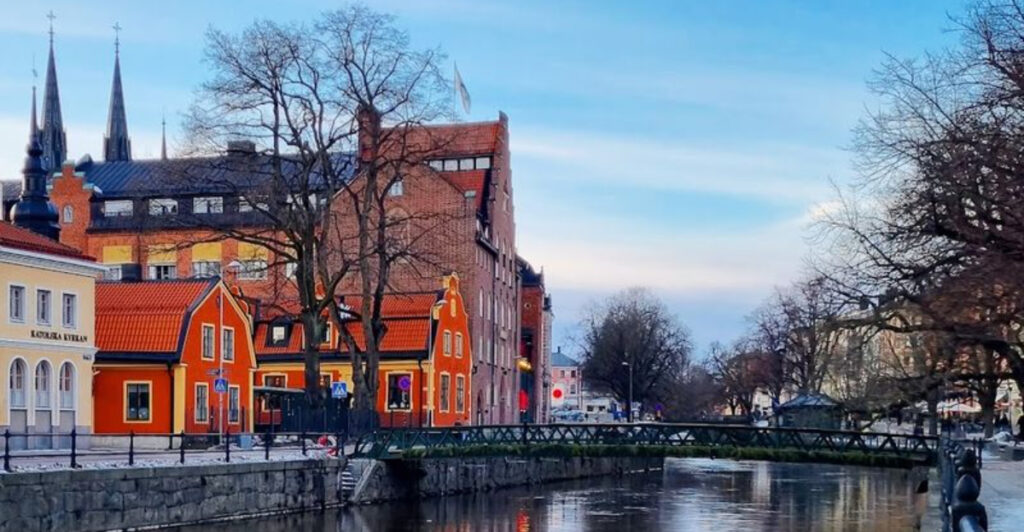
Access to clean drinking water is one of the most important factors in keeping people healthy and happy. Some countries have mastered the art of delivering safe, pure water straight from the tap, making bottled water almost unnecessary.
From volcanic islands to mountain nations, geography, technology, and strong environmental policies all play a role in water quality. Here is a look at 15 countries that consistently rank among the best in the world for clean drinking water.
1. Iceland
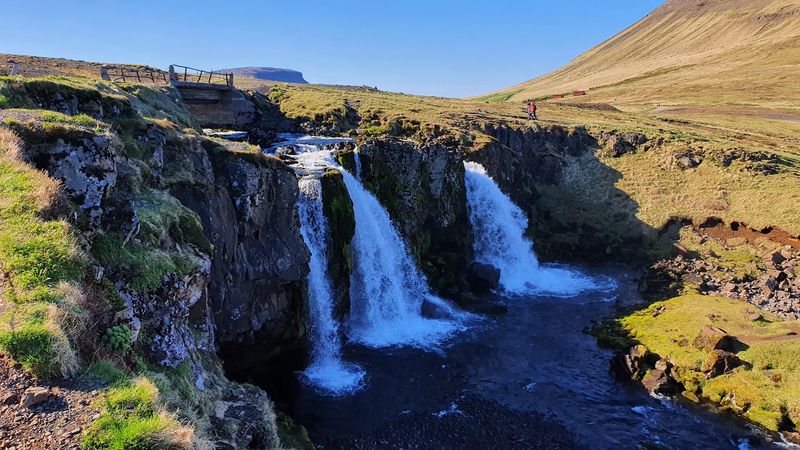
Imagine turning on your tap and drinking water that has been naturally filtered through volcanic rock for thousands of years. That is exactly what people in Iceland enjoy every single day.
The country sits on one of the most geologically active spots on Earth, and its water comes from ancient glaciers and underground springs.
Iceland consistently tops global rankings for water quality, with almost zero pollution and no need for heavy chemical treatment. The population is small, the land is vast, and industries are tightly regulated to protect natural water sources.
Residents and tourists alike often describe Icelandic tap water as the best they have ever tasted.
The country also uses geothermal energy to heat and distribute water, making the whole system remarkably clean and efficient. If pure water is the goal, Iceland sets the gold standard.
2. Switzerland
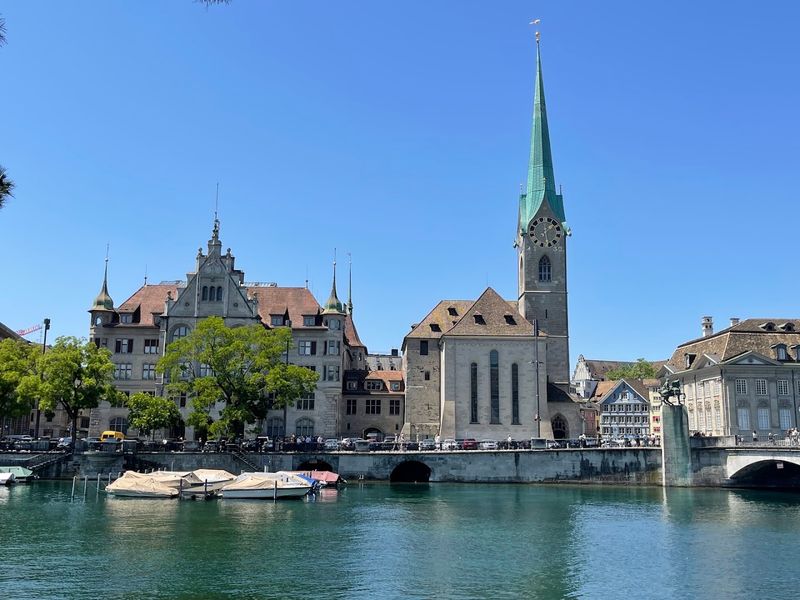
Switzerland is famous for its chocolate and watches, but its drinking water deserves just as much praise. Nestled in the heart of the Alps, the country draws its water from some of the most protected mountain springs and glacial lakes in the world.
The result is water so clean it often surpasses bottled water in taste and purity.
About 80 percent of Swiss drinking water comes from groundwater and springs, with the remaining portion drawn from surface water like Lake Geneva and Lake Zurich. Strict environmental laws protect these sources from agricultural runoff and industrial pollution.
Swiss water utilities are also known for their precision and reliability, which fits perfectly with the country’s reputation for excellence.
Visitors are always encouraged to drink straight from public fountains found in nearly every Swiss town. It is a small detail that says a lot about a country’s commitment to water quality.
3. Finland
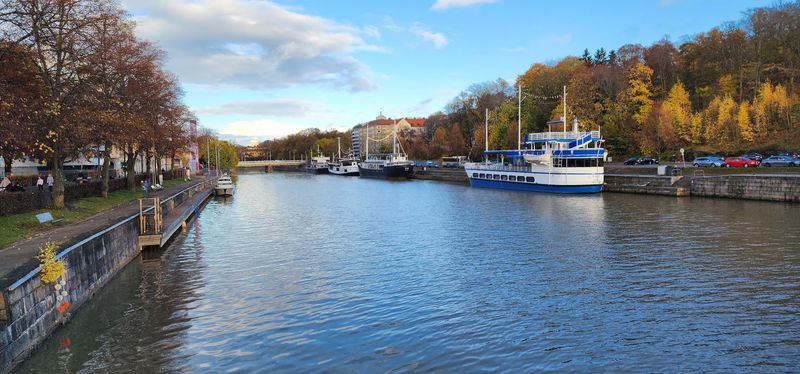
Finland is a country of lakes, and not just any lakes. With over 188,000 of them, Finland has some of the cleanest freshwater reserves on the planet.
The country’s water infrastructure is built around protecting these natural sources, and the results speak for themselves. Finnish tap water regularly beats bottled water in blind taste tests.
The Finnish Environment Institute monitors water quality across the country with impressive rigor. Treatment processes are efficient, and the low population density means there is far less pressure on water sources compared to more crowded nations.
Rural Finns often drink directly from natural springs without any treatment at all.
Finland also leads in environmental education, teaching children from a young age to respect and protect water sources. That cultural mindset has helped keep the country’s water clean for generations.
For Finland, clean water is not just a resource; it is a point of national pride.
4. Norway
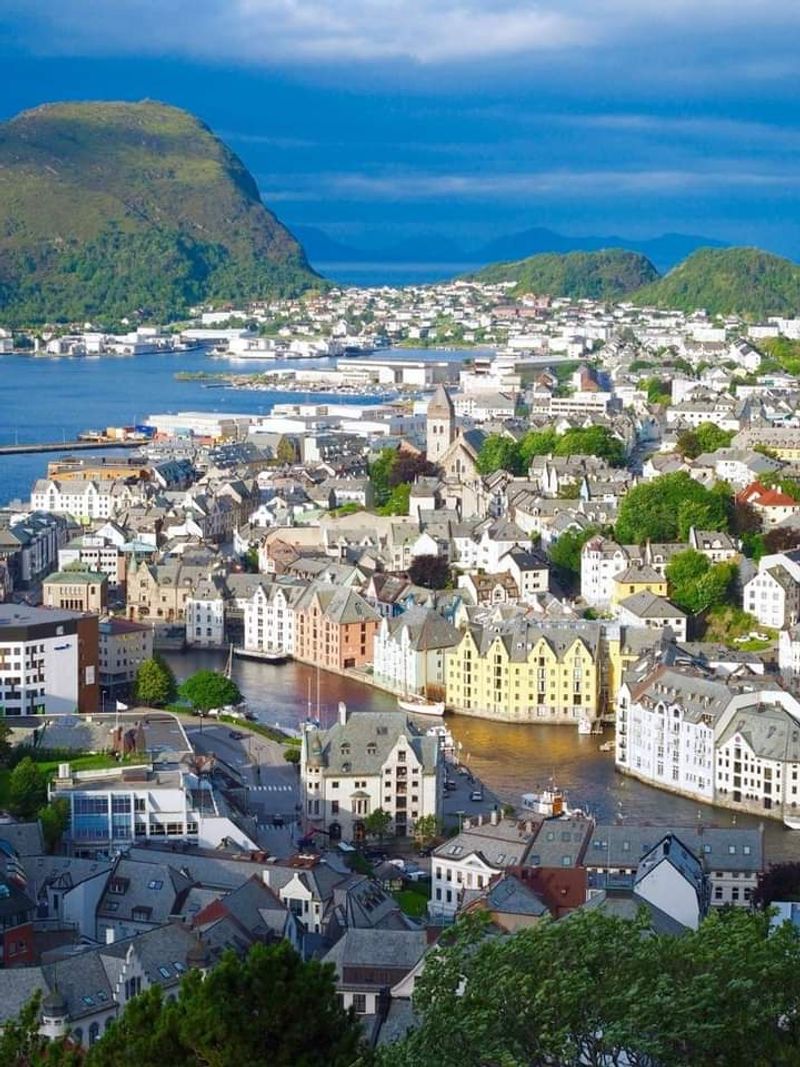
Norway’s dramatic fjords and towering mountains are not just beautiful backdrops. They are also the source of some of the world’s purest drinking water.
Glacial meltwater and mountain streams feed Norway’s water supply, and the country’s low population ensures these sources remain largely untouched by pollution.
Norwegian water treatment facilities are modern and well-funded, but the truth is that the water often needs very little treatment to begin with. The naturally soft, mineral-balanced water is a favorite among chefs and food scientists who say it brings out the best flavors in cooking.
Oslo’s water, sourced from Lake Maridalen, is frequently cited as one of the best-tasting city water supplies in the world.
Norway also enforces some of Europe’s strictest environmental protections, keeping industrial activity well away from water catchment areas. Drinking Norwegian tap water feels less like a necessity and more like a genuine treat.
5. Denmark
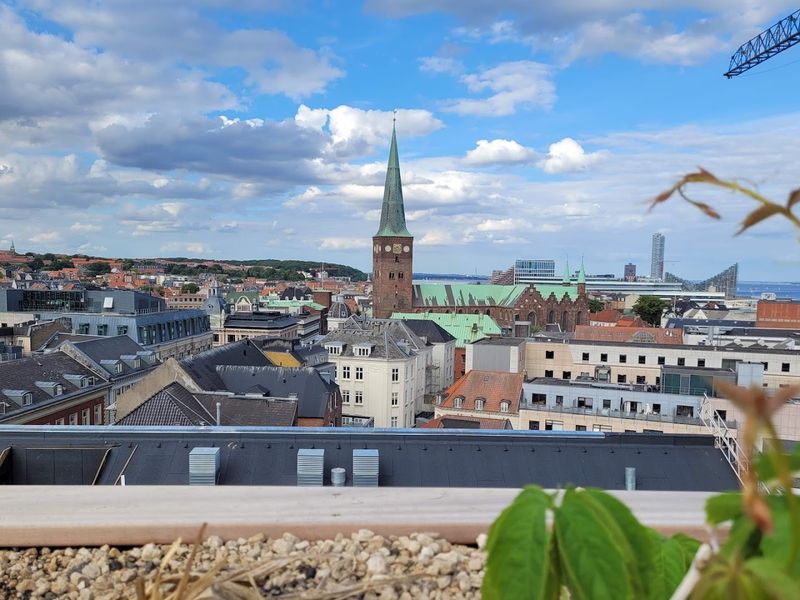
Denmark takes a unique approach to drinking water that sets it apart from most other countries. Instead of relying on surface water like rivers or lakes, nearly all Danish drinking water comes from groundwater.
Rainwater filters slowly through layers of sand and gravel, creating a natural purification process that produces remarkably clean water.
This groundwater-first philosophy means Danish water requires minimal chemical treatment. Chlorine, which is commonly added to water in other countries, is used at very low levels in Denmark, giving the water a fresher, more natural taste.
The Danish government actively protects groundwater zones from pesticide use and industrial activity.
Copenhagen residents proudly drink straight from the tap, and the city has even installed public water refill stations to reduce plastic bottle waste. Denmark proves that smart water management can turn a flat, unassuming landscape into a world leader in drinking water quality.
6. Sweden
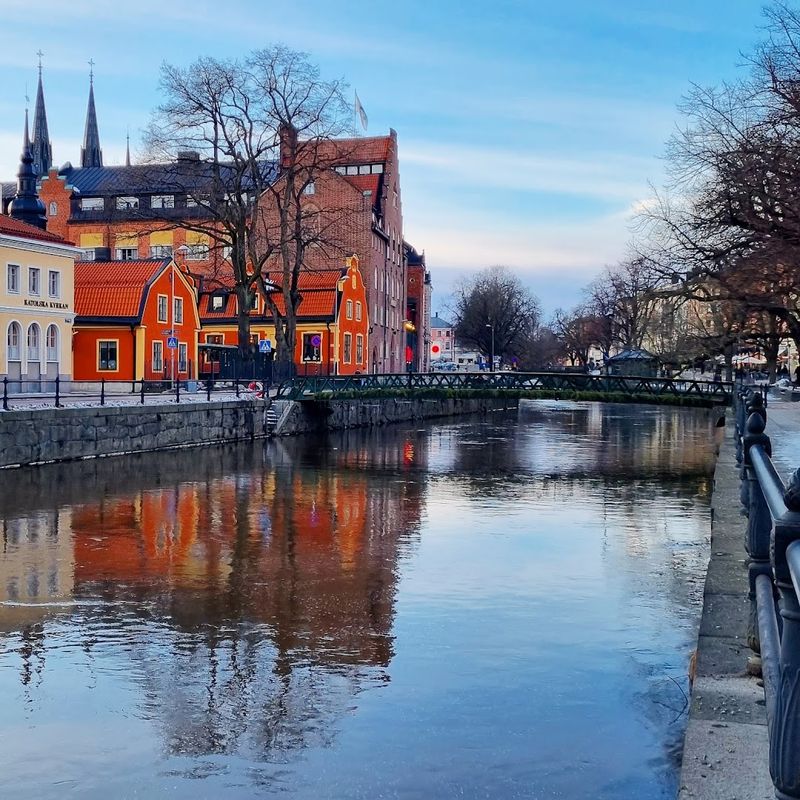
Sweden’s love affair with clean water runs deep, quite literally. The country manages one of the most sophisticated water treatment and distribution systems in the world, combining cutting-edge technology with a deep respect for natural ecosystems.
Swedish water authorities monitor thousands of water sources year-round to ensure consistent quality.
Much of Sweden’s drinking water is sourced from lakes and rivers, then treated through multi-stage filtration and UV purification. The process removes contaminants without stripping the water of its naturally pleasant mineral profile.
Swedes are among the most environmentally conscious people in the world, and that attitude extends directly to how they protect their water supply.
Interestingly, Sweden was one of the first countries to introduce comprehensive water protection legislation back in the 1970s. Decades of proactive policy have paid off, making Swedish tap water a reliable, refreshing, and trusted daily staple for nearly 10 million people.
7. Austria
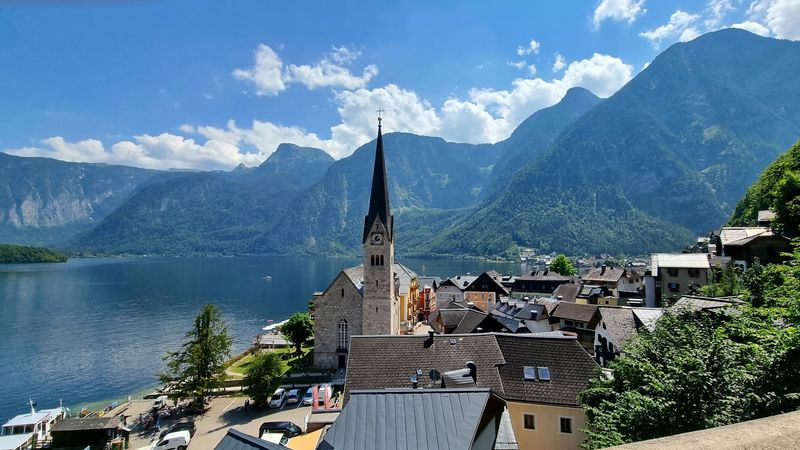
Austria has a secret weapon when it comes to drinking water: the Alps. The country sources over 99 percent of its drinking water directly from alpine springs and groundwater, meaning it bypasses the need for surface water treatment almost entirely.
The water travels through natural rock formations that act as a perfect biological filter.
Vienna, Austria’s capital, is one of the only major cities in the world where drinking water is piped directly from mountain springs over 100 kilometers away. The city built its first alpine pipeline back in 1873, and the system has been improved and expanded ever since.
Viennese residents are justifiably proud of their tap water, which many consider better than anything sold in a bottle.
Austria also invests heavily in protecting its alpine catchment areas from development and pollution. The result is a water supply that feels genuinely wild and pure, even when it comes out of a city faucet.
8. New Zealand
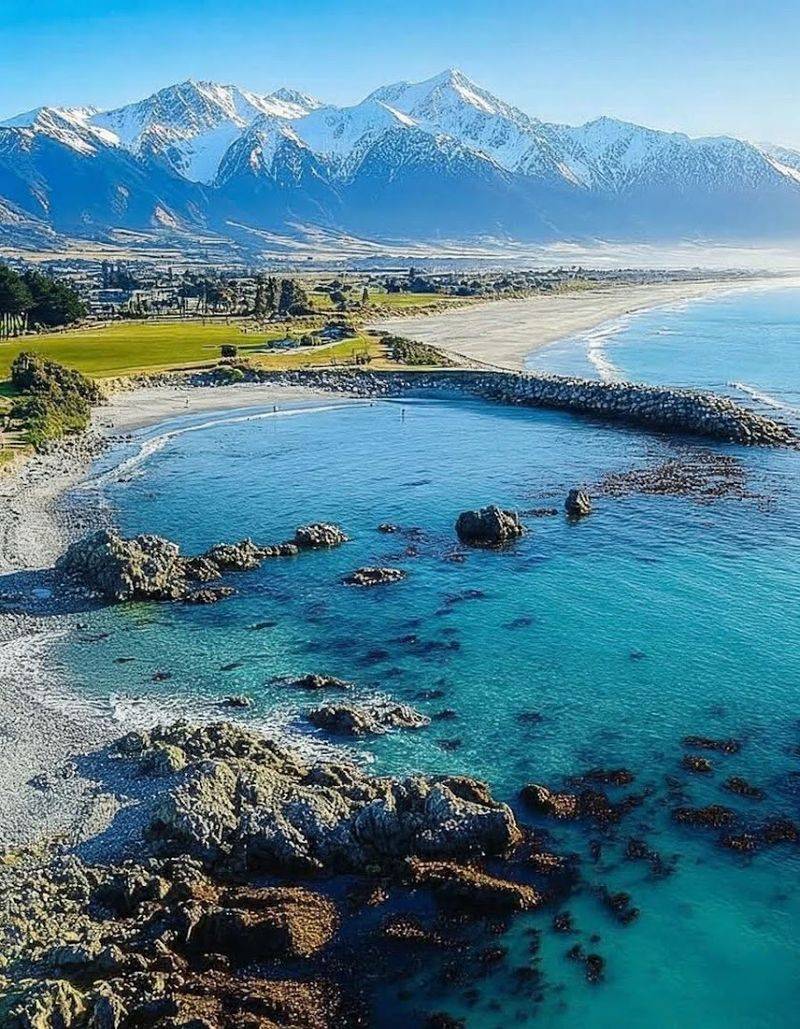
New Zealand’s remote location at the bottom of the Pacific Ocean has helped it maintain some of the most unspoiled natural environments on Earth. That isolation is a big reason why the country’s drinking water is consistently ranked among the cleanest globally.
Many water sources sit far from industrial zones, surrounded by native bush that acts as a natural buffer.
New Zealand draws its water from a mix of rivers, lakes, and underground aquifers, all carefully monitored under the Drinking Water Standards New Zealand framework. Small rural communities often rely on local springs that have been clean for centuries.
The country’s high rainfall also helps replenish water sources quickly and naturally.
Recent investments in upgrading treatment infrastructure in smaller towns have further improved quality across the board. New Zealand’s clean, green image is not just a marketing slogan.
When it comes to drinking water, it is a well-earned reality backed by solid science.
9. Canada
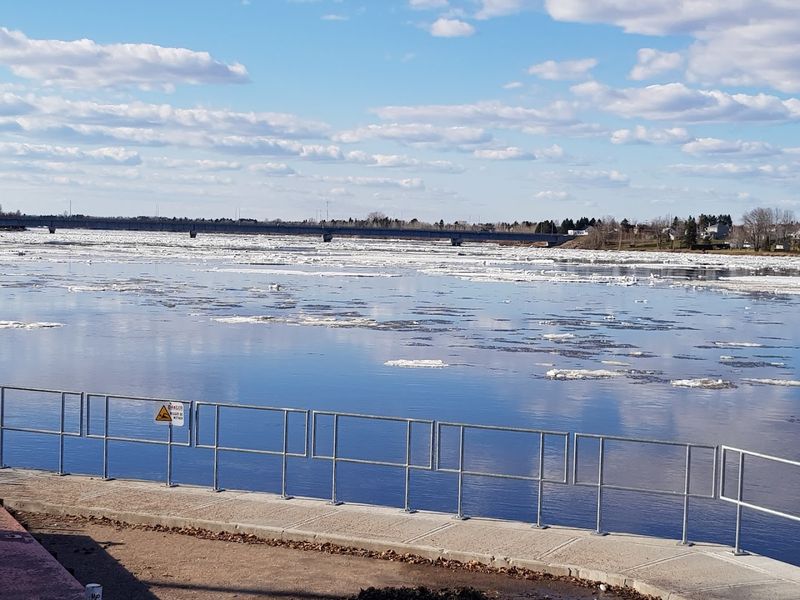
Canada holds roughly 20 percent of the world’s total freshwater supply, making it one of the most water-rich nations on the planet. With the Rocky Mountains, the Great Lakes, and thousands of rivers and lakes, Canadians have no shortage of clean water sources to draw from.
Most major cities enjoy high-quality tap water that meets or exceeds international safety standards.
Canadian water treatment facilities are well-funded and regularly inspected by federal and provincial authorities. Cities like Vancouver and Calgary are frequently praised for having some of the best urban water quality in North America.
Vancouver’s water, sourced from protected mountain watersheds, is particularly celebrated for its clarity and taste.
Canada also has strict regulations on industrial activity near water sources, helping to prevent contamination before it starts. While some remote indigenous communities still face water challenges, the country continues to invest in closing that gap.
Canada’s water story is largely one of abundance handled responsibly.
10. Luxembourg
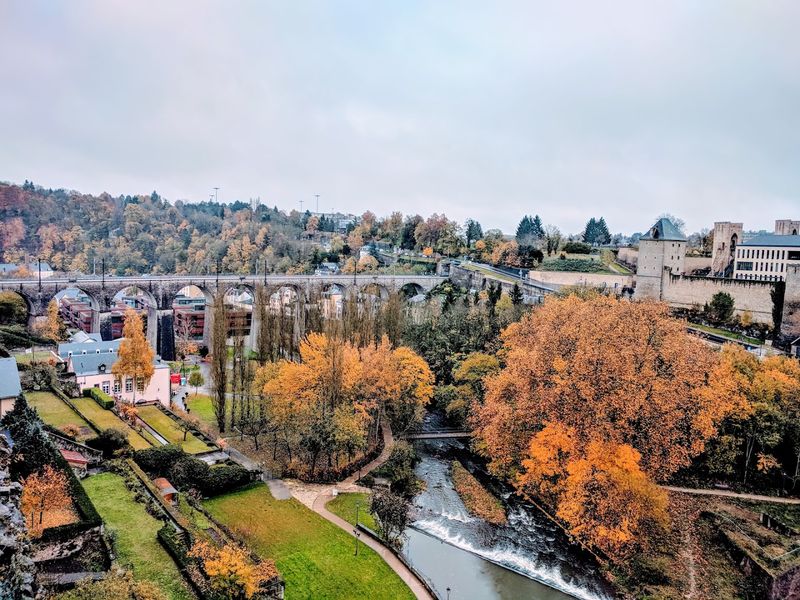
Luxembourg may be one of Europe’s smallest countries, but it punches well above its weight when it comes to drinking water quality. The tiny landlocked nation sources its water from the Our, Sauer, and Moselle rivers, as well as from underground aquifers that sit beneath its hilly terrain.
Careful management keeps these sources in excellent condition.
Luxembourg’s water treatment process is thorough and modern, consistently delivering water that meets the European Union’s strict drinking water directive. The country’s small size actually works in its favor, making it easier to monitor and protect every water source within its borders.
Regulatory oversight is tight, and any threats to water quality are addressed quickly.
Residents of Luxembourg City enjoy tap water that is clean, safe, and pleasant to drink without any noticeable taste of chemicals. For a country of just over 650,000 people, Luxembourg demonstrates that size is no barrier to delivering world-class drinking water to every citizen.
11. Netherlands
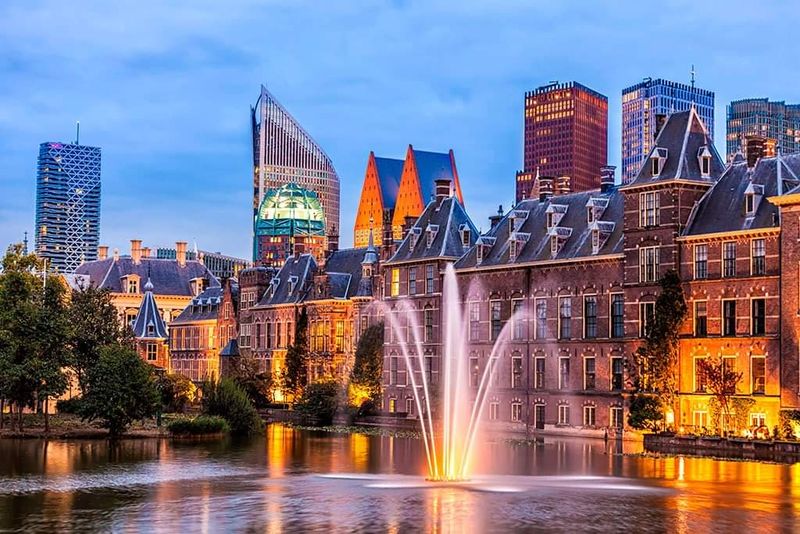
The Netherlands has a complicated relationship with water. A large portion of the country sits below sea level, meaning water management has been a matter of survival for centuries.
That long history of dealing with water has made the Dutch among the most skilled water engineers in the world, and their drinking water quality reflects that expertise.
Dutch drinking water comes from a combination of rivers like the Rhine and Meuse, as well as groundwater. Before reaching taps, river water undergoes an impressive multi-stage treatment process that removes pollutants, pharmaceuticals, and microorganisms.
The Dutch water sector is also a global leader in research and innovation, constantly developing new methods to improve purity.
The Netherlands is notable for having no added chlorine in its finished drinking water, relying instead on advanced filtration and UV treatment. That commitment to chemical-free purification gives Dutch tap water a noticeably clean, fresh taste that residents have come to expect as a basic standard.
12. Singapore
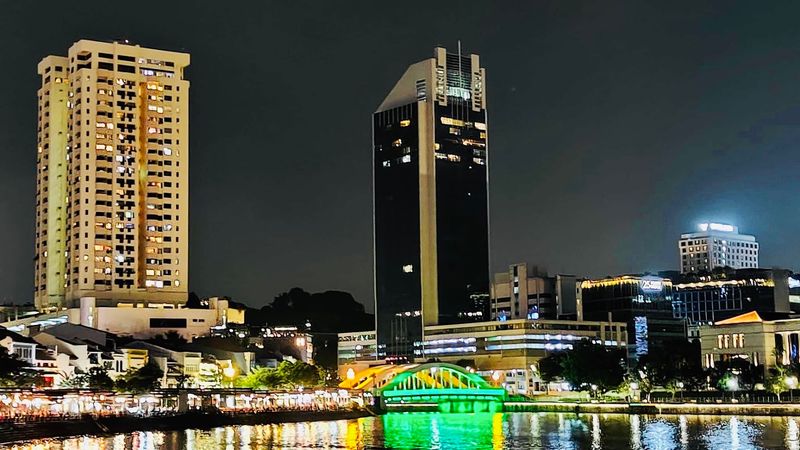
Singapore’s story of clean water is one of the most remarkable engineering achievements of the modern era. A small island nation with no natural rivers or aquifers of its own, Singapore had to build its entire water supply from scratch.
Today, it manages one of the most advanced water systems in the world through what it calls its Four National Taps strategy.
These four taps include imported water, local catchment water, NEWater (highly purified recycled water), and desalinated water. NEWater is so thoroughly purified that it actually exceeds World Health Organization drinking water standards.
Singapore’s Public Utilities Board is internationally recognized for its innovation, efficiency, and transparency in water management.
Tap water in Singapore is safe to drink directly without boiling or filtering, which is a significant achievement for a tropical city of nearly 6 million people. Singapore shows the world that clean water is not just about geography; it is about determination, technology, and smart planning.
13. Ireland
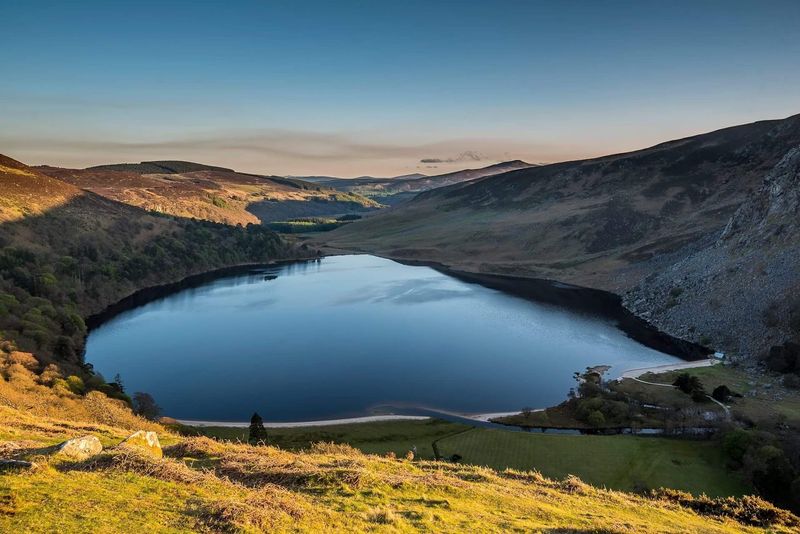
Ireland’s famously rainy weather is not just good for keeping the grass green. All that rainfall feeds the rivers, lakes, and underground aquifers that supply the country with drinking water.
Ireland has some of the most naturally abundant freshwater resources in Europe, and the quality of those sources is generally very high.
Irish Water, the national utility established in 2014, has been working to modernize the country’s treatment infrastructure and reduce the number of areas that require boil-water notices. Progress has been steady, and the vast majority of Irish residents now have access to clean, treated tap water that meets EU standards.
Major cities like Dublin and Cork maintain reliable, high-quality supplies.
The Irish landscape itself helps protect water quality, with large stretches of bog and wetland acting as natural filters. Ireland’s water may not be perfect in every corner of the country yet, but the direction of travel is clearly positive and promising.
14. Australia
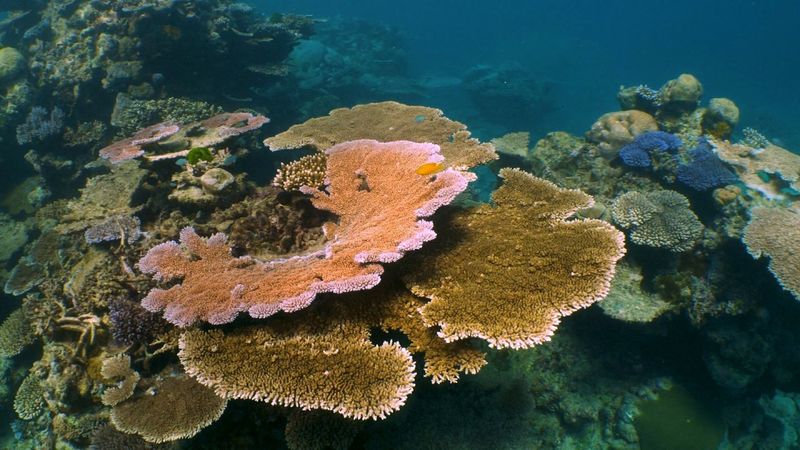
Australia is a dry continent, which makes its consistently high drinking water quality all the more impressive. Major cities like Sydney, Melbourne, and Brisbane draw their water from carefully protected catchment areas and reservoirs, many of which are off-limits to the public to prevent contamination.
The result is water that is reliably clean and safe across vast urban populations.
Sydney’s water, sourced from the Blue Mountains catchment, is often highlighted as a benchmark for urban water quality. Australia’s water authorities use advanced treatment processes including filtration, ozonation, and UV disinfection.
Regular testing ensures the water meets the Australian Drinking Water Guidelines, which are among the most detailed in the world.
Australians are also increasingly water-conscious due to recurring droughts, which has driven investment in desalination plants and water recycling systems. That environmental pressure has actually pushed water management to become more innovative and resilient.
Clean water in Australia is both a priority and a carefully guarded national resource.
15. Slovenia
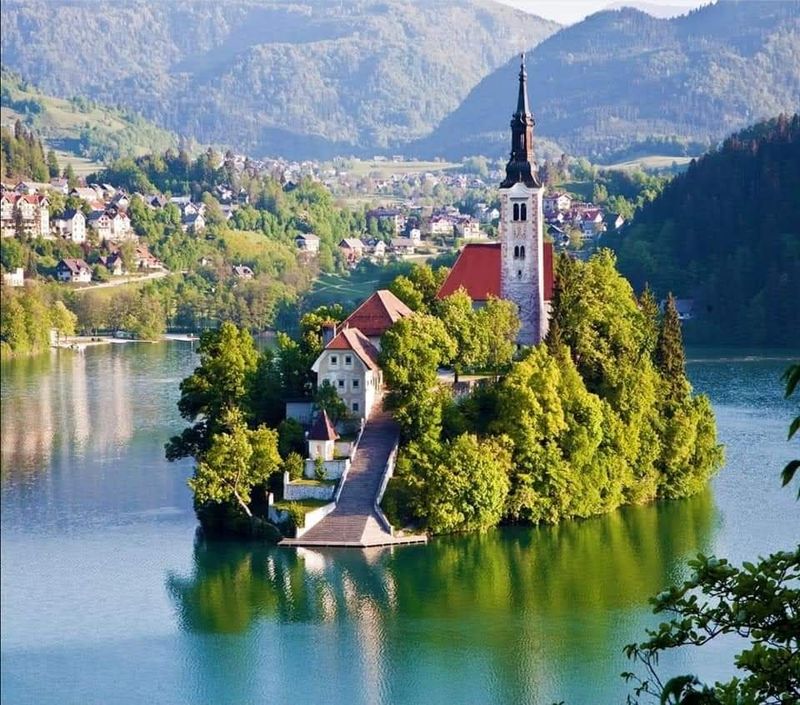
Slovenia is one of Europe’s best-kept secrets, and that applies to its water just as much as its scenery. Tucked between the Alps and the Adriatic, this small Central European nation is home to some of the most pristine water sources on the continent.
Nearly all of Slovenia’s drinking water comes from groundwater, which filters naturally through limestone and gravel aquifers.
The Slovenian government has placed large portions of its territory under strict environmental protection to safeguard these underground water reserves. Over 97 percent of the population is connected to a public water supply that meets EU drinking water standards.
The capital, Ljubljana, has been particularly celebrated for its tap water quality, which rivals bottled mineral water in clarity and taste.
Slovenia was one of the first countries in the world to enshrine the right to clean drinking water in its constitution, doing so in 2016. That legal commitment reflects a national culture that genuinely values water as a shared treasure worth protecting.
Share this story