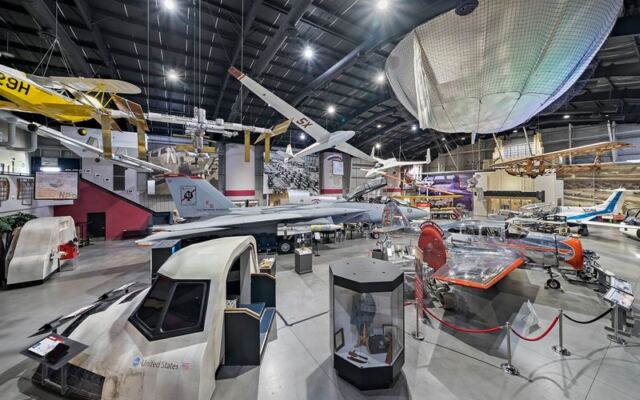
Some of the best surprises in Oklahoma hide behind plain walls near an airport runway. You pull into the lot expecting a quick look at a few old planes, and suddenly you are climbing into a cockpit and staring up at a sky full of stars.
The place tells the story of flight from 1897 all the way to the space age, and it does it with hands-on fun for every age. If you have ever wondered what it feels like to sit where a pilot sits, keep reading.
A Hangar of History on Tulsa’s North Side
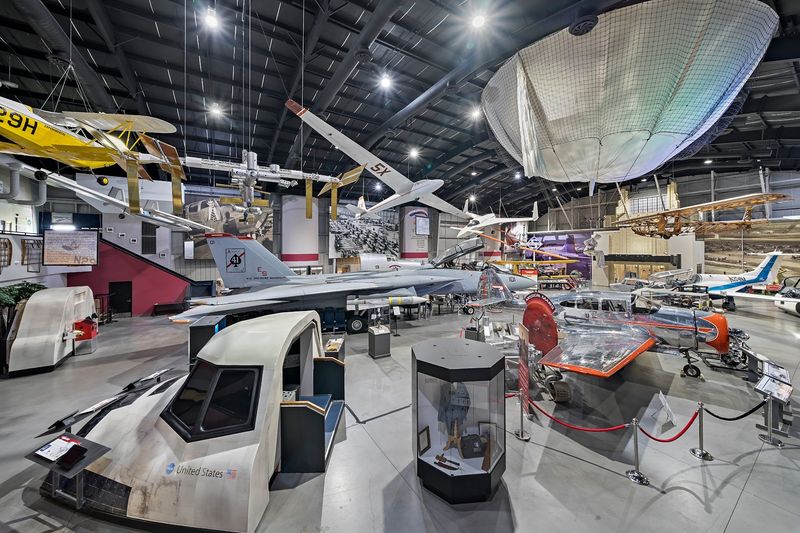
Tucked away at 3624 N 74th E Ave in Tulsa, Oklahoma, sits a building that holds more than a century of flight inside its walls. The Tulsa Air and Space Museum, often called TASM by locals, covers aviation history from 1897 right up to the space age.
Inside, you will find vintage aircraft, interactive exhibits, and a theater. Two stories of displays wait for curious minds, along with helicopters, fighter jets, and space artifacts.
Outside, a growing collection of planes adds even more to explore.
Plenty of visitors arrive thinking they will be in and out quickly. Many end up staying for hours, wandering from one display to the next and reading facts they never knew about their own state.
One longtime Tulsa resident admitted to living in town for over two decades before finally stopping by, and walked away amazed.
What makes the museum special is its mix. Kids can press buttons and fly simulators, while grown-ups can read about the inventors and pilots who shaped the sky.
Families, school groups, and solo history fans all seem to find something here. For anyone exploring Oklahoma, it is a stop that delivers far more than its modest outside suggests.
Tulsa’s Deep Roots in the Sky
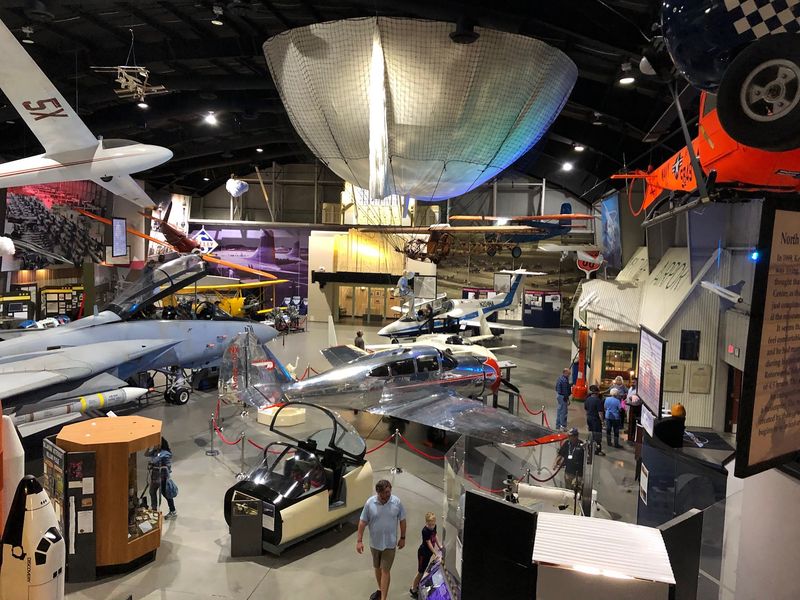
Long before jets roared overhead, Tulsa was already chasing the clouds. The museum makes a strong case that this city played a real role in American aviation, and the exhibits connect those dots in a way that feels local and personal.
Displays trace how flight grew up alongside the city. Visitors often mention learning how aviation reflected the passions of the oil-rich families who shaped Tulsa’s early years.
Money from the oil boom helped fuel interest in airplanes, and that history is laid out clearly on the walls.
A whole section celebrates Oklahoma’s contributions to space exploration, too. Guests say it adds a meaningful touch you will not find at bigger national museums.
It is one thing to read about rockets in a textbook. It is another to learn that people from your own state helped send them skyward.
The staff has shared that Tulsa is rich with aviation history, and they keep building new exhibits to tell more of it. Their goal is to educate every visitor who walks through the doors.
If you love discovering hidden stories about Oklahoma, this part of the museum might surprise you the most. It turns a simple field trip into a lesson in hometown pride.
Climbing Into the Pilot’s Seat
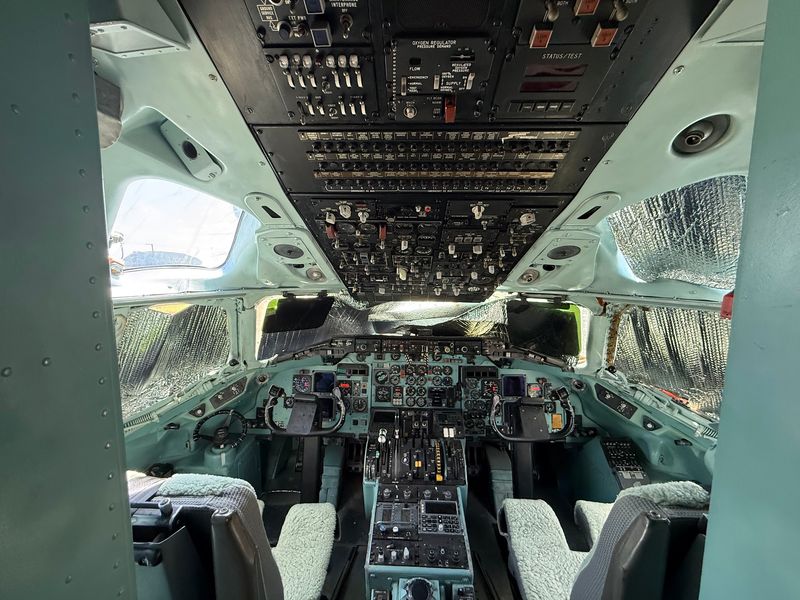
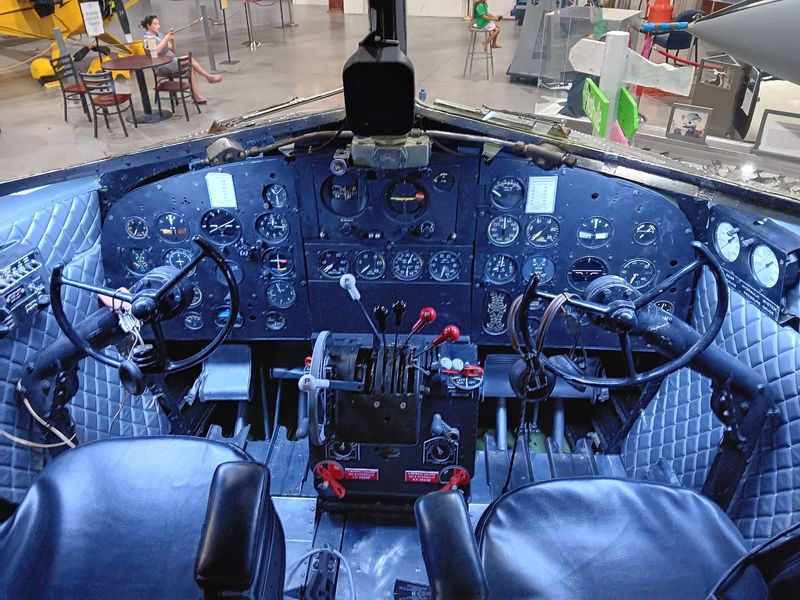
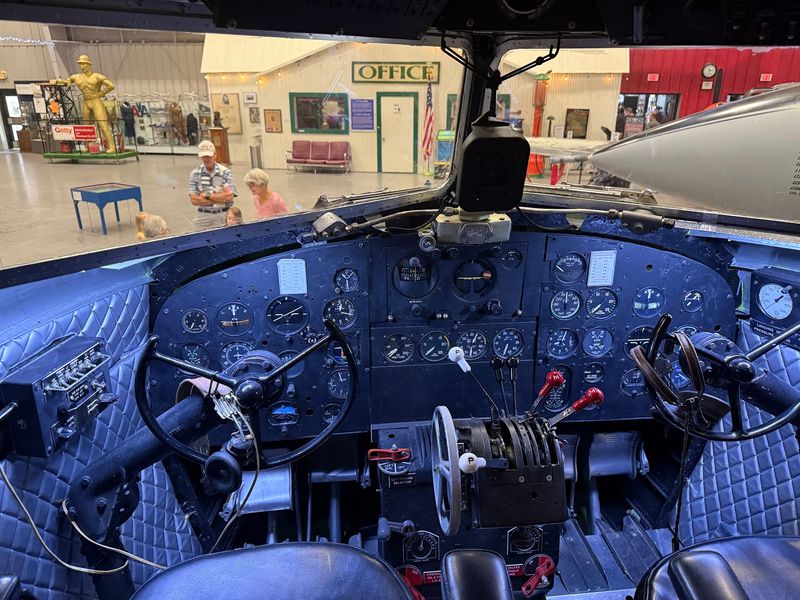
Grab the controls, look out the glass, and pretend you are cleared for takeoff. Getting into a real cockpit is one of the biggest thrills at the museum, and several aircraft let visitors do exactly that.
A father who spent several hours here with his son said the cockpit access made the trip incredible for kids. Some planes are open for climbing in, while others have cutaway views covered in plexiglass.
Those cutaways let you peek inside the guts of an aircraft without needing a mechanic’s license.
There is also a jet you can sit in and an airplane you can board outside. Walking down the aisle of a full aircraft gives kids a sense of just how big these machines really are.
Adults tend to enjoy it just as much, even if they act like they are only there for the children.
Hands-on moments like these are what make a museum stick in your memory. Reading about a plane is fine, but sitting where a pilot once sat is something else entirely.
Bring a camera, because these are the photos everyone wants to take home. Expect a little line-forming when a group of excited kids spots an open hatch.
The Famous F-14 Tomcat and Fellow Warbirds
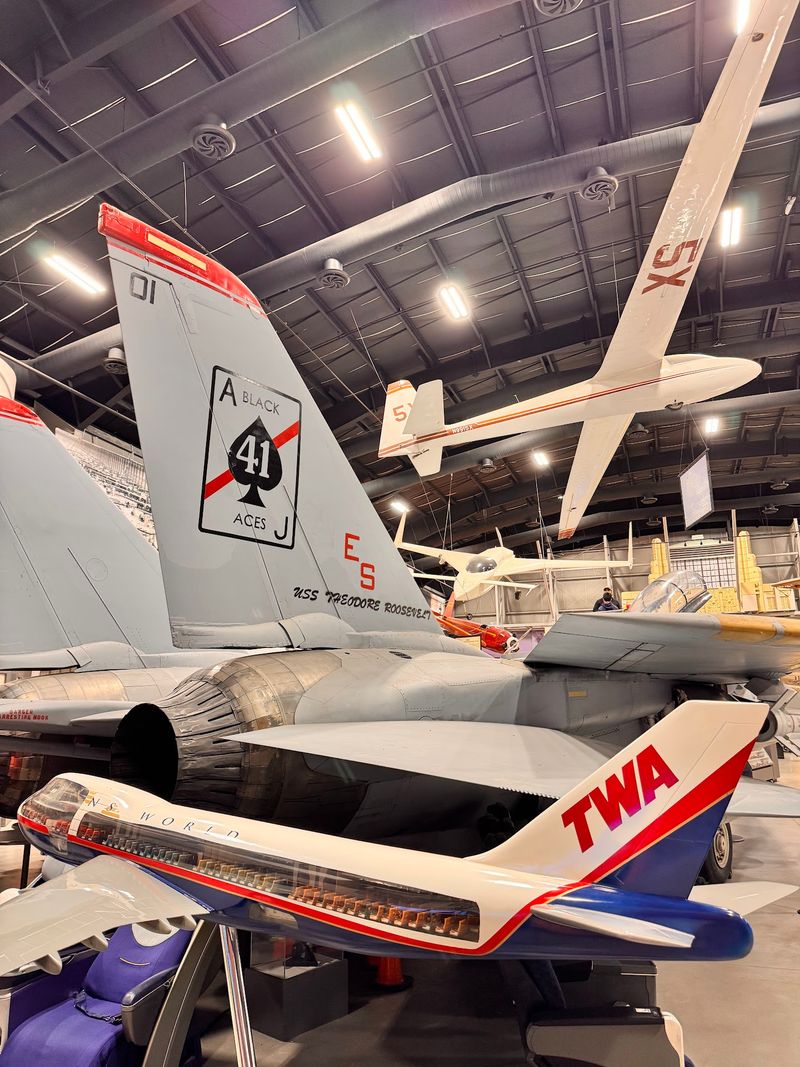
Fans of a certain famous pilot movie will feel their pulse quicken here. The F-14 Tomcat on display is one of the most talked-about pieces in the whole museum, and one guest called it truly iconic.
It is not alone, either. The A-10 Warthog earns its own loyal fans, with one visiting father and son naming it their favorite static display.
Fighter jet exhibits sit alongside helicopters and a commercial airliner, so there is a nice range of aircraft sizes and shapes to compare.
Interestingly, guests point out that the museum does not lean too heavily on the military side of flight. One visitor praised the balance between space and air topics, saying the collection avoids feeling like a pure war museum.
That makes it easier for families with different interests to enjoy the same afternoon.
Standing beneath a jet built for speed gives you a whole new respect for the engineers who designed it. The wings, the engines, and the sheer size are hard to picture until you are right next to them.
Take a slow lap around each aircraft. Little details, like rivets and markings, tell stories of their own if you look closely enough.
Stars Overhead in the Planetarium
Lean back, let your eyes adjust, and watch the universe unfold above you. The planetarium is easily the most mentioned feature of the museum, and for good reason.
Full-dome shows wrap the entire ceiling with images of space. Visitors describe them as visually stunning, taking you across the cosmos without leaving your seat.
Shows run every hour with different themes, so you are not stuck watching the same program on repeat. One guest even joked that you could stay there all day.
Movies last around 40 to 45 minutes. A helpful tip from a returning visitor: sit toward the back, since the 360-degree screen is easier to take in from there.
Planetarium access is an optional add-on to regular admission, and many families say it is worth the extra.
The presenters get warm praise as well. One guest described a planetarium host as knowledgeable and entertaining, a true guide to the cosmos.
Even folks who skipped the dome said their friends loved the show, the cool air, and the chance to rest tired feet. On a hot Oklahoma afternoon, a trip to outer space may be the most relaxing break you take all day.
Flight Simulators and Hands-On Play
Ever wanted to try landing a plane without the risk? The flight simulators let you do just that, and visitors say they are a lot of fun.
Simulators are only one piece of the hands-on puzzle. Interactive exhibits pop up throughout both floors, with games for kids, push-button displays, and STEM-focused activities that sneak learning into playtime.
One guest summed it up nicely, saying you are not just looking at aviation history here, you are experiencing it.
A hot air balloon exhibit adds a whimsical touch, and space exploration topics are scattered everywhere you turn. A visitor called the museum small but packed, noting how much information fits into a compact space.
That makes it easy to see a lot without feeling worn out.
Parents appreciate that kids can burn energy while picking up real science. Children often do not realize they are learning about lift, thrust, and gravity while they play.
Grown-ups who sneak a turn at the controls rarely regret it. Plan on some friendly competition over who lands the smoothest virtual flight, and maybe a few dramatic crashes that leave everyone laughing.
Honoring the Tuskegee Airmen
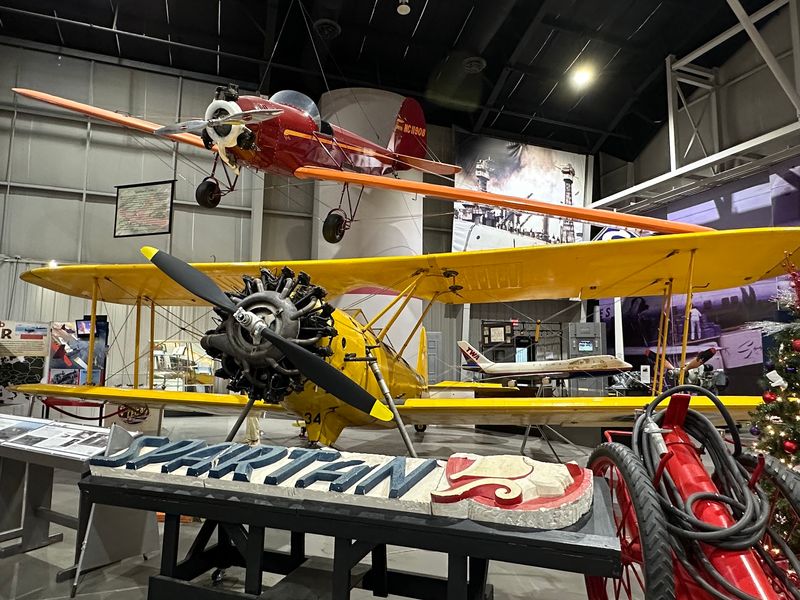
Some exhibits teach you facts, and some leave you thinking long after you walk away. The Tuskegee Airmen display falls into the second group, and visitors repeatedly name it as a highlight.
The Tuskegee Airmen were a pioneering group of Black aviators in American history, and the museum gives their story the spotlight it deserves. One guest called the exhibit phenomenal.
Another praised the Tuskegee Institute display as great, and a visitor comparing the museum to a much larger national one specifically pointed to these displays as a standout.
It is a fine spot to slow down and read carefully. Photos and panels share the courage and skill of these pilots in a way that is easy for older kids to understand.
Parents may find it sparks thoughtful conversations on the drive home.
Including this history shows that the museum wants to tell the full story of flight, not just the parts about machines. Every aircraft in the building was flown by real people with real challenges.
Spending a few extra minutes here adds depth to the whole visit, and it reminds everyone that the sky has always belonged to dreamers of every background.
NASA Treasures and Space Age Wonders
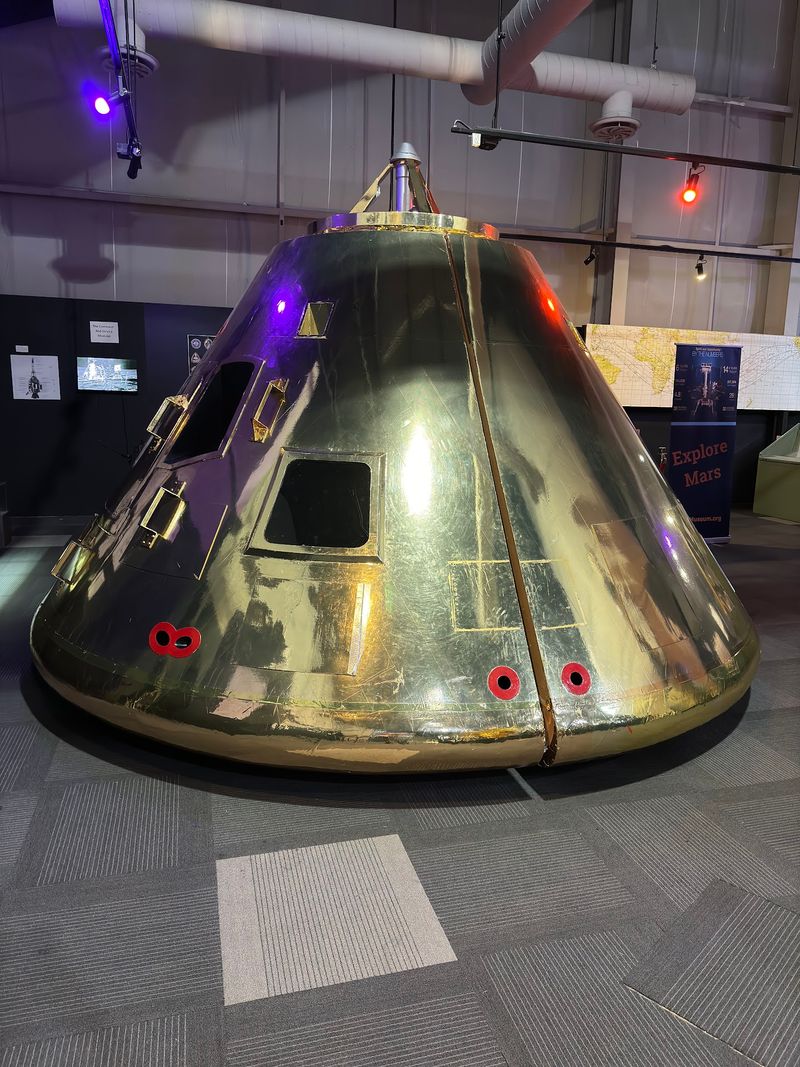
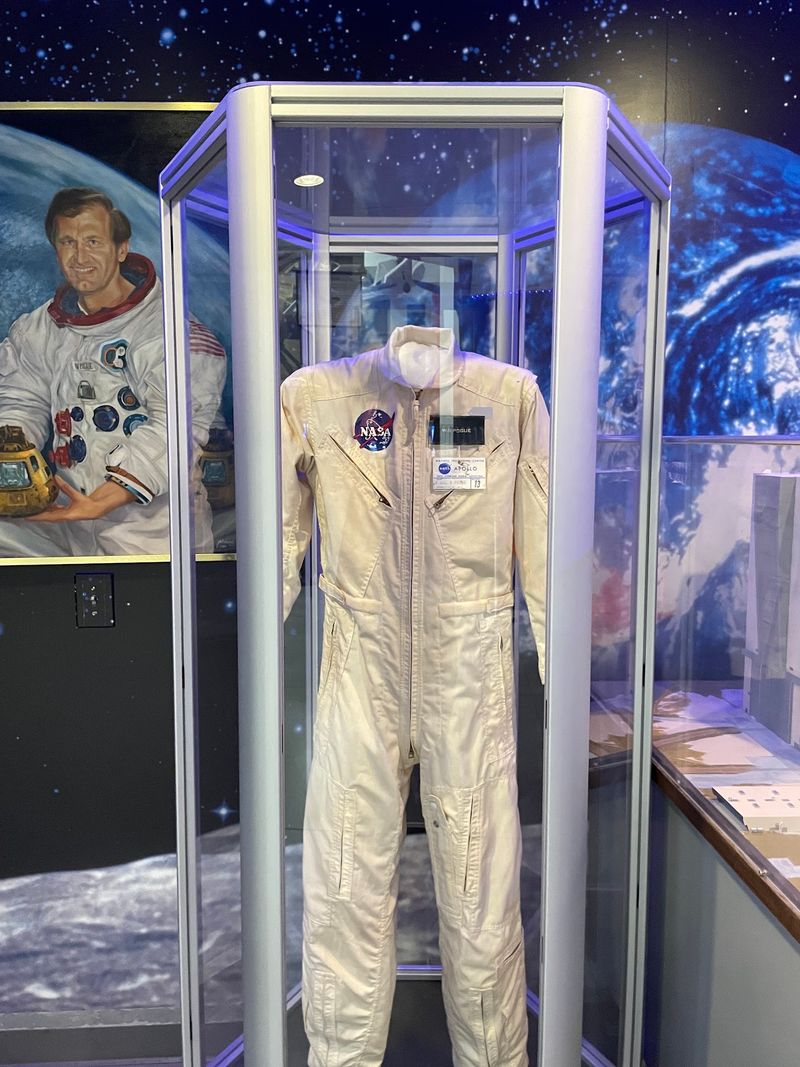
Space fans, this part is for you. Beyond the airplanes, the museum carries visitors into the age of rockets and astronauts with a lineup of NASA displays and space items.
Guests describe the space exhibits as very cool, with plenty of exploration topics spread around the building. One reviewer said the museum is a great place to learn or grow a passion for all things flight and NASA space.
That word, grow, fits well. Many kids leave here with a brand new dream job.
A key draw is the Oklahoma angle. A whole section focuses on how the state has contributed to space exploration, which turns distant galaxies into something closer to home.
It is fun to realize that the journey to the stars has Oklahoma fingerprints on it.
Pair this area with a planetarium show and you get a complete space day. Start by reading about real missions, then lean back under the dome and see the universe those missions explored.
Curious minds of every age will find questions to ask. The volunteers nearby are usually happy to answer them, which leads nicely into one of the best parts of any visit.
Volunteers Who Make the Visit Shine
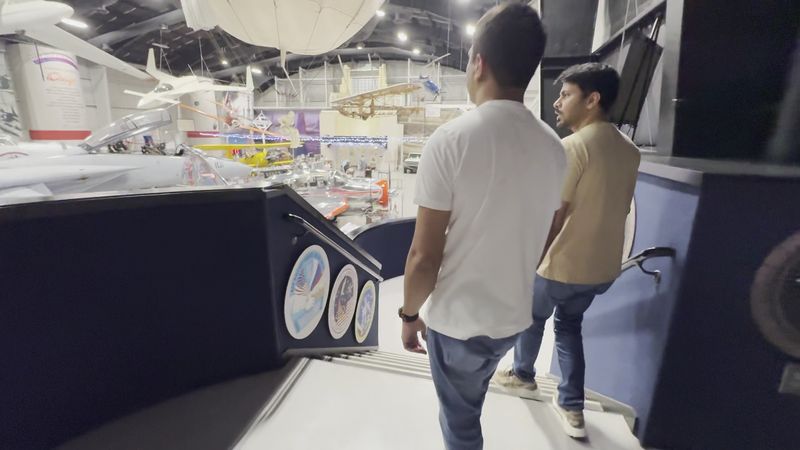
Ask almost anyone who has visited, and they will mention the people before the planes. Staff and volunteers here get some of the warmest praise of anything in the museum.
Visitors describe docents who are patient, knowledgeable, and clearly passionate about aviation. One guest got a personal tour full of background details.
Another loved the front desk greeter so much that they asked for a volunteer application before leaving. That says a lot about the welcome people receive.
Small moments add up, too. A grandmother remembered a kind gentleman at the paper airplane table who made her grandson’s visit extra special.
Others mention staff who seem genuinely excited to answer questions and share stories.
Having guides like these turns a walk past displays into a real conversation. They can point out details you might miss and explain why a certain aircraft matters to Tulsa.
If you see a volunteer nearby, say hello and ask a question. You might walk away with a story that is not written on any sign.
Even guests who were unhappy with an outside event admitted the staff were very nice and pleasant, which shows how consistent that friendliness really is.
Playground, Paper Planes, and a Gift Shop Worth Browsing
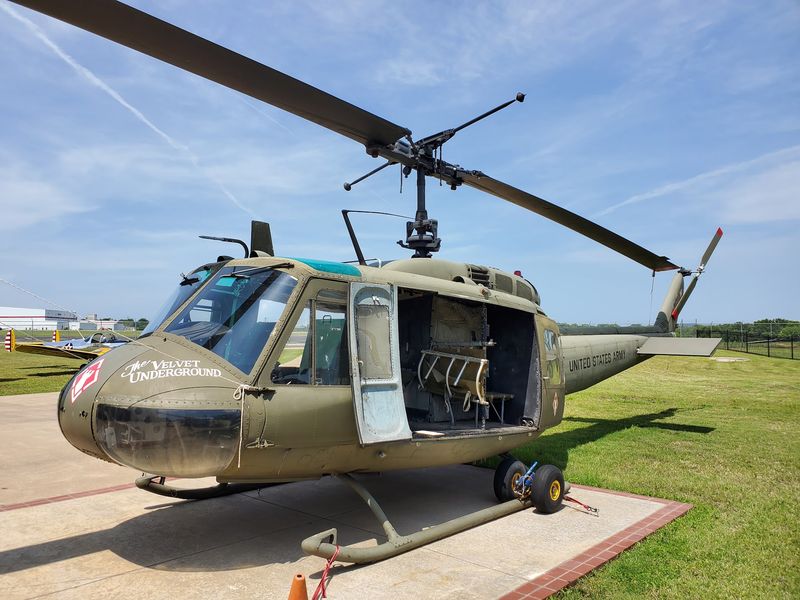
Little legs need a break from reading signs, and the museum knows it. Outside, a playground gives kids a chance to run, climb, and shake out the wiggles between exhibits.
Families say it is super nice and often a big hit. One grandmother said it was a favorite part of the day for her grandson.
Nearby, a growing aircraft garden adds big planes to admire while the kids play. The museum has shared plans for more aircraft and even an aircraft park walking trail.
Back inside, the paper airplane table offers a simple, old-fashioned joy. Folding a plane and watching it glide is a perfect way to connect the big jets with basic science.
Before leaving, plenty of guests stop by the gift shop. Reviewers call it cute, nice, and full of great souvenirs.
One space-loving visitor wanted every single item on the shelves. A word of advice for hungry visitors: snacks are limited to chips, crackers, and canned drinks, so you may want to plan lunch elsewhere.
The museum also offers event services for gatherings, which is handy to know if you are planning something special.
Overnight Among the Aircraft
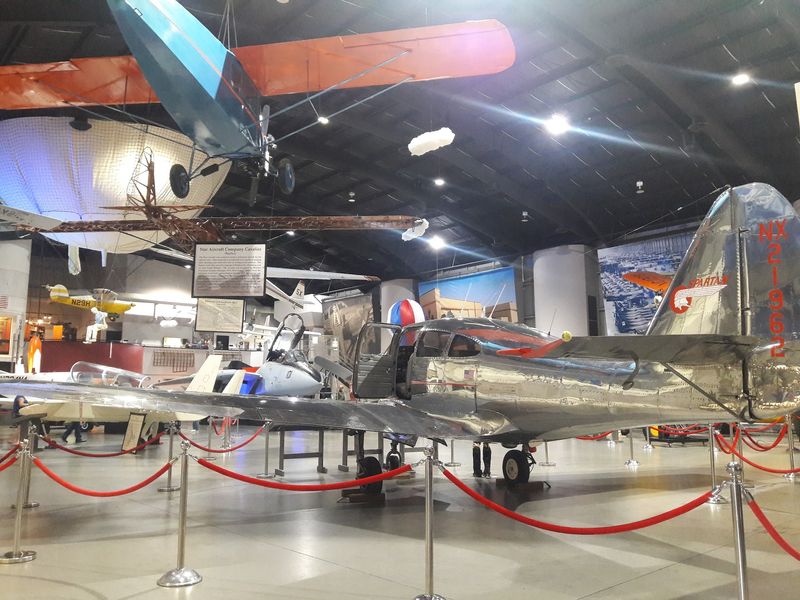
Picture waking up, opening your RV door, and seeing airplanes instead of a parking lot. For road-trippers in the Harvest Hosts program, that daydream can actually happen here.
The museum welcomes Harvest Hosts guests for overnight stays. One traveling couple described the hospitality as top-notch, saying the people were some of the nicest they had met on the road.
They loved the unusual feeling of waking up surrounded by aviation history and said they would gladly return.
The museum has said it loves these overnight guests and hopes each one enjoys a unique experience. For travelers cruising across Oklahoma, it offers something very different from a typical campground or rest stop.
A quirky stay like this fits perfectly into a bigger road trip. You can tour the exhibits during the day, catch a planetarium show, and then settle in for the night just steps from the planes.
It turns a quick museum visit into a full adventure story to tell friends. If you travel by RV and love offbeat stops, check the Harvest Hosts details ahead of time.
It might become one of the most memorable nights of your whole trip.
Hours, Admission, and Planning Tips
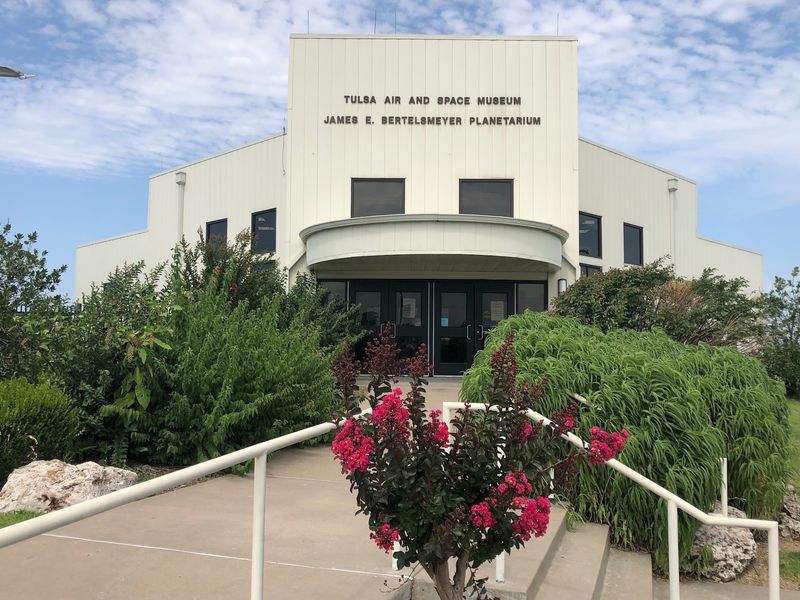
Timing matters, so here are the basics. The museum is open Tuesday through Saturday from 10 am to 4 pm, and closed on Sundays and Mondays.
Admission is often described by visitors as pretty cheap, which makes it an easy pick for families on a budget. The planetarium experience is an optional add-on, and guests who chose it generally recommend it.
Shows run hourly with different themes, so check the schedule when you arrive and plan your gallery time around a showing.
Give yourself time. Some guests make a quick visit, while others spend several hours.
If you want to see both floors, the outdoor aircraft, and a planetarium show, an afternoon is a smart plan.
A few other tips help too. Bring your own lunch plans, since the snack options are limited.
Evening events in the planetarium may come from outside companies that rent the space, so the museum suggests visiting during the day for its regular programming. For questions, call +1 918-834-9900 or visit tulsamuseum.org.
The address is 3624 N 74th E Ave, Tulsa, OK 74115, making it a simple drive for anyone exploring northeast Oklahoma.
A Soft Landing for Curious Explorers
So, does it earn a spot on your Oklahoma list? For most visitors, the answer seems to be a happy yes.
One guest called it a mini version of a famous national air museum, and that comparison fits. You get aircraft you can climb into, simulators to test your skills, stirring history like the Tuskegee Airmen exhibit, and a planetarium that sends you soaring through space.
Add a playground and a fun gift shop, and the day fills up fast.
It is not perfect. Food choices are slim, and some outside evening shows have not pleased everyone.
Still, the regular daytime museum and planetarium programs earn plenty of love, and the friendly staff leaves a lasting impression.
It suits families, school groups, date days, aviation buffs, and stargazers alike. Road-trippers will enjoy it, and locals who have driven past for years may finally discover what they have been missing.
With new aircraft on the way and plans to keep growing, there is a good chance something fresh will greet you each time. Buckle up, look up, and let this Tulsa gem take you somewhere new.
Share this story