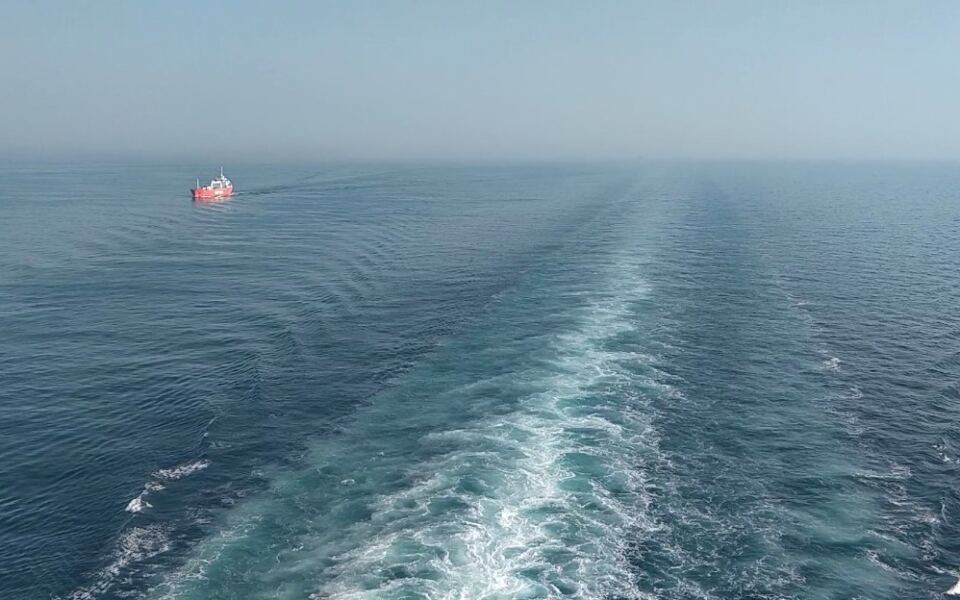
Cruise ships feel steady most days, but the sea has its own plans. Some stretches of water are known for strong winds, steep waves, and long swells that make even big ships sway.
This list starts with waters that can get lively and builds toward the most famous rough crossing on the planet. Along the way you will find real cruise routes, the seasons when weather tends to turn, and a few tips for travelers who get queasy.
Whether you are planning a first sailing or just love sea trivia, knowing where the ocean tends to act up helps you pack smarter and pick a cabin with a little more confidence. Many of these trips are still smooth, but a few come with bragging rights.
Aegean Sea, Greece and Turkey
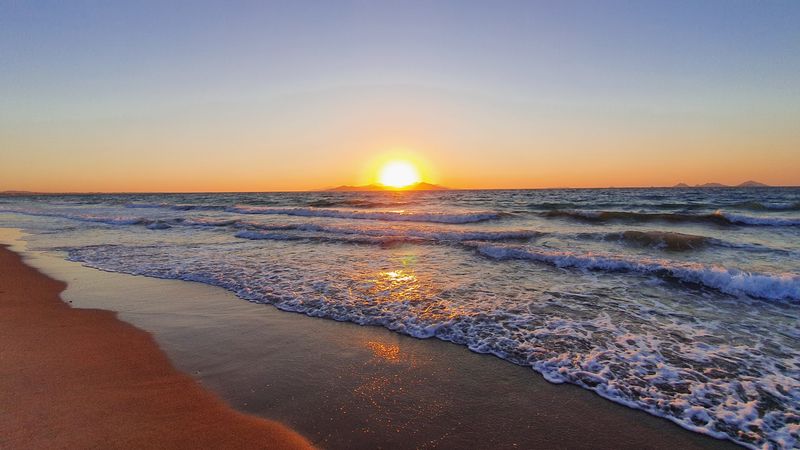
Postcards make the Aegean look like a bathtub with a view, yet summer winds can stir things up fast. The best known is the Meltemi, a steady northerly wind that is common in the warmer months.
Many Aegean cruises hop between islands over short distances. A ship can slip from sheltered water into choppy open sea surprisingly quickly, especially around exposed islands.
Larger cruise ships usually handle these conditions well. Smaller vessels tend to show more movement, so passengers on compact ships may notice the difference more.
Most Mediterranean sailings stay perfectly manageable. Still, a windy afternoon near an exposed island can feel livelier than first-time visitors expect.
If you are prone to motion sickness, consider a cabin in the middle of the ship on a lower deck, where movement is usually easiest to notice less. Pack remedies before you board, since the ship shop may sell out on a bumpy day.
English Channel, United Kingdom and France
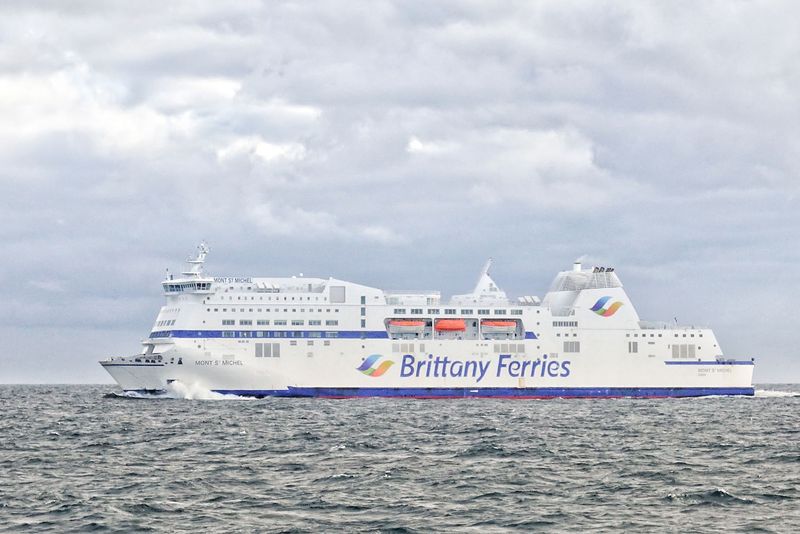
Few waterways are busier than the English Channel. It carries huge amounts of shipping traffic, and cruise ships leaving Southampton for continental Europe cross it regularly.
The Channel is also open to Atlantic weather systems. Strong winds over relatively shallow water can build short, steep waves that feel different from the long, slow swells found farther offshore.
Southampton remains a very active cruise port. Royal Caribbean, for example, continues to run itineraries from there to destinations in northern Europe, so ships pass through these waters all the time.
Timing makes a big difference. Passengers sailing during unsettled autumn or winter weather are more likely to notice movement than those cruising in calmer summer periods.
A quick look at the marine forecast before you pack can help. If a windy stretch is expected, keep ginger candies or wrist bands handy and take meals in the ship’s middle sections.
North Sea, Northern Europe
Sailing between Britain, Norway, Denmark, Germany, Belgium, and the Netherlands almost always means crossing the North Sea. It is a busy cruise region, and current Southampton itineraries include Rotterdam, Copenhagen, and Oslo.
Its rough reputation comes mostly from passing low-pressure systems and strong winds. Because large portions of the sea are fairly shallow, waves can turn steep and closely spaced when the weather sours.
Summer can bring pleasantly calm conditions. Autumn and winter storms are a different story and can make for a much more energetic crossing.
Overnight crossings are common, so the roughest part may happen while you sleep. A cabin low and near the middle of the ship usually gives the steadiest ride.
Check the forecast a few days before departure. If you are a sensitive traveler, a summer sailing is the safer bet for a smooth trip.
Bass Strait, Australia
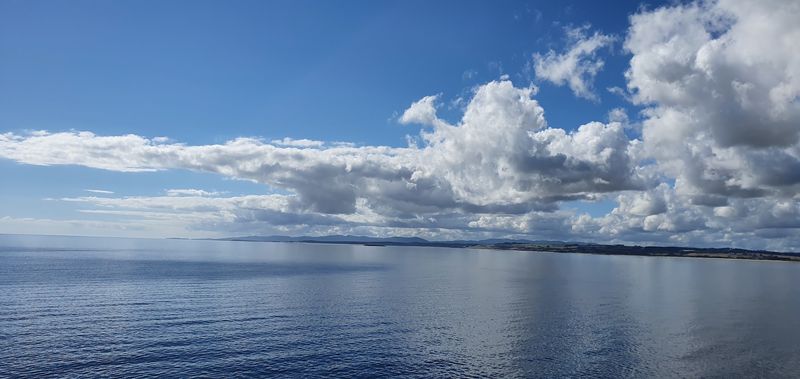
Between mainland Australia and Tasmania lies a stretch of water that local mariners treat with respect. Bass Strait is known for conditions that can turn uncomfortable.
Weather systems moving across southern Australia can bring strong winds and rough seas here. In June 2026, Australia’s Bureau of Meteorology documented powerful systems that brought rough seas and damaging coastal winds to southeastern Australia and Tasmania, with gusts above 100 kilometers per hour at several locations.
Cruise ships sailing between mainland ports and Tasmania may cross or enter the strait. Calm days are common, so a smooth passage is entirely possible.
The catch is speed. When a cold front sweeps through, conditions can change quickly, and a sunny morning does not guarantee a flat afternoon.
Travelers who worry about motion can ask the ship’s guest services about stabilizers and medical center supplies before the crossing begins.
South China Sea, Southeast Asia
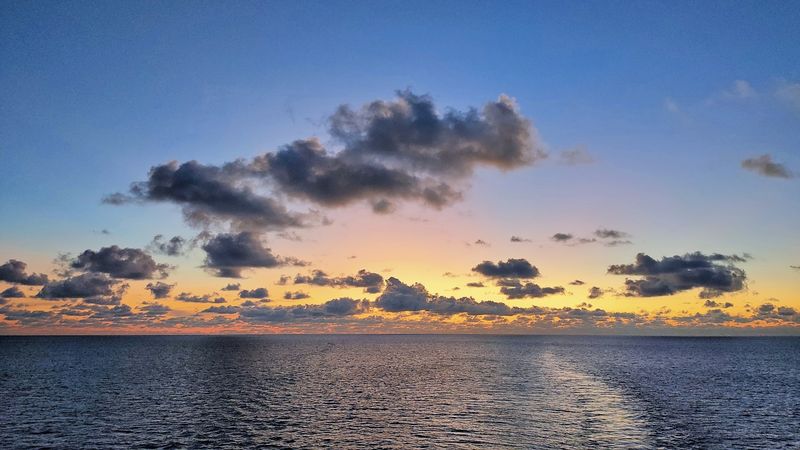
Typhoon season is the main thing to know about this sea. Many Asian cruise itineraries cross the South China Sea, but weather there can turn challenging.
NOAA identifies the northwest Pacific, including the South China Sea, as one of the world’s major tropical cyclone regions. Storms can form throughout the year, though the busiest period generally runs from July through November and peaks around late August and early September.
Cruise companies watch tropical systems closely and may change ports or routes when a storm threatens. That flexibility is a big reason sailing remains practical here.
Outside major weather events, crossings can be comfortable. When typhoons do develop, they can create dangerous winds and very large seas across enormous areas.
If you book in peak season, consider travel insurance and keep your plans flexible, since itinerary changes are a real possibility.
Central Caribbean Sea
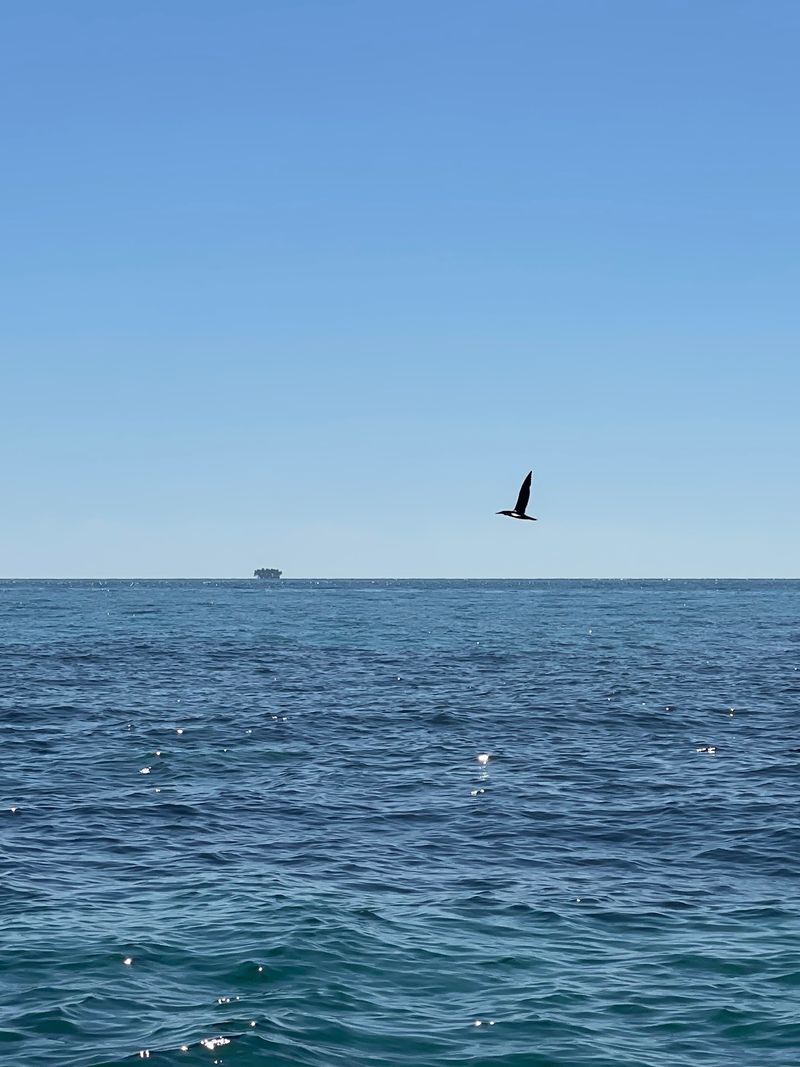
Turquoise water is the Caribbean’s calling card, but that picture does not fit every day. Strong trade winds can whip up rough conditions, especially across the central part of the sea.
NOAA marine forecasts have documented strong to near-gale easterly winds and rough to locally very rough seas in this region, including gale-force winds near Colombia.
The wider Caribbean also sits inside the Atlantic hurricane basin. The official season runs from June 1 through November 30, with activity historically peaking around early to mid-September.
Cruise ships normally avoid tropical cyclones instead of trying to sail through them. That often means a reroute or a swapped port rather than a rough ride.
For the calmest odds, many travelers look at winter and early spring sailings. Whatever the month, a lower, central cabin can help on breezy days.
Norwegian Sea
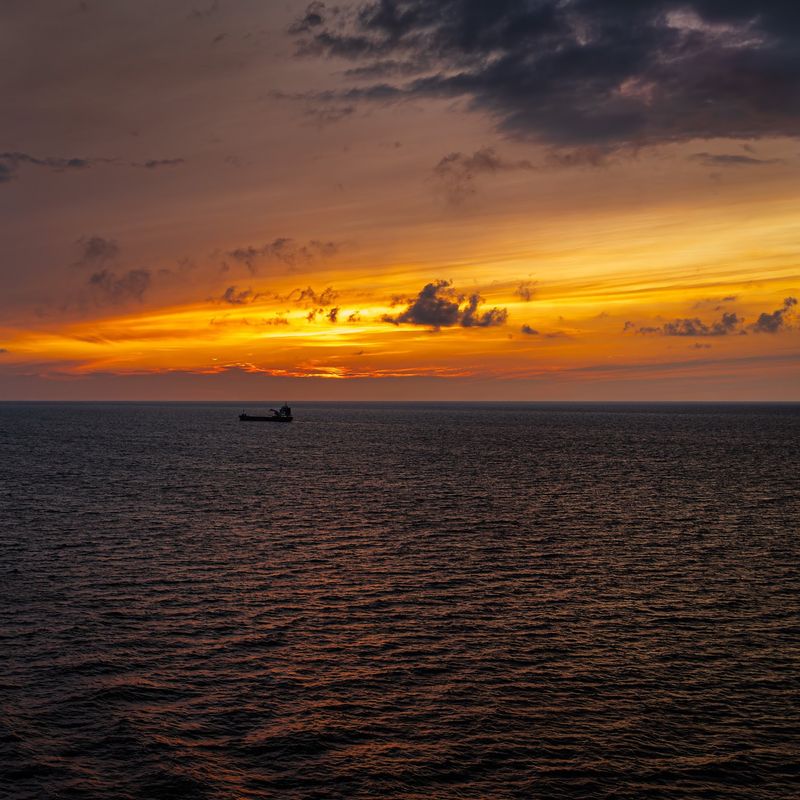
Heading for northern Norway, Iceland, Svalbard, or the Arctic often means passing through the Norwegian Sea. Its high latitude leaves it open to powerful North Atlantic weather systems.
Strong winds and long ocean swells can create noticeable movement aboard ships, particularly outside the calmer summer season.
Conditions vary a lot depending on where the ship is. Inside Norway’s protected fjords the water can be quite calm, and then the vessel may enter far more exposed seas.
That contrast makes northern voyages hard to predict for people who get motion sickness. A glassy morning in a fjord can be followed by a rolling afternoon offshore.
Planning helps. Choose summer departures if you want your best shot at gentle seas, and bring remedies along in case the open water gets lively.
Gulf of Alaska
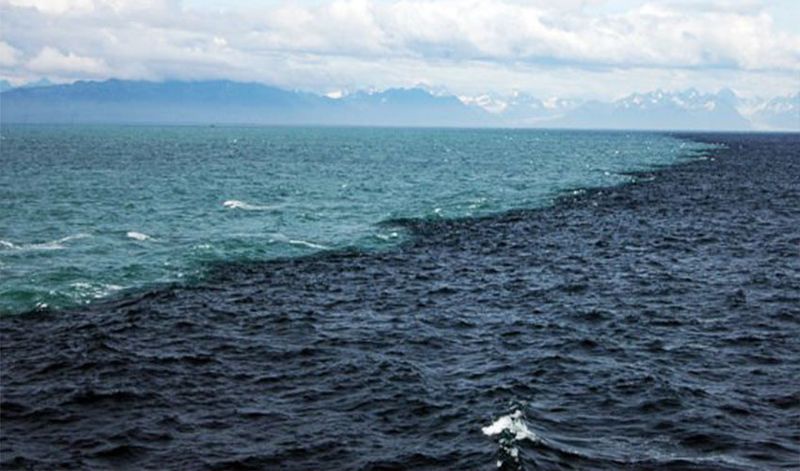
Alaska cruising brings to mind calm fjords and Inside Passage scenery, yet some parts of the trip are wide open. The Gulf of Alaska is one of them.
Cruises between Vancouver and Whittier continue during the 2026 Alaska season, and those routes take ships through or near these more exposed waters.
Pacific low-pressure systems can produce large swells and strong winds here. Conditions generally grow more unsettled later in the season, though rough weather is possible at almost any time.
Passengers on one-way Gulf of Alaska itineraries may notice more movement than travelers who stay mostly inside protected passages.
If motion bothers you, a round-trip Inside Passage cruise is often the gentler choice. Otherwise, pick a summer sailing and keep a remedy in your daypack for the open-water days.
Bering Sea, Alaska and Russia
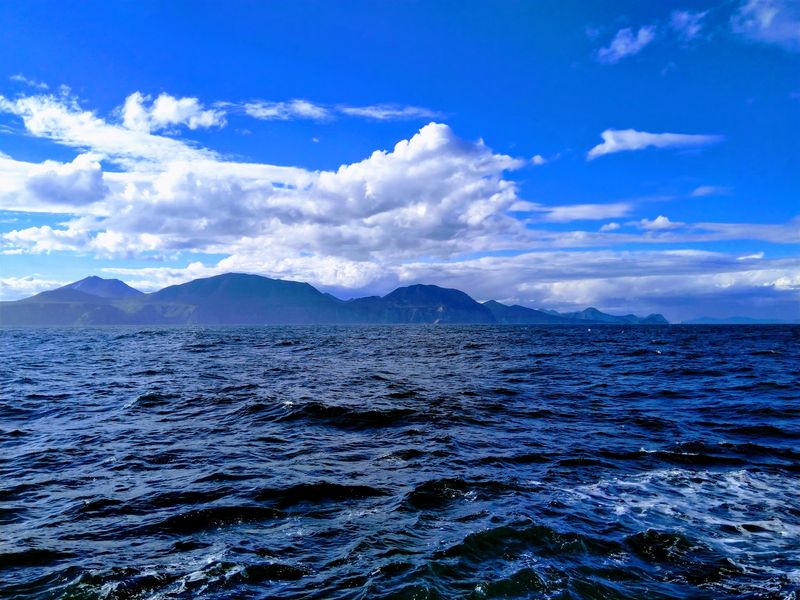
Far from the mainstream cruise map, the Bering Sea sits between Alaska and eastern Russia. Expedition itineraries sometimes venture into it.
The location exposes it to intense North Pacific storms. Strong winds, cold water, and large waves give it a formidable maritime reputation.
NOAA notes that routes around Alaska’s Unimak Passage connect the Gulf of Alaska with the Bering Sea and are used by commercial vessels and other maritime traffic.
Cruise exposure is much less common than in Alaska’s Inside Passage. Travelers who join expedition-style voyages here should expect the possibility of genuinely rough open-water conditions.
Preparation matters on trips like this. Ask the operator about ship size, stabilizers, and medical support, and pack warm layers for time on deck when the weather settles.
Bay of Biscay, France and Spain
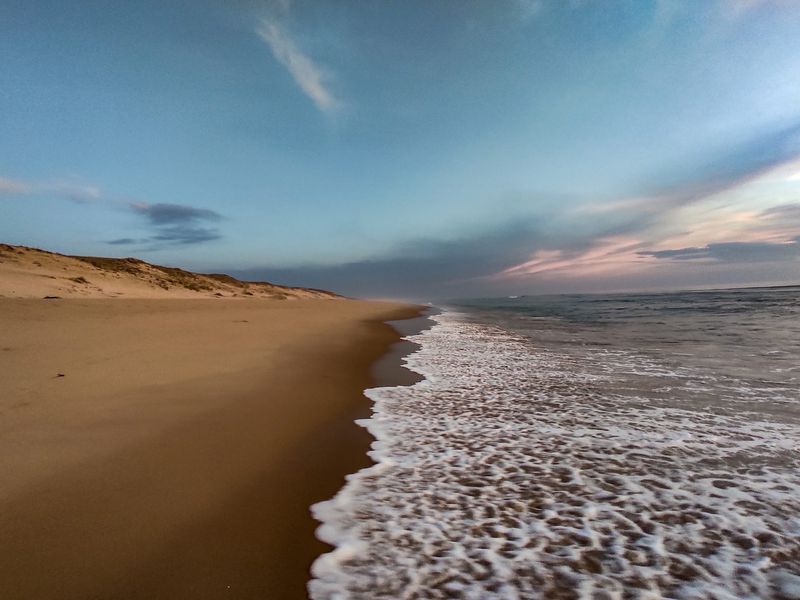
Ask a cruise forum about nerves and the Bay of Biscay comes up quickly. Few European waters spark as many worried questions.
The bay lies between western France and northern Spain and is open to North Atlantic weather systems and ocean swells. Its geography and continental shelf can contribute to confused or steep seas during bad weather.
Ships traveling between Southampton and ports in Spain and Portugal regularly pass through or near it. Royal Caribbean has scheduled a Southampton-to-Galveston transatlantic voyage for October 16, 2026, calling at Vigo and Lisbon before crossing the Atlantic.
Calm Biscay crossings certainly happen. Stormy ones, though, tend to be remembered.
Because the bay is usually crossed on sea days, you can plan for it. Stay hydrated, eat light, and keep your eyes on the horizon if your stomach starts to wobble.
Tasman Sea, Australia and New Zealand
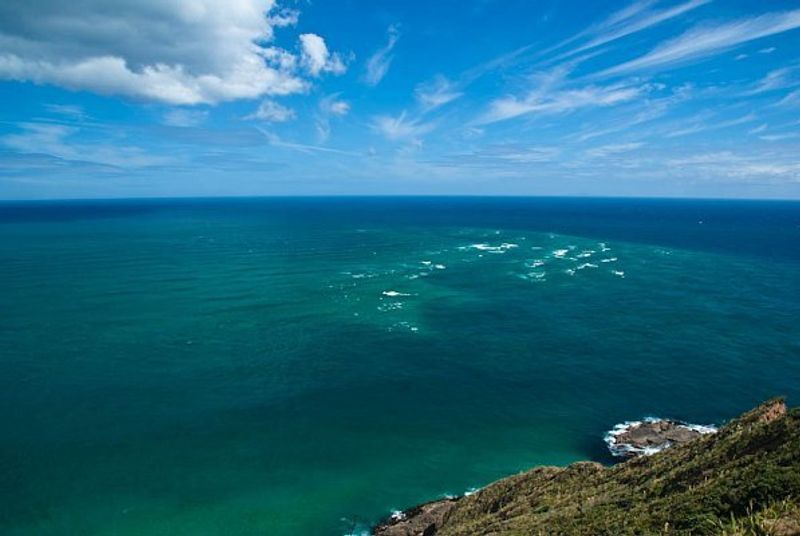
Between Australia and New Zealand stretches a broad piece of ocean with plenty of exposure. The Tasman Sea offers spectacular cruising, and the weather can add some extra drama.
Strong frontal and low-pressure systems can create powerful winds and long swells. Australia’s Bureau of Meteorology regularly warns mariners that the largest individual waves can reach around twice the forecast significant wave height in certain conditions.
Crossings stay popular. Celebrity Cruises has multiple Australia-New Zealand itineraries operating in 2026, including sailings that connect Sydney with New Zealand destinations.
Not every crossing will be rough, so there is no need to assume the worst.
Still, this is one voyage where motion-sickness preparation can be worthwhile. Bring your preferred remedy, choose a midship cabin, and give yourself an easy first day at sea.
North Atlantic Ocean
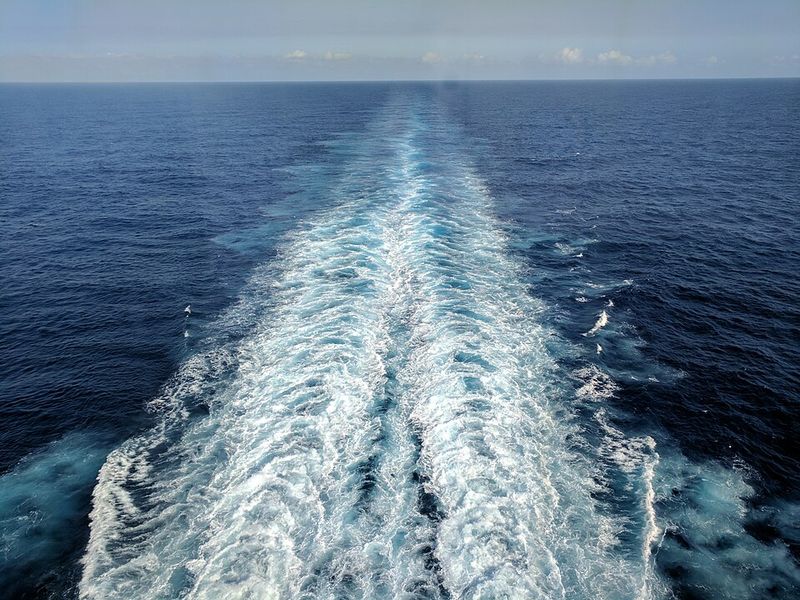
Glassy water one day, ocean storm the next. A transatlantic crossing is a classic cruise journey, and the North Atlantic can deliver both.
Long stretches of fully exposed ocean allow large swells to develop. Powerful low-pressure systems become especially important in the cooler months.
Cruise lines still schedule regular repositioning voyages. Royal Caribbean’s October 16, 2026 sailing from Southampton to Galveston includes nine consecutive sea days after Madeira, which shows how much open-ocean time these trips can involve.
Spring and autumn repositioning cruises are popular choices for travelers who like long sea days and lower fares.
Anyone highly sensitive to ship movement should remember that weather can vary a great deal. Pack remedies, pick a low midship cabin, and keep indoor activities in mind for the livelier days.
Southern Ocean and Cape Horn
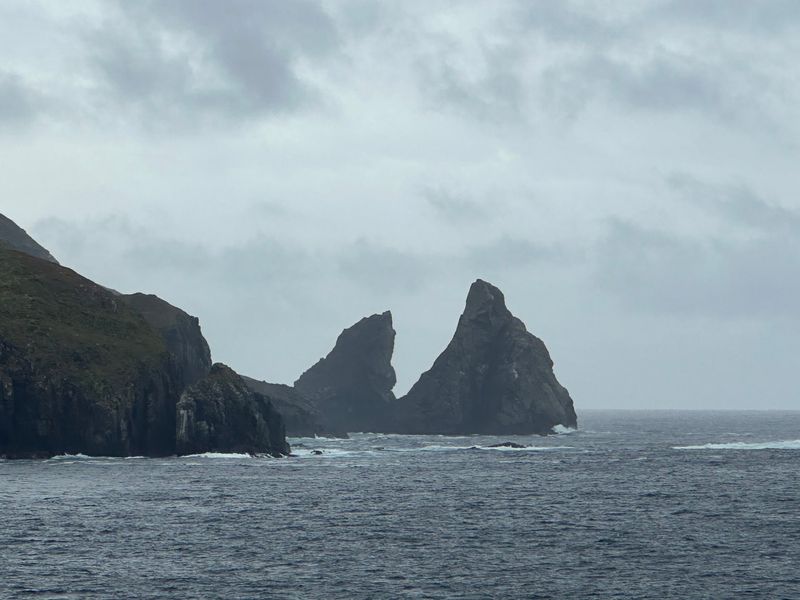
Hardly any land stands in the way of the westerly winds near the bottom of South America. They circle through these latitudes with very little to slow them down.
That is how Cape Horn became legendary among generations of sailors. Cruise ships still travel between the Atlantic and Pacific sides of South America, though modern forecasting makes the voyage far safer than in the age of sail.
Holland America continues to offer South American itineraries featuring Cape Horn, the Drake Passage, and nearby channels, which confirms that cruise vessels remain active here.
Even on large ships, strong Southern Ocean swells can produce impressive movement.
Many guests still get a calm window for rounding the Horn. Keep a jacket handy for deck views, since the wind can be strong even when the water behaves.
Drake Passage, Between South America and Antarctica
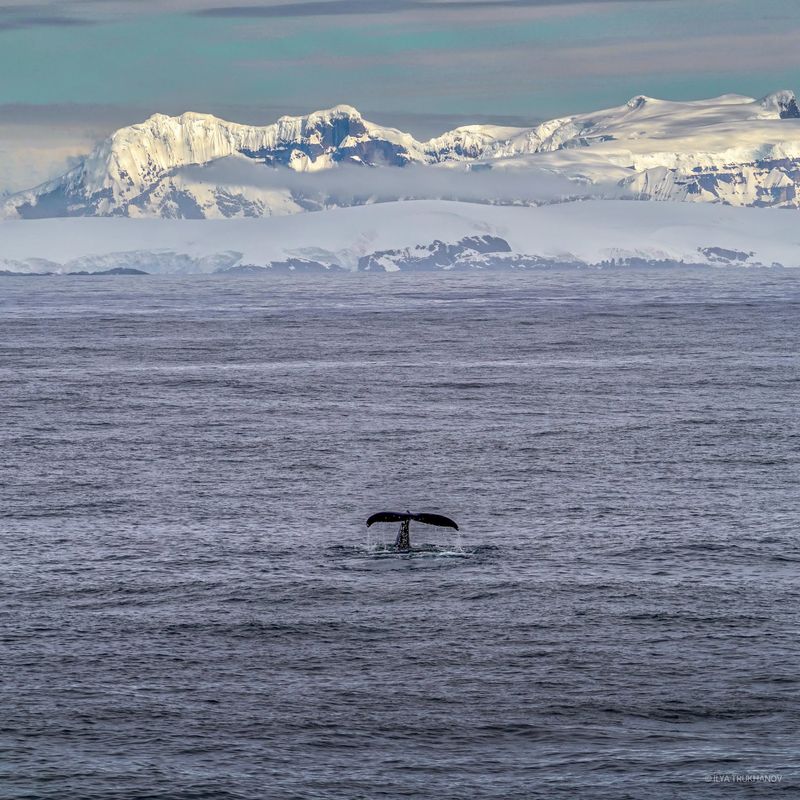
Ask any polar traveler about rough water and the answer is usually the same. Few stretches have a stronger reputation than the Drake Passage.
Located between Cape Horn and Antarctica, it connects the Atlantic and Pacific sectors of the Southern Ocean. Persistent winds and large swells can create exceptionally rough conditions.
Passengers sometimes joke that a crossing will be either the calm “Drake Lake” or the far more turbulent “Drake Shake.” Neither outcome can be promised ahead of time.
This is not just a historic route either. Holland America’s 2026 Grand Voyage itinerary included scenic cruising through the Drake Passage and Antarctica, and other South America programs also include the crossing.
For travelers seeking the most famous potentially rough crossing on Earth, the Drake remains the benchmark. Bring remedies, stay hydrated, and plan for a few slow days.
Share this story