Some of the most remarkable places on Earth are not cities or resorts but ancient sites that have survived thousands of years of history. From carved mountain temples to jungle pyramids, these archaeological destinations offer a rare chance to stand where ancient civilizations once thrived.
Visiting them is not just about sightseeing. It is about connecting with the people who built something extraordinary long before modern tools existed.
Whether you are a history enthusiast, a curious traveler, or someone looking for a trip that genuinely changes how you see the world, this list covers 13 of the most fascinating archaeological sites you can actually visit today. Each one is real, currently open, and worth the planning it takes to get there.
Petra, Jordan
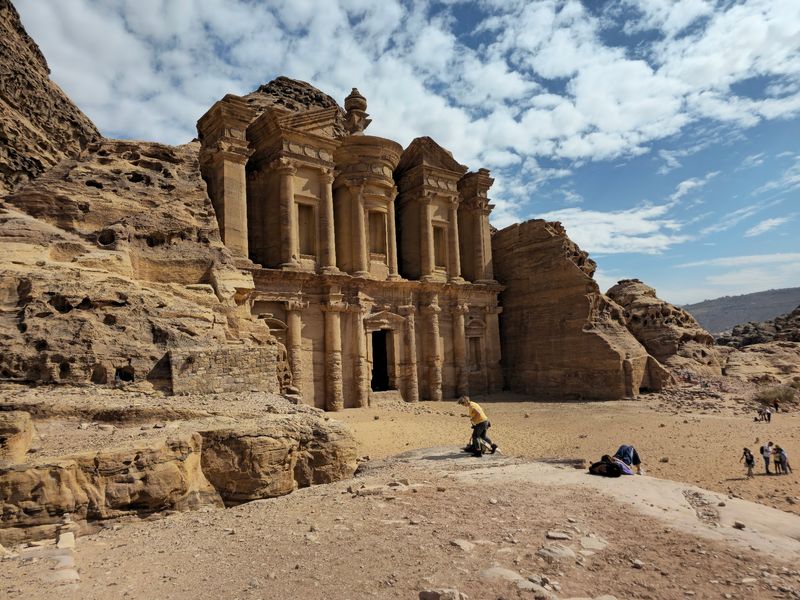
Walking through the narrow Siq toward Petra’s Treasury is one of those travel moments that genuinely stops you in your tracks. The canyon walls press close on both sides, and then suddenly the carved facade of Al-Khazneh appears, cut directly into rose-red sandstone cliffs.
Petra was the capital of the Nabataean kingdom and a critical hub on ancient trade routes connecting Arabia, Egypt, and the Mediterranean. The city’s builders were master engineers who carved temples, tombs, theaters, and water channels into the surrounding mountains.
Most visitors focus on the Treasury, but the site extends for miles beyond it. The Monastery, reached after a long climb, is even larger than the Treasury and far less crowded.
Petra’s official visitor authority publishes seasonal hours, so checking before you arrive is worth the extra step. Comfortable shoes and a full water bottle are non-negotiable for a full day here.
Pompeii, Italy
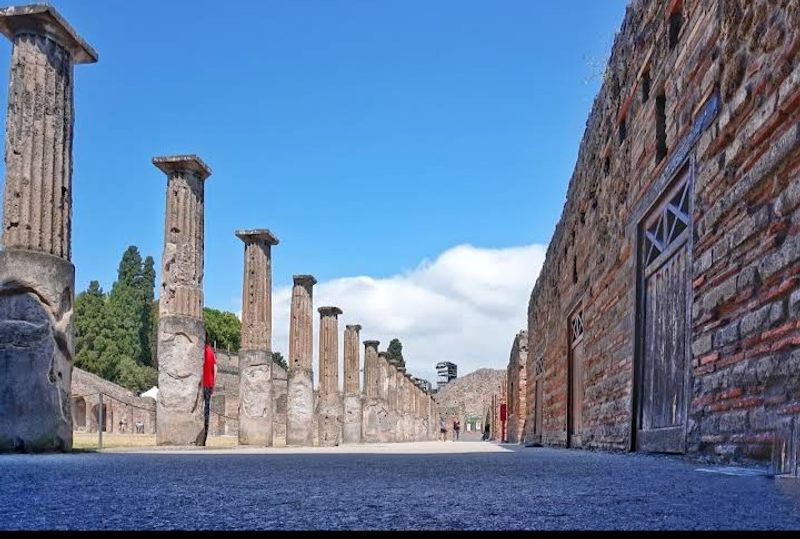
Pompeii is the closest thing to a time capsule that archaeology has ever produced. When Mount Vesuvius erupted in AD 79, volcanic material buried the city so quickly that streets, shops, frescoes, and even food left on counters were preserved beneath the ash.
Walking through Pompeii today means following actual Roman roads, stepping into bakeries, bath complexes, and private homes that have stood for nearly two thousand years. The level of detail is unlike anything you will find at most other ancient sites.
Excavations and conservation work continue actively, which means certain houses rotate between open and closed status depending on the season and ongoing research. The Archaeological Park operates with timed admissions and a daily visitor cap, so booking tickets in advance is genuinely important here.
Arriving early also helps you explore the quieter corners before the larger tour groups arrive mid-morning.
Machu Picchu, Peru
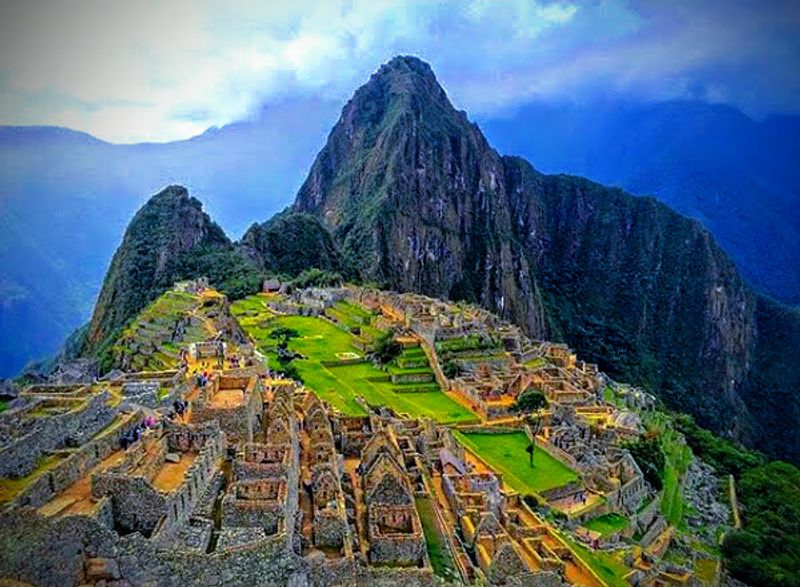
Perched at roughly 7,970 feet in the Peruvian Andes, Machu Picchu has a setting that is almost difficult to believe even when you are standing in it. The Inca built this citadel with such precision that its stone walls have survived centuries of earthquakes without mortar holding them together.
The site includes ceremonial structures, agricultural terraces, residential areas, and water channels that still function today. Researchers continue to debate the city’s exact purpose, which makes every visit feel like part of an ongoing conversation with history.
Peru manages access carefully through designated visitor circuits and strict daily capacity limits. For the 2026 season, the Ministry of Culture authorized a maximum of 5,600 visitors per day, so reservations are essential and should be made well ahead of your travel dates.
The train journey from Cusco to Aguas Calientes, the nearest town, is scenic and a worthwhile part of the overall experience.
Angkor Archaeological Park, Cambodia
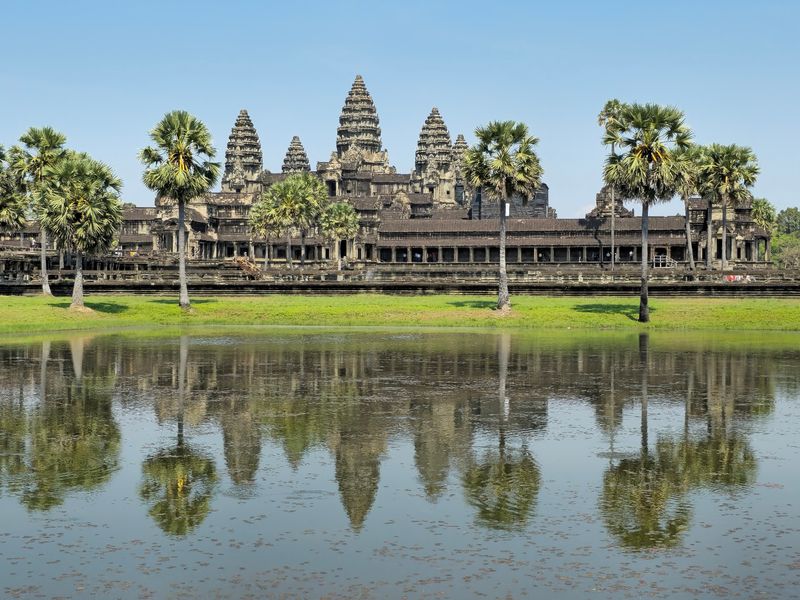
Angkor Wat gets most of the attention, but the broader Angkor Archaeological Park near Siem Reap is one of the largest religious monuments ever constructed anywhere on Earth. The Khmer Empire built this landscape over several centuries, and what remains covers an area roughly the size of a modern city.
Beyond Angkor Wat, visitors can explore Angkor Thom, the walled royal city with its massive south gate guarded by carved figures. Bayon temple, with its famous tower faces, sits at the center of Angkor Thom.
Ta Prohm, where tree roots grow directly through temple walls, offers a completely different atmosphere from the more restored structures.
Banteay Srei, a smaller temple about 25 kilometers north, features some of the finest stone carvings in the entire park. Official Angkor passes are sold through the Angkor Enterprise authority, with one-day, three-day, and seven-day options.
Arriving before sunrise at Angkor Wat is a genuinely popular choice for good reason.
Acropolis of Athens, Greece
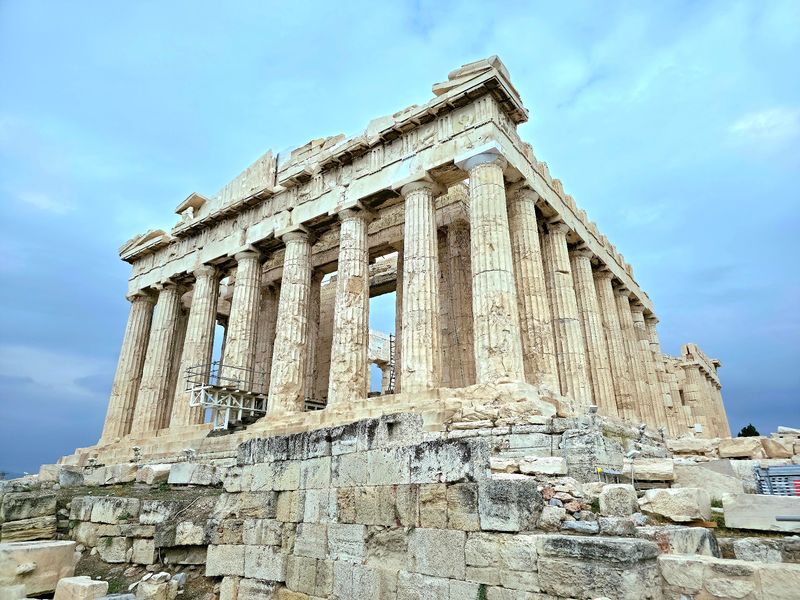
The Acropolis has overlooked Athens for more than two and a half millennia, and the Parthenon at its summit remains one of the most photographed ancient structures in the world. Built during the fifth century BC when Athens was at the height of its political and cultural influence, the Parthenon was dedicated to the goddess Athena.
The hill holds more than just the Parthenon. The Erechtheion, famous for its Porch of the Caryatids where sculpted female figures serve as columns, sits just to the north.
The Temple of Athena Nike and the monumental Propylaea gateway round out the main monuments on the summit.
The Acropolis Museum at the base of the hill is worth a separate visit. It holds original sculptures and artifacts removed from the site for preservation.
The archaeological site opens daily under seasonal hours, with some closures on designated public holidays. Comfortable shoes matter here because the ancient stone surfaces are uneven and can be slippery.
Chichen Itza, Mexico
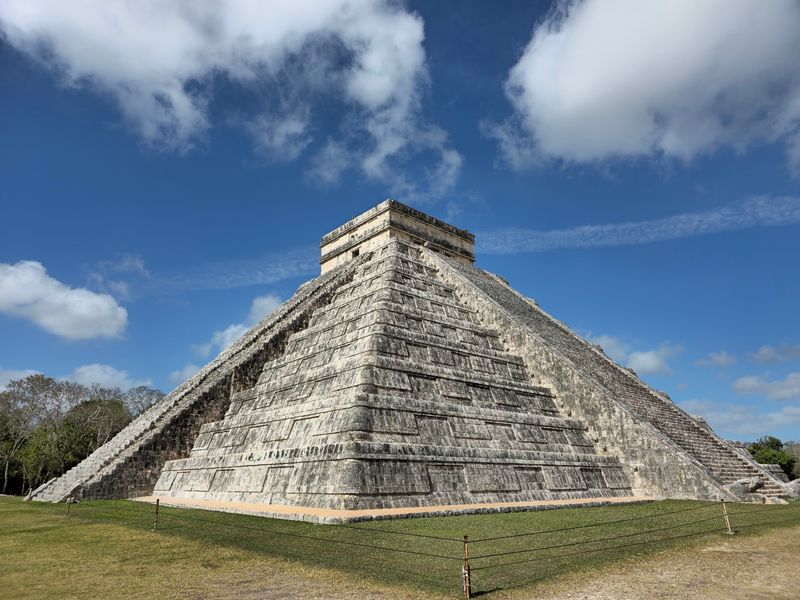
El Castillo, the stepped pyramid at the center of Chichen Itza, was designed with astronomical precision. During the spring and fall equinoxes, the angle of sunlight creates a shadow pattern on the pyramid’s staircase that resembles a serpent descending toward the ground.
The Maya engineers who planned this were working centuries before modern astronomy tools existed.
The Great Ball Court at Chichen Itza is the largest known ball court in all of ancient Mesoamerica, stretching nearly 170 meters in length. The Temple of the Warriors, the Observatory structure, and the Sacred Cenote are all part of the same archaeological complex.
After a temporary closure in May 2026, Mexico’s National Institute of Anthropology and History confirmed that Chichen Itza reopened on June 1 of that year and is currently open daily. The site is located in the Yucatan Peninsula and is typically reached from Merida or Cancun.
Arriving early in the morning helps you beat both the heat and the crowds.
Teotihuacan, Mexico
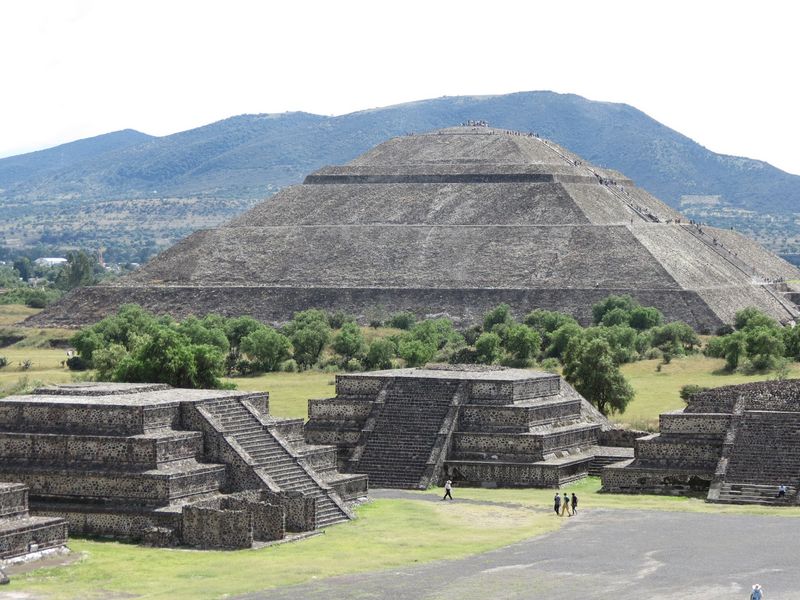
Long before the Aztec Empire built Tenochtitlan, Teotihuacan was already one of the largest cities in the ancient Americas. At its peak, somewhere between the first and sixth centuries AD, the city may have housed over 100,000 people, making it a genuine metropolis by any era’s standards.
The Avenue of the Dead runs through the heart of the site, connecting the Pyramid of the Moon at its northern end to the Ciudadela complex at its southern end. The Pyramid of the Sun, one of the largest pyramids ever built anywhere on Earth, rises alongside this central avenue.
Climbing to the top offers a wide view of the entire ancient city layout.
The archaeological zone briefly closed in April 2026 but reopened on April 22 with increased security measures in place. INAH later announced improvements to visitor facilities throughout the site.
Teotihuacan sits about 50 kilometers northeast of Mexico City, making it a straightforward day trip from the capital with regular bus service available.
Tikal, Guatemala
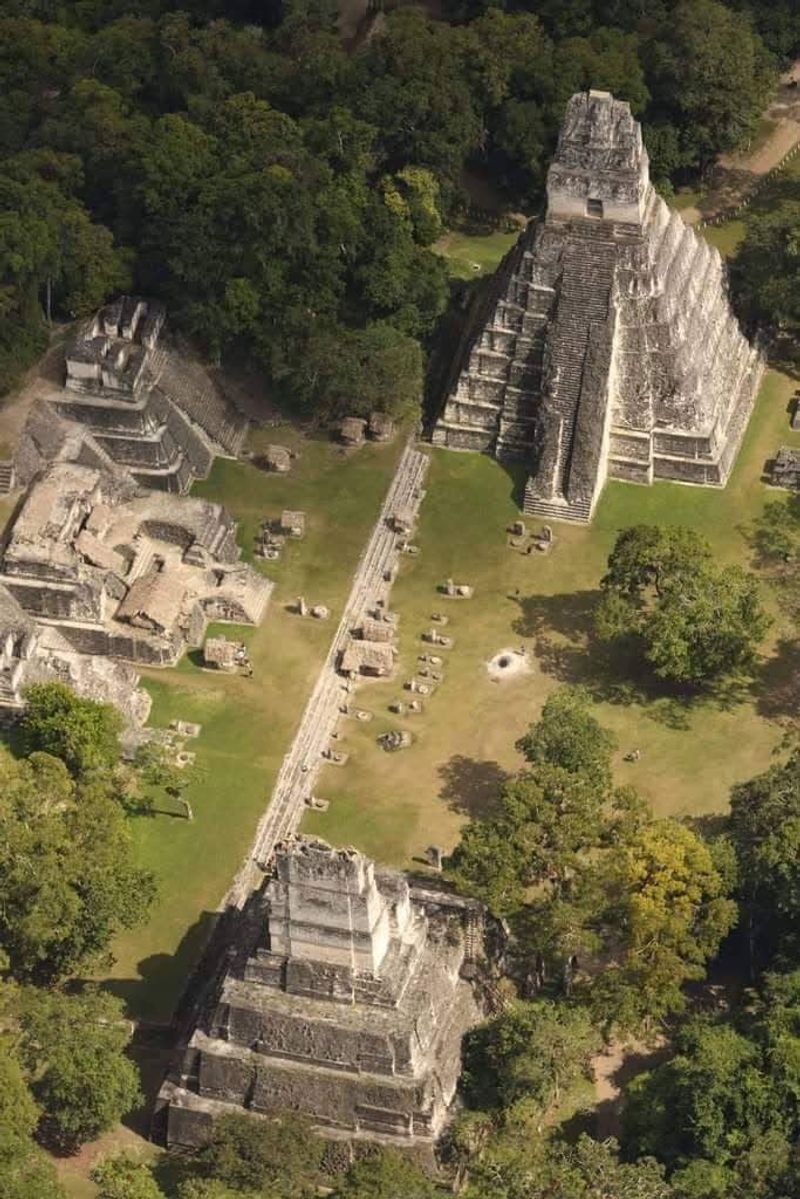
Standing at the top of one of Tikal’s pyramids and looking out over an unbroken canopy of rainforest is a perspective that few archaeological sites can match. The temples do not just rise above the trees.
They emerge from them, giving the whole site an atmosphere that photographs struggle to capture accurately.
Tikal was one of the most powerful cities of the classic Maya period, with a population that may have reached over 100,000 at its height. The site includes massive ceremonial plazas, royal palaces, multiple pyramid temples, carved stelae, and an extensive network of causeways connecting different parts of the city.
Wildlife is a genuine part of the Tikal experience. Spider monkeys, howler monkeys, toucans, and coatis move through the site regularly.
Guatemala’s Ministry of Culture confirmed in May 2026 that Tikal remains open daily from 6 a.m. to 6 p.m., with special sunrise and sunset visits also available. The site sits within a UNESCO-listed national park in the Peten region.
Ephesus, Turkiye
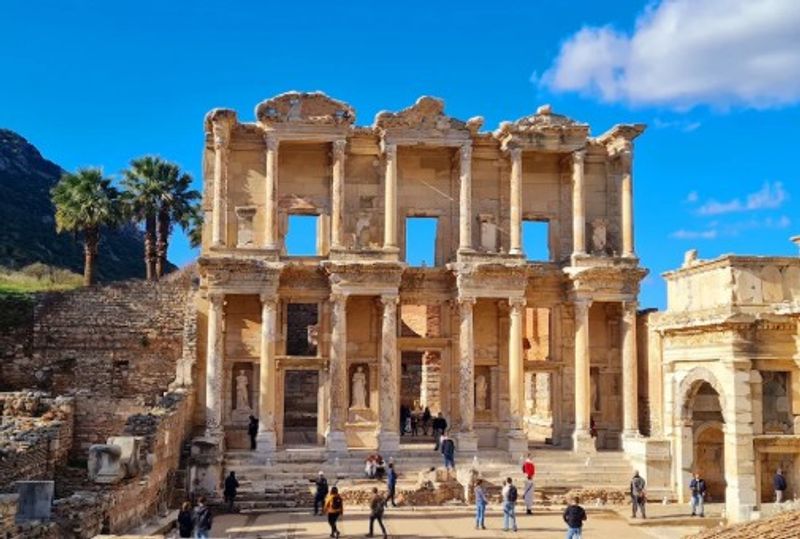
The Library of Celsus at Ephesus is one of the most striking facades surviving from the ancient Mediterranean world. Built in the second century AD, it once held thousands of scrolls and ranked among the largest libraries of its time.
The restored front elevation gives a strong sense of how grand Roman-era Ephesus actually was.
The city’s marble-paved streets connect a remarkable range of structures. Visitors can walk past monumental gates, public bath complexes, a large theater that seated around 25,000 people, and the remains of several temples.
The nearby Temple of Artemis, now mostly gone, was once counted among the Seven Wonders of the Ancient World.
The Terrace Houses, a separate ticketed section within the site, contain preserved private homes decorated with detailed mosaics and frescoes. These are covered by protective structures and offer a close look at how wealthy residents of ancient Ephesus actually lived.
Turkiye’s official museum authority lists the site as open every day of the week.
Gobekli Tepe, Turkiye
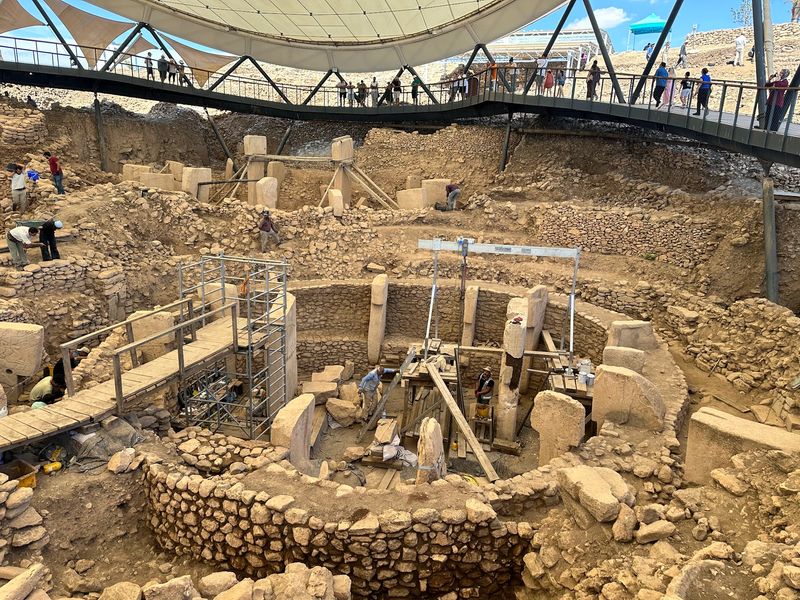
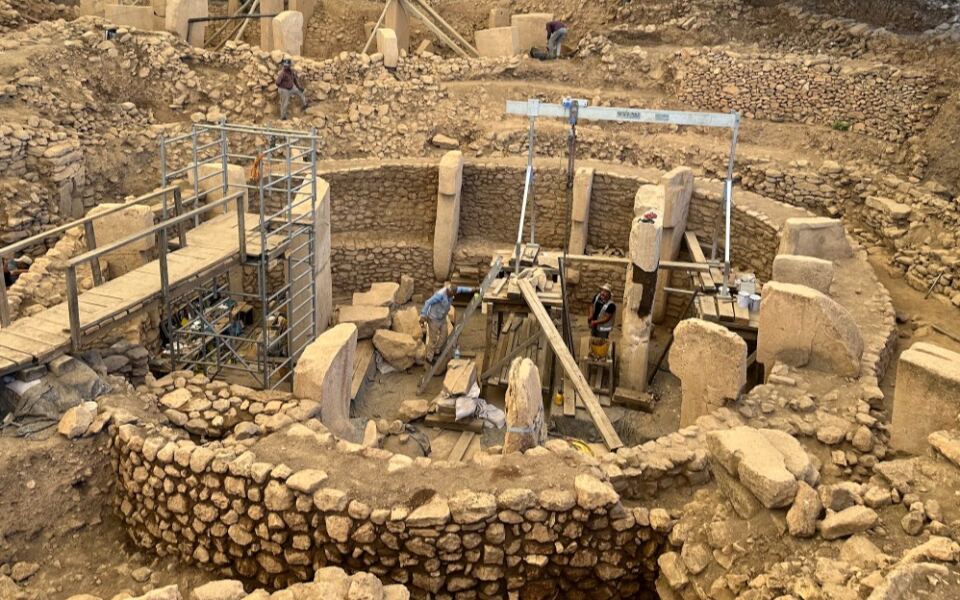
Gobekli Tepe rewrote the timeline of human civilization when researchers began seriously excavating it in the 1990s. Dating back roughly 12,000 years, the site contains massive T-shaped stone pillars arranged in circular enclosures, all constructed by hunter-gatherer communities long before agriculture, pottery, or writing are thought to have developed in the region.
The scale and organization of Gobekli Tepe challenge older assumptions about what early human communities were capable of building. Some of the carved pillars stand over five meters tall and weigh several tons, raising questions about how they were quarried, transported, and raised without the tools that later civilizations used.
Only a fraction of the site has been excavated so far, meaning the archaeology here is genuinely still unfolding. Visitors can observe active research alongside the existing enclosures.
Turkiye’s official museum authority currently lists Gobekli Tepe as open seven days a week. The site is located near the city of Sanliurfa in southeastern Turkey, about 15 kilometers from the city center.
Abu Simbel, Egypt
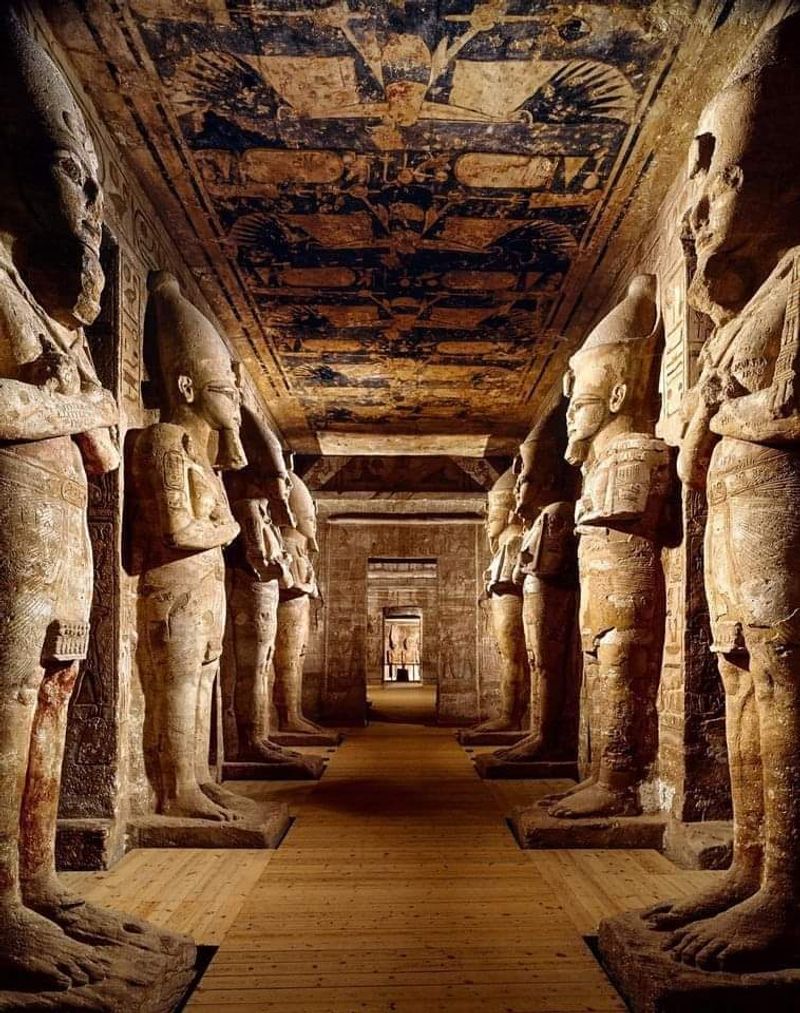
Four colossal statues of Pharaoh Ramesses II sit at the entrance of the main temple at Abu Simbel, each one roughly 20 meters tall and carved directly from the sandstone cliff face. The temples were constructed during the 13th century BC and were designed so that sunlight would illuminate the inner sanctuary on two specific days each year, aligned with the pharaoh’s birthday and coronation date.
The temples’ modern history is almost as impressive as their ancient origins. When construction of the Aswan High Dam in the 1960s threatened to submerge the site under Lake Nasser, an international effort led by UNESCO carefully cut the temples into large blocks and relocated them to higher ground.
The relocation preserved the solar alignment, which still functions today.
Egypt’s Ministry of Tourism and Antiquities currently lists Abu Simbel as open daily from 6 a.m. to 5 p.m. The site is in far southern Egypt near the Sudanese border, accessible by road from Aswan or by short flight.
Stonehenge, England
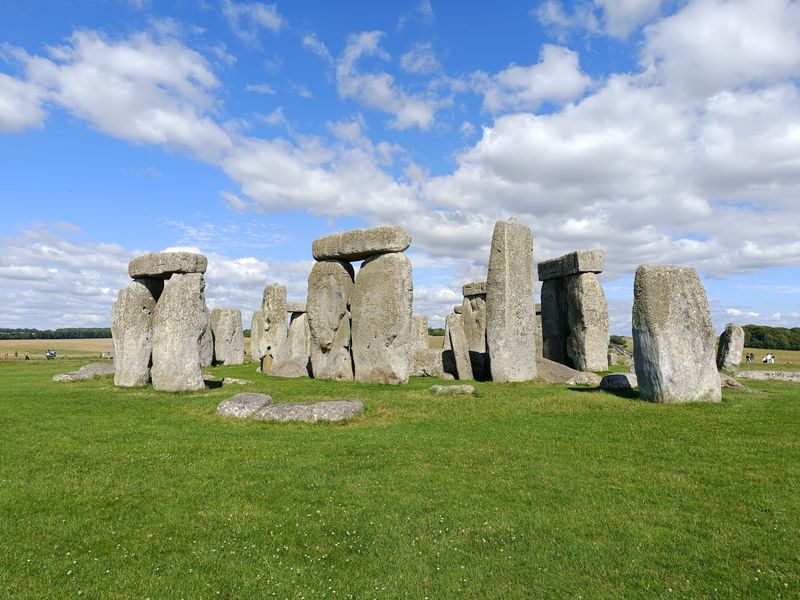
Stonehenge has been standing on Salisbury Plain for around 5,000 years, and researchers still do not fully agree on why it was built or how its builders transported the massive stones from quarries dozens of miles away. That ongoing mystery is part of what keeps drawing visitors from around the world.
The monument we see today was built in stages across many centuries during the Neolithic and Bronze Age periods. The larger sarsen stones weigh up to 25 tons each, while the smaller bluestones were transported from Wales, over 200 kilometers away.
The alignment of the stones with the summer solstice sunrise suggests the site had astronomical significance for its builders.
English Heritage operates Stonehenge daily, with advance ticket booking strongly recommended since timed entry slots can sell out well before your visit date. The visitor center includes reconstructed Neolithic houses and an exhibition covering the monument’s long history.
The surrounding landscape contains additional prehistoric earthworks and burial mounds worth exploring on foot.
Mesa Verde, Colorado, USA
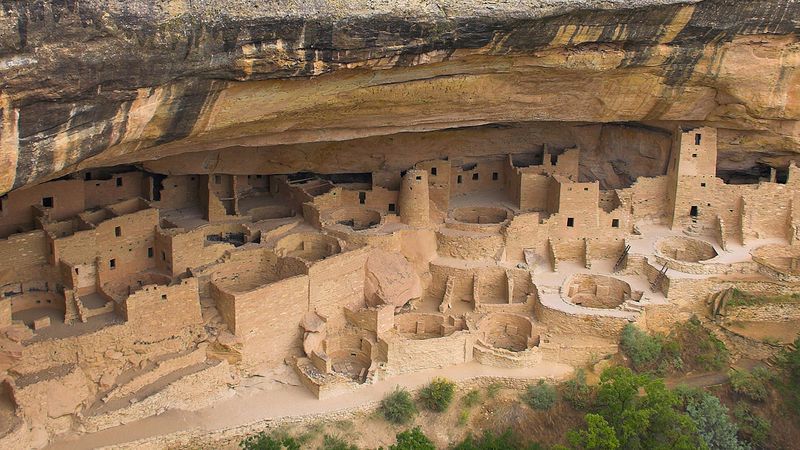
Mesa Verde protects some of the most remarkable architecture ever built in North America. Ancestral Pueblo communities constructed elaborate cliff dwellings inside the natural alcoves of canyon walls, creating multi-story stone buildings that have survived for over 700 years in a dry Colorado climate.
Cliff Palace is the largest cliff dwelling in North America, containing around 150 rooms and 23 kivas, the circular ceremonial chambers central to Pueblo spiritual practice. Balcony House, another well-known site, requires visitors to climb a 32-foot ladder and crawl through a tunnel as part of the ranger-led tour, which makes it a memorable experience for those comfortable with heights.
Mesa Verde National Park remains open year-round, but ranger-led tours of Cliff Palace and Balcony House operate seasonally. Tickets for these tours should be reserved in advance through the park’s official reservation system.
The park also contains over 600 cliff dwellings in total, along with mesa-top villages and a museum covering the full history of Ancestral Pueblo culture in the region.
Share this story