Oklahoma has a way of surprising you. You think you know what to expect, and then you turn down some road in a small town and stumble into something genuinely remarkable.
The good news is that some of the state’s most fascinating museums won’t cost you a single dollar to walk through. Pack a snack, fill up the tank, and get ready to discover ten free Oklahoma museums that are absolutely worth the drive.
1. Sam Noble Oklahoma Museum of Natural History, Norman, Oklahoma
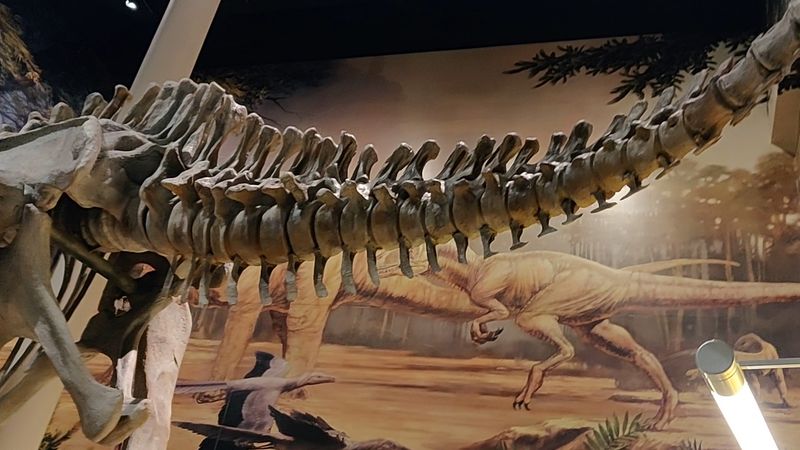
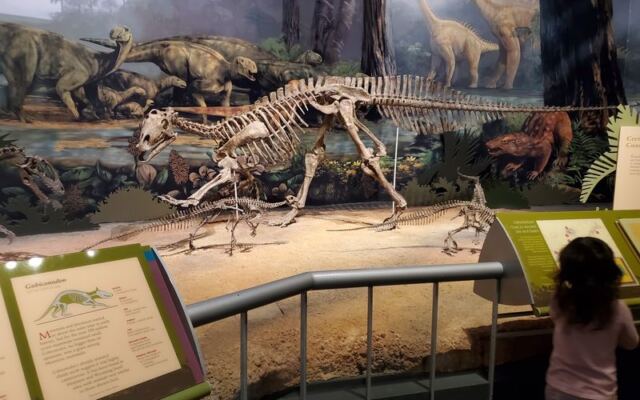
Standing face to face with one of the largest dinosaur displays in the world is not something you forget quickly. The Sam Noble Oklahoma Museum of Natural History in Norman holds that honor proudly, housing a massive Apatosaurus skeleton that stretches across the Hall of Ancient Life in a way that makes your jaw drop before you even read the first exhibit label.
Beyond the dinosaurs, the museum covers billions of years of Oklahoma history, from ancient sea creatures to early human cultures that called this land home. The exhibits are thoughtfully organized, making the journey through deep time feel surprisingly easy to follow, even for younger visitors.
Operated by the University of Oklahoma, this museum offers free general admission and sits on a beautiful campus that is worth exploring on its own. Whether you are a science enthusiast or just someone who never got over their childhood love of fossils, this place delivers something genuinely special.
2. Oklahoma History Center, Oklahoma City, Oklahoma
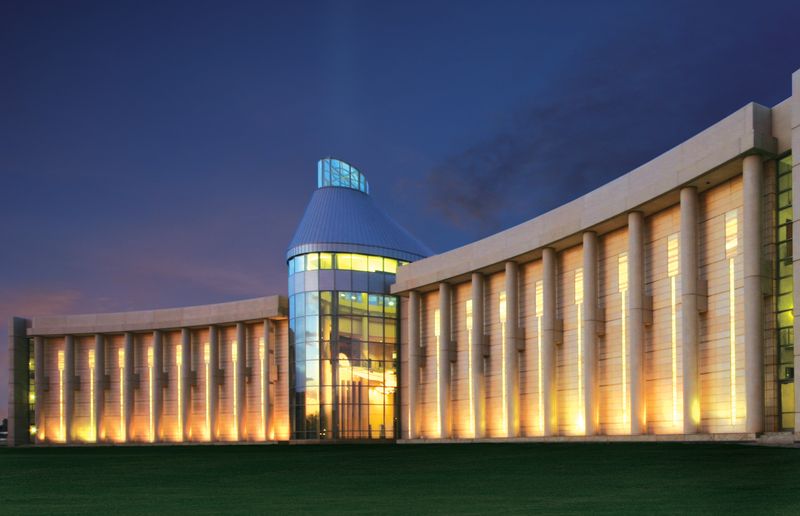
Few museums manage to tell the full story of a state as boldly as the Oklahoma History Center does. Located just steps from the State Capitol in Oklahoma City, this 215,000-square-foot facility covers everything from prehistoric Native American cultures to the oil boom era that reshaped the region in the early twentieth century.
The exhibits here feel alive rather than dusty. You can climb aboard a replica oil derrick, explore a recreated frontier town, and walk through galleries dedicated to the Five Civilized Tribes and their forced relocation along the Trail of Tears.
The breadth of topics covered is genuinely impressive for a free museum.
Operated by the Oklahoma Historical Society, the center is open Tuesday through Saturday and offers rotating exhibits that give returning visitors a reason to come back. Parking is free, the staff is welcoming, and the building itself is architecturally striking enough to photograph before you even step inside.
3. 45th Infantry Division Museum, Oklahoma City, Oklahoma
Military history carries a weight that no textbook can fully replicate, and the 45th Infantry Division Museum in Oklahoma City understands that better than most. Sprawling across a large campus, the museum honors the Thunderbirds, the Oklahoma National Guard division that served in both World War II and the Korean War with extraordinary distinction.
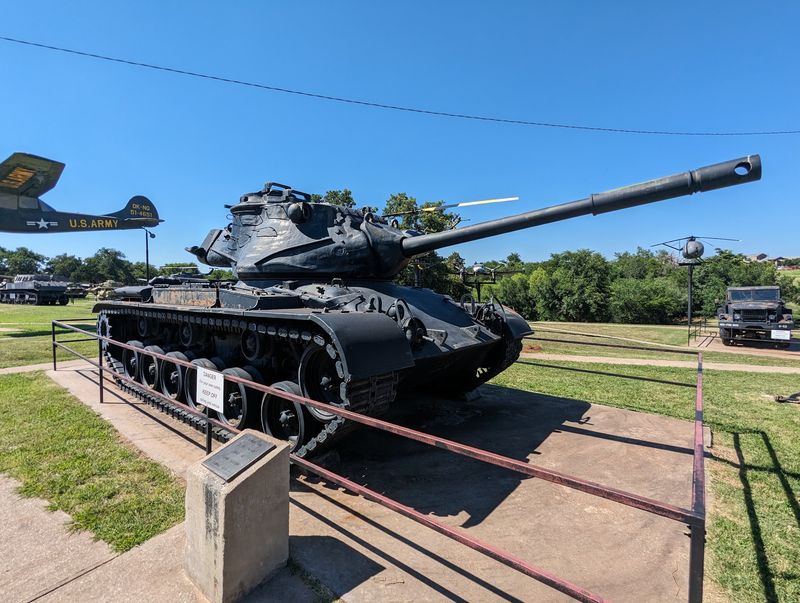
Outside, the grounds function almost like an open-air park of military hardware. Tanks, aircraft, artillery pieces, and other vehicles are arranged for up-close viewing, and kids especially tend to lose track of time wandering among them.
Inside, the galleries are packed with uniforms, medals, personal letters, and photographs that put real human faces on the history being told.
One of the most remarkable items on display is a collection of original cartoons by Bill Mauldin, the Pulitzer Prize-winning cartoonist who served with the 45th and became famous for his “Willie and Joe” sketches. Finding that level of cultural artifact in a free museum is a genuine surprise that most visitors do not see coming.
4. Gilcrease Museum, Tulsa, Oklahoma
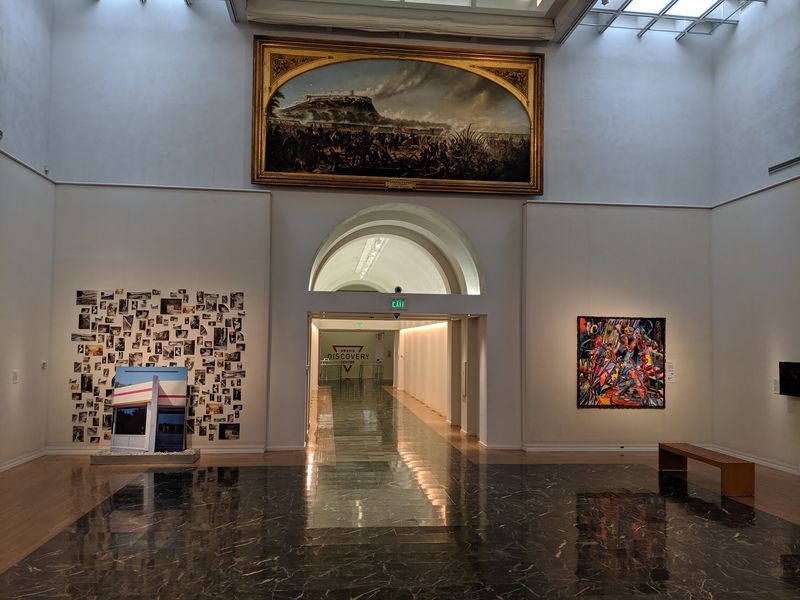
Art lovers who have not made the trip to the Gilcrease Museum in Tulsa are missing one of the finest collections of American Western art anywhere in the country. Founded by oil magnate Thomas Gilcrease, the museum holds more than 350,000 works of art, artifacts, and archival materials related to the American West and Indigenous peoples of North America.
The paintings alone are worth the drive. Frederic Remington, Thomas Moran, and Charles Russell are all well represented, their canvases capturing the sweeping landscapes and dramatic scenes of frontier life with a vividness that photographs never quite match.
The Native American artifact collection sits alongside the fine art and adds cultural depth that gives the whole experience more texture.
Admission to the Gilcrease is free, though donations are encouraged and genuinely appreciated. The museum recently completed a major renovation that modernized the galleries while preserving the intimate, discovery-oriented feel that longtime visitors love.
The surrounding grounds and gardens are also open to stroll through, making a half-day here feel completely natural.
5. Philbrook Museum of Art, Tulsa, Oklahoma
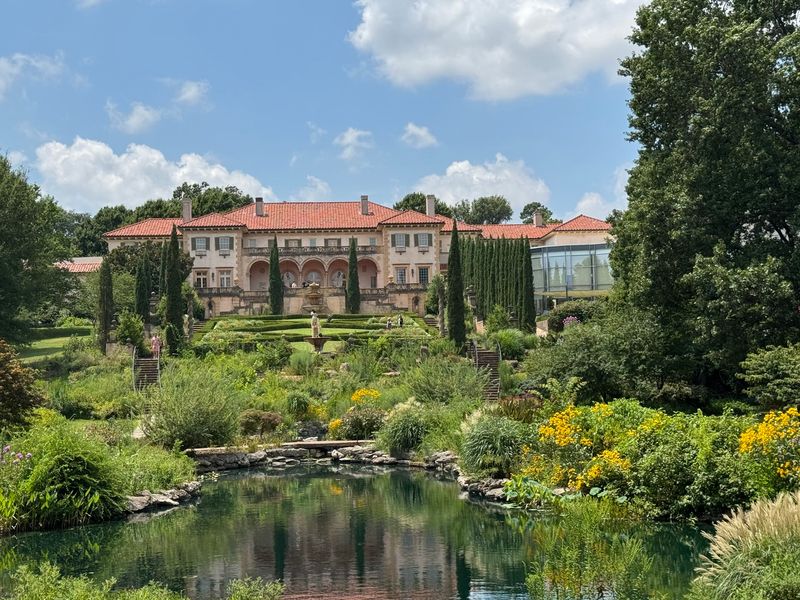
Arriving at the Philbrook Museum of Art for the first time feels a little like stumbling onto a European estate that somehow ended up in the middle of Tulsa. The building itself is a 1927 Italian Renaissance villa originally built for oil baron Waite Phillips, and the architecture alone makes the visit worthwhile before you even glance at the art inside.
The collection spans thousands of years and dozens of cultures, from Native American baskets and pottery to European Old Masters to contemporary works by artists working today. The range is genuinely surprising for a museum of this size, and the curatorial choices make the galleries feel cohesive rather than scattered.
Philbrook offers free admission on the second Saturday of every month, making it accessible without requiring much planning. The formal gardens surrounding the villa are open and beautifully maintained, providing a peaceful outdoor space that turns the museum visit into something closer to a full afternoon outing.
Bring a blanket and plan to linger.
6. Red Earth Art Center, Oklahoma City, Oklahoma
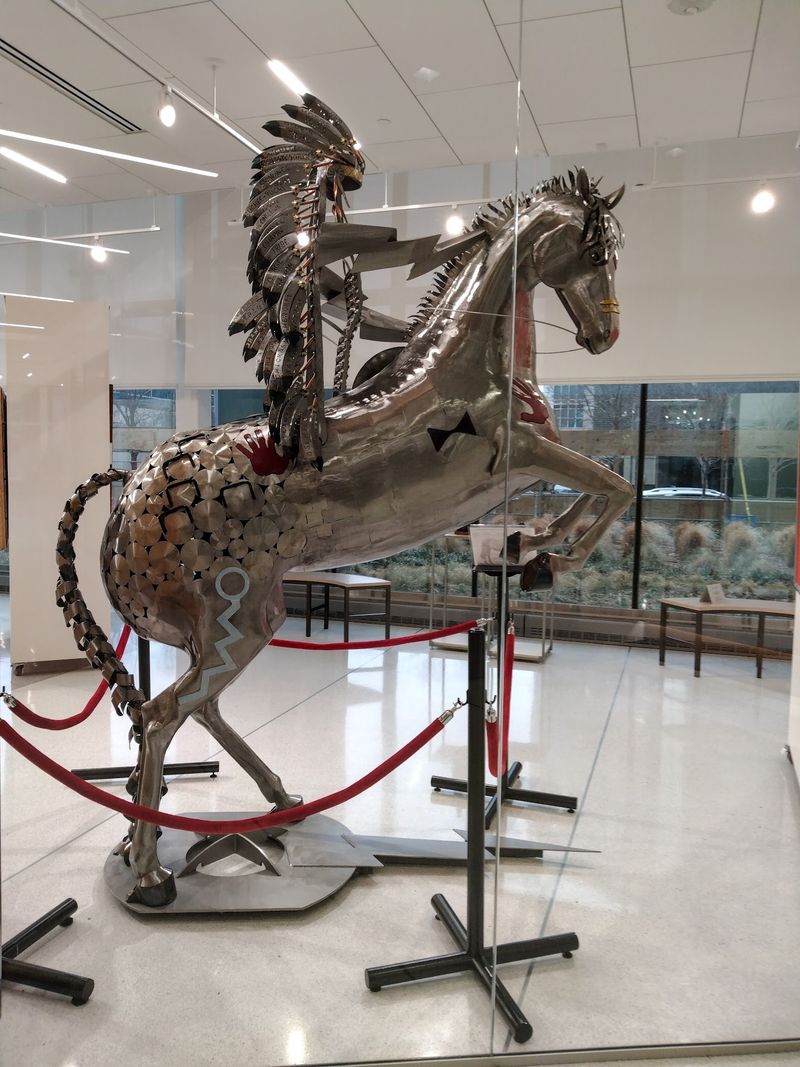
Native American art is not a single style or tradition, and the Red Earth Art Center in Oklahoma City makes that point beautifully. Focused on celebrating the creativity and cultural richness of Oklahoma’s tribal nations, the center showcases contemporary Native artists alongside traditional works in a way that feels current, relevant, and deeply respectful.
Opened in a renovated space in the heart of the city, Red Earth is compact but punches well above its size. The rotating exhibitions keep the experience fresh, and the staff often includes members of local tribal communities who can speak firsthand about the work on display.
That personal connection transforms a gallery visit into something closer to a genuine cultural conversation.
Admission is free, and the center also hosts workshops, artist talks, and community events throughout the year. If your visit happens to align with the annual Red Earth Festival, you are in for an even richer experience with traditional dance, music, and artisan markets spilling out across the surrounding area.
7. Oklahoma Territorial Museum, Guthrie, Oklahoma
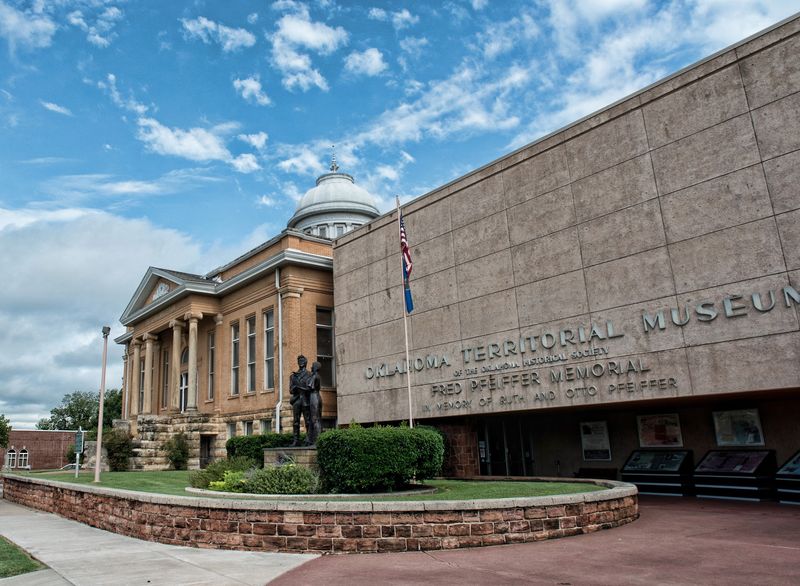
Guthrie is one of those Oklahoma towns where history practically seeps out of the sidewalks, and the Oklahoma Territorial Museum sits right at the center of it. For a brief but thrilling window of time, Guthrie was the capital of Oklahoma Territory, and the museum chronicles that wild era with sharp detail and genuine storytelling energy.
The exhibits cover the Land Run of 1889, the political battles over statehood, and the colorful characters who shaped territorial Oklahoma. Photographs, maps, and personal artifacts bring the frontier-era chaos to life in a way that feels immediate rather than remote.
You leave with a much clearer sense of just how recently and how dramatically Oklahoma came to exist as a state.
Admission is free, and the museum is operated by the Oklahoma Historical Society. After your visit, Guthrie’s Victorian-era downtown is absolutely worth a slow walk.
The architecture is remarkably well preserved, and the whole district has a time-capsule quality that makes the afternoon feel like a genuine step back into the 1890s.
8. Five Civilized Tribes Museum, Muskogee, Oklahoma
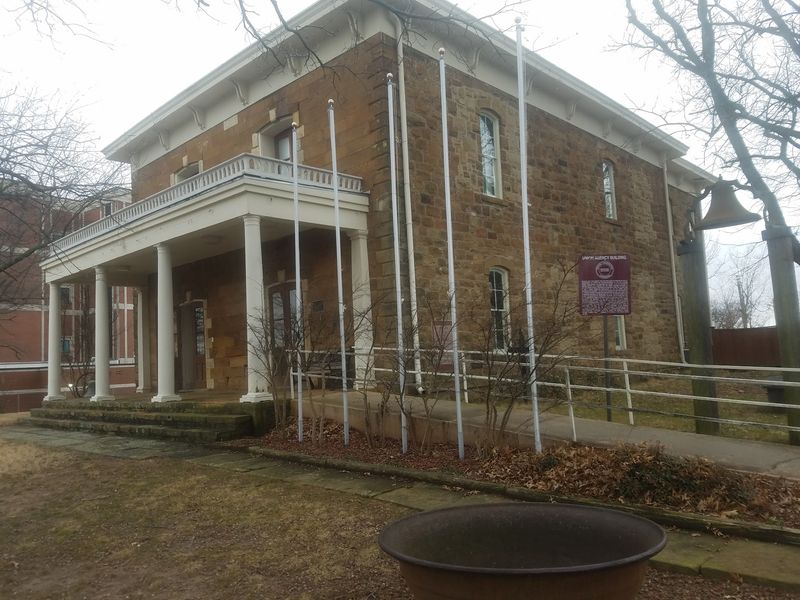
Housed in a striking 1875 stone building that once served as the Union Indian Agency, the Five Civilized Tribes Museum in Muskogee carries the kind of historical weight you feel the moment you walk through the door. The museum is dedicated to preserving and sharing the history and culture of the Cherokee, Chickasaw, Choctaw, Creek, and Seminole nations, the five tribes forcibly relocated to Indian Territory during the nineteenth century.
The art collection here is exceptional. Works by Native American painters and sculptors from across the five nations fill the galleries, spanning traditional forms and bold contemporary expressions.
The museum also holds a significant archive of documents, photographs, and artifacts that researchers and curious visitors alike find absorbing.
Admission is free, and the building and grounds themselves are worth taking in slowly. The agency building predates Oklahoma statehood by more than three decades, and standing inside it while reading about the tribes who navigated an entirely new life in this territory gives the experience a quiet, reflective power that lingers long after you leave.
9. Woolaroc Museum and Wildlife Preserve, Bartlesville, Oklahoma
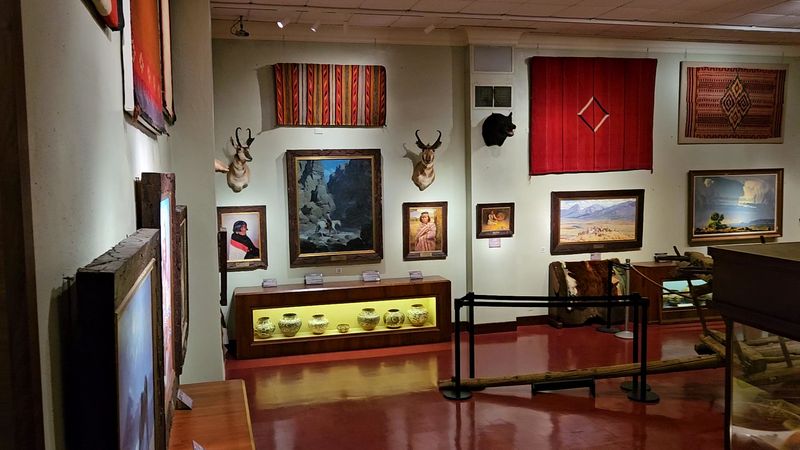
Woolaroc is not quite like anything else in Oklahoma. Built as a retreat by oil pioneer Frank Phillips in the 1920s, the property in the Osage Hills outside Bartlesville has grown into one of the most fascinating free museum experiences in the entire state.
The name itself is a mashup of woods, lakes, and rocks, which gives you a pretty accurate preview of the setting.
The museum building is a rustic, lodge-style structure filled with an extraordinary collection of Western American art, Native American artifacts, and historical memorabilia accumulated by Phillips over decades. Frederic Remington bronzes, Colt firearms, and Navajo textiles sit alongside folk art and frontier-era curiosities in a display style that feels wonderfully eclectic rather than overly curated.
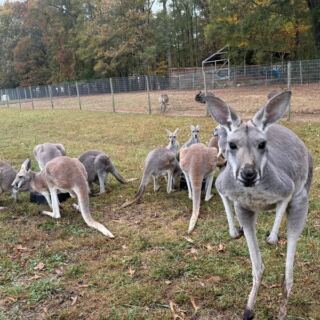
Outside, the wildlife preserve is home to bison, longhorn cattle, elk, and a variety of other animals roaming across the Osage Hills landscape. Admission to the grounds and wildlife preserve is free, while the museum itself has a modest fee for adults.
Driving through the preserve alone, watching a bison herd move across the hillside, makes the trip feel like something out of another century entirely.
10. Route 66 Museum, Clinton, Oklahoma
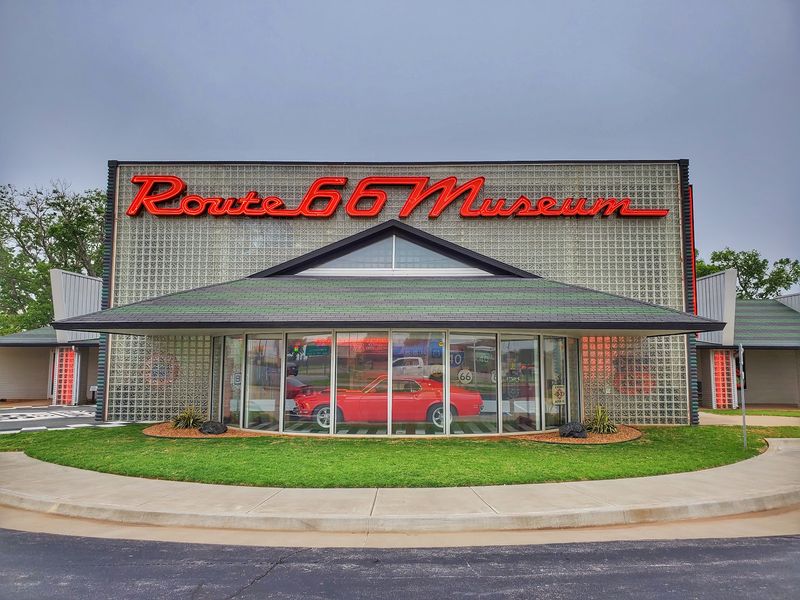
America’s most legendary highway cuts right through the heart of Oklahoma, and the Route 66 Museum in Clinton makes a compelling case for why this stretch of the Mother Road deserves its own dedicated celebration. Opened in 1995, the museum walks visitors through the full arc of Route 66 history, from its 1926 designation as a federal highway through its heyday as the road of westward migration and its eventual replacement by the interstate system.
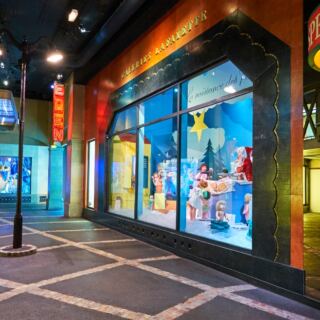
The exhibits are colorful, playful, and packed with the kind of roadside Americana that makes you nostalgic for a road trip you never actually took. Vintage cars, neon signs, diner memorabilia, and personal stories from travelers who drove the route during its golden era fill the galleries with a warm, retro energy that is hard not to smile at.
Admission is just a few dollars for adults, but children are often free, and the experience is thoroughly worth the modest cost. Clinton itself sits right on old Route 66, so pairing the museum visit with a drive along the original alignment through town turns the afternoon into a living history lesson.
Stop for a burger at one of the old roadside spots and let the whole scene sink in.
Share this story