Oklahoma has a way of surprising you. You think you know a state, and then you find yourself standing in front of a restored World War II aircraft or reading the handwritten letters of a soldier who never made it home, and the whole day shifts into something you did not expect.
The military history museums scattered across Oklahoma are exactly that kind of surprise, each one quietly holding stories that deserve to be heard. Whether you have one free Saturday or a full week to explore in 2026, these twelve stops turn an ordinary road trip into something genuinely worth remembering.
1. 45th Infantry Division Museum, Oklahoma City, Oklahoma
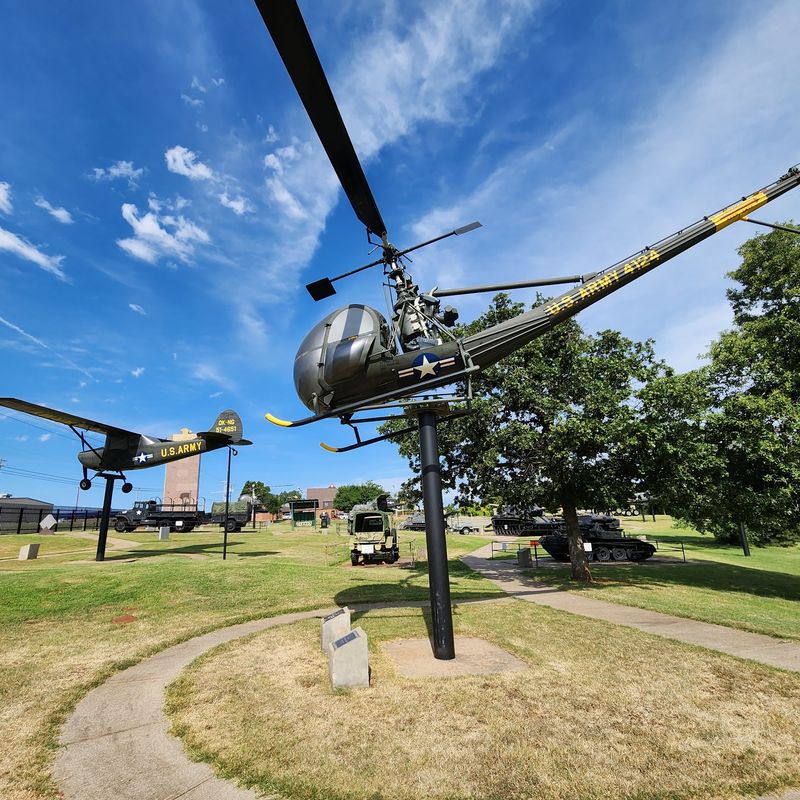
Few museums in the country can match the sheer scope of what the 45th Infantry Division Museum holds inside its walls in Oklahoma City. Founded to honor the “Thunderbirds,” the Oklahoma National Guard division that fought across four major campaigns in World War II, the museum covers ground that stretches from the beaches of Sicily to the liberation of the Dachau concentration camp.
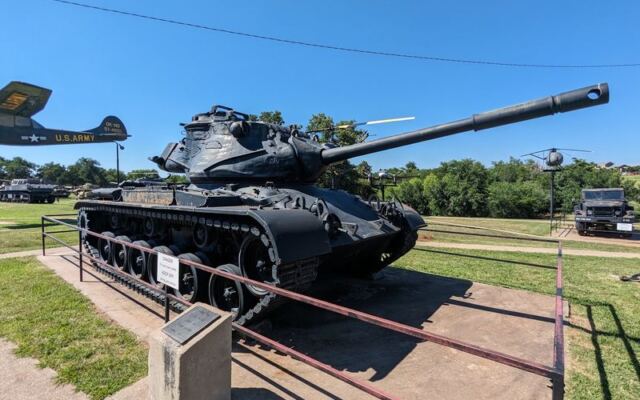
The collection includes original military vehicles, artillery pieces, and an astonishing archive of personal items donated by veterans and their families. One of the most talked-about pieces on display is original artwork by Bill Mauldin, the Pulitzer Prize-winning cartoonist who served with the 45th and drew his famous “Willie and Joe” characters while in the field.
Outdoor exhibits spread across the grounds give visitors a sense of scale that indoor galleries simply cannot replicate. Admission is free, making this one of the most generous and rewarding stops you can make on a military history road trip through Oklahoma.
2. Oklahoma Military Academy Museum, Claremore, Oklahoma
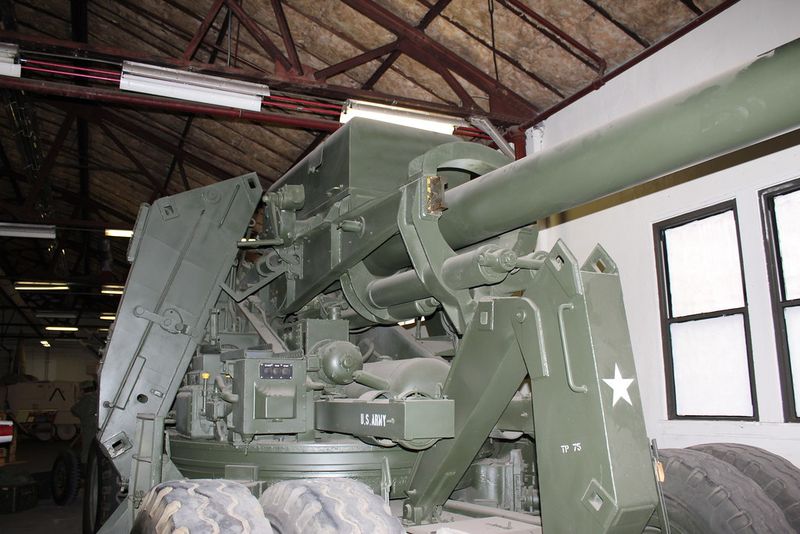
Claremore is best known as the hometown of Will Rogers, but tucked into its history is a remarkable military institution that shaped thousands of young men over several decades. The Oklahoma Military Academy operated from 1919 to 1971, and the museum dedicated to its legacy preserves uniforms, photographs, yearbooks, and memorabilia that paint a vivid picture of what life looked like for cadets who trained here.
What sets this museum apart is how personal the collection feels. Rather than focusing purely on battlefield history, the exhibits center on the human experience of military education, the discipline, the camaraderie, and the transformation that happened on these grounds year after year.
Many OMA graduates went on to serve with distinction in World War II, Korea, and Vietnam, and their stories are woven throughout the displays. For anyone curious about how military culture shaped a generation of Oklahomans, this stop delivers something genuinely moving and often overlooked on the standard history trail.
3. Stafford Air and Space Museum, Weatherford, Oklahoma
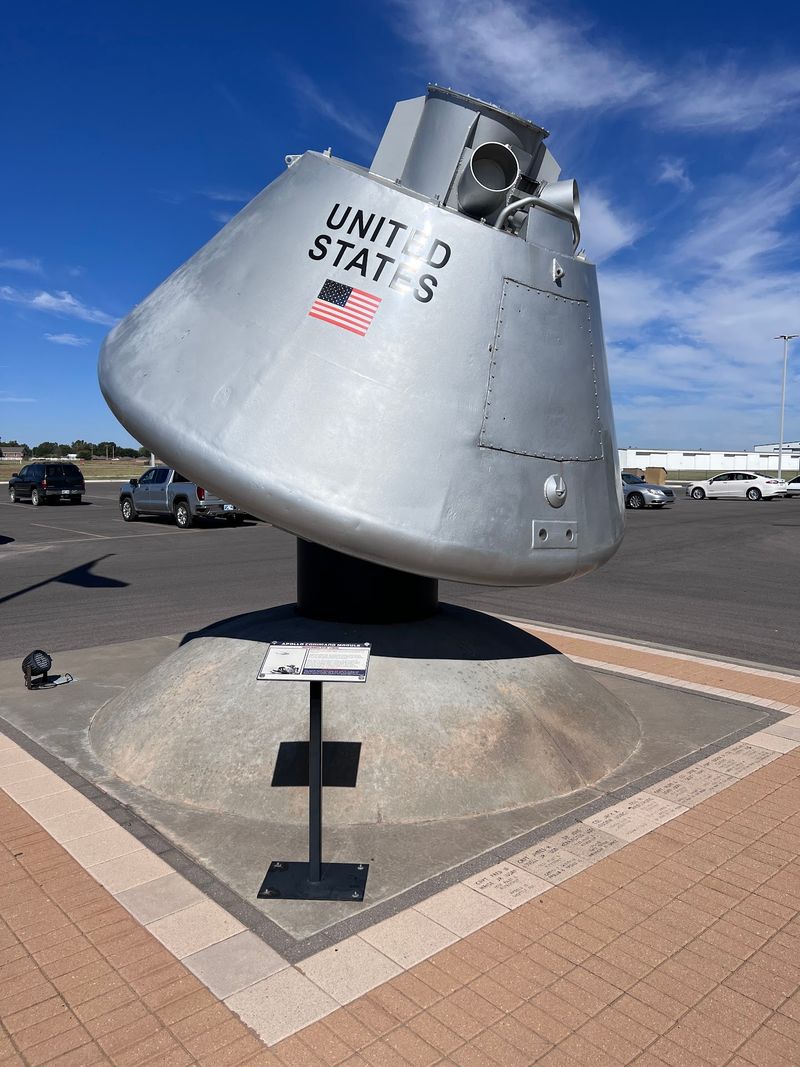
Astronaut Thomas P. Stafford grew up in Weatherford, Oklahoma, and the museum bearing his name is one of the most genuinely thrilling places to spend a few hours in the entire state.
Commander of Apollo 10 and the Apollo-Soyuz Test Project, Stafford is one of only twelve people to have flown to the Moon, and the artifacts he donated to this museum are extraordinary by any measure.
Visitors can walk past actual spacecraft, including a Gemini capsule and a Soviet Soyuz descent module, alongside flight suits, mission patches, and personal correspondence that makes the space race feel startlingly close. The military aviation section traces the path from early flight to the jet age with exhibits that reward slow, careful looking.
The museum also hosts rotating exhibits and educational programs, making it a favorite for families and school groups. Even visitors who consider themselves more history-minded than science-minded tend to leave with a new appreciation for how deeply intertwined military service and space exploration have always been in American history.
4. Fort Sill National Historic Landmark and Museum, Lawton, Oklahoma
Established in 1869, Fort Sill is one of the oldest active military installations in the United States, and its museum complex is genuinely one of a kind. The grounds themselves are a living piece of history, with original stone buildings from the frontier era still standing alongside modern facilities used by active-duty soldiers every day.
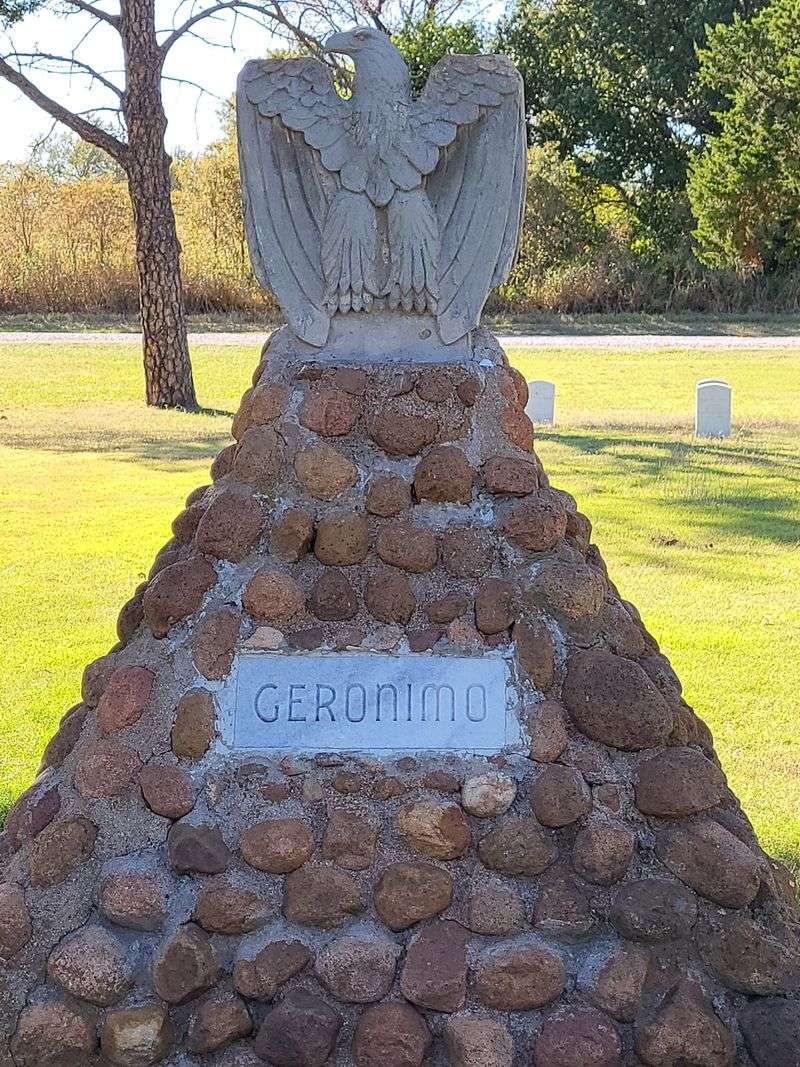
The museum collection covers more than 150 years of American military history, from the Indian Wars and the capture of Geronimo to the development of field artillery doctrine that shaped both World Wars. Geronimo, the famous Apache leader, is buried on post at the Apache prisoner of war cemetery, a sobering and important stop that adds real historical weight to the visit.
Artillery pieces from multiple eras line the outdoor display areas, and the indoor galleries walk visitors through the evolution of American firepower with impressive detail. Because Fort Sill is an active installation, visitors should check current access requirements before arriving, but the effort to get on post is absolutely worth it.
5. Oklahoma Veterans Memorial and Museum, Sulphur, Oklahoma
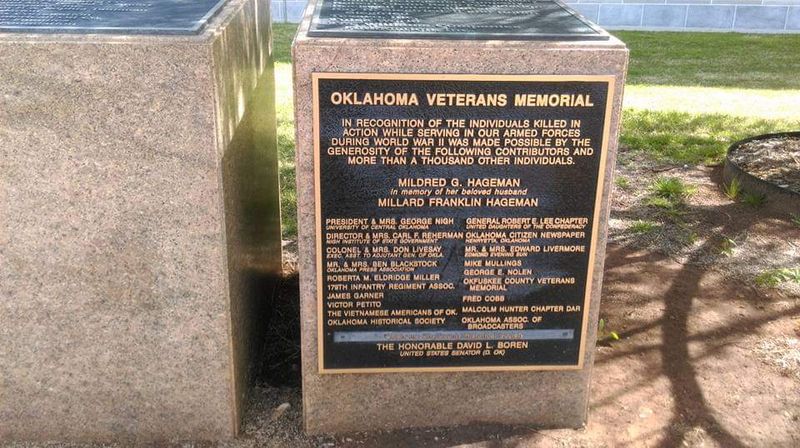
Situated near the Chickasaw National Recreation Area in Sulphur, the Oklahoma Veterans Memorial and Museum carries a quiet dignity that hits differently than larger, busier institutions. The setting itself contributes to the mood, surrounded by rolling Oklahoma landscape that makes the weight of the tribute feel even more present.
The memorial honors Oklahoma veterans from every branch and every era, and the museum portion pairs those tributes with artifacts, photographs, and documents that give context to the names on the walls. Personal items donated by families, including letters, medals, and photographs, form the emotional core of the collection.
One of the most meaningful aspects of a visit here is how the museum handles the full arc of service, from enlistment through homecoming, rather than focusing exclusively on combat. That broader view of what military life actually looks like makes the experience feel more complete and more honest.
Pairing this stop with time in the nearby recreation area turns the visit into a full and restorative day.
6. American Pigeon Museum and Library, Oklahoma City, Oklahoma
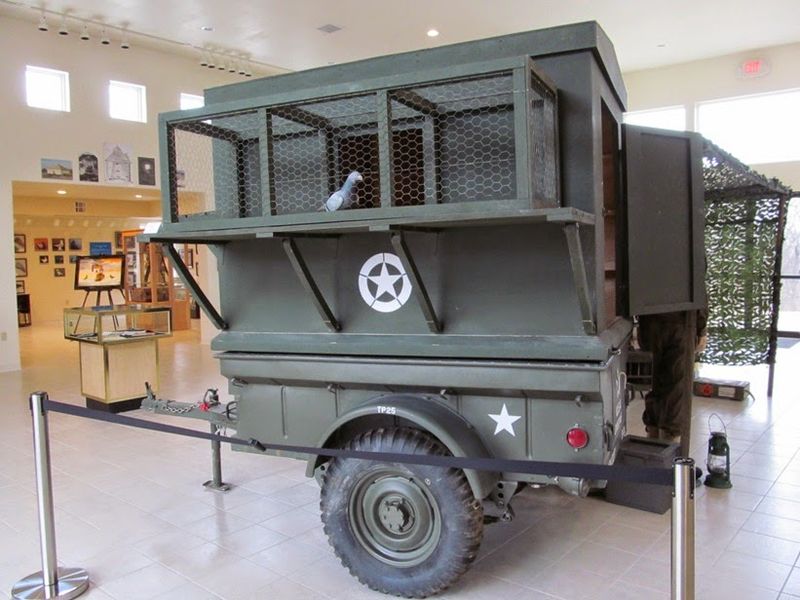
Before radar, before radio, before satellites, there were pigeons. The American Pigeon Museum and Library in Oklahoma City is the only institution of its kind in the country dedicated to preserving the history of carrier pigeons in military service, and it is far more fascinating than most people expect going in.
During World War I and World War II, carrier pigeons saved thousands of lives by delivering critical messages through conditions where no other communication was possible. The museum holds a remarkable collection of military pigeon equipment, including the tiny aluminum message canisters, field lofts, and training records that document how these birds were deployed alongside soldiers in the field.
Stories like that of Cher Ami, a pigeon that delivered a message that saved nearly 200 trapped American soldiers during WWI despite being badly injured, are told here with original artifacts and archival photographs. It is one of those stops that sounds quirky on paper and turns out to be one of the most genuinely surprising history experiences on the entire road trip.
7. Cherokee National History Museum, Tahlequah, Oklahoma
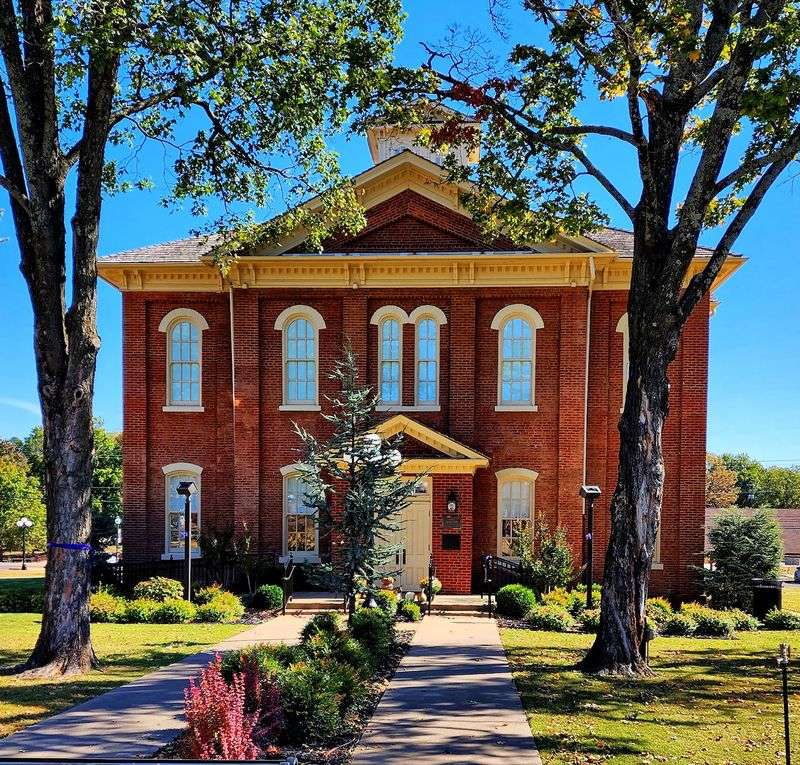
Military history in Oklahoma cannot be fully understood without acknowledging the extraordinary service record of Native American soldiers, and the Cherokee National History Museum in Tahlequah addresses that story with care and depth. Cherokee men and women served in every major American conflict, often at rates far exceeding their proportion of the general population.
The museum traces Cherokee history from the Trail of Tears through the Civil War, during which Cherokee soldiers fought on both sides, through both World Wars and beyond. The Civil War section is particularly detailed, exploring how the conflict tore through the Cherokee Nation with the same devastating force it brought to the rest of the country.
Exhibits on Cherokee code talkers, veterans who used their language as an unbreakable cipher during wartime, add a layer of ingenuity and pride to the collection that stays with visitors long after they leave. The broader museum context, covering language, culture, and sovereignty alongside military history, makes this one of the most layered and rewarding stops on any Oklahoma road trip.
8. 101st Airborne and Air Assault Museum, Fort Gibson, Oklahoma
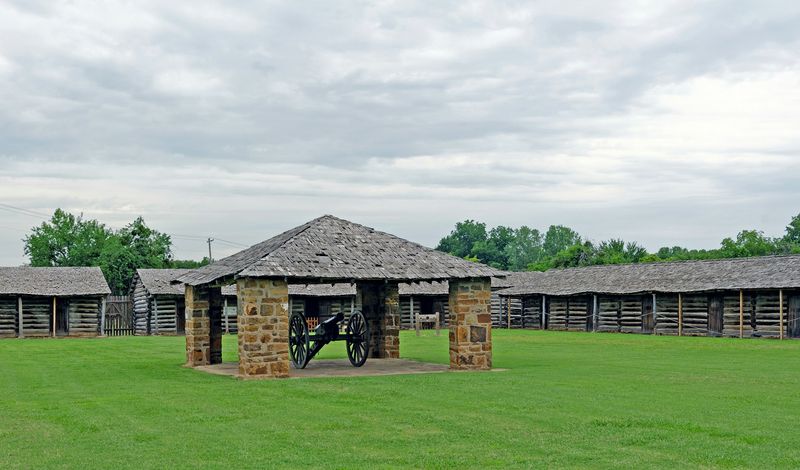
Fort Gibson holds a special place in Oklahoma history as the oldest military post in the state, established in 1824 to keep peace on the frontier. While the main historic site focuses on that early era, the surrounding area and associated displays connect visitors to a much longer arc of military history that runs straight through the 20th century.
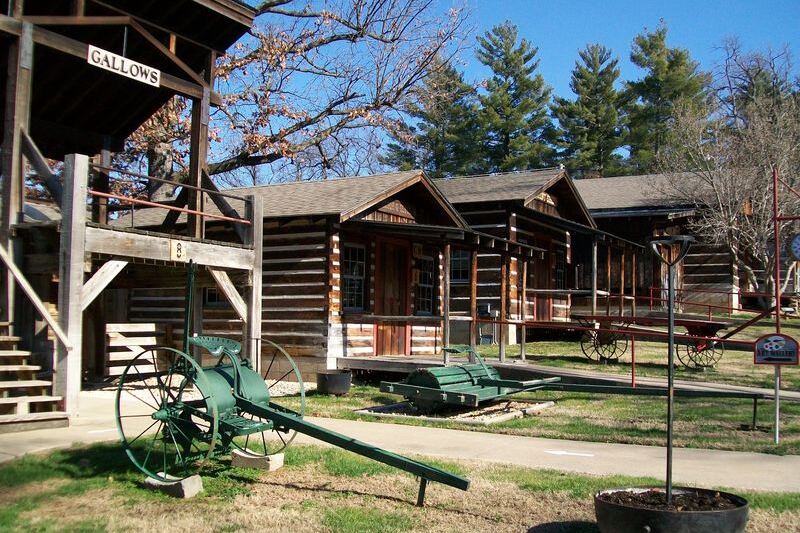
The Fort Gibson Historic Site itself features reconstructed log buildings, an 1840s masonry fort, and a national cemetery that is among the oldest in the country, where soldiers from the frontier era through the Civil War are buried. Walking the grounds gives a tangible sense of how remote and demanding frontier military service actually was.
Interpretive exhibits on site cover the role Fort Gibson played in westward expansion, the removal of Native peoples, and the complex web of alliances and conflicts that defined the region before Oklahoma statehood. For road-trippers moving through eastern Oklahoma, this stop provides essential historical grounding that makes every other military museum on the route feel more connected and coherent.
9. Enid Woodring Regional Airport Aviation Museum, Enid, Oklahoma
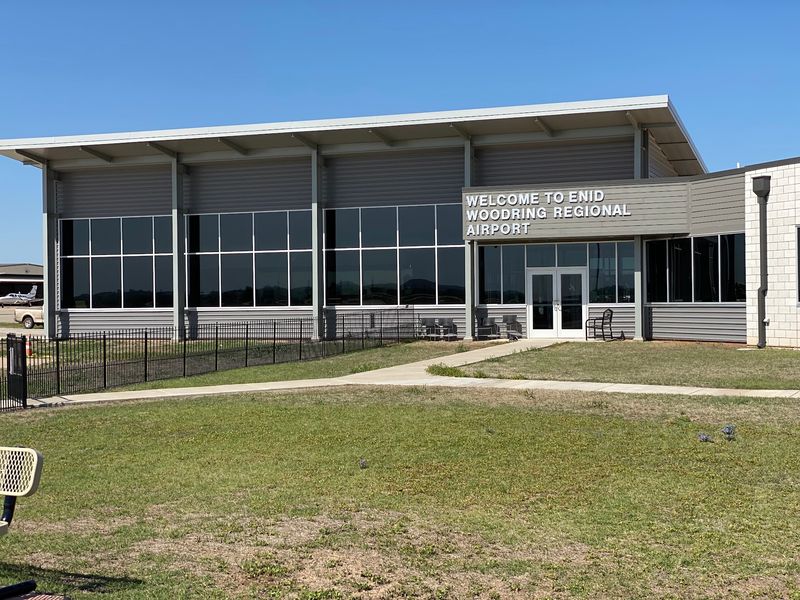
Enid has a deep connection to military aviation that most visitors do not know about until they show up and start looking around. During World War II, Enid was home to one of the busiest Army Air Forces pilot training bases in the country, and the legacy of that era lives on at the Woodring Regional Airport Aviation Museum.
The museum preserves aircraft, photographs, and training documents from the WWII era alongside exhibits on the broader history of aviation in northwest Oklahoma. Restored vintage planes sit in the hangars in various stages of preservation, giving the museum a working, lived-in feel that polished permanent collections sometimes lack.
Volunteers at the museum often include former pilots and aviation enthusiasts with deep personal knowledge of the aircraft on display, and a conversation with one of them can turn a thirty-minute visit into a two-hour deep dive. For anyone who has ever looked up at a vintage warbird and felt a pull toward the story behind it, Enid delivers that experience in a genuinely approachable, unhurried setting.
10. Ponca City’s Pioneer Woman Museum and Military Exhibits, Ponca City, Oklahoma
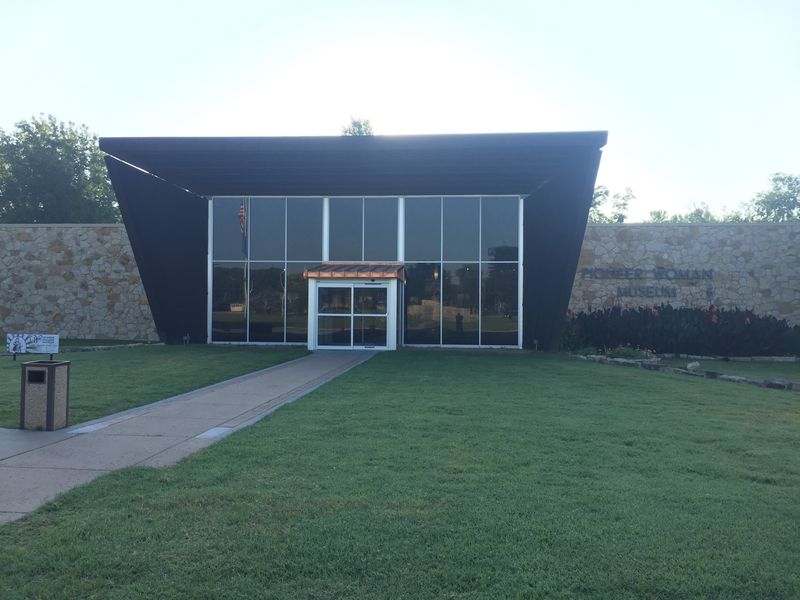
Ponca City carries a lot of history for a small city, and its museums reflect that richness in ways that reward curious visitors willing to look past the obvious. The Pioneer Woman Museum anchors the cultural district, but connected exhibits and nearby displays extend into the military history of the region, covering the service of local men and women across multiple conflicts.
The military component of the local collection focuses on personal stories rather than broad strategic history, which gives it an intimacy that larger institutions sometimes sacrifice for scale. Letters, uniforms, and photographs donated by local families create a portrait of how wartime touched everyday life in north-central Oklahoma across generations.
Ponca City also sits along a stretch of Oklahoma that rewards slow driving and spontaneous stops, making it a natural anchor point for a day of exploration. Pairing the museum visit with a walk through the city’s historic downtown gives the whole experience a sense of place that keeps the history from feeling abstract or distant.
11. Oklahoma Route 66 Museum with Military Heritage Exhibits, Clinton, Oklahoma
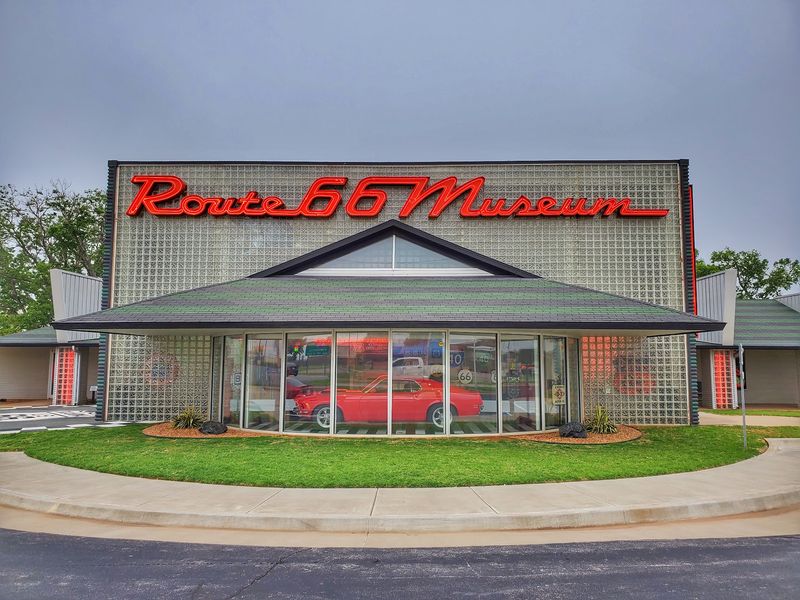
Route 66 is inseparable from American military history in ways that often get overlooked in favor of the road’s pop-culture mythology. The Oklahoma Route 66 Museum in Clinton makes those connections explicit, tracing how the highway served as a vital artery for troop movements, supply chains, and the relocation of military families during World War II and beyond.
Exhibits in the museum cover the full sweep of the Mother Road’s history, but the military heritage sections add a dimension that elevates the experience beyond nostalgia. Photographs, period maps, and artifacts document how Route 66 towns like Clinton became staging grounds and support communities for one of the largest military mobilizations in history.
The museum’s design is genuinely clever, using the highway’s decade-by-decade evolution as a framework for telling a broader American story that includes the home front, the post-war boom, and the slow decline that followed the interstate system. Visitors who come expecting a purely retro experience leave with a much richer understanding of how deeply the road and the military shaped each other.
12. Oklahoma National Guard Museum, Oklahoma City, Oklahoma
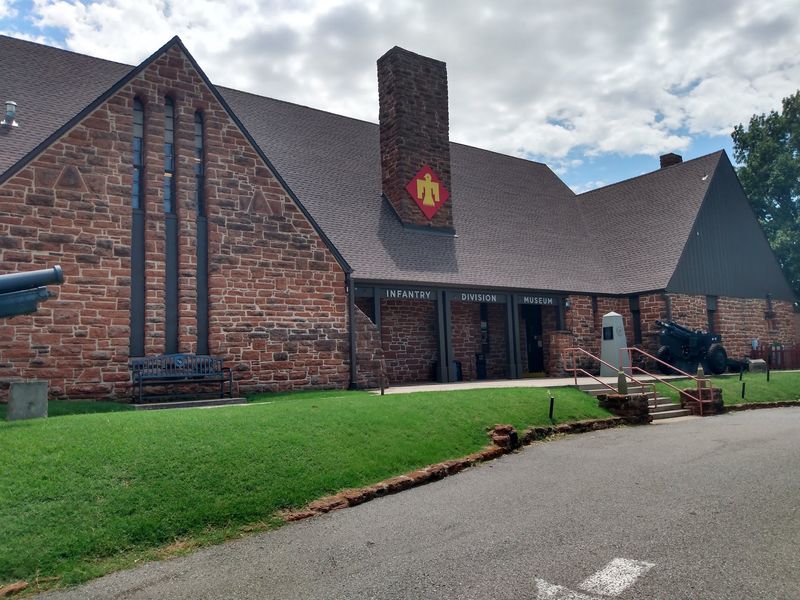
Sharing a campus with the 45th Infantry Division Museum but telling its own distinct story, the Oklahoma National Guard Museum focuses specifically on the evolution and service of Oklahoma’s citizen-soldiers from territorial days through present-day deployments. The distinction matters because the National Guard’s role in American military history is often underappreciated relative to the regular armed forces.
Exhibits here trace how the Guard has responded to both foreign conflicts and domestic emergencies, including floods, tornadoes, and civil unrest, giving visitors a fuller picture of what military service in Oklahoma has actually looked like across more than a century. The collection includes uniforms, equipment, official records, and personal accounts that together build a surprisingly comprehensive portrait of service at the state level.
One of the more thought-provoking sections covers the Guard’s role during the Tulsa Race Massacre of 1921, a chapter of Oklahoma history that continues to generate important conversation about the responsibilities and limitations of state military power. Ending a road trip at this museum leaves visitors with questions worth carrying home, which is exactly what the best history museums are supposed to do.
Share this story