Nobody wants to spend their vacation frantically searching for a bathroom. Luckily, some cities around the world have made it a real priority to keep clean, accessible public restrooms available for visitors.
From high-tech toilets in Japan to well-mapped facilities in Australia, these 15 tourist destinations stand out for making nature’s call a little less stressful. Whether you’re sightseeing, shopping, or just wandering around, these cities have you covered.
1. Tokyo, Japan
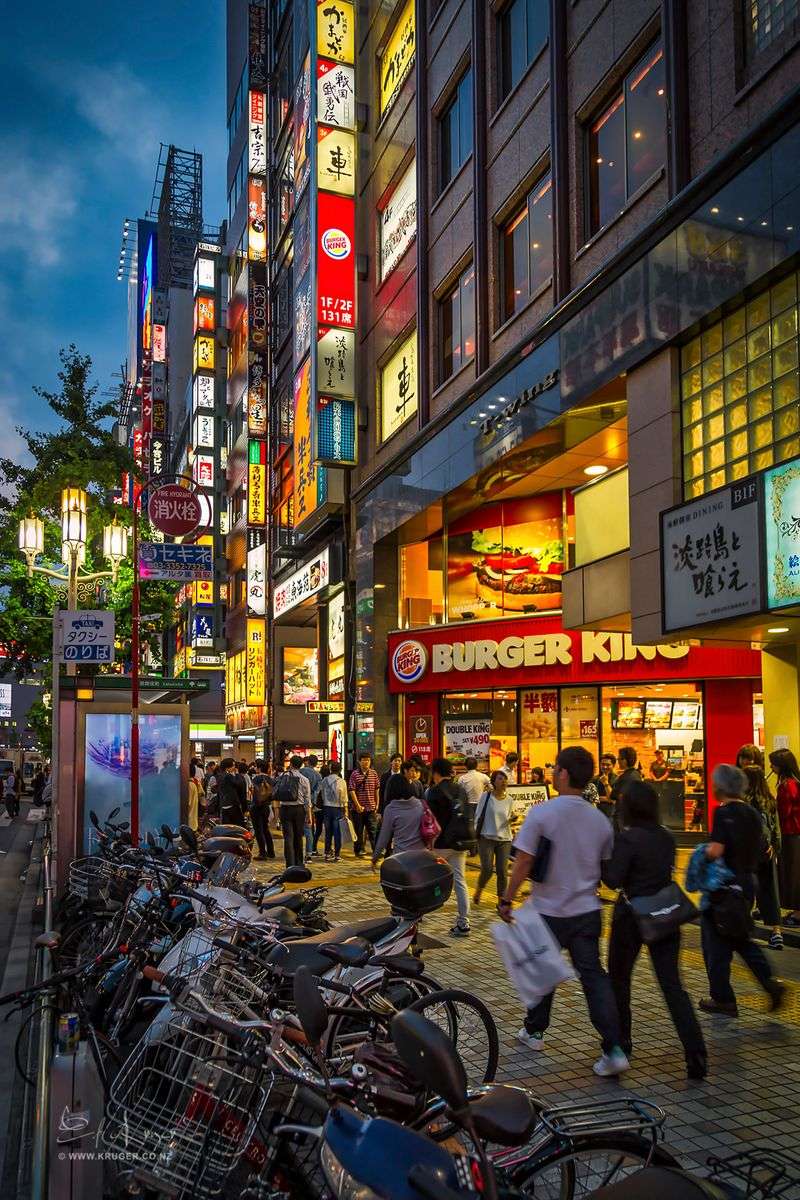
Tokyo might just be the gold standard for public restrooms anywhere on the planet. The city has thousands of clean, well-maintained public toilets scattered across neighborhoods, parks, train stations, and shopping areas.
Many are open 24 hours a day, seven days a week.
The internationally celebrated Tokyo Toilet Project transformed 17 public restrooms in Shibuya into stunning architectural works of art. Designed by world-famous architects, these facilities are both beautiful and functional.
Some even feature see-through walls that turn opaque when you lock the door.
Visitors can easily locate nearby toilets using apps and city maps. Most facilities include baby changing stations, accessible stalls for people with disabilities, and detailed instructions in multiple languages.
Japan’s culture of cleanliness means attendants regularly check and clean restrooms throughout the day, keeping them fresh and welcoming for everyone.
2. Singapore
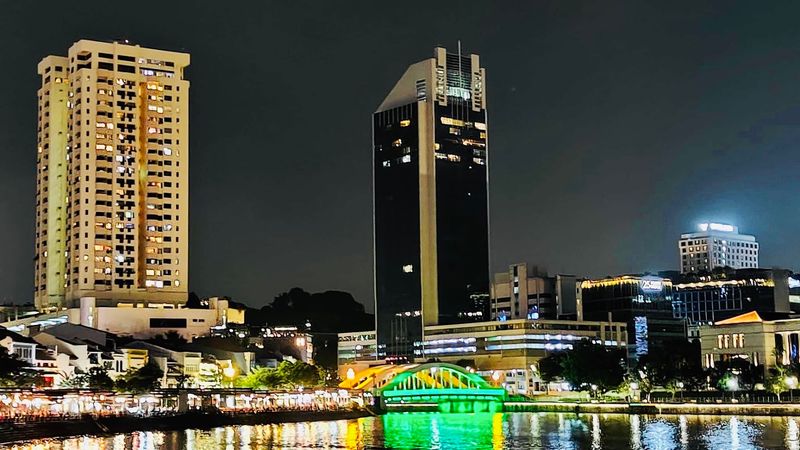
Singapore has built a reputation as one of the cleanest cities in the world, and its public restrooms reflect that perfectly. Shopping malls, MRT transit stations, hawker food centers, parks, and major tourist attractions all provide easy access to well-maintained facilities.
The government takes restroom cleanliness seriously, with regular inspections and grading systems for public toilets. Signs displaying cleanliness ratings are often posted outside restroom entrances, so visitors know what to expect before walking in.
Attendants frequently monitor high-traffic facilities to ensure hygiene standards stay high.
For tourists exploring Marina Bay, Gardens by the Bay, or Sentosa Island, restrooms are never far away. Most facilities include accessible stalls, baby-changing areas, and bilingual signage.
Singapore’s commitment to cleanliness makes it one of the most comfortable cities in Asia for visitors who need to answer nature’s call quickly.
3. Seoul, South Korea
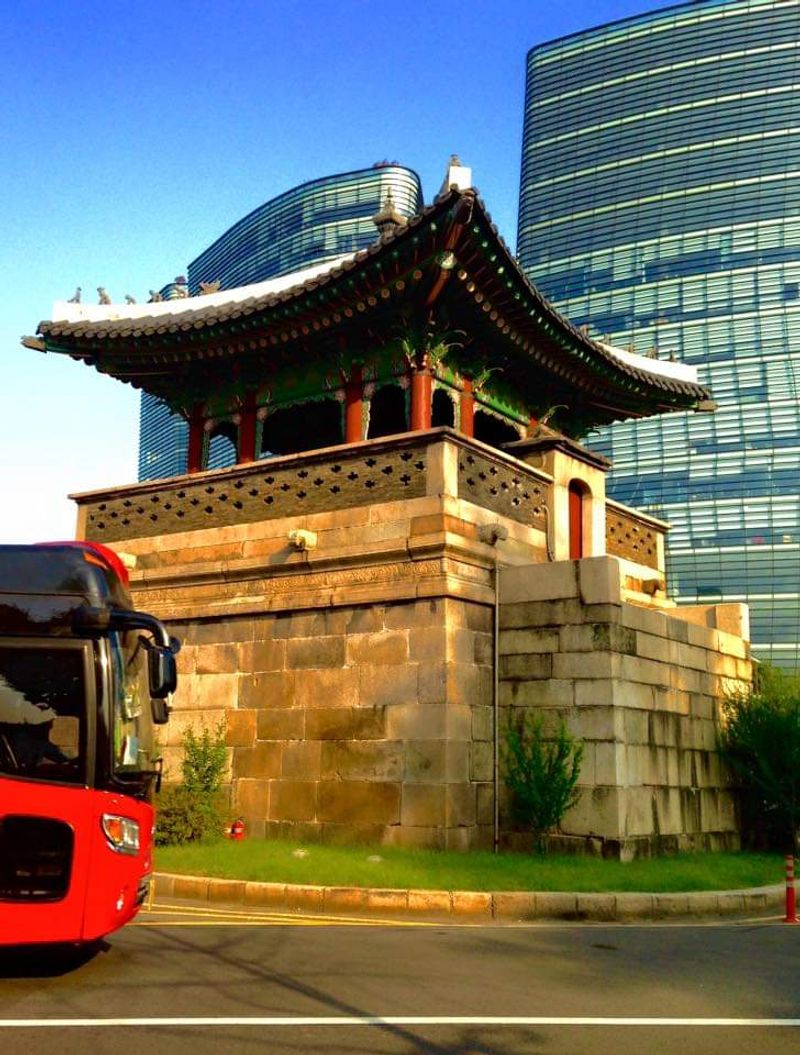
Seoul surprises many first-time visitors with just how easy it is to find a free, clean public toilet. The city operates a large network of public restrooms spread across neighborhoods, subway stations, parks, and busy commercial streets.
Most are completely free to use.
The Seoul Metropolitan Government publishes an online map and a mobile app that pinpoints every public restroom in the city. This makes it incredibly simple for tourists to plan ahead or find the nearest facility when they need one fast.
Signage in English is common near major tourist zones.
Subway stations are especially reliable spots to find clean restrooms, with facilities available on nearly every platform. Many restrooms include amenities like hand dryers, soap dispensers, and baby-changing tables.
Seoul’s focus on visitor comfort has made it one of the most restroom-friendly cities for international tourists exploring East Asia.
4. Taipei, Taiwan
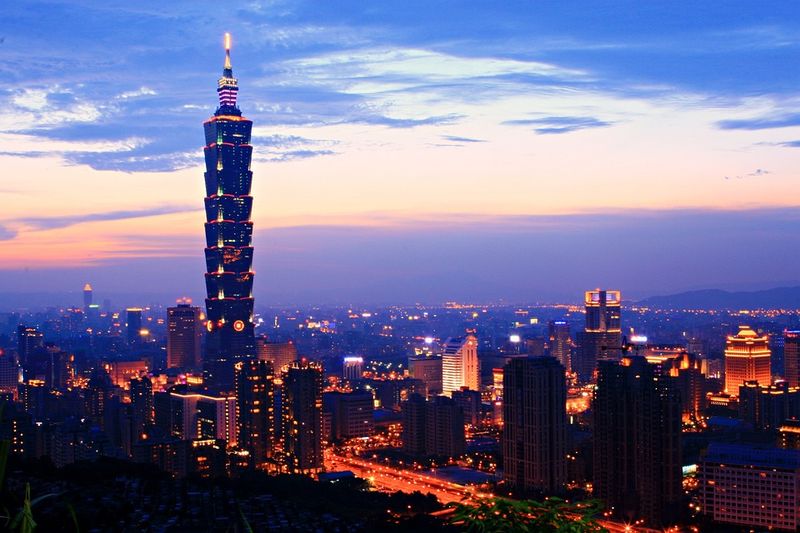
Taipei earns high marks from travelers for its readily available and well-kept public restrooms. Metro stations, public parks, night markets, and government buildings all provide clean facilities that are easy to find throughout the city.
Most are free of charge.
The Taipei Metro, known as the MRT, is one of the best places to find a restroom while exploring the city. Each station has clean, modern facilities maintained by dedicated staff.
Visitors heading to popular spots like Shilin Night Market or Elephant Mountain will find restrooms conveniently placed nearby.
Taiwan has a strong culture of public cleanliness, and it shows in how restrooms are maintained. Many facilities feature touchless faucets, automatic soap dispensers, and ventilation systems that keep odors under control.
Tourists exploring Taipei rarely have to walk more than a few blocks before spotting a restroom sign, making the city very visitor-friendly.
5. Hong Kong, China
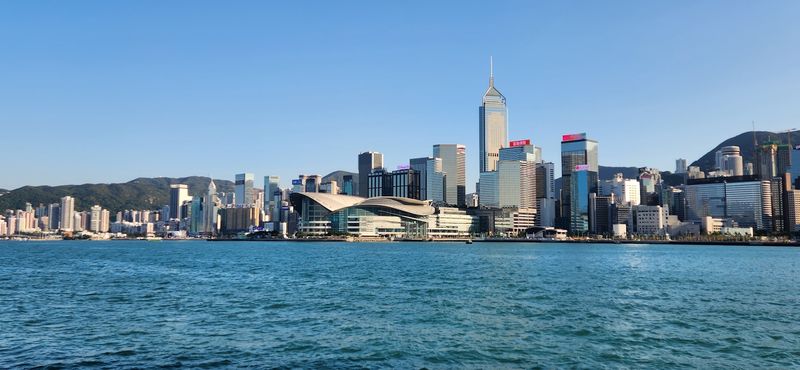
Hong Kong packs a lot of convenience into a small geographic area, and that includes public restrooms. Transit stations, parks, shopping centers, and popular tourist districts like Tsim Sha Tsui and Victoria Peak all have accessible facilities for visitors.
The MTR subway system is especially reliable for clean restrooms.
The Leisure and Cultural Services Department manages hundreds of public toilets across Hong Kong’s parks and recreational areas. These facilities are regularly cleaned and inspected, making them a trustworthy option for travelers spending the day outdoors.
Many are open around the clock.
Shopping malls, which are everywhere in Hong Kong, also serve as excellent restroom stops. Malls like Times Square, IFC Mall, and Harbour City offer clean, well-maintained facilities on multiple floors.
For tourists navigating a packed sightseeing day, knowing that restrooms are available at nearly every major stop makes exploring Hong Kong far less stressful.
6. Osaka, Japan
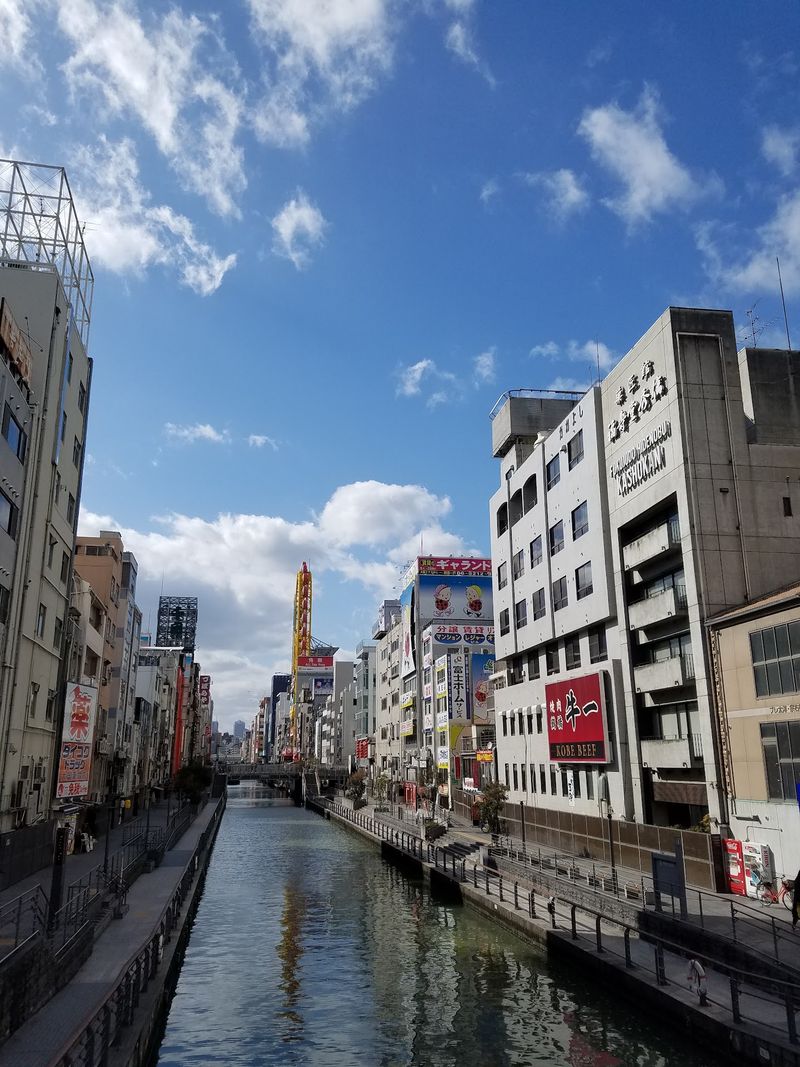
Osaka shares Japan’s legendary commitment to cleanliness, and its public restrooms are no exception. Train stations, department stores, parks, and tourist attractions throughout the city offer excellent restroom availability.
Dotonbori, one of Osaka’s most visited entertainment districts, has facilities within easy walking distance at all times.
Major transit hubs like Osaka Station and Namba Station feature large, spotless restroom areas with multiple stalls, accessible options, and baby-changing facilities. Staff check and clean these spaces frequently to keep them in top condition throughout the day and night.
Signs are often available in Japanese, English, Chinese, and Korean.
Osaka’s famous food culture means the city is packed with visitors at all hours, and the restroom infrastructure keeps pace with that foot traffic. Universal Studios Japan and other major attractions also maintain high standards for guest facilities.
Travelers consistently rate Osaka as one of the most comfortable cities to visit in the world.
7. Kyoto, Japan
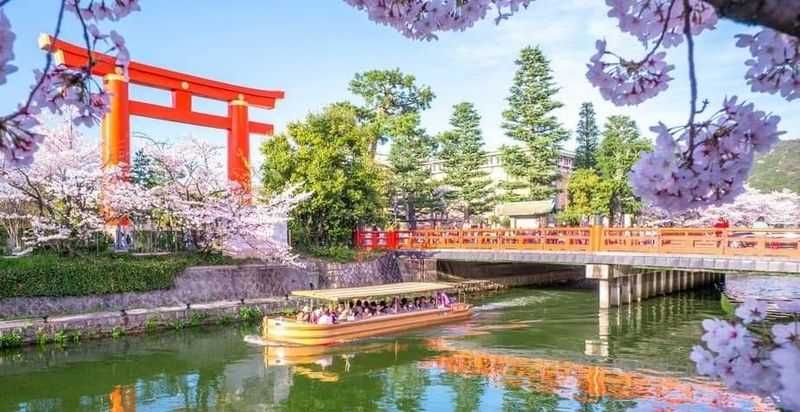
Kyoto is a city where ancient temples and modern convenience exist side by side, and that balance extends to public restrooms. Major temples, Zen gardens, train stations, and busy sightseeing corridors like Higashiyama all provide clean, accessible facilities for the millions of visitors who come each year.
Many of Kyoto’s most famous spots, including Fushimi Inari Shrine and Arashiyama Bamboo Grove, have restrooms positioned at the start and end of popular walking routes. This thoughtful placement means tourists rarely have to cut a sightseeing session short to search for a bathroom.
Signs are often bilingual or include pictograms for easy navigation.
Kyoto Station, one of the busiest train stations in Japan, has extensive restroom facilities spread across multiple floors. The station also includes accessible restrooms and baby-care rooms.
For a city that draws tourists from every corner of the globe, Kyoto’s restroom planning is genuinely impressive and visitor-focused.
8. Vienna, Austria
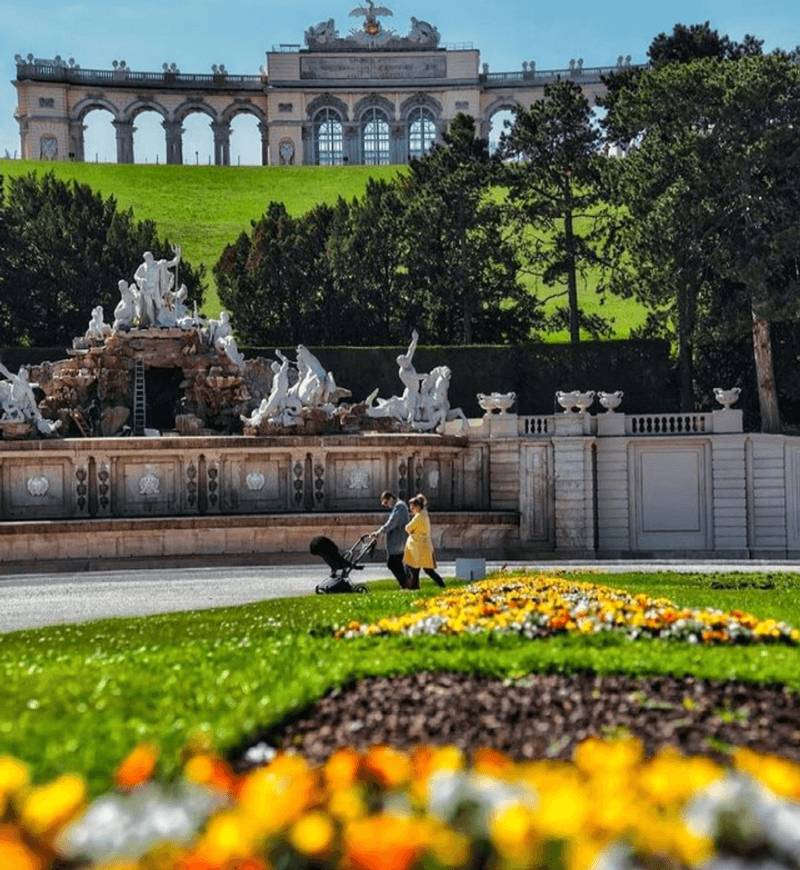
Vienna blends imperial grandeur with practical city planning, and its public restrooms are a fine example of that approach. Parks, public squares, museums, and transit hubs throughout the city offer well-maintained facilities that are easy to locate.
The Wiener Linien subway system is a reliable first stop for travelers who need a restroom quickly.
Some of Vienna’s public toilets are charmingly historic, housed in ornate kiosks that date back more than a century. These old-fashioned structures have been modernized on the inside while keeping their decorative exteriors intact.
Others are sleek, contemporary facilities found near major tourist attractions like the Schonbrunn Palace and the Vienna State Opera.
Most public restrooms in Vienna charge a small fee, usually around 50 euro cents, which helps fund regular cleaning and maintenance. Many cafes and restaurants also welcome paying customers to use their restrooms.
Overall, finding a clean bathroom in Vienna is a straightforward experience for any visitor.
9. Zurich, Switzerland
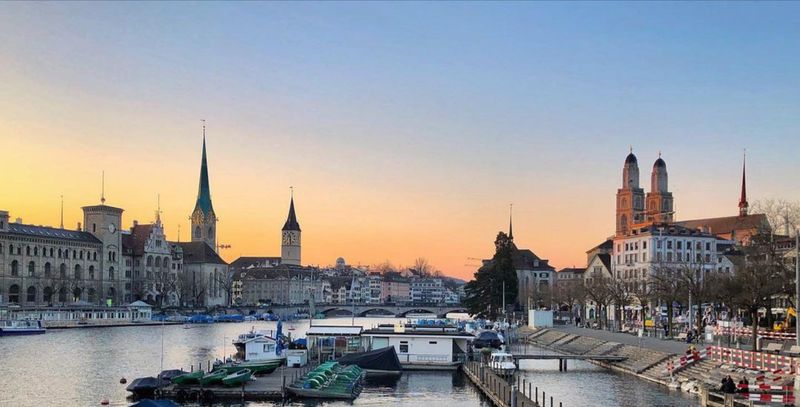
Zurich is known for being one of the most livable cities in the world, and its public restroom infrastructure supports that reputation. Clean municipal restrooms are available throughout the city center, in parks, along the lakefront promenades, and near major tourist attractions.
The quality is consistently high across the city.
The city operates a network of public toilets that are regularly serviced and inspected by municipal workers. Many are equipped with automatic cleaning systems that sanitize the toilet and floor between each use.
This kind of technology keeps facilities hygienic even during busy periods when foot traffic is heavy.
Train stations like Zurich Hauptbahnhof offer large, well-maintained restroom areas that are open to the public. Shopping districts along Bahnhofstrasse also have accessible facilities nearby.
For tourists exploring Zurich’s old town, lakeside parks, or world-class museums, clean restrooms are rarely more than a short walk away at any point in the day.
10. Copenhagen, Denmark
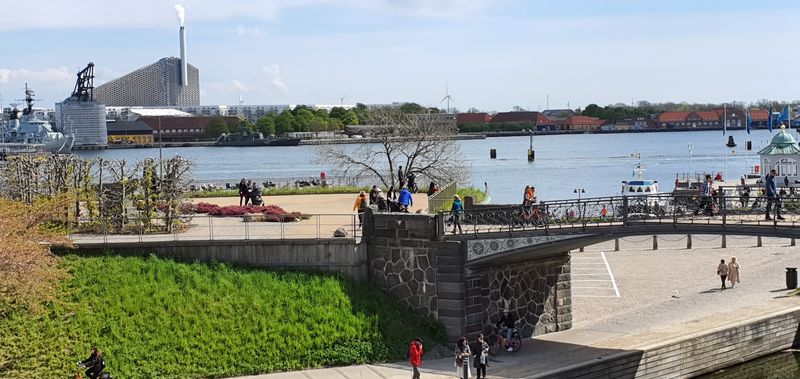
Copenhagen is a city built for people, and that philosophy shows up in its extensive network of public toilets. Restrooms are especially well-placed near popular tourist attractions, waterfront areas like Nyhavn, and the city’s famous cycling routes.
Cyclists and pedestrians alike benefit from this thoughtful urban planning.
The city has invested in modern, well-designed public toilet facilities that fit the clean Scandinavian aesthetic Copenhagen is known for. Many units are freestanding, self-cleaning structures that maintain hygiene automatically between visitors.
This system reduces the need for constant staffing while keeping facilities in good condition throughout the day.
Major museums, parks like Tivoli Gardens, and transit stations all offer accessible restrooms with facilities for people with disabilities and families with young children. Copenhagen’s culture of practical design means restrooms are treated as an important part of city infrastructure, not an afterthought.
Visitors consistently find the city easy to navigate with comfort and confidence.
11. Stockholm, Sweden
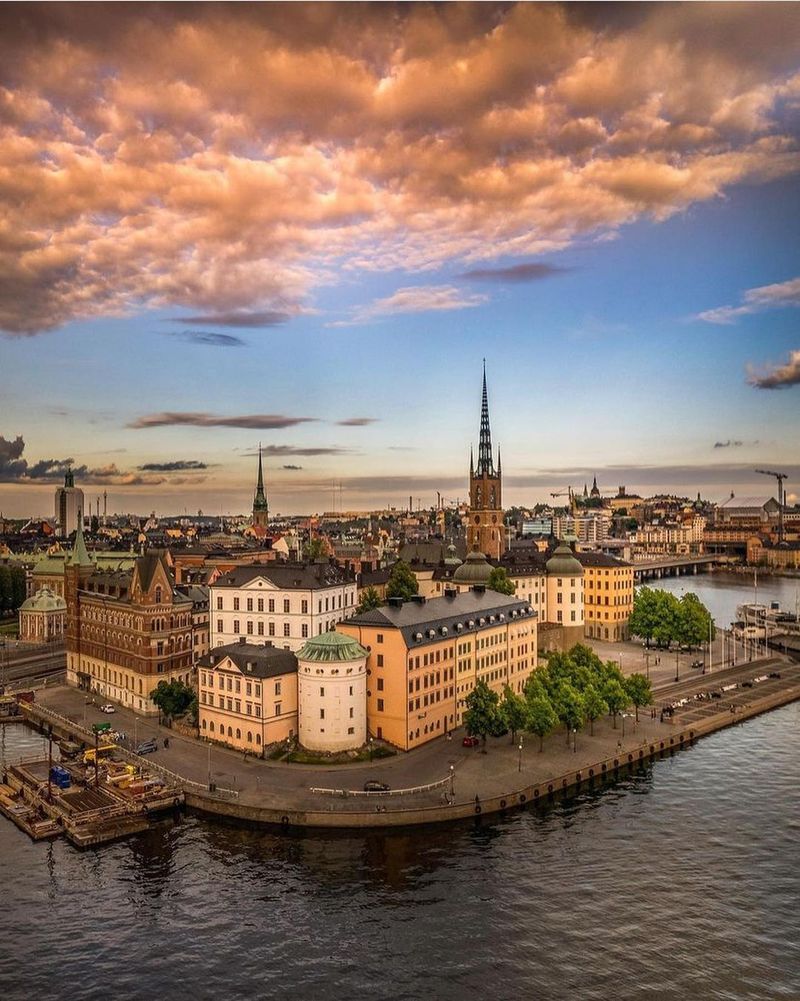
Stockholm takes public amenities seriously, and its restroom network is a solid reflection of that commitment. Parks, museums, transit stations, and busy shopping districts all provide numerous public facilities for residents and tourists alike.
The city’s clean and organized approach to urban life carries over directly into its bathroom infrastructure.
Stockholm’s subway system, known as the Tunnelbana, is one of the most visually striking metro systems in the world, and many of its stations include well-maintained restroom facilities. For tourists spending the day hopping between the city’s many islands and neighborhoods, knowing restrooms are available at transit stops is a real comfort.
Popular attractions like the Vasa Museum, Skansen Open-Air Museum, and Djurgarden island all have accessible restroom facilities on site. Stockholm also benefits from a generally high standard of cleanliness across public spaces.
Travelers from around the world regularly note that Stockholm makes sightseeing a smooth and stress-free experience from start to finish.
12. Amsterdam, Netherlands
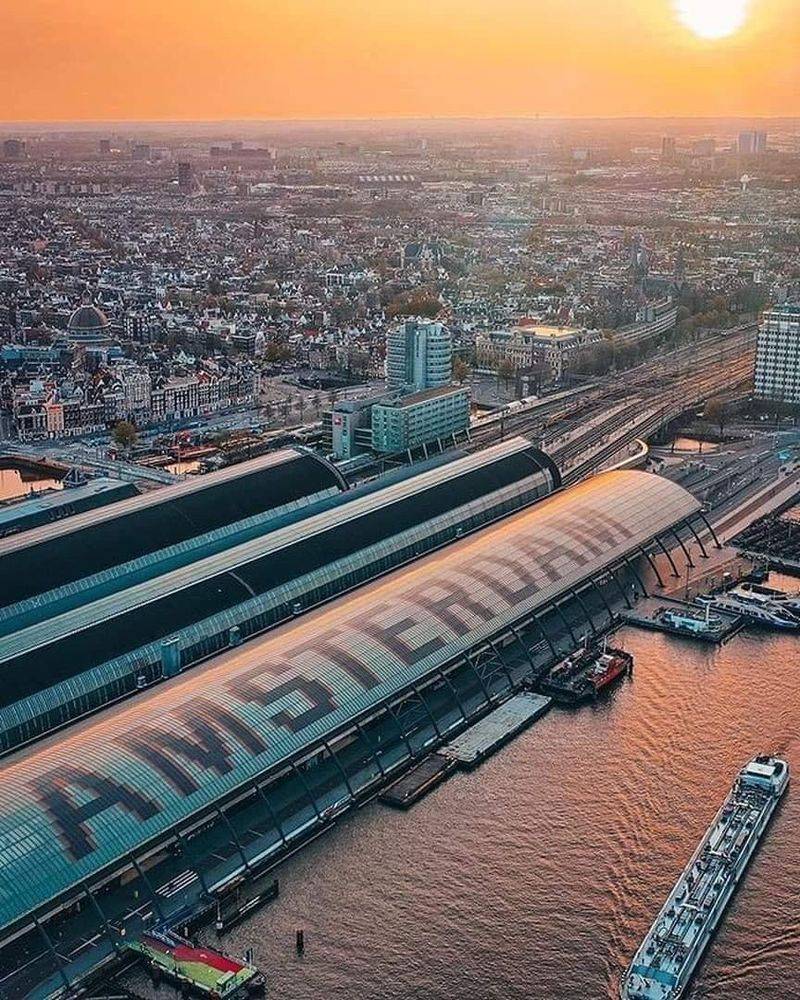
Amsterdam is one of Europe’s most visited cities, and it has worked hard to provide enough public restroom access to match that volume of foot traffic. Restrooms can be found in museums, train stations, shopping centers, and throughout the city’s famous canal districts.
The Central Station area has particularly well-equipped facilities.
The city has also introduced additional portable restroom units in high-traffic tourist zones, especially during peak summer months when visitor numbers surge. These units are serviced regularly and provide a practical solution for busy areas like Dam Square and the Jordaan neighborhood.
Some facilities do charge a small fee.
For women travelers, Amsterdam has made specific efforts to address the historically unequal access to public restrooms by adding more women-only facilities in recent years. Museums like the Rijksmuseum and the Anne Frank House have excellent on-site restrooms.
Overall, Amsterdam offers a solid and improving public restroom experience for international visitors exploring the city.
13. Berlin, Germany
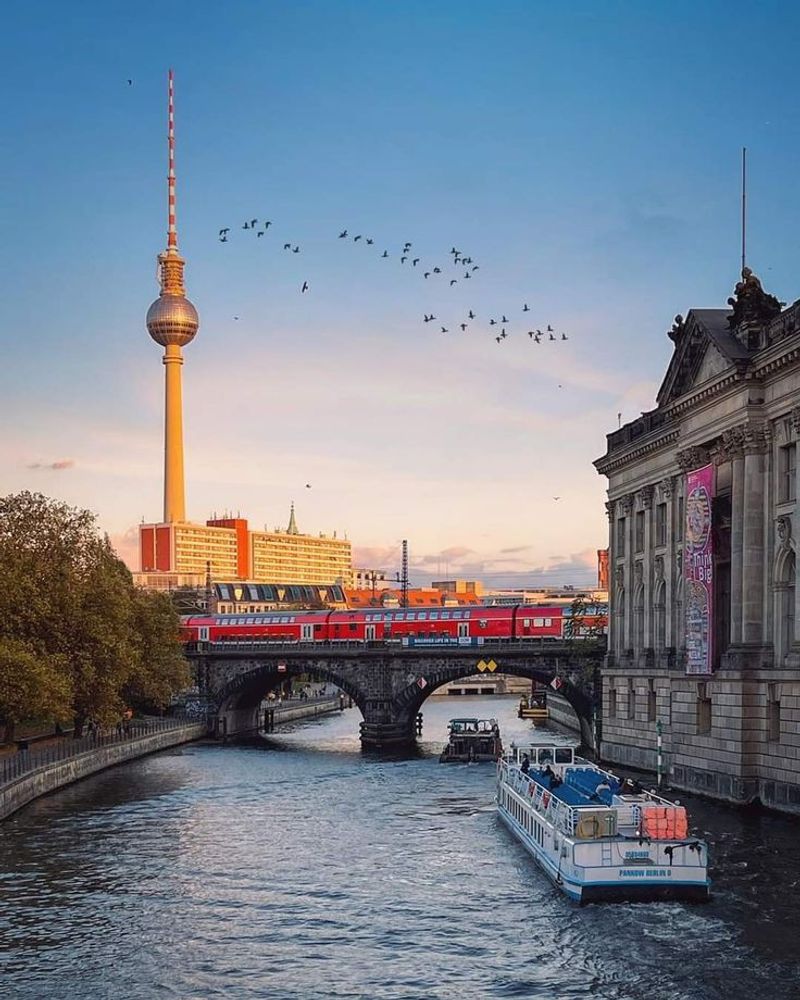
Berlin operates hundreds of public toilets spread across the city, making it one of the most well-equipped major capitals in Europe for restroom access. The iconic JCDecaux toilet kiosks, recognizable by their silver cylindrical design, are found on busy streets throughout the city.
Most charge a small fee of around 50 euro cents.
Transit hubs like Berlin Hauptbahnhof and major U-Bahn and S-Bahn stations offer large, clean restroom facilities that are accessible to anyone passing through. Museums and cultural institutions along the famous Museum Island also provide well-maintained facilities for visitors.
Berlin’s restrooms are generally easy to spot thanks to clear street signage.
The city’s many public parks, including Tiergarten and Treptower Park, have restroom facilities positioned at key points along popular walking paths. Berlin’s mix of history, culture, and practical city services makes it a comfortable destination for tourists.
Clean restrooms are genuinely easy to find no matter which part of the city you are exploring.
14. Sydney, Australia
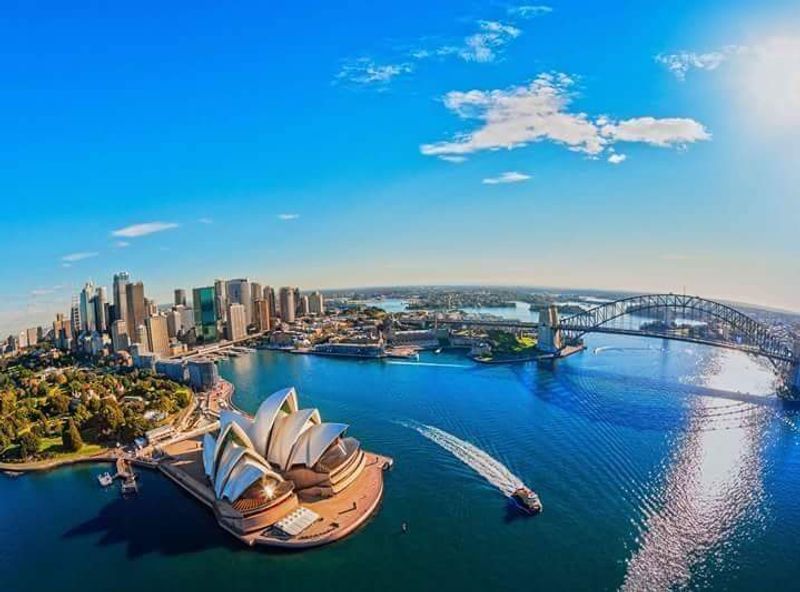
Sydney makes it surprisingly easy to find a public restroom, whether you are at the beach, in a park, near a ferry terminal, or exploring a tourist precinct. The city has a large number of public facilities spread across its many neighborhoods, and most are free to use.
Bondi Beach and Circular Quay are especially well-served.
One of Sydney’s most useful tools for visitors is the National Public Toilet Map, an official Australian government resource that pinpoints every registered public toilet across the country. Tourists can search by location on the website or app to find the nearest facility within seconds.
This kind of practical resource takes a lot of guesswork out of sightseeing.
Sydney’s ferry terminals, including Manly and Darling Harbour, have clean, accessible restrooms that are regularly maintained. Parks like the Royal Botanic Garden also provide well-placed facilities along walking paths.
Sydney’s combination of abundant restrooms and helpful digital tools makes it one of the most visitor-friendly cities in the Southern Hemisphere.
15. Melbourne, Australia
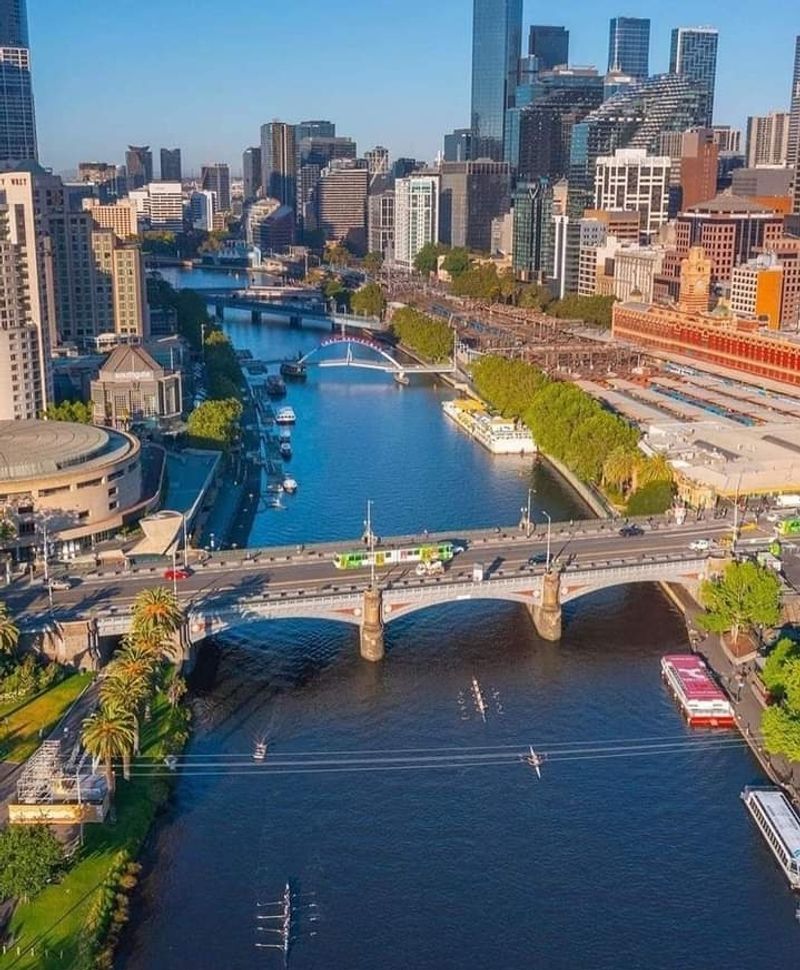
Melbourne rounds out this list with an impressive commitment to public restroom access backed by real infrastructure and digital tools. The city’s central business district, parks, riverside precincts, and major cultural institutions all offer clean, well-maintained facilities.
Federation Square and the Yarra Riverbank are particularly convenient spots for tourists.
Like Sydney, Melbourne benefits from the National Public Toilet Map, which allows visitors to quickly locate the nearest restroom using a phone or computer. This government-supported tool lists thousands of facilities across the city, including details about accessibility, opening hours, and available amenities like baby-changing tables and showers.
Melbourne’s famous laneways and cafe culture mean that many businesses also welcome customers to use their restrooms, adding even more options throughout the day. The city’s tram network stops near parks and public spaces that have accessible restroom facilities.
Melbourne’s blend of thoughtful planning and visitor-friendly culture makes it a genuinely comfortable city to explore at any time of year.
Share this story