Some of the best stops in Illinois are not shiny or new at all. They are quiet old walls, locked doors, and empty rooms that still seem to whisper about the people who once filled them.
I went looking for a few of these places and found myself more curious with every stop. Here are seven buildings across the state that stand empty today but still have plenty to say.
1. Old Joliet Prison, Joliet, IL
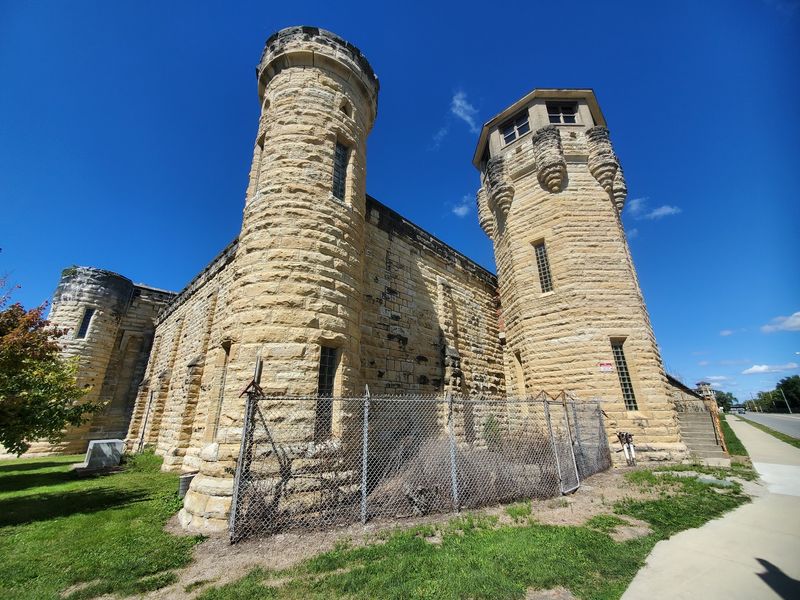
Picture limestone walls so thick and castle-like that you might mistake them for a fortress. Built in 1858, the old prison in Joliet stayed in use all the way until 2002, and movie fans will recognize it from The Blues Brothers.
Today the place is open for tours, and the self-guided option lets you wander through plenty of buildings at your own pace. Many rooms sit completely bare, which is exactly the point.
That stripped-down, abandoned feeling is what makes the visit so haunting, and the guard towers and wide yard make for striking photos.
Architecture buffs will love the unusual layout and the spooky beauty of the stonework. Hours run daily, with evening slots Thursday through Saturday, and buying tickets ahead of time is a smart move.
Sunday afternoons draw the biggest crowds, while Thursday nights tend to be calmer. It is kid friendly, too, with gender-neutral restrooms on site.
2. Ashmore Estates, Ashmore, IL
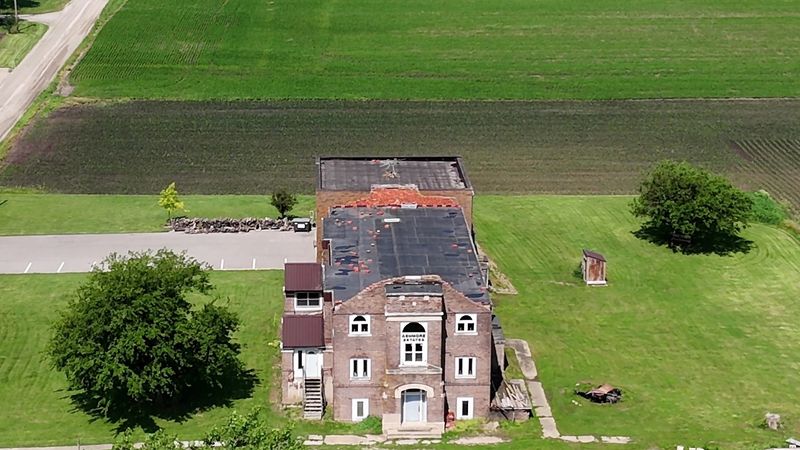
Out among the flat farm fields of east central Illinois, a lone brick building waits for visitors brave enough to knock. Ashmore Estates began life as an almshouse, a place where struggling folks once found shelter, and its old architecture is fascinating all on its own.
Now the empty, unfurnished halls are known for something else entirely. The building has drawn well-known paranormal investigators for years, and it offers guided ghost tours, flashlight tours, and full investigations.
Serious ghost hunters will find everything they could want here.
Not into overnight scares? A daytime tour gives you just a little creep and a whole lot of fun poking around the many nooks and crannies.
The owner knows the history inside and out. Free on-site parking makes the trip easy, and booking ahead is recommended, especially during the spooky season when interest spikes.
3. Gem Theatre, Cairo, IL
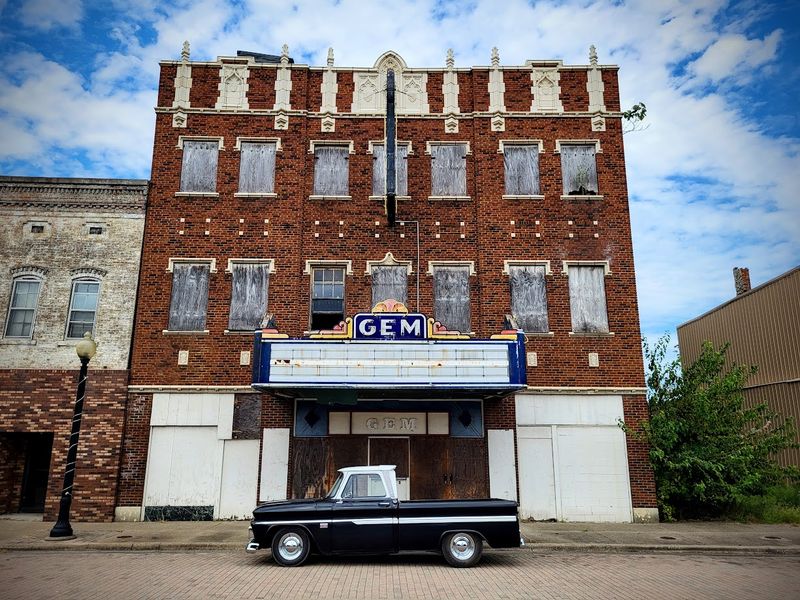
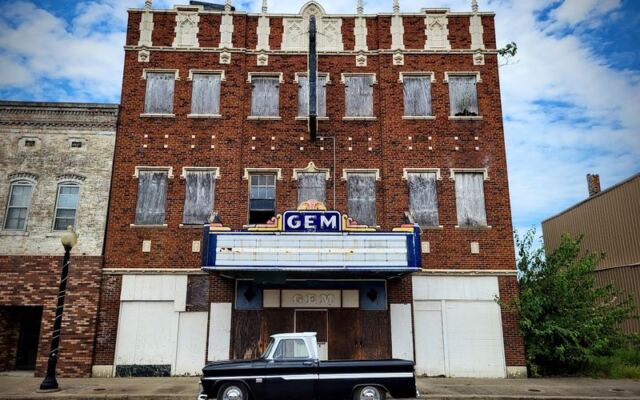
Once upon a time, Saturday nights in Cairo meant lining up under the marquee on 8th Street. The Gem Theatre still stands in this historic river town at the very southern tip of Illinois, where the Ohio and Mississippi meet.
Inside, though, the curtain fell long ago. The building is gutted and open, with graffiti splashed across the walls and a floor plan that looks half finished.
Honestly, that raw state tells its own story about how much downtown Cairo has changed over the decades.
Fans of street art and urban decay will find plenty to photograph, though the real magic is standing outside and imagining the crowds that once gathered there. Pair your stop with a slow walk through the rest of downtown, where grand old storefronts line the quiet streets.
Cairo rewards patient explorers who appreciate faded glory and history with its edges still showing.
4. Benton IL, Historic Jail Museum, Benton, IL
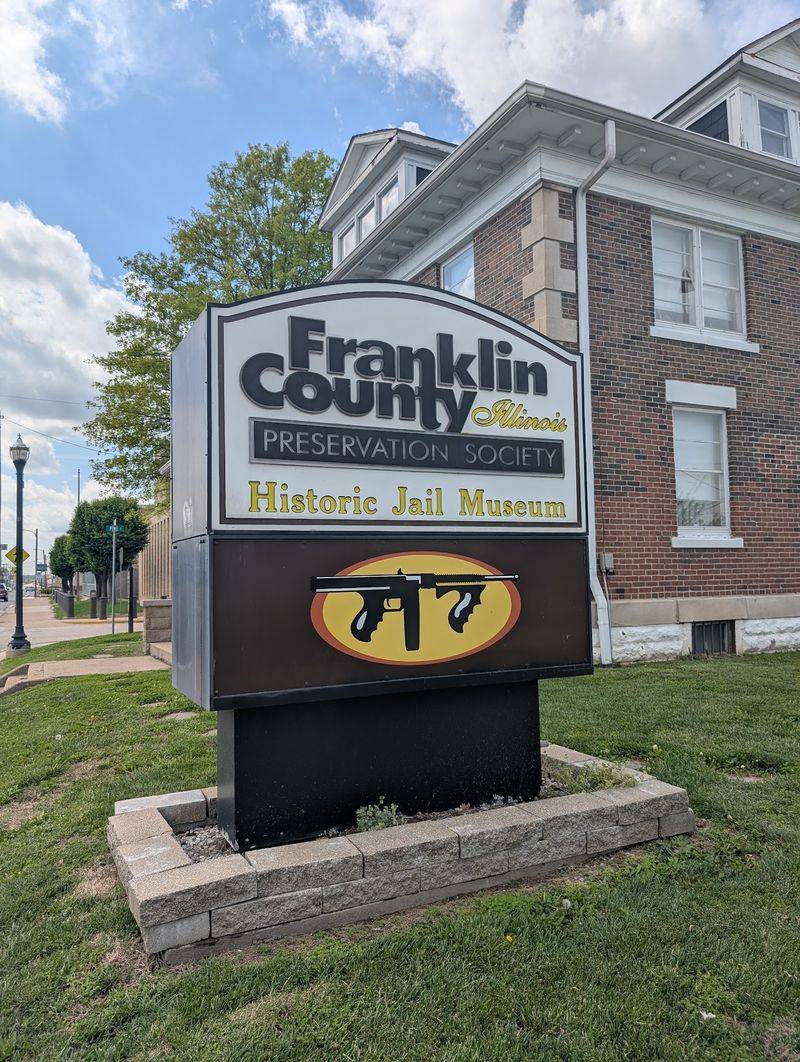
Ready to step behind bars without breaking any rules? Benton, a small southern Illinois town, keeps its old jail open as a museum, and the 1910s cells are still right where they always were.
Walking the empty corridors gives you a real sense of what life was like for those once locked inside. Along the way, you can also see the old radio station that the building once housed, a fun surprise most people never expect.
Friendly, knowledgeable staff lead tours that fill in the regional history.
Families have a reason to linger, too. An escape game runs inside the actual jail cells, turning those spooky iron bars into a puzzle challenge.
Self-guided visits are also an option. Plan carefully, since the museum opens only Friday and Saturday from 10 AM to 3 PM.
Restrooms are available, but there is no restaurant, so grab lunch downtown afterward.
5. Zion Evangelical Lutheran Ghost Church Memorial Park, Chicago, IL
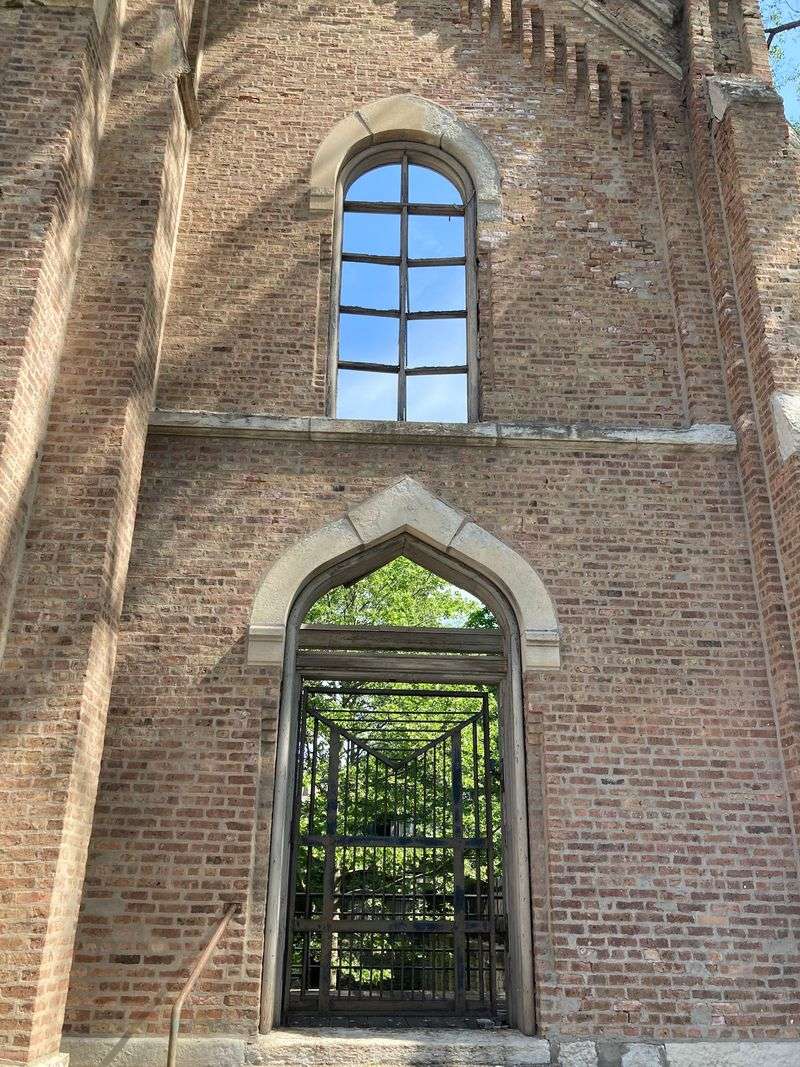
Tucked into the Pilsen neighborhood on West 19th Street, a church with no congregation still rises above the sidewalk. Locals call it the Ghost Church, and once you see it, the name makes perfect sense.
Only the outer shell of the old Zion Evangelical Lutheran Church remains. Its brick walls and empty window openings frame open sky, giving the site an eerie, almost poetic look.
Time has not been gentle, and protective scaffolding now lines the sidewalk as the structure continues to weather.
Still, it is a small miracle the building survived at all. Dedicated supporters have fought to keep it from being torn down completely, turning the ruins into a memorial park.
Stand across the street for the best view, then explore the colorful murals and bakeries of Pilsen nearby. It is a quiet reminder of the immigrant families who built this part of Chicago.
6. Joliet Iron Works Historic Site, Joliet, IL
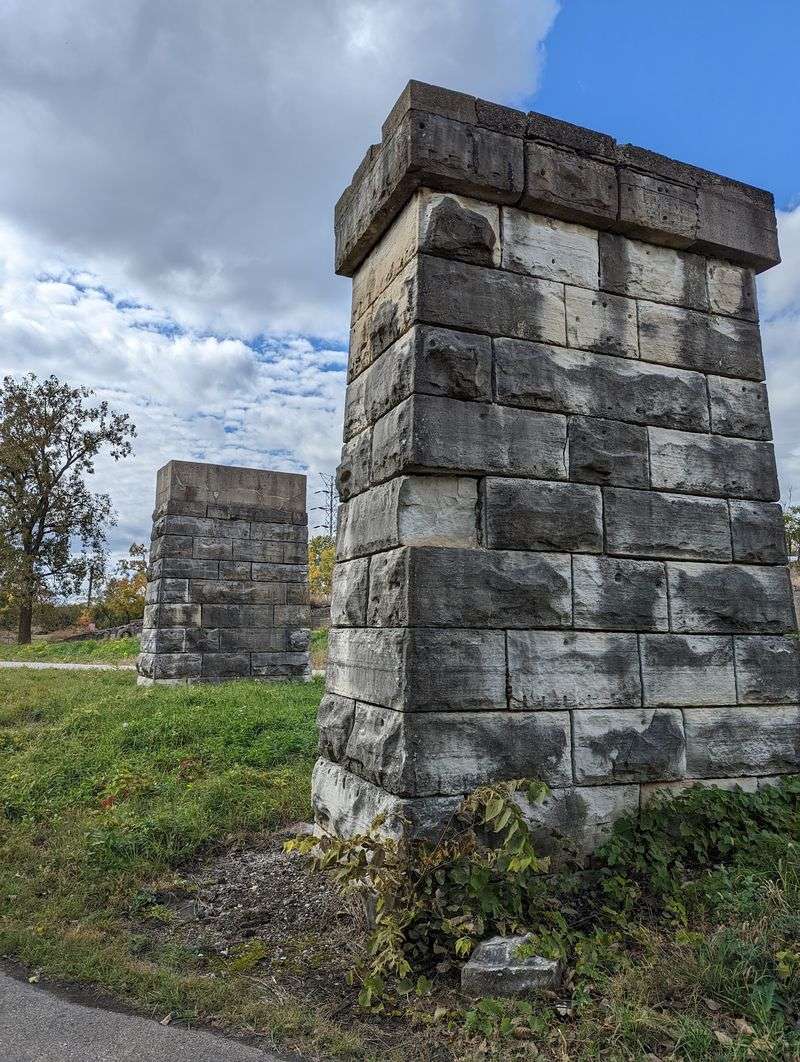
Long before it became a peaceful trail, this ground roared with furnaces and the clang of molten iron. The Joliet Iron Works was once a busy steel mill, and today its ruins sit open for anyone to explore.
Follow the walking and biking path past partial buildings, stone foundations, arches, ramps, and tunnels that hint at the giant operation once here. Informational signs along the way share cool facts about how the mill worked and why it mattered to Joliet.
It feels a bit like an outdoor history lesson you can wander through.
Best of all, admission is free, and there is a free on-site parking lot. Kids love scrambling around the old walls and imagining the workers who filled these spaces.
Bring comfortable shoes and a camera, and consider pairing it with a stop at the Old Joliet Prison nearby for a full day of local history.
7. Al Capone’s Chicago Manor, Chicago, IL
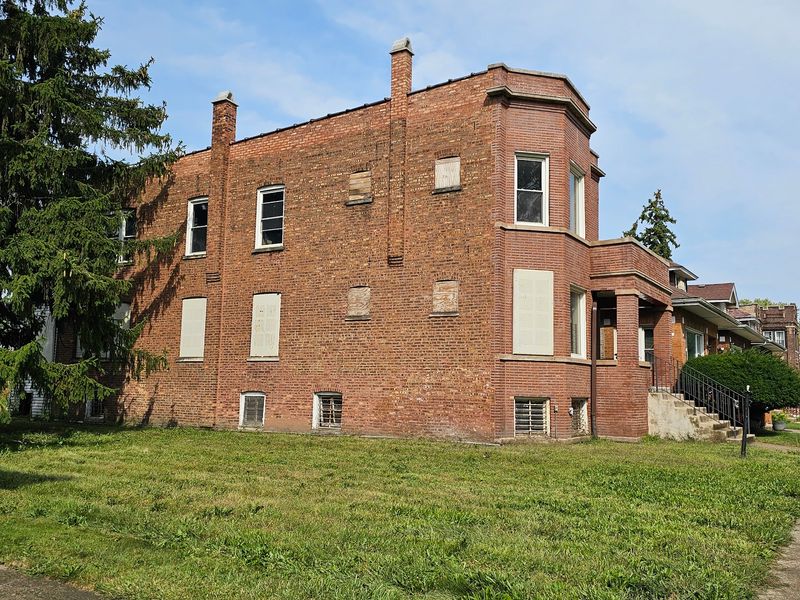
Funny thing about legends: sometimes they live in surprisingly ordinary houses. On South Prairie Avenue, a modest brick home once belonged to the most famous gangster-era figure Chicago ever produced.
Al Capone’s family house does not look like the hideout of a notorious boss. It looks like a regular neighborhood home, and that contrast is what makes it so interesting.
Today the house sits run down and boarded up, standing empty on a quiet residential block.
Visitors come to look from the sidewalk, snap a photo, and soak up the strange feeling of standing where so much history unfolded. Free street parking makes a quick stop easy.
Please remember it is a residential street, so keep things respectful and stay off the property. It is a quirky, low-key stop that proves the biggest stories in Illinois are sometimes hiding behind the plainest front doors.
Share this story