Picture a playground where tanks once parked, or a coffee shop inside a building that used to store army boots. Across the United States, dozens of military bases shut their gates in the 1990s and 2000s.
Cities had a big choice to make with all that empty land. Some places sat quiet for years, but many turned into real neighborhoods with homes, schools, parks, and shops.
Old barracks became apartments. Runways became streets.
One airport control tower even ended up serving burgers. These changes matter because they show how towns can reuse what they already have instead of starting from scratch.
They also give people a chance to live right next to a slice of American history. In the list below, you will travel from a sunny beach town to a windy bay island, and from snowy Iowa to the hills near Denver.
Each stop explains what the base used to do, what it looks like now, and what you can see or do if you visit. Some of these places are famous, and some might surprise you.
Keep reading to find out which neighborhood started out as a home for blimps and fighter jets.
1. Myrtle Beach Air Force Base (Market Common), South Carolina
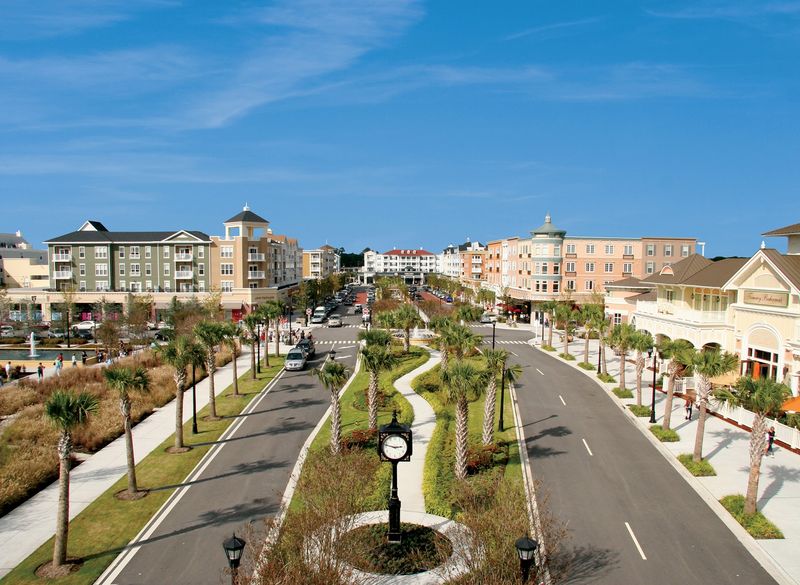
Fighter jets used to roar over this spot, and now the loudest thing might be a movie trailer. The Market Common sits on the old Myrtle Beach Air Force Base.
The base closed in 1993 and left a big hole in the local economy. A redevelopment group formed the next year and got to work.
By 2008, a 114-acre urban village opened with shops, restaurants, a movie theater, and homes. Townhomes, apartments, and single-family houses share the same walkable streets.
Here is a fun detail for history fans. Many streets are named after former base commanders, and markers around the district share facts about the old airfield.
Grand Park, a lakefront green space, hosts farmers markets and outdoor concerts. Parents love the playgrounds, and walkers love the loop trails.
The project has created over 6,000 jobs. Beach days are great, but this neighborhood is worth an afternoon of its own.
2. Lowry Air Force Base, Denver/Aurora, Colorado
A U.S. president once spent his summers here. Dwight D.
Eisenhower used Lowry Air Force Base as his Summer White House from 1952 to 1955.
Lowry trained thousands of service members during World War II and the Cold War. It closed in 1994, and Denver and Aurora teamed up to plan its future.
Planners turned 1,866 acres into a neighborhood with about 4,500 homes and eight new schools. More than 25,000 people now live or work there.
Green space is a big deal at Lowry. The 55-acre Great Lawn Park is a favorite for kite flying, soccer, and lazy picnics.
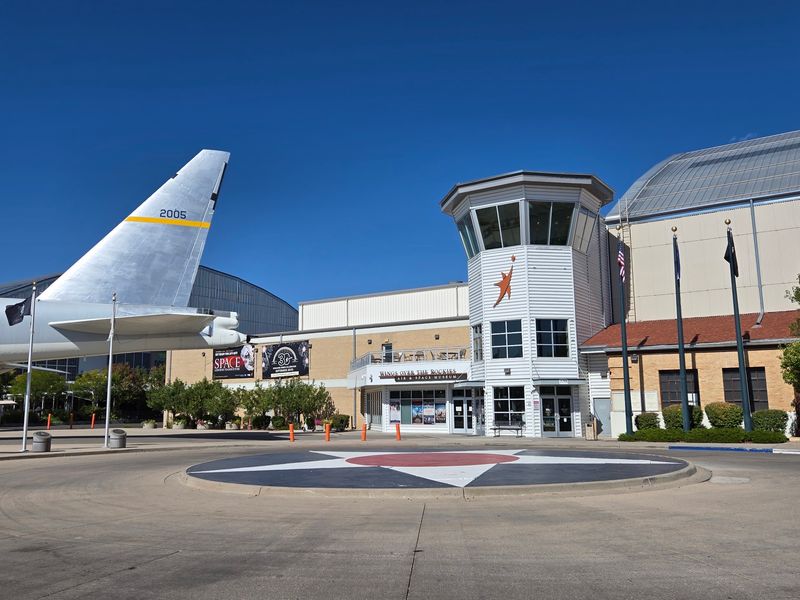
More than 20 original base buildings got new jobs. Hangar No. 2 holds shops and offices, and another hangar houses the Wings Over the Rockies Air and Space Museum.
Aviation fans should plan a museum stop. The collection includes real aircraft, so bring a camera and some patience for curious kids.
3. South Weymouth Naval Air Station (Southfield), Massachusetts
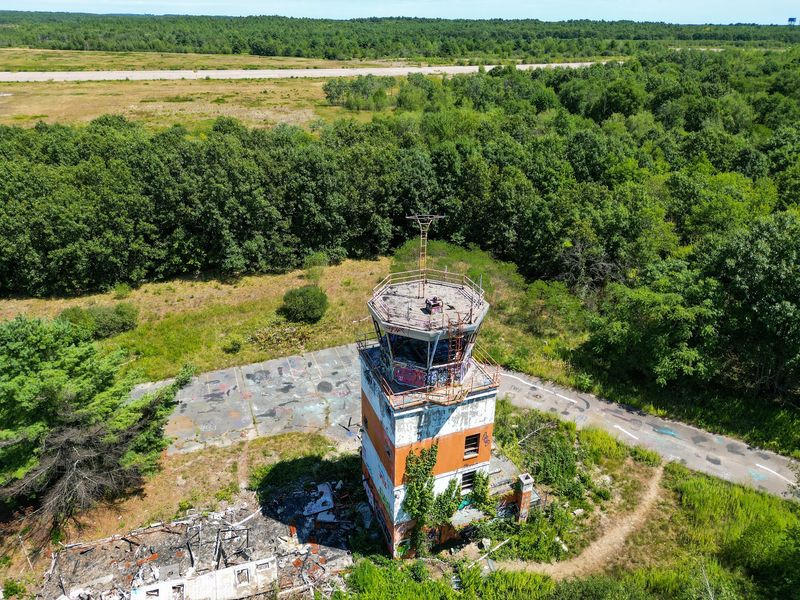
Blimps were the stars of this base. During World War II, South Weymouth Naval Air Station sent airships out to patrol the coast for enemy submarines.
The station later served the Naval Air Reserve until it closed in 1997. Its 1,400 acres stretch across Weymouth, Rockland, and Abington.
Turning it into Southfield has been a slow ride with a few false starts. Recent deals, though, have finally pushed the project forward.
The plan calls for about 6,500 homes, from townhomes to apartments. Fairing Way offers apartment living for people 55 and older.
Nearly 900 acres are set aside for parks, woods, and wetlands. A mile-long greenway will link forests to wetlands for walkers and bikers.
Big water and road upgrades are still underway. Anyone house hunting near Boston should keep an eye on Southfield, since new phases keep opening as the work moves along.
4. Fort Devens, Massachusetts
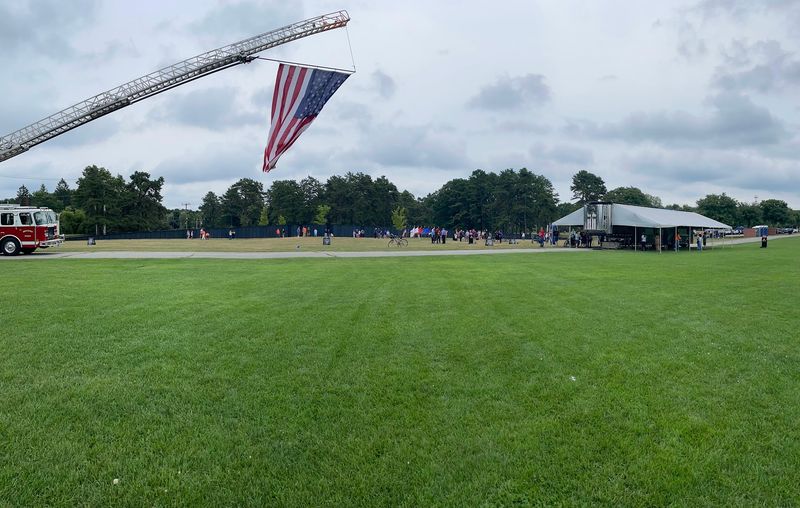
Soldiers out, scientists in. Fort Devens was once the largest Army base in New England, and it processed hundreds of thousands of troops over 79 years.
The post started in 1917 as Camp Devens for World War I training. It closed as an active base in 1996.
A state agency called MassDevelopment took over most of the 4,400 acres. Today Devens is a business zone shared by Ayer, Shirley, and Harvard.
More than 100 companies operate there, including biotech and clean energy firms. Together they employ about 10,000 workers, just 35 miles from Boston.
Homes range from townhouses to single-family houses. A historic district and the Fort Devens Museum keep the old story alive.
Weekend plans are easy here. Hike the trails, paddle at Mirror Lake, or visit the Oxbow National Wildlife Refuge for bird watching.
5. Brooks Air Force Base (Brooks), San Antonio, Texas
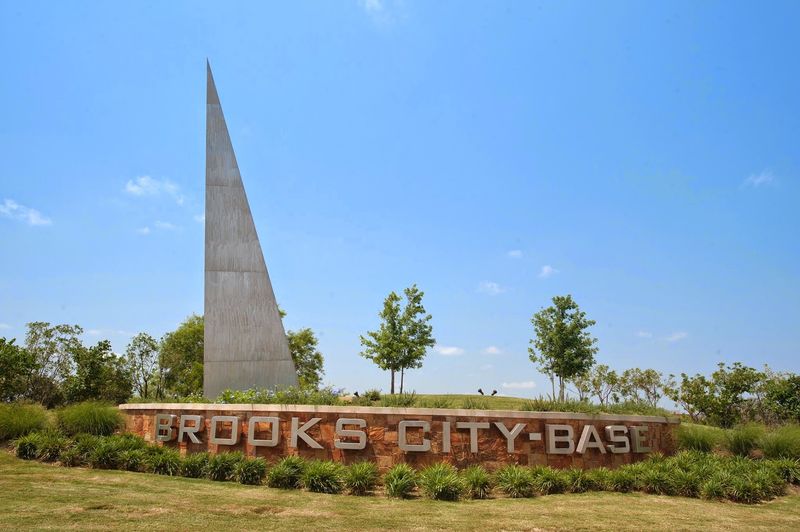
The backpack parachute got some of its early testing here. Brooks Field, founded in 1917, was a hotbed for flight experiments and new cockpit instruments.
President John F. Kennedy dedicated the School of Aerospace Medicine at Brooks in 1963.
The base later closed in 2011, and a local authority took charge of its 1,308 acres.
Now Brooks calls itself a city within a city. The Aviator apartments sit inside former Air Force barracks.
Nearby, The Kennedy Apartments feature murals about the president’s famous visit. Six communities already house over 1,400 residents.
Jobs came too, with more than 50 businesses and a medical school from the University of the Incarnate Word.
The best free activity is The Greenline, a 43-acre park with ponds, pavilions, and Wi-Fi. It connects to the San Antonio River Mission Reach, so bikers can ride a long way.
6. Fort Lawton, Seattle, Washington
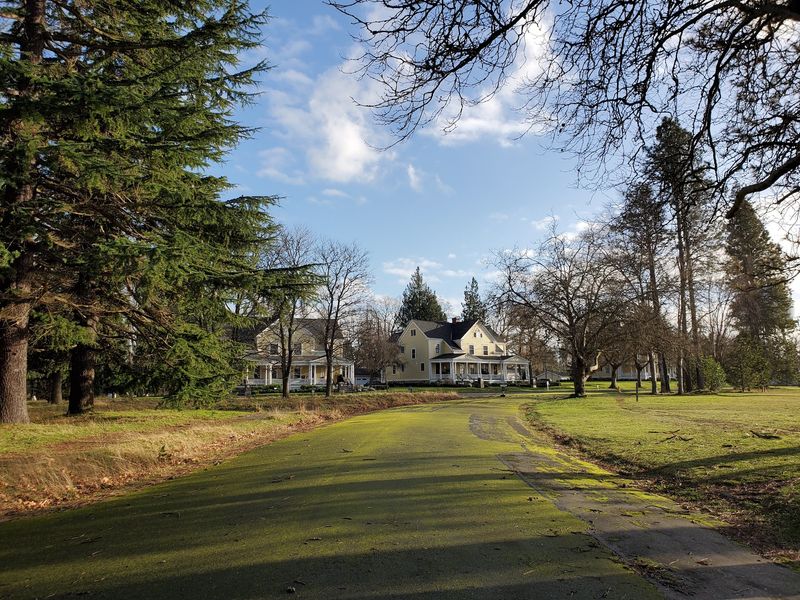
Seattle’s biggest park has a secret past. Discovery Park, opened in 1972, sits on land that once belonged to Fort Lawton, an Army post founded in 1898.
During World War II, the fort was a major shipping point for soldiers heading to the Pacific. Its planned guns were never fully built.
The last 34 acres are now getting a fresh plan. A 2025 update calls for up to 500 affordable homes and about 22 acres of new parkland.
Partners include Chief Seattle Club, Catholic Housing Services, and United Indians of All Tribes. Habitat for Humanity will build up to 200 homes for first-time buyers.
Housing for seniors and veterans is part of the mix too. Sports fields are also planned.
Visitors today can hike the park loop trail and spot old officer houses along the way. The bluff views of Puget Sound are a solid bonus.
7. Fort Des Moines, Iowa
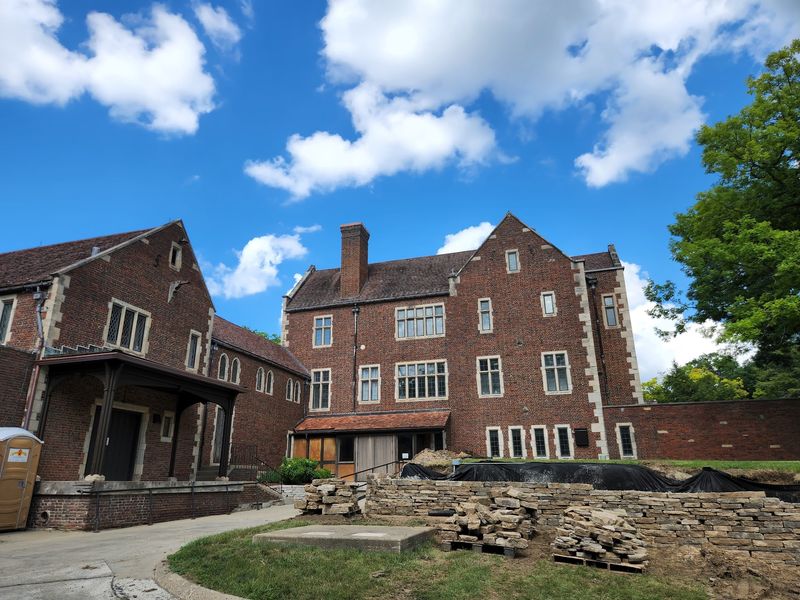
History lessons usually stay in textbooks, but in Des Moines you can rent one. Fort Des Moines trained the first Black Army officers in World War I.
In 1942, it also became the birthplace of the Women’s Army Corps. That is two big firsts for one patch of Iowa land.
After World War II, much of the land went to the city. Today, Blank Park Zoo and Fort Des Moines Park sit on former fort ground.
The real twist came in 2018. A local developer turned six barracks and two horse stables into 142 apartments called Fort Des Moines Living.
Renters get exposed brick, tall windows, and in-unit washers and dryers. The units are kept affordable for families earning 60 percent or less of the area median income.
The project even uses geothermal heating. Visitors can stroll the quiet paths and check out the museum honoring the fort’s trailblazing officers.
8. Concord Naval Weapons Station, Concord, California
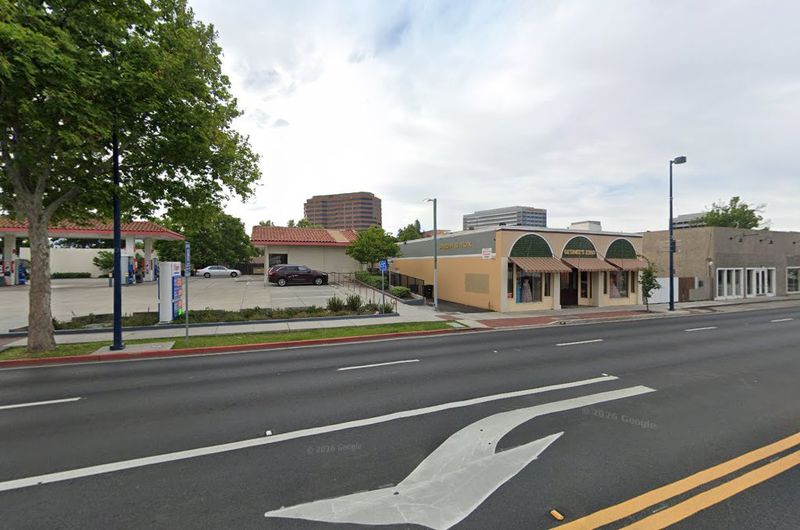
Locals once nicknamed this place bunker city, and the name fit. Concord Naval Weapons Station opened in 1942 to store supplies for Navy ships.
It stayed busy through the Korean War, Vietnam, and the Gulf War. Closure for redevelopment was approved in 2005.
The inland section being planned covers more than 2,200 acres. That is a giant blank canvas in the Bay Area.
Plans call for 12,272 homes, with one in four set as affordable. The design centers on the Concord BART station, so commuters can skip the car.
Hundreds of acres of parks and restored creeks are part of the plan. A veterans center and a sports park are on the list too.
Construction may start around 2030 after Navy cleanup moves along. Until then, hikers can explore parts of Thurgood Marshall Regional Park nearby.
9. Poland Avenue Navy base, Bywater, New Orleans, Louisiana
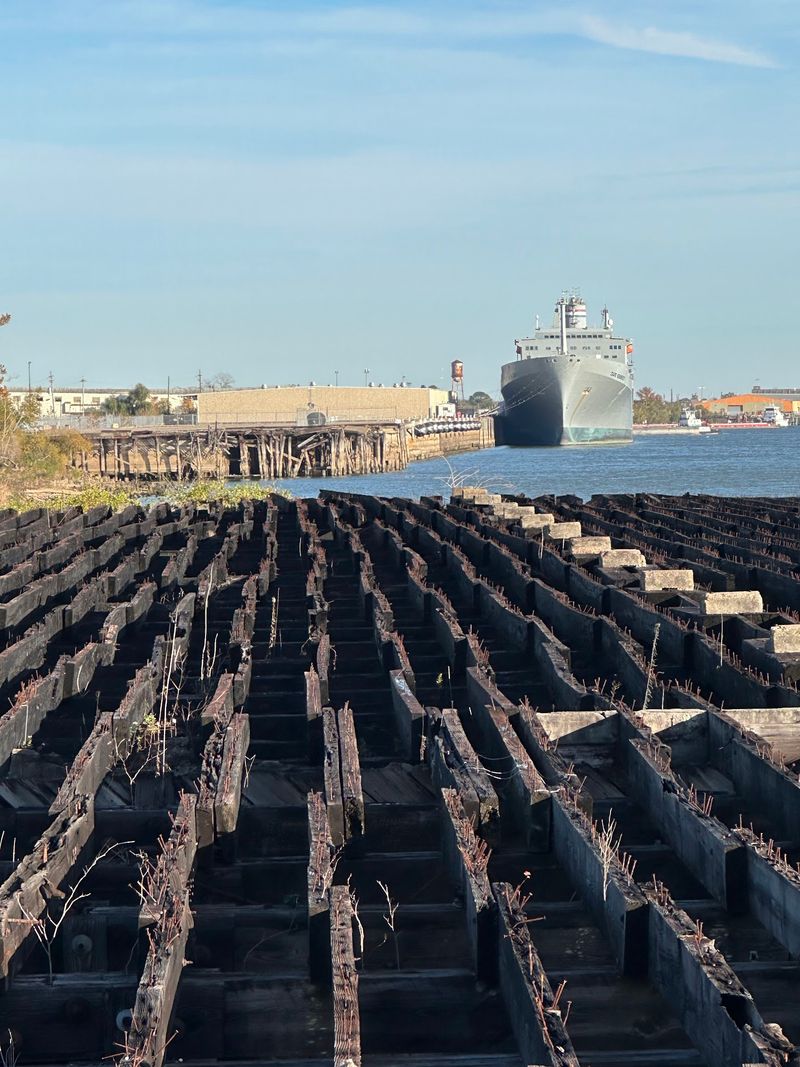
Three six-story buildings sat empty for years in Bywater. Built in 1919, the Poland Avenue base later served the Navy before emptying out in 2011.
Its spot where the Mississippi River meets the Industrial Canal made it a busy port during World War II.
A $197 million plan is now bringing it back. The 22-acre site will hold Louisiana’s largest affordable housing complex.
That means 294 apartments above ground-floor shops, with one, two, and three-bedroom options. Rents target people earning 20 to 60 percent of the area median income.
The anchor is Newlab, a hub for energy and tech startups. Future phases include a Railyard Marketplace and a riverfront park.
Construction began in January 2026, and the first phase should wrap up by late 2027. Rooftop solar and storm-rated windows are part of the upgrade, which matters a lot in hurricane country.
10. The Presidio, San Francisco, California
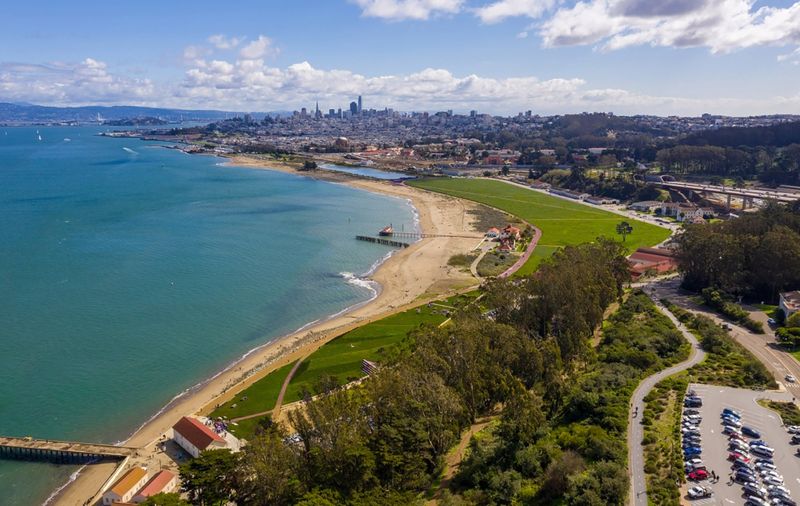
Spain built a fort here in 1776, the same year America declared independence. Mexico and then the United States kept soldiers at the Presidio for more than 200 years.
The Army left in 1994, and the site joined the National Park Service. Since then, it has become a park that pays its own bills.
The trick is renting out historic buildings. About 3,000 people live in 1,111 homes spread across 24 small neighborhoods.
Over 200 organizations work there, from tech firms to cafes. Many forests here came from tree planting done by Army crews long ago.
Families should head to Presidio Tunnel Tops, a 14-acre space with picnic spots and a nature playground. It links the main post to Crissy Field.
Bring walking shoes. Trails lead to great views of the Golden Gate Bridge, and the Officers Club offers free history exhibits.
11. Fort Worden, Port Townsend, Washington
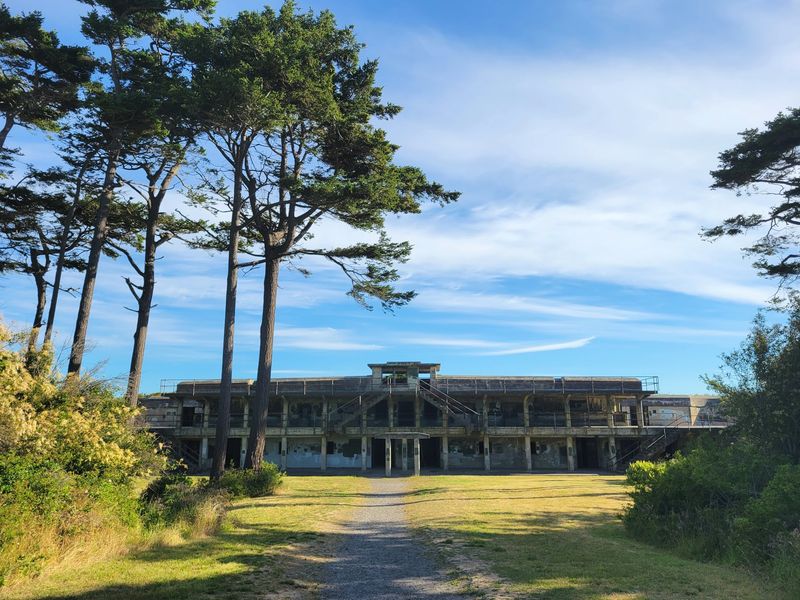
Guns that never fired a hostile shot once guarded Puget Sound from this hill. Fort Worden was one corner of the Triangle of Fire, along with Fort Casey and Fort Flagler.
The fort closed in 1953. Washington opened it as a state park in 1973.
Here is the fun part. You can actually rent the officers’ homes on Officers Row, plus smaller houses and old barracks set up as dorms.
The 434-acre park is packed with learning spots. The Port Townsend Marine Science Center, Centrum, and a woodworking school all call it home.
Makers Square fills eight acres with studios and art classes. Outdoors, there are 12 miles of trails and two miles of shoreline.
Kids love exploring the concrete bunkers on Artillery Hill. Pack a flashlight, since some of the old rooms are pretty dark inside.
12. Fort Wadsworth, Staten Island, New York
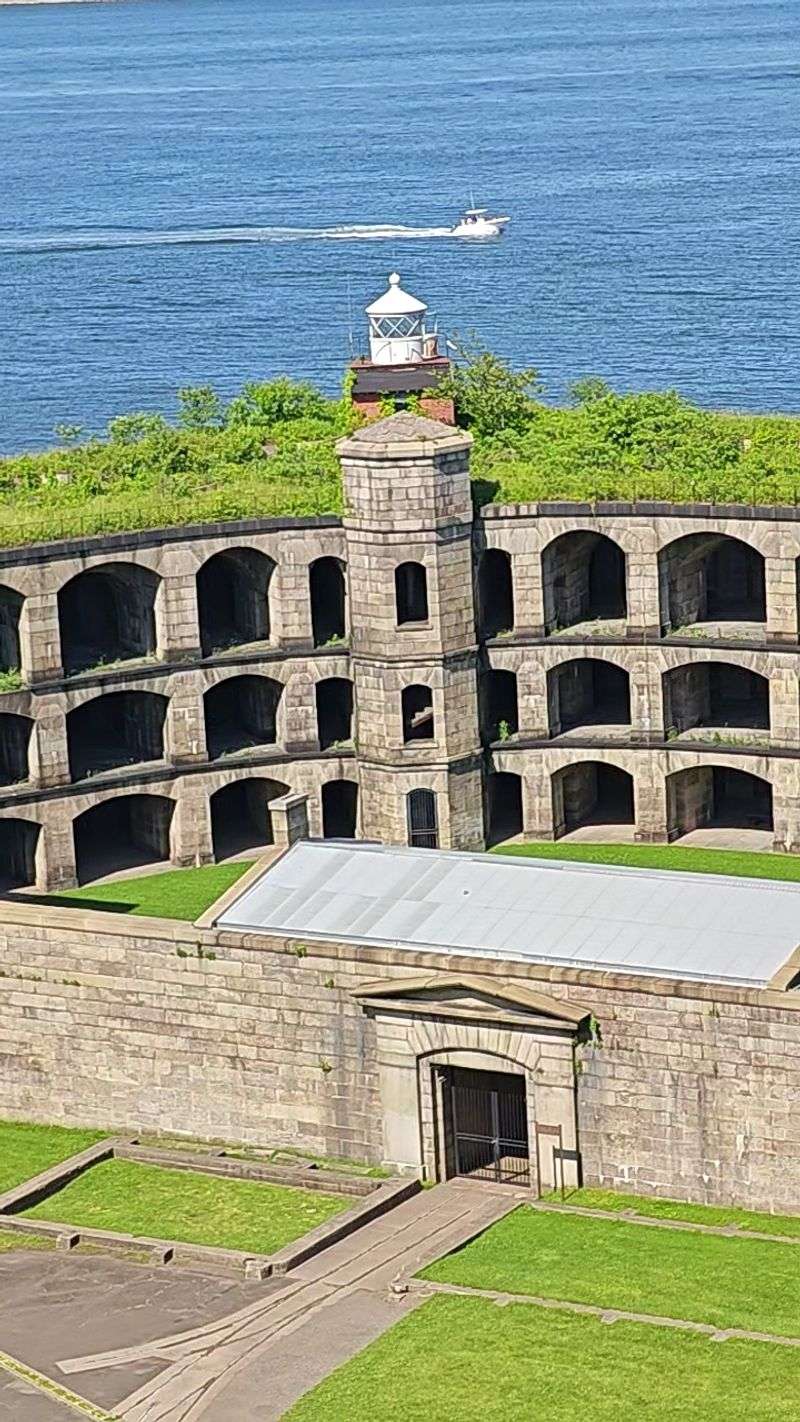
Dutch settlers built a blockhouse on this spot in 1655. That makes Fort Wadsworth one of the oldest military sites in the country.
It guarded New York Harbor under Dutch, British, and American flags. In all that time, it never fired a shot at an enemy.
The fort closed in 1994, and its 226 acres joined Gateway National Recreation Area. The Coast Guard still uses some buildings for offices and family housing.
So this one works as a real neighborhood and a park at once.
Rangers lead tours of Battery Weed and Fort Tompkins. The visitor center explains how the city was defended over the centuries.
Runners may already know the place. The New York City Marathon starts here, at the foot of the Verrazzano-Narrows Bridge.
Bring binoculars for a clear look at Lower Manhattan.
13. Fort Ord, Monterey County, California
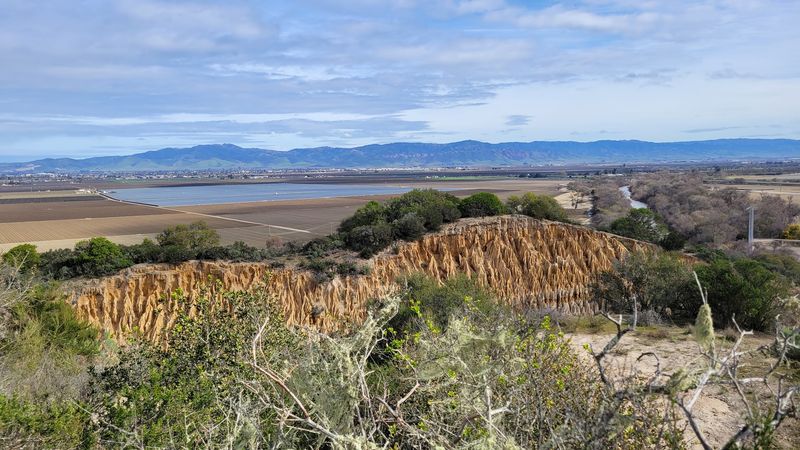
At about 28,000 acres, Fort Ord was roughly the size of San Francisco. Millions of soldiers trained there, especially for World War II and Vietnam.
The base closed in 1994. A reuse authority then mapped out new homes, schools, and parks.
The biggest win was education. California State University Monterey Bay opened that same year and now serves more than 7,000 students.
Some campus buildings started life as Army barracks. Monterey Peninsula College also has a campus here.
Nature lovers get plenty too. Fort Ord National Monument offers more than 86 miles of trails for hiking, biking, and horseback riding.
Fort Ord Dunes State Park adds beach access along the bay. New housing options include affordable, senior, and beachfront homes, and The Dunes shopping center is close by.
Spring is a great time to visit, when the wildflowers show up on the hills.
14. Fort Benjamin Harrison, Lawrence, Indiana
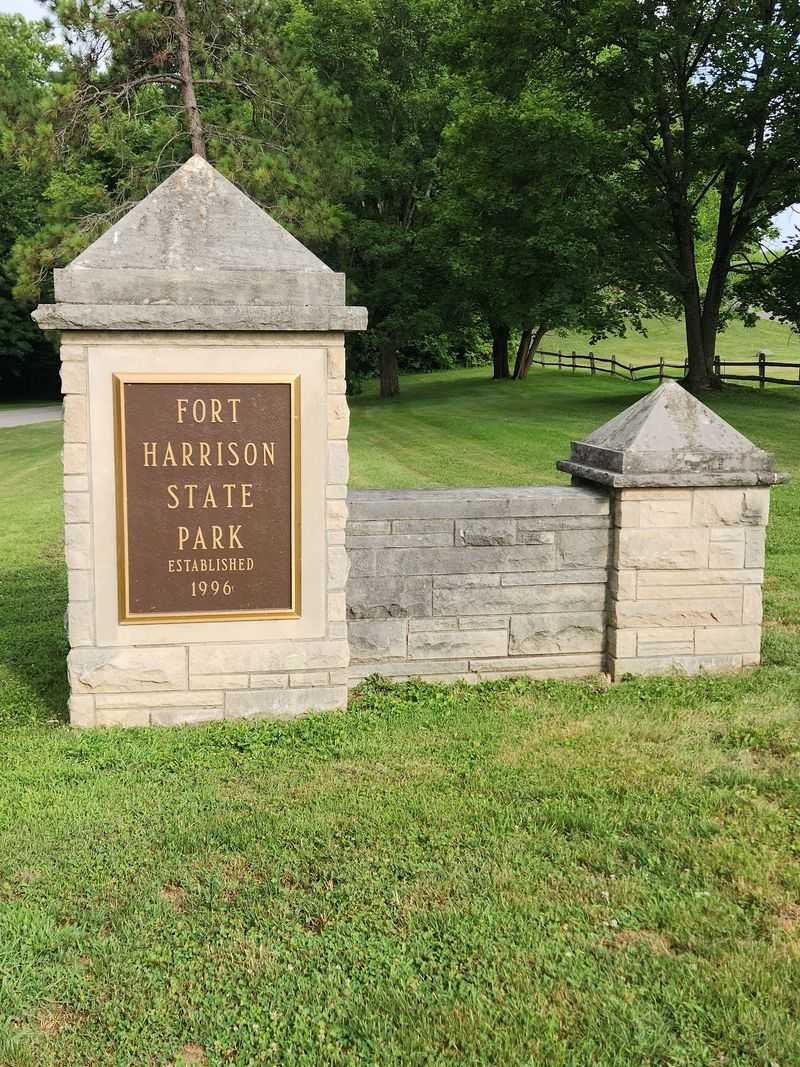
Named after the 23rd president, Fort Benjamin Harrison opened in 1903. It served as a major training and processing site during both World Wars.
After it closed in 1995, the town of Lawrence got creative. Locals now just call the area Fort Ben.
About 70 percent of the land became Fort Harrison State Park. Its 1,700 acres include trails, fishing spots, and four nature preserves.
Golfers can play the Fort Golf Course, designed by Pete Dye. It is a public course, so no fancy membership needed.
Old officers’ quarters are now private homes. Other army buildings hold restaurants and small businesses.
Art fans should visit the Fort Ben Cultural Campus. It has a theater, a gallery, and the Heartland Film Festival headquarters.
The Visual Arts Center sits in the old communications building and offers classes for all ages.
Share this story