Some of the best crafts start with a quiet idea: what if I could make something useful with my own hands? A hand-carved wooden spoon is a small project with a big payoff, and many people in Oklahoma are curious about trying it.
Before you clear your afternoon, though, it helps to know what is confirmed and what still needs a phone call. Here is a practical guide to getting the facts straight.
First, verify that the Oklahoma class exists
Here is the plain truth: the research behind this article has not verified a specific Oklahoma spoon-carving class. The title you may have seen suggests a single-afternoon session, but nothing found confirms that an event like that is running right now.
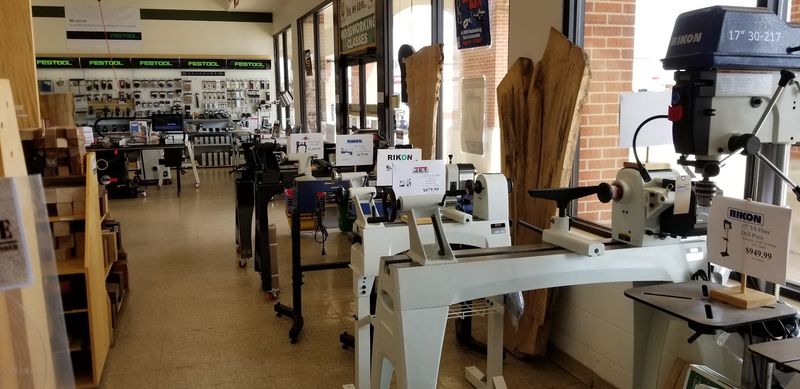
One place worth checking is the Oklahoma City store of a national woodworking retailer. Woodcraft’s Oklahoma City class and event page lists other woodworking classes, but a wooden-spoon session did not turn up there.
That does not mean nobody in the state teaches spoon carving. A craft guild, a park program, a makerspace, or a private instructor could be offering one that simply was not found.
Small organizers often announce classes on social media or by word of mouth, so a quick search of local groups may turn up something new.
Until you see the organizer’s own current listing, treat any spoon class as a possibility and not a booking. Ask for confirmation of the date, the location, and the length before you plan around it.
If an organizer cannot answer those three things, keep looking.
A short class is possible, but the example is elsewhere

Can anyone really make a spoon in an afternoon? A listing from outside Oklahoma suggests the format works.
Foundation Woodworks advertises a 2½-hour introductory spoon-carving class and says participants leave with a spoon.
That is a handy comparison, and nothing more. It shows that a short session can be built around this craft.
It says nothing about whether an Oklahoma class exists, how long it runs, or whether it welcomes first-timers.
Think of it as a yardstick. If a local organizer promises a similar short session, you can ask how they fit the work into the time.
Ask what a participant will finish in the room and what stays unfinished.
Confirm four details directly with the Oklahoma organizer: the class length, the skill level it expects, the tools provided, and what you carry out the door. Words like beginner-friendly or finished spoon should come from the organizer, not from an example in another state.
Green wood and careful shaping shape the experience
Wood choice sets the tone for the whole project. A forestry professor’s guide in Northern Woodlands says fresh, green wood is easier to carve by hand than dried wood.
It also recommends straight stock without knots.
Why does that matter to a beginner? Softer, moister wood tends to take cuts with less struggle, and clean, straight grain gives you fewer surprises.
Knots are hard spots that can interrupt your work.
The same guide calls the bowl of the spoon a challenging step, because its thickness needs to stay fairly even. Picture scooping out a shallow dish while keeping the walls about the same all the way around.
It takes patience, and it is where many first spoons get their character.
None of this tells you what a given Oklahoma class uses. Nobody has confirmed that any local session works with green wood, and no particular species is being recommended here.
A good question for the organizer is simple: what wood will we be carving, and how was it prepared?
Go in expecting a hands-on, slightly humbling process and not a quick, perfect result. Your first spoon may be lopsided, and that is part of the charm.
Shaping the spoon is not the same as finishing it
Wood moves as it dries. According to the USDA Forest Products Laboratory, wood shrinks while it loses moisture, and drying too fast can cause cracks.
How a piece behaves depends on several things. Missouri Extension notes that drying varies with species, thickness, and conditions.
A thin spoon handle and a thicker bowl may not dry at the same pace.
So there is a real difference between two outcomes. One is leaving class with a spoon that has been shaped.
The other is leaving with a dry, finished utensil that is ready for daily use. Some classes may cover only the first, with drying, final smoothing, or finishing left for you at home.
No source here says what any Oklahoma class includes, and a crack-free result cannot be promised. Treat a fresh spoon as a work in progress until it has dried and been finished.
Ask the instructor plainly: what happens to the spoon after class, how long should it dry, and what work remains? Their answer tells you whether you are buying an afternoon of carving or a finished kitchen tool.
Treat knife safety as part of the conversation
Sharp tools deserve respect before the first shaving falls. OSHA’s general knife guidance offers a few basics: cut away from your body, keep fingers and thumbs out of the cutting line, use the proper tool for the job, and store blades safely.
Keep in mind where that advice comes from. It is general knife safety, written with food preparation in mind, and it is not a spoon-carving standard.
It is a useful reminder, not a substitute for instruction.
This article does not walk through carving cuts, and a written list cannot replace a teacher in the room. Watch the instructor’s demonstrations closely and copy their approach, not an internet shortcut.
If the class requires protective gear, such as gloves, wear it. You can also ask ahead what gear is supplied and what you should bring.
Since no Oklahoma class has been verified, nobody can say what safety teaching one might include. Make it part of your questions: how are tools introduced, how many students per instructor, and what happens if someone feels unsure?
A confident organizer will be glad you asked.
Food use depends on the finish
A spoon can look ready for the stew pot and still not be. Being wooden or hand-carved does not make it food-safe, and an unfinished spoon should not be assumed ready for the kitchen.
For items that touch food, USDA Forest Products Laboratory guidance advises choosing a finish labeled food-safe or food-grade and following its instructions. Check the label, then read the directions on the can or bottle.
The same publication points out that some vegetable oils can become rancid. That is a good reason to skip the habit of grabbing whatever oil is in the pantry.
A product that calls itself natural is not automatically a good choice either.
Here is a practical example. Say you bring home a spoon at the end of class and the instructor mentions a finishing step you will do yourself.
Ask which product they recommend, and check that its label says food-safe or food-grade before you stir anything with it.
If you are unsure, keep the spoon as a keepsake or display piece until you have a proper finish on hand. A carved shape and a kitchen-ready tool are two separate achievements.
Ask what you will actually take home
Before you book anything, a short list of questions will save you time. Is the class currently offered, and on what dates?
Does it suit beginners? What will you complete in the session, and does drying or finishing happen later?
Use outside examples carefully. The out-of-state listing shows a short class can exist, but only your local organizer can describe theirs.
Ask about the wood too, since a green wood carving guide explains why freshly cut stock feels different from dried.
Then ask about the finish, because USDA guidance ties food use to a food-safe or food-grade product. Carrying home a shaped spoon does not necessarily mean a durable, food-ready utensil.
Until an organizer confirms the details, describe any Oklahoma spoon class as a maybe. When the answers come back clear, you will know exactly what your afternoon buys.
The best handmade things start with a good question and end with a little sawdust.
Share this story