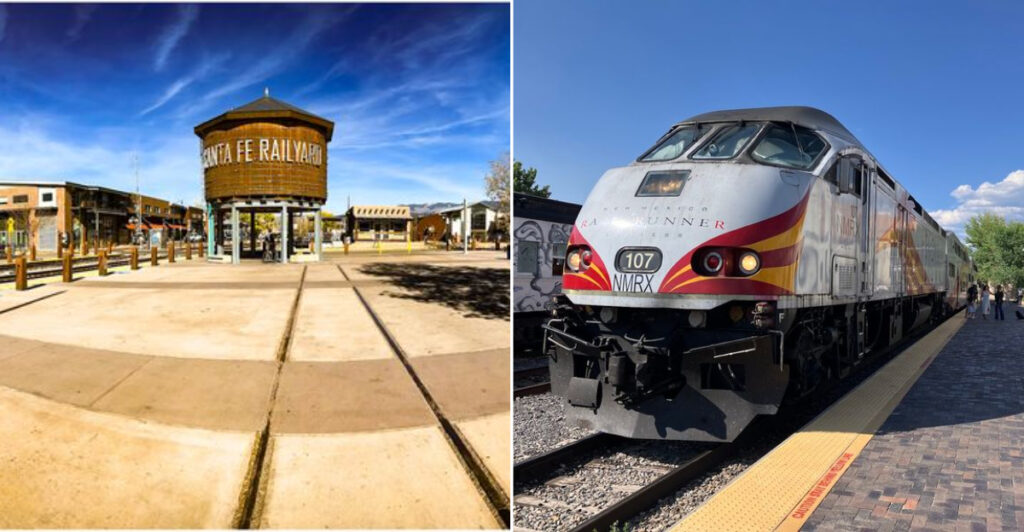
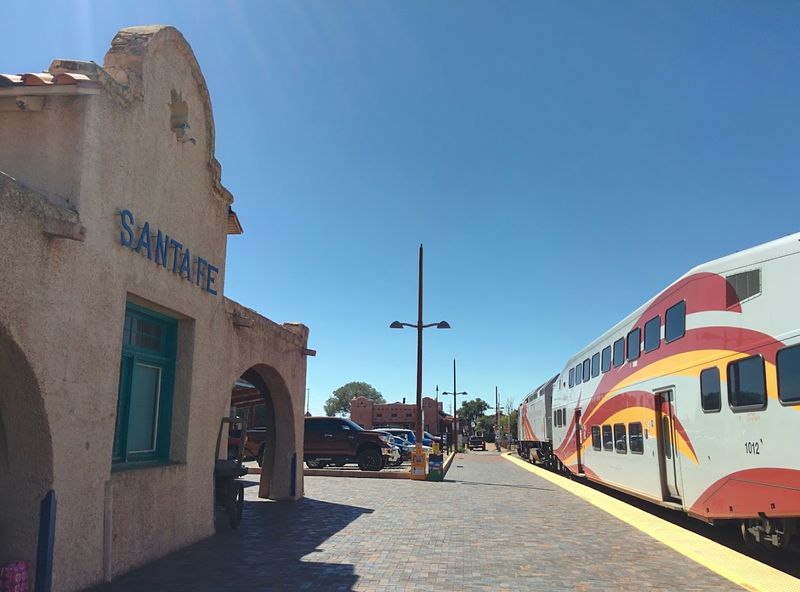
Santa Fe, New Mexico has always carried a certain weight of history in its streets, and one building along the old railyard makes that weight very real. A depot that has stood since the early 1900s continues to serve passengers today, connecting the capital city to Albuquerque by rail.
The New Mexico Rail Runner Express uses this historic station as its northern terminus, threading together a modern transit system with a structure that has outlasted countless changes around it. From a working farmers market steps away to a renovated waiting room inside, the depot has grown into something far bigger than a simple train stop.
This article walks through everything worth knowing about this landmark station, from its layered past to the practical tips that make a visit smooth and worthwhile.
How the Building Has Changed Over Time
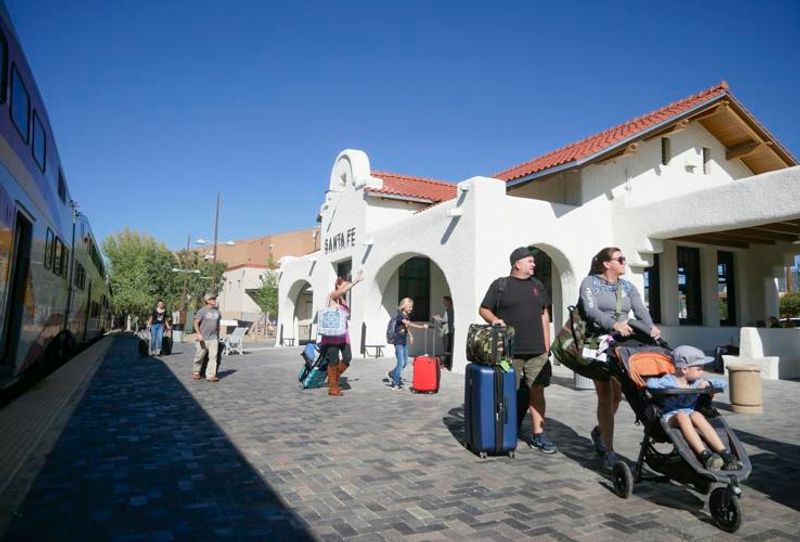
The depot’s story did not freeze in 1909. Over the following century, the building shifted roles, changed operators, and eventually underwent a significant renovation that brought it back to a presentable standard.
For much of its early life, the station functioned as the northern terminus for the New Mexico Rail Runner Express commuter rail line, a role it held until around 2014. After that transition, Amtrak and local transit services continued to use the facility, keeping trains moving through the station on a regular basis.
A refurbishment project completed in recent years updated the waiting room and restrooms while preserving the essential character of the original structure. The result is a space that feels both functional and historically grounded.
Travelers who pass through today find a clean, well-maintained interior that reflects the care put into restoring a building with more than a century of rail history behind it.
The Rail Runner and What It Connects
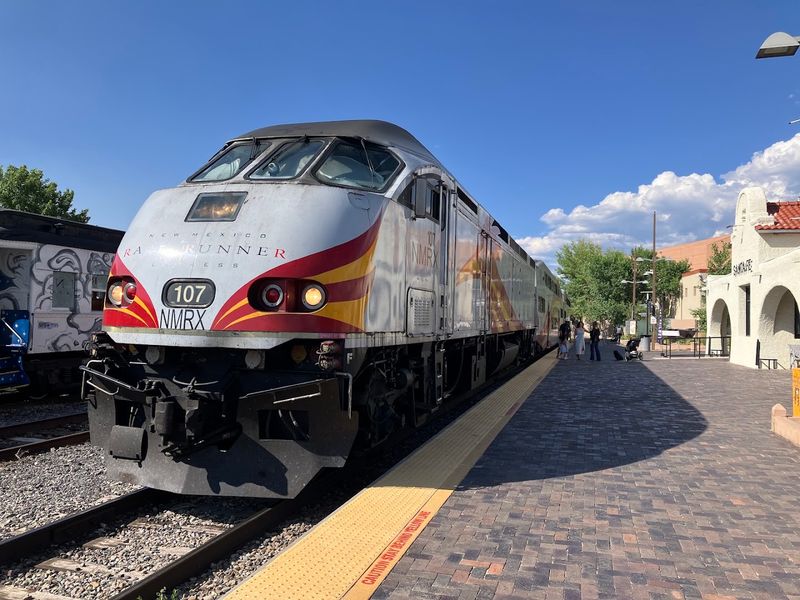
The New Mexico Rail Runner Express is the commuter rail service that uses the Santa Fe Depot as its northern anchor point. The line runs between Santa Fe and Albuquerque, covering roughly 97 miles of track through the Rio Grande corridor.
A one-way trip between the two cities takes approximately an hour and a half, with several stops along the route. The train runs on time consistently, and the double-decker cars offer seating on two levels, giving passengers a choice of vantage points for the scenery rolling past outside.
Sitting on the west side of the train offers views toward the Rio Grande, while the east side faces the Sandia and Jemez mountain ranges. The route mixes open desert terrain with glimpses of small communities and natural landscape features.
For anyone traveling between Santa Fe and Albuquerque, the Rail Runner presents a genuinely practical and affordable alternative to driving the interstate.
Ticket Prices That Actually Make Sense
One of the most frequently noted qualities of the Rail Runner is how affordable the tickets are compared to driving or other transportation options. A round trip between Santa Fe and Albuquerque typically costs under ten dollars, a figure that stands out sharply against fuel costs for the same journey.
For regular commuters, the savings add up fast. Someone making the trip multiple times per week can save well over a hundred dollars monthly compared to driving a personal vehicle, without factoring in wear and the general stress of highway travel at high speeds.
The Rail Runner has also offered free round trip rides for military members and veterans on certain occasions, which reflects a broader effort to make the service accessible to different groups. Ticket machines are available at the station, and staff members are on hand to help passengers read schedules correctly, which is especially useful for first-time riders unfamiliar with the route structure.
What the Train Ride Actually Looks Like
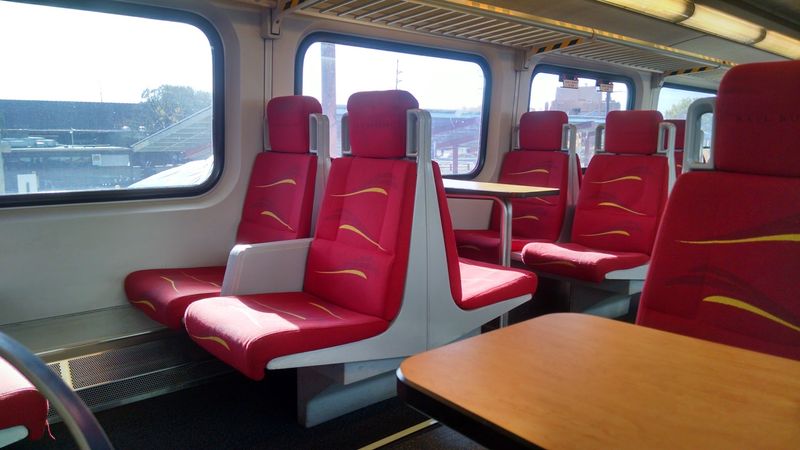
The Rail Runner cars are clean, air-conditioned, and well-maintained. Seats are comfortable for the roughly ninety-minute journey, and the cars have enough space that passengers rarely feel cramped, even on busier travel days.
A small working electric train display inside the depot adds a charming detail for rail enthusiasts and younger travelers who appreciate a nod to the mechanical side of train history. Security staff circulate through the cars during the journey, and their presence is described as calm and approachable rather than intrusive.
Restrooms are available on board, which is a practical consideration for a ninety-minute trip. The overall atmosphere on the train leans relaxed and unhurried, with passengers often using the time to read, talk, or simply watch the New Mexico landscape pass by outside.
The mix of high desert, mountain backdrops, and occasional river glimpses makes the window seat genuinely worth choosing.
Parking Options for Frequent Riders
Free parking is available at two stations that serve Santa Fe-area commuters: the South Capital station and the 599 station. These options make the Rail Runner particularly attractive for regular riders who want to avoid both the cost of driving all the way to Albuquerque and the hassle of paid parking in downtown Santa Fe.
For travelers arriving at the Santa Fe Depot itself, the surrounding Railyard district offers nearby parking as well, though the free options at the outer stations are generally more convenient for commuters who board regularly throughout the week.
The availability of free parking at feeder stations is one of the practical details that makes the Rail Runner system work well as a daily transportation option rather than just an occasional tourist ride. Planning around these parking points can significantly reduce the overall cost and complexity of getting between New Mexico’s two largest cities on a regular basis.
The Railyard District Surrounding the Depot
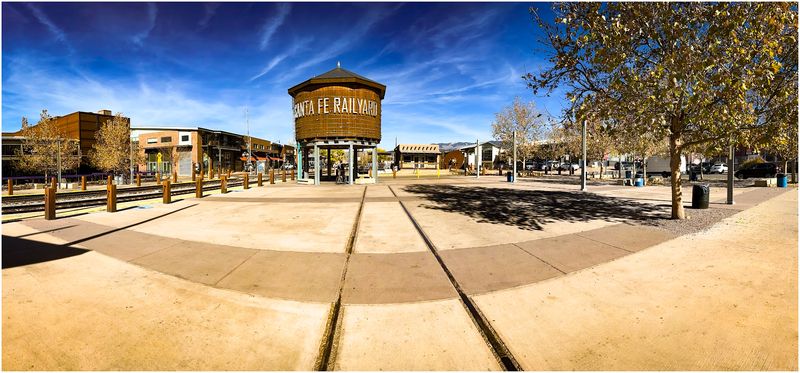
The Santa Fe Depot does not stand alone. It anchors an entire district that has been transformed from an old industrial area into one of the more active public spaces in the city.
The Railyard district surrounds the station with art galleries, independent shops, restaurants, and open green space.
The transformation kept the industrial character of the area visible rather than erasing it, which gives the district a distinctive texture that sets it apart from more polished commercial developments. Visitors can spend several hours in the area without running out of things to see or do.
Free summer concerts take place in the Railyard regularly, drawing both locals and out-of-town visitors to the open-air space. The combination of arts programming, retail, and food options makes the district work as a destination in its own right, not just a place people pass through on the way to a train.
The depot sits at the center of all of it.
The Farmers Market That Draws a Crowd
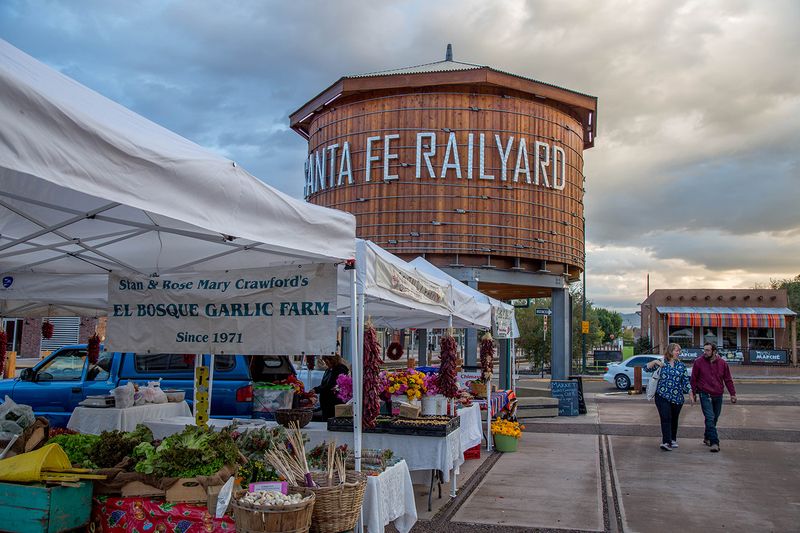
The Santa Fe Farmers Market is one of the most well-regarded markets in the Southwest, and it operates just steps from the depot. The market draws local growers, artisan producers, and a steady stream of shoppers who come specifically for the quality and variety on offer.
For Rail Runner passengers arriving from Albuquerque or other stops along the line, the market is an immediate attraction right off the platform. The timing of certain train arrivals lines up well with market hours, making it possible to plan a trip specifically around a morning market visit.
The market operates in a dedicated building within the Railyard, which means it runs year-round rather than disappearing in colder months. That consistency makes it a reliable draw regardless of season.
The proximity of the farmers market to the depot is one of the clearest examples of how the Railyard district has built a functional, appealing public space around the historic train station.
Tourist Information Right Inside the Station
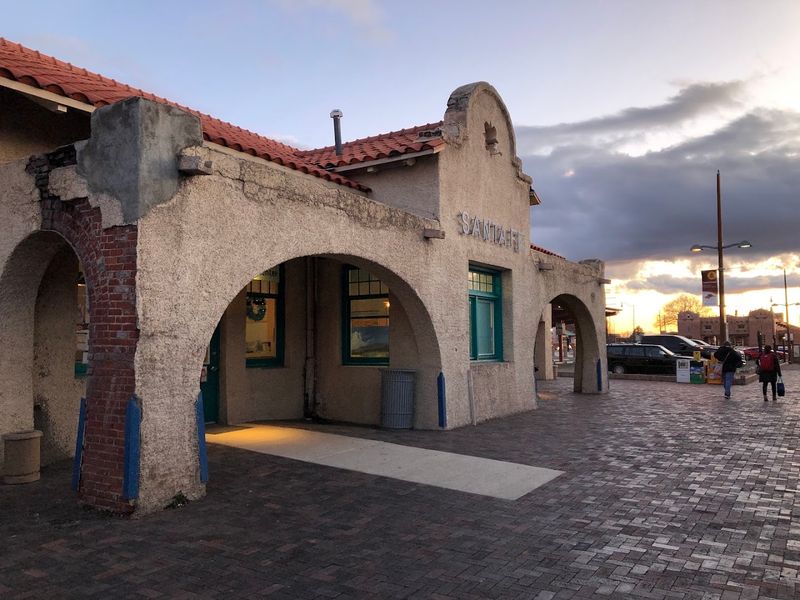
The Santa Fe Depot houses a tourist information office inside the station building, which makes it a genuinely useful first stop for anyone arriving in the city for the first time. The office stocks maps, brochures, and information about local attractions, events, and transportation options.
Having this resource directly inside the depot means that travelers stepping off the Rail Runner can immediately get oriented without needing to find a separate visitors center elsewhere in the city. Staff at the office can answer questions about Santa Fe’s neighborhoods, walking routes, and what to prioritize during a short visit.
The combination of the free shuttle to the Plaza and the tourist office inside the depot creates a reasonably complete arrival experience for someone coming to Santa Fe without a car. Getting off the train and walking into a staffed information office within the same building is a practical convenience that not every historic station manages to offer.
A Station With Character Worth Preserving
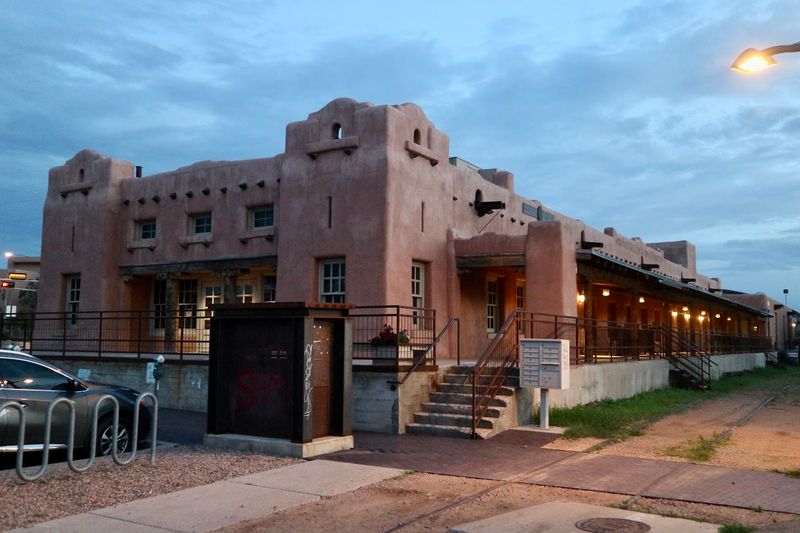
Rail enthusiasts who visit the Santa Fe Depot often note that the building deserves more active preservation attention than it has historically received. The structure carries genuine architectural character from its early twentieth-century origins, and the details of its design reflect the building traditions of the Southwest during that era.
The Atchison, Topeka and Santa Fe Railway built depots across the region with a consistent attention to regional aesthetics, and the Santa Fe station fits within that tradition. The completed renovation work has helped stabilize and restore key elements of the interior, but the building’s long-term future depends on continued investment and maintenance.
For anyone who appreciates historic architecture or the broader history of American rail travel, a stop at the depot offers more than just a functional transit experience. The building itself is the attraction, carrying over a century of regional history in its walls and continuing to serve the same basic purpose it was built for.
Planning Your Visit to the Depot
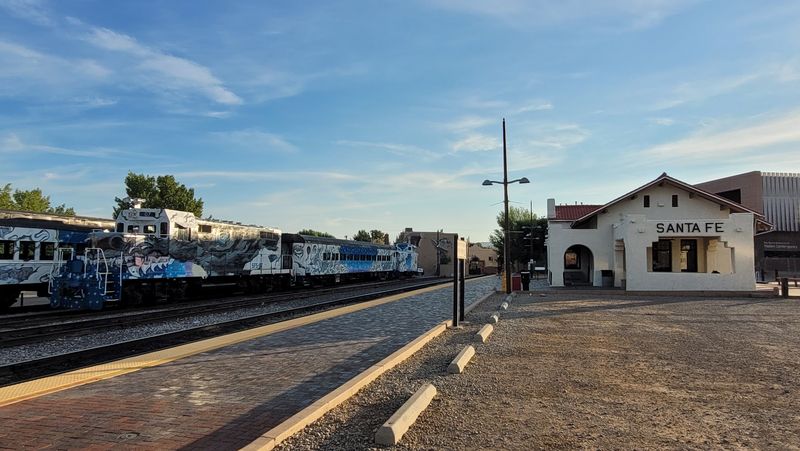
A few practical details help make a visit to the Santa Fe Depot go smoothly. The station is open on days when trains are running, but it is worth noting that many businesses in the surrounding Railyard district close on Mondays and Tuesdays, which can affect plans to combine a train ride with shopping or dining in the area.
The station is walkable to Santa Fe Plaza at roughly 0.6 miles, and a free shuttle has historically been available to bridge that distance. Arriving with a bit of extra time before departure is always a good idea, particularly for first-time riders who want to ask staff about the schedule or confirm platform details.
The overall experience at the depot rewards a relaxed pace. Whether the goal is a day trip to Albuquerque, a visit to the farmers market, or simply exploring the Railyard district on foot, the station works as a practical and historically interesting anchor point for a day in Santa Fe.
A Historic Address Still on the Map
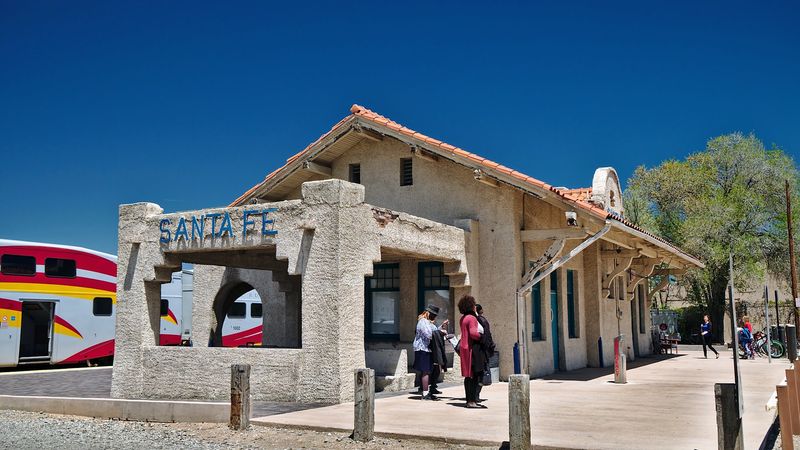
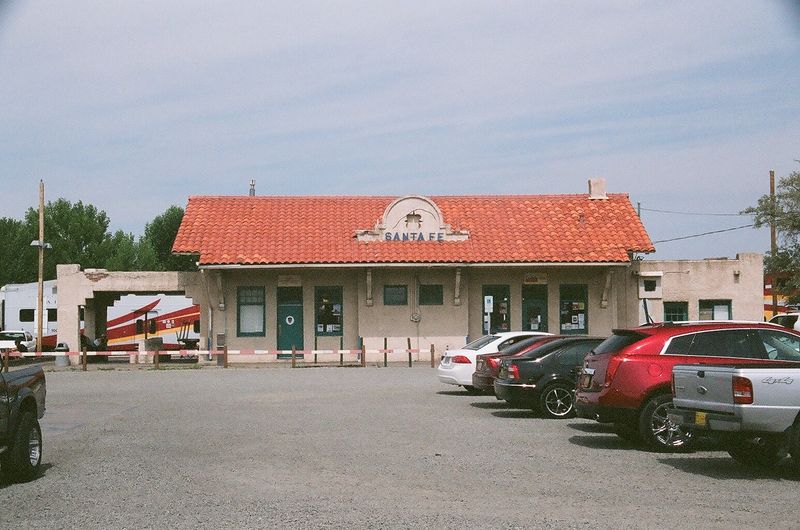
The Santa Fe Depot Rail Runner Station sits at the heart of the Railyard district in Santa Fe, NM 87501, anchoring a neighborhood that has transformed dramatically over the decades while the depot itself has remained a steady constant.
The building traces its origins to around 1909, constructed to serve the Atchison, Topeka and Santa Fe Railway, one of the most significant rail networks in the American Southwest. That original purpose shaped the structure’s design, giving it a character that still reads clearly today.
The station is positioned close to the Santa Fe Farmers Market and within easy walking distance of Santa Fe Plaza, roughly half a mile away. A free shuttle has historically connected the depot to the Plaza, making it straightforward for anyone arriving by train to reach the city center without a car.
The location puts travelers right inside a lively, walkable district.
Share this story