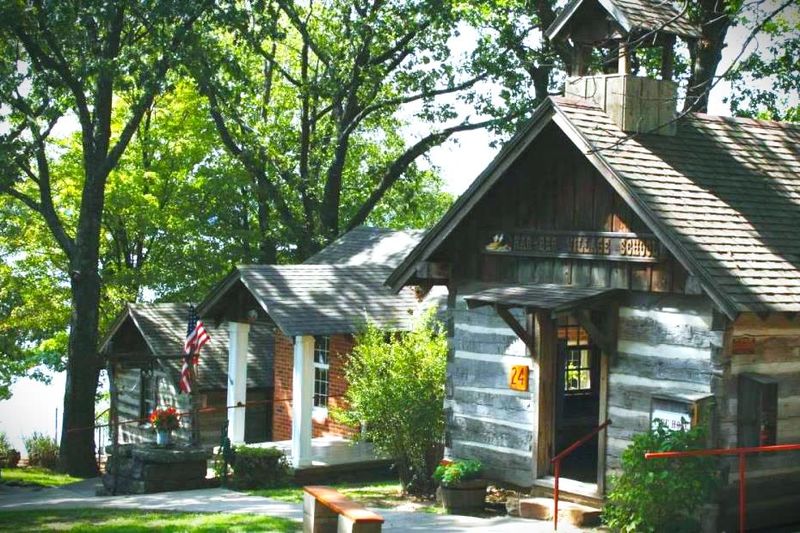
Tucked away in northeastern Oklahoma, Har-Ber Village Museum feels like a time jump to the 1830s. Spread across 240 acres near Grand Lake, it recreates the look and rhythm of a New England town in a way that surprises a lot of first-time visitors. For Oklahomans who love an easy road trip with a strong story behind it, this place offers history, scenery, and the kind of stop people keep recommending to friends.
1. A Full New England Village in Oklahoma
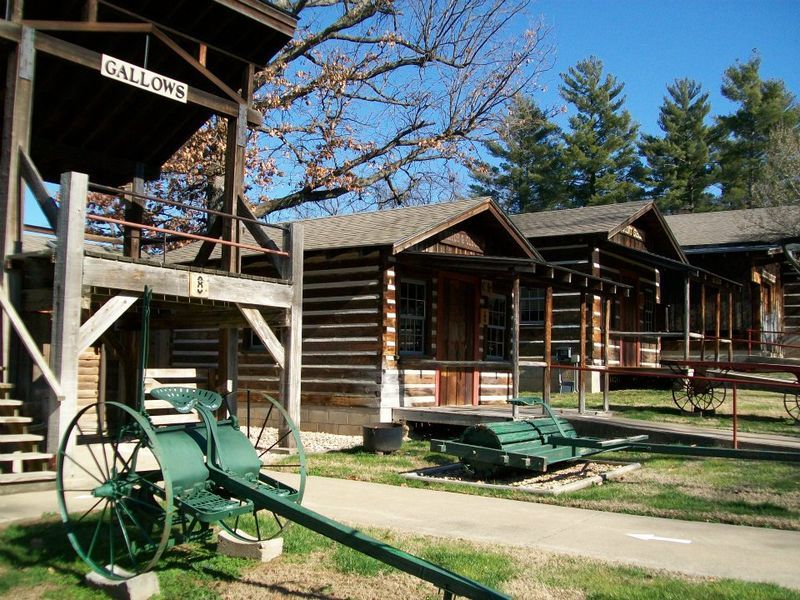
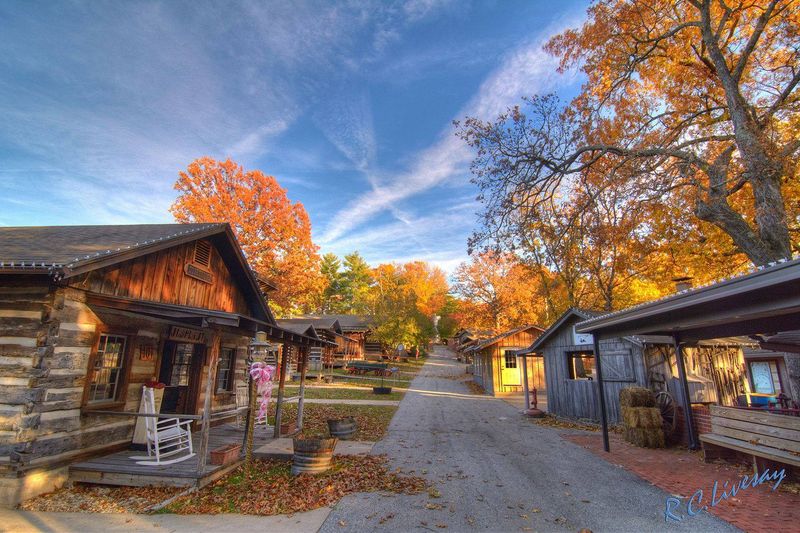
At first glance, the setting feels almost unreal for Oklahoma. One moment you are driving through familiar lake country, and the next you are standing in a carefully arranged village that looks like it belongs in early New England, complete with period buildings, open green space, and the slower visual rhythm of the 1830s.
That contrast is a big part of why Har-Ber Village Museum sticks in people’s memory. It is not just a single historic house or a small local exhibit hall. The museum spreads out over 240 acres, giving visitors room to walk, pause, and take in a place that feels built as an environment rather than a quick attraction.
For Oklahoma readers, that makes it the kind of detour that turns a regular day trip into a story you keep telling. It has the same road-trip pull as those classic in-state stops people grew up hearing about, because it delivers something unexpected without feeling fake or overdone. The village layout lets you imagine daily life as a connected whole, which is much more immersive than looking at isolated artifacts behind glass.
2. Historic Buildings That Feel Like Real Places
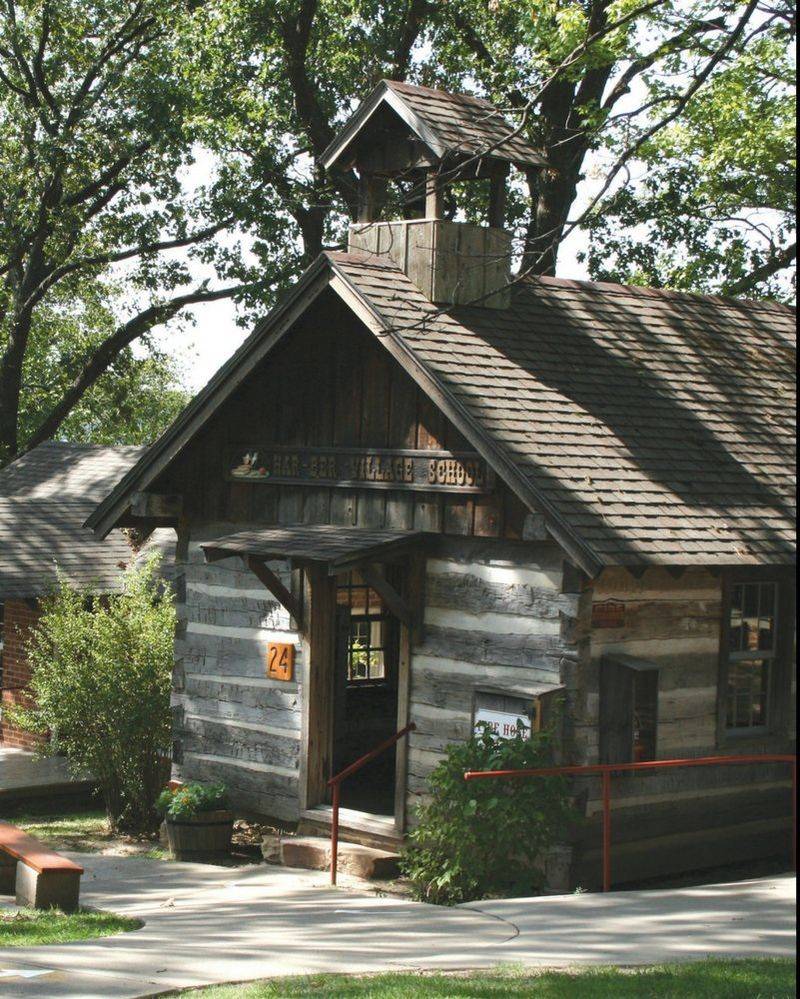
Plenty of museums own old buildings, but Har-Ber Village stands out because the structures feel like parts of a working community. As you move from one area to another, you can picture neighbors crossing paths, children heading toward lessons, and families gathering for church or chores. That sense of everyday life gives the site warmth.
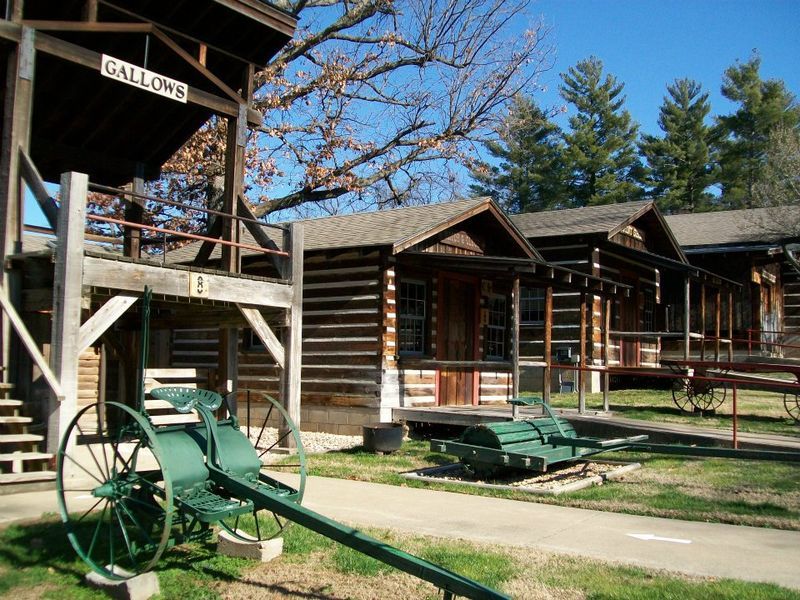
Each building adds a different chapter to the story. Instead of repeating the same design over and over, the village mixes homes, public spaces, and work areas in a way that helps visitors understand how a town once functioned. The result is less like walking through a warehouse of antiques and more like wandering into a paused moment from another century.
That matters for families, school groups, and even locals who think they have seen every museum Oklahoma has to offer. A carefully placed church, schoolhouse, cabin, or shop can do more than display age. It can show how people organized their world, what they valued, and how architecture shaped daily routine. By the time you leave one cluster of buildings for the next, the village starts to feel less like a collection and more like a real hometown from long ago.
3. Collections That Go Far Beyond One Time Period
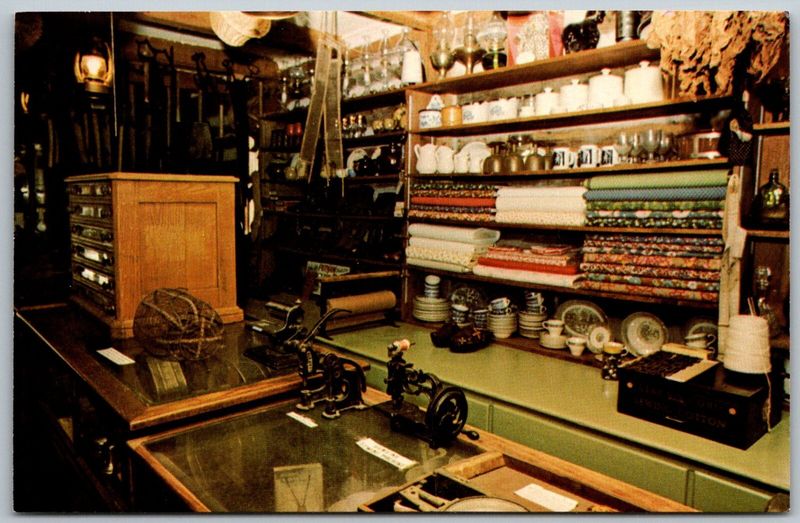
Here is where the museum gets deeper than its village backdrop suggests. Behind the charming streetscape sits a large collection of antiques and artifacts that opens up broader stories about American life, craftsmanship, and material culture. Visitors come for the town setting, then realize there is much more to study once they step inside the exhibits.
The objects on display help bridge the gap between imagination and reality. It is one thing to see a period room and think about the past in general terms. It is another to look closely at tools, furniture, dishes, textiles, and decorative items that show exactly how people worked, cooked, dressed, built, and entertained themselves.
For anyone who likes museums with substance, that layered experience is a real strength. The outdoor setting gives you atmosphere, while the collections supply detail and texture. Oklahomans who enjoy places like Woolaroc, the Cherokee museums, or old county museums know the thrill of finding one object that suddenly makes history feel personal. Har-Ber Village has that same effect, only here it happens again and again as you move through displays that connect domestic life, industry, religion, and design in ways that stay interesting long after the first photo stop.
4. A Walkable Museum With Room To Slow Down
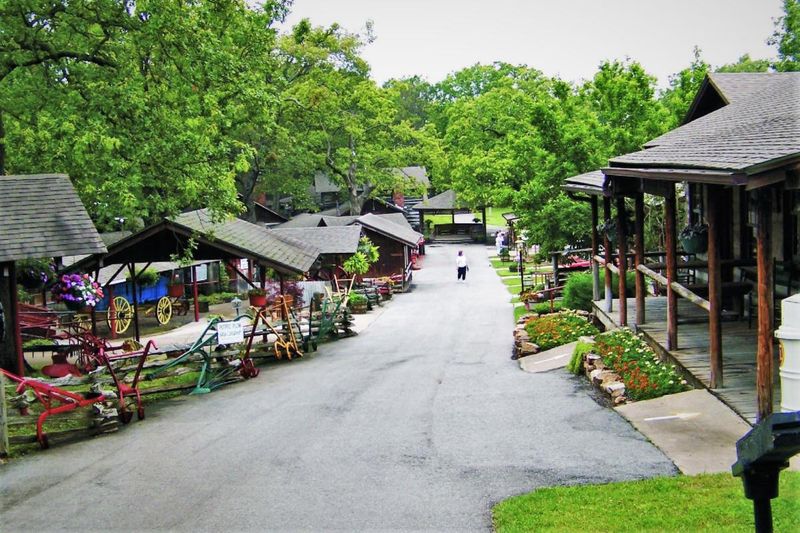
Some attractions wear people out before they win them over. Har-Ber Village works differently because the grounds invite you to settle into the pace of the place. Wide paths, open views, and the spread of the property give the museum a calm rhythm that feels especially welcome after a long drive or a busy week.
That spaciousness is part of the appeal. You are not shuffled from one room to the next with nowhere to breathe. Instead, you can take your time between exhibits, notice the landscaping, enjoy the shade, and let the scenery become part of the visit.
For a lot of Oklahoma travelers, that matters more than fancy effects or loud entertainment. A good road-trip stop needs to feel pleasant in your body as well as interesting in your head. Har-Ber Village hits that balance by making the walk itself part of the experience. Grandparents can move at an easy pace, kids have space to stay engaged, and adults who love taking pictures will find plenty of angles without feeling crowded.
It is the kind of museum where an unhurried afternoon feels like the correct way to visit, which is not something every historic site can pull off.
5. Grand Lake Scenery Adds To The Experience
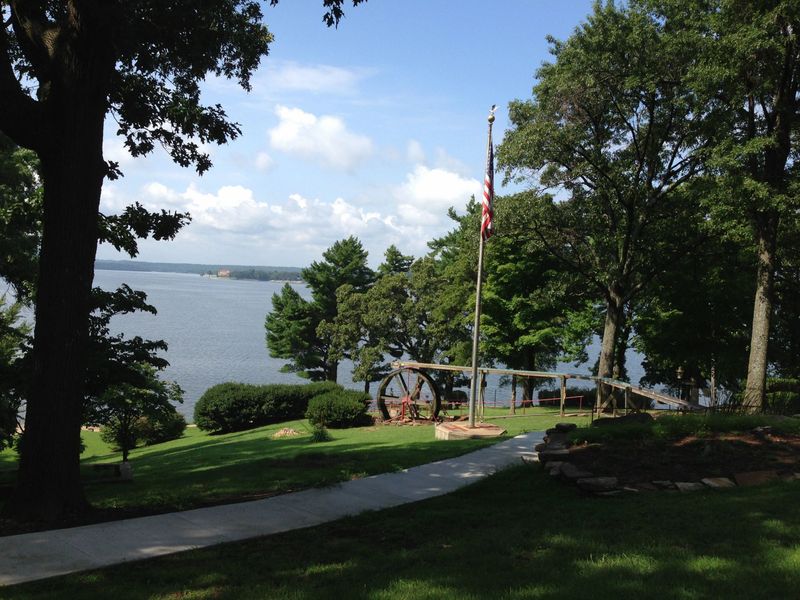
Location does a lot of quiet work here. Set in Grove near Grand Lake, the museum benefits from the kind of scenery that already makes northeastern Oklahoma a favorite for weekend drives, cabin stays, and family outings. The natural setting softens the edges of the history and turns the visit into more than a museum stop.
You can feel that blend of place and story as soon as you arrive. The grounds are green and generous, and the surrounding lake-country atmosphere gives the village an almost storybook calm. History feels less boxed in when it sits inside a landscape people already associate with relaxation, summer trips, and old family memories.
That combination gives Har-Ber Village a special place among Oklahoma destinations. It is educational, but it also fits naturally into the kind of day people in this state actually enjoy planning. You can pair it with time on the lake, lunch in town, or a slow scenic drive through the region. For ex-Oklahomans coming back to visit family, it is exactly the sort of place that feels both new and familiar at once.
It has destination value, but it also carries that classic Oklahoma-road-trip feeling of finding something memorable in a part of the state you already love.
6. An Oklahoma Road Trip Stop With Real Staying Power
Every state has a few places people mention with a certain tone, half recommendation and half fond memory. Har-Ber Village has earned that kind of staying power in Oklahoma because it offers a real experience, not just a sign by the highway and a quick gift shop pass-through. People remember walking it, not merely checking it off.
That makes it especially appealing for locals who still enjoy the old ritual of piling into the car and heading somewhere that feels worth the miles. A museum like this does not depend on gimmicks. Its pull comes from atmosphere, surprise, and the satisfying feeling that you found a place with genuine care behind it.
In a state where beloved destinations often become family traditions, Har-Ber Village fits neatly into the conversation. It may not have the fried onion burger fame of a classic diner or the instant recognition of a long-running bar, but it taps into the same Oklahoma habit of passing down favorite stops. Parents can bring kids, grandparents can compare it to places they visited years ago, and anyone with a soft spot for in-state wandering can add it to the mental map of places that still feel special. That kind of loyalty is hard to fake, and Har-Ber Village seems to inspire it naturally.
7. Why It Still Feels Fresh On A Return Visit
Funny thing about many museums: once you have seen them, you feel finished. Har-Ber Village has a better chance than most of pulling people back because it is large enough, varied enough, and calm enough to reward a second look. One visit might focus on the buildings, while the next leans more toward collections, photography, or simply enjoying the grounds.
Return value matters for regional destinations. Oklahomans tend to revisit places that become part of family routines, especially when they are easy to work into a weekend at the lake or a drive through familiar corners of the state. A site that can support both first-time curiosity and repeat appreciation usually lasts longer in local memory.
Har-Ber Village also benefits from the fact that it does not rush its story. There are small details you miss the first time, connections between spaces that only click later, and plenty of mood built into the landscape itself. That makes a repeat visit feel less like repetition and more like noticing what you were too busy to catch before. If a great Oklahoma stop is one that keeps calling you back after the first trip, this museum makes a strong case for itself.
It feels rooted, a little surprising, and memorable in the way the best in-state discoveries often are.
Share this story