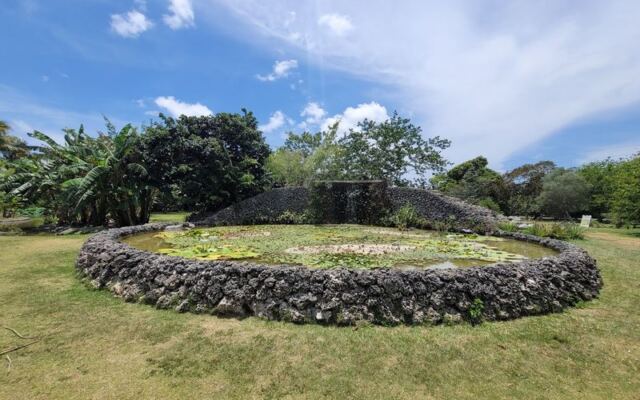
You’re allowed to eat the fruit that falls on the ground here. Not in a sneaky way, either.
It’s an actual park rule, and the fruit might be something you’ve never even heard of.
The grounds hold more than 500 varieties of fruits, vegetables, spices, and herbs. Mango fans get over 240 kinds to wander past, and banana lovers get more than 70.
I love that this place sits quietly in South Florida, far from theme park crowds and souvenir chaos. It’s a public park run by the county, which explains the friendly price tag.
Somehow, a lot of Floridians still haven’t heard of it.
I can’t imagine a better way to spend a warm afternoon than snacking through a living world map. So which mystery fruit would you pick up first?
A Giant Tropical Pantry Waiting at the Edge of the Everglades Region
South Miami-Dade hides a lot of farmland, but one patch stands out. Fruit & Spice Park covers 37 acres of tropical growth in Homestead, Florida.
Think of it as a botanical garden with a snack habit. More than 500 varieties of fruits, vegetables, spices, and herbs grow across the property.
Miami-Dade County runs the park as part of its public parks system. That public status matters, because it keeps admission refreshingly affordable for families and curious wanderers alike.
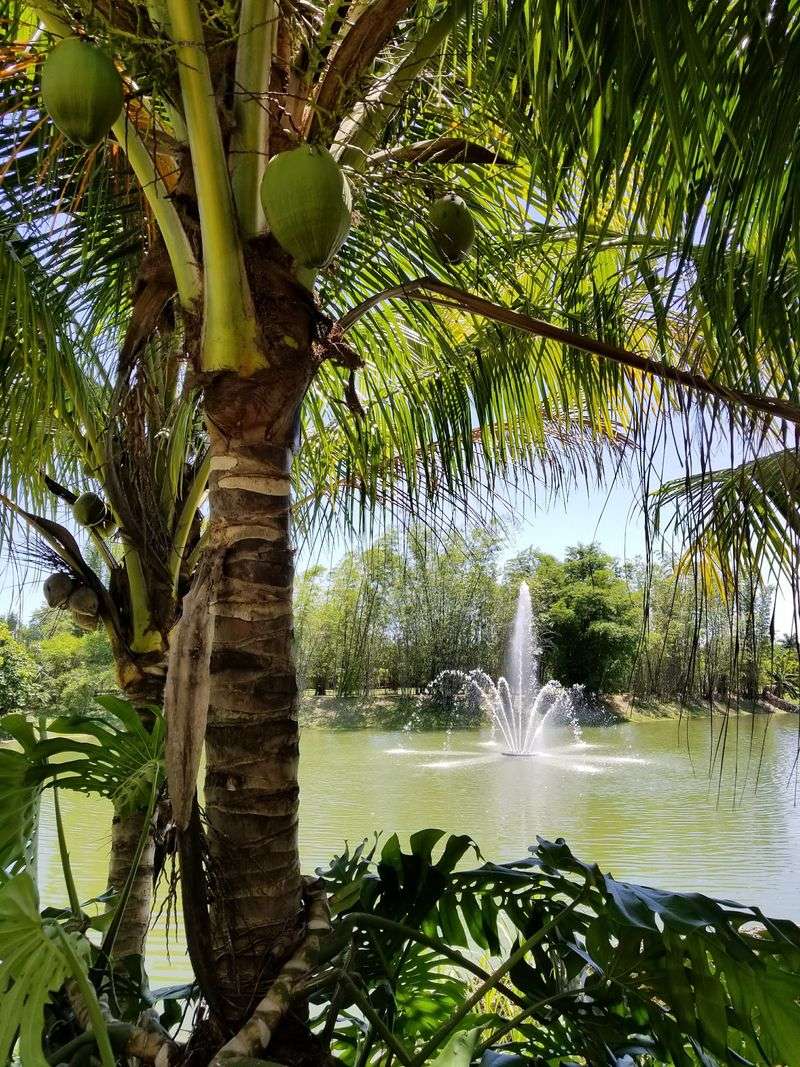
The setting feels far removed from the busy roads up north. Rows of mature trees, open lawns, and winding paths make the whole place feel like a quiet green pocket.
Homestead itself sits close to some big names in South Florida nature. The park makes an easy stop for travelers heading toward the Keys or the national parks nearby.
Still, calling it a pit stop undersells it. Many folks set aside a couple of hours, and some stay half a day.
Honestly, you could walk past every tree and still miss something interesting. That’s the fun part, and the reason the park rewards slow, curious exploring.
Old Trees and a World Map You Can Walk Through
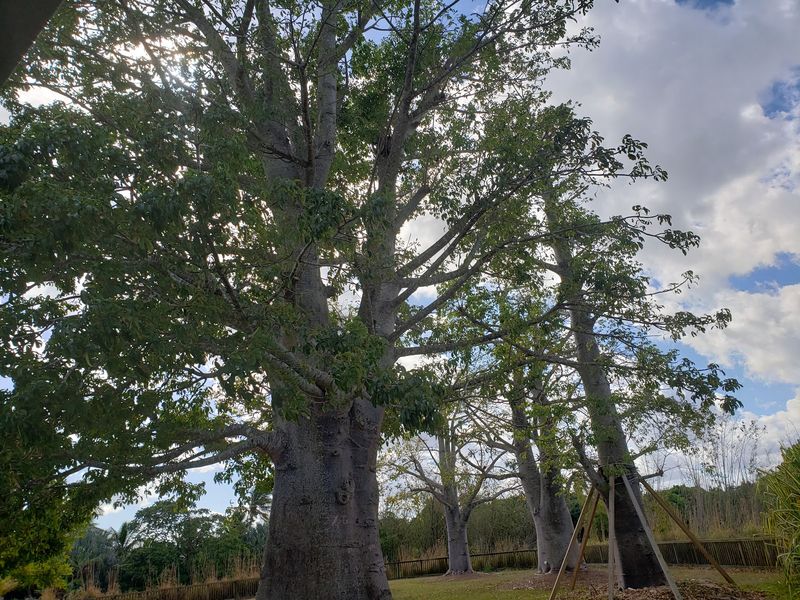
Some of the trees here have been growing for more than a century. Their thick trunks and wide canopies give the grounds a calm, settled, Old Florida character.
That age shows up in the shade, too. On a hot South Florida day, those big branches feel like a gift from the past.
The layout adds a clever twist. Plantings are grouped by regions of the world, including Africa, Australia, Asia, and the Mediterranean.
So a short stroll can carry you across several continents. One path might show plants from Southeast Asia, while the next leads toward species with African roots.
Most trees carry labels, which helps a lot. You can match strange shapes and leaves to real names instead of guessing wildly.
Signage isn’t perfect everywhere, so a map comes in handy. The front desk hands one out, and it keeps you from wandering in confused circles.
What I like most is how the layout teaches without feeling like a classroom. You learn where your favorite fruits come from simply by following the path in front of you.
The Fallen Fruit Rule Everyone Talks About
Finders, keepers… sort of. At Fruit & Spice Park, any fruit that has dropped to the ground is yours to taste.
Picking fruit off the branches isn’t the deal, though. The rule covers only what nature has already let go.
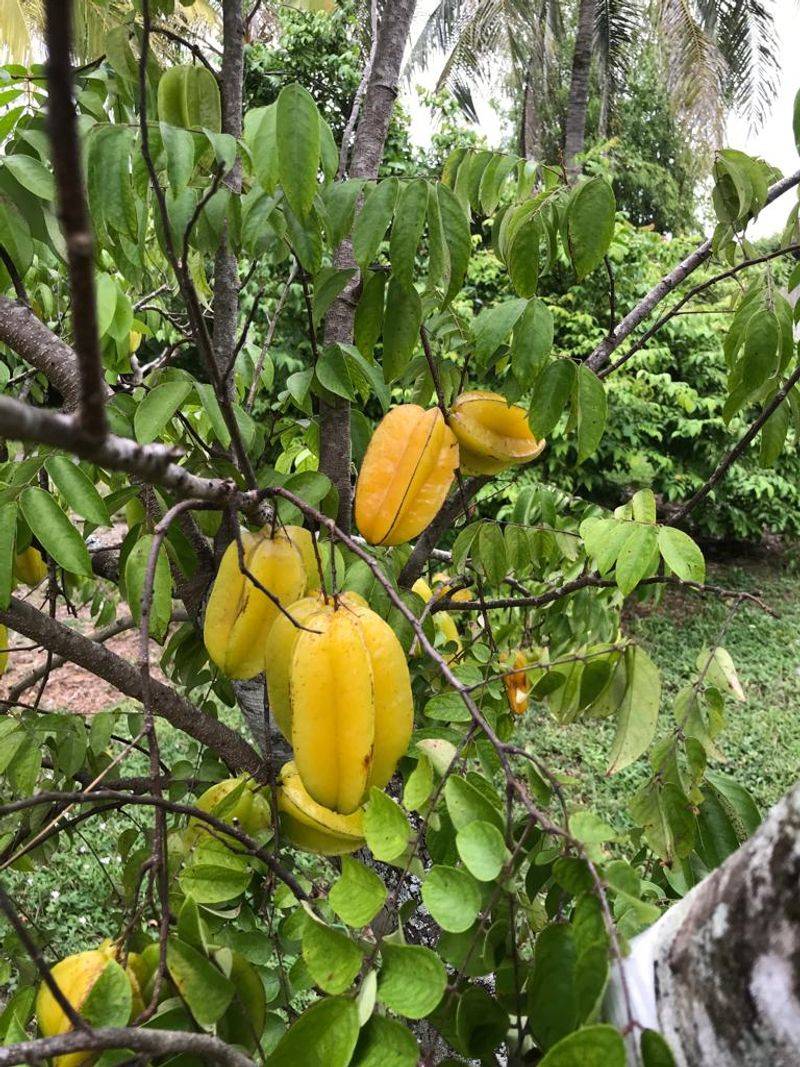
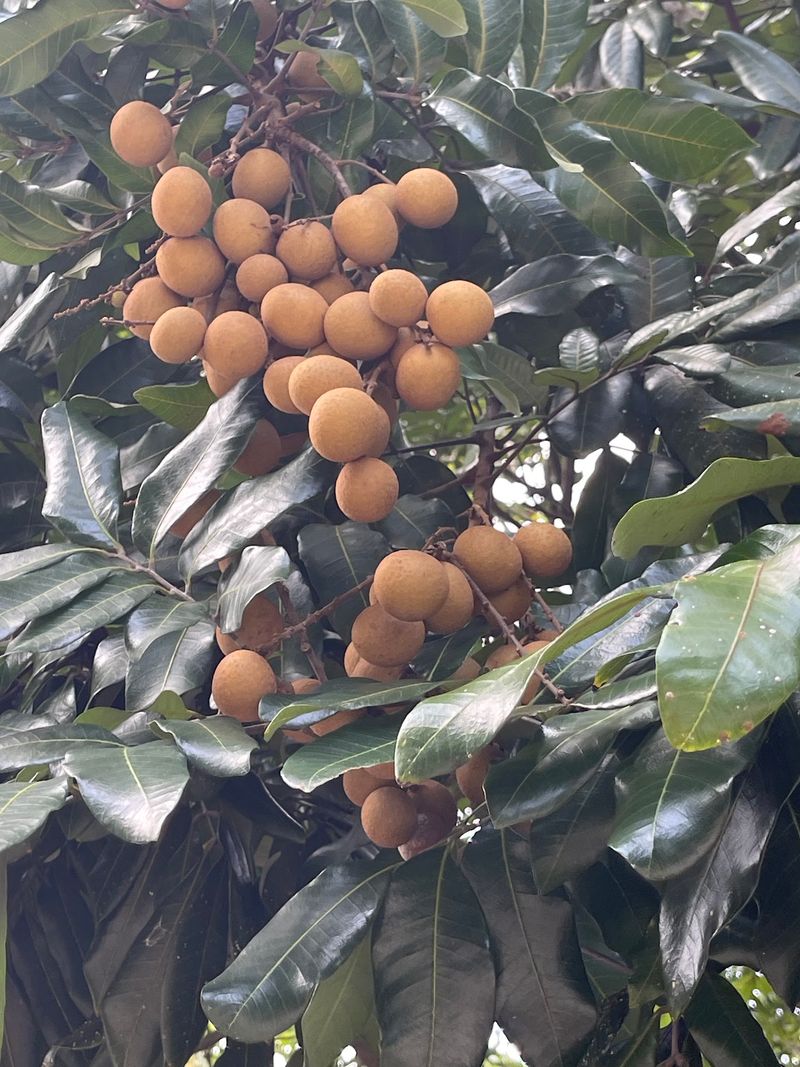
Turns out this little policy turns a garden walk into a scavenger hunt. Every patch of grass might hold a surprise, from a ripe star fruit to something you can’t name.
Not sure what you found? Carry it back to the entrance, and staff can identify it for you.
They may even help prepare it so you can try it properly. That beats biting into a mystery fruit and hoping for the best.
There’s one catch worth knowing before you fill your pockets. Fallen fruit is for eating on site, not taking home.
Luck also plays a part. Depending on the season and the weather, some days bring a great haul while others offer slim pickings, so keep expectations flexible.
The tasting tours help fill any gaps nicely.
More Mangoes Than Your Grocery Store Has Ever Dreamed Of
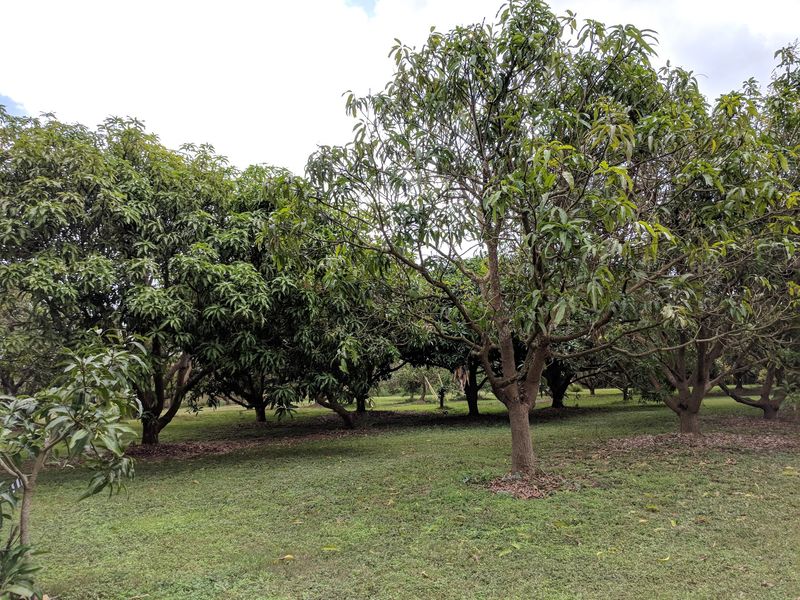
Over 240 varieties of mango grow on these grounds. Most of us have tried maybe two or three in our entire lives.
That number alone makes the park a pilgrimage spot for mango lovers. Each variety can differ in size, color, sweetness, and texture.
Bananas get serious attention as well. More than 70 kinds grow here, which should change how you see that lonely yellow bunch at the supermarket.
Tree-ripened fruit hits differently than anything shipped across the country. Getting a taste straight from the source might spoil you for store-bought mangoes forever.
Timing matters, of course. Mango season in South Florida generally peaks in summer, so a visit then offers your best odds for a juicy find.
The park encourages checking what’s in season before you go. A quick look ahead can steer your trip toward the fruits you care about most.
Even off-season, walking past dozens of mango trees is a treat. You can read the labels, spot the differences in leaves and shapes, and start planning a return trip for summer.
A Narrated Trolley Ride That Makes You Smarter and Hungrier
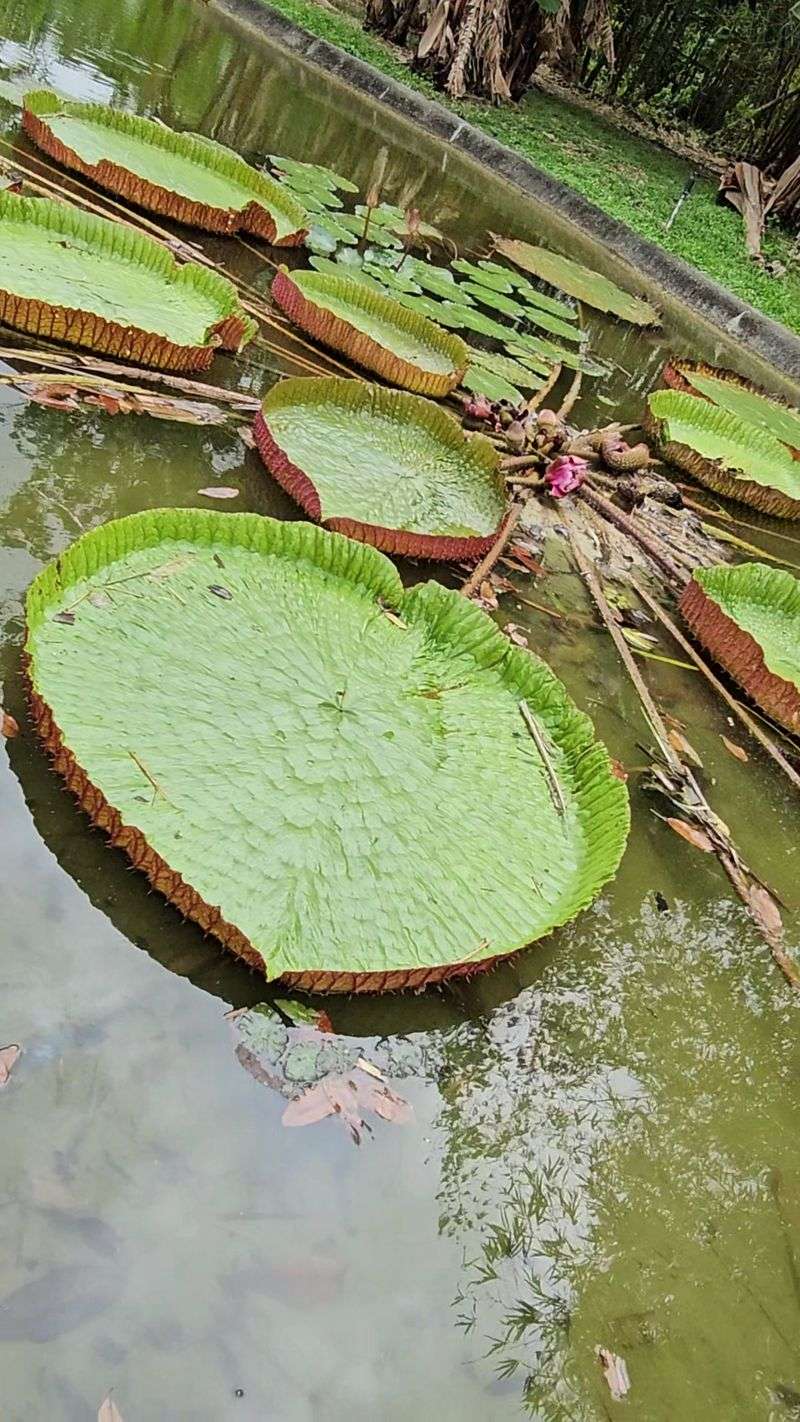
Walking is great, but riding with a guide changes the whole experience. The park offers a narrated tram tour that loops through the grounds.
It typically runs around 30 to 40 minutes and comes included with admission. That’s a strong value for a guided outing in Florida.
Guides share where each fruit comes from and how it grows. They point out details most people would stroll right past, like black pepper vines climbing nearby trees.
Better still, the tour often includes tastes along the way. You may sample rare fruits and sniff fragrant spices you’ve only seen dried in a jar.
The guides earn plenty of praise for their knowledge. Their stories help turn a pretty walk into an actual lesson about global food.
A smart move is riding the tram first. Once you know what to look for, exploring solo afterward becomes far more rewarding.
Schedules can shift with events and seasons, so calling ahead helps. Nobody wants to arrive just as the last tram pulls away, leaving you staring at jackfruit with no idea what it is.
Pepper Vines, Jackfruit Giants, and a Baobab Worth Finding
Fruit gets top billing, but the spice side deserves its own spotlight. Spice trees grow throughout the park, along with an herb garden that smells wonderful.
Black pepper vines are a highlight for many first-timers. Seeing peppercorns on a living plant feels oddly thrilling after years of shaking them from a grinder.
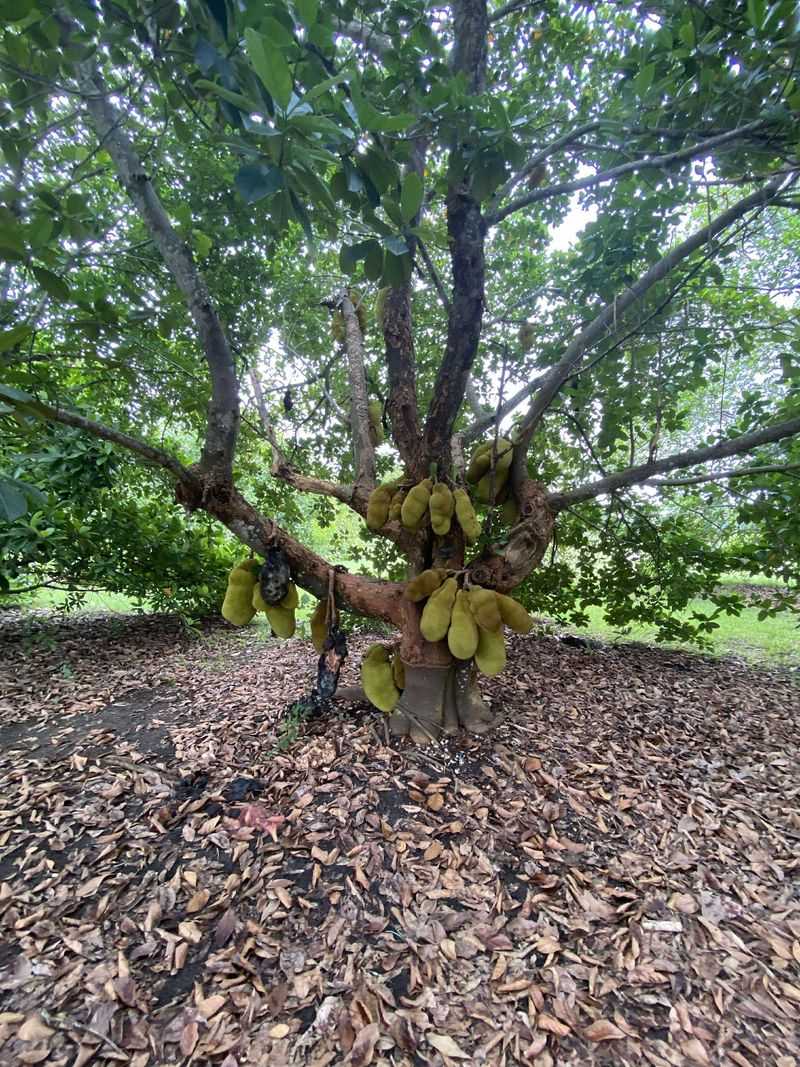
Then there’s the jackfruit. These massive fruits hang straight from the trunks, and their size can stop you mid-step.
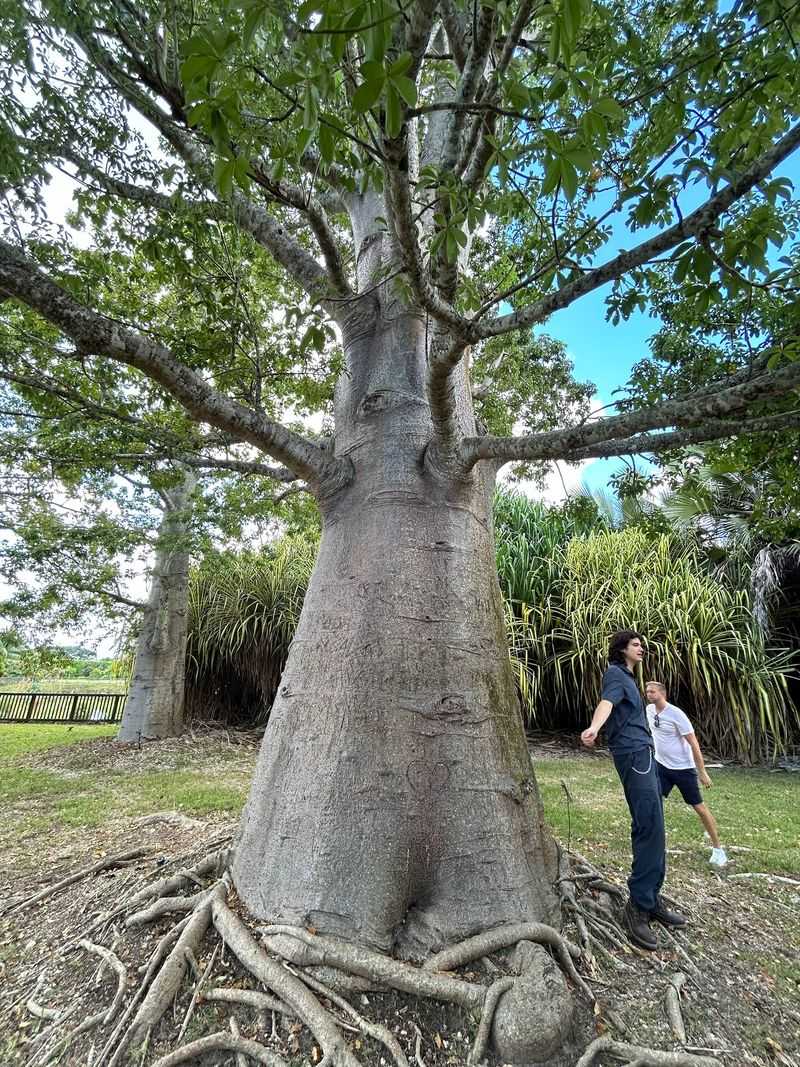
Look for the baobab too. This distinctive tree comes from Africa and has a shape that looks almost cartoonish compared with its neighbors.
Nuts, vegetables, and other edibles round out the collection. The variety makes the park feel like a global grocery list come to life.
A greenhouse on the property adds another layer. It shelters plants that need extra protection, giving plant lovers one more corner to poke around.
Bring a curious mind and a camera. Between the bizarre shapes, bright colors, and fragrant leaves, this stretch of the park keeps serving up conversation starters, even for folks who think they know their plants.
Butterflies Overhead, Iguanas Underfoot, and Benches Everywhere
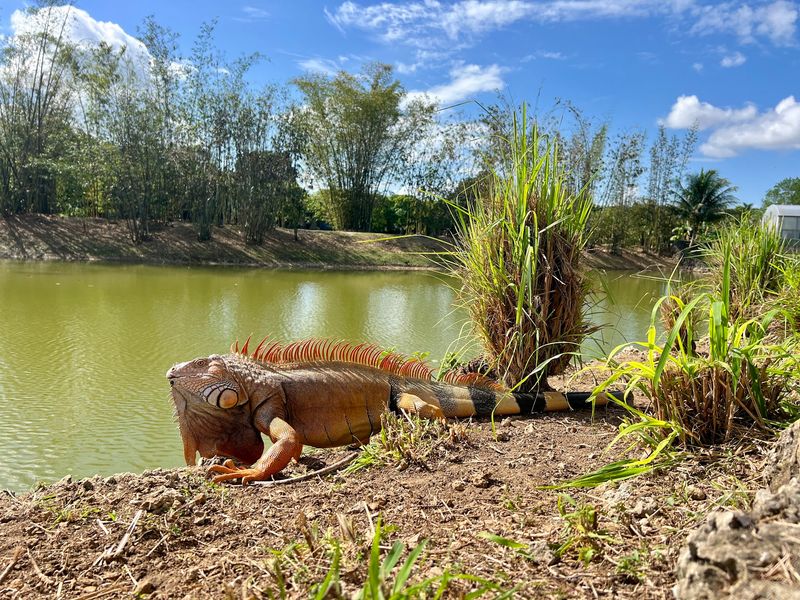
Plants aren’t the only residents here. Butterflies drift through the gardens, and iguanas lounge around like they own the place.
Kids tend to love spotting the iguanas. Adults usually end up just as entertained, phone cameras in hand.
The overall mood leans peaceful. Plenty of shade, quiet paths, and tidy grounds make it easy to slow down and breathe.
Benches sit throughout the park, which makes picnicking simple. Pack a lunch, find a shady seat, and let the scenery do the rest.
Water stations along the walking path help on warmer days. In Homestead heat, that small comfort makes a real difference.
Couples find it a sweet, low-key date spot. Families appreciate the room to roam, while nature fans can happily lose track of time.
Mosquitoes, however, can be intense in some areas. Bug spray and sunscreen belong in your bag, no question.
With those basics covered, the park feels like a relaxing escape. It’s calm enough for reflection yet lively enough to keep a restless ten-year-old busy hunting lizards.
Samples, Jams, and a Gift Shop Worth a Browse
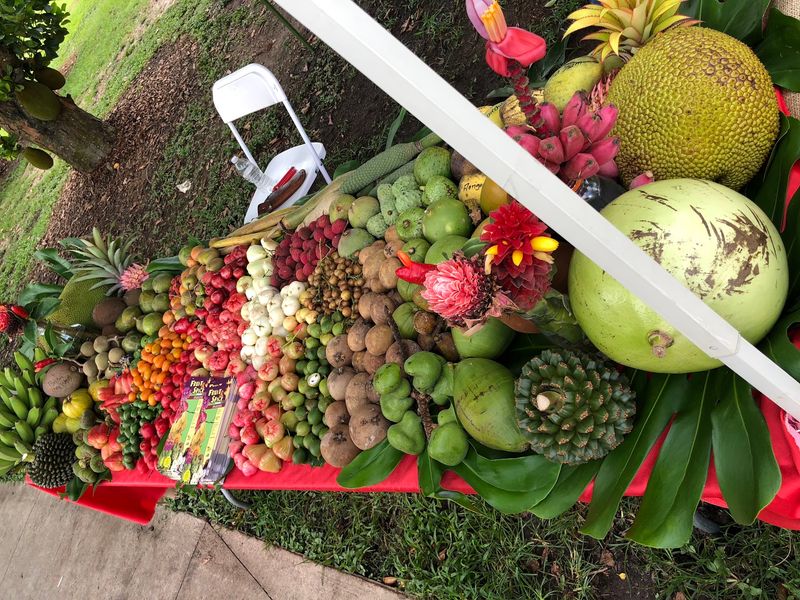
Your visit starts with a taste. Admission typically includes a sample of fruit that’s in season, sometimes served on a banana leaf.
It’s a smart welcome. That first bite gives you a preview of what might be waiting out in the gardens.
Visitors enter through the gift shop, so browsing comes naturally. Shelves hold jams, sauces, trail mixes, and keepsakes that make easy souvenirs.
One heads-up: the shop doesn’t generally sell fresh fruit for the trip home. Plan to enjoy the produce at the park rather than counting on a bag to go.
Staff at the front desk are a big part of the charm. They hand out maps, answer questions, and help identify whatever you drag back from the grass.
Their friendliness comes up again and again. A good guide at the entrance can shape how you spend the whole day.
Before heading out, pop back in with any final questions. Learning the name of that weird fruit you loved might send you hunting for it at a local farm stand later.
Festivals, Plant Bingo, and Reasons to Come Back
Festival days give the park a whole different energy. Events are a big draw and show up throughout the year on the park’s calendar.
These gatherings often celebrate the fruits and plants that grow on site. They turn a quiet garden into a lively community scene.
Keep in mind that special events can change the usual routine. On some event days, the daily tasting may not run.
Smaller fun pops up too. The park sometimes hosts plant bingo, where a lucky winner can take home a plant.
Nothing beats winning something that might eventually grow fruit in your backyard. It’s a delightfully nerdy prize.
Following the park on social media helps you stay current. Event schedules shift, and announcements usually land there first.
Seasons matter here as much as events. Different months bring different fruits, so the park never quite looks or tastes the same twice.
That rotating lineup is the best reason to return. A winter trip and a summer trip can feel like two separate parks, which makes repeat visits easy to justify.
Smart Planning Before You Point the Car South

Good news for flexible schedules: the park opens daily. Hours run from 10 AM to 5 PM, seven days a week.
You’ll find Fruit & Spice Park at 24801 SW 187th Ave, Homestead, FL 33031. It’s an easy drive from Miami and a natural detour on the way to the Florida Keys.
Give yourself time. A quick lap takes about an hour, but many people spend two hours or more.
Need a lunch break? Re-entry is allowed with your receipt, so you can grab a meal and return.
Weather deserves attention in South Florida. If lightning strikes within 10 miles, the park closes the grounds until the storm passes.
Comfortable shoes, water, sunscreen, and bug spray make the day smoother. The mosquitoes in shady spots don’t take days off.
Military visitors can ask about a discount. The admission price is famously gentle on the wallet, and it includes the tram tour.
Finally, check what’s in season before leaving home. A little planning helps match your visit to the fruits you’re most excited to taste.
Why This Little Fruit Paradise Earns a Spot on Your List
Few places let you snack your way through a botanical garden. That alone puts Fruit & Spice Park in a category of its own.
Add hundreds of varieties, century-old trees, and a guided tram tour, and the value gets hard to argue with. It’s the kind of affordable Florida outing that feels almost too good.
Is it flashy? Not really, and that’s part of the appeal.
The park favors curiosity over spectacle. Visitors who love plants, food, or learning tend to get the most out of it.
Families can turn it into a lizard-spotting, fruit-hunting adventure. Couples get a calm, shady stroll with surprises at every turn.
Food lovers might find it the most rewarding of all. Tasting a fruit you’ve never seen before is a rare thrill these days.
I believe the best Florida discoveries feel personal and a little unexpected. This place checks both boxes without trying too hard.
So pack the bug spray, check the season, and leave room for snacks. Somewhere on those 37 acres, a mystery fruit is waiting to drop.
Share this story