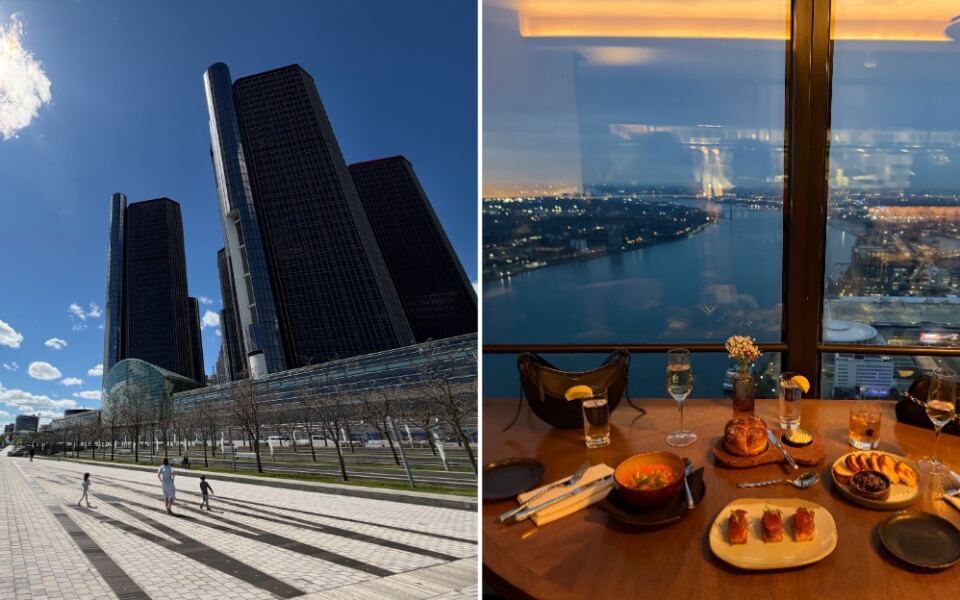
Detroit’s tallest building rises 73 stories above the river, with hotel rooms overlooking Windsor, Canada. It’s part of the seven-tower Renaissance Center, one of the city’s most recognizable landmarks.
The complex opened in the 1970s as an ambitious attempt to revive downtown Detroit. It later became General Motors’ world headquarters, complete with vehicle displays, restaurants, and a hotel with views across the international border.
Now, GM has moved out, and a major redevelopment proposal could remove two of the seven towers. The plans have raised questions about what should happen to a building that has defined Detroit’s skyline for nearly 50 years.
Visitors can still experience parts of the complex, but its future could look very different.
Seven Towers on the International Riverfront
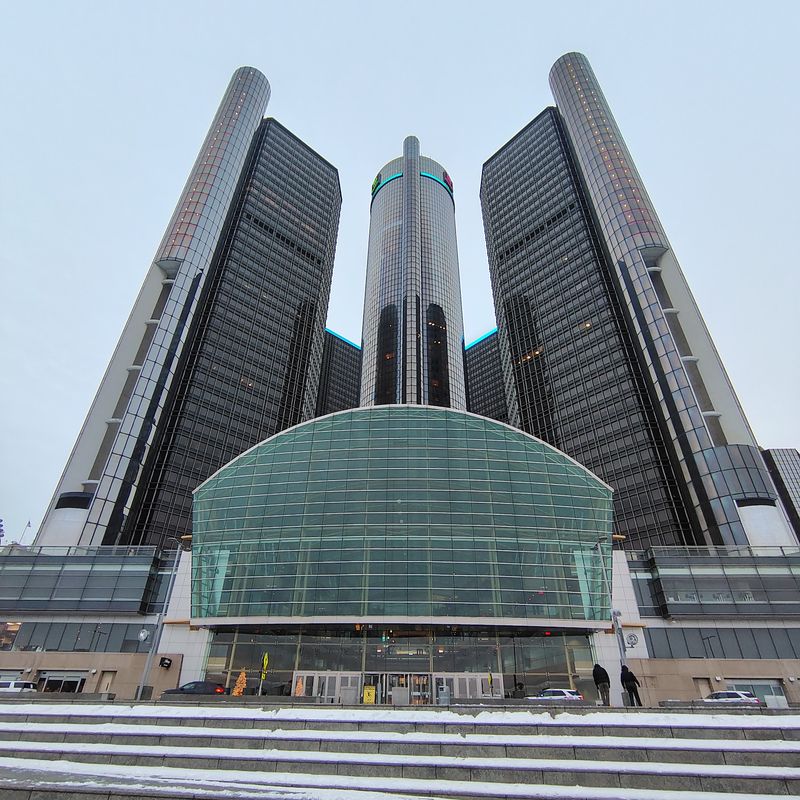
Few buildings get a whole country as a neighbor. The General Motors Renaissance Center sits at 400 Renaissance Center, Detroit, Michigan 48243, right on the Detroit River.
Look south from the riverbank, and Windsor, Ontario, Canada is waiting just across the water.
Locals usually call it the RenCen. The complex is made of seven connected towers, with a tall central hotel tower surrounded by four office towers and two more towers nearby.
Together, they form one of the most recognizable shapes in the Detroit skyline.
I find the setting just as interesting as the buildings. Few big American cities let you stand downtown and look directly at a foreign country without crossing a bridge.
The RenCen is a mix of offices, a large hotel, shops, restaurants, and public walkways. It was designed to be a city within a city, and you can still feel that idea today.
Google Maps lists the building as open daily from early morning until 10 PM. Some shops and eateries keep shorter hours, especially outside the workweek, so plan accordingly.
Of course, a skyline this distinctive had to start somewhere, and its beginnings are surprisingly bold.
A 1970s Plan to Restart Downtown
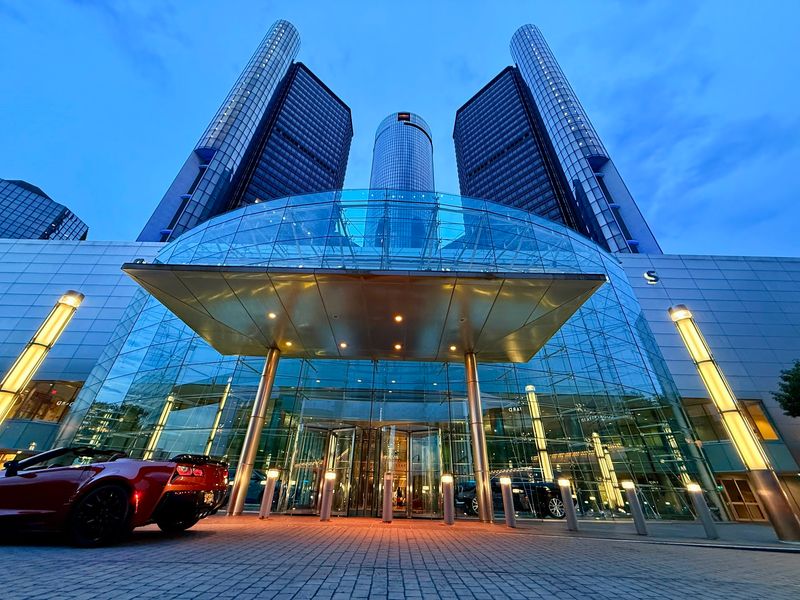
Back in the early 1970s, downtown Detroit needed good news. Business leaders, led by Henry Ford II, pushed for a giant project that could bring people and money back to the riverfront.
The answer was the Renaissance Center. The name itself was a promise, since renaissance means rebirth.
The first phase opened in 1977, and the towers quickly became the tallest feature on the Detroit skyline.
Architect John Portman designed the complex. He was known for dramatic hotels with huge open interiors, and he brought that same big thinking to Detroit.
Interestingly, Ford was the early force behind the project, not General Motors. GM came into the picture much later, buying the complex in the 1990s and turning it into its world headquarters.
That twist surprises a lot of people. Many assume GM built the towers from day one, but the company moved in roughly two decades after they opened.
Whether the RenCen fully revived downtown is still debated. What nobody argues about is how much it changed the look of the city.
That look comes down to a very specific design style worth a closer glance.
Glass Cylinders That Catch the Light
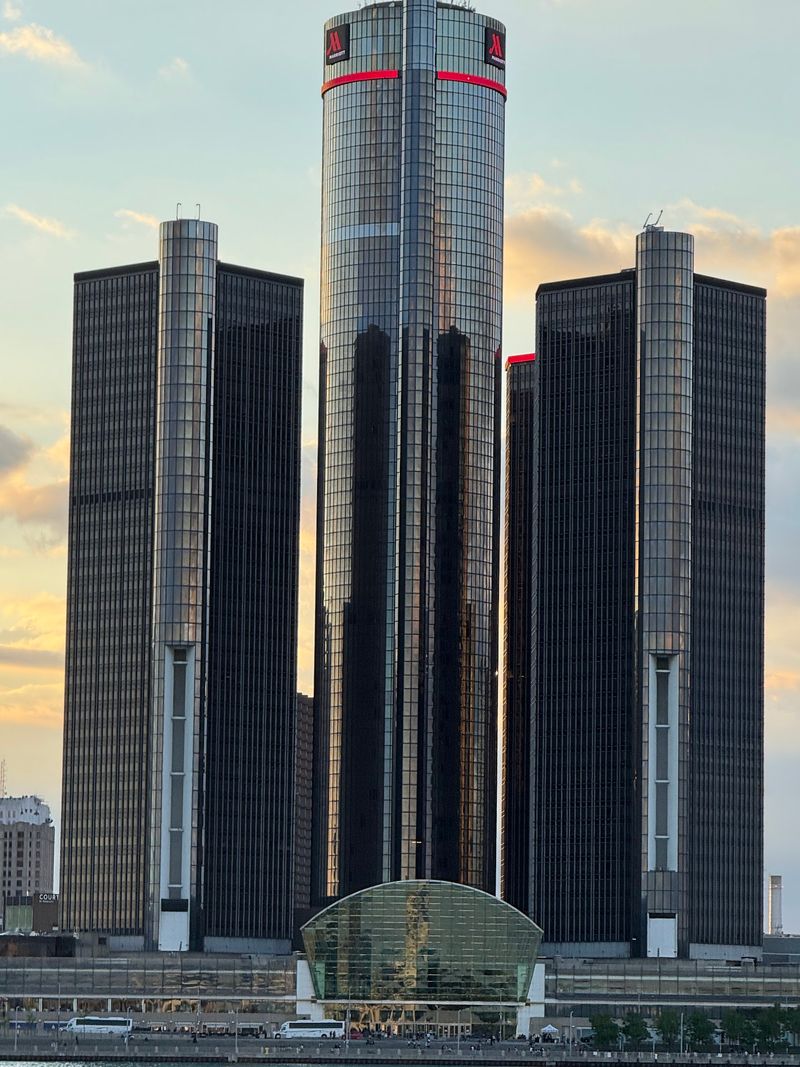
Round buildings are rare, and the RenCen has seven of them. Each tower is a tall cylinder wrapped in dark reflective glass, which makes the whole group shimmer as the sun moves across the sky.
The central tower stands 73 stories tall. For decades, it has held the title of the tallest building in Michigan, a fun fact that gives the complex bragging rights statewide.
The four office towers around it are shorter but share the same rounded shape. From a distance, the cluster looks almost like a single sculpture rising from the river.
Inside, the design gets more complicated. Concrete walkways, curving ramps, and open atriums connect everything, and first-time guests sometimes need a minute to get their bearings.
My advice is simple. Grab a map at the entrance or follow the posted signs, and don’t be shy about asking staff for directions.
The futuristic style made the RenCen feel like science fiction when it opened. Today, it still stands out among Detroit’s older brick and stone buildings.
For many years, the most popular stop inside was all about cars.
Where the Car Showroom Lived
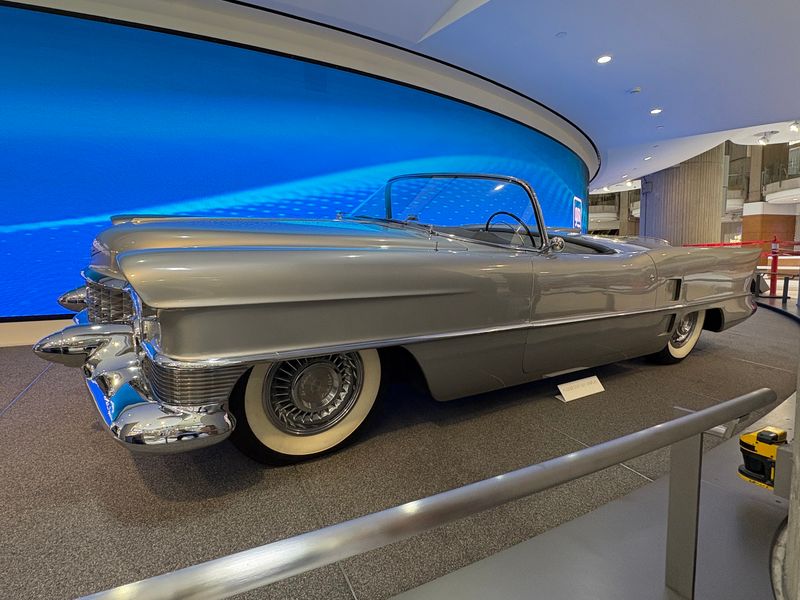
Car fans in the Motor City had a favorite free stop for years. The lower levels of the RenCen held a showroom of General Motors vehicles, including current models and heritage cars from the company’s past.
Families could wander between Chevrolets, Cadillacs, GMC trucks, and Buicks without a salesperson in sight. Some displays even featured concept vehicles, giving a peek at designs still in the works.
That setup is changing. GM announced it would move its headquarters to the new Hudson’s Detroit building, and parts of the RenCen’s lower levels have already closed for renovation.
Recent visitors have reported limited access to the car area. So if seeing vehicles is your main goal, check the official RenCen website before you go.
I understand why people feel attached to that space. Seeing a classic model next to a brand new electric vehicle told the story of Detroit in one room.
Even with changes underway, the RenCen remains closely tied to GM’s legacy. And while the showroom gets most of the nostalgia, the hotel above it has its own fans.
Sleeping 70 Stories Above the River
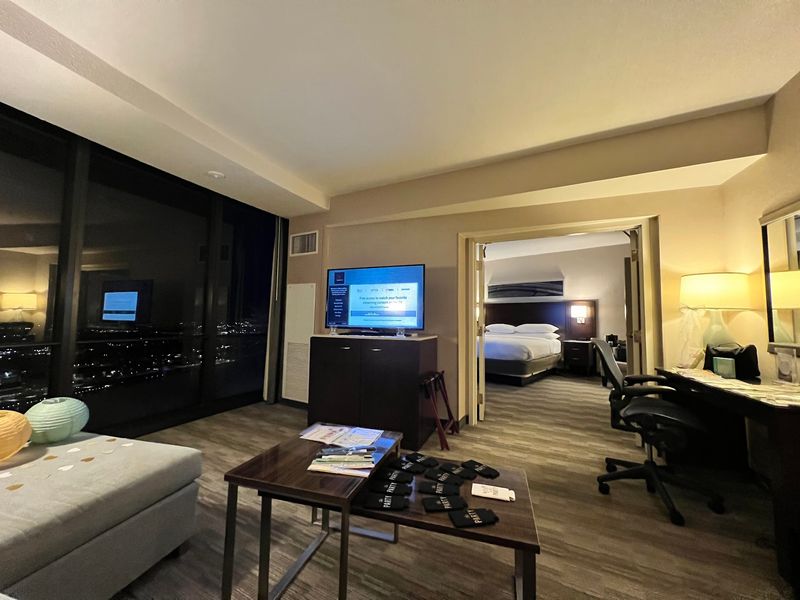
Floor-to-ceiling windows make a hotel room feel enormous, even when the room itself is modest. That’s the setup at the Detroit Marriott at the Renaissance Center, which fills the tall central tower.
The hotel is large, with well over a thousand rooms. Many face the Detroit River, and upper floors look out over downtown or straight toward Windsor, Canada.
Sunrise and sunset views come up again and again when people describe their stays. Since the windows stretch wall to wall in many rooms, the scenery becomes the main decoration.
Some honest expectations help here. Guests have noted that some rooms and bathrooms feel small or dated, so the view is the real reason to book.
A practical tip is to request a high floor with a river view when you reserve. It never hurts to ask at check-in either, since availability can change.
The hotel also includes a market-style grill near the lobby for quick meals. For a fancier night out, though, the RenCen has dining options with views that compete with the guest rooms.
Dinner Near the Top of Michigan
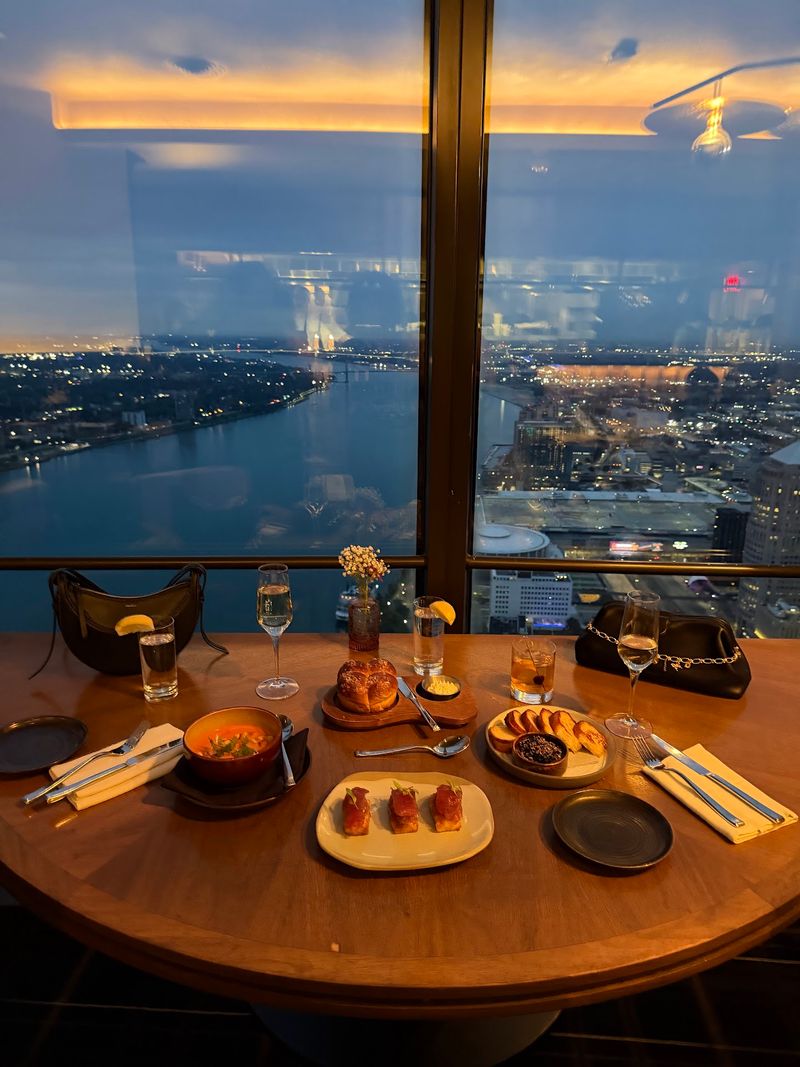
Picking a table with a view gets easy when the building is the tallest in the state. The RenCen has long been home to dining spots that take advantage of its height and riverside location.
Near the top of the hotel tower, a restaurant called Highlands sits on the upper floors. Its tall windows open up wide views of downtown Detroit, the river, and Canada.
Down closer to the water, Joe Muer Seafood is a well-known Detroit name. The restaurant focuses on seafood and offers river views from inside the complex.
Reservations are a smart move for both, especially on weekends or around holidays. Upscale restaurants in popular buildings can book up quickly.
Not hungry for a fancy meal? The complex also has casual options, including a food court area and chains like Panera Bread, though hours can be shorter outside business days.
I’d time a meal around sunset if possible. Watching the lights flicker on in Windsor while Detroit glows below is a simple pleasure.
After dinner, the best move might be stepping outside to the water.
Stepping Out to the Detroit RiverWalk
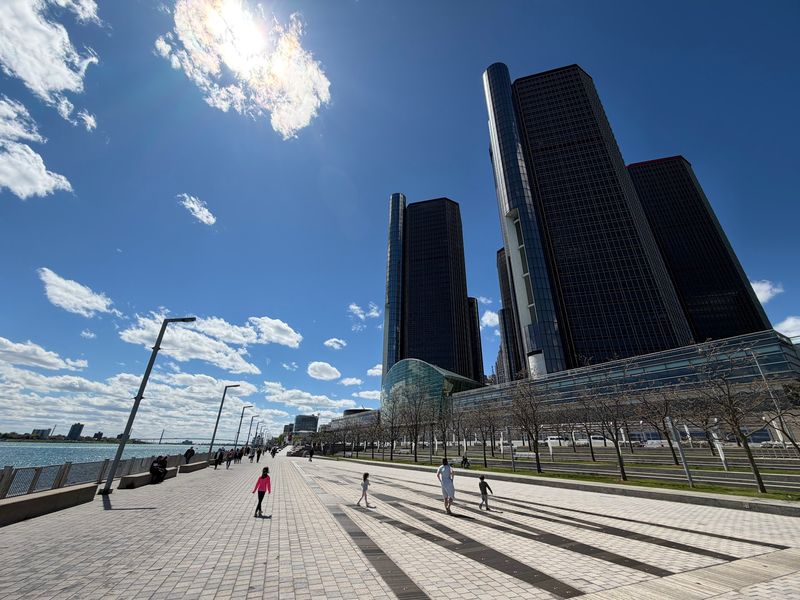
Out the back doors of the RenCen, the Detroit RiverWalk stretches along the water. It’s one of the easiest ways to enjoy the area for free.
The paved path follows the river for miles, connecting parks, plazas, and green spaces. Walkers, joggers, and cyclists all share it, and benches give you places to rest.
Right behind the RenCen, the view looks across to Windsor. Freighters and smaller boats pass by often, which makes the riverbank a relaxing spot to sit for a while.
Kids usually enjoy the open space and the moving boats. Parents get a break while the little ones burn off some energy.
Nearby attractions along the RiverWalk include Hart Plaza to the west and parks heading east. Following the path in either direction turns a building visit into a longer outing.
Wear comfortable shoes and bring a light jacket, since breezes off the river can feel cooler than downtown streets. Spring through fall is especially pleasant here.
Getting to this spot is easier than many people think, thanks to a quirky little train.
Riding the People Mover to the Door
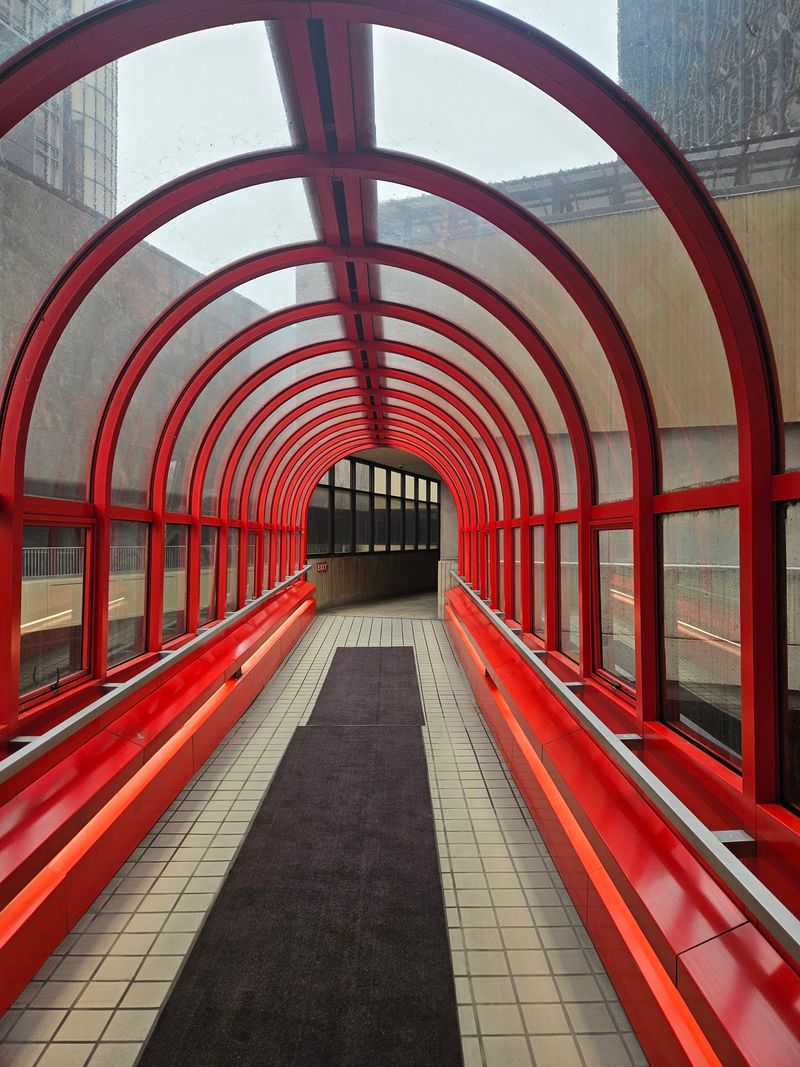
Detroit has an elevated train that loops around downtown, and one stop connects right to the RenCen. The Detroit People Mover runs on a short track above city streets, making it a fun way to arrive.
The Renaissance Center station links to the complex through a connecting walkway. That means you can stay out of rain or snow while moving between the train and the building.
The full loop is fairly short, so riding it once is a quick sightseeing trip. You’ll see downtown buildings from a raised angle that most visitors miss.
Keep in mind that the RenCen is big. Getting from some hotel rooms to the station can take a few minutes of walking through hallways and walkways.
Driving is also an option, with parking available at the complex and valet service at the hotel. Parking costs can add up, so the People Mover is a handy choice if you’re already downtown.
I like the idea of riding the loop before heading inside. Seeing the towers from the train sets the scene nicely for what comes next inside the building.
Easy Wins for a First Visit
Planning ahead saves a lot of wandering here. The RenCen’s curving layout confuses plenty of first-timers, so a little preparation helps you see more in less time.
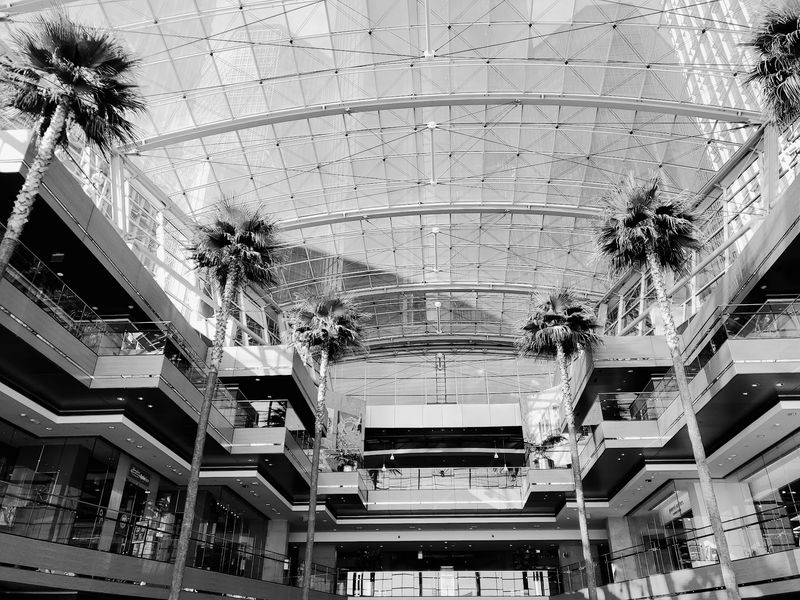
Start with the Wintergarden, a tall glass atrium facing the river. It’s bright, open, and connects you easily to the RiverWalk outside.
Next, check which areas are open. Renovations tied to GM’s move mean some spaces close temporarily, and the official website shares current updates.
Weekdays tend to have more shops and food stands running. On weekends and evenings, some businesses close early, while the hotel and certain restaurants stay open.
Restrooms are available inside, and the complex is designed with wheelchair access in mind. Elevators and ramps link the main levels.
If you plan to hop over to Canada after seeing the view, bring a valid passport or approved travel document. The Detroit-Windsor Tunnel entrance is very close to the RenCen.
A quick visit can take as long or short as you like. Just know the building you see today won’t look the same for long.
A Riverfront Ready for Its Next Chapter
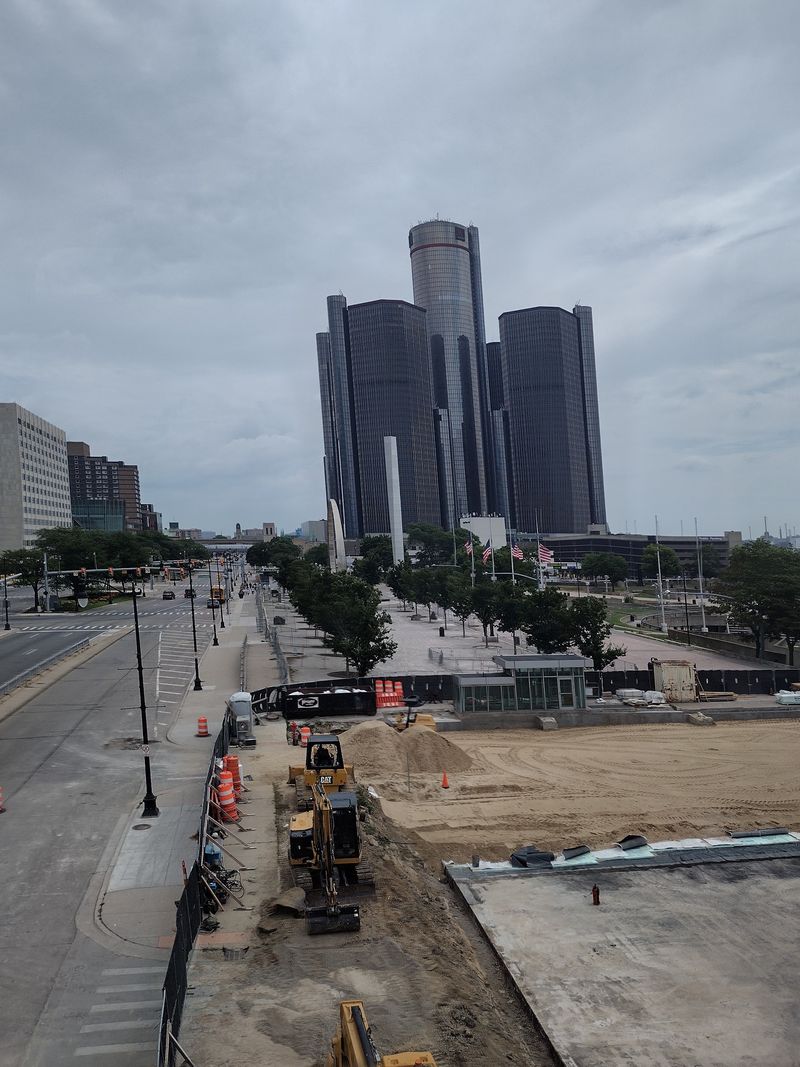
Change is coming to the towers that once symbolized Detroit’s comeback. In 2024, General Motors announced plans to move its headquarters to the new Hudson’s Detroit development on Woodward Avenue.
Since then, redevelopment plans for the RenCen have been discussed. Proposals have included removing two office towers closest to the river and the connecting podium to open up the waterfront.
The goal is to create more public space, entertainment, and green areas along the river. The hotel tower is expected to remain part of the picture.
Details and timelines can shift with big projects like this. Following local news and official announcements is the best way to stay current.
For many Michigan residents, the news feels bittersweet. The RenCen has been part of family photos, proms, conventions, and New Year’s views for decades.
Still, the plan echoes the original 1970s dream. Back then, leaders wanted to draw people back to the riverfront, and the new vision aims for the same thing.
Seeing the towers now, before the skyline shifts again, feels like catching a piece of Detroit history while it’s still standing tall.
Share this story